Bulgaria Road Trip Itinerary: 10 Essential Guide Sections
A Bulgaria road trip itinerary rewards you with things that buses and tour groups simply cannot reach: wine cellars carved into sandstone cliffs, mountain monasteries at first light, and fortress ruins overlooking medieval gorges. Bulgaria is compact enough to loop in 7 days, rich enough to fill 10, and affordable enough that you will spend far less than comparable drives through Western Europe.
This guide covers the full driving loop from Sofia through Rila, Melnik, Plovdiv, the Black Sea coast, and Veliko Tarnovo. It includes a comparison of 5-day, 7-day, and 10-day routes, city-by-city details, practical driving logistics, and the best time of year to hit the road. Whether you are renting at the airport or planning a self-drive from another Balkan country, everything you need is below.
To see what the drive across Bulgaria looks like in real time, this video follows the full route from start to finish:
The Ultimate Bulgaria Road Trip: Route Options
The standard Bulgarian driving loop runs counterclockwise from Sofia: south through Rila and Melnik, east to Plovdiv, then northeast to the Black Sea coast, and finally back through Veliko Tarnovo and the Balkan Mountains. This circuit covers roughly 900 kilometres on a 7-day plan and avoids doubling back on the same roads.
A purely mountain-and-history route (Sofia, Rila, Melnik, Plovdiv, Veliko Tarnovo) skips the coast entirely and works well in spring or autumn when beach towns are quiet. A coastal-heavy route extends the stay in Varna and adds Nessebar and Balchik, better suited to June through September. For first-timers, the full loop is the default — it shows you every face of the country in one trip.
Read our full guide to Bulgaria Transport Options if you are weighing car hire against bus and train. In short: a car unlocks Melnik, the Seven Rila Lakes Visitor Guide, Belogradchik, and the village roads that make Bulgaria special. Public transport connects Sofia, Plovdiv, Varna, and Veliko Tarnovo adequately, but leaves the best scenery unreachable.
Bulgaria Travel Itinerary: 5, 7, and 10-Day Plans
The table below shows what each route covers, how much daily driving to expect, and which destinations you drop when time is short.
| Duration | Route Focus | Total Distance | Daily Driving | Key Stops |
|---|---|---|---|---|
| 5 days | Mountains & history | ~450 km | 4–5 hours spread over 4 days | Sofia, Rila, Melnik, Plovdiv (skip coast & Tarnovo) |
| 7 days | Full loop | ~850 km | 2–3 hours per day | Sofia, Rila, Melnik, Plovdiv, Nessebar, Veliko Tarnovo |
| 10 days | Slow loop | 1,100–1,200 km | 2–3 hours per day | All above + Varna, Belogradchik, Rose Valley, Buzludzha |
If you only have 5 days, resist the temptation to add the coast. Three hours of driving to Nessebar and three back eats an entire day that Plovdiv and Rila deserve. For 10-day travellers, Belogradchik in the northwest is the single best off-path addition — the rock fortress looks like a film set and most tourists skip it entirely.
Sofia: The Historic Capital
Sofia is the logical starting point for any Bulgaria road trip: the international airport has the widest selection of rental cars, and the city itself rewards one or two days before you collect the keys. See our full tips on Bulgaria Car Hire Tips before you book — airport pick-up is easiest, but downtown offices often have better rates on compact cars suitable for mountain roads.
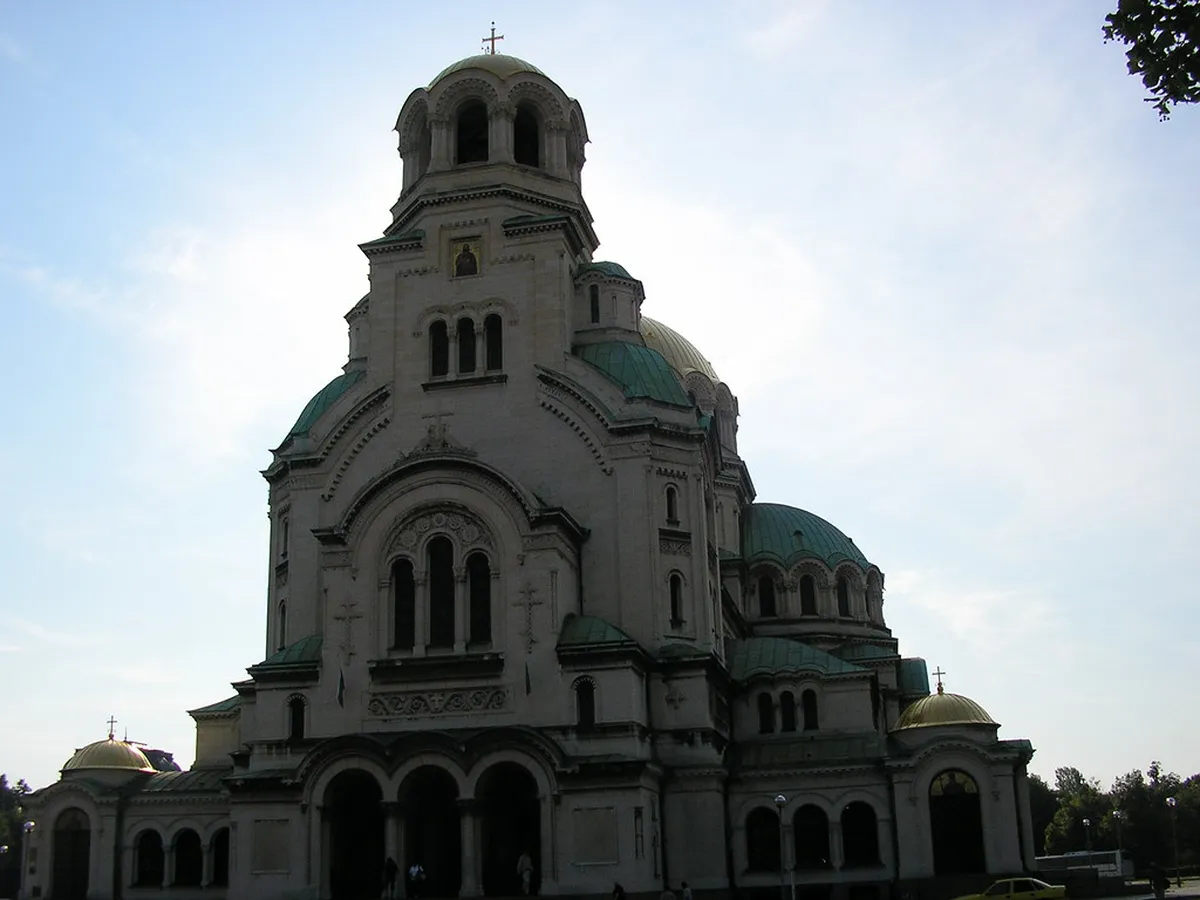
The must-see list is shorter than you think. Alexander Nevsky Cathedral Visitor Guide is the photogenic centrepiece and takes about an hour. The Red Flat (Chervenata Ploshtad) museum on Positano Street is a fully reconstructed 1980s communist-era apartment that gives a visceral sense of daily life under socialism — it is the most original attraction in the city and typically costs 10 BGN. The Archaeological Museum inside the old covered mosque has Thracian gold, Roman mosaic floors, and almost no crowds before 11:00 AM.
Parking in Sofia requires patience. The city centre is divided into Blue Zones (paid, 07:00–19:00 on weekdays) and Green Zones (paid, wider perimeter, same hours). Pay via the Urbo app, which accepts international cards, or buy a paper ticket from a street warden. Covered garages beneath the National Palace of Culture (NDK) cost around 3 BGN per hour and are your stress-free alternative. Pick up the car on the morning of your departure for Rila — there is no reason to navigate Sofia traffic with a rental the evening before.
Rila Mountains: Monastery and the Seven Lakes
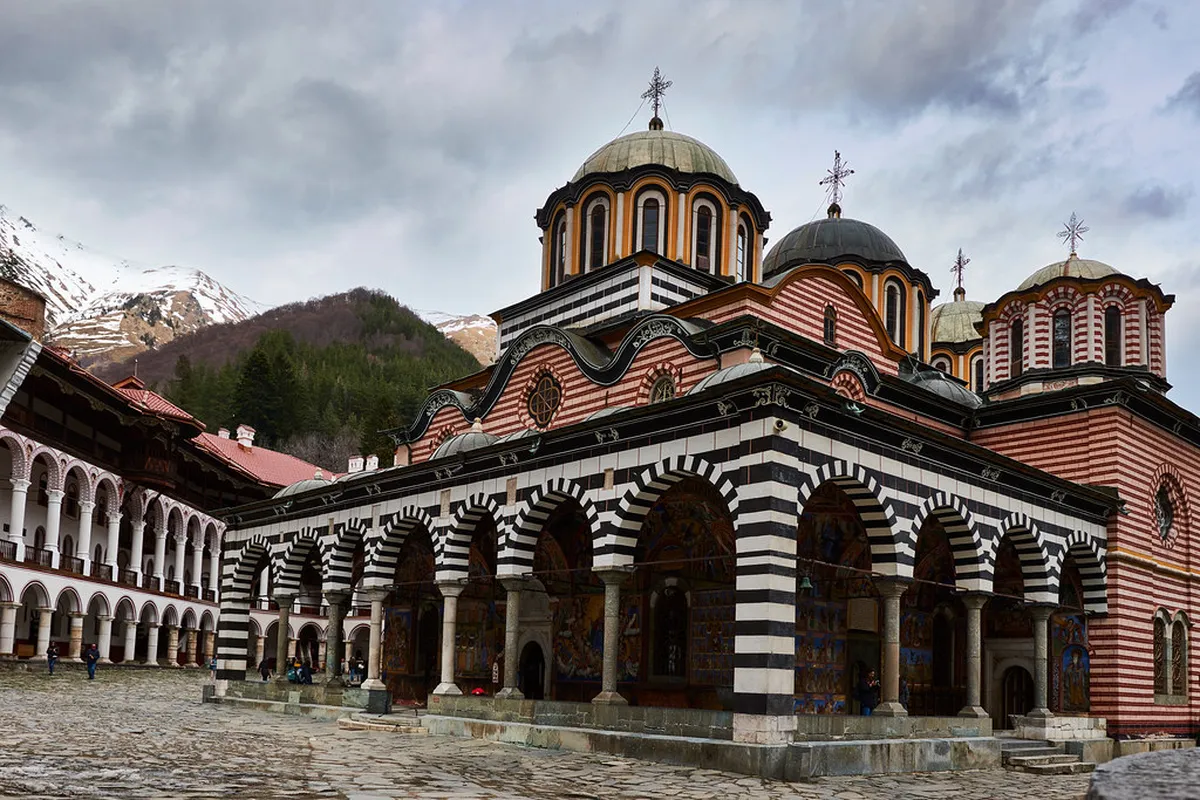
The Rila Mountains are a 90-minute drive south of Sofia on a route that climbs steadily from the Struma Valley. The Rila Monastery sits at 1,147 metres and is Bulgaria's most visited sight for good reason: the frescoes covering the inner courtyard walls and the tower are among the finest examples of medieval Bulgarian painting anywhere. Arrive before 09:00 to beat tour groups; parking at the monastery is free for the first two hours.
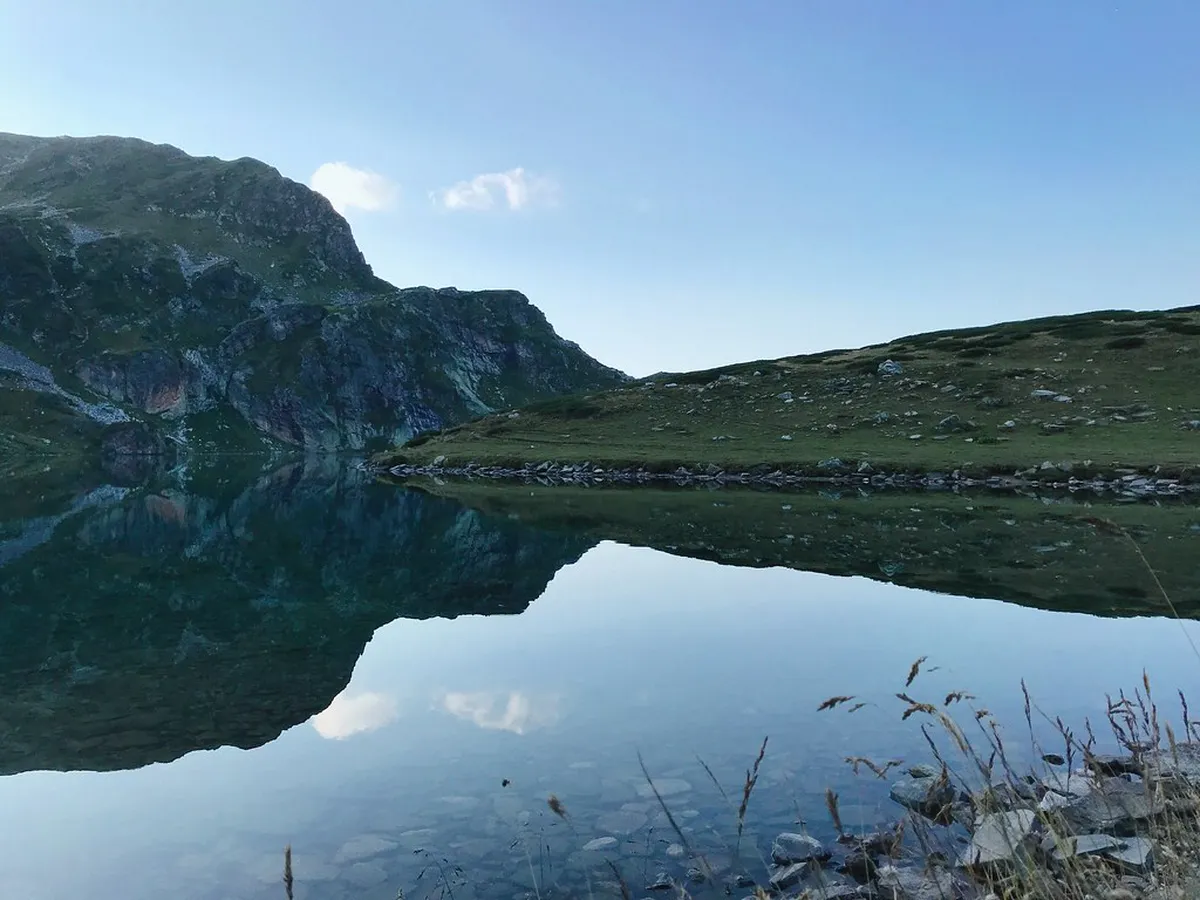
The choice between the Monastery and the Seven Rila Lakes hike depends on your fitness level and the time of year. The Monastery can be done in 90 minutes and suits all ages. The Seven Lakes circuit begins with a chairlift from Panichishte (9 BGN per person, runs July to September) that takes you to 2,196 metres, after which the full loop is about 5 hours of moderate walking. A shorter cut to just the lower lakes takes 2 hours and is accessible to most walkers. The lakes are frozen from October through June, making July to September the only viable window for this hike.
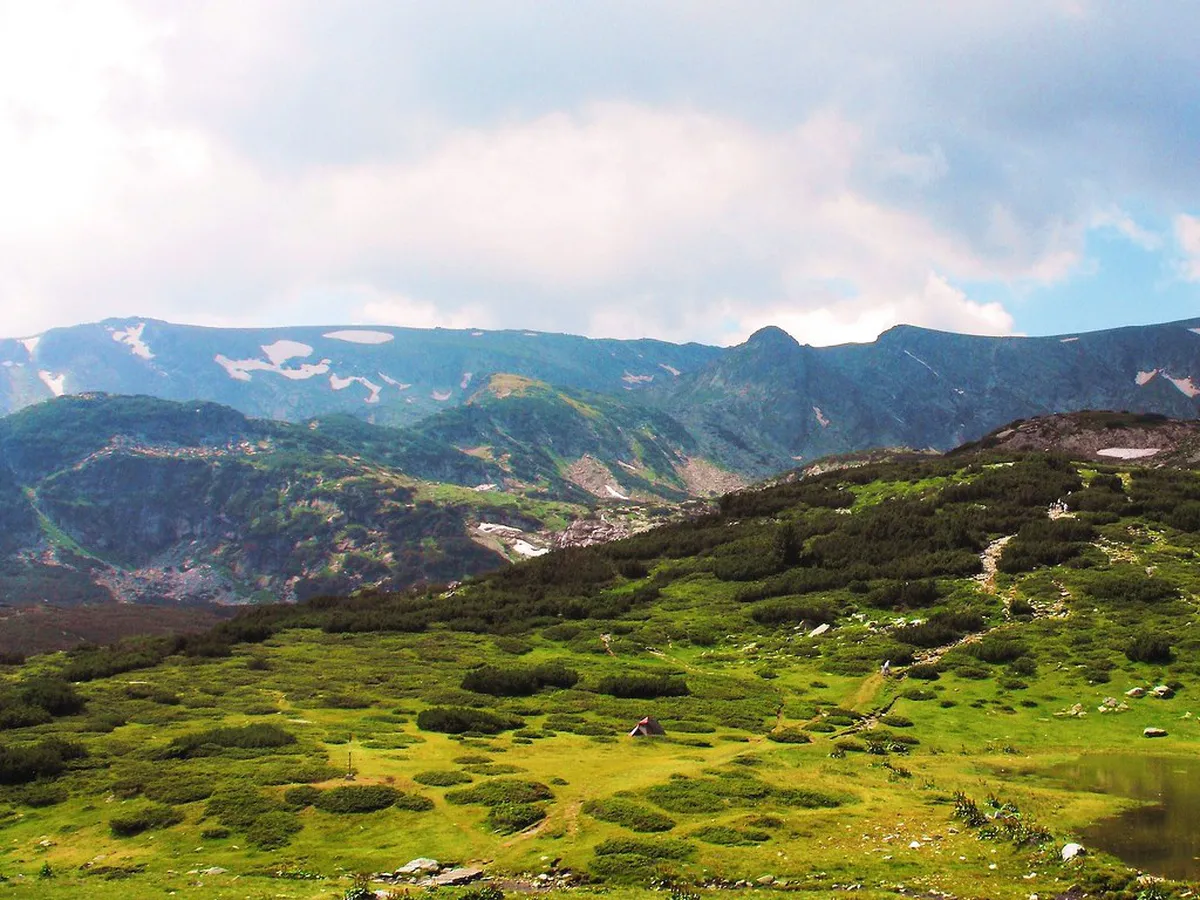
If you only have one day in the Rila region, combine both: visit the Monastery in the morning, then drive 45 minutes to Panichishte and take the chairlift up to the lakes in the afternoon. Plan to overnight in Sapareva Banya or the village of Rila rather than backtracking to Sofia — it saves an hour of driving and positions you perfectly for the next morning's run south to Melnik.
Melnik: Wine and Sand Pyramids
Melnik is Bulgaria's smallest town by population — fewer than 200 permanent residents — but it punches far above its weight. The sand pyramids that flank the valley are genuinely strange: eroded sandstone columns rising 100 metres above the riverbed, with walking trails that wind between them for about two hours of easy hiking. Do the pyramids first thing in the morning before heat builds, then head into town.
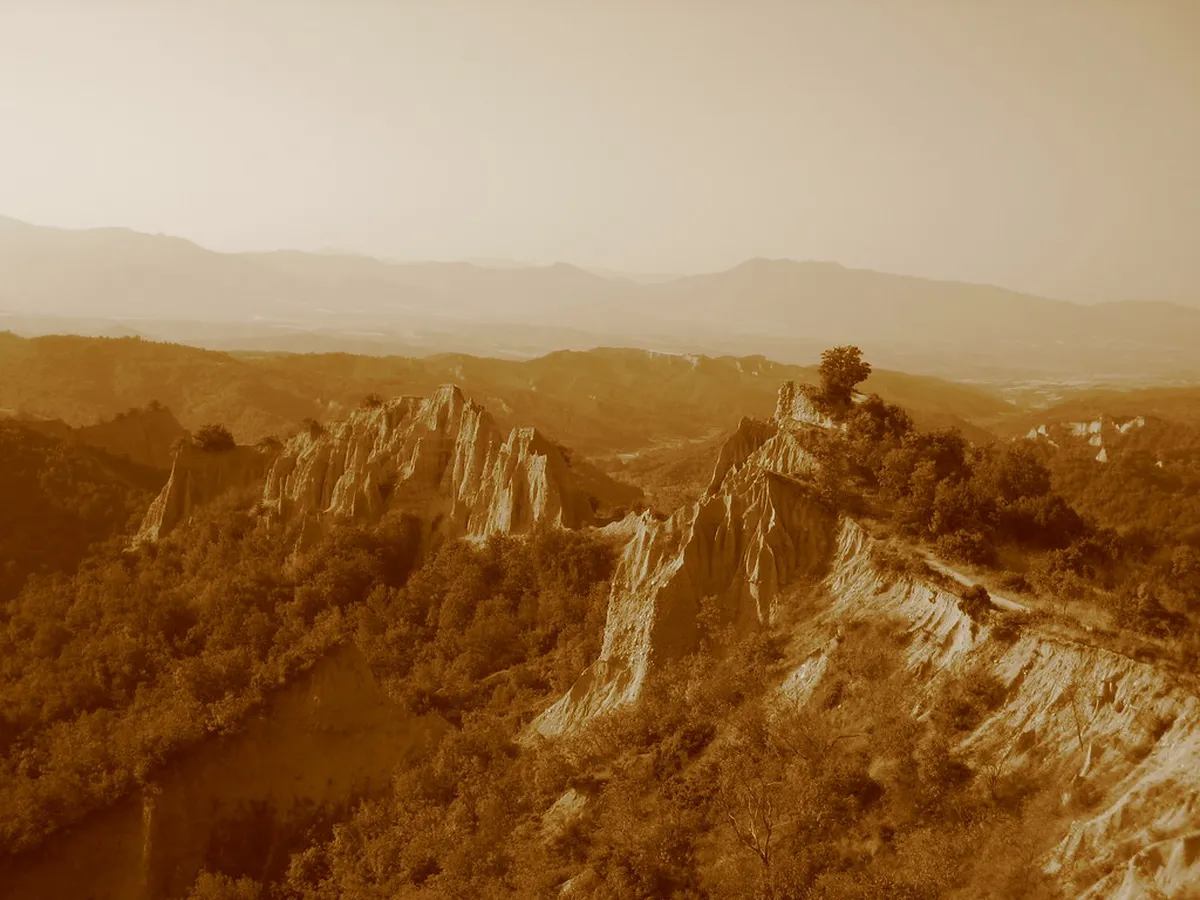
The wine here is unlike anything produced elsewhere in Bulgaria. The native grape variety, Shiroka Melnishka Loza (Broad-Leaved Melnik Vine), grows only in the Struma River Valley microclimate and produces a dense, dark red that ages exceptionally well. Winston Churchill famously ordered it by the barrel. The Kordopulov House, a restored 18th-century merchant mansion, offers the most atmospheric tasting: you descend into cool sand-tunnel cellars carved directly into the sandstone to sample the wine where it has been aged for centuries. Entry is 5 BGN, open daily 09:30–18:30, and calling ahead by one day secures your spot on busy summer weekends.
From Melnik it is worth driving the 7 km to Rozhen Monastery, the largest monastery in the Melnik region, sitting on a ridge above the pyramids. The frescoes are older and less restored than Rila's, which gives them an authentic, weathered quality. Combine Rozhen with the pyramids hike and Kordopulov House tasting and you have a full and unhurried day before driving north to Plovdiv the next morning (roughly 2.5 hours).
Plovdiv: The Ancient Roman Heart
Plovdiv is the trip's cultural centrepiece. The Ancient Theatre of Philippopolis, built in the 1st century AD by the Romans, still hosts live performances and stands in near-perfect condition above the Old Town. Tickets for performances start around 20 BGN and sell out weeks in advance in summer; book online if you want to watch opera or jazz in a 2,000-year-old amphitheatre. Without a ticket, the theatre is still freely visible from the street and makes for one of the best photographs in Bulgaria.
The Old Town (Staria Grad) sits on three of Plovdiv's seven hills and rewards slow exploration. National Revival-era mansions with overhanging upper floors, painted in ochre and terracotta, line the cobblestone lanes. Most have been converted into small museums; a combination ticket covering all of them costs around 10 BGN. The real social energy, however, lives in the Kapana district ("The Trap") just below: a grid of pedestrian streets packed with independent cafés, street art, and restaurants open until midnight. This is the best place to eat in Plovdiv.
Two nights in Plovdiv is the minimum to do it justice. If you have a third night, use the day for the Bachkovo Monastery Visitor Guide (30 km south), which combines an 11th-century complex with the nearby Asen's Fortress ruin and the Wonderful Bridges (chudnite Mostove) Visitor Guide natural rock arches — all on one scenic drive through the Rhodope foothills.
The Black Sea Coast: Varna and Nessebar
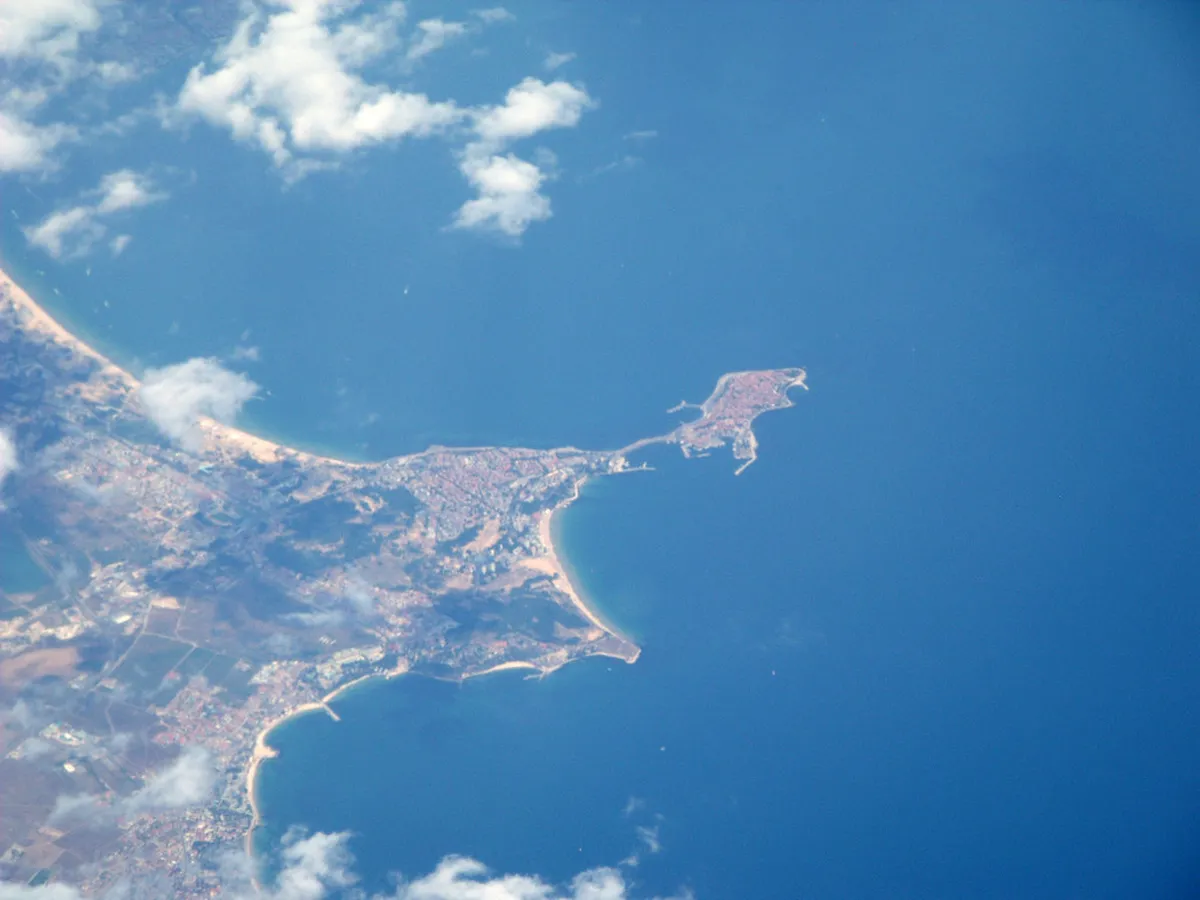
The coast divides into two very different experiences. Nessebar is a UNESCO World Heritage Site on a narrow rocky peninsula connected to the mainland by a causeway. Its 3,000-year history — Thracian, Greek, Byzantine, Ottoman — is compressed into a 1-kilometre walk past ruined churches and old merchant houses. It is dense with history and dense with tourists in July and August. Park outside the old town walls (free) and walk in; driving on the peninsula itself is restricted.
Varna is the better base if you are staying more than one night on the coast. As Bulgaria's maritime capital and third-largest city, it has the infrastructure — good restaurants, a beach strip, the Sea Garden park running 7 kilometres along the waterfront — that Nessebar lacks. Varna's Archaeological Museum also holds the oldest processed gold in the world, the Varna Gold Treasure, dating to 4,600 BC. Entry is 10 BGN and the collection is genuinely extraordinary. Balchik, 40 km north of Varna, adds a half-day stop: the botanical garden and Balchik Palace (palace Of Queen Marie) Visitor Guide sit on terraced cliffs above the sea and are among the most photogenic spots on the entire Bulgarian coast.
For a 7-day itinerary, one night on the coast (Nessebar or Varna) is realistic. For 10 days, two nights in Varna with a day trip to Balchik and Nessebar is the better plan. Sunny Beach, Bulgaria's mega-resort, has no historical interest — skip it unless you specifically want a party-beach stop.
Veliko Tarnovo: The City of Tsars
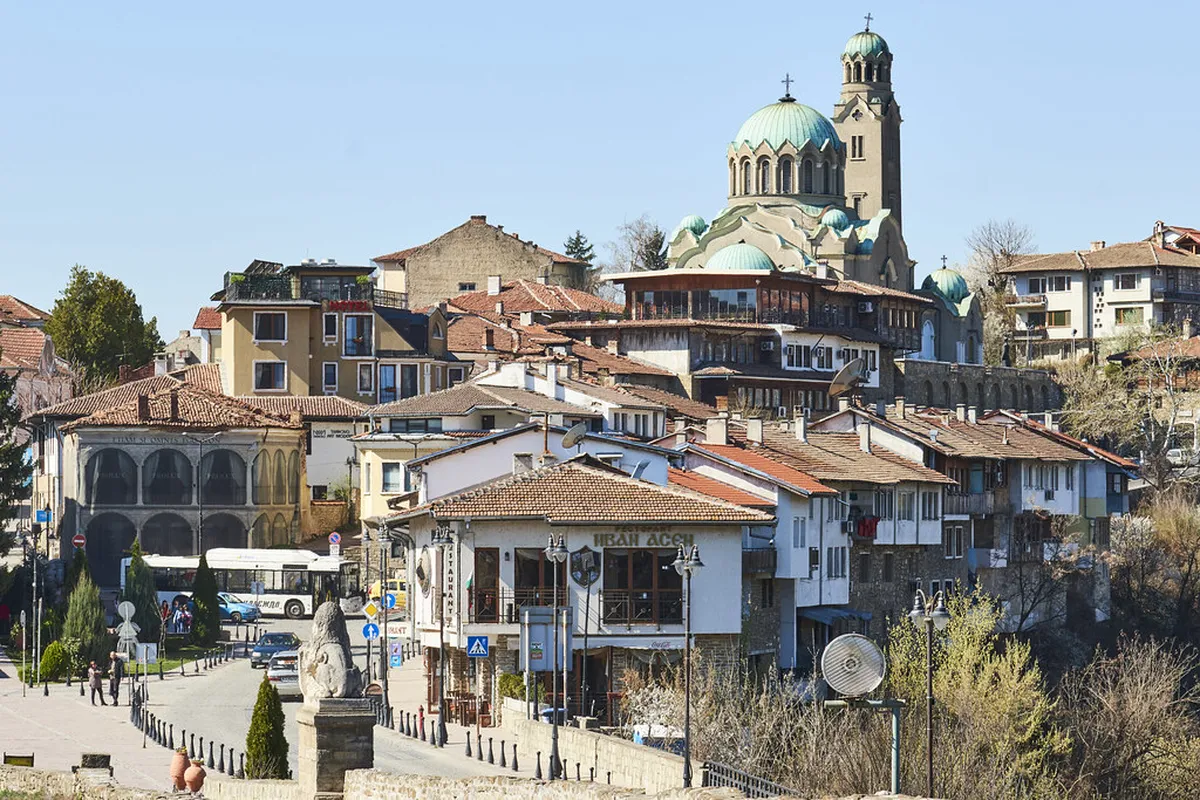
Veliko Tarnovo is a medieval city built into a sharp bend of the Yantra River, and the topography alone makes it one of the most dramatic urban landscapes in the Balkans. The Tsarevets Fortress Visitor Guide sits on a ridge completely surrounded on three sides by the river gorge. Walk up from the main gate, climb to the Patriarchal Cathedral at the summit, and take in the view of terracotta rooftops spilling down the cliffs below — this takes about 2 hours. Entry is 6 BGN.
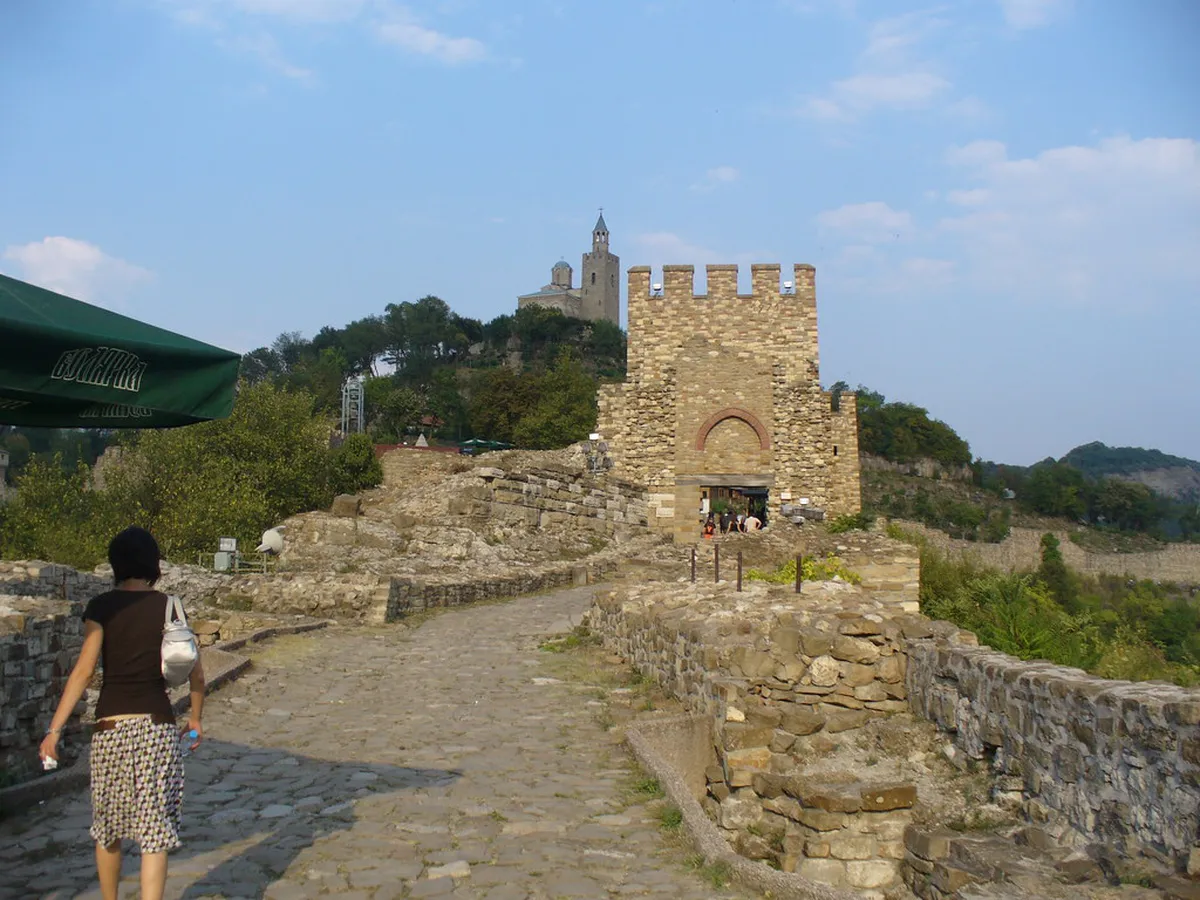
After the fortress, walk Gurko Street Visitor Guide (the oldest preserved street in Tarnovo) and browse the artisan workshops of the Samovodska Charshiya, a 19th-century craft market that still has working potters, leather-workers, and woodcarvers. Restaurant terraces along Gurko Street hang directly over the gorge — lunch here is mandatory. In the evening, the Sound and Light show at Tsarevets runs from April to October (check the current 2026 schedule as timings vary by season), and illuminates the fortress walls with coloured projections telling Bulgarian history. It runs for about 30 minutes and is worth staying for.
Arbanasi, a village 4 km above Tarnovo, is a short detour that most itineraries skip. It has a cluster of National Revival churches with frescoes in near-perfect condition and virtually none of the crowds that Tarnovo's Old Town attracts. One morning there, then drive back to Sofia via the Shipka Pass.
Shipka Pass, Buzludzha, and the Balkan Mountain Return
The drive back to Sofia from Veliko Tarnovo over the Balkan Mountains is one of the best road sections in Bulgaria. The Shipka Pass road climbs to 1,185 metres through beech forests and emerges at a viewpoint where a golden-domed Russian memorial church marks the site of the 1877 Battle of Shipka Pass. The church is open daily and entry is 3 BGN. From the parking area you can see both sides of the range on a clear day.
What almost no road trip guide mentions: 15 kilometres east of the Shipka summit, a secondary road leads to the Buzludzha Monument: How to Visit in 2026, a Soviet-era UFO-shaped congress hall built on a 1,441-metre peak in 1981 and abandoned since 1989. The exterior — a flying saucer rusting into the mountain — is freely accessible and extraordinary. The interior is officially closed but visible through gaps; access is restricted and unstable so do not enter. The detour adds 45 minutes round trip and is one of the most surreal sights in the entire country.
Critical planning note: the Shipka Pass road closes to snow between November and March in most years, and even in April conditions can be icy above 1,000 metres. If you are driving this route in shoulder season, check the Bulgarian Road Infrastructure Agency website (api.bg) for current pass status before departing Tarnovo. The A1 motorway via Kazanlak is the all-weather alternative and only adds 30 minutes. No competitor itinerary we reviewed flagged this closure — it catches first-time winter visitors badly.
Shipka Pass (1,185 m) closes November–March due to heavy snow. Mountain roads above 1,000 metres may require winter tyres or snow chains. Check api.bg for current status before driving between November–April. The A1 motorway via Kazanlak is a reliable all-weather route.
Best Time to Drive: Seasonal Road Conditions
May, June, and September are the ideal months for a Bulgaria road trip. Temperatures are moderate (20–27°C in the lowlands), mountain passes are fully open, the Seven Rila Lakes are accessible, and tourist numbers are manageable outside peak summer. The Rose Valley and Kazanlak Rose Festival, which runs from late May into early June, is a bonus for anyone passing through on the Tarnovo–Sofia leg.
July and August are viable but busy on the coast and at Rila Monastery. Plovdiv and Melnik are manageable even in peak summer because the heat keeps casual tourists on the beaches. Mountain roads are fine in full summer. Book accommodation 2–3 weeks ahead if you travel in August.
Winter driving (December through February) is only recommended if you stay in the lowlands and the Sofia–Plovdiv corridor. The Rila Mountains, Shipka Pass, and the roads near Melnik can ice over with little warning. Mountain passes above 1,000 metres require winter tyres or snow chains — confirm with your rental company that these are included, as Bulgarian rental contracts sometimes exclude mountain driving liability unless you specifically add it. Most standard CDW policies cover all paved national roads; read the fine print on off-paved and alpine clauses.
Driving Logistics: Vignettes, Speed Traps, and Fuel
All vehicles driving on Bulgarian national roads and motorways require an e-vignette. Buy it online at the official BGTOLL website before you start driving — a 1-week vignette costs 15 BGN (approximately €7.50), and a 1-month vignette is 30 BGN. Cameras read your licence plate automatically on all major routes; there is no windscreen sticker to display. Buy it the night before you collect the car to avoid any gap in coverage.
Speed limits in Bulgaria are strictly enforced by mobile radar traps, especially on the approach to small villages. The national road limit is 90 km/h, motorways 130 km/h, and built-up areas 50 km/h. The dangerous transition is rural to village: the limit drops from 90 to 50 immediately at the village sign with no warning period. Police position cameras just past the sign itself. Fines for tourists are payable on the spot in cash (BGN) and range from 100 to 500 BGN depending on how far over the limit you were.
Fuel costs roughly 2.60–2.80 BGN per litre for standard unleaded in 2026, cheaper than most of Western Europe. Major international credit cards work at nearly all petrol stations on the main routes. Fill up before mountain detours — stations in Rila village and around Melnik are limited and sometimes card-only on a slow connection. The Urbo app handles city parking across Sofia, Plovdiv, and Varna via SMS-style payment linked to your plate number.
Buy your e-vignette online at bgtoll.bg the night before you collect the car — a 1-week vignette is 15 BGN (€7.50). Speed limits drop sharply at village signs (90→50 km/h with no warning), and cameras are positioned just past the marker. Fines for tourists are 100–500 BGN, payable on the spot in cash.
Bulgarian Food for Road Trippers
Bulgarian roadside and village food is one of the underrated pleasures of this drive. Banitsa — a flaky pastry stuffed with white cheese or spinach — is sold warm from small bakeries in every town from 07:00 and costs 1–2 BGN. It is the perfect fuel stop before a morning of driving. Petrol stations on the main highways also stock them pre-packaged but freshness varies.
Look for roadside mehanas (taverns) rather than restaurant chains on the main highways. A mehana lunch typically runs 12–18 BGN per person and includes kavarma (slow-cooked pork or chicken in a clay pot), shopska salad (tomato, cucumber, grated white cheese), and locally made wine by the glass. The best mehanas are in Plovdiv's Old Town, along the Yantra river in Tarnovo, and in the mountain villages between Rila and Melnik. Kyopolou, a smoky roasted red pepper and aubergine dip, is the Bulgarian equivalent of baba ganoush and appears on nearly every tavern menu — order it with bread as a starter.
Shkembe chorba (tripe soup) deserves a mention for the adventurous: it is the Bulgarian morning-after cure and served in most traditional restaurants from early morning. If you drank Melnik wine the night before, the locals will tell you it works. Budget travellers can find cheap hostels across Bulgaria for under €10 a night, making the overall road trip one of Europe's best-value multi-day drives.
Frequently Asked Questions
Do I need an International Driving Permit for Bulgaria?
Yes, if your license is from outside the EU, you generally need an IDP. I always carry one to avoid issues with local police. It is a cheap document that ensures your rental is valid.
Is it safe to drive in Bulgaria at night?
I recommend avoiding night driving on rural roads due to poor lighting. Potholes and stray animals can be difficult to spot after the sun goes down. Stick to the well-lit motorways if you must drive late.
How much does gas cost in Bulgaria?
Gas prices are generally lower than in Western Europe but higher than in the US. Expect to pay around 2.60 BGN per liter for standard unleaded fuel. Most gas stations accept major credit cards and mobile payments.
Bulgaria is a lesser-known place for road trippers looking for history and value. From the peaks of Rila to the sands of Melnik, the variety is stunning. I hope this guide helps you navigate the roads with confidence and ease. Your bulgaria road trip itinerary is the first step toward an unforgettable Balkan journey.
Remember to buy your vignette early and watch your speed in the villages. The local food and wine will be the perfect reward after a day of driving. Safe travels as you explore the ancient heart of Southeast Europe by car.