Visiting the Thracian Tomb of Kazanlak
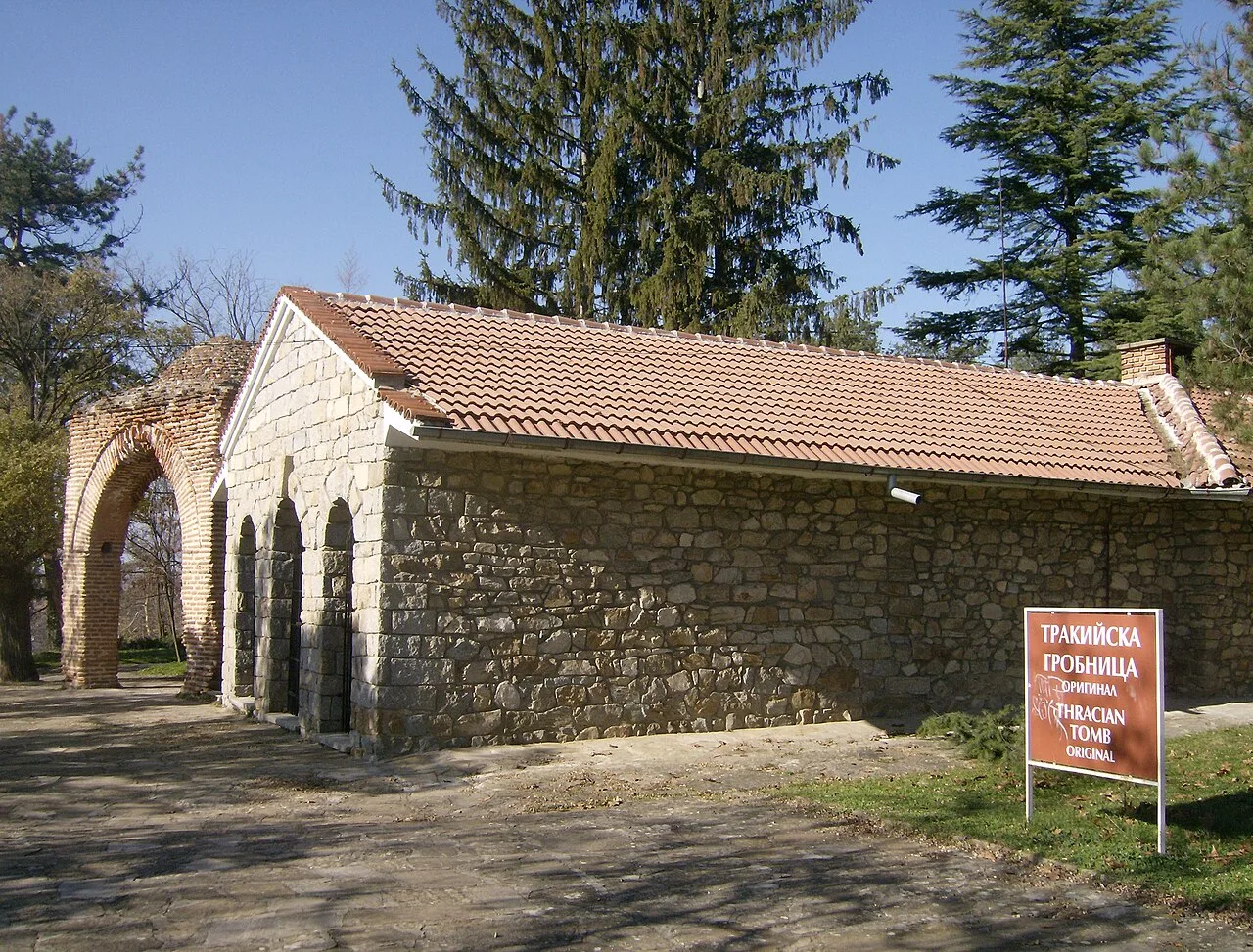
The Thracian Tomb of Kazanlak is a UNESCO World Heritage site tucked inside a burial mound in central Bulgaria. Dating to the late 4th century BC, it holds frescoes that have survived more than 2,300 years underground. Visitors today explore a precise 1:1 replica, since the original remains sealed to protect the ancient paintings.
Here's an in-depth look at the painted dome and the ancient frescoes inside the replica chamber:
The tomb sits in Tyulbeto Park, about a 15-minute walk from the centre of Kazanlak. It makes a convenient stop from Sofia, Plovdiv, or Veliko Tarnovo, all within three hours by road. A full day of things to do in Kazanlak pairs the tomb neatly with the Rose Museum and the local history museum.
What Is the Thracian Tomb of Kazanlak?
Workers accidentally discovered this burial site in 1944 during construction work on the outskirts of Kazanlak. Archaeological excavations revealed a tomb from the late 4th or early 3rd century BC. UNESCO added it to the World Heritage List in 1979, among the first Bulgarian sites to receive that distinction.
The structure has three parts: a rectangular anteroom, a narrow brick corridor, and a round burial chamber. The chamber measures about 2.65 metres across and 3.25 metres high, capped by a bell-shaped brick dome. A Thracian ruler and likely his consort were buried here, though their exact identities remain unknown.
According to UNESCO's official World Heritage listing, this monument is the only one of its kind anywhere in the world. The exceptional preservation of the frescoes reveals a high level of culture and pictorial art in Hellenistic Thrace. No other known burial site combines this architectural form with painted decoration of comparable age and quality.
Hellenistic Thrace was a vibrant cultural zone where Greek influences merged with ancient Thracian traditions. The Kazanlak region formed part of the Odrysian Kingdom, one of the largest Thracian states of the ancient world. Understanding that background makes the frescoes' blend of Greek artistic technique and Thracian subject matter easier to appreciate.
The Frescoes: Ancient Art on the Dome
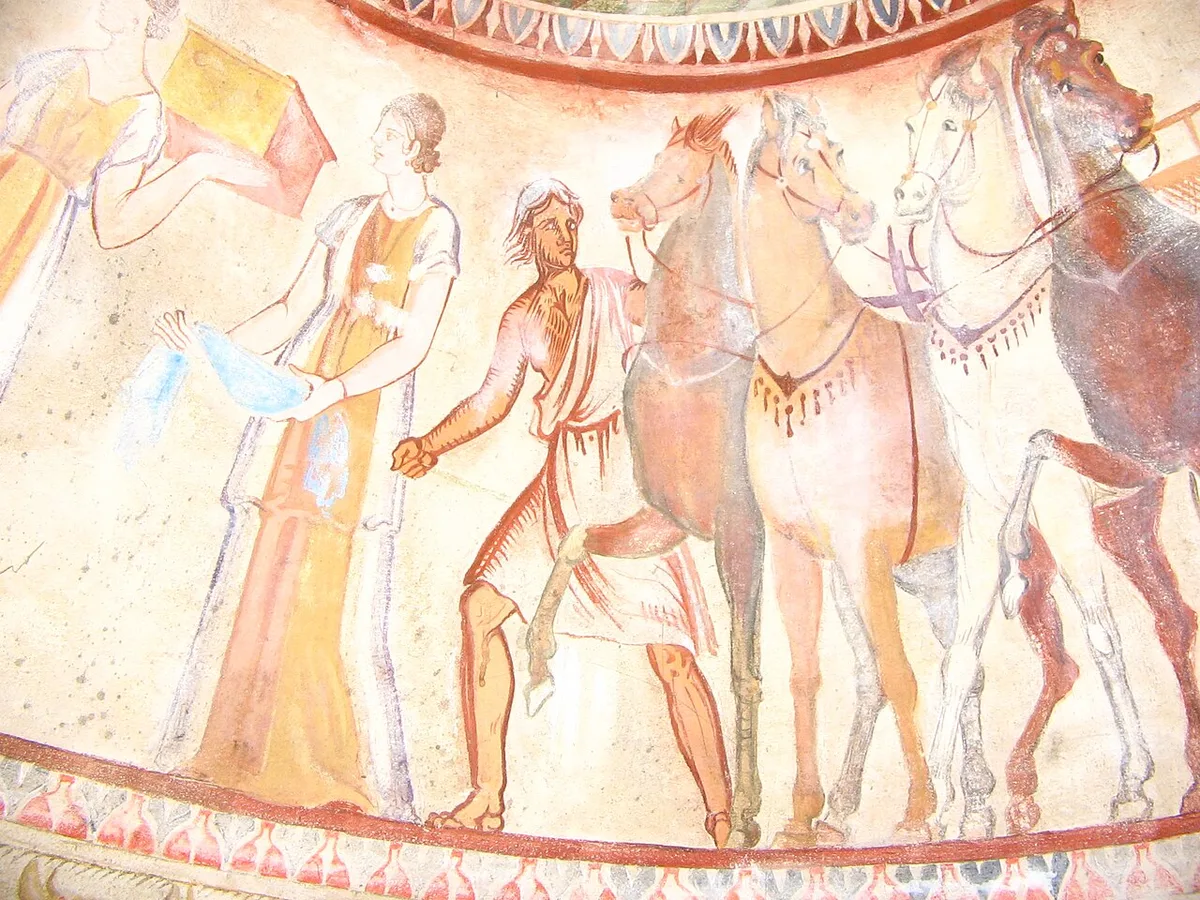
Two concentric friezes decorate the inside of the domed burial chamber, each telling a different story. The outer frieze shows a ritual funeral feast: a seated couple, attendants bearing gifts, female musicians, and a horseman. The married pair wear laurel wreaths, a mark of heroisation common in the Hellenistic world of the 4th century BC.
The inner frieze above depicts three chariots, each pulled by two horses, racing in a ceremonial scene. The painter worked in just four pigments: white, black, red, and yellow. Despite such a limited palette, the figures have a warmth and movement that still impresses visitors today. The seated woman in the main scene is so iconic that her image appears on the Bulgarian 50 stotinki coin.
What makes these frescoes stand out is not just their age but their condition. The sealed environment inside the burial mound helped stabilise moisture and temperature for over two millennia. The 1984 replica was built precisely to keep human breath and movement from accelerating deterioration in the originals.
Scholars believe the scenes relate directly to the life and burial rites of the specific ruler interred here. The combination of Greek artistic style and Thracian subject matter makes this tomb a clear example of Hellenistic cultural exchange. That dual character is something the Kazanlak Tomb shares with very few other sites from this period.
The Replica: What Visitors Actually See
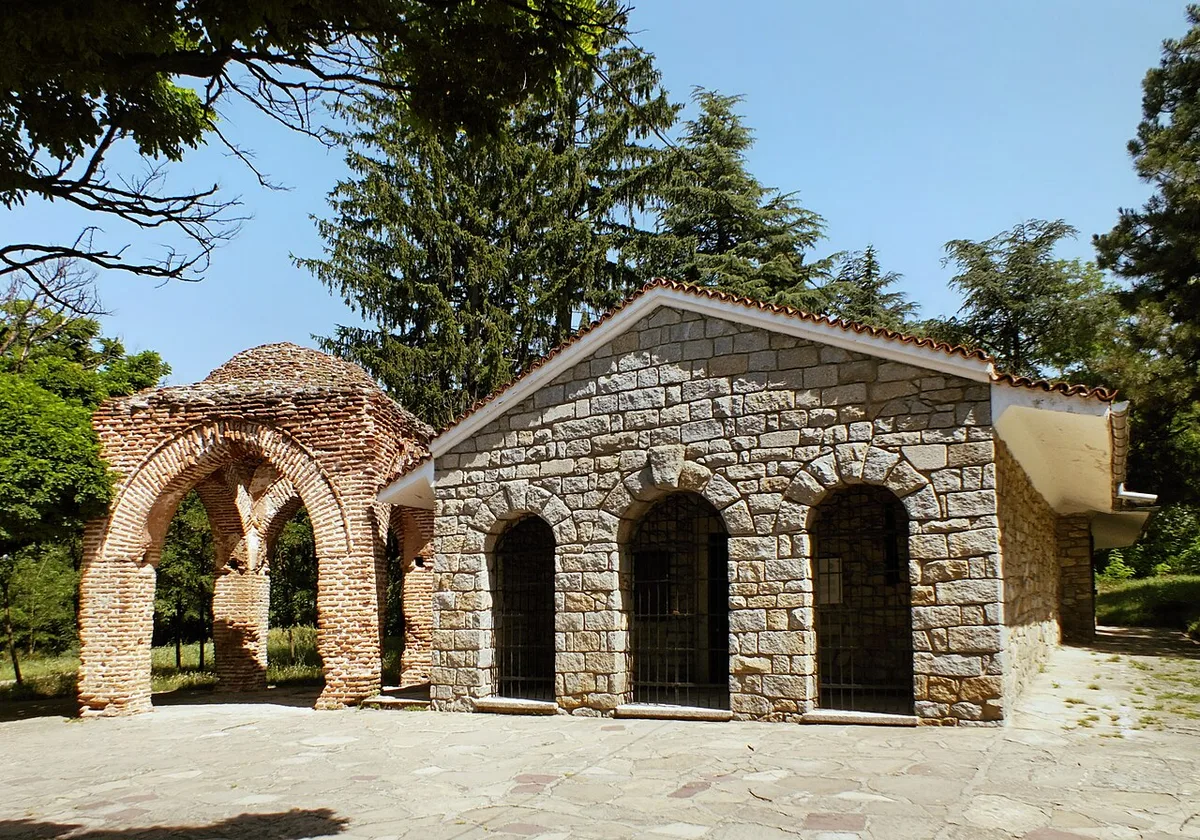
Since 1984, a full-scale 1:1 reproduction of the tomb stands just a short walk from the sealed original mound. It matches the original's dimensions exactly, including the painted dome and the brick-lined corridor leading inside. An information booth and a small souvenir shop are located near the replica entrance.
Inside the replica, you can look up at the dome and study the frescoes at a comfortable viewing distance. The visit typically takes 20 to 30 minutes, enough time to absorb the artwork and read the bilingual signage. Groups move through quickly during busy periods, so arriving before 10am gives you more breathing room. Photography rules can change, so confirm with staff at the ticket counter before shooting inside the chamber.
The original burial mound sits a short walk away and is permanently closed to the public. Even researchers rarely gain access to the real interior, as protecting the genuine frescoes takes absolute priority. This means the replica is the full visitor experience — not a consolation but the intended way to see this UNESCO site.
One detail many visitors miss: the replica reproduces not just the paintings but the exact stone and brick construction. Standing inside, the scale of the chamber — barely wide enough for three people — conveys how intimate the burial space really was. That sense of closeness is something no photograph of the frescoes can fully capture.
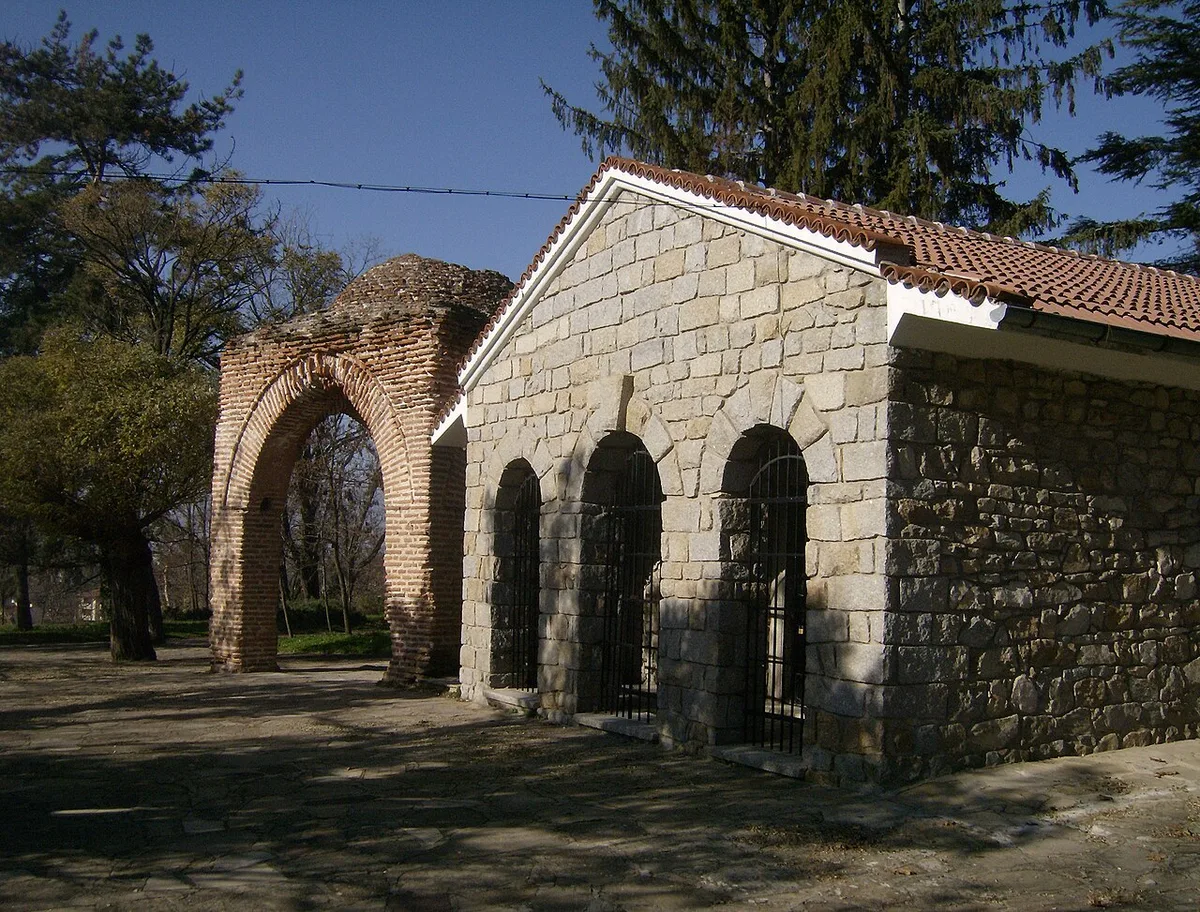
Tips for Visiting the Thracian Tomb
Visiting the Thracian Tomb is straightforward, but a few practical details help make the trip smoother. Hours and admission fees vary by season, so consult the official Kazanlak museum website before you go. Admission is modest compared to major European heritage sites, making this one of Bulgaria's better-value UNESCO stops.
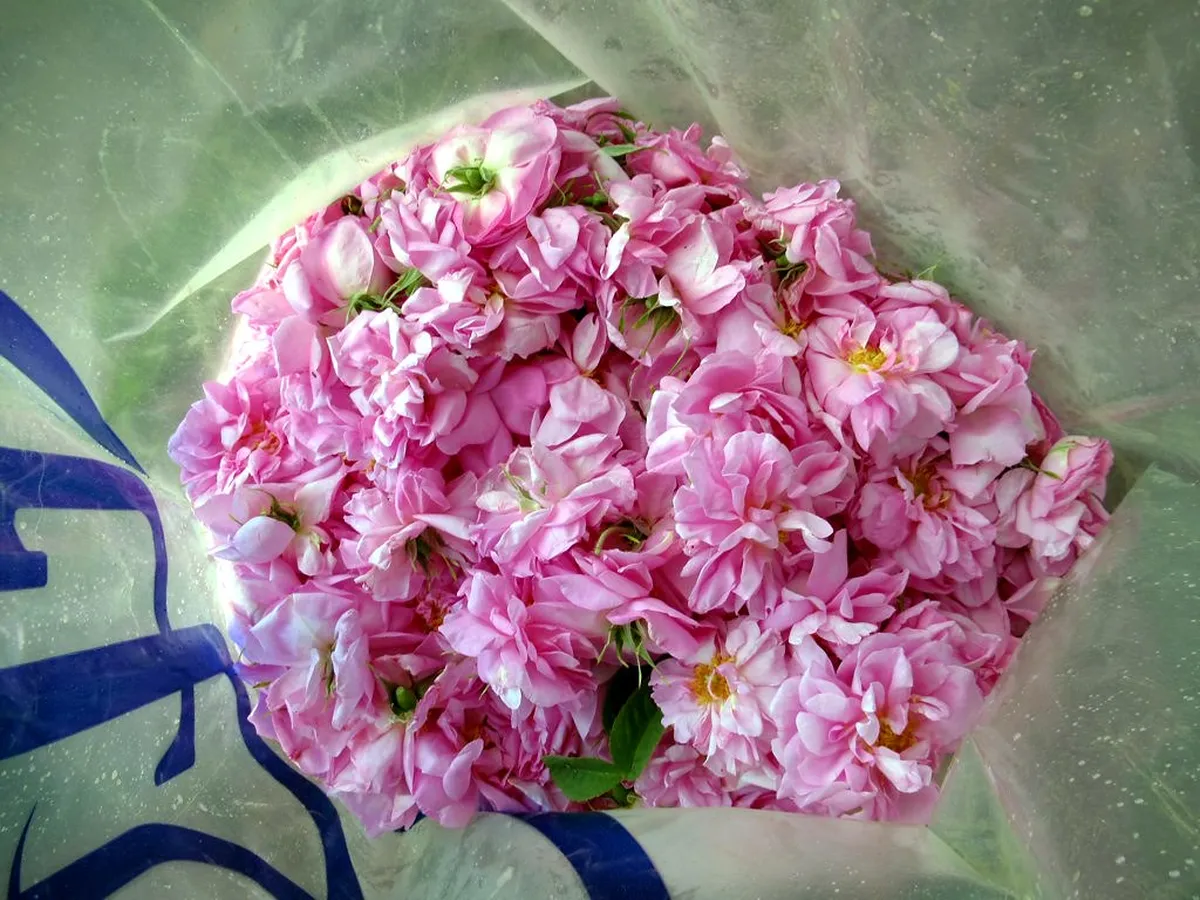
Kazanlak hosts the Bulgarian Rose Festival each May and June, drawing visitors from across Europe. Timing your tomb visit during the festival adds a colourful local event to an already rich itinerary. A visit to the Kazanlak Rose Museum pairs naturally with the tomb for a full morning of history and culture.
- Arrive early in the morning
- Crowds: thinner before 10am
- Benefit: more space to view the frescoes
- Parking: easier at off-peak times
- Combine with nearby cultural stops
- Kazanlak History Museum: 10-min walk
- Rose Museum: 15-min walk from tomb
- Both: add 2-3 hours to your day
- Dress for a cool interior
- Chamber: slightly cool year-round
- Tip: bring a light layer in summer
- Footwear: comfortable walking shoes recommended
- Plan your Valley of Thracian Kings loop
- Other tombs: Golyama Kosmatka, Shushmanets, Ostrusha
- Drive between sites: under 30 minutes
- Best for: history enthusiasts with a car
More Thracian Sites Near Kazanlak
The Thracian Tomb is part of the Valley of Thracian Kings, a dense cluster of burial mounds near Kazanlak. Other excavated sites include the Golyama Kosmatka mound, the Shushmanets tomb, and the Ostrusha complex. Each site has a distinct character, and history enthusiasts can fill a complete day visiting several.
The Valley of Thracian Kings is not a single compact park but a spread of mounds across the wider Kazanlak valley. Some are signposted and easy to visit independently by car; others benefit from local guidance or a short tour. Hiring a local guide for a half-day adds useful depth, especially at sites where on-site information is limited.
The best day trips from Kazanlak often combine two or three tomb sites with a stop in the Rose Valley. The Shipka Pass and its war memorial sit within easy reach and add a different chapter of Bulgarian history. Linking these stops on a single loop keeps driving time low and sightseeing variety high.
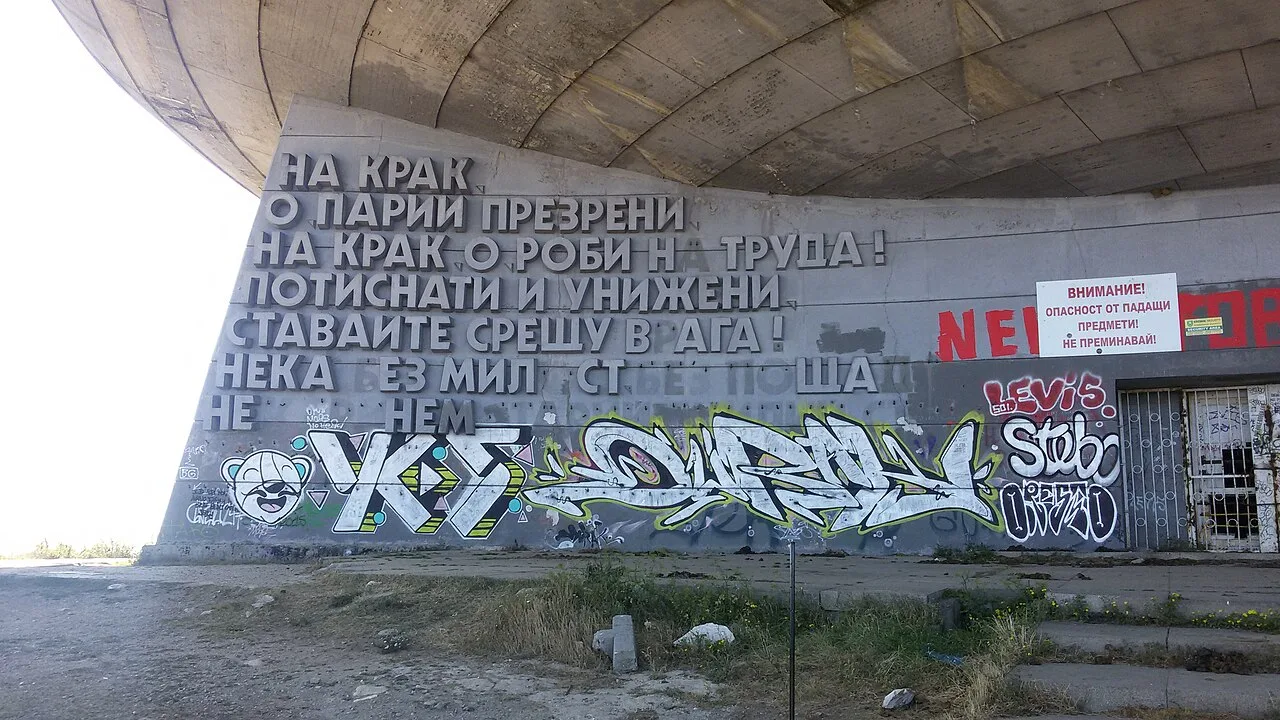
Kazanlak is also a useful base for reaching the Buzludzha monument, the dramatic abandoned communist-era structure in the Balkan Mountains above town. Planning two nights in Kazanlak gives you time for the tomb, the Valley sites, and Buzludzha without feeling rushed. Budget accommodation in Kazanlak is considerably cheaper than in Sofia or Plovdiv, which helps stretch a multi-day itinerary.
How to Reach Kazanlak
Kazanlak sits roughly in the middle of Bulgaria, around 200 km east of Sofia. The drive from Sofia takes about three hours, and regular bus connections run from the capital's central station. From Plovdiv, the journey covers around 100 km and takes roughly 90 minutes by road.
Kazanlak has both a train station and a bus terminal with good onward links. From the centre, the Thracian Tomb is a 15-minute walk through Tyulbeto Park, so you rarely need a taxi. If you're travelling from Plovdiv, the Plovdiv to Kazanlak route is well-served by direct buses running several times daily.
- Travelling to Kazanlak from Sofia
- Distance: approximately 200 km from Sofia
- Drive time: approximately 3 hours
- Bus: departs Central Bus Station frequently
- Reaching Kazanlak from Plovdiv
- Distance: approximately 100 km from Plovdiv
- Drive time: approximately 1.5 hours
- Bus: regular direct services available
- Day trip from Veliko Tarnovo
- Distance: approximately 100 km from Tarnovo
- Drive time: approximately 1 hour
- Bus: connect via change at Gabrovo
Continue planning: Use 7 Best Things to Do in Kazanlak and Best Time to Visit Kazanlak 2026 Guide to connect this guide with the rest of your Bulgaria itinerary.
Frequently Asked Questions
What is the Thracian Tomb of Kazanlak?
The Thracian Tomb of Kazanlak is a 4th-century BC burial site in Tyulbeto Park, Kazanlak, Bulgaria. It holds exceptional frescoes showing a Thracian ruler's funeral feast and a chariot race. UNESCO added it to the World Heritage List in 1979 as a unique monument of Hellenistic Thrace.
Why can't visitors enter the original Thracian Tomb?
The original burial chamber has been sealed since 1984 to protect the ancient frescoes from humidity and temperature changes caused by human presence. A precise 1:1 replica was built next to it so visitors can experience the frescoes without risking damage to the 2,300-year-old originals.
How long does a visit to the Thracian Tomb of Kazanlak take?
Most visitors spend 20 to 30 minutes at the replica tomb. Adding the walk through Tyulbeto Park and time at the information display, plan around one hour in total. Combining the tomb with the Kazanlak History Museum and Rose Museum makes a comfortable half-day itinerary.
Is the Thracian Tomb of Kazanlak worth visiting?
Yes, especially if you have an interest in ancient history or art. The frescoes are in remarkable condition for their age, and the site is often uncrowded compared to major Western European heritage sites. Even travellers without a strong history background tend to find the painted dome genuinely impressive up close.
What is the best time to visit the Thracian Tomb of Kazanlak?
Late spring, from May to June, is ideal as the Rose Festival adds local colour and the weather is pleasant for exploring. Shoulder months like September and October also offer fewer crowds and comfortable temperatures. Check the best time to visit Kazanlak for a fuller seasonal breakdown.
The Thracian Tomb of Kazanlak rewards visitors with a genuine window into the art and ritual of ancient Thrace. The replica chamber is a thoughtful solution, putting 2,300-year-old frescoes within arm's reach without risking the originals. Few UNESCO sites in the Balkans match this combination of historical depth, accessibility, and low visitor numbers.
Pair the tomb with the Rose Museum and a walk through Tyulbeto Park to fill a varied morning. Extending your visit to the Shipka Pass and its memorial adds a different era of Bulgarian history just 20 km away. Kazanlak is small enough to feel relaxed and rich enough in history to justify two or three nights.