Seven Rila Lakes Visitor Guide
The Seven Rila Lakes represent the most iconic natural landmark in the Rila Mountains of Bulgaria. This group of glacial lakes sits high above the clouds and offers some of the best views in the Balkans. Many travelers use Sofia as a base for this incredible alpine adventure. Our guide helps you navigate the trails and logistics of this must-see destination.
For a visual overview before you go, this video covers the key features and landscape highlights:
Hiking here allows you to experience the raw beauty of Rila National Park in a single day. You will find crystal clear water and dramatic mountain peaks at every turn. The trail is accessible for most fitness levels thanks to a modern chairlift system. Proper planning ensures you avoid common mistakes like missing the last lift down.
What and Where are the Seven Rila Lakes?
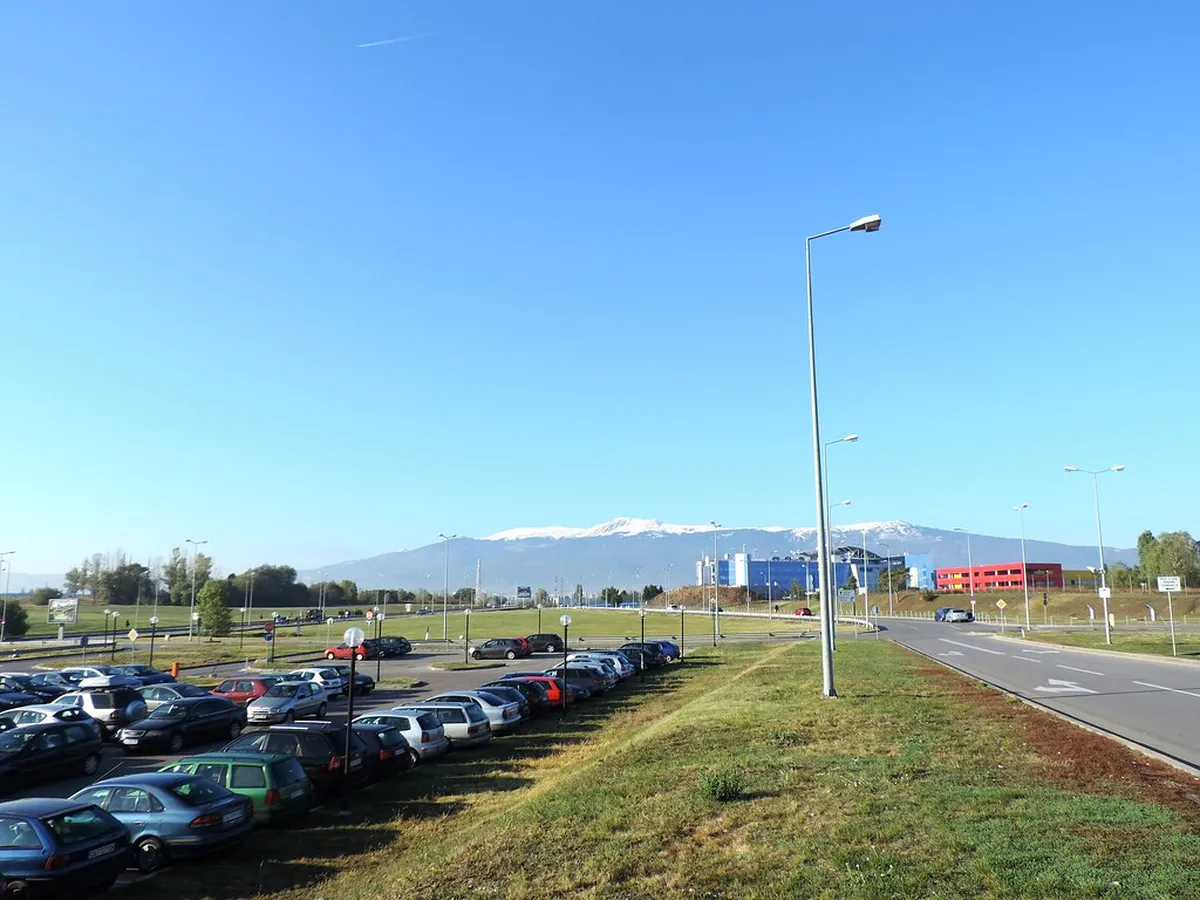
The Seven Rila Lakes sit in the northwestern Rila Mountains, roughly 90 kilometers south of the capital, Sofia Attractions. Most visitors approach from the Panichishte side, where a chairlift shortens the climb into the lake basin. Glaciers carved this bowl of rock thousands of years ago, and small streams still link each lake to the next with tiny waterfalls. In 2026 there is still no entrance fee for Rila National Park, so the only optional cost on the mountain is the chairlift itself.
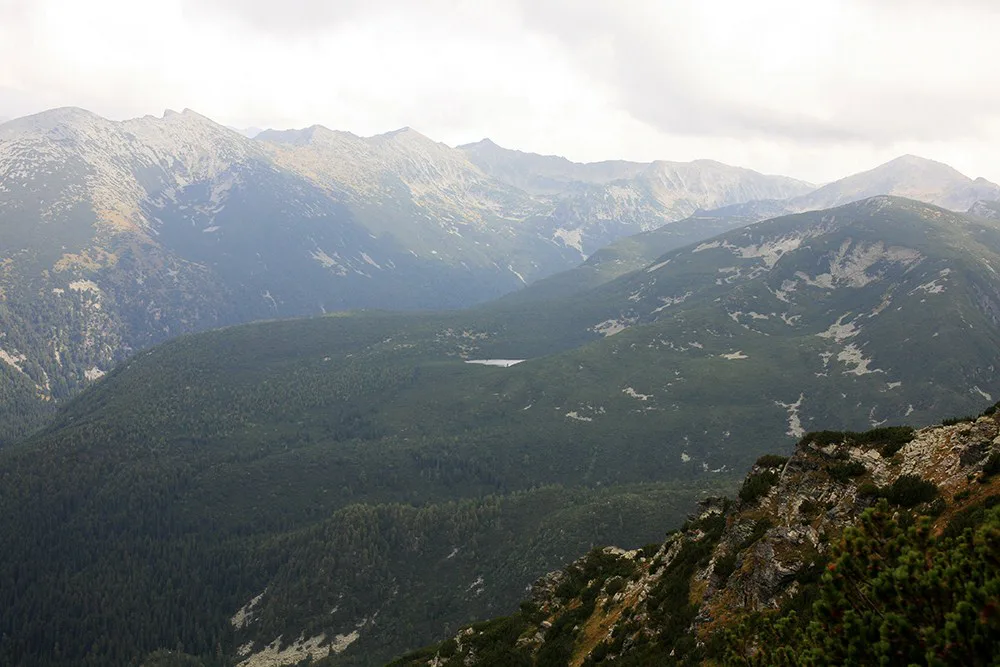
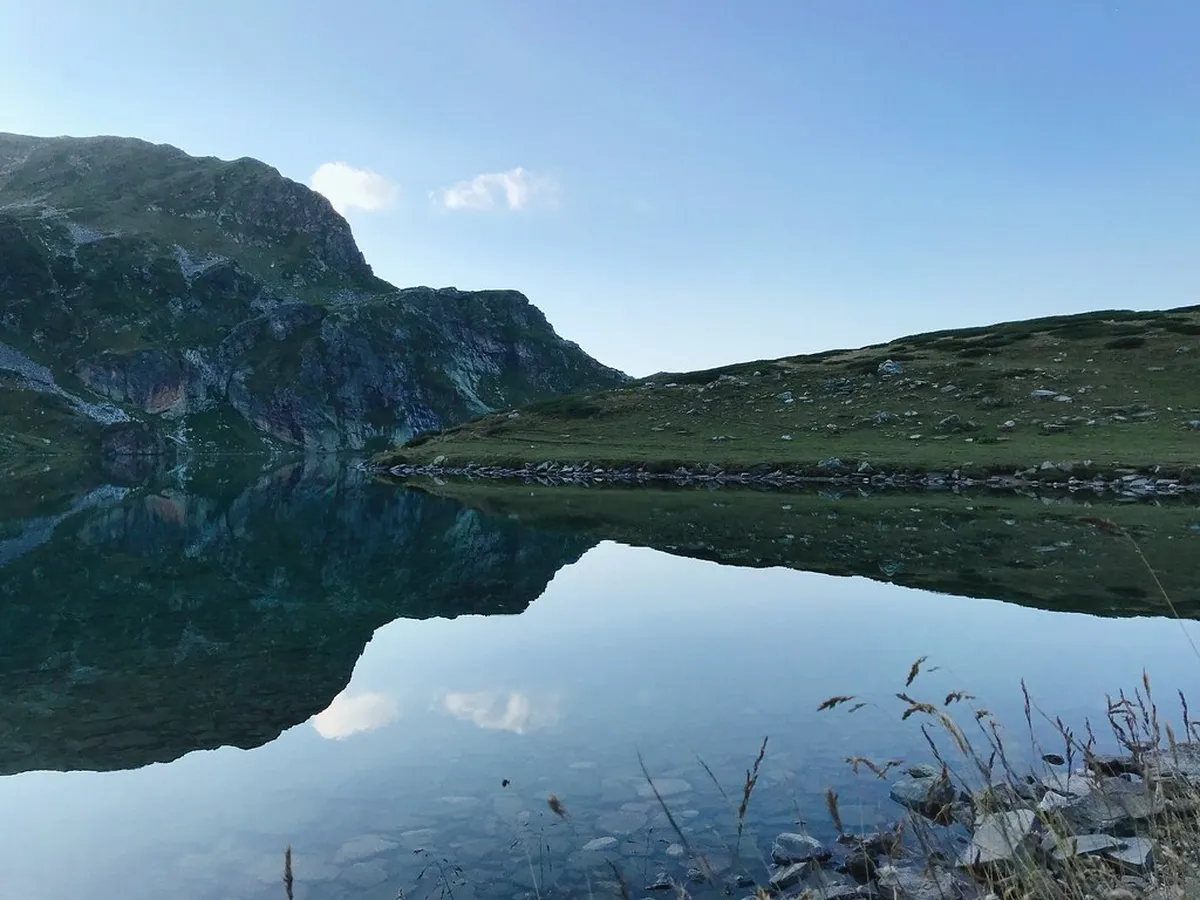
Each lake is named for its most obvious physical trait or shape rather than by any official survey. The group spans from **2,095 meters (6,873 feet)** at the lowest point to **2,535 meters (8,316 feet)** at the highest. From the ridge above the upper lakes you can see all seven laid out below at once, which is the postcard shot most hikers come for. The whole basin sits inside a protected national park, so staying on marked trails matters here more than on an average day hike.
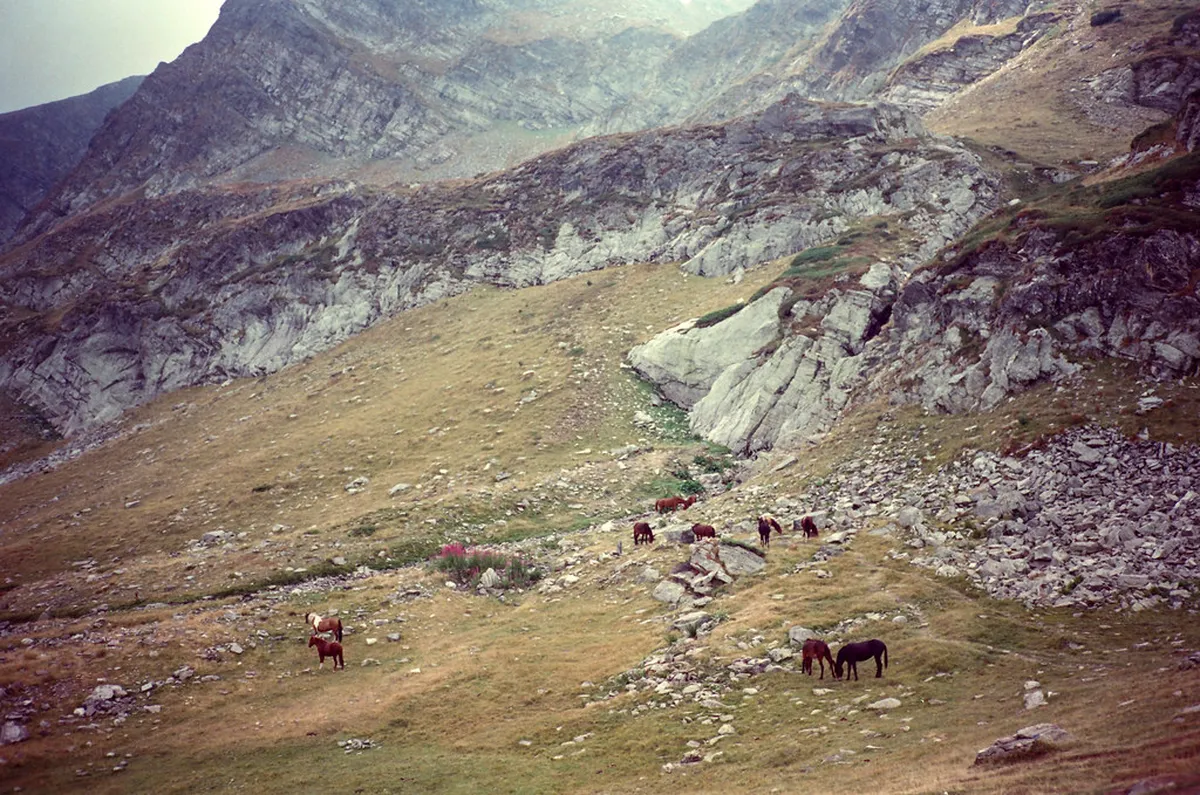
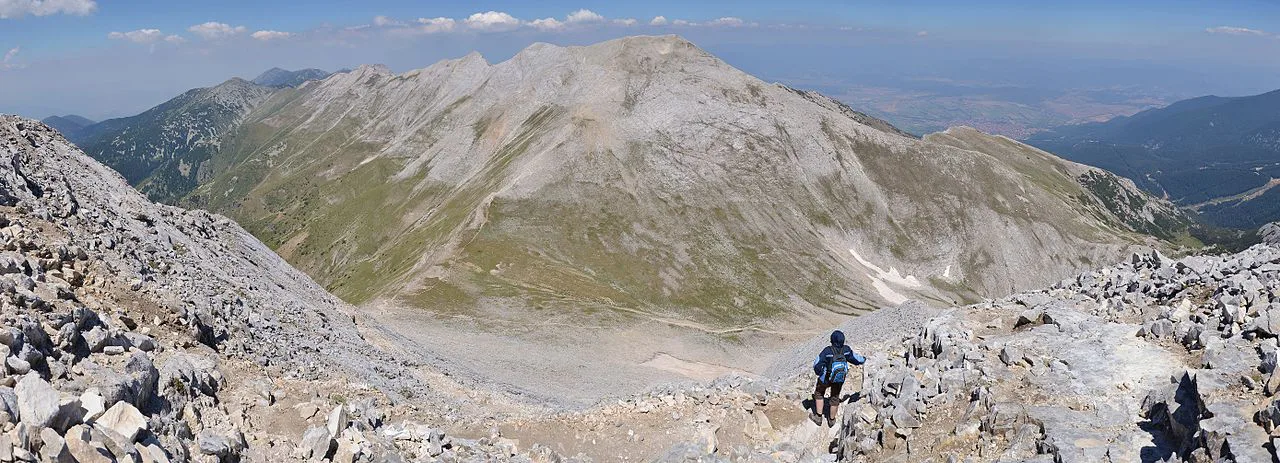
The landscape changes noticeably as you climb. The lower lakes sit among grass and dwarf pine, while the upper two sit in bare rocky bowls above the treeline. You may spot chamois or marmots on the higher slopes, alongside a wide range of alpine wildflowers lower down. Most hikers begin at the chairlift base station near Panichishte, a short drive from the spa town of Sapareva Banya.
Best Time to Visit: Weather and Seasonal Considerations
The main hiking season runs from late June through September. Snow can linger on the upper trails into late June, and some years into early July, so ask locally before an early-summer visit. July and August bring the most stable weather and the warmest air, though mountain conditions can still turn in minutes.
August 19th is a genuinely unusual day to be on this trail. Followers of Peter Dunov, the early 20th-century spiritual teacher known as the White Brotherhood, gather at the Kidney Lake for their Paneurhythmy ritual. Hundreds of people dressed entirely in white move through slow circle dances at sunrise, a scene that reads as part pilgrimage, part open-air festival — visitors have compared the all-white aesthetic to a scene from *Midsommar*. Expect crowded parking and long chairlift queues that day, so pick a different date if you want a quiet hike.
Autumn brings sharp light and gold larches but temperatures that drop fast by early October. Winter visits are possible only for experienced, properly equipped snowshoers, and the chairlift runs a reduced schedule. Check the forecast before you leave Sofia — fog rolls into the basin quickly and can erase the view entirely, even on a clear morning at the trailhead.
How to Get to the Seven Rila Lakes from Sofia
Renting a car is the most flexible way to reach the lakes from the capital. The drive takes about 90 minutes to two hours on mostly well-maintained roads to Panichishte, with the last stretch climbing into the mountains. You can compare options through Discover Cars for Sofia Rentals before your trip. Parking is available at the bottom of the chairlift for a small daily fee.
Guided day tours are the easiest option for visitors who would rather not drive mountain roads. Worth knowing before you book: most of these "tours" are just transport with a fixed pickup time — the hike itself is self-guided once you're dropped off. Download an offline trail map first (the Seven Rila Lakes route on AllTrails is the one most hikers use), since mobile signal disappears in the lake basin. Some travelers split their trip and see Vitosha Mountain Visitor Guide on a separate, closer day for an easier hike near the city.
Public transport is the cheapest option but eats into your hiking time. The route runs bus or train from Sofia to Dupnitsa, then a shuttle to Sapareva Banya, then a local taxi up to the Pionerska chairlift station. Budget a half day each way if you go this route, and confirm the last return shuttle before you start hiking so you aren't stuck after dark.
The Chairlift: Prices, Hours, and the Monday Maintenance Schedule
The Pionerska chairlift is the main way most visitors reach the start of the lake circuit, cutting out a steep two-hour uphill walk through the forest. Its fare is not published by an official operator source and changes by season, so check the current price board at the base station before you queue rather than trusting any blog, this one included. Bring Bulgarian Lev in cash regardless: card machines at the base station are unreliable, especially after bad weather.
Winter hours generally run **9:00 AM to 4:30 PM**, with one big exception: on Mondays the lift starts late, at **12:30 PM**, for routine technical inspection. Summer hours extend later into the evening, but the Monday delay still applies — arriving at 9 AM that day means hours of waiting at the bottom station. Beyond the weekly Monday delay, the lift typically closes for one longer maintenance window in spring (often mid-April into early May) and another in autumn (often October), each lasting roughly two weeks — worth checking ahead if you're traveling in the shoulder season.
Aim to finish your hike at least 45 minutes before the posted closing time; queues for the descent get long on sunny weekend afternoons, and missing the last chair means a long, tiring walk down through the forest instead.
Hiking the Loop: Trail Difficulty, Duration, and Terrain
The standard loop covers roughly 8 to 9 kilometers (5 to 5.6 miles) and takes between **three and five hours** to complete. Most hikers go up along the ridge trail and return on the lower path back toward the hut. You'll gain about **500 meters (1,640 feet)** of cumulative elevation across the loop, with the steepest push between the Kidney Lake and the top viewpoint. The path is clearly marked but rocky and uneven in several sections, so take breaks and drink water often — the air is noticeably thinner above 2,400 meters.
If you're traveling with young kids, older relatives, or anyone who can't manage the full loop, you don't have to skip the lakes entirely. The chairlift plus a short, relatively flat 15-to-20-minute walk gets most people to the Lower Lake and a genuine view of the basin, without the steep climb to the Eye and the Tear — a version most hiking guides skip since they assume everyone wants the full circuit.
Sturdy hiking boots or trail shoes with real grip are essential; trekking poles help on the loose gravel sections but aren't required. Stay on the marked trail even when a shortcut looks tempting — the alpine vegetation here is fragile and slow to recover from off-trail traffic.
A Detailed Look at Each of the Seven Lakes
The seven lakes step down the mountainside like a staircase, each with its own personality. Names come from shape or character rather than any scientific label, which is why you'll hear locals use them without a second thought. From highest to lowest, here is what makes each one worth the climb.
- The Tear (Salzata)
- Altitude: 2,535 meters (8,316 feet)
- Defining trait: the highest lake and the last one you reach
- Water: exceptionally clear, even by Rila standards
- The Eye (Okoto)
- Altitude: 2,440 meters (8,005 feet)
- Defining trait: the deepest lake in the group at 37.5 meters
- Shape: an almost perfect oval
- The Kidney (Babreka)
- Altitude: 2,282 meters (7,487 feet)
- Defining trait: the largest surface area and the best rest stop
- Notable for: the August 19 Paneurhythmy gathering held on its shore
- The Twin (Bliznaka)
- Altitude: 2,243 meters (7,359 feet)
- Defining trait: two basins joined by a narrow channel, like mirror images
- The Trefoil (Trilistnika)
- Altitude: 2,216 meters (7,270 feet)
- Defining trait: a three-lobed, clover-shaped outline
- Fish Lake (Ribnoto)
- Altitude: 2,184 meters (7,165 feet)
- Defining trait: the shallowest lake, with the mountain chalet on its northeastern shore
- The Lower Lake (Dolnoto)
- Altitude: 2,095 meters (6,873 feet)
- Defining trait: the starting point, ringed by dwarf pine and the closest lake to the chairlift
Accommodation: Mountain Huts vs. Sapareva Banya Guesthouses
Staying overnight lets you see the lakes at sunrise, well before the day-trip crowds arrive. The mountain chalet on the northeastern shore of Fish Lake, a short walk from the chairlift's upper station, is the traditional overnight base in the basin. Expect basic dormitory rooms, shared facilities, and simple but filling food after a long day on the trail.
Sapareva Banya suits travelers who want more comfort after the hike. The town is known for its hot mineral springs and a cluster of family-run guesthouses. Be prepared for the classic Bulgarian "wet room" bathroom in many of these stays — genuinely some of the smallest bathrooms you'll encounter, with the shower head mounted directly over the toilet.
Book ahead for July and August, when both the mountain chalet and the guesthouses fill fast. Many guesthouses include breakfast and can arrange transport to the chairlift for you. A soak in Sapareva Banya's thermal pools afterward is a good way to loosen up tired legs before the drive back to Sofia.
Essential Packing List and High-Altitude Safety Tips
Mountain weather can shift by ten degrees in a matter of minutes. Pack a lightweight waterproof jacket even if it's warm and sunny back in Sofia, plus sunscreen and sunglasses — UV exposure is noticeably stronger above 2,000 meters. Coming straight up from Sofia's much lower altitude, expect to feel short of breath sooner than usual — just thinner air, not altitude sickness, and it eases once you slow down.
Carry at least 1.5 liters of water per person. You can refill at the mountain chalet near Fish Lake, but there's nowhere to buy food or water once you're past it on the upper trail, so pack enough snacks for the full loop. Cash matters here too — bring Bulgarian Lev for the chairlift, the chalet, and any lunch stop, since card readers are unreliable at altitude.
Tell someone your planned route and expected return time before you set out. Mobile signal is patchy in the deeper basins between lakes, so download offline maps in advance. If the weather turns or visibility drops, turn back — the view will still be there next time.
Combining the Lakes with Rila Monastery: Is it Worth It?
Many day tours pair the lakes with the Rila Monastery Visitor Guide, but the two options aren't equal.
- The 12-hour, hiking-focused itinerary skips the monastery and gives you close to the full 3-to-5 hour lake loop, with time for all seven lakes if you keep a steady pace.
- The 13-hour combined itinerary adds a stop at the monastery but shortens your time at the lakes — most visitors on this version only reach the Kidney Lake before turning back, missing the Eye and the Tear.
The monastery itself is a UNESCO World Heritage Site with frescoes worth the detour on their own merits. Fast, fit hikers can sometimes manage both without feeling rushed, but slower walkers are better off splitting the two into separate days. The drive between the two sites adds about 90 minutes of sitting to an already long day, which is worth weighing against how much of the lake loop you actually want to complete.
Continue planning: Use Sofia Attractions: 12 Top Sights, Tickets & Tips to connect this guide with the rest of your Bulgaria itinerary.
Frequently Asked Questions
How long does it take to hike the Seven Rila Lakes?
A full loop of the Seven Rila Lakes usually takes between 3 and 5 hours. This depends on your fitness level and how often you stop for photos. The climb to the highest viewpoint is the most time-consuming part of the trail.
Can you visit Seven Rila Lakes and Rila Monastery in one day?
Yes, many tours combine these two sites into a 12-hour trip from Sofia. However, you will have limited time at the lakes. You might only see five of the seven lakes if you want to reach the monastery before it closes.
Is the Seven Rila Lakes hike difficult for beginners?
The hike is considered moderate in difficulty. The chairlift handles the hardest elevation gain for you. Beginners can enjoy the lower lakes easily, but the steep climb to the top ridge requires a basic level of physical fitness. You can also visit Boyana Church Visitor Guide for a much easier walk.
What is the best month to visit the Seven Rila Lakes?
July and August are the best months for hiking the Rila Lakes. The weather is warm and the trails are free of snow. September is also beautiful but the temperatures start to drop significantly, especially in the early mornings and evenings.
How much does the Seven Rila Lakes chairlift cost?
The chairlift's fare isn't published by an official source and changes by season, so check the current price board at the base station in Panichishte before you queue rather than relying on a number you saw online. Hiking to the lakes themselves is completely free, and in 2026 there is still no entrance fee for Rila National Park. Bring cash either way, since the ticket office at the base station sometimes has trouble with card payments.
The Seven Rila Lakes offer a world-class hiking experience just a short trip from Sofia. Following this visitor guide will help you navigate the logistics with total confidence. Whether you go for the views or the spiritual history, the lakes will leave you inspired. Pack your bags and prepare for one of the most beautiful days in the Bulgarian mountains.
For authoritative information, refer to the Seven Rila Lakes on Wikipedia.
For more Sofia planning, read our Things To Do in Sofia, Bulgaria (2026 Guide) and Seven Rila Lakes Hike From Sofia: The Complete 2026 Guide guides.