Rila Monastery Visitor Guide
Visiting the Rila Mountains is a highlight for many travelers exploring the beautiful Balkan region.
This comprehensive rila monastery visitor guide helps you plan an unforgettable day trip from the capital city.
Many people choose to start their journey in Sofia before heading into the rugged peaks.
You will find that the spiritual atmosphere and stunning architecture make every mile worth the effort.
This video walkthrough previews the main monastery grounds and architecture before your visit:
Must-See Rila Attractions
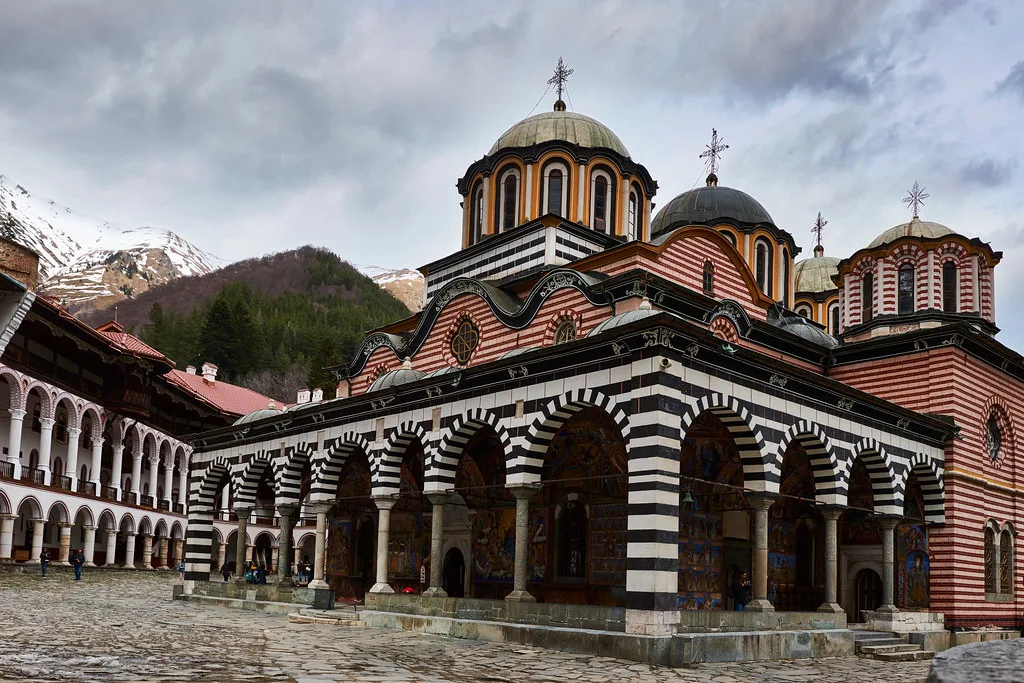
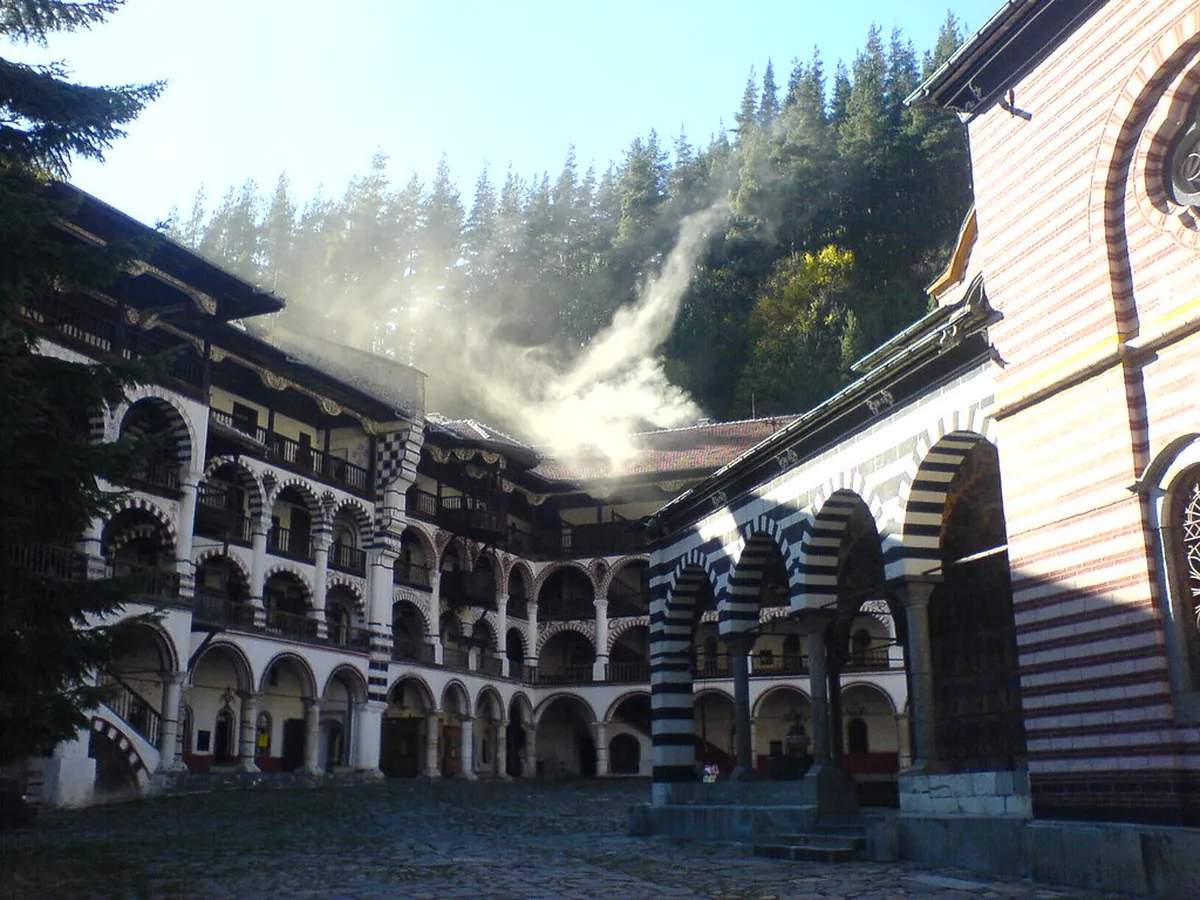
The Church of the Nativity of the Virgin sits at the center of the courtyard, its striped red-and-white arches framing a gold-leaf iconostasis.
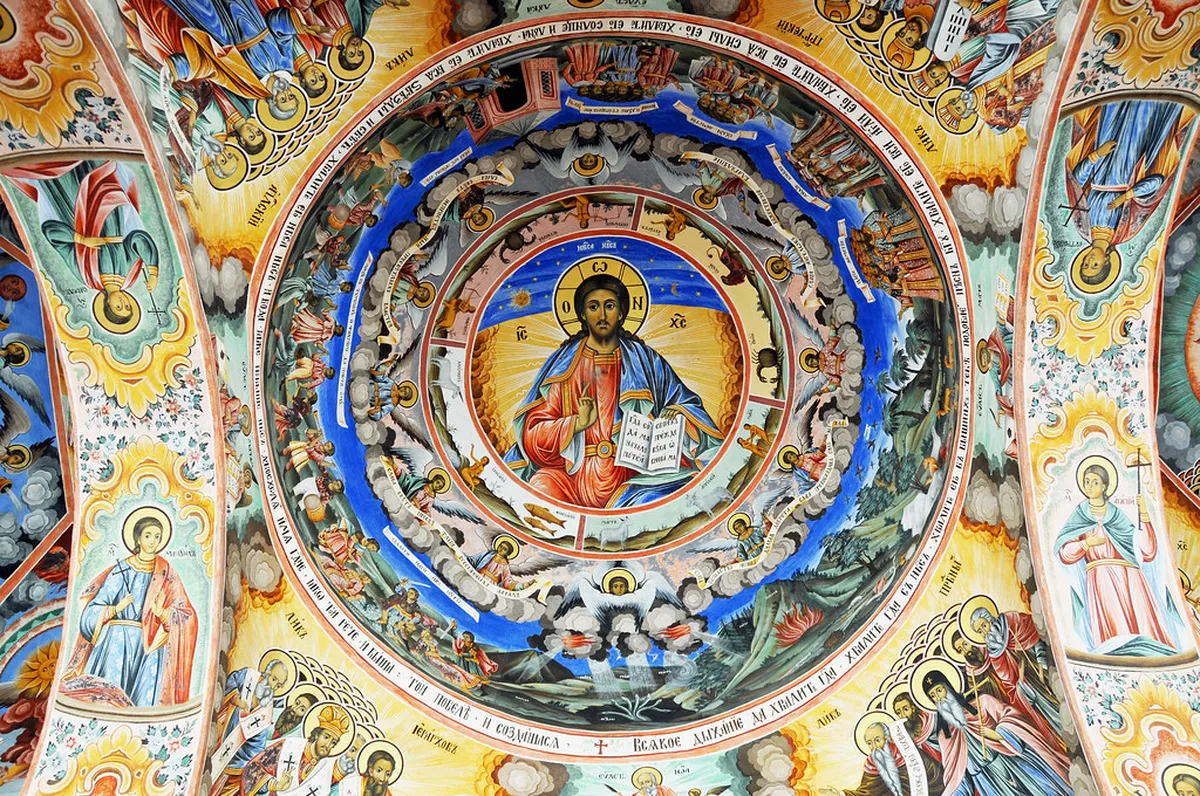
Every porch carries frescoes painted mostly in the 1840s — look for the Wheel of Life on the western porch, one of the most photographed details on any 2026 visit. Hrelyo's Tower, finished in 1335, is the oldest surviving structure and the only building to survive the 1833 fire; the climb is steep, but the rooftop view is worth it.
- Hrelyo's Tower rises about 23 meters and charges a small entry fee for the steep interior stairs.
- The main church porch is free to view and holds Zahari Zograf's Doomsday frescoes.
Museums, Art, and Culture in Rila
The Church History Museum holds the monastery's best-known treasure, Raphael's Cross — a double-sided wooden crucifix carved with 140 biblical scenes and roughly 1,500 miniature figures by a monk who reportedly lost his eyesight soon after finishing it. The monastery library, off-limits to casual visitors, holds an estimated 32,000 manuscripts reserved for scholars.
- Church History Museum: home of Raphael's Cross and historical manuscripts.
- Icon Gallery: roughly 80 Orthodox icons and portraits of past abbots.
- Hrelyo's Tower museum level: steep stairs up to a small Transfiguration fresco chapel.
- Ethnographic Museum: traditional textiles and household items.
The official combined ticket covering all exhibits costs 12 EUR (23.47 BGN) in 2026 and is usually the better deal than paying per exhibit — ask at the kiosk on the day.
Parks, Gardens, and Outdoor Spots in Rila
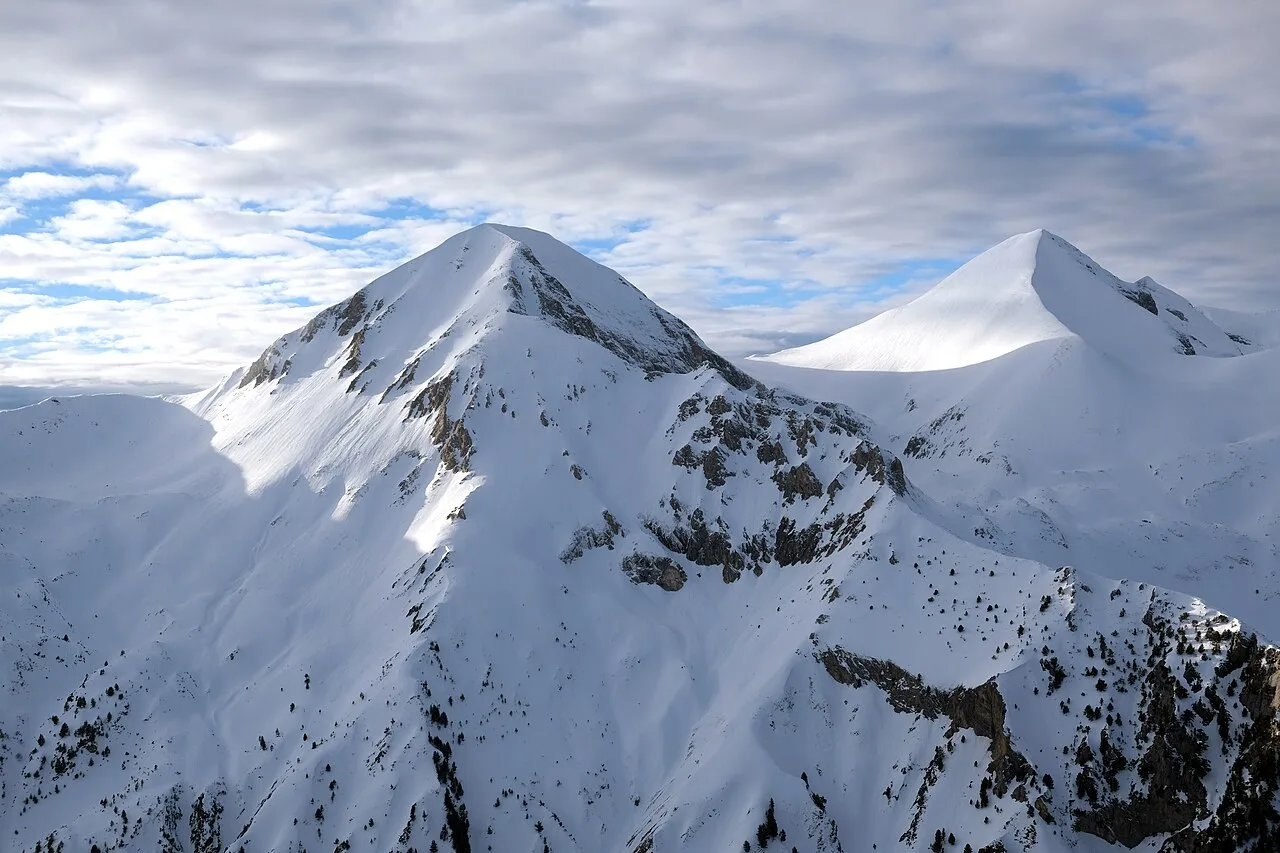
Rila National Park wraps the monastery in pine forest and granite peaks that carry snow into early summer. A signposted trail leads about 4 kilometers to the cave where Saint Ivan of Rila lived as a hermit; plan on roughly 30 minutes each way over easy, unpaved ground. Tradition holds that only someone free of sin can fit through its narrowest opening.
- Saint Ivan Rilski cave trail: about 4 kilometers, roughly 30 minutes each way, easy to moderate, free.
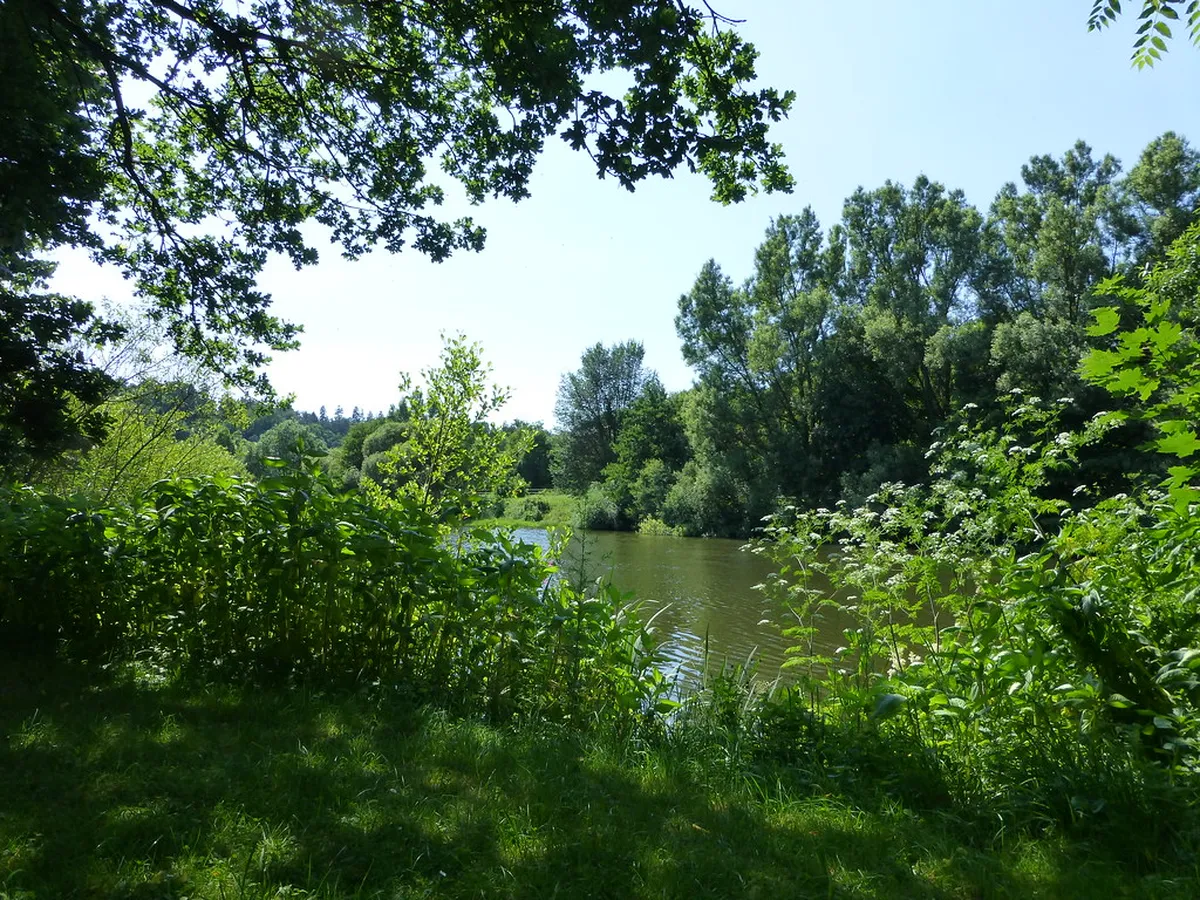
- Rilska River banks just behind the complex: a quiet, free stop between museum visits.
Family-Friendly and Budget-Friendly Options in Rila
The courtyard, church and outer frescoes are free to enter year-round, making Rila one of the better-value UNESCO stops in the Balkans for a family on a budget. The small bakery behind the monastery walls sells hot mekitsi — fried dough dusted with sugar or filled with local sirene cheese — for under €2. Families with young children should budget extra time rather than extra money: the cave hike and riverside spots cost nothing.
- Monastery bakery: hot mekitsi and local yogurt for under €2.
- Free picnic tables near the Rilska River, good for families who packed their own food.
How to Plan a Smooth Rila Attractions Day
Rila Monastery is a working monastery, not a museum, so the modest-dress rule applies to everyone: shoulders and knees covered, no shorts or tank tops.
The church gate opens at 06:30 daily, and arriving before 09:00 — well before tour buses from Sofia Attractions start arriving around 10:00 to 11:00 — is the best way to see the courtyard without a crowd in every photo. The museums keep shorter hours, roughly 08:30 to 16:30, with extended weekend hours in summer.
- Cover shoulders and knees and skip shorts or tank tops — the dress code is enforced strictly at the door.
- Arrive before 09:00 or after 15:00 to dodge the 11:00-to-14:00 peak.
Getting to Rila Monastery from Sofia by Car
Driving from Sofia takes about two hours door to door, mostly on the A3 motorway before the road narrows into the mountains for the final stretch — scenic and one of the easier drives in the country. Renting a car gives the most flexibility, and airport pickup is usually the cheapest option among agencies.
Parking sits right outside the monastery gates for a small daily fee, and spots fill up fast around midday in summer.
- A3 motorway: most of the 120-kilometer route in about 1 hour 45 minutes.
- Gate parking: a few lev a day, often cash-only — keep small bills even with euro pricing now common at 2026 tills.
Bonus Stops Along the Way if You Drive
Driving yourself opens up detours that public transport and most tours skip. The Stob Pyramids — sandstone cones shaped by erosion — sit just off the route and reward a roughly 30-minute hike for a small entry fee; search "Стобски пирамиди" in Google Maps for the trailhead. Kocherinovo village, on the same road, hides a donation-based "junk museum" worth a 20-minute wander.
On the way back you can also stop at Boyana Church Visitor Guide, or, with a full day to spare, continue south into the Struma Valley for a Melnik wine tasting — Bulgaria's most distinctive red, from the local Shiroka Melnishka grape.
- Stob Pyramids: about 30 minutes each way, small entry fee, clearly signed.
- Kocherinovo junk museum: about 20 minutes, donation-based.
Getting to Rila Monastery by Guided Tour or Public Bus
A guided day tour from Sofia is the easiest option if you'd rather not drive — most run 8 to 9 hours, include transport and an English-speaking guide, and cost roughly €25 to €40, often paired with Boyana Church or the Vitosha Mountain Visitor Guide area for better value than a single-site trip.
A cheaper public shuttle runs from Sofia's Ovcha Kupel station, leaving around 09:00 and returning around 15:00 for roughly 20-30 lev round trip — fixed to one schedule. Seats sell out in July and August, so arrive at the station early — tickets are sold at the kiosk and by the driver.
- Guided tours: €25-40 for 8-9 hours including transport and guide.
- Ovcha Kupel shuttle: roughly 20-30 lev round trip, fixed return time.
Where to Stay for an Early, Crowd-Free Visit
Most guides treat Rila as a single long day trip from Sofia, but the monastery itself rents simple guest cells to travelers, not only pilgrims — a detail most day-trip guides skip. A night in one of these unheated rooms costs a fraction of a Sofia hotel and puts you inside the gates before the 06:30 opening, so you can photograph the courtyard in empty light and finish the museums before the first tour bus arrives around 10:00.
If the monastery's rooms are full, the small town of Rila, about 20 minutes further down the valley, has family-run guesthouses from roughly €25 to €35 a night. Worth flagging for travelers with limited mobility: the courtyard is cobbled and uneven, and the stairs up Hrelyo's Tower have no ramp or lift — the ground-floor courtyard, church interior and Church History Museum remain accessible.
- Book a monastery cell or Rila town guesthouse the night before to beat the 10:00-to-11:00 tour-bus rush.
- Ground-floor access covers the courtyard, church and Church History Museum; the tower has no accessible route.
Monastery Etiquette and Rules to Know Before You Go
Rila Monastery is an active religious community: avoid smoking, keep noise down, don't wander into floors reserved for monks, and leave pets at the car. Inside the church, men should remove hats, phones should stay out of sight, and crossed legs or hands in pockets read as disrespectful during a service.
Icons and relics are honored by kissing, not touching, and candles go in specific stands — low ones for the departed, tall ones for the living.
- No photography or video inside the church or museums; the courtyard and outer frescoes are fine to shoot.
- Dress modestly and use the correct candle stand.
Top Things To Do at Rila Monastery in Your Free Time
Once you've covered the church, towers and museums, the best use of leftover time is slowing down — sit by the Rilska River, or climb partway up Hrelyo's Tower for a view over the striped arches and pine ridgeline. Early morning, roughly 07:00 to 09:00, hits the courtyard arches best, before the crowds and the sun's angle both work against you.
Gift stalls near the entrance sell rose oil products, hand-painted icons and jars of local mountain honey. For lesser-known photo spots and side trails, this blog goes into more detail than most day-trip guides bother to cover.
- Courtyard arches photograph best between 07:00 and 09:00, before tour groups arrive.
- Gift stalls near the entrance sell rose oil, icons and mountain honey from a few euros up.
Continue planning: Use Sofia Attractions: 12 Top Sights, Tickets & Tips to connect this guide with the rest of your Bulgaria itinerary.
Frequently Asked Questions
Is there an entrance fee for Rila Monastery?
Entry to the monastery courtyard and the main church is free for everyone. The museums — including the Church History Museum, Icon Gallery, and Hrelyo's Tower — are covered by a combined ticket of 12 EUR (23.47 BGN) in 2026, and a guided tour in English or French costs 15 EUR. Day-trip tours departing from Sofia often bundle the visit with the Boyana Church Visitor Guide.
How much time do I need at Rila Monastery?
Most visitors spend about 3 to 4 hours exploring the complex and museums. This allows enough time for a short walk to the cave or a quick lunch. If you plan to hike to the Seven Rila Lakes Visitor Guide, you will need a full day.
What is the dress code for the monastery?
Visitors must dress modestly to enter the holy sites. Shoulders and knees must be covered for both men and women. Avoid wearing hats inside the church buildings. You can often borrow or buy a scarf at the entrance if your clothing is too revealing.
Can I take photos inside the Rila Monastery church?
Photography is strictly prohibited inside the Main Church of the Nativity and the museums. You are welcome to take as many photos as you like in the outdoor courtyard and porches. The frescoes on the exterior are particularly photogenic. Please respect the monks and worshippers during your visit.
A visit to Rila Monastery is a profound journey through Bulgarian history and spirituality.
From the intricate carvings of Raphael’s Cross to the peaceful Rila National Park, there is much to discover.
Whether you drive yourself or join a tour, this site remains a must-see Balkan treasure.
Plan your trip today to experience the magic of this UNESCO World Heritage site for yourself.
For authoritative information, refer to the Rila Monastery official site and Rila Monastery on Wikipedia.
For more Sofia planning, read our Things To Do in Sofia, Bulgaria (2026 Guide) and 11 Essential Tips for a Rila Monastery Day Trip From Sofia guides.