St. Ivan Island (sveti Ivan) Visitor Guide
St. Ivan Island is Bulgaria's largest Black Sea island, sitting less than a kilometre off Sozopol's Old Town peninsula. There is no permanent population, no ferry timetable, and no landing fee — only monastery ruins, a working lighthouse, and a wind-scoured nature reserve reached by private boat. Most visitors book a crossing directly at Sozopol harbour, spend two to three hours walking the site, and are back in town for lunch. In 2026 that mix of easy access and genuine remoteness still makes it one of the more offbeat Sozopol Bulgaria attractions.
For an aerial view of the island's seabird colonies in flight, here's what St. Ivan looks like from above:
The island's fame rests on one discovery: in 2010, archaeologists excavating the medieval monastery uncovered a small reliquary containing bone fragments later linked to John the Baptist. The relics themselves have since moved to a church in Sozopol's Old Town, but the dig site, the monastery's stone foundations, and the older Thracian and Roman layers beneath them remain on the island for anyone willing to make the crossing.
Must-See Attractions on St. Ivan Island
The island's lighthouse was built by French engineers in 1884 and still functions as an active navigation light guiding vessels toward Burgas Bay. Its white tower stands out sharply against the water and is the easiest landmark to photograph from any angle. The walk out to it takes you along the island's most exposed, wind-blown stretch, which gives a real sense of how isolated the site feels once the boat pulls away.
The ruins of the Monastery of St. John the Baptist are the main draw. Archaeological work carried out since 1985 has uncovered the remains of two churches, a fortified wall with its gate, a library, and several monastic cells built into the rock. Walking through the stone foundations is what gives the island its "open-air museum" feel, since almost nothing has been reconstructed or roped off.
From the island's highest point, 33 metres above the sea, you get a clear line of sight back to Sozopol's Old Town and across the narrow channel to the smaller St. Peter Island. The contrast between the bare, rocky shoreline and the calm water is the best photo opportunity on the island, and it needs no more than a short scramble up from the monastery path.
- The 1884 lighthouse, still an active aid to navigation and the easiest spot for a quick photo.
- The monastery's main church and monastic cells, largely unrestored since the 1985 excavations.
- The southern viewpoint at 33 m, looking back over Sozopol Old Town and St. Peter Island.
History and Culture on St. Ivan Island
Thracians occupied the island from roughly the 7th to 4th century BC, and traces of their sanctuary are still visible near the monastery. After Rome took Sozopol (then Apollonia) in 72 BC, the new rulers raised a temple of Apollo beside the older shrine, crowned with a 13.2-metre bronze statue by the sculptor Calamis — tall enough that sailors could reportedly see it from the mainland city.
Christianity replaced the temple in the 5th–6th century, when a basilica was built directly over the Roman ruins; the monastery that grew up around it became an important regional centre and was rebuilt between 1262 and 1310. The Ottomans destroyed it during the 1453 conquest, it was reconstructed in 1467–1471, and by the 1620s the abandoned buildings had become a hideout for Cossack pirates raiding the coast — archaeologists later found traces of a Cossack-era meal inside the church itself.
The 2010 relic discovery is the chapter most visitors come for. Bone fragments found inside a marble reliquary in the monastery's altar were later dated to a man from the first-century Middle East, matching the profile attributed to John the Baptist. The relics themselves were removed to the mainland, but the excavation trenches and the reliquary's find-spot are still marked on the island, which is why the ruins still feel like an active dig rather than a museum piece.
A Protected Nature Reserve on St. Ivan Island
The island has been a protected reserve since 1993, and it shows: there are no paved paths beyond the monastery approach, no benches, and no landscaping of any kind. It supports 72 recorded bird species, three of which are endangered worldwide and fifteen across Europe, including one of Bulgaria's largest herring gull colonies. Spring migration is the best window for birdwatchers, and binoculars are worth the extra bag space.
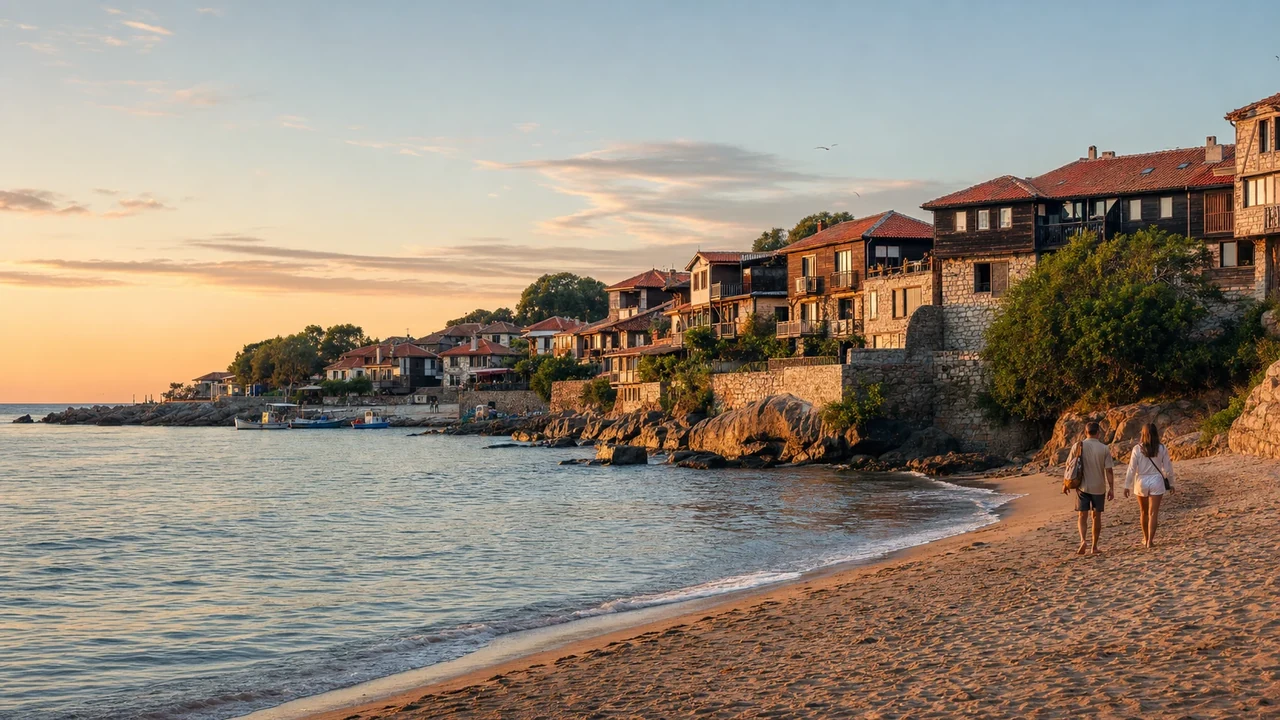
Underfoot, the island is a mix of volcanic rock and sparse, salt-tolerant scrub rather than the manicured gardens found in Sozopol itself. Walking the perimeter shows the erosion patterns cut into the cliffs over centuries, and the exposed rock face is a stark contrast to the beach town a few hundred metres away.
Mediterranean monk seals once denned in the island's sea caves; sightings are now rare enough that most locals treat them as folklore rather than a realistic wildlife-spotting goal. The surrounding water is clear enough for casual snorkelling from the rocks near the old jetty, though there's no official swimming area and no lifeguard.
Visiting With Kids on a Budget
A round trip to the island is one of the cheapest half-day outings available from Sozopol, since the only real cost is the boat fare and there's nothing to buy once you land. Children generally enjoy the short crossing more than the ruins themselves, so treat the boat ride as part of the attraction rather than a means to an end.
There are no shops, cafés, or restrooms anywhere on the island, so a packed picnic and a bottle of water per person are not optional. Families tend to find a flat spot near the ruins to eat, then carry every scrap of rubbish back to the boat — there is no bin service, and the reserve status makes littering more than a minor faux pas.
The walking paths are gentle enough for most children with supervision, and the whole loop — lighthouse, monastery, viewpoint — takes 30 to 45 minutes at an easy pace. Given the total lack of shade, plan for a shorter visit with younger kids and save the beach for the hottest part of the day.
How to Plan a Smooth Day at St. Ivan Island
Planning the crossing alongside the rest of the attractions in Sozopol makes the most of a single day. Catch one of the first boats out for cooler temperatures and calmer water, and wear closed, sturdy shoes — the ruins and the lighthouse path are uneven rock, and flip-flops are a genuine hazard here, not just a style note.
There is essentially no shade anywhere on the island, so sunscreen, a hat, and more water than you think you'll need are all worth packing. Budget two to three hours total for the walk, the ruins, and the return crossing, and expect that on a still day the whole outing can be trimmed to under two.
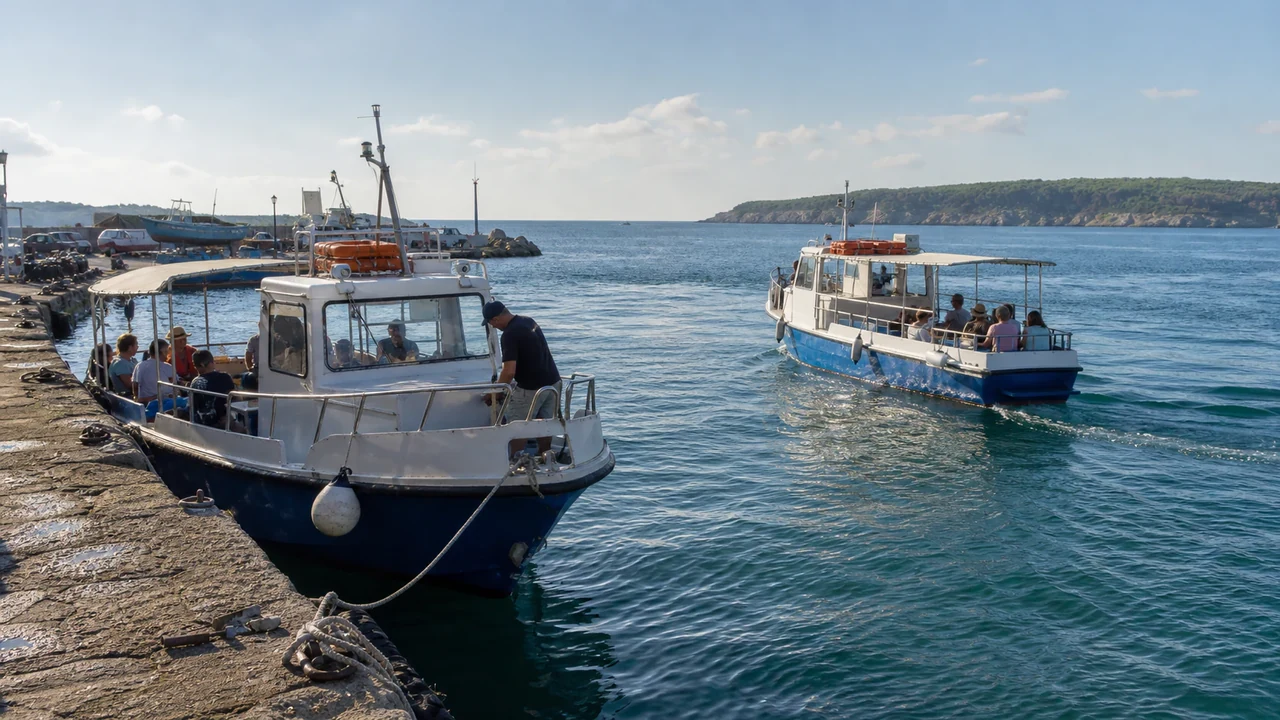
Boat departures are weather-dependent and run mainly from late spring through early autumn; outside that window, in the winter months, there is effectively no service and the island is not a realistic day trip. Most boats leave from the pier near the Old Town through the morning and afternoon — confirm the return pickup time with your captain before you set off, since there's no ticket office or schedule board waiting for you on the island.
St Ivan Island Sozopol
St. Ivan Island is a significant geographic landmark in the Burgas province and the largest of all Bulgaria's sea islands, with an area of 660 dca (0.66 km²). Its highest point reaches 33 metres above sea level, a vantage point that has been used since antiquity for exactly the reason it's used today — to see the mainland and the water around it.
The island sits about 920 metres from the Stolets peninsula, where Sozopol's Old Town stands, and the crossing by boat takes roughly 15 to 20 minutes depending on sea conditions. A narrow channel separates it from the much smaller St. Peter Island just to the east. Official background on the wider region is available on the sozopol.bg website.
In antiquity, a 13.2-metre bronze statue of Apollo stood on the island, visible from the city of Apollonia across the water. Nothing of the statue survives today beyond archaeological traces and the historical record, but knowing it was once there adds real weight to what otherwise looks like a bare, windswept rock.
Where to Stay for a Day Trip to St. Ivan Island
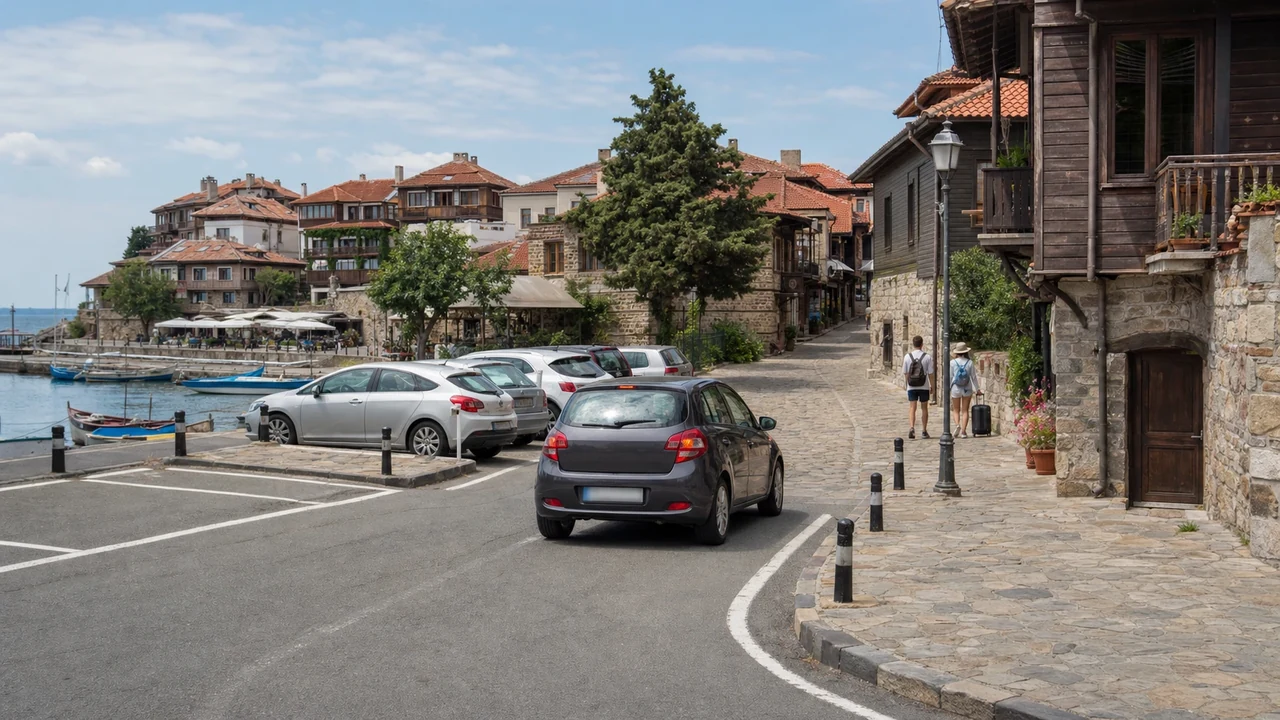
Since boats leave from the pier near the Old Town, staying inside or right at the edge of Sozopol's Old Town cuts the walk to the harbour to five or ten minutes and lets you catch an early departure without a taxi. You can compare places to stay in Sozopol to weigh the Old Town against other parts of town before booking.
Hotels near Central Beach put you a short walk or a quick taxi ride from the harbour instead, which suits travellers who want easier beach access on the days they're not island-bound. Either base works for a single crossing; the Old Town only matters if you want to catch the very first boat or return late without rushing. You can check exact positioning on the map for 8130 Sozopol, Bulgaria before choosing a room.
Rooms in the Old Town fill first for the July–August 2026 peak, so booking three to four weeks ahead is worth it if a sea-view room or walking distance to the pier matters to you. Boutique guesthouses in the Old Town lean toward historical charm and quiet evenings, while the newer resorts near Central Beach trade that atmosphere for pools, spas, and more on-site amenities.
Plans Like a Pro, Thinks Like You
Timing the crossing matters more than most first-timers expect. Morning trips give the softest light for photos and generally the calmest water, while afternoon crossings run warmer but reward you with better light on the return leg toward Sozopol. Bring a light jacket regardless of the forecast — the wind on open water is consistently stronger than it looks from the harbour.
Avoid the midday slot in July and August if you can help it; with zero shade on the island, the heat at that hour is the single most common complaint from visitors. Doing the island walk early and saving the afternoon for the beach is the balance most repeat visitors land on.
Download an offline map of the ruins before you leave the mainland — mobile signal drops out in patches across the archaeological site, and a phone map that needs data won't help you tell the monastery's church from its monastic cells once you're standing among the stones.
Beyond St. Ivan: St. Peter Island and the Relics Trail
A common source of confusion is the smaller St. Peter Island just across the channel. Some boat operators advertise a "two-island" trip, but that almost always means circling St. Peter from the water rather than landing on it — it has no dock, sits fully within the protected reserve's core zone, and isn't set up for visitors the way St. Ivan is. If landing and walking the ruins is the point of your trip, make sure the operator you book is actually stopping at St. Ivan and not just sailing past both islands.
Because the John the Baptist relics themselves are no longer on the island, seeing the full story means continuing on the mainland after the crossing. Walking into the Old Town gets you to the church where the relics are now venerated, and the Archaeological Museum a few streets over holds many of the finds recovered during the monastery excavations. Pairing the two turns a single boat crossing into a half-day narrative that runs from the dig site itself to the objects it produced.
Hidden Treasures and a Sense of Place
There is a palpable sense of peace that settles over you on the island. Away from the music of the beach bars, you can hear the waves and birds. The island has a spiritual energy that has drawn people for thousands of years. Many visitors find that a few hours here feels like a complete mental reset.
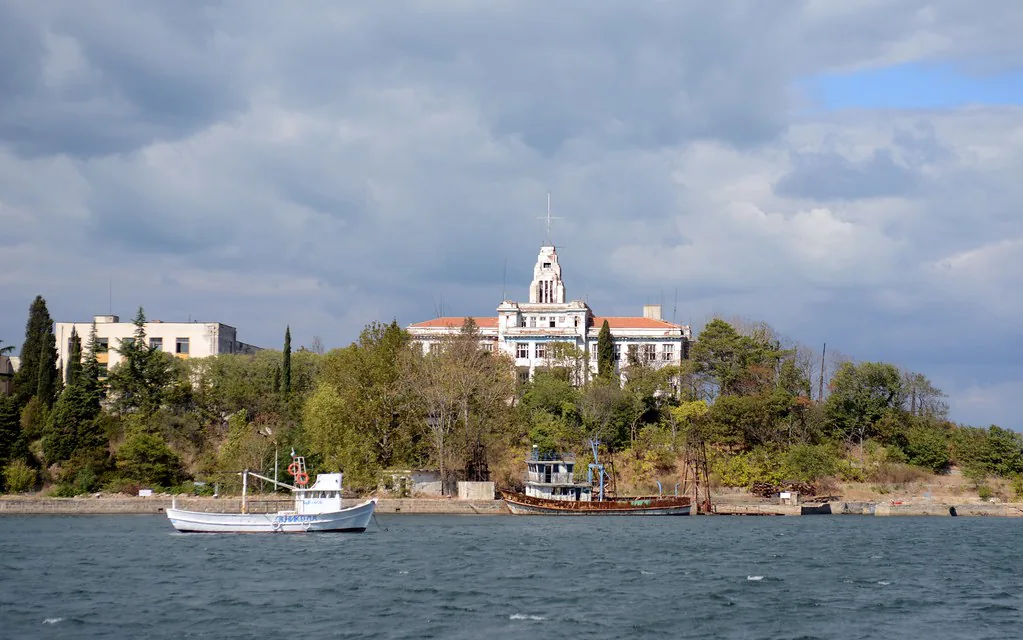
Hidden among the rocks are small coves that feel entirely private and untouched. While the monastery is the main draw, the natural shoreline holds its own secrets. You might find interesting shells or unique stones along the water's edge. View historical photos of St. Ivan Island to see its timeless appeal.
The connection between the island and the city of Sozopol is deeply historical. Everything from the ancient Thracians to the medieval monks has shaped this land. Walking these paths makes you a small part of the island's ongoing story. It is a place where the past is always present in every stone and breeze.
Continue planning: Use Sozopol Attractions: 7 Top Things to Do in Sozopol Old Town to connect this guide with the rest of your Bulgaria itinerary.
Frequently Asked Questions
Can you visit St. Ivan Island?
Yes, but there is no scheduled ferry. Visitors reach the island by hiring or joining private boat trips that depart from Sozopol Bay and the harbour, mainly during the warm season and when the sea is calm.
How do you get to St. Ivan Island?
The island lies about 1 km off Sozopol, so the only practical way across is by boat. Small tour and private boats leave from Sozopol's harbour; there is no admission ticket for the island itself, but you pay the boat operator's fare, which varies.
What was discovered on the island in 2010?
In 2010 archaeologists excavating the medieval monastery uncovered bone relics that have been attributed to John the Baptist. Later scientific dating found the remains were consistent with a man who lived in the Middle East in the first century AD.
Where are the relics of John the Baptist kept now?
The relics are no longer on the island. They are displayed for veneration in the Church of Sts Cyril and Methodius in Sozopol Old Town, on the mainland.
Is St. Ivan Island the largest island in Bulgaria's Black Sea?
Yes. At about 0.66 square kilometres it is the largest Bulgarian island in the Black Sea, and at 33 metres it is also the highest, sitting just off the coast at Sozopol.
What else is there to see on the island?
Besides the monastery ruins, the island preserves traces of an ancient Thracian sanctuary and a Roman-era lighthouse. Since 1993 it has been a protected reserve, home to large seabird colonies including one of Bulgaria's biggest herring gull populations.
Is this the same as St John's island or church near Nessebar?
No. St. Ivan (Sveti Ivan) Island is off Sozopol and is not connected to the Church of St John Aliturgetos in Nessebar or to other saints' islands elsewhere. The monastery and 2010 relics discovery described here belong specifically to Sozopol's St. Ivan Island.
St. Ivan Island packs history, nature, and a genuine sense of isolation into a boat trip that rarely takes a full day. A short crossing from Sozopol opens up monastery ruins, an active lighthouse, and a nature reserve with almost no modern infrastructure between you and the site — one of the more distinctive stops on the Bulgarian coast in 2026.
Pair the crossing with the Old Town's church and museum on the mainland for the fuller story: the dig site on the island, the relics and finds it produced now on shore. Wear proper shoes, pack water, and confirm your return time with the boatman before you set off.
For more Sozopol planning, read our 25 Best Things to Do in Sozopol, Bulgaria (2026) and Sveti Ivan Island: History, How to Visit & What to See in Sozopol guides.
To verify current details, consult the St. Ivan Island (Sveti Ivan) on Wikipedia.