Best Time to Visit Sozopol, Bulgaria
Sozopol sits on a small rocky peninsula 35 km south of Burgas, making it one of the most accessible seaside towns on Bulgaria's Black Sea coast. For most visitors, the best time to visit Sozopol is from late June through early September, when sea temperatures peak and both beaches and the Old Town buzz with activity. That said, the shoulder windows — May to mid-June and September to mid-October — offer warm weather, manageable crowds, and noticeably lower prices. This guide covers every season, how to get here from Burgas, what to eat, and what to see so you can plan the visit that suits you. Last updated June 2026.
For a visual tour of Sozopol's seaside charm and summer atmosphere, watch this guide to the town:
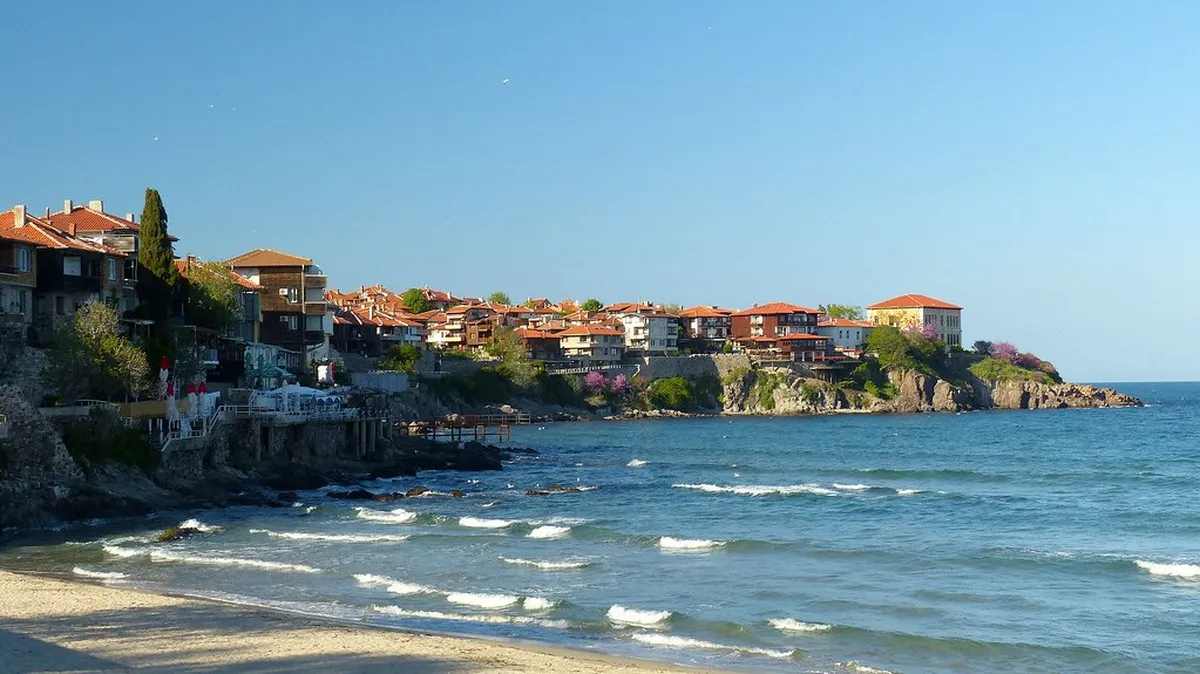
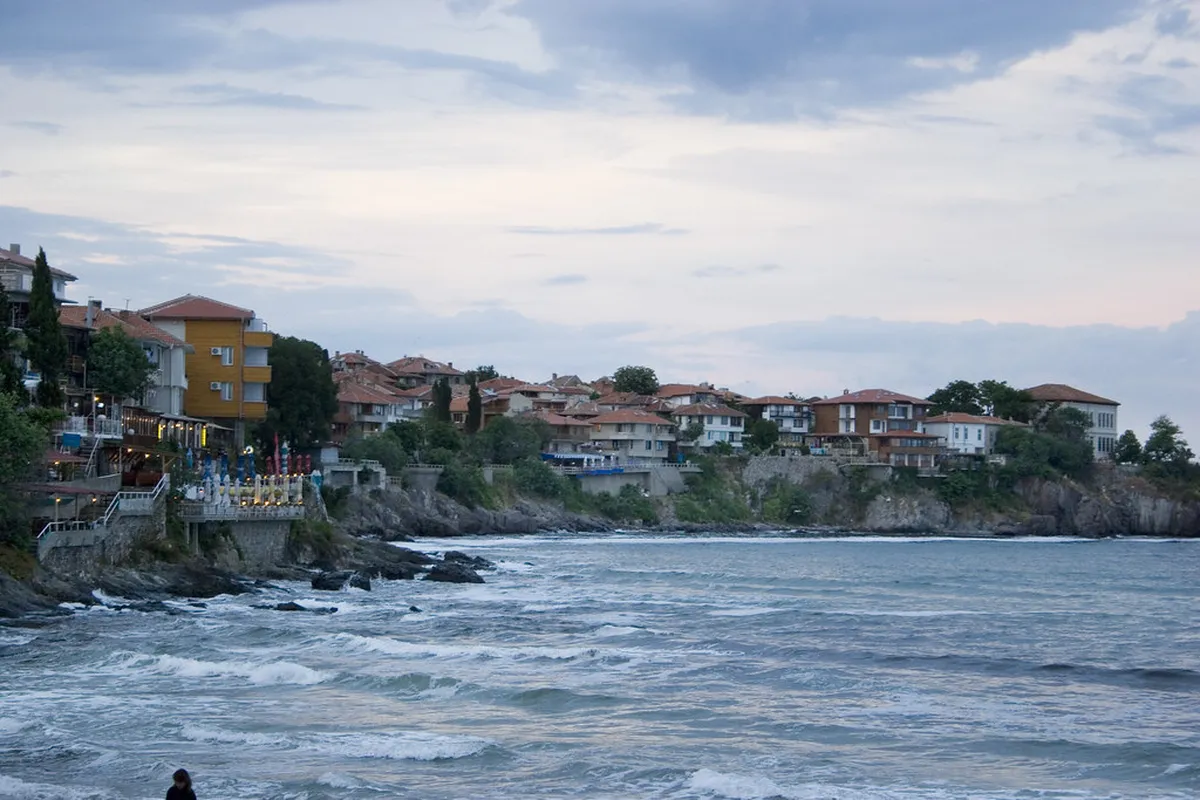
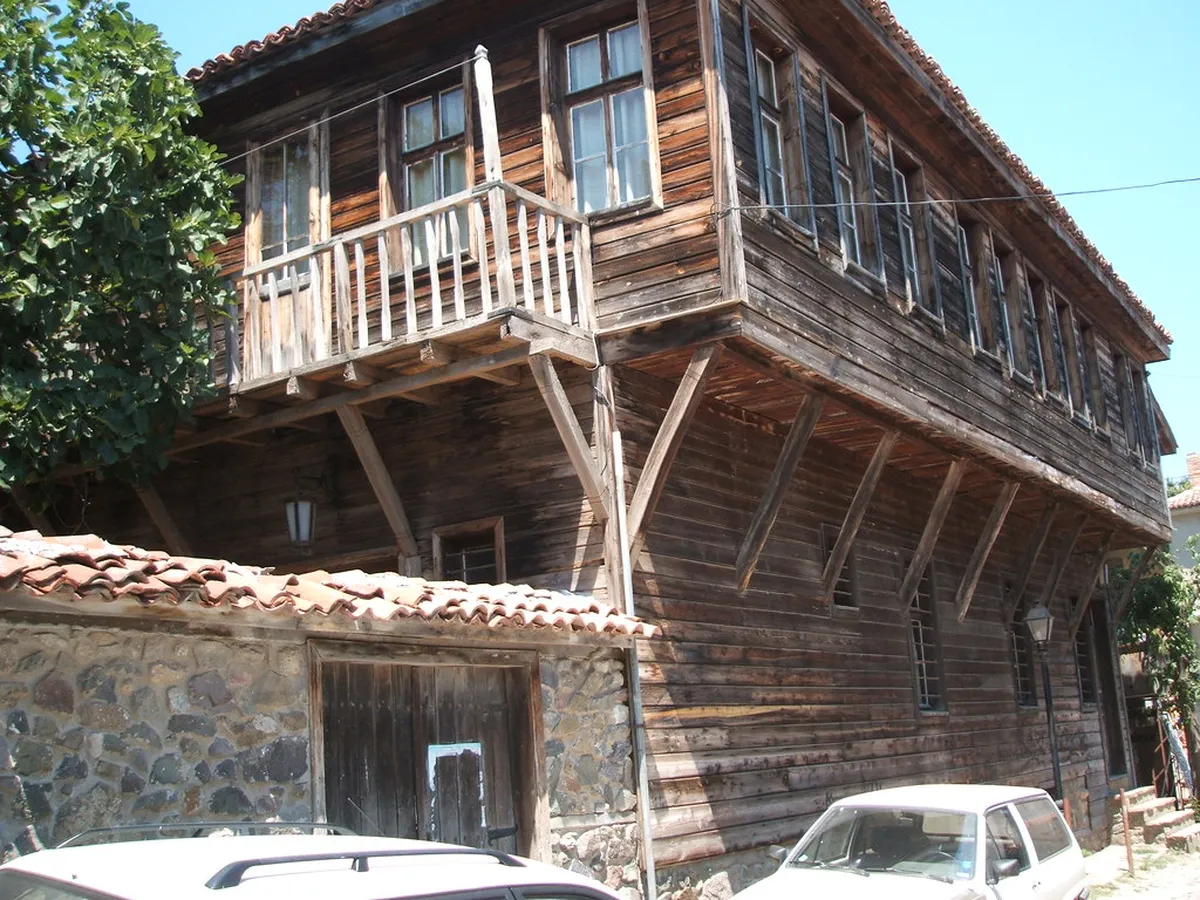
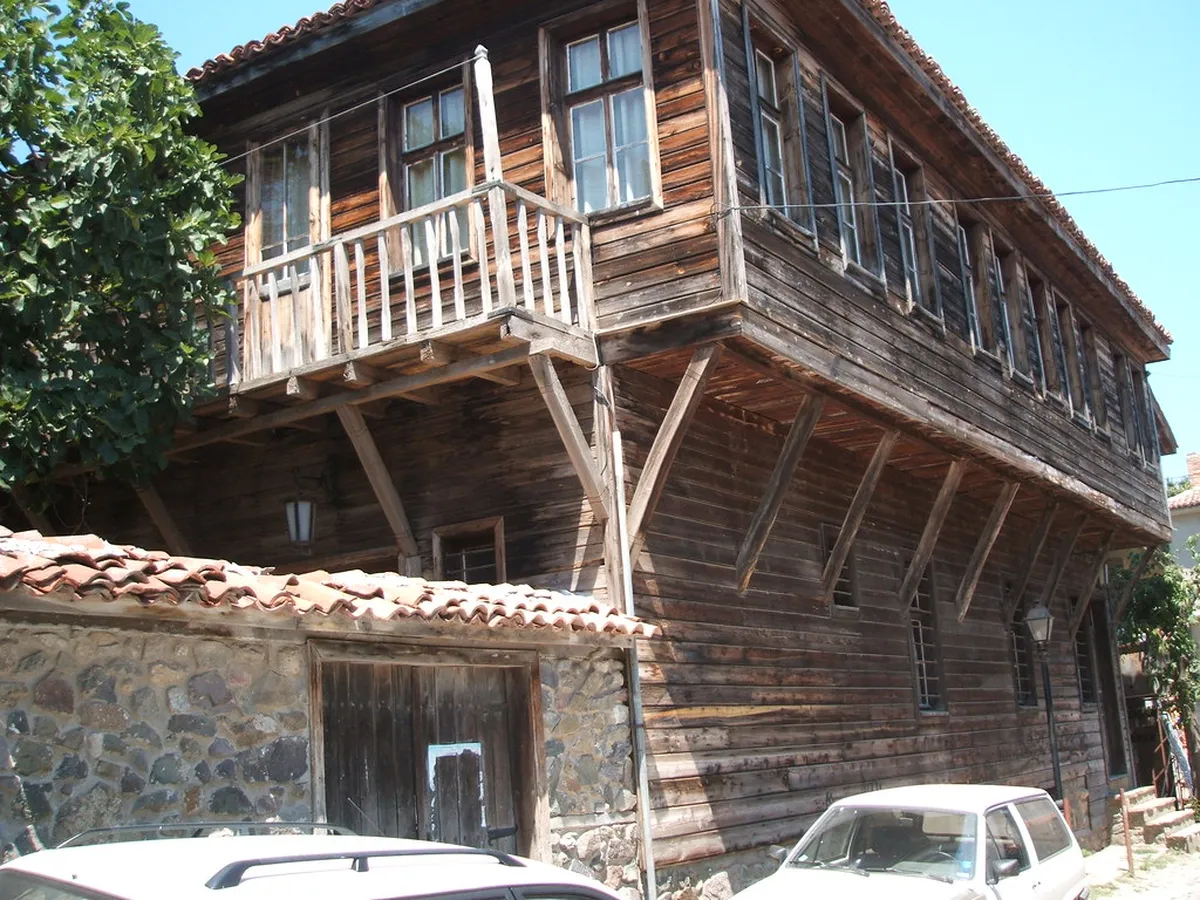
The town divides neatly into two zones: the ancient Old Town on the peninsula, packed with 18th–19th century wooden revival houses, Orthodox churches, and fortress walls; and the newer residential and resort area to the north. Each part of Sozopol rewards visitors differently depending on the season. Understanding when those differences matter most is the key to getting your trip right.
When Is the Best Time to Visit Sozopol?
The sweet spot that most experienced visitors recommend is early September. Daytime temperatures still reach 24–26°C, the Black Sea holds its warmth at around 23°C, and the Apollonia Arts Festival — Bulgaria's largest open-air arts event — takes place right in the Old Town during the last days of August through the first week of September. You get warm swimming weather, a genuine cultural event, and a town that has lost about half its peak-August crowds. Prices at guesthouses drop noticeably after 1 September.
If September doesn't work for your calendar, July and August deliver the classic beach-holiday experience: hot sun, open-air bars, and a lively atmosphere around the Central Beach and Harmonite Beach. Be prepared for peak crowds, significantly higher accommodation prices, and parking that ranges from difficult to impossible. Locals drive into Sozopol from Sofia as early as 03:30–04:00 on summer Fridays just to beat traffic and get a parking spot before they disappear.
The shoulder seasons — May to mid-June and October — suit visitors who prioritise the Old Town's cobblestone streets and fortress walls over beach time. Temperatures sit at 15–22°C, the Etesian wind can be noticeable on roughly half the days in late May (pack a windbreaker), and several beach bars and smaller eateries remain closed. Winter from November to April is quiet and cold, but peaceful for anyone wanting to walk the historic Old Town without the summer crowds.
Sozopol Season Comparison: Weather, Crowds, and Prices
Sozopol's climate varies significantly across the year, affecting everything from which restaurants are open to how long you'll spend finding a parking space. The locals note that Sozopol has a microclimate that tends to push summer storms away quickly — even on a day when rain arrives, it often clears within a few hours. Do not rely too heavily on weather forecasts in summer; they tend to show lower temperatures than what you actually experience on the ground.
Average daily temperatures range from 25–30°C in July and August. Spring and autumn see milder averages of 15–22°C. Winter hovers between 5–10°C and can drop below freezing overnight. Black Sea water temperatures peak in late August at around 24–25°C and are still comfortable — above 20°C — through most of September.
| Season | Months | Weather | Crowds | Prices | Events | Best for |
|---|---|---|---|---|---|---|
| Spring | April – mid-June | Mild, 12–20°C, some rain | Low to moderate | Moderate | Easter celebrations | Culture, fortress walks, budget |
| Summer | Mid-June – August | Hot, 25–30°C, sunny | High | High | Apollonia Arts Festival (late Aug–early Sep) | Beaches, nightlife, festivals |
| Early Fall | September – mid-October | Pleasant, 18–24°C, less rain | Moderate to low | Moderate | Sozopol Fish & Wine Festival | Relaxation, food, sightseeing |
| Late Fall/Winter | Late October – March | Cold, 5–10°C, some snow | Very low | Low | Christmas markets (Burgas) | Solitude, local life, lowest prices |
Getting to Sozopol from Burgas
The simplest and cheapest way to reach Sozopol is the direct bus from Burgas Station South Terminal. Look for bus stop 5 at the back of the terminal. The Burgas Bus or Sozopol Bus departs roughly every 30–60 minutes from around 06:00 to 21:00, with the return service from Sozopol bus stop running until 21:30. The journey takes about 40 minutes and costs 5 lev, paid in cash on the bus. Arrive in Sozopol by 09:00 if you want a full day and a spot on the beach before it fills up.
Burgas Airport is only 44 km from Sozopol. A taxi from the airport runs around €25 one-way — ask the driver to confirm the metered rate before you set off. Sozopol is also roughly 400 km from Sofia via the Trakia motorway. If you drive from Sofia in summer, leave by 04:00 to miss the Friday afternoon gridlock. Parking inside town costs around €3–6 per day at the designated lots, but spots disappear fast in July and August. In peak season, many visitors prefer to base themselves in Burgas and take the bus daily rather than wrestle with Sozopol's parking situation.
Three Beaches, Three Different Experiences
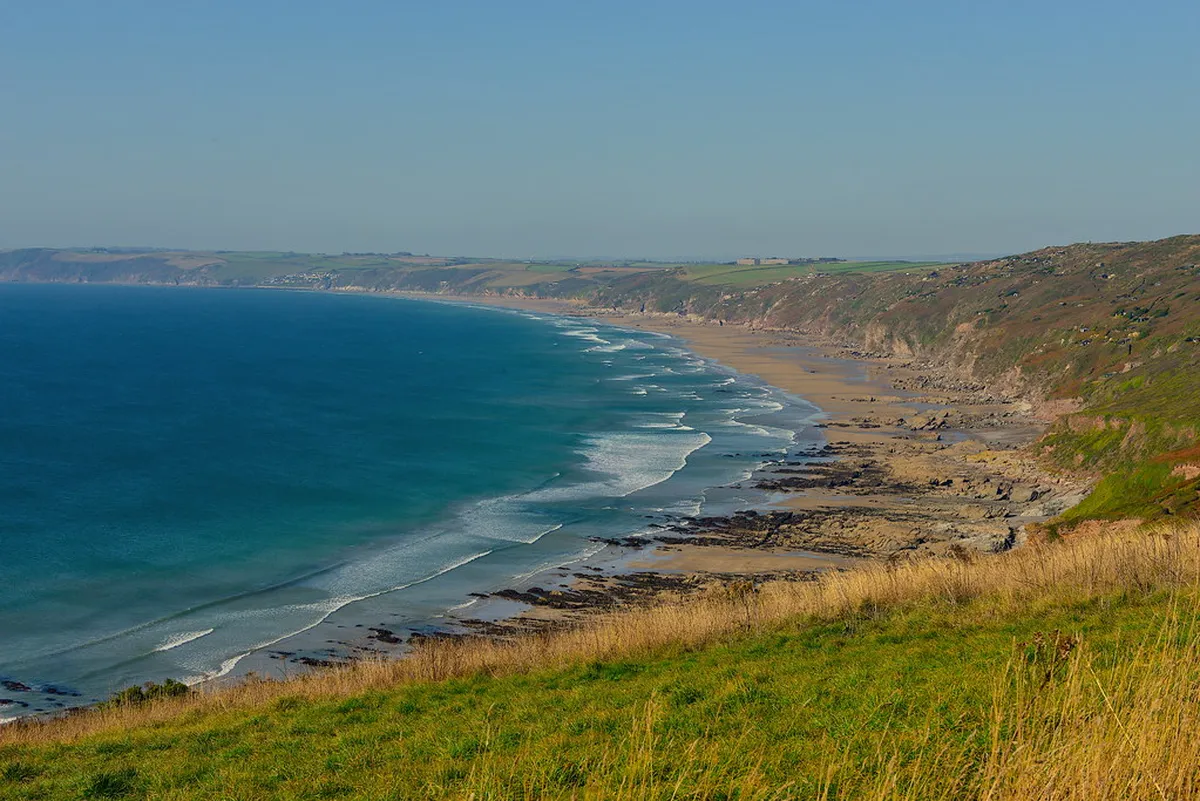
Sozopol has two town beaches plus several quieter options reachable within 15 minutes by taxi or local bus. Central Beach sits between the Old and New Town and is the busiest, with sunbeds and umbrellas for hire. Harmonite Beach (also spelled Harmanite) lies 10 minutes further south and is longer, less crowded, and — at its far southern end — partially a nudist beach. Both are free to access; you pay only if you use a sunbed.
Kavatsite Beach lies just south of Harmonite and is rated among the top beaches in the Burgas region. It has a more relaxed, bar-and-restaurant atmosphere and attracts a slightly younger crowd. Gradina and Golden Fish camping beaches are a short taxi ride further — around €5–7.50 per ride — and offer the soft white sand that Sozopol's town beaches lack. A local mini-train also connects the town to some of these beaches for about 1.50 lev per person. The Black Sea won't have the turquoise colour of the Mediterranean, but it can be a clear, clean blue in June and early July before summer algae blooms appear.
The best beach timing is June and early July for clearer water, and late August to mid-September for warm water with smaller crowds. July and August see packed beaches from about 10:00; arriving before 09:00 makes a real difference in both crowd levels and finding a good spot.
Staying in the Old Town
Old Town accommodation is limited and genuinely expensive compared to the rest of Sozopol. The peninsula is a protected architectural area, which restricts what owners can do to their 18th–19th century wooden revival houses, and maintenance costs push prices up. Expect to pay at the higher end of Sozopol's €5–€500 per night per person range. The upside is being a short walk from the fortress walls, churches, and the main square — and stepping out to those cobblestone streets in the morning without navigating traffic.
The New Town offers more budget-friendly guesthouses and apartment rentals. If you arrive in Sozopol without a reservation (a viable strategy in shoulder season), locals at the bus terminal often hold signs advertising free rooms. Prices are lower when you share a bathroom with other guests on the same floor. Note that some older accommodation providers do not speak English — younger hosts almost always do. For the lowest rates of all, camping sites at Kavaci, Gradina, and Golden Fish offer bungalows and tent pitches right by the beach.
The Old Town is a protected zone and access by private vehicle is restricted. If you stay there, you won't be able to park outside your door. Plan to use taxis (a short ride costs €5–7.50) or walk. In peak July–August, this parking restriction is actually an advantage — the Old Town stays quieter at street level than the busy New Town parking areas.
Best Things to See in Sozopol Old Town
The Old Town peninsula contains over 180 revival-era wooden houses and more than 20 Orthodox churches. You don't need to visit all of them, but a few stand out. St Zosim Church (open 17:00–21:00, closed Saturdays and Sundays) dates to 1857 and was named after the patron saint of Sozopol. The Holy Virgin Church is half-buried in the ground — a construction technique used during the Ottoman period to keep churches inconspicuous. The Medieval Church was built over ruins dating back to the 2nd century BC and is open around the clock.
The Sozopol Archaeological Museum (open 09:00–18:00 from 1 June to 15 October; shorter hours in winter; closed Saturdays and Sundays in winter; 7 lev entry) houses artefacts spanning the 6th century BC to the 17th century AD. The most talked-about exhibit is the "Sozopol vampire" — two 700-year-old skeletons discovered in 2012 with iron stakes driven through their chests. The Ethnographic Museum (4 lev entry; closed Mondays and Sundays in winter) sits in a restored wooden house and covers traditional Black Sea crafts, fishing tools, and winemaking. Both museums are best visited in the morning before the afternoon heat arrives.
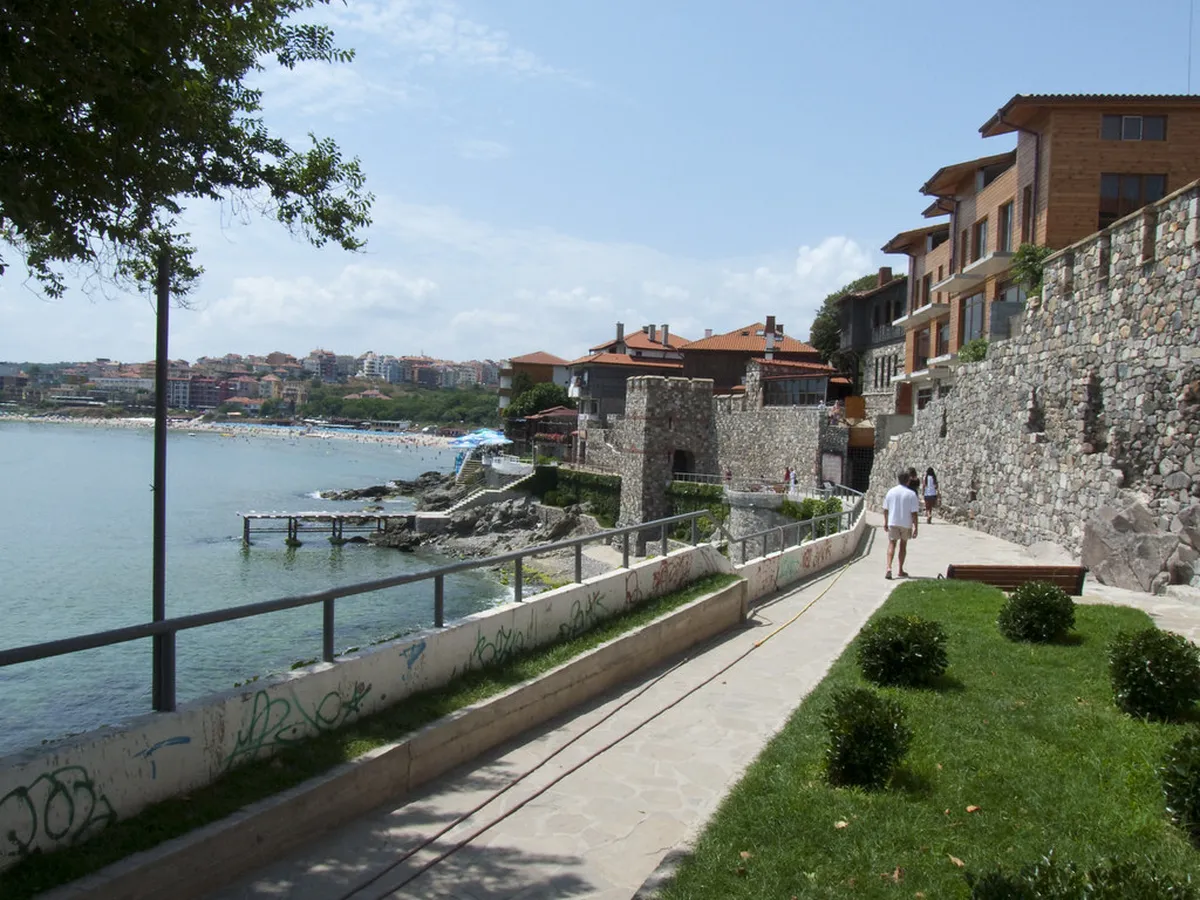
The Southern Fortress Wall and Tower Visitor Guide is reached via a small stairway through the Old Town and delivers a sweeping view of the southern coastline. Walking the length of the Fortress Walls along the peninsula's southern edge takes about 20 minutes and passes the Ancient Gate, two bastions, a granary, and an ancient well. At the northeastern tip of the peninsula, Cape Skamni holds the ruins of the Medieval Monastery of St Apostles and a 6th-century BC sanctuary to Demeter and Persephone. The 10 Best Things to Do in Sozopol Old Town is fully walkable in a day, but plan two days if you want to explore the museums and fortress walls without rushing.
What to Eat in Sozopol
Black Sea cuisine dominates in Sozopol. The staples are grilled and fried fish — sea bass, jack mackerel, goby — plus Black Sea mussels, calamari, shrimp, and whelk. Most restaurants line the coast or overlook the sea, so the view is part of the meal wherever you eat. Traditional Bulgarian dishes are available everywhere too: shopska salad, kavarma stew, and various grilled meats alongside the fish options.

A few places worth seeking out: Tangra on the north side of the peninsula does traditional Black Sea cuisine in a straightforward setting. Restaurant Neptune offers tables by the water with a good range of local seafood. Mehana Sozopol serves traditional Bulgarian dishes with live folk music in the evenings. For something lighter, the Workshop of the Merry Pancakes opens early and serves both sweet and savoury pancakes at affordable prices. The Boutique Wine Shop opens midday and in the evening for local wine tasting — ask specifically for the local fig wine.
Sozopol's most distinctive local product is green fig jam. The whole town is covered in fig trees, and from around August onwards you'll see small stands outside houses selling homemade jam. Try it with yogurt or ice cream at almost any restaurant — it's one of those simple local desserts that travel writers consistently overlook in favour of the seafood. The Sozopol food scene shuts down significantly from November to March, when only a handful of year-round locals' places stay open.
Summer or Winter: Two Very Different Trips
Summer Sozopol and winter Sozopol are essentially different places. In July and August the town hums from morning to late at night: beach bars, open-air events, boats offering 1-hour coastal cruises, and the constant movement of both Bulgarian and international visitors. Every accommodation option is open, every restaurant is serving, and the main square of the Old Town is busy until midnight. This is the trip if you want energy, company, and beach days.
Winter is the opposite. From November to April most tourist services close entirely. Ferry services to St. Ivan Island (sveti Ivan) Visitor Guide (where relics of St John the Baptist were discovered in 2010) either stop or run on a skeleton schedule. The Archaeological Museum shortens its hours. Many guesthouses shut until April. What you gain is almost complete quiet in the Old Town, very low prices for accommodation, and the ability to walk the fortress walls and cobblestone streets without another tourist in sight. It suits photographers, writers, and travellers who find summer resorts exhausting.
Spring and autumn are the genuine compromise: good enough weather for outdoor sightseeing, some restaurants and accommodation open but not all, and prices somewhere between peak and off-season. The Fish and Wine Festival in early autumn is a reason to visit Sozopol specifically in September — local fish restaurants set up stalls in the Old Town and the harbour area for a weekend of eating and drinking. Combined with the tail end of the Apollonia Arts Festival, early September is the one period when Sozopol delivers culture, food, warm water, and manageable crowds simultaneously.
Practical Tips Before You Go
Sozopol is a cash-heavy destination. Bring lev for the bus (5 lev each way), museum entry (7 lev for the Archaeological Museum, 4 lev for the Ethnographic Museum), and small food stalls that don't take cards. ATMs are available in the New Town. The Archaeological Museum accepts card payment, but smaller establishments often do not. Arrive early — by 09:00 — if you plan to follow a full itinerary, especially in July and August when the beaches fill up fast and the Old Town's narrow streets get congested by late morning.
Mobile data works fine throughout Sozopol. Take a sun hat, sunscreen, and a refillable water bottle for summer visits. Even in summer, a light layer is useful for evenings on the coast when the sea breeze picks up. Sozopol is a small and very walkable town — sensible flat shoes are all you need for the Old Town's cobblestones. If you're visiting primarily for beaches and are coming from outside Bulgaria, Burgas Airport is your best landing point: it is only 44 km away, and the bus connection is direct and cheap.
- Bus Burgas to Sozopol: bus stop 5, South Terminal, 06:00–21:00, 40 minutes, 5 lev cash
- Taxi from Burgas Airport to Sozopol: approximately €25 one-way
- Archaeological Museum: 09:00–18:00 (June–October), 7 lev
- Ethnographic Museum: 09:00–18:00 (summer), closed Mondays and Sundays in winter, 4 lev
- Parking: €3–6 per day at designated lots; scarce in July–August
- Kavatsite and Gradina beaches: 15 minutes by taxi (€5–7.50) or local bus (1.50 lev)
Continue planning: Use 25 Best Things to Do in Sozopol, Bulgaria and Apollonia Festival Sozopol Travel Guide to connect this guide with the rest of your Bulgaria itinerary.
Frequently Asked Questions
Is Sozopol better than Nessebar?
Both Sozopol and Nessebar offer unique charm on the Black Sea coast. Sozopol is known for its artistic vibe and vibrant nightlife, while Nessebar is famed for its ancient history and UNESCO World Heritage status. Your preference depends on whether you seek more lively entertainment or historical immersion.
What month is the best weather in Bulgaria?
The best weather in Bulgaria for general tourism is typically from May to September. July and August are the hottest months, ideal for beach holidays. For sightseeing and hiking, May, June, and September offer pleasant temperatures without extreme heat.
Is Sozopol worth visiting?
Yes, Sozopol is definitely worth visiting for its blend of ancient history, beautiful beaches, and lively atmosphere. The Old Town, a UNESCO Tentative Site, is charming with its wooden houses and cobblestone streets. It offers a more bohemian and relaxed feel compared to some larger resorts.
The best time to visit Sozopol depends on what you want from the trip. For warm beaches, lively setting, and cultural events, aim for early September — the Apollonia Arts Festival, warm sea temperatures, and post-peak crowd levels make it the highest-value window of the year. For pure beach-holiday energy, July and August deliver, but accept the crowds and higher prices as part of the deal. For budget travel and historical sightseeing, the shoulder seasons of May–June and October offer everything the Old Town has to offer at a fraction of the cost.
No matter when you go, the Burgas to Sozopol bus makes the logistics simple, the seafood is excellent, and the fortress walls and cobblestone streets of the Old Town are genuinely worth the journey. Plan ahead in peak season and spontaneously in spring or autumn — both approaches work well in Sozopol.