Your Perfect One Day in Sozopol Itinerary
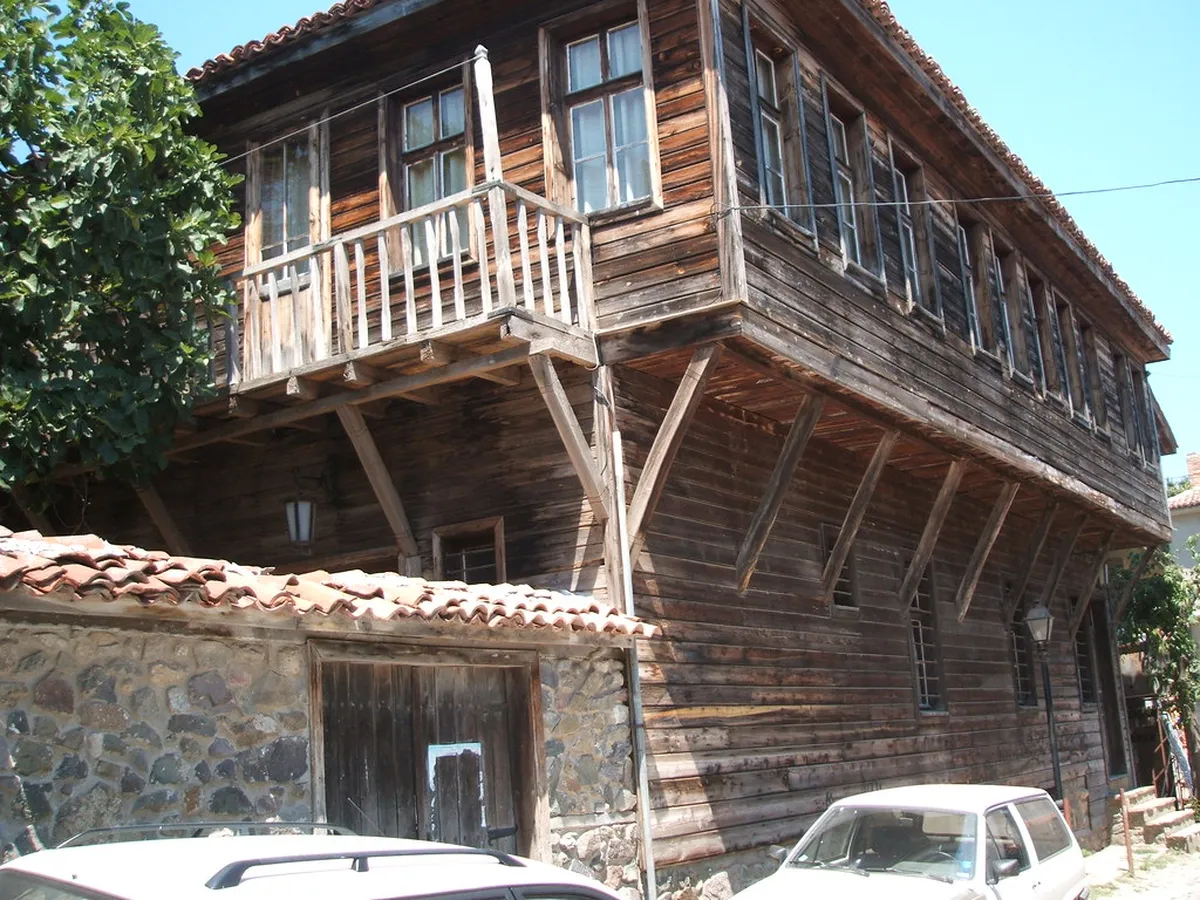
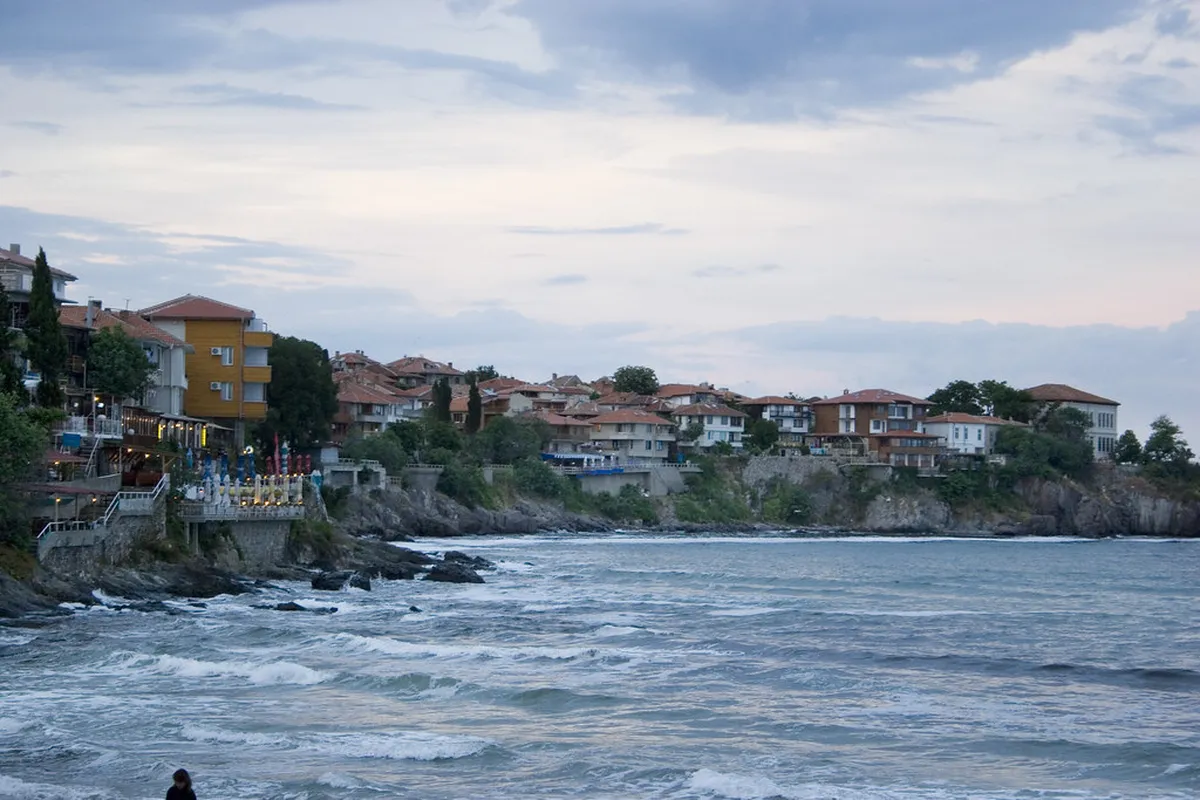
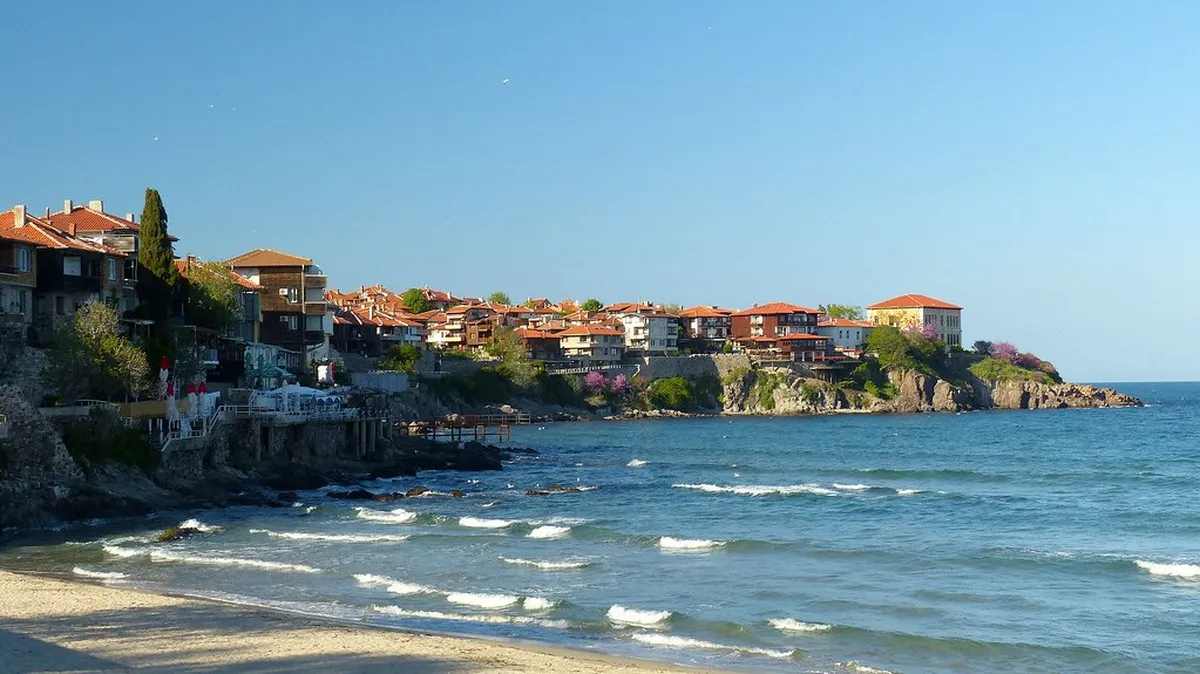
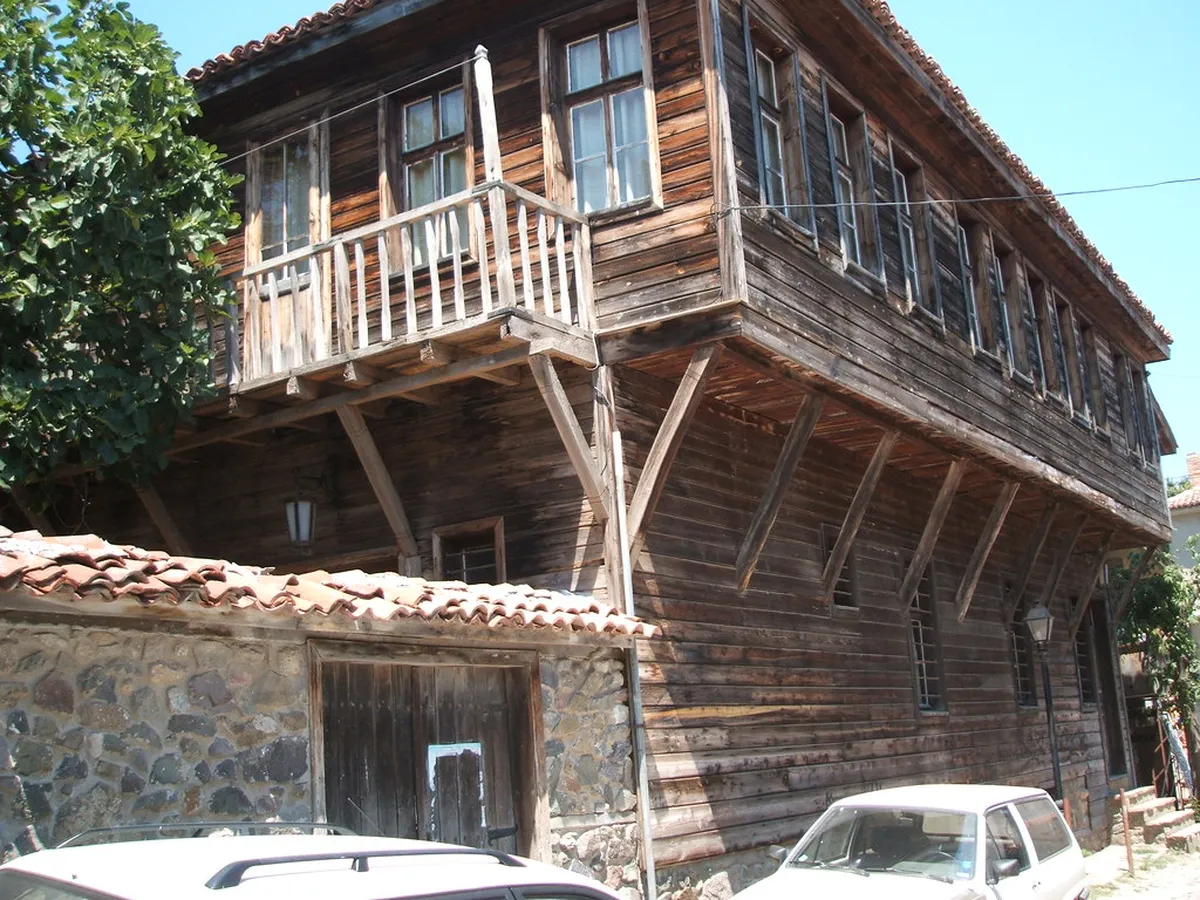
Sozopol sits on a narrow peninsula jutting into the Black Sea about 35 km south of Burgas. It's one of Bulgaria's oldest towns, founded as the Greek city-state of Apollonia in 611 BC, and its Old Town still wears that ancient past openly — fortified walls, cobblestone lanes, wooden Revival houses, and a harbour dotted with fishing boats. One focused day is enough to hit all the essentials: museums, fortress walls, a beach, and a seafood dinner by the water. This itinerary, updated for 2026, gives you a clear morning-to-evening plan with opening hours, entry prices, and honest walk times.
For a preview of the Old Town's layout and atmosphere before you visit, this 4K walking tour guides you through the main streets and harbour views:
Why Sozopol Makes a Great Day Trip
Sozopol punches well above its size. The Old Town peninsula is only about 500 metres long, so you can cover the major historic sites, eat well, and still reach the beach — all without a taxi. The seafood here is among the best on the Bulgarian coast: restaurants sit right above the water and serve whatever the local boats brought in that morning. Crowds are manageable in June and September; in July and August the Old Town fills up fast, so an early start (before 09:00) makes a real difference.
The town's full name in antiquity was Apollonia Pontica. Its 2,600 years of continuous habitation have left visible layers — Thracian, Greek, Roman, Byzantine, and Ottoman — you can follow in a single afternoon walk. The Apollonia Art Festival in late August and early September brings theatre, concerts, and exhibitions to the open-air amphitheatre in the Old Town, which is worth planning around if the dates align.
Getting to Sozopol: Transport Options & Tips
The most practical route is bus from Burgas South Bus Station (Автогара Юг). Buses to Sozopol run roughly every 30–60 minutes between 06:30 and 21:30. The journey takes 45–60 minutes depending on traffic, and a single ticket costs 8–10 BGN (4–5 EUR). Buy the ticket at the station window or on the bus — no need to pre-book. The bus drops you at Sozopol's small terminal on the edge of the Old Town, a two-minute walk from the harbour.
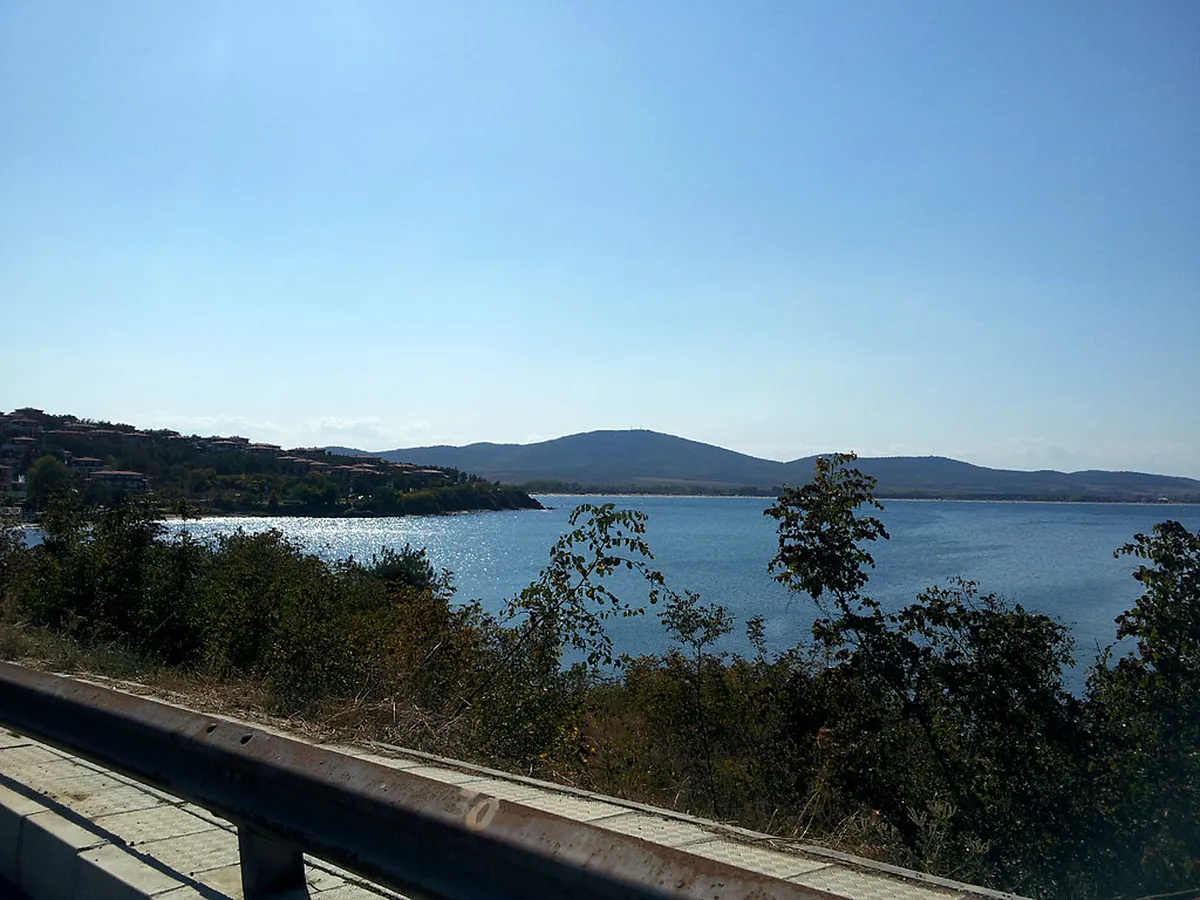
Taxis from Burgas Airport or central Burgas are faster (around 30 minutes) but more expensive: expect 60–100 BGN (30–50 EUR) per car one way. For a group of four, this can work out similar per person to the bus. Always agree the price before you start — metered taxis from the airport are reliable, but roadside drivers near the Old Town may quote a flat rate. If you're driving yourself, parking on the peninsula is limited and fills by 10:00 in summer; the large paid car park near the bus terminal is the safest option (around 3–5 BGN per hour).
Morning in Sozopol: Old Town Charm & History
Start at the Southern Fortress Wall and Tower Visitor Guide, which anchors the southern tip of the peninsula. Entry is free and the restored sections rise up to 4 metres, giving you an immediate sense of how heavily fortified the ancient port once was. Walk the promenade alongside the wall — it's particularly atmospheric in the morning light before the tour groups arrive. Active excavations are still ongoing at the base; look down through the barriers and you'll see pottery shards and foundation stones from buildings dating to the 2nd century BC.
From the wall, head to the Sozopol Archaeological Museum, located near the harbour next to the St Cyril and St Methodius Church. Opening hours in summer (1 June – 15 October): 09:00–18:00; in winter: 08:00–12:45 and 13:30–17:15, closed Saturdays and Sundays. Entry is 7 BGN (approximately 3.50 EUR). The collection spans the 6th millennium BC to the 17th century AD: the standout items are ancient Greek painted amphorae in the orange-on-black style, Thracian-era stone anchors, and — most dramatically — the alabaster casket and stone box from St Ivan Island that held what researchers believe to be relics of St John the Baptist, announced in 2010 and later subjected to DNA and radiocarbon testing by National Geographic. Budget 45–60 minutes here.
A short walk up the hill brings you to the Ethnographic Museum at 34 Cyril and Methodius Street, housed in the 19th-century "Kurtidi House," a restored Revival-period mansion overlooking the bay. The ground floor covers traditional local crafts — fishing, winemaking, weaving — while the upper floor displays elaborate embroidered costumes and Revival-era jewellery. Opening hours match the summer/winter pattern of the Archaeological Museum; admission is 4 BGN (2 EUR). Closed Mondays and Sundays in winter. The courtyard offers one of the better views of the bay and is worth a photograph even if you skip the interior. Allow 30 minutes.
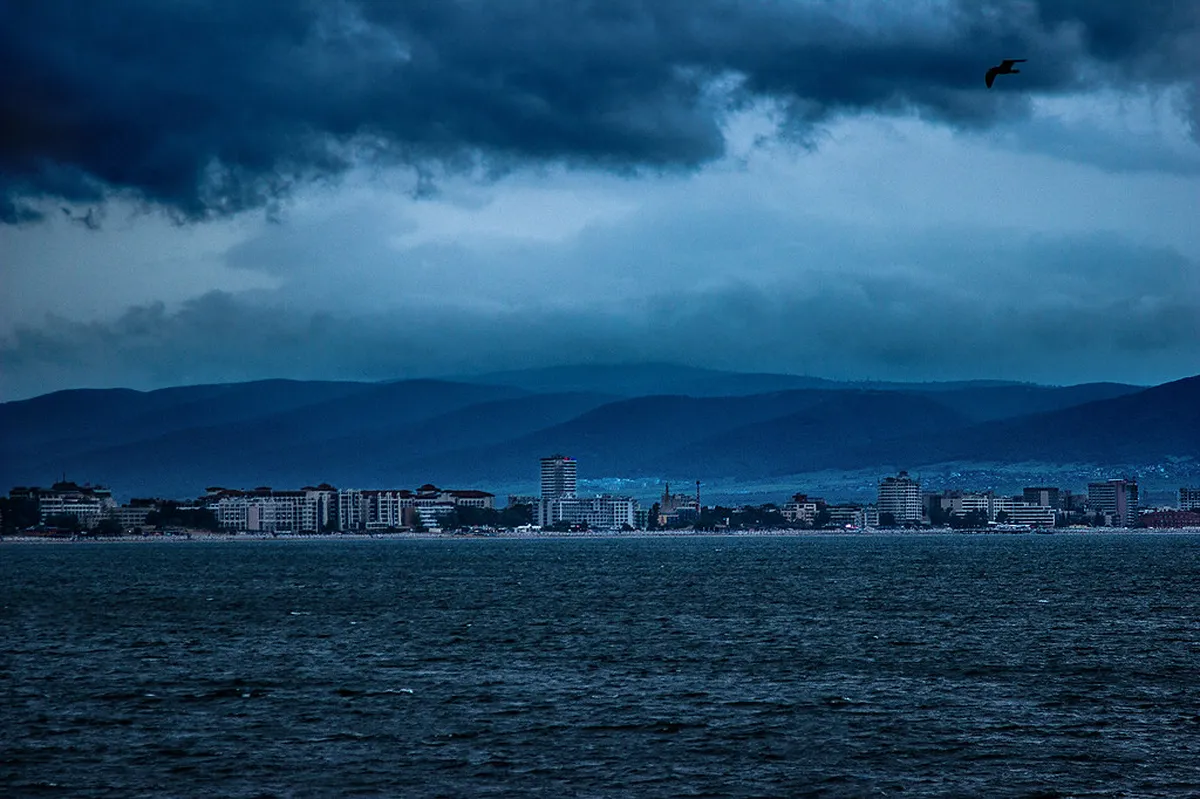
Before leaving the Old Town core, look for the Zosim Church (also listed as St Zosim Sozopolski), a small Eastern Orthodox church built in 1857 and dedicated to Sozopol's patron saint. It opens in the evenings (17:00–21:00) and is closed on Saturdays and Sundays — so if you're visiting on a weekday and planning an evening stroll, this is an easy add. Entry is free. It's quieter than the more famous St George Church and gives you a moment of calm away from the souvenir strip.
A Local Breakfast Worth Stopping For
Before or between museum visits, look for a katma stand in the Old Town. Katma is a large savoury or sweet pancake — possibly of Turkish origin but thoroughly adopted into Bulgarian seaside culture. The most popular stall (known locally as "Работилница на веселите палачинки") is in the Old Town itself and offers unusual combinations like salami with pickles alongside the sweet options. A katma costs 1.50–2 EUR, which makes it one of the cheapest and most satisfying breakfasts on the entire Black Sea coast. No competitor guide for Sozopol mentions it in the context of a day-trip plan, but locals eat them all morning.
If you prefer something more substantial, the cafés along the harbour promenade serve standard Bulgarian breakfast menus (banitsa, yogurt, coffee) from around 7 BGN per person. The harbour-facing tables are the most pleasant seats in the Old Town before midday.
Afternoon: Beaches, Art & Coastal Views
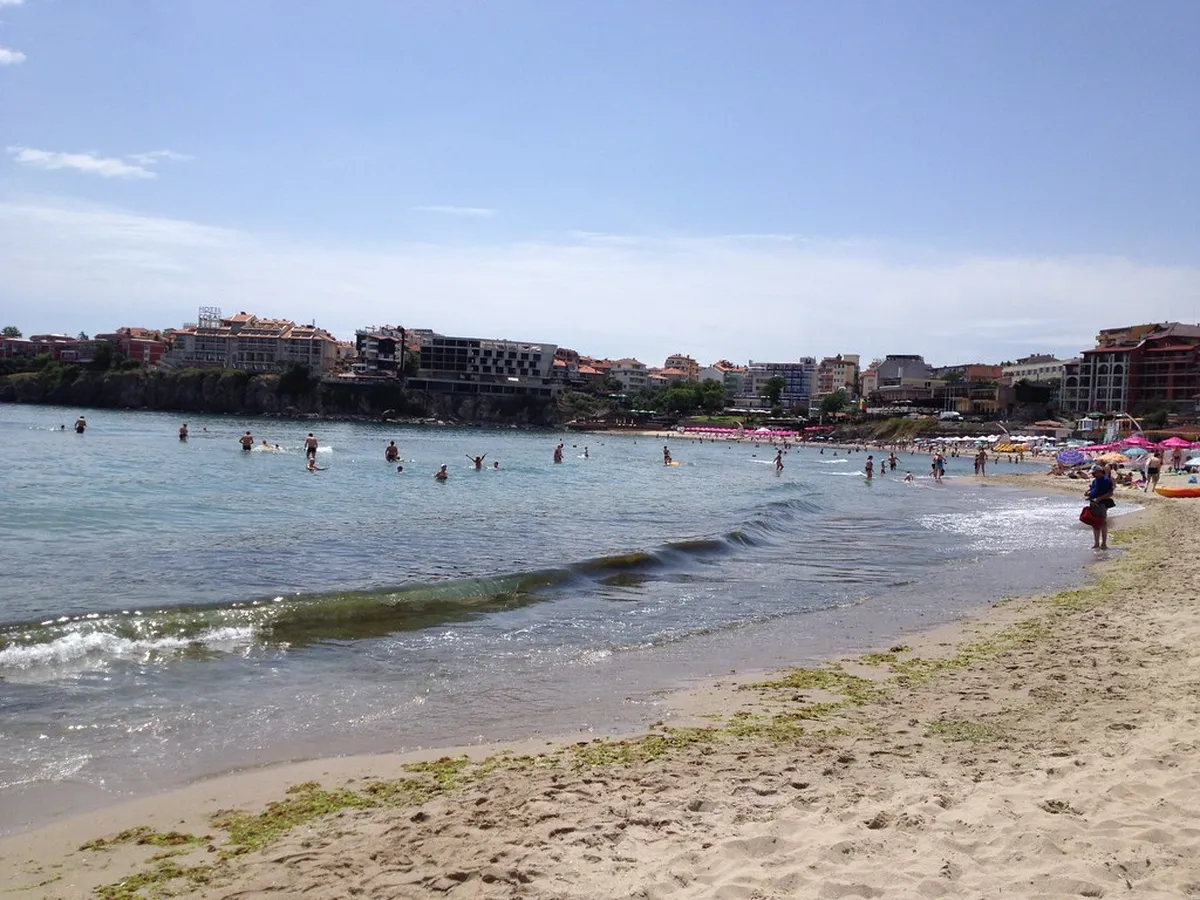
After lunch, the afternoon splits naturally between sea and art. Sozopol Central Beach (also called Harmani Beach or Harmanite) is the longer of the two town beaches and the most accessible — a 10-minute walk from the Old Town terminal. Sun loungers and umbrellas are available for hire. If you want a quieter spot with no infrastructure, walk to the shell beach at the far end of the Old Town harbour: it's a narrow strip of shells rather than sand, frequented mostly by locals, with direct views across to St Ivan Island. No sunbeds, no entry fee, and almost no crowds even in peak July.
For those interested in St. Ivan Island, small fishing boats at the harbour take passengers across for approximately 5 EUR per person (for a group of five to six). The crossing takes about 20 minutes each way. The island is a natural and archaeological reserve: the ruined monastery of St John the Precursor dates to the medieval period and was destroyed by Ottoman forces in the 14th century. The John the Baptist relics discovered here in 2010 are now displayed in the Church of St George in the Old Town's main square. The island also hosts Bulgaria's largest colony of European herring gulls and over 70 registered bird species — a bonus for birdwatchers. There is no set timetable for boats; negotiate directly with the fishermen at the harbour.
The Old Town also has several small art galleries along the cobblestone lanes and a handful of craft shops selling local work. The open-air amphitheatre at the entrance to the Old Town hosts film screenings and concerts in summer — check the schedule posted at the entrance. During the Apollonia Art Festival (late August / early September 2026), the programme expands significantly and tickets for headline concerts sell out quickly; book online weeks in advance if you're visiting then. The Northern Fortress Wall promenade, running along the eastern shore of the peninsula, is a pleasant afternoon walk with good sea views and a line of restaurants set right into the old stone.
Evening in Sozopol: Dining & Relaxation
Dinner in Sozopol is best eaten at a table overlooking the water. The strip of restaurants along "the Wall" — the promenade running above the fortress walls on the western shore — offers the most atmospheric setting, though prices are slightly higher than restaurants on side streets. A main course of grilled fish typically costs 20–35 BGN (10–17 EUR); a full dinner for two with wine runs around 60–100 BGN (30–50 EUR). Ask the waiter what fish is fresh that day: the Black Sea yields sprat, bluefish, horse mackerel, and catfish (locally called "vatos") among others. Avoid ordering sea bass as a "local" catch — it's almost certainly farmed and imported from Greece.
Before or after dinner, pick up a jar of green fig jam from one of the street stands in the Old Town — Sozopol is famous for it, and the fig trees still grow along the peninsula's edges. Many restaurants also serve yogurt topped with green fig jam as a dessert, which is worth trying. The small wine shop at 57 Apollonia Street carries fig wine alongside more conventional Bulgarian varieties and offers tastings; the fig wine is intensely sweet but worth sampling once.
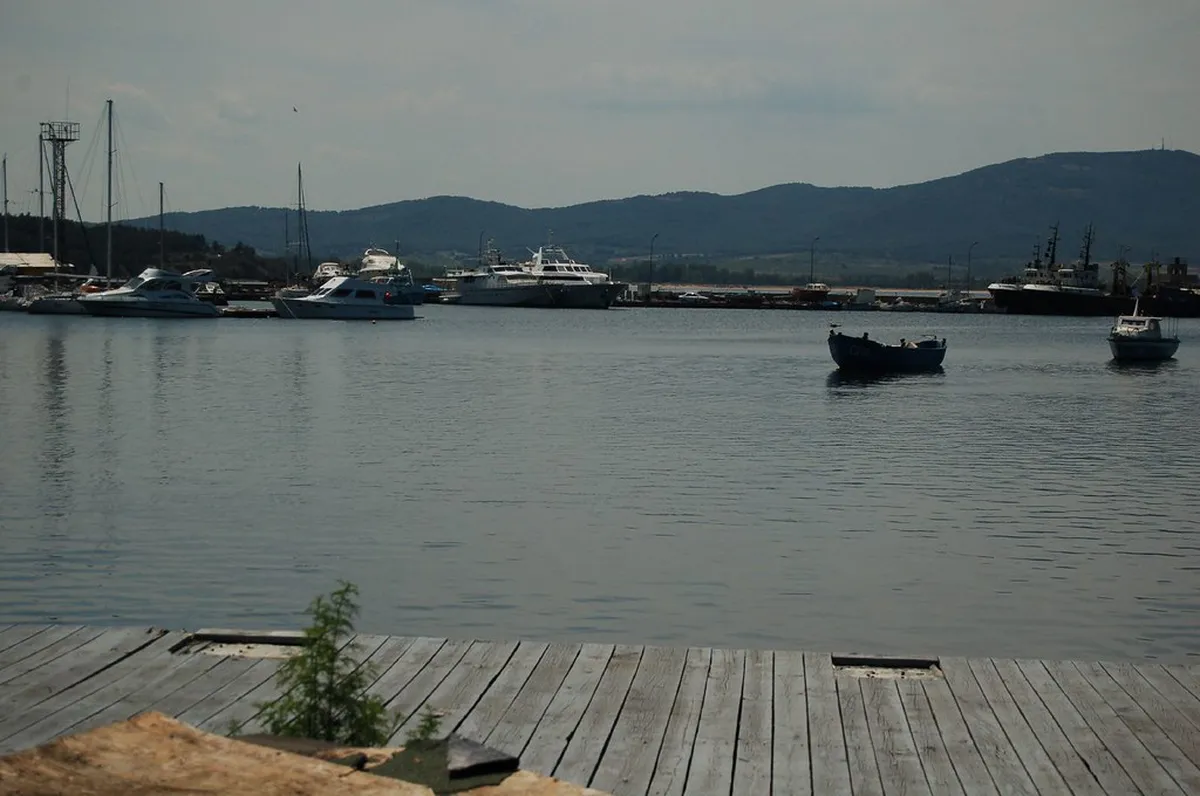
The harbour at sunset is worth a 15-minute stop even if you've already had dinner. The western-facing aspect means the moored fishing boats catch the golden light — the classic Sozopol photograph. The "Veselata ulichka" (the street behind Harmani Beach, nicknamed "Joyful Street") fills with evening walkers, music, and bar tables from around 20:00; it's crowded in summer but gives a clear picture of how Bulgarians spend a seaside evening. The last bus back to Burgas runs around 21:30, so plan your evening around that if you're not staying overnight.
Practical Tips for Your Sozopol Day Trip
Timing: Arrive by 09:00 to beat the morning tour groups at the museums. The Sozopol Archaeological Museum is the most time-sensitive — by 11:00 in peak summer it can have short queues. Most museums close for a lunch break in winter but stay open through the afternoon in summer. If you visit in late September or October, some restaurants reduce their hours or close entirely, so check ahead.
What to bring: Comfortable walking shoes are essential — the cobblestones in the Old Town are uneven and the fortress wall paths have steps. Pack sunscreen and a hat if you're visiting between June and August; the peninsula is fully exposed. A light layer is useful for the boat crossing to St Ivan Island, where the wind picks up significantly. Most restaurants and cafés accept card payment, but the buses and harbour boat services are cash-only.
- Museum entry budget: 11 BGN total (7 BGN Archaeological + 4 BGN Ethnographic) — about 5.50 EUR.
- Lunch: 15–25 BGN per person at an Old Town café; 25–40 BGN at a sea-view restaurant.
- Bus (return from Burgas): 16–20 BGN (8–10 EUR).
- St Ivan Island boat: approximately 10 EUR return per person.
- Full day budget (transport + museums + lunch + dinner + boat): 80–130 BGN per person (40–65 EUR).
Families: The Old Town is pushchair-hostile — the cobblestone gradient and narrow streets make it tiring with a buggy. Harmani Beach has a shallow, calm entry suitable for young children. The parasailing at the beach costs 35 EUR per person (55 EUR for two) and is not suitable for children under five. Water sports — jet ski, inflatables, kite surfing at the neighbouring Gradina Beach — are well run and popular with families with older children.
Best time of year: May, June, and September offer the most comfortable combination of warm weather, open museums, and manageable crowds. July and August are busiest but also most atmospheric, with the harbour buzzing until midnight. Off-season visitors (October to April) will find the Old Town nearly empty and most restaurants closed, though the fortress walls and churches are accessible year-round.
Beyond One Day: Nearby Attractions & Extended Stays
If you have a second day, the most rewarding half-day excursion from Sozopol is to Beglik Tash, a Thracian rock sanctuary near the town of Primorsko, about 20 km south. The site sits 128 metres above sea level in a forest that was part of communist leader Todor Zhivkov's former hunting reserve — which is why it wasn't discovered by archaeologists until 2003. The central platform has ritual stone formations arranged in a 56-metre diameter circle, an astronomical clock made of 16 flat stones, and a dolmen representing the "holy cave" of Thracian mythology. The site dates to the mid-2nd millennium BC. You'll need a car or a tour to reach it comfortably.
A popular option for those with more time is a boat trip along the Ropotamo River, a short drive south. Dense riparian forest overhangs the river, with swamp turtles, water snakes, and diverse birdlife visible from the boat. Tour agencies in Sozopol bundle this with transport and it typically takes 2–3 hours including travel. You can also self-drive and join the river boats at the landing near the main road.
To the north, Nessebar is the other UNESCO-listed ancient town on the Black Sea coast and makes a strong comparison with Sozopol — older, more visited, and slightly more polished. Read our Nessebar vs. Sozopol guide to decide which fits your itinerary. If you want full-day coverage of both towns, a base in Burgas makes the logistics simple. You can also find detailed planning in our broader 25 Best Things to Do in Sozopol, Bulgaria guide for visitors with two or more days.
FAQs About Visiting Sozopol
Continue planning: Use 25 Best Things to Do in Sozopol, Bulgaria and Apollonia Festival Sozopol Travel Guide to connect this guide with the rest of your Bulgaria itinerary.
Frequently Asked Questions
How to spend one day in Sozopol?
Spend your morning exploring Sozopol Old Town's historical sites and narrow streets. Dedicate the afternoon to relaxing on a beach or visiting local art galleries. Conclude your day with a fresh seafood dinner by the harbor.
Is one day enough for Sozopol?
Yes, one day is sufficient to experience Sozopol's main highlights, especially its charming Old Town and beautiful beaches. For a more relaxed pace or to include a trip to St. Ivan Island, consider an overnight stay.
What are the must-see attractions in Sozopol for a day trip?
Must-see attractions include the Southern Fortress Wall and Tower, the Sozopol Archaeological Museum, and a stroll through the Old Town's historic streets. Don't miss relaxing at Central Beach or Harmanite Beach.
How to get from Burgas to Sozopol for a day?
The easiest way to get from Burgas to Sozopol is by bus from Burgas South Bus Station. Buses run frequently, cost around 8-10 BGN (4-5 EUR), and the journey takes 45-60 minutes. Verify current schedules upon arrival.
What is the best time of year for a one-day trip to Sozopol?
The best time for a one-day trip to Sozopol is late spring (May-June) or early autumn (September-October). The weather is pleasant, and crowds are smaller than in peak summer. Summer offers vibrant energy but also higher prices and more people.
Sozopol rewards a well-planned day. The Old Town is compact enough to cover on foot, the museums are genuinely interesting rather than token, and the evening scene by the harbour is one of the most pleasant on the Bulgarian coast. Whether you're coming from Burgas for the day or stopping on a longer Black Sea route, a focused morning-to-evening itinerary here leaves very little out.