10 Best Day Trips from Sozopol
Sozopol sits 35 km south of Burgas on a narrow peninsula that juts into the Black Sea. Its Old Town is beautiful enough to anchor a whole stay, but the surrounding coast holds an extraordinary range of day-trip options — a fairytale castle, a boat-access island, ancient Roman ruins, and UNESCO-listed medieval towns. This guide covers every worthwhile excursion from Sozopol, with current prices, transport times, and practical advice updated for 2026.
Watch this walkthrough of Sozopol Old Town to see the historic district and charming streets firsthand:
Plan your visit between June and September for the widest transport links and open museums. The Apollonia Art Festival, held in late August and early September, draws artists from across Bulgaria and adds a cultural layer to any Sozopol trip. Arrive early if you plan multiple stops — most sites open at 09:00 and the best light is in the morning.
Sozopol Old Town: History and Charm
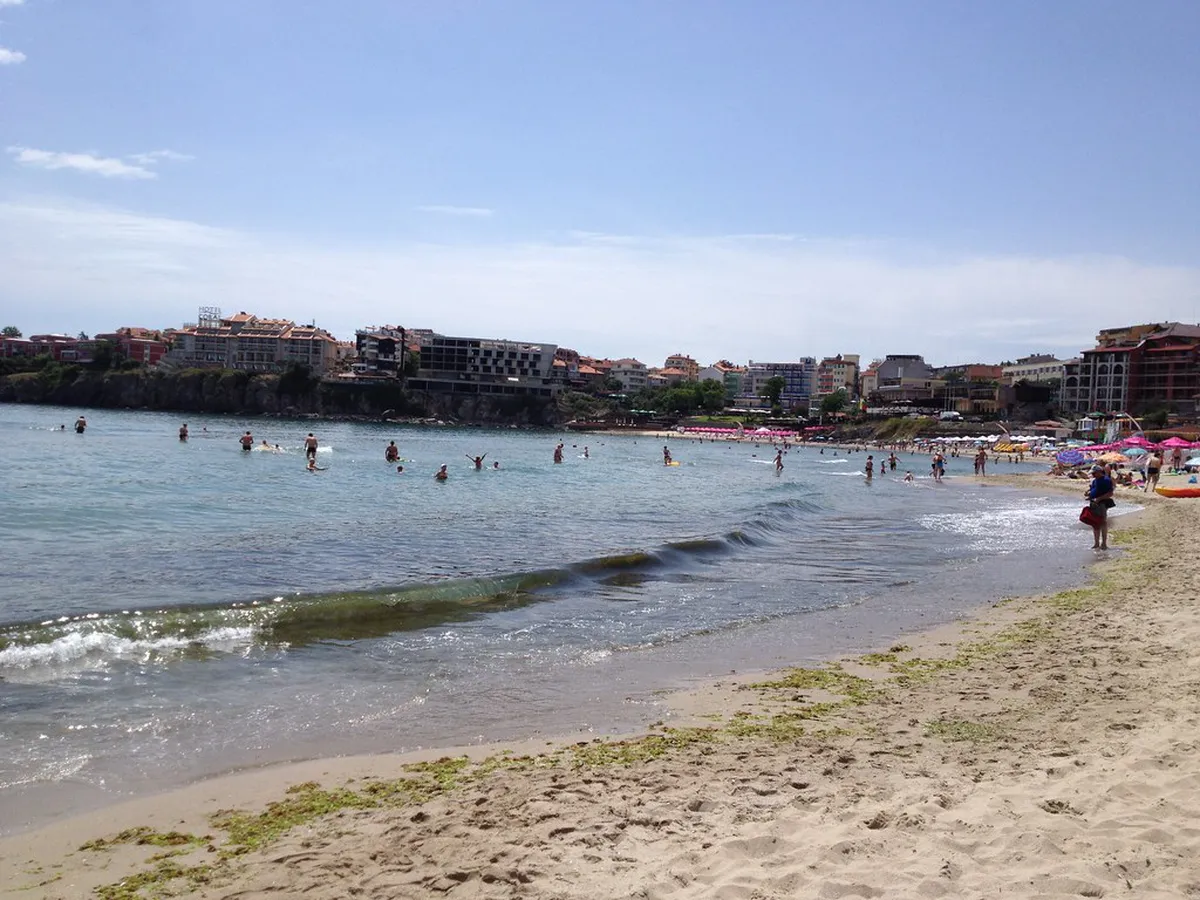
Even if you are based in Sozopol, the Old Town deserves a dedicated morning's exploration rather than a quick walk-through. The peninsula holds over 180 Revival-era houses built between the 18th and 19th centuries — stone ground floors, exterior wood panelling, and small courtyards that look almost unchanged. The cobblestone lanes run past churches, galleries, and fish restaurants perched above the sea.
The Sozopol Archaeological Museum (open daily 09:00–18:00, June–mid-October; 7 BGN) is one of the most genuinely surprising small museums on the Bulgarian coast. The standard collection runs from 6th-century BC ceramics to medieval amphorae, but the crowd-stopper is the "Sozopol vampire" — two 700-year-old skeletons excavated in 2012, each with an iron stake driven through the chest. The display draws more visitors than any of the churches nearby and is completely absent from most day-trip guides to the area.
The Ethnographic Museum (09:00–18:00 in summer; 4 BGN) occupies a restored wooden house and covers traditional fishing, winemaking, and weaving. The Fortress Walls of Sozopol run along the southern coast of the peninsula — walk the full length to reach the Southern Tower, then descend to sea level for a view of the fortified wall from the water. Allow 3–4 hours total to cover the Old Town comfortably.
Ravadinovo Castle: A Fairytale Escape
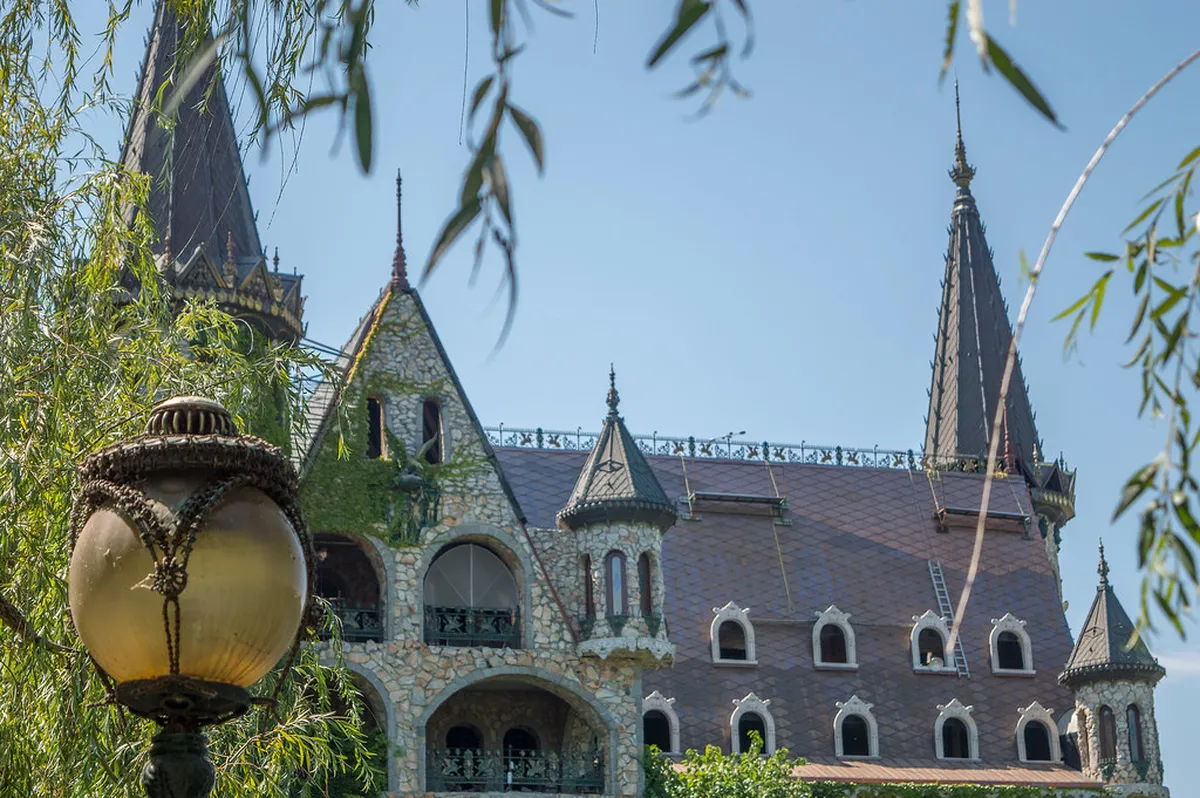
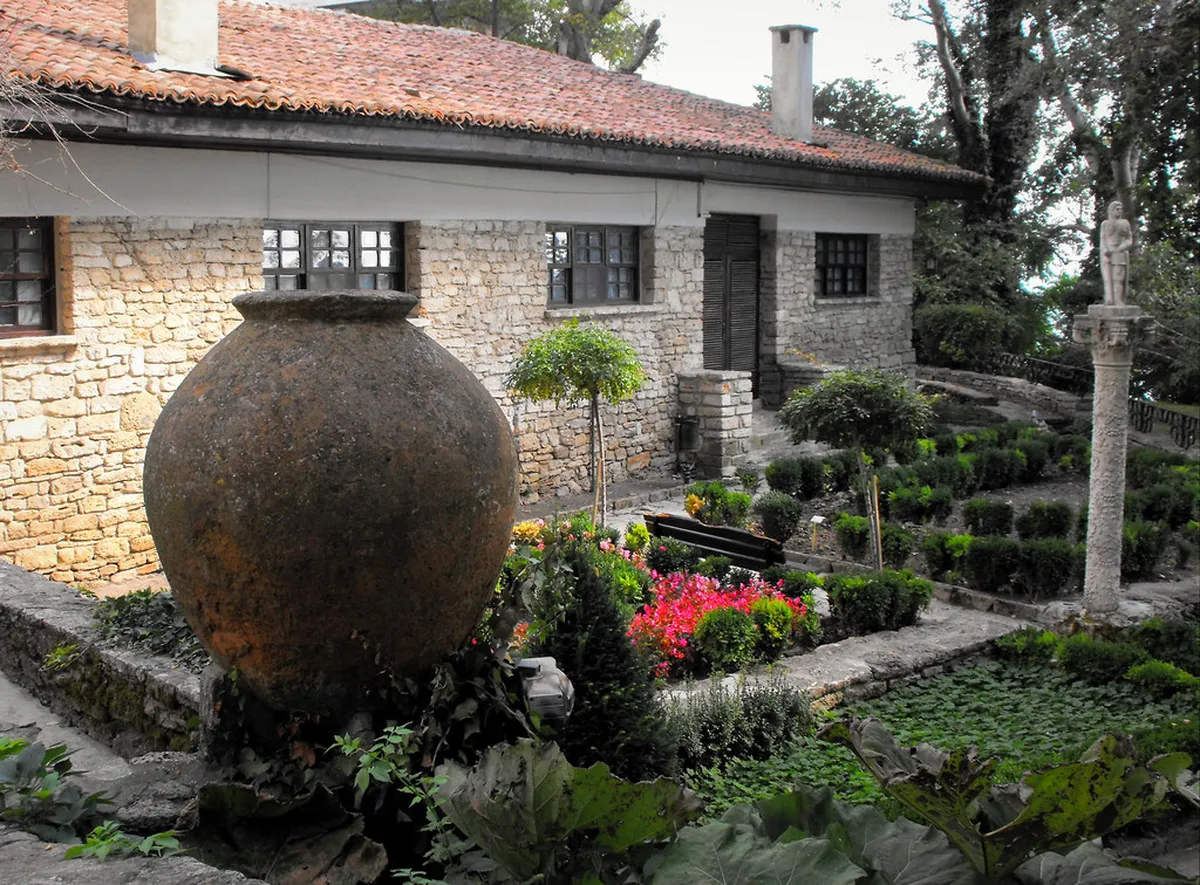
Known formally as "In Love with the Wind," Ravadinovo Castle ('In Love With the Wind') Visitor Guide is a privately built complex about 15 minutes by car from Sozopol. It has nothing to do with medieval history — it was constructed in the 1990s and 2000s — but the effect is genuinely theatrical: turrets, peacocks, a small zoo, a winery, and gardens that feel more like a film set than anything in Bulgaria's actual historical record.
Admission is typically 20–25 BGN per adult; the site opens daily 09:00–20:00 in summer. If you do not have a car, the easiest option is a combined organized tour from Sozopol that pairs the castle with an Old Town walk. Tour prices start around €58 per adult including transport, and an optional lunch in Sozopol can be added for around €10. Book in advance through local agencies or platforms like Daytripsbulgaria.com for Sozopol and Ravadinovo Castle excursion.
The castle works best as a half-day trip. Combine it with an afternoon in Sozopol Old Town and you have a complete day without needing to travel far. Families with children find it particularly enjoyable because of the animals; solo travelers or couples may find the gardens more interesting than the interior rooms.
Saint Anastasia Island: A Unique Sea Adventure
Saint Anastasia is Bulgaria's only inhabited island and sits offshore from Burgas port. It was used as a prison island until 1929 and later as a quarantine station. The restored medieval monastery is the main draw, along with a small museum tracing the island's history. The lighthouse is active. There is a restaurant on the island that serves fish dishes; booking a table is wise in July and August.
Tourist ships depart from Burgas port at Magasia 1 (the tourist centre is on site). The crossing takes roughly 40 minutes each way; a return ticket costs around 12 BGN. Check seasonal schedules before you go — ferries typically run June through September. Plan for a half-day: the crossing plus 2–3 hours on the island is about right. The island is small and walkable but the terrain is uneven, so flat shoes are worth wearing.
Getting to Burgas from Sozopol takes about 40 minutes by bus (5 BGN, buses depart approximately every 30–60 minutes from 06:00–21:00). You can combine an island trip with a few hours in Burgas itself, making it a natural full-day excursion.
Chernomorets: Akra Fortress and St. Nicholas Museum
Chernomorets is a small town 8 km north of Sozopol and 25 km southeast of Burgas. It is among the least visited spots on this list, which makes it appealing if you want to avoid summer crowds. The museum exposition "St. Nicholas" in the town centre holds two halls — archaeological and ethnographic — and a lapidarium displaying a collection of stone anchors recovered from the seabed of the Sozopol Gulf. These anchors are among the oldest found in Bulgarian waters.
The Akra Fortress sits on the Akra Peninsula about 10 minutes by car from Chernomorets on a dirt road. The Byzantine emperor Anastasius built it in the second half of the 5th century as a fortification for a coastal settlement; remnants of that settlement are still visible on the seabed in clear, shallow water. The fortress held until the Avar invasions of the late 6th century. Entry to the museum is typically free or low-cost; check local opening times on arrival.
Chernomorets is reachable by local bus from Sozopol (around 2–3 BGN) or by taxi. Allow 2–3 hours for the trip including travel. It pairs naturally with Sozopol Old Town as a half-day add-on.
Pomorie: Ancient Tombs, Salt Pans, and Lake
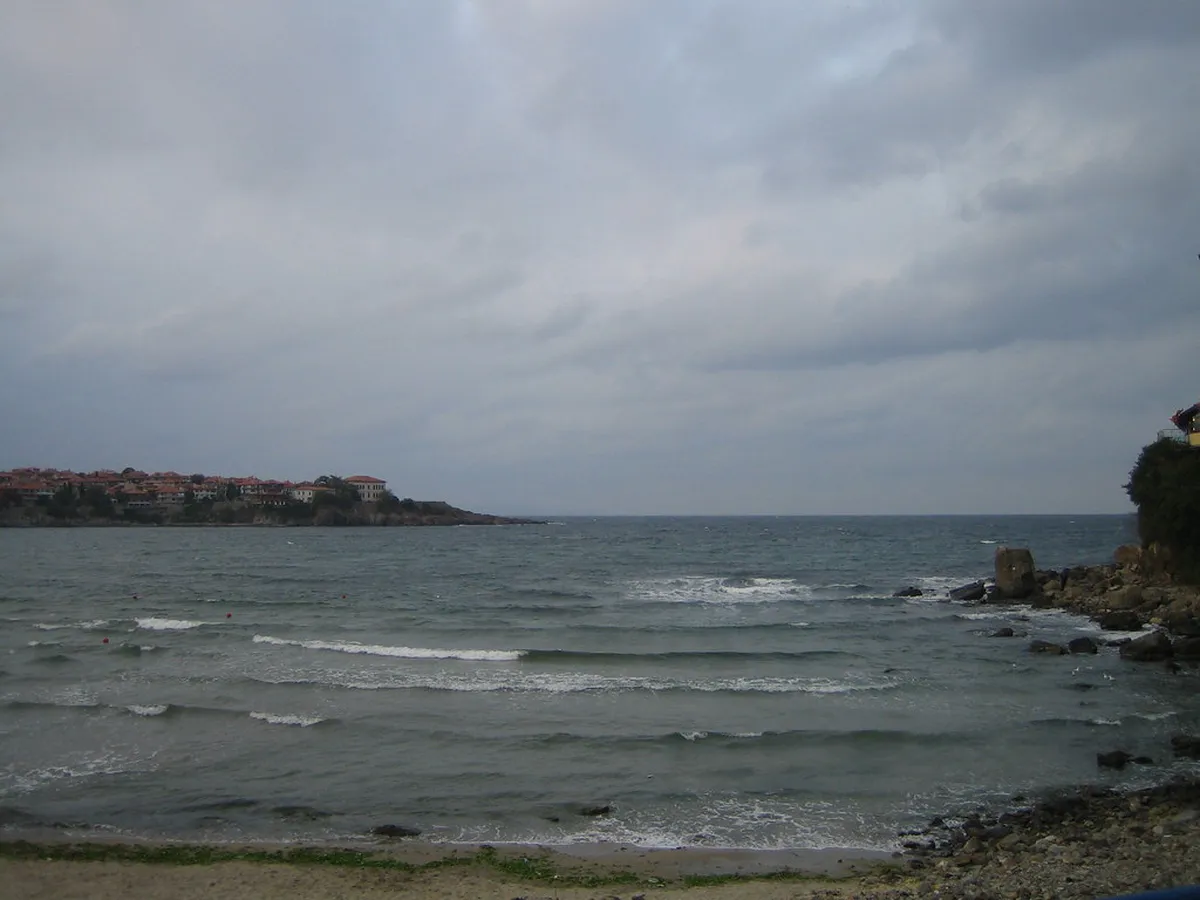
Pomorie sits 19 km northeast of Burgas on a narrow spit between the Black Sea and a coastal lagoon. The town is famous locally for its healing mud and active salt production — the salt pans have operated for centuries and there is a small Salt Museum on the southern shore of Pomorie Lake where you can see the full production process.
The Ancient Thracian domed tomb (3 BGN, open daily 09:00–17:00) sits 5 km west of the town centre. It dates from the 2nd–4th century AD and consists of a large circular room roughly 12 metres in diameter with a thick hollow column at the centre. A 22-metre corridor leads into the burial chamber. The internal column once had a spiral staircase; you can still make out the traces. It is one of the better-preserved Thracian tombs in Bulgaria and rarely crowded.
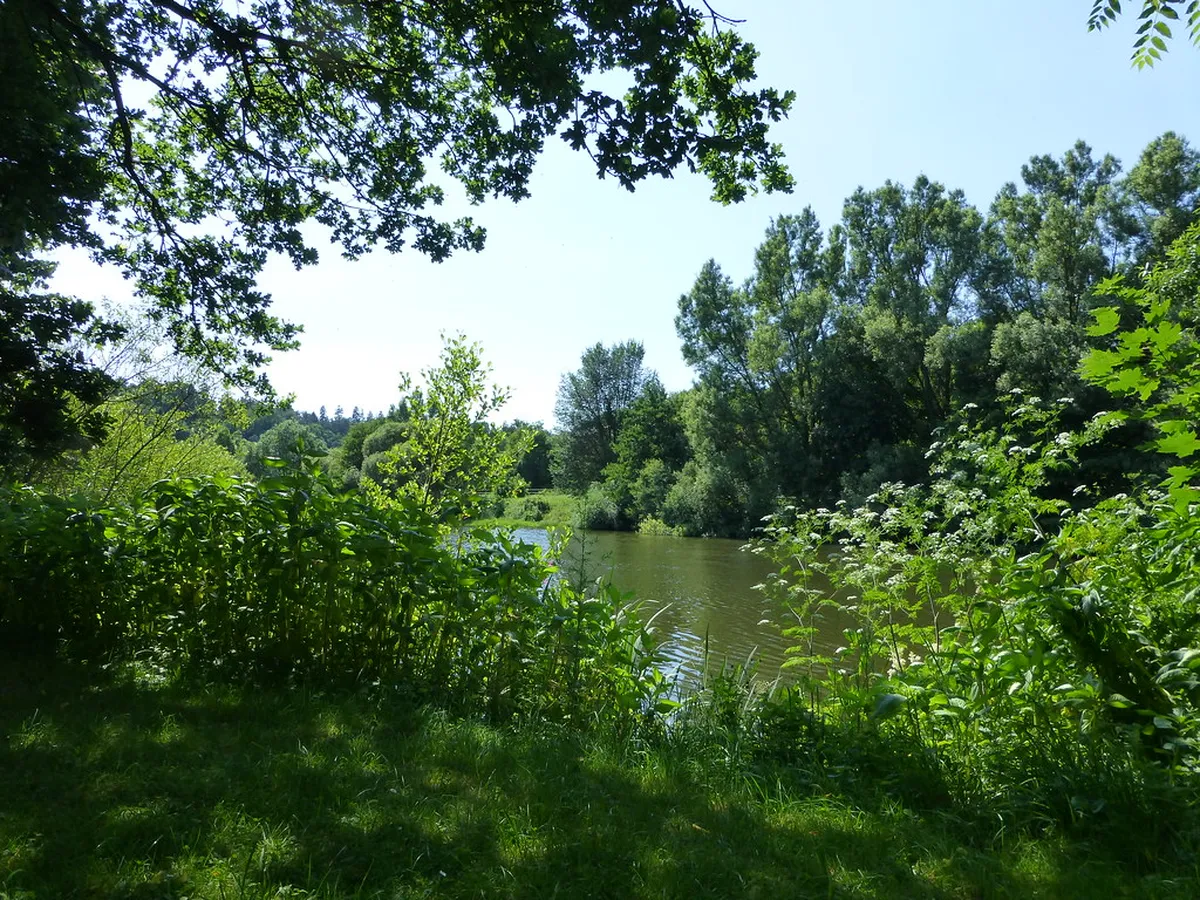
Pomorie Lake is a coastal lagoon 2 km north of the town. The Via Pontica bird migration route passes directly over it, and over 250 bird species have been recorded in the wetlands. The visitor centre on the southern shore is a useful stop for birders. Allocate 4–5 hours for Pomorie in total including travel from Sozopol; public buses run from Sozopol via Burgas and cost approximately 6–8 BGN one-way.
Nessebar: UNESCO World Heritage Site
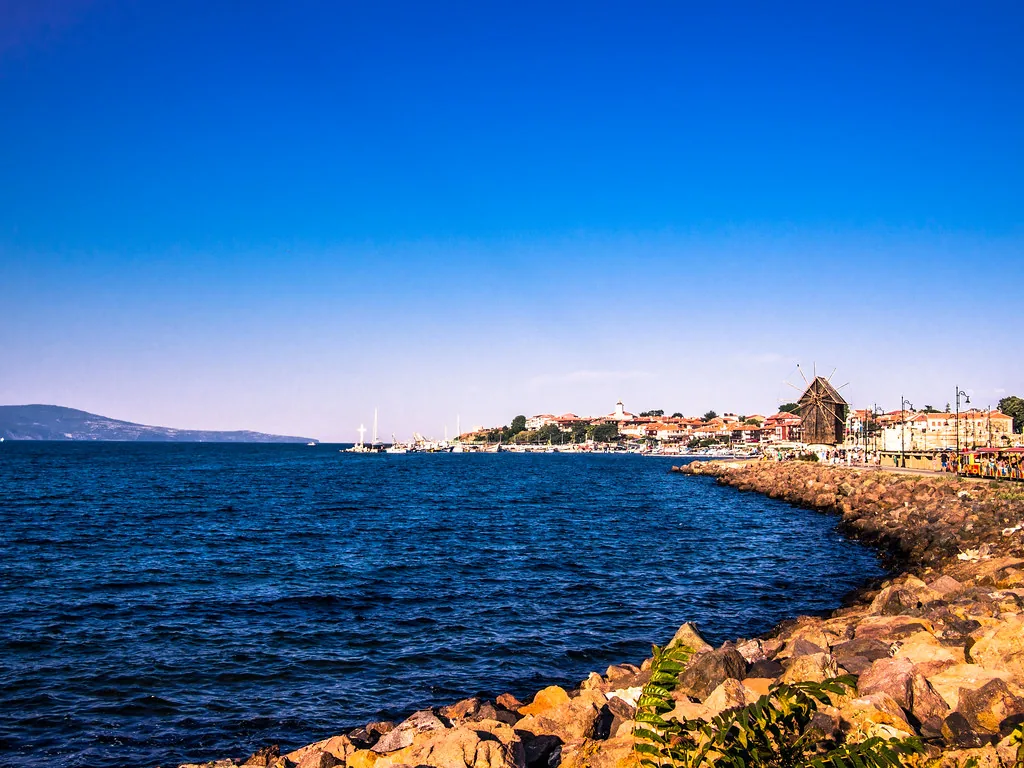
Nessebar Old Town is a UNESCO World Heritage site on a small peninsula connected to the mainland by a narrow isthmus. The compact area holds over 40 ancient churches and temples, Byzantine fortress walls, and preserved merchant houses from the 18th and 19th centuries. It is one of the most photographed towns on the Bulgarian coast and for good reason — the density of historic monuments within such a small footprint is unusual even by Balkan standards.
Entry to the Old Town is free. Some church interiors charge a small museum fee (3–5 BGN). The Archaeological Museum at the entrance to the peninsula is worth a visit for its collection of artefacts from ancient Messambria and medieval Nessebar. Allow 4–6 hours for a comfortable visit including the museum. The town can be very busy in peak July–August; arriving before 10:00 or after 17:00 avoids the worst of the day-tripper crowds.
Buses from Sozopol to Nessebar run via Burgas and take roughly 1.5–2 hours total; the combined cost is around 8–12 BGN. If you are based in Sozopol for several days, Nessebar makes an excellent full-day trip combined with a swim at nearby Sunny Beach before heading back.
Burgas: City Exploration and Aquae Calidae
Burgas is Bulgaria's fourth-largest city and the main transport hub for the southern Black Sea Coast. The Sea Garden along the waterfront makes a pleasant morning walk, and the pedestrian shopping streets behind it offer a wide range of cafes and restaurants. The city is easy to reach — a direct bus from Sozopol takes about 40 minutes and costs 5 BGN.
Aquae Calidae (5 BGN, open daily 09:00–17:00) sits about 14 km northwest of central Burgas near the villages of Vetren and Banevo. The Thracians first identified the mineral springs here as sacred; the Romans built bath complexes on the same site, which were subsequently rebuilt by the Byzantines and Ottomans. The baths were in active use until roughly a decade ago and are now a museum. You can take line number 3 from the Burgas West Bus station to reach Aquae Calidae without a car.
Burgas also functions as the departure point for Saint Anastasia Island ferry trips. If you combine Aquae Calidae, a walk through the Sea Garden, and a ferry to the island, you have a full and varied day from Sozopol without ever needing a rental car.
Deultum: Ancient Roman Colony
Deultum is the only colony of free Roman citizens established on Bulgarian territory. The site sits in the village of Debelt, about 20 km southwest of Burgas. A Thracian settlement preceded the Roman colony, which was founded in the second half of the 1st century under Emperor Vespasian by veterans of the Eighth Augustan Legion. In 2011 a national public vote named Deultum one of the wonders of Bulgaria.
The national archaeological reserve "Deultum-Debelt" preserves remnants of public buildings, Roman baths, and residential areas spread across a large outdoor site. Entry is typically 4–6 BGN; the site opens daily 09:00–17:00. Allow 2–3 hours to explore the ruins and the on-site museum. Public transport to Debelt is limited, so a rental car or taxi from Sozopol is the practical choice; the journey takes 30–40 minutes.
Deultum suits travelers with a genuine interest in Roman archaeology rather than those looking for a polished visitor attraction. The ruins are extensive but not heavily curated, which makes the experience feel closer to actual discovery than most managed heritage sites on the coast.
Ropotamo River Reserve and Veleka Wild Beaches
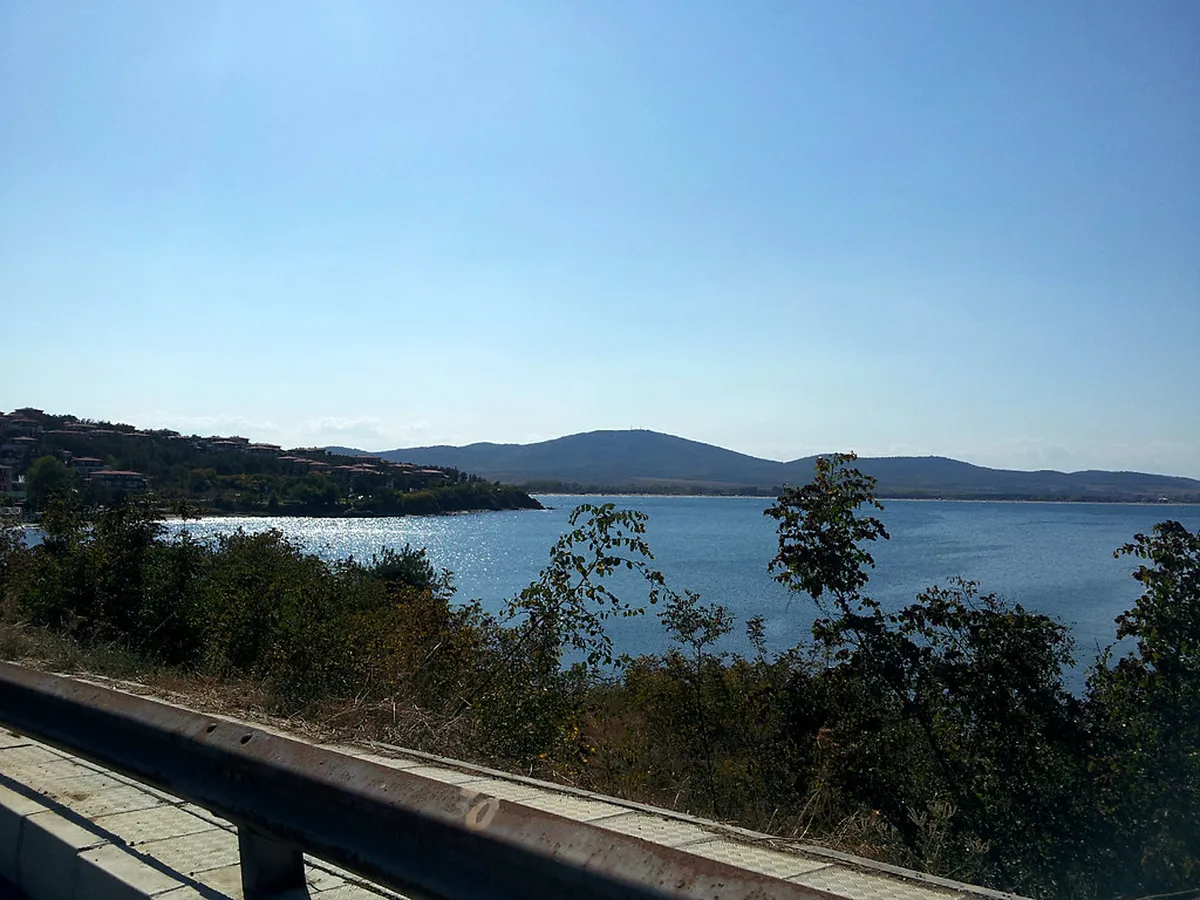
The Ropotamo River & Nature Reserve: Ultimate Visitor Guide sits just south of Sozopol and requires almost no planning. Boat trips through the reserve run frequently in peak season (10–15 BGN per person, roughly 30–45 minutes). The river flows through dense riparian forest and the water lotus colonies in late July are particularly striking. This is the easiest nature trip from Sozopol and is suitable for children and anyone who wants a break from museums and ruins.
Further south, the Veleka River estuary near Sinemorets offers some of Bulgaria's least-developed beaches. The river mouth creates a sheltered lagoon and the beaches on either side of it are sandy and calm. Amenities are minimal — bring a picnic and expect to share the space with locals rather than package tourists. The drive from Sozopol takes about an hour; there is no reliable public transport, so a rental car or organized taxi is needed.
Sozopol Food Guide: Where to Eat Between Trips
Sozopol's food scene is built around Black Sea seafood — mussels, grilled sea bass, jack mackerel, calamari, and goby are standard on most menus. Most restaurants line the coastline, so sea views come as standard. Tangra (open 11:30–23:00) on the north side of the peninsula is a reliable choice for traditional Black Sea fish. Restaurant Neptune (noon–23:30) has waterfront tables and a broad seafood selection. Mehana Sozopol (10:00–midnight) serves traditional Bulgarian cuisine with live music in the evenings.
One local product that almost no day-trip guide mentions: Sozopol is famous for its green fig jam. The town is covered in fig trees and small stands in the Old Town sell homemade jam jars for a few BGN each. It makes a worthwhile souvenir that is impossible to find in most Bulgarian supermarkets. The Boutique Wine Shop (10:30–14:30 and 18:00–22:30) in the Old Town also stocks local fig wine alongside Bulgarian reds and whites.
If you are heading out on a day trip and want a quick affordable meal before or after, the Workshop of the Merry Pancakes (09:00–midnight) near the Old Town makes sweet and savoury pancakes at budget prices. It is a good option for early morning departures when most restaurants are not yet open.
Boat Trips Around the Sozopol Coast
One-hour coastal cruises depart from the Sozopol quayside throughout the summer. They circle the Old Town peninsula and pass the two offshore islands — St. Ivan (Saint John) Island to the north and St. Peter Island. Neither island has organized ferry access in 2026: cruise ships only pass alongside them. The exception is St. Ivan Island, where fishing boats on the quay will negotiate a landing for approximately 40 BGN total return. Allow at least 40 minutes on the island to walk the monastery ruins and look around. The relics of St. John the Baptist, found during a 2010 excavation, are kept in the church ruins — one of the most significant early Christian discoveries in Bulgaria and rarely mentioned in standard day-trip roundups.
The coastal cruise is a good option for a late afternoon when you have already explored the town on foot. It gives a completely different perspective on the fortress walls and the rocky coastline of the peninsula. Ticket prices for the circuit cruise are typically 15–20 BGN per person; buy from the quayside vendors on the day.
Getting Around: Transportation Options from Sozopol
The bus between Sozopol and Burgas is the backbone of most day trips from Sozopol. Buses run approximately every 30–60 minutes between 06:30 and 21:30, take 40 minutes, and cost 5 BGN each way. From Burgas, connections run to Nessebar, Pomorie, Sunny Beach, and further afield. The Burgas South Bus station handles most coastal routes; Aquae Calidae is served by line number 3 from the Burgas West Bus station.
For destinations with limited or no public transport — Deultum, Ravadinovo Castle, Veleka, and the Ropotamo reserve — a rental car is the most practical option. Car rental agencies operate in both Sozopol and Burgas. Parking in Nessebar Old Town and in Sozopol itself can be difficult in July and August; arriving before 09:00 or after 18:00 avoids the worst congestion.
Organized tours from Sozopol are available for the most popular combinations: Ravadinovo Castle plus Old Town, and Saint Anastasia Island via Burgas. These typically include transport, a guide, and sometimes entrance fees. They cost more than independent travel but remove all the planning uncertainty, which is worthwhile if you only have one or two days in the area. Local agencies along the Sozopol seafront sell spots on the day or the evening before.
Continue planning: Use 25 Best Things to Do in Sozopol, Bulgaria and Apollonia Festival Sozopol Travel Guide to connect this guide with the rest of your Bulgaria itinerary.
Frequently Asked Questions
What are some day trips from Sozopol?
Popular day trips from Sozopol include the fairytale Ravadinovo Castle, the historic Nessebar Old Town, and the serene Saint Anastasia Island. You can also visit the ancient Roman colony of Deultum or the natural beauty of the Ropotamo River Reserve. Each offers a unique experience for travelers.
How to get from Sozopol to Ravadinovo Castle?
Ravadinovo Castle is just a 15-minute drive from Sozopol. You can take a taxi directly, which is convenient for groups. Alternatively, organized tours often include transportation to the castle as part of a larger excursion, providing a hassle-free way to visit this unique site.
Is Sozopol better than Nessebar?
Both Sozopol and Nessebar offer unique charms, making the choice subjective. Sozopol is known for its romantic, artistic vibe and smaller, more intimate Old Town. Nessebar, a UNESCO site, boasts a larger collection of ancient churches and a more bustling atmosphere. Many travelers enjoy visiting both to experience their distinct characters.
Sozopol is one of the best bases on the Bulgarian Black Sea Coast because so much is within easy reach. Whether you take the bus to Burgas and continue to Saint Anastasia Island, drive inland to Roman Deultum, or spend a morning in Nessebar before an afternoon swim, the variety is hard to match at comparable resorts further north. The key is pairing destinations logically — Burgas, Aquae Calidae, and the island make one natural full day; Ravadinovo Castle and the Old Town make another. Plan two or three full days of excursions and you will leave with a genuinely thorough picture of the southern Bulgarian coast.