Is Sozopol Worth Visiting: A Comprehensive Review
Yes, Sozopol is worth visiting, especially for travelers seeking a blend of ancient history, picturesque scenery, and relaxed beach vibes. However, if you crave vibrant nightlife or extensive luxury resorts, consider Nessebar or Sunny Beach instead. This guide, last updated in June 2026, offers an honest look at what to expect.
Here's a 4K walking tour through Sozopol's Old Town to get a sense of its character and layout:
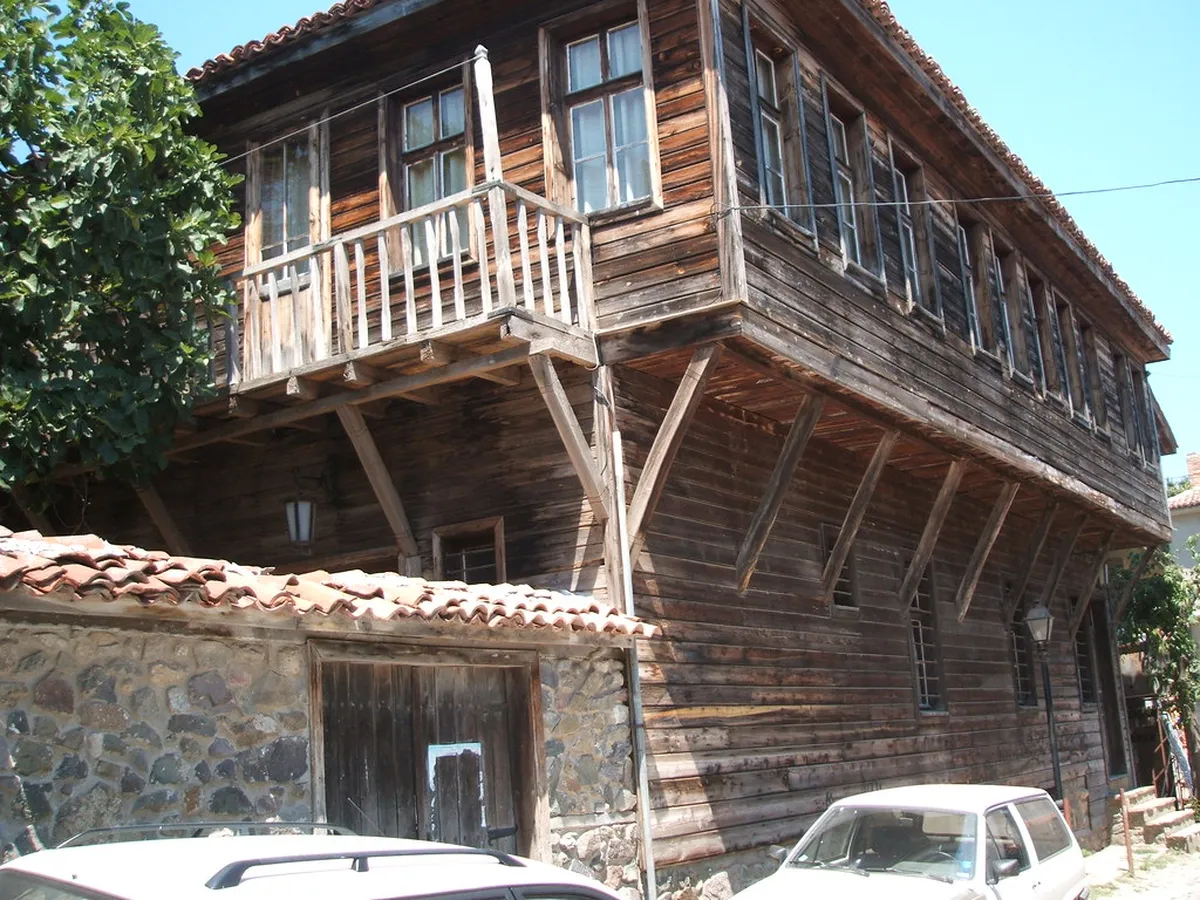
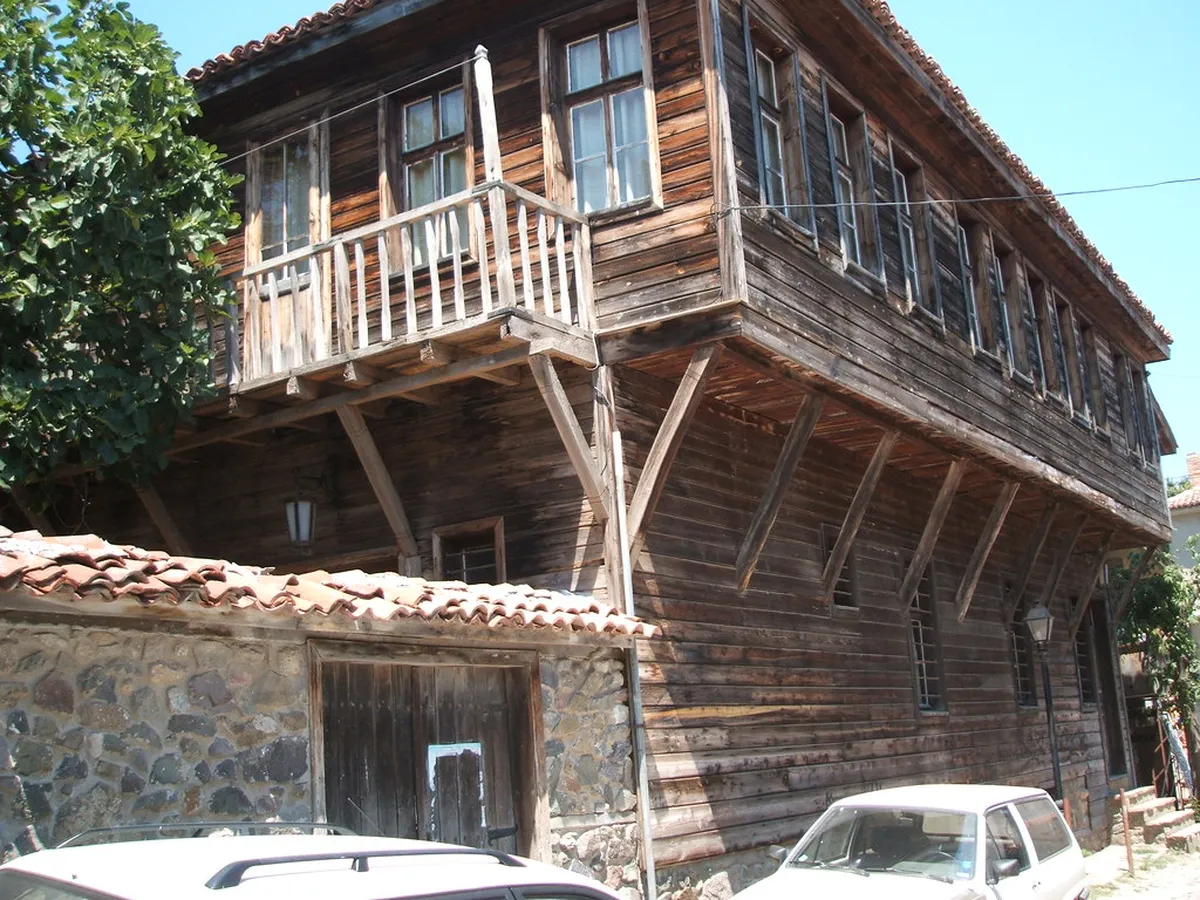
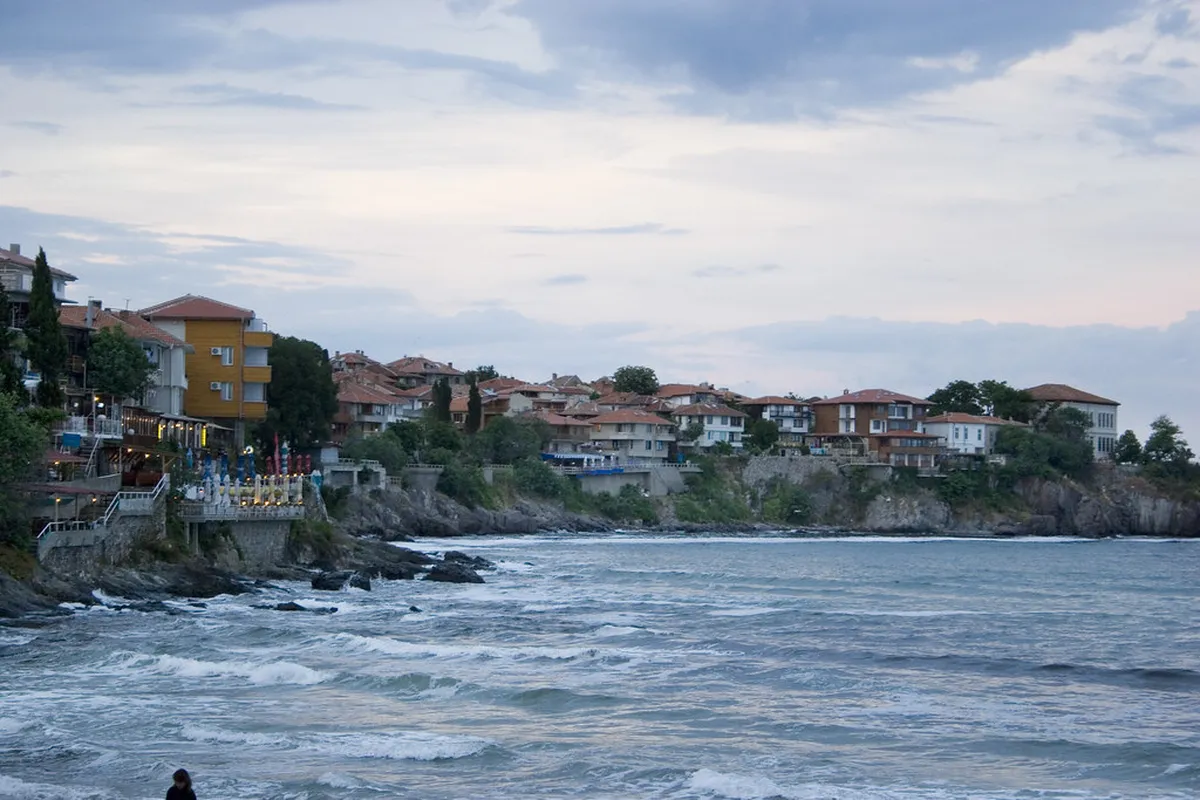
Sozopol, on Bulgaria's southern Black Sea coast, offers a unique charm. Its Old Town is a UNESCO World Heritage candidate, known for its wooden houses and cobblestone streets. Most visitors find the town's atmosphere truly captivating.
We cover the town's highlights, common pitfalls, and practicalities to help you decide if Sozopol fits your travel style. The verdict: history enthusiasts, beach lovers, and couples get the best value here.
Is Sozopol Worth Visiting? The Verdict
Sozopol delivers a distinctive experience on the Black Sea coast. Its rich history, wooden-house architecture, and serene beaches appeal to travelers who want more than a sun-lounger holiday. The town's slower pace is its biggest selling point compared to larger Bulgarian resorts.
Best for: History enthusiasts, culture seekers, couples, and families with young children. You can easily spend a full day exploring the 10 Best Things to Do in Sozopol Old Town, and still have time for a beach afternoon. Shoulder-season visitors — May, early June, September — get the best combination of warm weather and thin crowds.
Skip if: You want a party scene, all-inclusive resorts, or extensive modern shopping. Sozopol is emphatically not a party destination. Its nightlife is quiet — a few bars and beach bar terraces, nothing comparable to Sunny Beach or Varna. If that's what you need, Sunny Beach is 40 km north. For a similar historical atmosphere with somewhat livelier evenings, see our comparison at Nessebar.
Read through the sections below before booking. The cost, timing, and transport details will tell you whether Sozopol fits your itinerary — or whether a day trip rather than an overnight stay is the smarter call.
Sozopol Old Town and Its Architecture
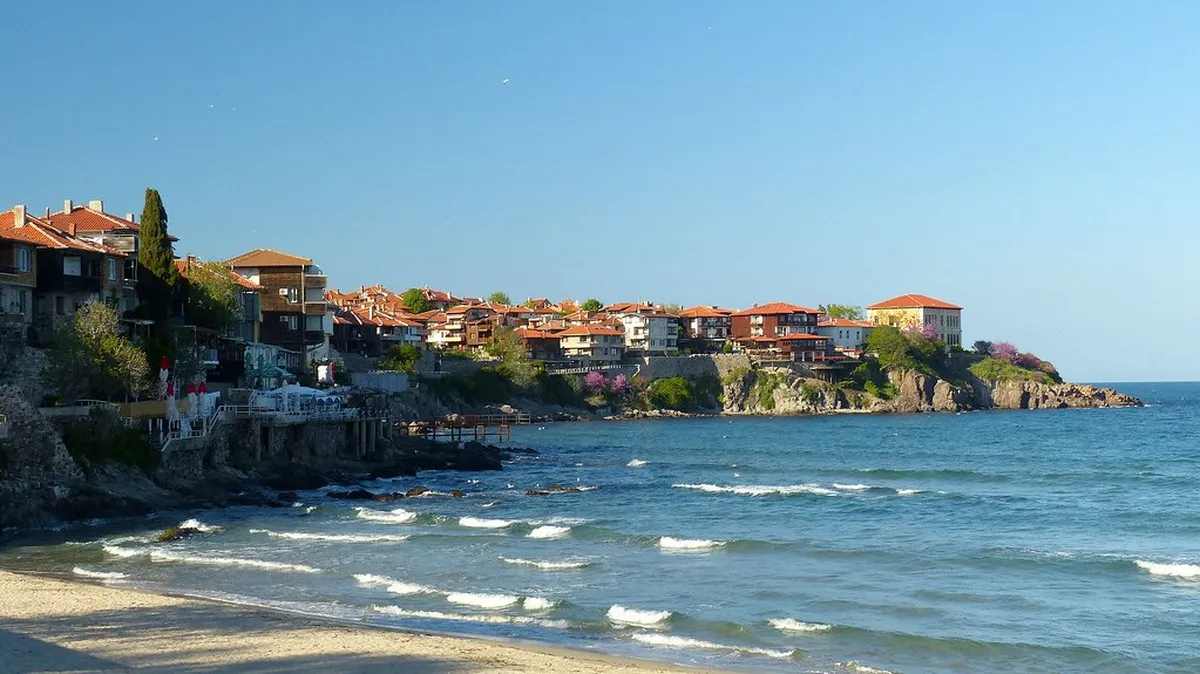
The Old Town occupies a narrow peninsula called Stolets (or Skamnii), settled as early as 610 BC by Greek colonists who named it Apollonia Pontica. Walking its cobblestone alleys today, you pass wooden houses with stone ground floors and cantilevered upper stories — a building style from the Bulgarian National Revival period, 18th to 19th century. The overhanging eaves narrow the lanes so dramatically that neighbours on opposite sides can almost shake hands from their windows.
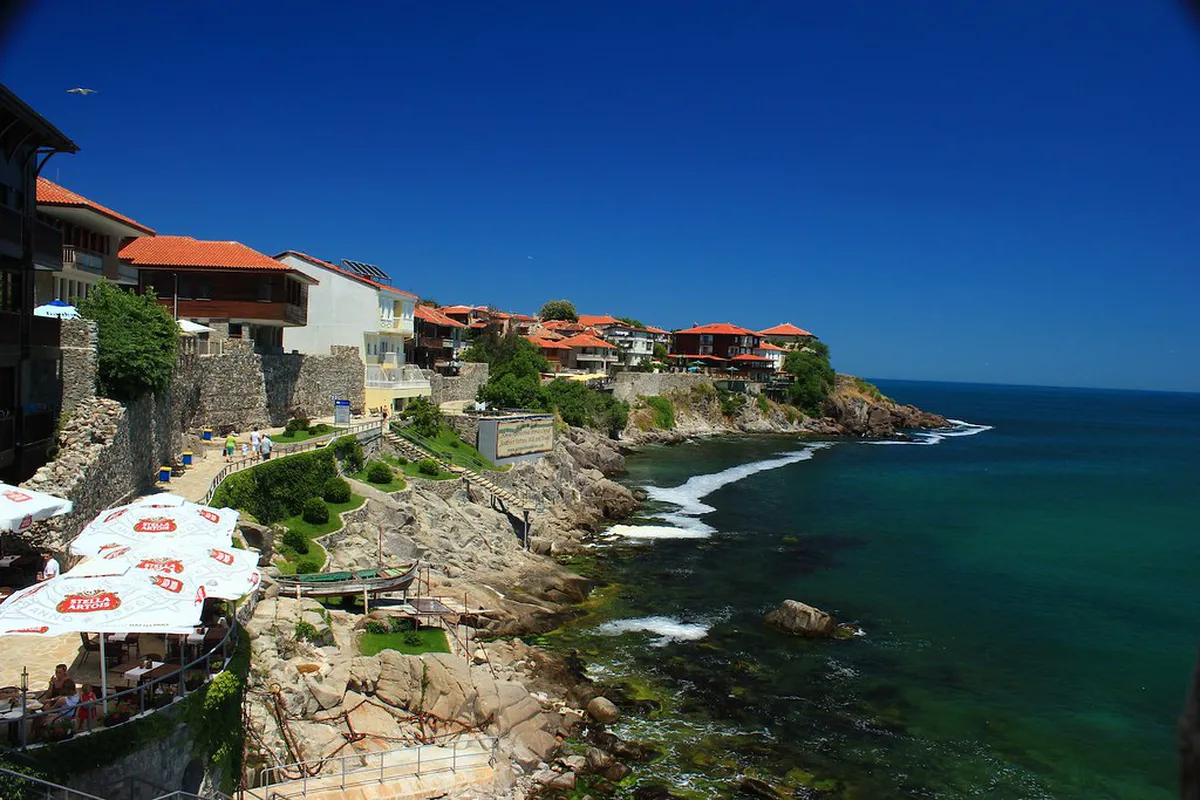
The Old Town is a protected area — vehicles are restricted and owners face rules about exterior appearance. That legal protection is exactly why it looks the way it does: no billboard facades, no modern cladding. Plan two to three hours to walk the peninsula end to end, stopping at the ancient fortification walls along the southern cliff for panoramic Black Sea views. Sunrise and late afternoon light are both outstanding here.
The Church of Sveti Bogoroditsa (built 1795) and the smaller Church of Sveti Kiril i Metodiy are worth a brief look inside. Neither charges admission. The Archaeological Museum on Apollonia Street is the area's best single stop for context: it holds finds from the ancient necropolis, including the earliest iron anchor discovered in Bulgarian waters, along with Greek ceramics and coins. Opening hours are typically 09:00–17:00 daily in summer; admission runs 6–8 BGN (around €3–4) per adult. Budget 45–60 minutes inside.
For a deeper look at what to see on the peninsula, the full list of highlights is in our guide to 25 Best Things to Do in Sozopol, Bulgaria.
Sozopol Beaches: What to Expect
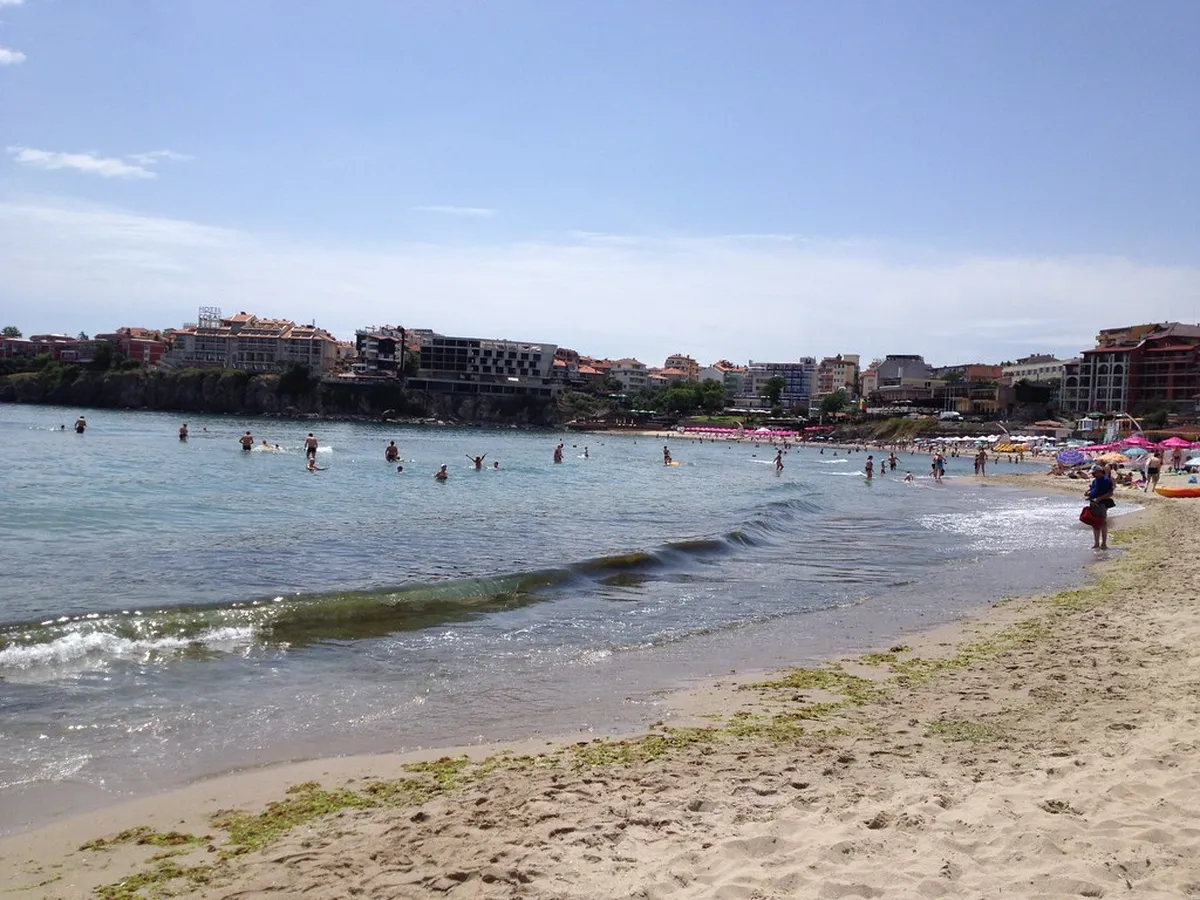
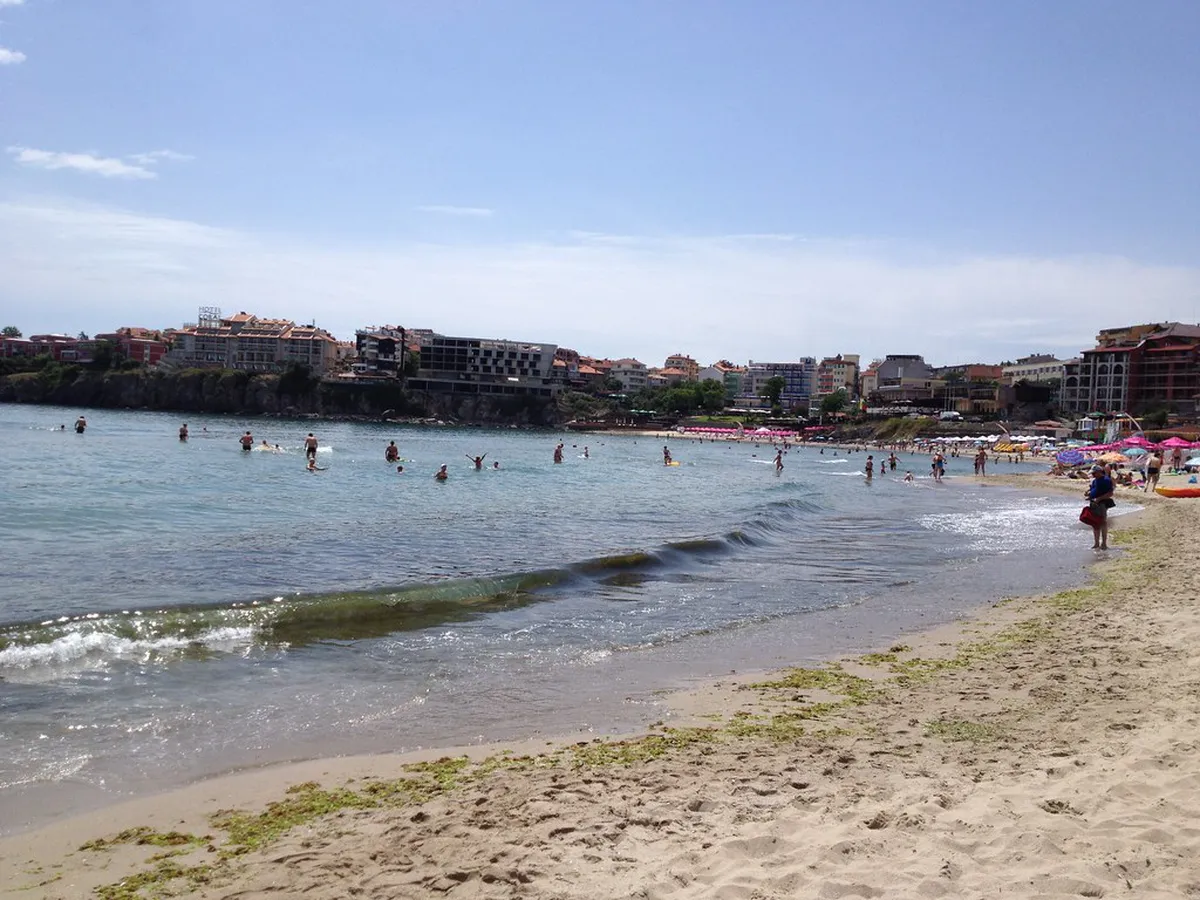
Sozopol has two beaches within the town itself. Central Beach sits between the Old and New Towns and is the most convenient but also the most crowded in July and August. Harmanite Beach, in the southern New Town, is longer with softer sand and shallower water — better for families with small children. Both rent sunbeds and umbrellas for roughly 10–15 BGN per set.
Neither of these is the best beach near Sozopol. Within 15 minutes by taxi (€5–7.50) or public transport (around €1.50 by bus or mini-train), you reach the camping-site beaches at Kavaci, Golden Fish, and Gradina. These have white, fine-grain sand, clear water in early summer, and a noticeably more relaxed feel. Gradina in particular is popular with younger visitors who want a beach-bar atmosphere without the resort-scale crowds of Sunny Beach.
One expectation to manage: the Black Sea lacks the turquoise clarity of the Mediterranean. The water is typically a blue-grey colour, though in June and early July it can run a pleasing deep blue. Water quality at Sozopol's beaches scores consistently well on EU bathing-water monitoring. For the full breakdown of every sandy option, see our dedicated guide to 10 Best Sozopol Beaches (2026): Your Ultimate Guide to Sun & Sand.
Food in Sozopol: What and Where to Eat
Seafood is the dominant reason to eat well in Sozopol. Fried fish — typically sprat, mackerel, or a catch of the day — is the coastal staple. It is lightly battered and far better than anything you will find inland. Order it at any Old Town terrace restaurant and pair it with a Shopska salad (tomato, cucumber, onion, white cheese) for a complete Bulgarian coastal meal.
Beyond fish, look for restaurants where locals are actually eating — a reliable sign are venues with a live chalga musician or traditional folk band on the terrace, especially on summer weekends. The food in these places tends to be more authentic and better priced than the obviously tourist-facing spots on the main promenade. Moussaka, stuffed peppers, and tarator (a cold yogurt, cucumber, walnut, and garlic soup) are all worth ordering. Prices at a local restaurant run €8–15 per person for a full meal with a beer.
One local specialty that most visitors miss: fig jam. Sozopol is lined with fig trees, and in August the locals sell home-made green fig jam from stands in front of their houses. Try it with ice cream or yogurt at any of the Old Town cafes — it is one of those small, place-specific pleasures that make a town memorable. You can also look for it jarred at souvenir shops to take home. For a curated list of the best tables in town, our 10 Best Sozopol Restaurants guide covers every price level.
The Cost of Visiting Sozopol: Budget Breakdown
Sozopol is affordable by European standards. Accommodation ranges widely: guesthouses and private rooms start from €20–30 per night in the New Town, where an elderly local may rent you a room directly (look for "Free rooms" signs near the bus station). Mid-range hotels cost €60–100 per night; properties in or adjacent to the Old Town tend to run higher, €100–200, because of the protected-area restrictions on building. Peak-season luxury options can reach €250+.
Dining out costs €8–15 per person at a sit-down restaurant with a drink. Bakeries and street-food stalls keep costs well under €5 for a quick meal. Museum admission is 6–8 BGN (€3–4). Sunbed sets on the main beaches run 10–15 BGN. A comfortable daily budget for one person — meals, a beach afternoon, one museum, and local transport — sits around €40–60 outside of high season, and €60–80 in July and August when restaurant prices tick up.
Parking is the one consistent irritant. Spots within the town are scarce in peak season. Paid parking areas charge €3–6 per day, but they fill quickly on summer weekends. If you are driving in July or August, use a taxi to move between your accommodation and the Old Town rather than hunting for a space — taxis within town cost €5–7.50 per ride.
Getting to Sozopol and Getting Around
Sozopol sits 35 km south of Burgas — roughly 35–40 minutes by road. The easiest arrival is a direct bus from Burgas Central Bus Station, which costs under €3 per person and runs frequently through summer. A taxi from Burgas Airport to Sozopol costs around €25 one-way; booking a transfer in advance can bring it down to that figure, and if you leave it to an airport rank taxi it may reach €35. From Sofia (400 km northwest), the drive takes around 4–5 hours on the A1 highway; depart before 06:00 on Friday or Saturday to beat the summer weekend traffic, which builds heavily through the morning.
Charter flights from western and central Europe land at Burgas Airport throughout summer, making it a realistic direct-flight destination for UK, German, and Polish visitors. The Varna airport is a viable alternative if you plan to drive the coast southward.
Within Sozopol, the Old Town is pedestrian-only — the best way to explore it. A seasonal tourist mini-train connects the Old and New Towns and runs to nearby beaches for around €1.50 per ride. Taxis are plentiful and cheap. You do not need a car to enjoy Sozopol if you base yourself in town, but a car does unlock the nicer surrounding beaches and the nature reserves nearby.
What to Do Around Sozopol: Day Trips and Nearby Excursions
Sozopol works well as a base for the southern Black Sea coast. The Ropotamo River Nature Reserve, 12 km south, is the most popular excursion: boat trips along the river take you through lotus-covered waters and dense riparian forest, with good birdwatching year-round. The trip takes about 30 minutes each way and costs around €5 per adult. See our full guide at Ropotamo River & Nature Reserve: Ultimate Visitor Guide.
A site that most competitors overlook entirely is Beglik Tash, a Thracian rock sanctuary roughly 8 km south of Sozopol near the village of Primorsko. It is an ancient open-air ritual complex of massive granite boulders arranged by a Thracian cult some 3,000 years ago. There are carved rock altars, water channels, and what archaeologists believe are astronomically aligned openings in the rocks. Admission is a few leva, crowds are thin even in peak season, and the surrounding pine forest adds to the atmosphere. It is an easy 20-minute drive from Sozopol and consistently ranks as one of those overlooked Thracian sites that justify coming to Bulgaria's coast for more than just sun.
The small island of Sveti Ivan (St John's Island), visible from the Old Town, holds a medieval monastery and is accessible by boat trip from Sozopol harbour. The tiny island of Sveti Kiril (St Cyril) is also reachable. Neither has tourist infrastructure on the island itself, but the boat ride and brief landing make a pleasant half-afternoon trip in summer. Ravadinovo Castle ('In Love With the Wind') Visitor Guide — a privately built neo-medieval fortress a few kilometres inland — is another eccentric stop worth an hour if you have children with you.
Best Time to Visit Sozopol
The shoulder months — May, early June, and September — are the clear winners. Weather is warm (22–26°C), the sea is swimmable from June onward, crowds are manageable, and restaurant prices are lower. September offers sea temperatures still close to summer peak and a much calmer town atmosphere once the Bulgarian school holidays end in late August.
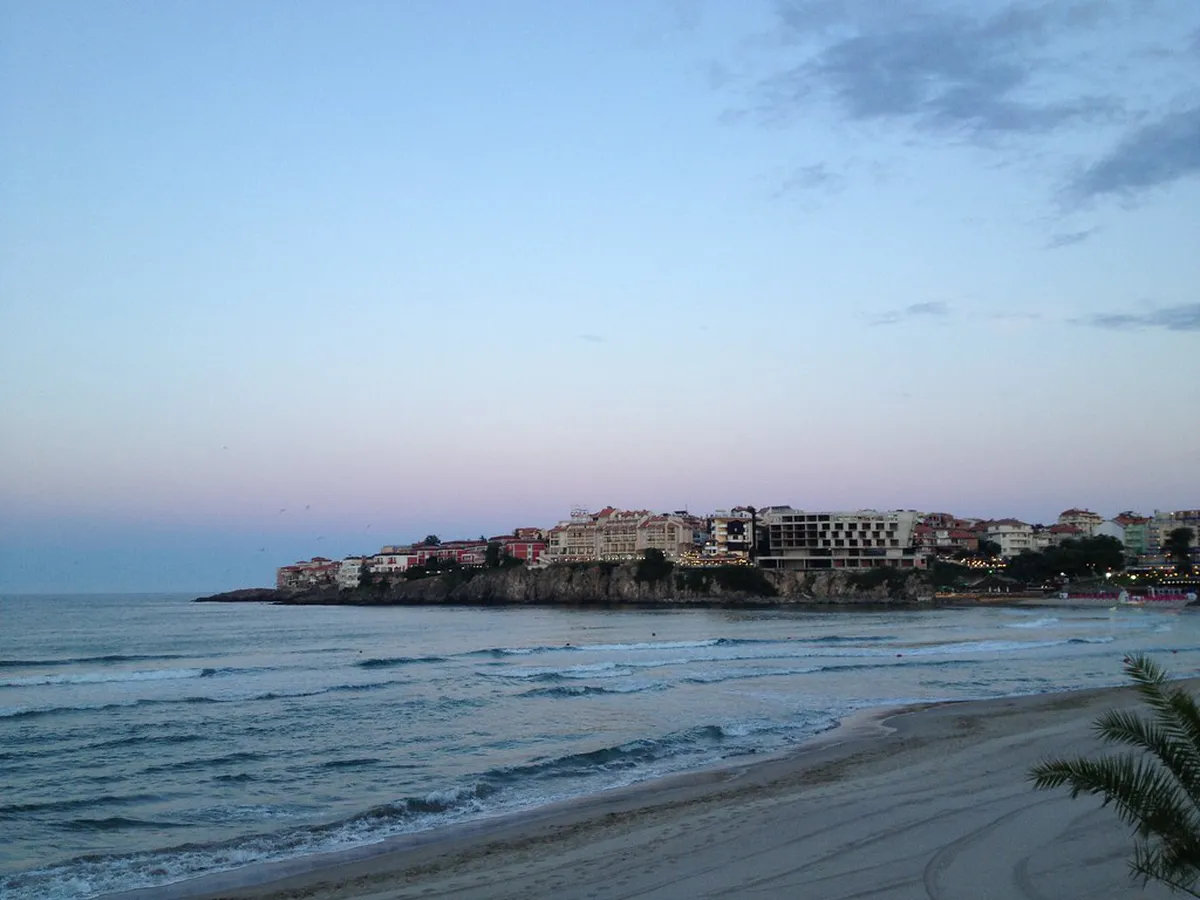
July and August are peak season. The Old Town becomes genuinely congested on weekends, parking is a battle, and accommodation prices reach their ceiling. If those are the only months you can travel, arrive on a Tuesday or Wednesday rather than Friday, and book accommodation at least two months ahead. The payoff in summer is the full beach-bar scene, boat trips running daily, and all restaurants operating.
Sozopol also has a microclimate advantage: locals claim (and repeat visitors confirm) that summer storms often pass around the peninsula without lingering. Forecasts frequently overestimate rain probability here. Even if a storm rolls through in the afternoon, mornings and evenings tend to clear quickly. See the full seasonal breakdown in our Best Time to Visit Sozopol: A Seasonal Travel Guide guide, which covers month-by-month weather, crowds, and events.
Day trip vs overnight: A day trip from Burgas or Nessebar is possible but limiting. The Old Town is most atmospheric at dawn and dusk, dinner on a terrace overlooking the sea is one of the trip's signature moments, and you cannot appreciate any of that on a day trip. At minimum, stay one night. Two nights lets you see the Old Town, a beach, and one of the nearby excursions comfortably.
Continue planning: Use 25 Best Things to Do in Sozopol, Bulgaria and Apollonia Festival Sozopol Travel Guide to connect this guide with the rest of your Bulgaria itinerary.
Frequently Asked Questions
Is Sozopol better than Nessebar?
It depends on your preference. Sozopol offers a more relaxed, authentic atmosphere with charming wooden houses. Nessebar, also historic, tends to be busier and more commercialized. Both offer UNESCO-listed Old Towns.
What is the prettiest city in Bulgaria?
Sozopol is often cited as one of Bulgaria's prettiest cities, especially its Old Town. Veliko Tarnovo, with its fortress and river views, is another strong contender. Both offer unique historical beauty.
What can you do in Sozopol?
In Sozopol, you can explore the Old Town, visit the Archaeological Museum, relax on its beaches, and enjoy fresh seafood. Boat trips to Sveti Ivan Island are also popular. Consider a day trip to the Ropotamo River & Nature Reserve: Ultimate Visitor Guide.
Is it safe for US citizens to visit Bulgaria?
Yes, Bulgaria is generally safe for US citizens. Sozopol has a low crime rate, primarily petty theft in crowded tourist areas. Exercise normal precautions, especially with valuables. Most visits are trouble-free.
Sozopol offers a genuinely rewarding escape for travelers drawn to history, good food, and beautiful coastal scenery. Its Old Town is one of the best-preserved on the Black Sea and the surrounding excursions — Ropotamo, Beglik Tash, the offshore islands — add real depth to a multi-day stay. Plan your visit in May, June, or September for the best balance of weather, price, and crowd levels.
The town is not for everyone: if nightlife or large-scale resort amenities are priorities, look elsewhere. But if you want a coastal town that rewards slow exploration, Sozopol consistently delivers — and in 2026 it remains far less overrun than most of its European equivalents at a similar price point.