Sozopol Bulgaria: The Complete Travel Guide for 2026
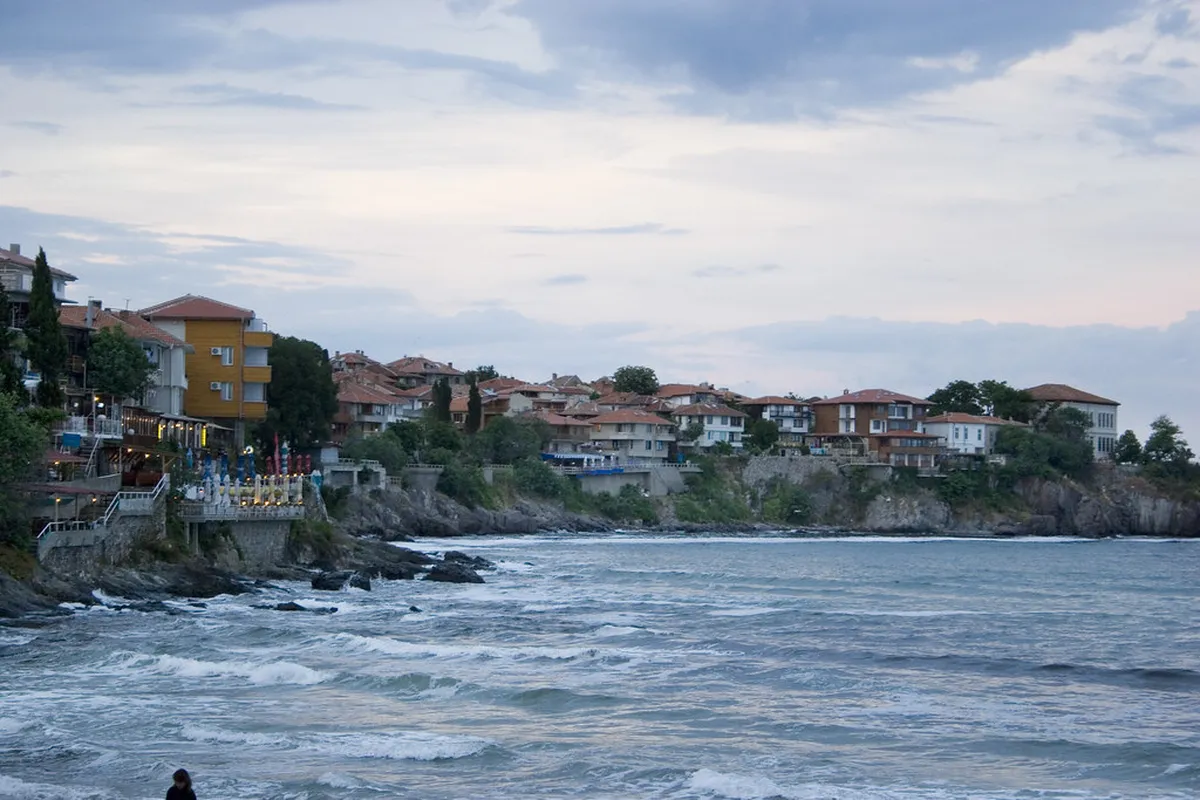
Sozopol is one of Bulgaria's most beguiling towns — a rocky peninsula jutting into the Black Sea where 2,600 years of history live side by side with art galleries, beach bars, and fish restaurants. Founded around 610 BCE by Greek colonists who named it Apollonia Pontica, it is one of the oldest settlements on the Bulgarian coast, and its Old Town still carries the unhurried character of a working artists' colony rather than a polished resort.
Sitting 34 km south of Burgas, Sozopol is easy to reach, deeply rewarding to explore, and at its electric best during the Apollonia Festival of Arts each late summer. Whether you are combining it with Nessebar Bulgaria on a Black Sea road trip or making it the centrepiece of your stay, this guide covers everything you need to know for 2026.
The Old Town: A Living Architectural Reserve
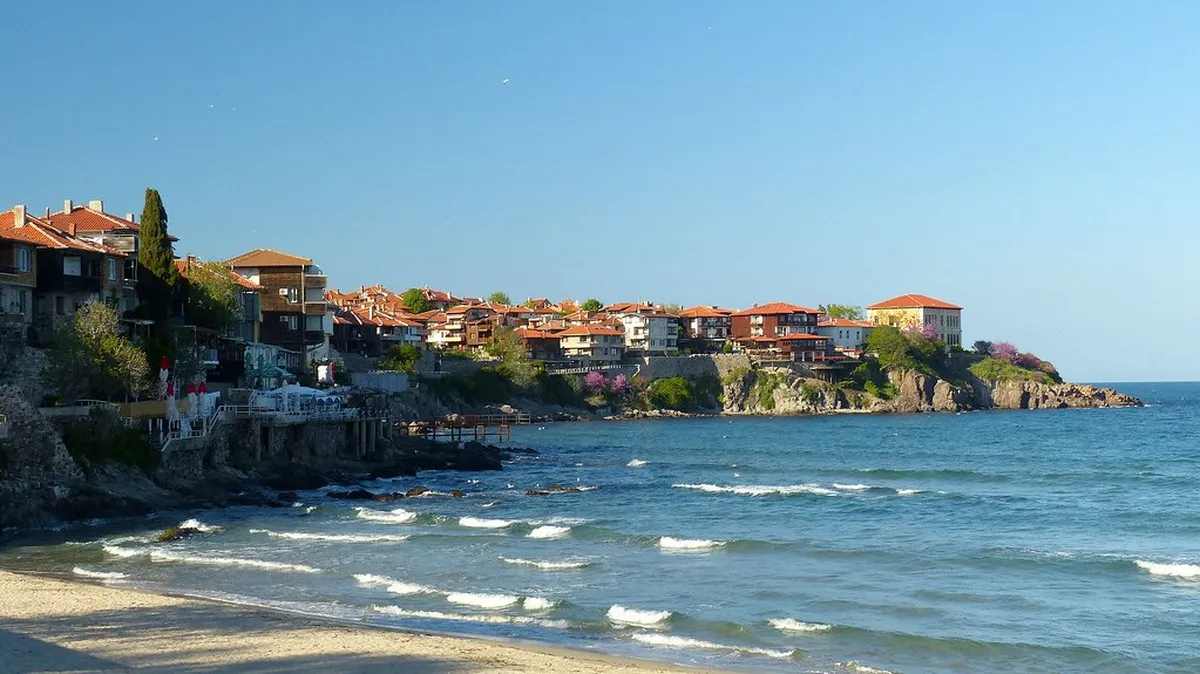
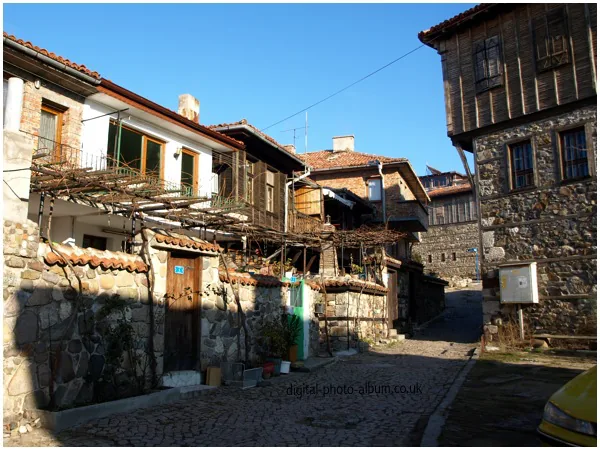
Sozopol's Old Town is the main reason most visitors make the trip. It occupies a narrow rocky promontory that reaches into the sea, and wandering its cobblestone lanes feels genuinely different from the beach-resort experience found further north along the coast. The entire peninsula is a protected Architectural and Archaeological Reserve, but there is no entrance fee — you simply walk in.
Many travellers pair Sozopol with the UNESCO peninsula to the north — see our 14 Best Day Trips and Planning Tips from Nessebar guide for the route.
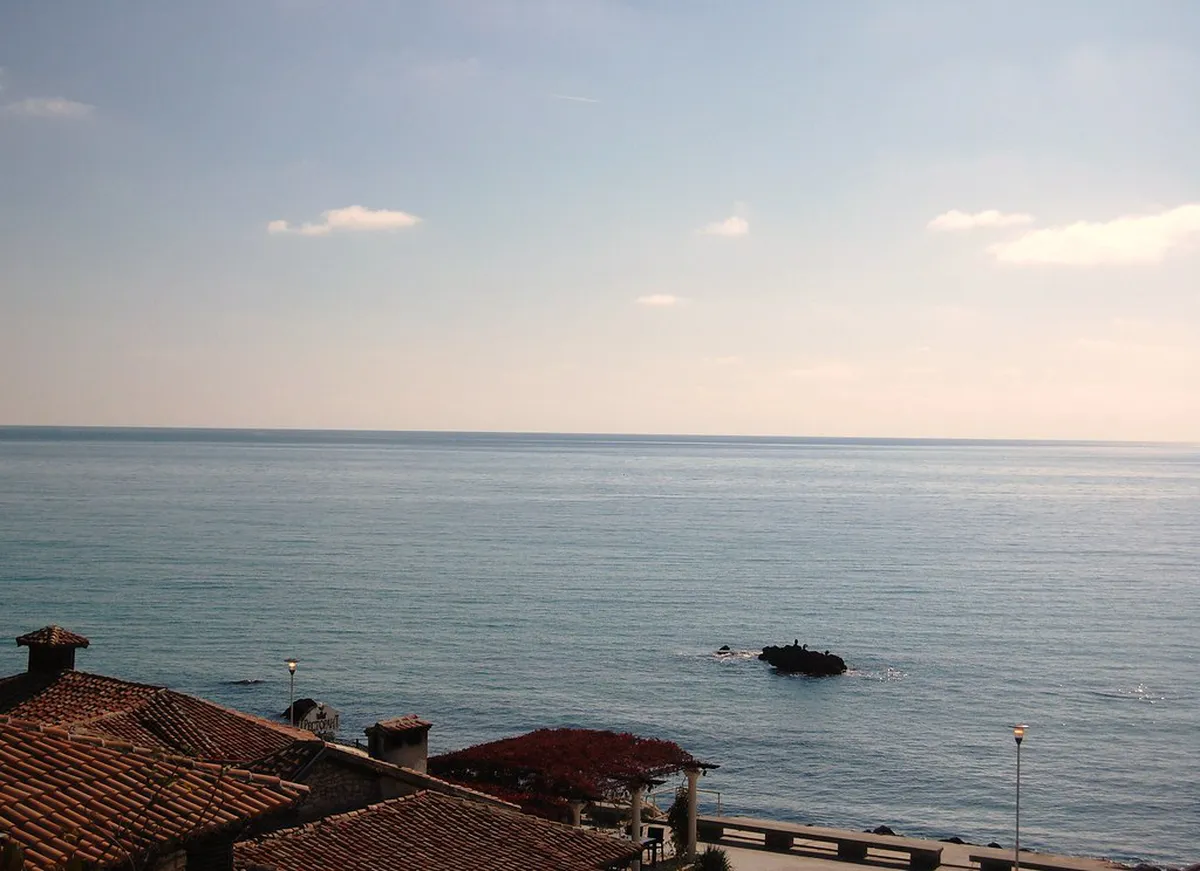
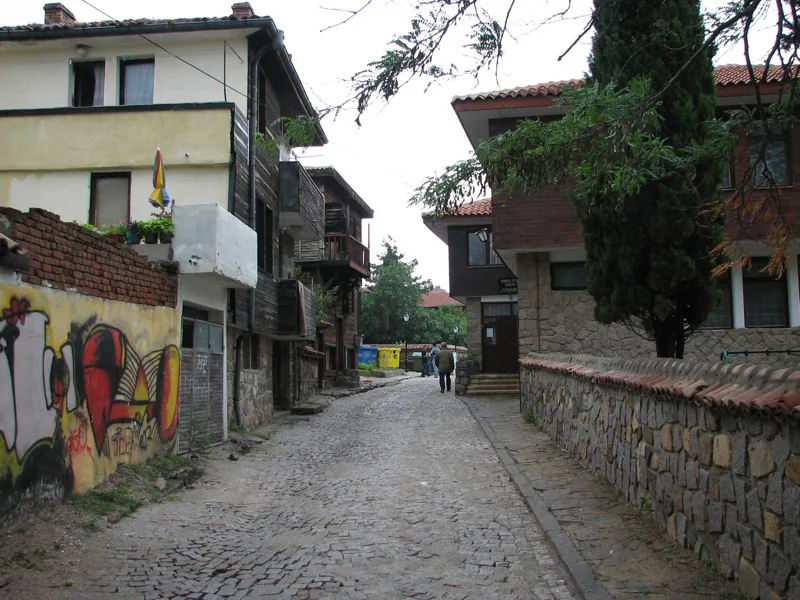
The streets are lined with traditional Bulgarian National Revival wooden houses, many of them more than 200 years old. Their characteristic overhanging upper storeys are built to shade the lanes below, and their stone ground floors are often given over to artists' studios or small family guesthouses. Interspersed among them are small Orthodox chapels, the remnants of Byzantine fortress walls, and a panoramic sea promenade that traces the edge of the peninsula and delivers sweeping views north and south along the Black Sea coast.
The Ethnographic Museum, housed in the historic Kurdilis House, is worth an hour of your time for its insight into the domestic life of the old fishing community. The Archaeological Museum — one of Bulgaria's 100 National Tourist Sites — holds decorated ceramics from ancient Apollonia, Hellenistic stone anchors, and artefacts from the town's 2,600-year continuous occupation. It opens daily in summer (June through September, 8:30–18:00) and on weekdays only in the off-season. Entry costs approximately 7 BGN, though you should verify the current fee locally before visiting.
The artist community is still very much alive. Sozopol has long attracted painters, sculptors, and writers, and this creative undercurrent is part of what distinguishes it from the larger resort towns to the north. You will find paintings for sale in open doorways, informal studios in courtyards, and impromptu exhibitions during the summer months.
St Ivan Island and the Relics of John the Baptist
About 1 km offshore from Sozopol sits St Ivan Island, Bulgaria's largest Black Sea island and the site of one of the most remarkable archaeological discoveries in recent memory. In 2010, professor Kazimir Popkonstantinov led excavations of an Early Christian monastery on the island and uncovered a small reliquary containing bone fragments — a skull fragment, jawbone, arm bone, and tooth — widely believed to be relics of St John the Baptist. Oxford radiocarbon dating placed the bones in the middle of the first century CE, consistent with the Baptist's lifetime, though the finding stops well short of definitive proof. Still, the discovery made international headlines and transformed St Ivan Island into a significant pilgrimage site.
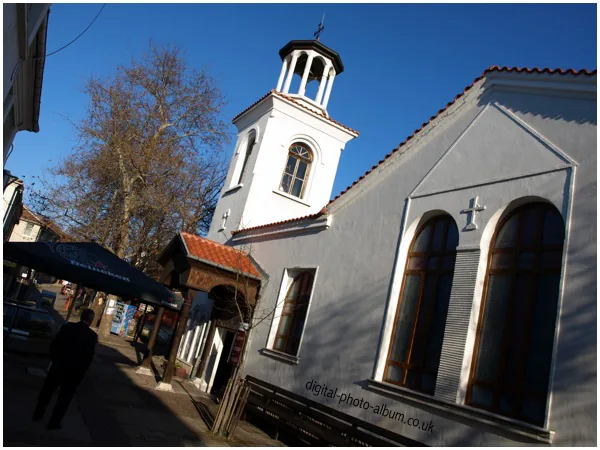
The monastery itself was built on top of an Ancient Greek temple to Apollo, and was demolished by Ottoman forces in 1629. The relics are no longer kept on the island — they are now housed at the Church of Saints Cyril and Methodius in Sozopol's Old Town, where they can be venerated by visitors and pilgrims throughout the year.
The island is a state-protected natural and archaeological reservation. Access is by hired private boat from Sozopol harbour; there is no regular public ferry service. The crossing takes only a few minutes, and boatmen can be found at the waterfront during the summer season. Ask locally about current availability and conditions, as the island may have access restrictions at certain times.
Sozopol's Beaches: Which One Is Right for You?
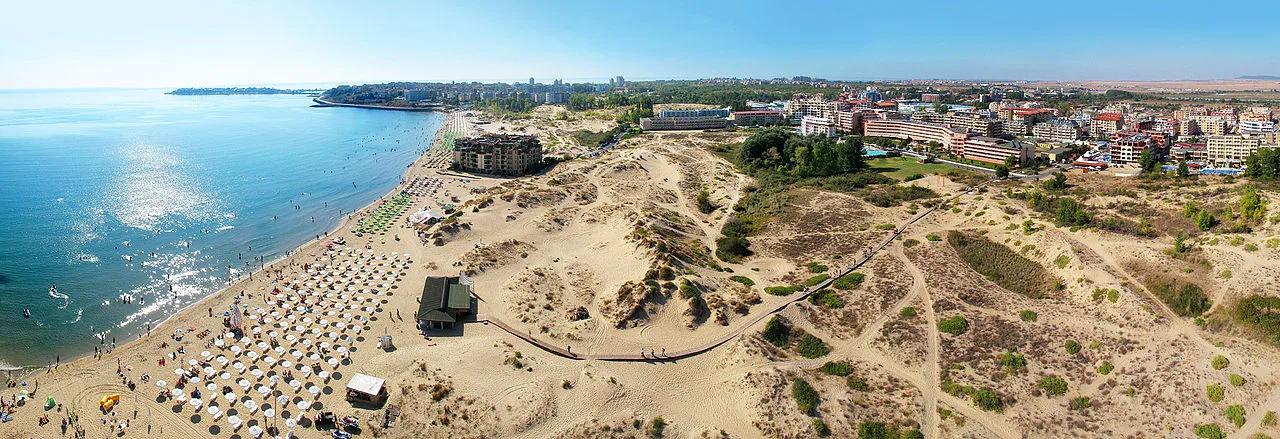
Sozopol has four distinct beaches, each with a different character. Understanding the differences will save you time and help you match the beach to your mood.
| Beach | Location | Character | Best For |
|---|---|---|---|
| Harmanite Beach | New Town | Longest and widest (~1.5 km), Blue Flag-awarded, beach bars, water sports, mix of paid sunbed zones and free areas | Swimming, water sports, families; least crowded of the main-town beaches |
| Central Beach | Between Old and New Town | Smaller, scenic, shallow near rocks; gets very busy in July–August | A quick dip close to the Old Town cafés; atmospheric at sunrise |
| Kavatsi (Kavatsite) | ~4 km south of town | Natural dune and vegetation setting, quieter atmosphere, more local feel | Those seeking a wilder, less commercial beach |
| Smokinya | Adjacent to Kavatsi, further south | Historically popular with camping tourists; now has beach bars and paid zones | Full-day beach stays; accessible by bus or car from Sozopol |
Harmanite is the practical choice for most visitors — it is the most accessible, the best equipped, and the most reliably pleasant. If the Old Town cobblestones are your priority, Central Beach puts you within a few minutes' walk of everything. For something more peaceful, the journey south to Kavatsi or Smokinya is well worth it. These beaches are part of the best beaches on Bulgaria's Black Sea coast and reward visitors who venture beyond the main resort strips.
The Apollonia Festival of Arts
Each year in late August and early September, Sozopol transforms into the cultural capital of the Bulgarian coast. The Apollonia Festival of Arts — one of Bulgaria's oldest and most prestigious arts festivals — brings together theatre premieres, film screenings, classical and contemporary concerts, literary readings, art exhibitions, and sunrise concerts on the beach.
The main venue is the Apollonia Amphitheatre, an open-air stage in the Old Town that feels tailor-made for summer performances under the stars. Events also take place at the Art Gallery, the Church of Saints Cyril and Methodius, and in the outdoor spaces around the peninsula. The programme covers everything from Bulgarian and international classical music to avant-garde theatre and visual art installations.
In 2026 the festival is expected to run in its traditional window of late August through the first week of September — check the official Apollonia Festival website for confirmed dates and the full programme, as these are finalised in early summer. Accommodation in Sozopol fills up quickly during festival week, so book well in advance if this is your reason for visiting.
Festival tickets sell out fast for the most popular performances. Attend a sunrise beach concert if the schedule permits — the combination of live music, the Black Sea, and the early light over the Old Town is one of the most memorable experiences on the entire Bulgarian coast.
Best Time to Visit Sozopol in 2026
The beach season runs from June through September, but the timing of your visit significantly shapes the experience. July and August deliver guaranteed heat and a buzzing atmosphere — the Old Town fills with visitors, the restaurants stay open late, and the beaches are lively — but accommodation prices peak and the narrow streets can feel crowded.
June and September offer the best balance. The water is warm enough to swim, the days are long and sunny, and the town has a more relaxed, local feel. Late September is particularly atmospheric: the Apollonia Festival fills the first weeks, and after it closes the pace drops pleasantly. The Best Time To Visit Bulgaria: Seasonal Weather & Travel Guide for a combination of coast and culture is generally late August through mid-September — Sozopol in that window is hard to beat.
May and October are viable for exploring the Old Town and the archaeological sites, but the sea will be cool and some beach facilities will be closed. If culture and history are your primary goals, the shoulder months are fine and accommodation prices drop significantly.
Getting to Sozopol from Burgas
Sozopol is 34 km south of Burgas by road — a straightforward journey that takes around 30 minutes. It is not served by train, so bus or car are your options.
Buses depart from Burgas South bus station (not the main north station near the centre — make sure you go to the right one) throughout the day, with frequent departures — roughly every half hour at peak times in summer. The walk-up local fare is inexpensive; budget a few Bulgarian leva rather than the inflated prices sometimes listed on international booking platforms. The journey is quick and reliable, and the buses are the standard way locals and independent travellers make the trip.
If you are driving, the road south from Burgas passes through pleasant coastal scenery and parking in Sozopol's New Town is straightforward (parking in the Old Town itself is very limited). A taxi from Burgas to Sozopol is also a reasonable option for groups — agree the fare before departing.
For broader logistics on moving between Bulgarian destinations, see our guide to Getting Around Bulgaria: The Ultimate Transportation Guide.
Burgas has two bus stations. The one you need for Sozopol is Burgas South (Avtogara Yug), near the port. The north/central station does not serve this route. Allow time to find it if you are navigating on foot.
Combining Sozopol with Nessebar and Burgas
Sozopol and Nessebar Bulgaria are the two most historically significant coastal towns in southern Bulgaria, and comparing them is something many visitors do — see our dedicated Nessebar vs Sozopol: Which Black Sea Town to Visit in 2026 guide for a full breakdown. In brief: both occupy rocky peninsulas with ancient roots, but they have very different characters. Nessebar's Old Town is UNESCO-listed and more heavily commercialised; Sozopol is an Architectural and Archaeological Reserve under Bulgarian national protection, and feels more genuinely inhabited and artistic.
Getting between the two towns requires going back through Burgas and then north (there is no direct coastal bus link). The road distance is approximately 35–40 km if you go via the coast, but the bus journey routing through Burgas adds time. A private car or taxi makes combining both in a single day feasible with an early start. Most people who have more than two days find it easier to base themselves in one town and make a half-day trip to the other.
Burgas itself is worth at least a day: its Sea Garden, Archaeological Museum, and the birdwatching at Atanasovsko Lake Visitor Guide are all genuine highlights, and it makes a practical hub for day trips to both Sozopol and Nessebar. The city is entirely different in character — a working port city rather than a heritage town — but it has its own considerable charm.
Where to Stay in Sozopol
Accommodation in Sozopol divides naturally between the Old Town and the New Town, and the choice shapes your entire experience.
Old Town guesthouses and boutique hotels occupy renovated National Revival houses, often with stone walls, wooden beams, and small sea-facing terraces. They are atmospheric and central but rooms are compact by design, parking is effectively impossible, and the lanes get noisy in high summer. They are best suited to visitors who have come for the culture, the Old Town ambience, and the art scene.
New Town hotels range from simple family guesthouses (budget-friendly from roughly €20 per night in the shoulder season) to a handful of larger resort hotels near Harmanite Beach. These offer more space, easier car access, and proximity to the longest beach, at the cost of some character.
For either area, booking ahead is essential in July, August, and festival week. The shoulder months (June, September) are significantly easier and better value. Specific hotel names and prices change year to year — rely on a current booking platform for real-time availability rather than hard-coded recommendations.
Continue planning: Use 12 Best Beaches in Bulgaria for Your 2026 Trip and 10 Best Beach Resorts in Bulgaria for Your 2026 Holiday to connect this guide with the rest of your Bulgaria itinerary.
Frequently Asked Questions
Is Sozopol worth visiting?
Yes — Sozopol is widely regarded as one of the most atmospheric and historically interesting towns on the Bulgarian Black Sea coast. Its ancient Greek origins, cobblestone Old Town, beaches, and the annual Apollonia Festival of Arts combine to make it a more culturally rich destination than most of Bulgaria's beach resorts. It is especially worthwhile from June to September when the town is fully open and the weather is warm enough to swim.
How do I get from Burgas to Sozopol?
Take a bus from Burgas South bus station (Avtogara Yug), not the main north station. Buses run frequently — roughly every half hour in summer — and the journey takes approximately 30 minutes. The local walk-up fare is very inexpensive. Sozopol is not served by train. If travelling by car, the road distance is 34 km and takes around 30 minutes.
What is the Apollonia Festival in Sozopol?
The Apollonia Festival of Arts is one of Bulgaria's oldest and most prestigious annual arts festivals, held in Sozopol in late August through early September. It features concerts, theatre premieres, film screenings, literary readings, and art exhibitions, with the Apollonia Amphitheatre in the Old Town as the main venue. In 2026 the festival is expected to run in its traditional late August to early September window — check the official festival website for confirmed dates and the full programme.
Is Sozopol UNESCO-listed like Nessebar?
No. Sozopol is a protected Architectural and Archaeological Reserve under Bulgarian national law, not a UNESCO World Heritage Site. Nessebar's Old Town holds UNESCO status. Both are ancient peninsula towns with significant historical importance, but they have different levels of international designation and very different atmospheres — Nessebar is more commercialised, Sozopol more artistic and local in character.
What are the best beaches in Sozopol?
Sozopol has four main beaches. Harmanite Beach in the New Town is the longest (around 1.5 km), Blue Flag-awarded, and best equipped for a full beach day. Central Beach is the most convenient for Old Town visitors but gets crowded in peak season. Kavatsi and Smokinya, about 4 km south of town, offer a more natural and quieter setting and are worth the short journey if you want to escape the crowds.
Sozopol is one of those places that stays with you. It is old enough to have genuine depth — 2,600 years of history compressed onto a rocky peninsula — but alive enough to feel like a real, creative, working town rather than a museum piece. The cobblestone lanes, the sea promenade, the artists' studios, the Apollonia Festival on warm August nights: none of it feels performed or packaged.
Whether you arrive for a single day from Burgas or stay for a week and use Sozopol as your base for exploring the southern Black Sea coast, the town will exceed what the guidebook summaries prepare you for. Visit in June or September for the ideal combination of warm weather, manageable crowds, and real atmosphere — and try to time it so the Apollonia Festival overlaps with at least part of your stay.