Sveti Ivan Island: Your Essential Guide to Sozopol's Largest Isle
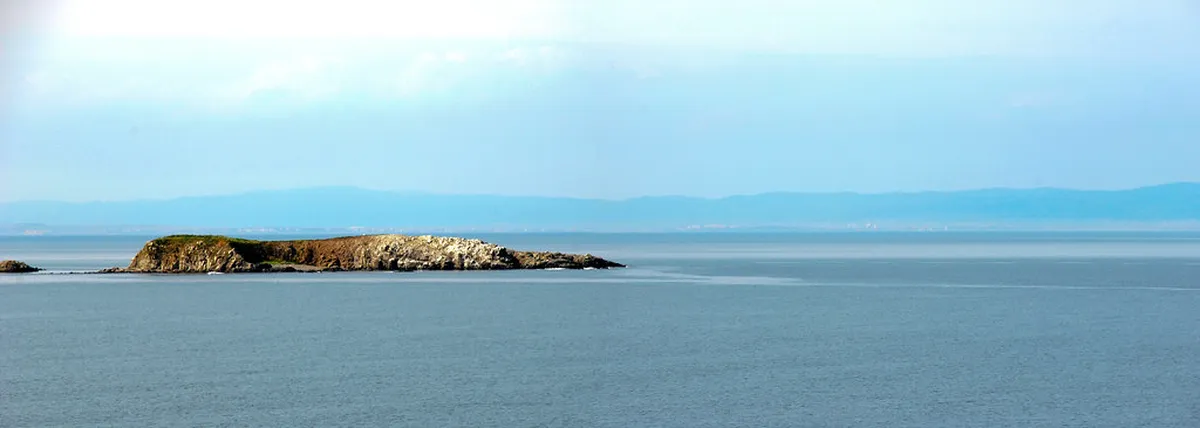
St. Ivan Island (sveti Ivan) Visitor Guide rises from the Black Sea just 920 metres off the Stolets peninsula, where Sozopol's Old Town stands. It is the largest Bulgarian island in the Black Sea — 0.66 square kilometres of layered history, birdlife, and coastal silence. Its highest point sits 33 metres above sea level, making it visible from Sozopol's harbour.
For a visual introduction to the island before diving into the details, watch this short guide:
The island packs millennia of occupation into a small footprint: a Thracian sanctuary, a Roman-era Apollo temple, a medieval monastery that once held relics attributed to St John the Baptist, and a French-built lighthouse that still guides ships into Burgas Bay. Few places in Bulgaria offer this density of history in one short boat trip.
This guide covers how to reach the island, what to expect when you arrive, and the practical details that make the difference between a frustrating trip and a memorable one. Discover more about 25 Best Things to Do in Sozopol, Bulgaria to plan your broader visit around the island.
A Journey Through Time: The History of Sveti Ivan Island
Sveti Ivan has been occupied, destroyed, rebuilt, and occupied again across more than 2,500 years. Around the 7th to 4th century BC, Thracians maintained a sanctuary on its highest point. When the Romans conquered Apollonia (present-day Sozopol) in 72 BC, they built a lighthouse on the island and erected a temple of Apollo beside the old Thracian site. That temple featured a colossal bronze statue by the sculptor Calamis — 13.2 metres tall, conspicuous enough to be seen clearly from the mainland city.
After Christianity spread through the region, a monastic complex rose on the ruins of the Roman temple in the 5th to 6th century, anchored by the Basilica of the Mother of God. The monastery was abandoned around the 7th to 9th century, then rebuilt in the 10th century. By the 13th and early 14th century the Monastery of John the Forerunner had become an important Christian centre, reconstructed in 1262–1310. It operated as a stauropegic monastery under the Patriarchate of Constantinople; two former patriarchs may have been buried there after exile.
The Ottomans took Sozopol alongside Constantinople in 1453 and destroyed the monastery, though it was partially rebuilt in 1467–1471. In the 1620s the island sheltered Cossack pirates raiding the western Black Sea coast — archaeologists have actually found traces of a Cossack feast inside the church ruins. The Ottomans levelled the remaining buildings in July 1629 specifically to deny the pirates a base. Later, during the Russo-Turkish War of 1828–1829, the island served as a field hospital for Russian soldiers dying of cholera, and a Russian military graveyard once stood on its grounds.
In 2010, excavations inside the monastery ruins produced a reliquary believed to contain relics of St John the Baptist — a small bone fragment, a tooth, and pieces of an arm bone. The find drew international media attention and prompted ongoing research. Archaeological work since 1985 has also uncovered the foundations of two churches, a royal residence, a library, sections of a fortified wall with a gate, and several monastic cells.
Why Sveti Ivan Stayed Wild: The Hotel That Was Never Built
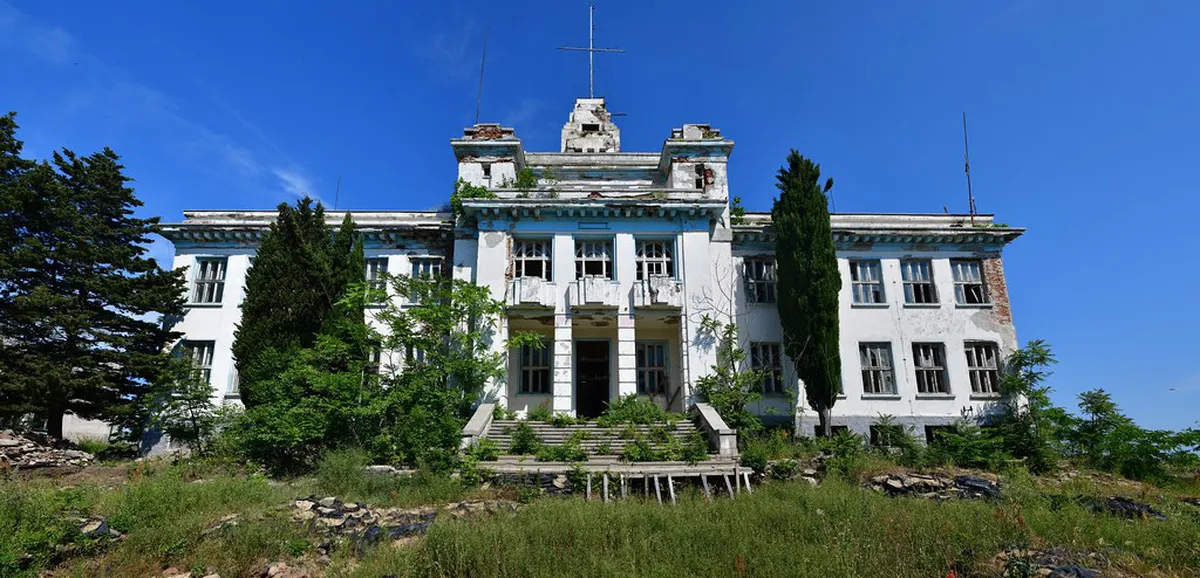
In the 1970s and early 1980s, Bulgarian state planners drew up designs for a large Balkantourist resort on the island. Sveti Ivan's dramatic clifftop setting and proximity to Sozopol made it an obvious target for the mass-tourism development that was reshaping the Bulgarian coast during that era. Had the plan gone ahead, the monastery ruins would likely have been buried under a concrete hotel complex.
The project was cancelled after personal intervention by Todor Zhivkov, Bulgaria's communist-era leader. No broad public campaign stopped it — one man's decision preserved the island's character. The island was declared a nature reserve in 1993, giving it formal legal protection for the first time. That bureaucratic footnote is the reason visitors today walk among open archaeological ruins instead of checking into a Soviet-era hotel on a motorised island.
Wildlife and Ecology on Sveti Ivan Island
The island's nature-reserve designation covers a richer ecosystem than most visitors expect. Seventy-two species of birds nest on the rocks and along the coast. Three of those species are classified as endangered globally; fifteen are threatened in Europe. The European Herring Gull is the most visible resident, nesting in large colonies among the cliff ledges. Bring binoculars if birdwatching is a priority — spring migration (April to May) brings the highest variety.
Mediterranean Monk Seals, one of the world's most endangered marine mammals, have been recorded in the waters around the island. You are unlikely to see one during a standard boat excursion, but the species' presence underlines why the reserve designation matters. The rocks around the island's waterline are also covered in black mussels, giving the shoreline a distinctive dark fringe visible from the boat approach.
The island's vegetation is mostly low scrub and coastal grass. There are no trees to offer shade, which matters when planning your visit — open terrain under a July sun is considerably hotter than the boat ride suggested. Pack accordingly.
Getting to Sveti Ivan Island: Boat Trips and Access
There is no bridge to the island and no public ferry service. You reach it by joining one of the organised boat excursions that depart from the port of Sozopol's new town. The new-town port sits about 3 km from the Old Town peninsula — roughly a 10-minute drive or a 35-minute walk. In season, you can also catch a minibus or a taxi from the Old Town bus stop.
Operators including "Sozopol Boats" run regular trips during the summer season (June to September). Boats depart in the morning, when seas are calmest. The crossing takes around 15 to 20 minutes one way. A typical excursion lasts 2 to 3 hours in total, including time on the island. Prices vary by operator, but expect to pay in the range of 20–40 BGN per person for a return trip.
Book your spot the day before during July and August — popular morning departures can fill quickly. Check weather forecasts before you go: the excursion operates on calm-sea days only. Operators cancel if winds exceed safe thresholds; they are transparent about this. Combine your island visit with a look at 10 Best Day Trips from Sozopol: Explore Bulgaria's Black Sea Coast to build a fuller itinerary for the surrounding area.
Exploring the Island: What to See and Do
The island is small enough to cover on foot in one excursion. Most operators build in 60 to 90 minutes on land, which is sufficient. The main path leads through the monastery ruins — you can walk among stone foundations of the Basilica, the church, monastic cells, and sections of the fortified wall. Interpretation is minimal, so reading the history in advance makes the ruins significantly more legible.
A small chapel dedicated to St Ivan the Forerunner still stands on the island and adds a quiet devotional atmosphere to the site. The French-built lighthouse from 1884 is visible on the northern tip; it remains operational and is not open to visitors, but it photographs well against the sea. From the island's highest point at 33 metres, panoramic views extend across Burgas Bay and back towards Sozopol's Old Town — one of the best angles on the town's distinctive roofline.
Birdwatching is a genuine draw even for non-specialists. The gull colony is large and noisy during nesting season, and other seabirds circle the cliffs. Nature photographers will find compositions in the interplay of Byzantine stone walls, lighthouse tower, and cliff-edge birdlife. Quiet walkers often encounter the island's wildlife more closely than those arriving in large groups. Explore 10 Best Things to Do in Sozopol Old Town after returning from the island to round out your day.
Practical Tips for Your Sveti Ivan Island Visit
The island has no shops, cafés, or toilets. Pack everything you need before boarding the boat. Water and a snack are essential, particularly in summer. Most boat operators sell water on board, but at a premium. A small day bag is the right size — you will be on your feet the entire time on land, on rough stone and uneven ground.
- Wear closed-toe shoes with grip. The path around the ruins crosses uneven stone surfaces and slopes.
- Apply high-factor sun cream before departure. There is no shade on the island and the sun reflects off the sea and rock.
- Bring a hat. The walk takes 60 to 90 minutes in direct sunlight.
- Morning departures (07:00–09:00) offer the calmest seas and the best light for photography.
- Do not remove any stones, fragments, or shells from the island. The site carries protected status and removing material is illegal.
- Keep noise low near nesting bird areas — signs on the island indicate restricted zones during the breeding season (roughly April to July).
The ideal months for a visit are May, June, and September. July and August are busiest, with more boat departures but larger crowds on a site that rewards quiet. Late September still has warm enough weather for the crossing and noticeably fewer visitors. Consider visiting in the morning to allow time exploring Sozopol's attractions after you return.
Sveti Ivan Compared to Nearby Bulgarian Black Sea Islands
The Bulgarian coast has four islands accessible to visitors, and understanding how they differ helps you decide which to prioritise. Sveti Ivan is the largest and the richest in historical layers — if archaeology and natural reserves are your interest, it is the clear choice.
Sveti Petar (St Peter Island) lies immediately to the east of Sveti Ivan, separated by a narrow strait. It is far smaller and historically was likely connected to Sveti Ivan until a natural event divided them in the mid-19th century. Two small islets, Milos and Gata, once extended beyond Sveti Petar but disappeared from records after the 1820s. Sveti Petar holds some ruins but does not have the depth of archaeological excavation that makes Sveti Ivan compelling.
Sveta Anastasia Island sits near Burgas and offers a different experience — a restored monastery you can visit, an art gallery, a restaurant, and a lighthouse. It is more developed and more visitor-friendly, but it has lost some of the raw atmosphere that makes Sveti Ivan distinctive. Zmiyski (Snake Island or Saint Thomas Island) is the southernmost and is not open to general visitors. For most travellers, Sveti Ivan is the first choice and Sveta Anastasia is a good complement if you want a more infrastructure-oriented island visit from Burgas.
Beyond the Island: Nearby Attractions and Activities
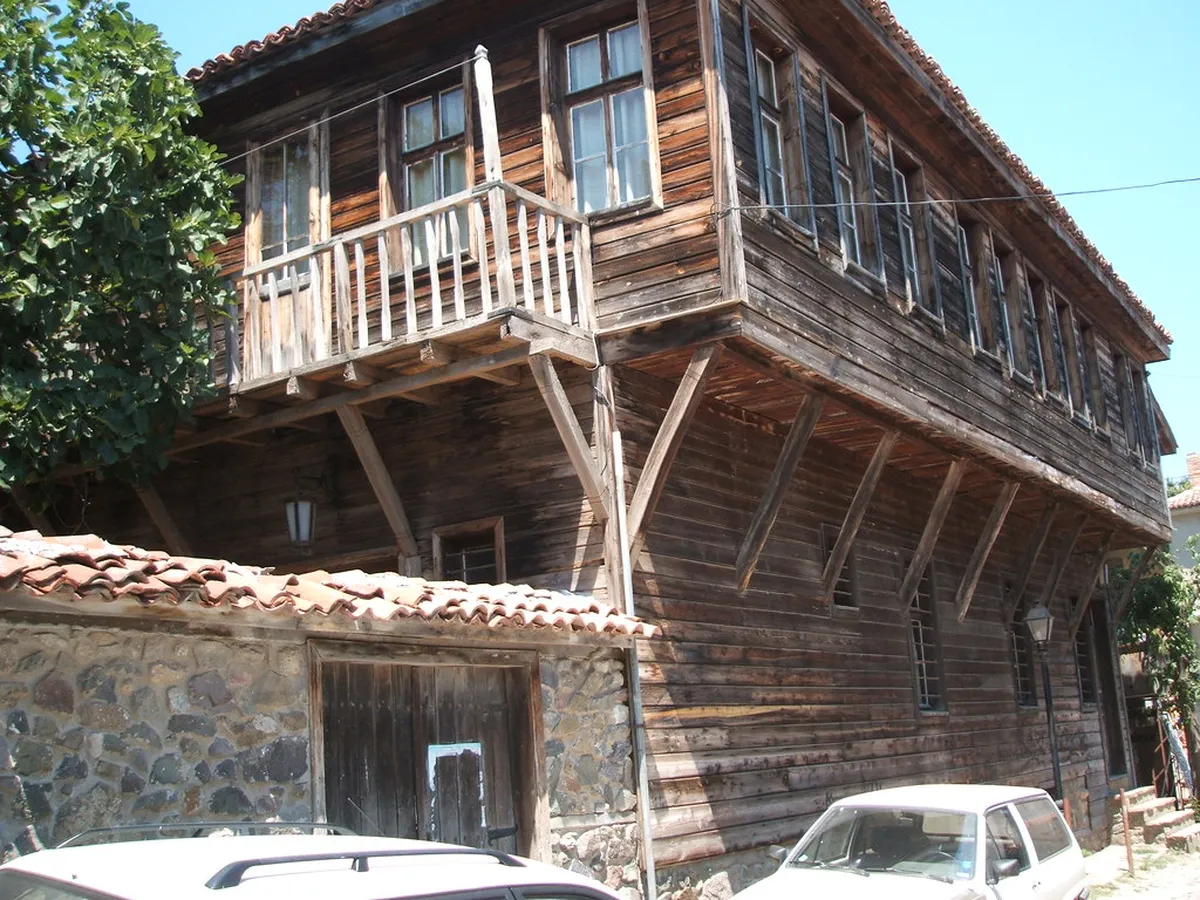
Sozopol itself warrants a full day. The Old Town sits on a narrow peninsula of wooden-house lanes and ancient walls dating to Greek colonial times. The Archaeological Museum holds finds from the island and surrounding region, including artefacts from the monastery excavations. The Apollonia Arts Festival, held in September, brings international music and theatre to the Old Town amphitheatre — if your visit falls in late August or early September, check the programme.
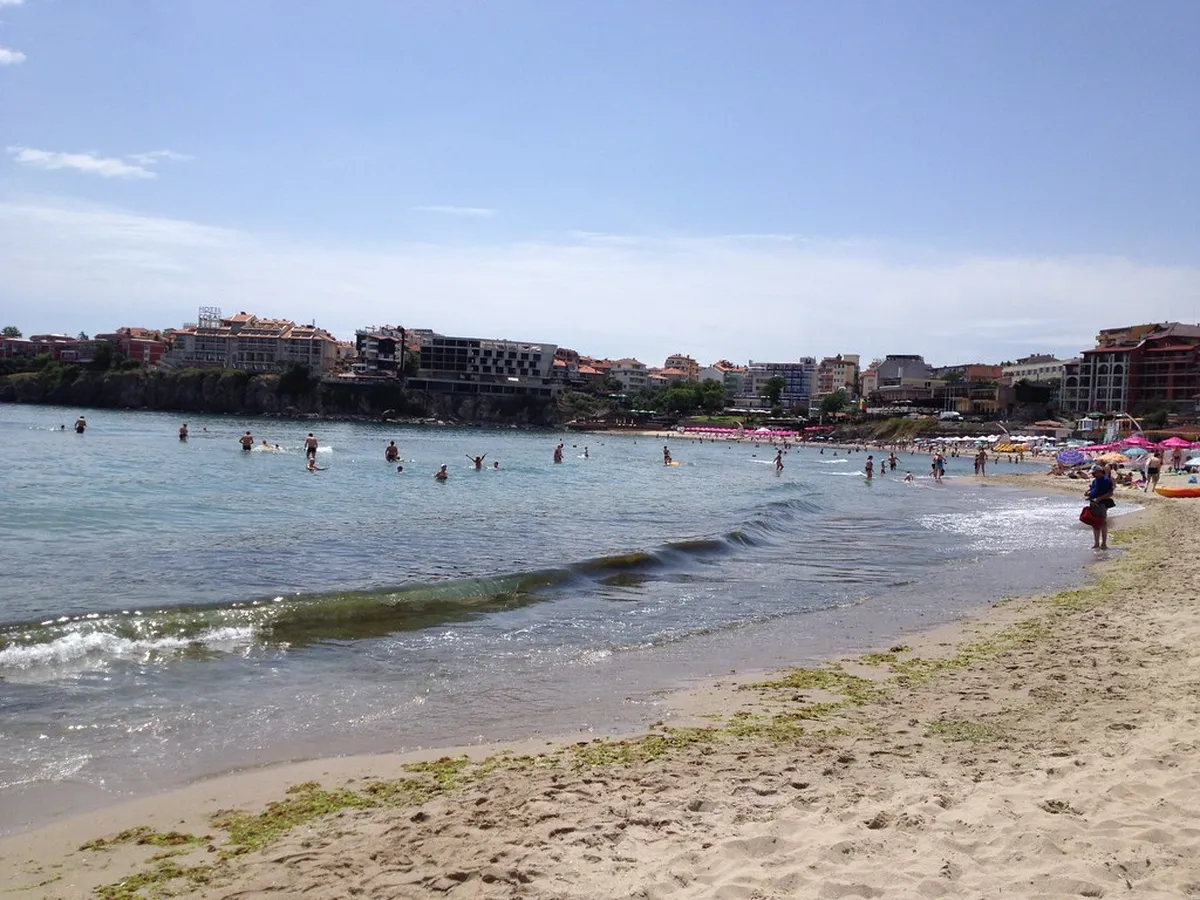
Sozopol's beaches divide between the Old Town and the new town. Sozopol's best beaches include Harmanite Beach (the longest, calmer water) and Central Beach, both walkable from the main accommodation zone. The Ropotamo River Nature Reserve, about 15 km south on the road towards Primorsko, offers boat tours through a coastal river delta and is another strong half-day option for nature enthusiasts.
Where to Stay: Hotels Near Sveti Ivan Island
The island has no accommodation. Sozopol is the logical base, with options across all budgets. Staying in Sozopol's Old Town puts you closest to cultural atmosphere and walking distance of the Archaeological Museum — boutique guesthouses dominate here and fill quickly in July and August, so book two to three weeks in advance for summer dates. Rates in the Old Town typically run higher than the new town but the setting justifies it for shorter stays.
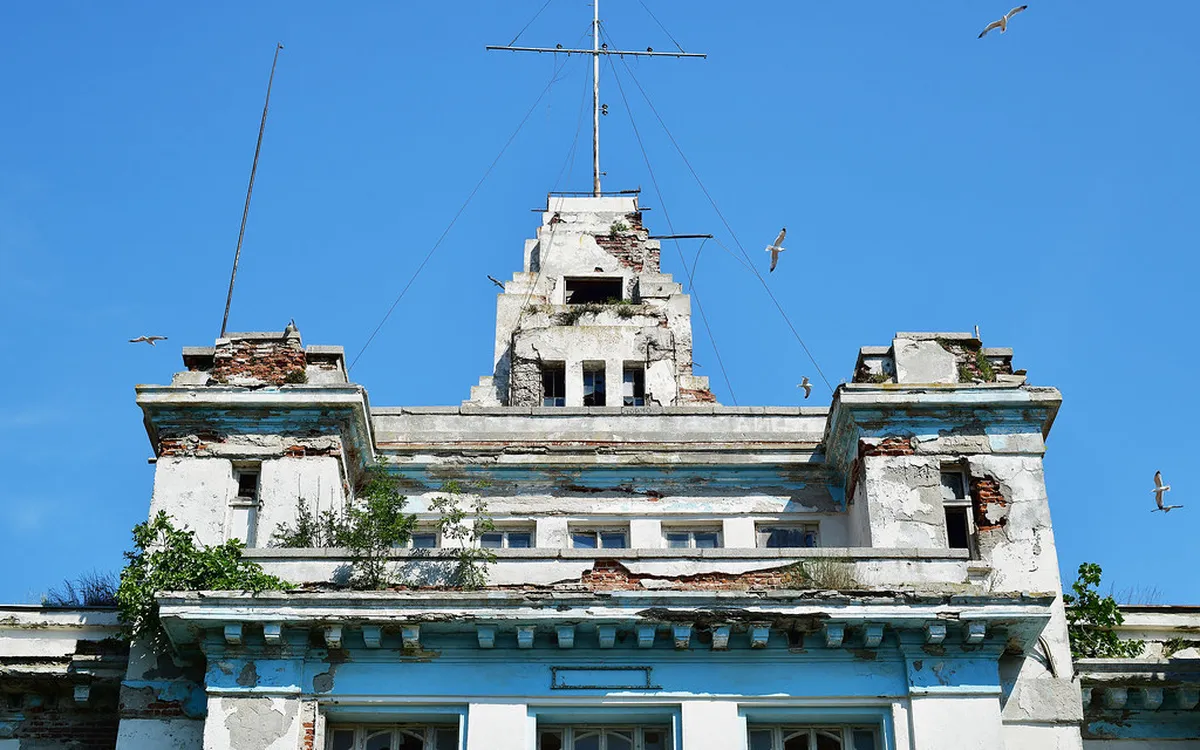
The new-town area around Harmanite Beach has larger hotels and self-catering apartments. These work well for families or travellers who want beach proximity and don't need to be inside the Old Town each evening. Budget options — small family-run guesthouses — are scattered throughout both areas. Burgas, 35 km to the north, is also a viable base if you are combining the trip with a visit to Sveta Anastasia Island and only spending one night near Sozopol.
For restaurant options during your stay, explore 10 Best Sozopol Restaurants for Every Taste and Occasion — the Old Town has a strong concentration of fish restaurants and Bulgarian grills within a short walk of the harbour.
Continue planning: Use 25 Best Things to Do in Sozopol, Bulgaria and Apollonia Festival Sozopol Travel Guide to connect this guide with the rest of your Bulgaria itinerary.
Frequently Asked Questions
What is the history of Sveti Ivan Island?
Sveti Ivan Island has a rich history dating back to Thracian times with an ancient sanctuary. Later, a temple to Apollo stood there during the Roman era. A significant medieval monastery dedicated to John the Forerunner flourished until its destruction by the Ottomans. Recent archaeological finds, including relics believed to be St. John the Baptist's, have further highlighted its importance.
How do you get to Sveti Ivan Island?
You can reach Sveti Ivan Island by taking a boat trip from Sozopol. Various local operators offer excursions from the main port. The journey is short and scenic, providing beautiful views of the coastline. Always check local schedules and weather conditions before planning your trip.
What can you see on Sveti Ivan Island?
On Sveti Ivan Island, visitors can explore the ruins of the medieval monastery complex, including the Basilica. The island is also a natural reserve, perfect for birdwatching, especially for the European Herring Gull. A historic lighthouse offers scenic views, and panoramic vistas of the Black Sea and Sozopol are abundant. It is a great place to enjoy nature and history.
Is Sveti Ivan Island open to tourists?
Yes, Sveti Ivan Island is open to tourists who arrive by boat. Visitors can explore the archaeological sites and natural areas. Remember to respect the island's protected status as a natural and historical reserve. Always follow guidelines from tour operators and local authorities.
What archaeological discoveries were made on Sveti Ivan Island?
Significant archaeological discoveries on Sveti Ivan Island include the foundations of the medieval monastery complex. In 2010, archaeologists unearthed a reliquary containing relics believed to belong to St. John the Baptist. These findings have made the island a site of immense historical and religious interest. Excavations continue to uncover more about its past.
Sveti Ivan Island delivers what Sozopol promises but doesn't always provide: genuine historical depth, intact wildness, and views that require no filter. The boat trip is short; the impression it leaves is not. Whether you come for the monastery ruins, the birdlife, or simply to stand on something that has outlasted empires, the island earns the detour.
Plan for a morning departure, pack water and sun protection, and leave the afternoon for Sozopol's Old Town and beaches. That rhythm — island in the morning, town in the afternoon — is the most satisfying way to experience this stretch of the Bulgarian coast in 2026.