10 Best Nessebar Churches
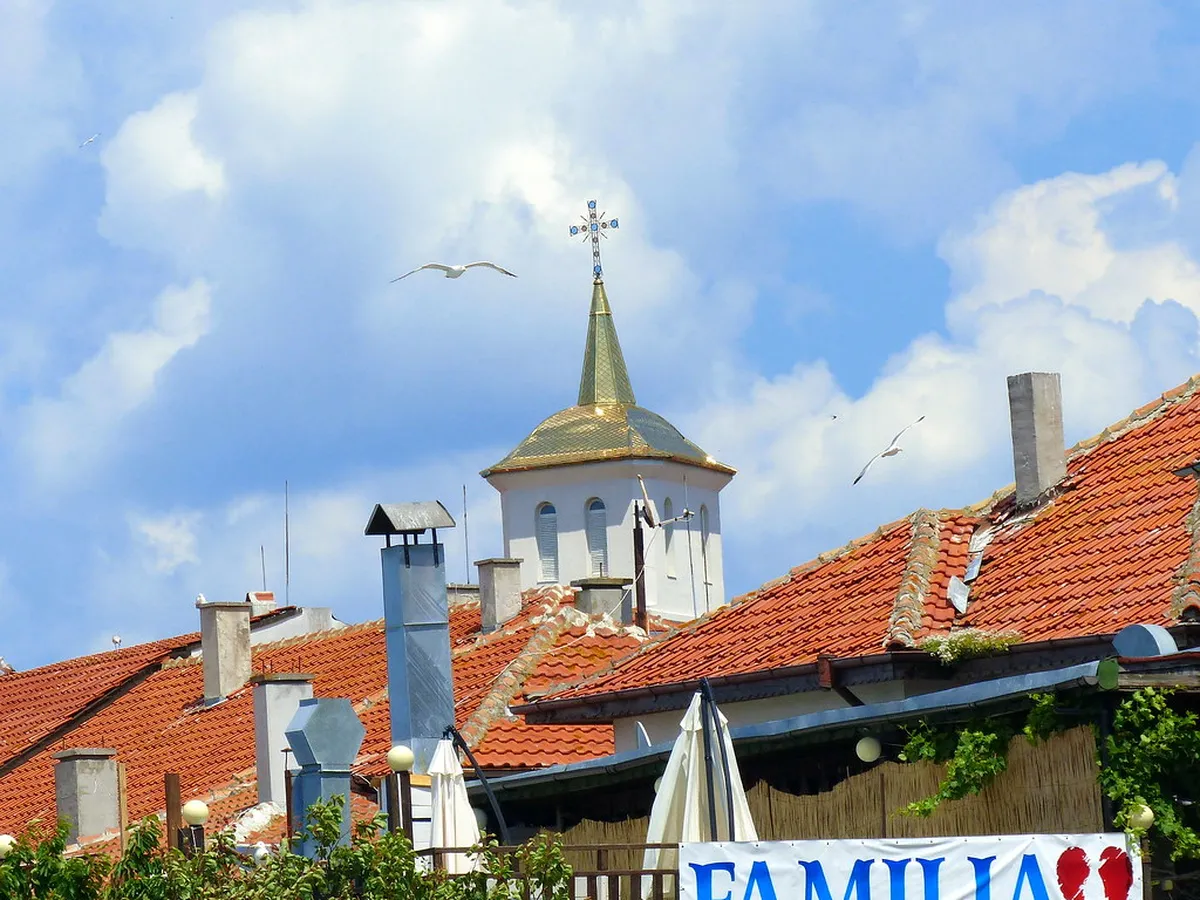
I first stepped onto the uneven cobblestones of the the historic Old Town peninsula during a sweltering July afternoon years ago. While most visitors flock to the nearby beaches, the real soul of this peninsula lies within its crumbling medieval walls. The town earned its reputation as the 'City of 40 Churches' because of the incredible density of religious sites in such a small area.
To explore Nessebar's UNESCO World Heritage treasures and ancient seaside architecture, watch this guided tour:
This guide was last refreshed in January 2026 to ensure all pricing and access information remains accurate for your upcoming trip. Our team has reviewed each ruin and museum to help you distinguish between the must-see landmarks and the minor archaeological fragments. Understanding the distinction between the 'Old Metropolis' and the 'New Metropolis' is essential for appreciating the town's complex Byzantine history.
Nessebar is an official UNESCO World Heritage List site primarily due to these unique ecclesiastical structures. The architecture here showcases the 'opus mixtum' style, which uses alternating layers of white stone and red brick for durability. You will find that many of these buildings now serve as art galleries or open-air museums rather than active places of worship.
Is Nessebar Really the City of 40 Churches?
The moniker 'City of 40 Churches' is more of a historical tribute than a literal count of standing buildings today. Archaeologists have identified foundations for dozens of structures, but only about ten remain in a recognizable state for tourists. Each building tells a story of the shifting powers between the Bulgarian Empire, the Byzantine Empire, and the Ottoman era.
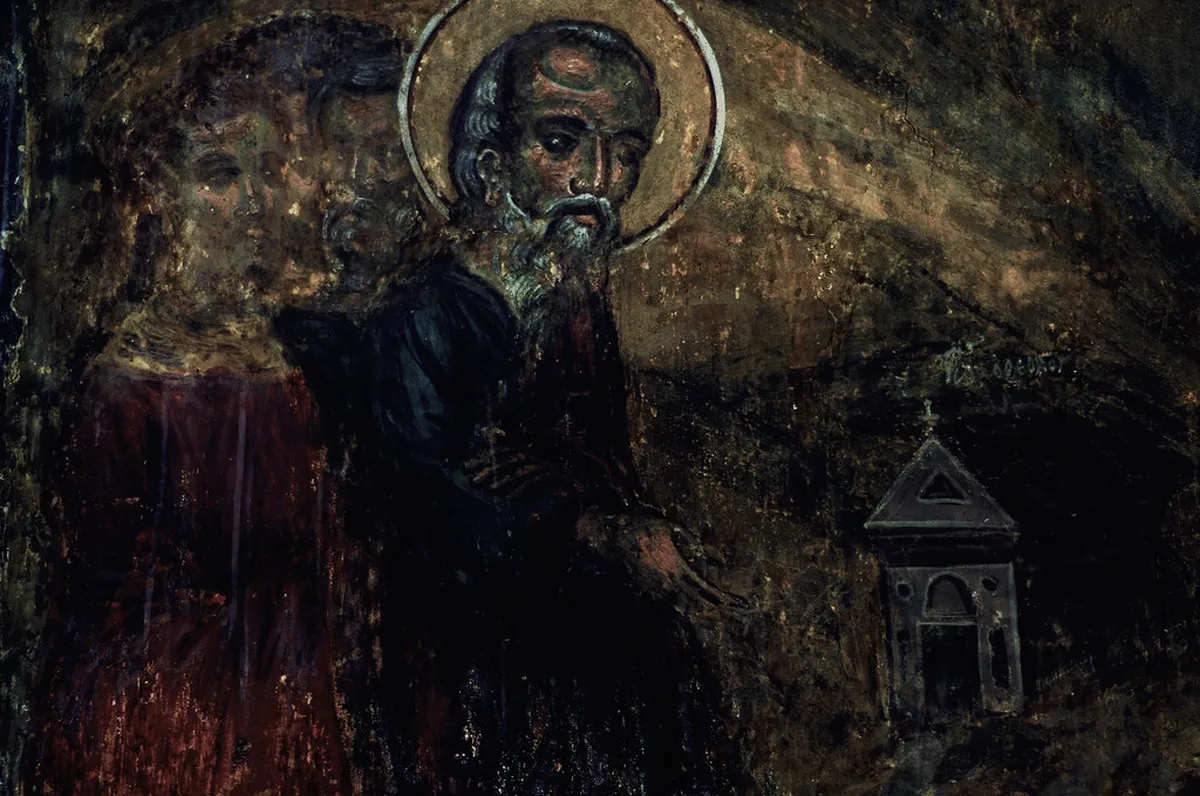
The Ancient City of Nessebar served as a vital trade hub where religious architecture reflected the wealth of local merchants. Wealthy families often commissioned private chapels, leading to the high concentration of churches found within the narrow peninsula walls. These structures are famous for their ceramic ornamentation, including green glazed rosettes that shimmer under the Bulgarian sun. Learning about these Nessebar Christian roots and community traditions adds significant depth to any walking tour.
Most of the standing ruins date from the 10th to the 14th centuries, representing the golden age of Bulgarian medieval culture. The transition from large basilicas to smaller, cross-domed churches reflects the changing liturgical needs and architectural trends of the Middle Ages. You should start your journey at the town gate to see how the religious sites integrate with the ancient fortifications.
10 Best Nessebar Churches to Visit
Exploring the our complete Nessebar guide usually begins with a self-guided walk through these historic landmarks. We have categorized these sites by their architectural significance and current state of preservation to help you plan your route. While some churches require a paid ticket, many of the most iconic ruins are free to view from the street.
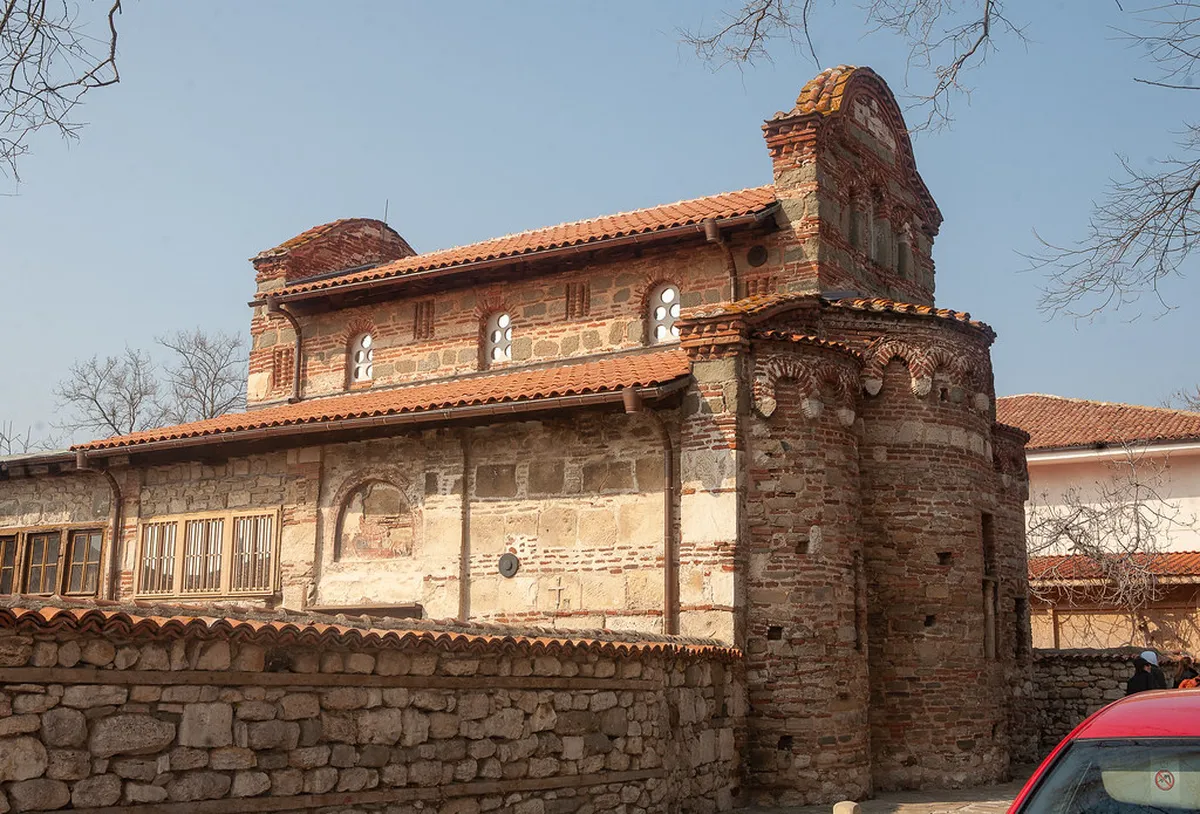
The following list includes the most important historical sites that define the skyline of the Old Town. Please note that active churches require modest dress, while the museum ruins are more relaxed regarding visitor attire. Most sites are within a ten-minute walk of each other, making it easy to see everything in a single morning.
- Church of Christ Pantocrator Visitor Guide
- This medieval masterpiece sits in central the town and showcases stunning ceramic ornamentation.
- The exterior walls feature swastika motifs that served as ancient solar symbols for the local community.
- Visitors usually pay about $3 to $5 to enter the art gallery currently housed inside the nave.
- It remains open daily from 9:00 am to 7:00 pm during the peak summer months.
- You should photograph the blind arches from the southern side to catch the best afternoon light.
- Church of Saint Sophia (Old Metropolis)
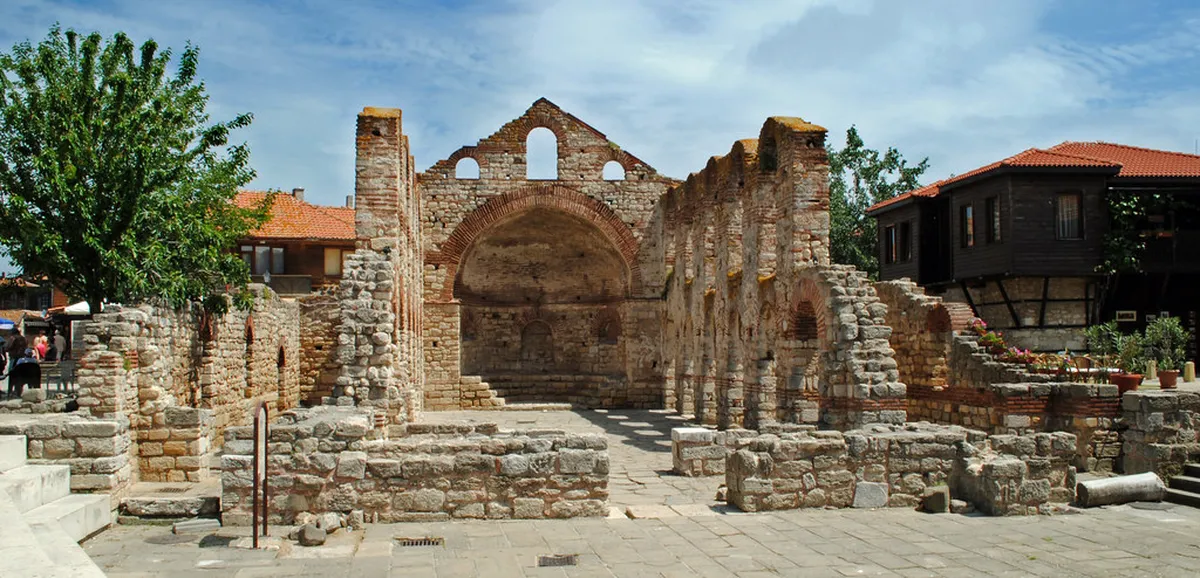
- Known as the Old Metropolis, these majestic ruins represent the largest Byzantine basilica in the entire region.
- The open-air structure allows you to walk through the ancient nave where the local bishop once presided.
- Admission is entirely free because the site is an open archaeological park within the city streets.
- The ruins are accessible 24 hours a day, though sunset provides a dramatic golden glow on the stone.
- Look for the Greek inscription on the wall that dates back to the late fifth century.
- Church of Saint Stephen (New Metropolis)
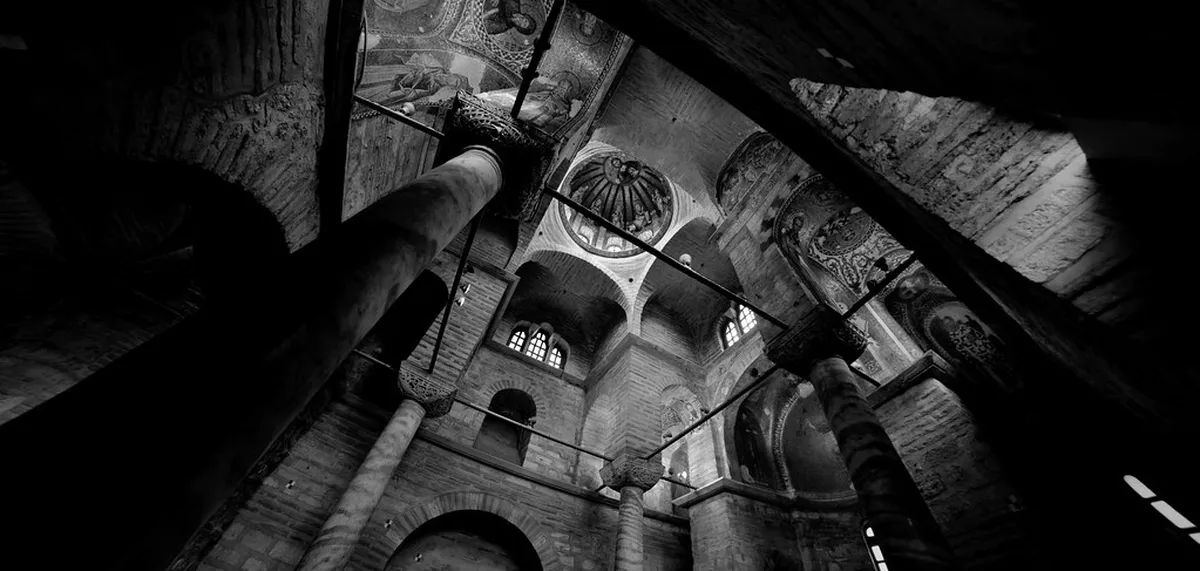
- This site is famous for having the best-preserved frescoes in Nessebar, covering almost every interior surface.
- It was originally dedicated to the Virgin Mary and later became the New Metropolis of the city.
- Entry costs approximately $4 to $6 per adult, and flash photography is strictly prohibited inside.
- The museum is open from 9:00 am to 6:00 pm, according to the Ancient Nessebar Official Site.
- Make sure to look up at the intricate 16th-century wood-carved iconostasis near the altar.
- Church of Saint John the Baptist
- This 10th-century structure marks the transition from the early basilica style to the cross-domed architectural form.
- The cylindrical dome and rough stone masonry give it a distinctively sturdy and ancient appearance.
- Typical entry fees are around $3, though the interior often hosts temporary art exhibitions.
- It is located near the central market area and opens daily from 10:00 am to 6:00 pm.
- The acoustics inside are remarkable, so listen for the natural echo while exploring the small nave.
- Church of the Holy Archangels Michael and Gabriel
- This 13th-century ruin is celebrated for its intricate exterior brickwork and rows of ceramic rosettes.
- The building reflects the height of the Second Bulgarian Empire's architectural achievements in Mesembria.
- Viewing the exterior is free, as the church currently lacks a roof and remains a protected ruin.
- It sits along the northern path of the town and is visible to pedestrians at all times.
- Notice how the alternating red and white patterns create a rhythmic visual effect on the facade.
- Church of Saint Paraskeva
- This small but perfectly proportioned church features a single nave and elaborate blind arches.
- The decorative plastic style used here is a hallmark of the 13th and 14th-century Nessebar school.
- Entry is usually included in the town's combined museum pass or costs about $3 individually.
- Standard operating hours are 10:00 am to 6:00 pm during the tourist season from May to October.
- Check the official schedule as this site sometimes closes for private conservation work.
- Church of the Holy Saviour (Sveti Spas)
- Built during the Ottoman period, this church was constructed partially underground to follow strict height restrictions.
- The interior contains valuable 17th-century frescoes depicting scenes from the life of Christ and the Virgin.
- A small admission fee of roughly $3 applies for those who want to see the wall paintings.
- It is located in the northern part of the town and opens daily from 10:30 am to 6:30 pm.
- The low ceiling creates an intimate atmosphere that contrasts sharply with the larger basilicas.
- Church of Saint John Aliturgetos
- This stunning ruin sits on a cliff overlooking the sea and was famously never consecrated.
- Legend says a worker died during construction, making the site 'unholy' according to local medieval tradition.
- The site is currently a protected ruin that you can view for free from the surrounding plaza.
- Its position near the southern harbor makes it a popular spot for panoramic photography.
- The white stone and red brick 'opus mixtum' work here is considered the finest in the city.
- Basilica of the Holy Mother Eleusa
- Located on the northern shore, this 6th-century basilica was partially submerged by the sea for centuries.
- Archaeologists excavated the ruins in the 20th century to reveal the massive scale of the original structure.
- The site is an open archaeological park with no entrance fee or restricted hours for visitors.
- It is a short walk from the Nessebar Beaches Guide on the northern side of the peninsula.
- Visit during low tide to see the full extent of the foundations stretching toward the water.
- Church of the Dormition of the Theotokos
- This is the only fully active church in the Old Town where locals still attend Sunday services.
- It houses a famous 'Black Madonna' icon that many believers consider to be miraculous.
- Admission is free, but visitors should remain quiet and avoid taking photos during active prayer.
- The church is open daily from 8:00 am to 8:00 pm for worship and candle lighting.
- This is the best place to experience the living religious traditions of modern-day Bulgaria.
How to Use the Nessebar Museum Pass
The most efficient way to see the paid sites is by purchasing a combined museum pass. You can find the ticket office at the Archaeological Museum located right at the entrance of the Old Town. These passes usually cover entry to Saint Stephen, Sveti Spas, and the museum itself for a discounted price.
Prices for the combined tickets range from $10 to $15 depending on the number of sites included. This is significantly cheaper than paying individual admission at each church throughout the day. The staff will provide a small map highlighting the locations of each museum church in the pass. Check the our seasonal weather guide to ensure you arrive when all sites are open.
Photography rules vary between the ruins and the museum-managed interiors like Saint Stephen's Church. Flash is strictly forbidden in Saint Stephen and Sveti Spas to protect the delicate medieval pigments. Most outdoor ruins allow unlimited photography without any special permits or extra fees. Always look for the signage at the entrance of each building to avoid a reprimand from the guards.
What to Skip in the Old Town
While every ruin has historical value, some sites are less visually impressive for the casual traveler. I recommend skipping the Church of Saint Clement if you are short on time during your visit. Only the foundation stones remain, and it lacks the architectural drama found at Saint Sophia or Pantocrator.
The souvenir shops located directly inside the foyers of some churches can also be quite distracting. Many of these stalls sell generic items that you can find for lower prices in the mainland markets. Focus your energy on the actual architecture and frescoes rather than the commercial displays near the exits.
Avoid visiting the most popular ruins between 11:00 am and 2:00 pm when cruise ship crowds peak. The narrow interiors of Sveti Spas become uncomfortably cramped when large tour groups arrive simultaneously. Planning your our suggested itinerary for the early morning or late afternoon will provide a much better experience.
Continue planning: Use 12 Best Things to Do in Nessebar and 3-Day Nessebar Itinerary for First-Time Visitors to connect this guide with the rest of your Bulgaria itinerary.
Frequently Asked Questions
Is there a combined ticket for Nessebar's churches?
Yes, you can purchase a combined pass at the Archaeological Museum near the town entrance. This ticket typically covers the museum and several key churches like Saint Stephen and Sveti Spas. It offers a significant discount compared to buying individual entry tickets at each site.
Which church in Nessebar has the best-preserved frescoes?
The Church of Saint Stephen, also known as the New Metropolis, contains the most impressive frescoes. Over 1,000 figures are depicted in scenes dating back to the 16th century. It is widely considered the most important interior to visit in the Old Town.
What should I wear when visiting churches in Nessebar?
Modest dress is required for the active Church of the Dormition of the Theotokos. Ensure your shoulders and knees are covered before entering this place of worship. The museum ruins are more casual, but respectful attire is always appreciated in these historic religious sites.
Nessebar is a rare jewel where centuries of religious history are etched into every brick and stone. Whether you are a fan of Byzantine art or simply enjoy walking through ancient ruins, these churches offer a unique glimpse into the past. The combination of seaside views and medieval architecture makes this peninsula one of the most beautiful spots in Bulgaria.
I hope this guide helps you navigate the narrow streets and discover the most meaningful sites in the Old Town. Remember to take your time and look for the small details, like the ceramic rosettes and ancient inscriptions. Enjoy your journey through the 'City of 40 Churches' and the incredible heritage of this UNESCO-protected landmark.