Where to Eat in Balchik: Seafood, Mehanas & Local Flavours (2026)
Balchik sits on a chalk-white limestone bluff above the northern Black Sea, and its dining scene reflects that geography directly — fresh-caught fish, rope-farmed mussels, and the distinctly Bulgarian mollusc called rapana appear on almost every menu along the seafront promenade. The town is considerably quieter than Albena or Golden Sands to the south, which keeps prices more honest and gives local mehanas a fighting chance against resort-style operations.
In 2026 the town's restaurant strip runs from the small harbour and marina complex westward along the promenade, with a second cluster of traditional taverns rising into the terraced streets above the port. Whether you want a long lunch with your feet practically in the Aegean-blue water or a candlelit mehana dinner with a carafe of northern Bulgarian Chardonnay, Balchik's compact layout means everything is within walking distance. This guide covers the dining zones, the dishes you should order, price expectations, and the practical details that make a difference in season.
The Waterfront and Marina Dining Scene
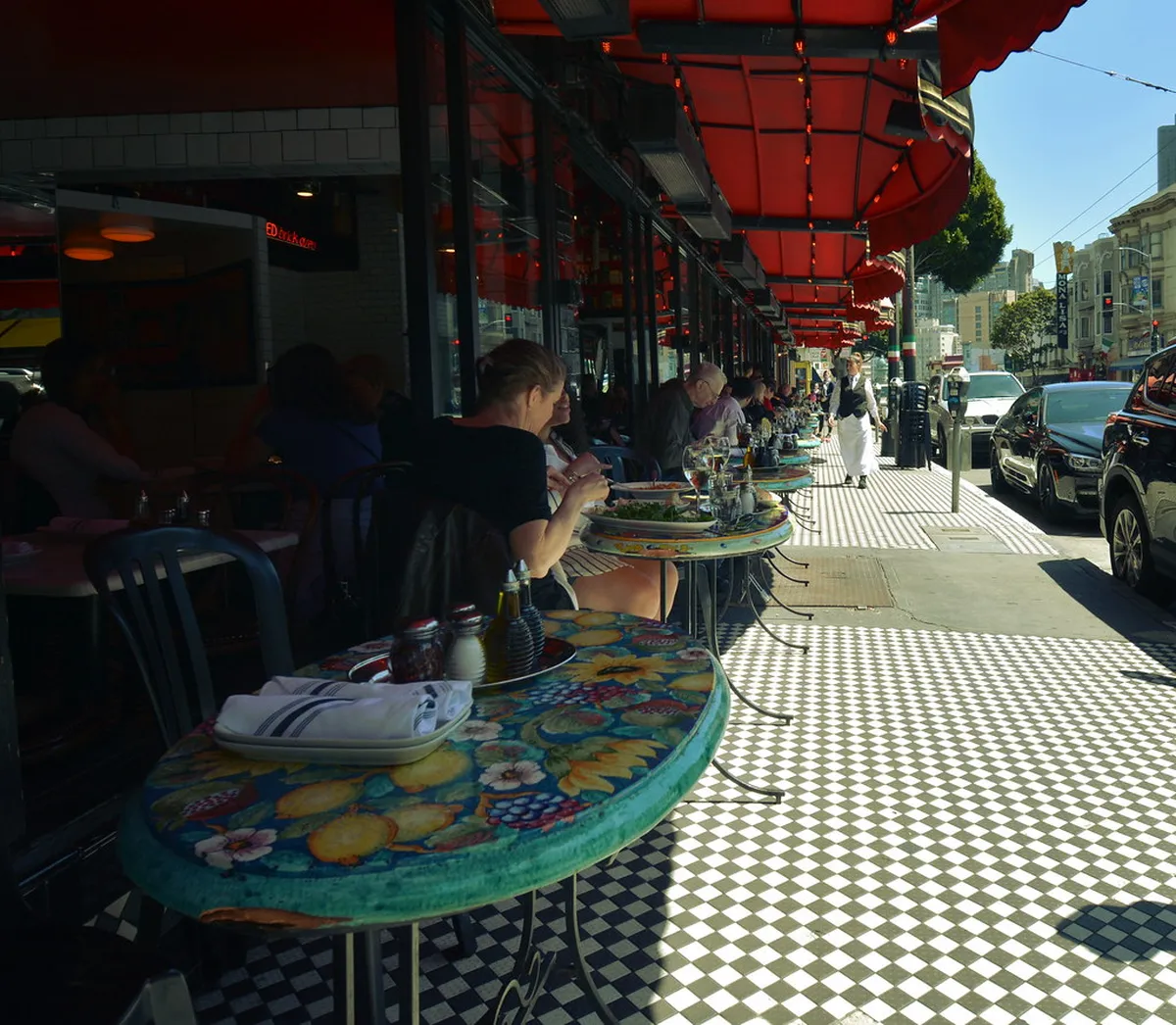
The most concentrated stretch of restaurants in Balchik follows the coastal promenade from the old harbour south toward the Marina City complex. This strip is pedestrian-friendly, shaded by plane trees in places, and lined with open terraces that face the water directly. At peak summer the tables fill by 7 PM, so arriving early — or booking ahead — is worth the effort if you want a front-row seat to the evening light on the bay.
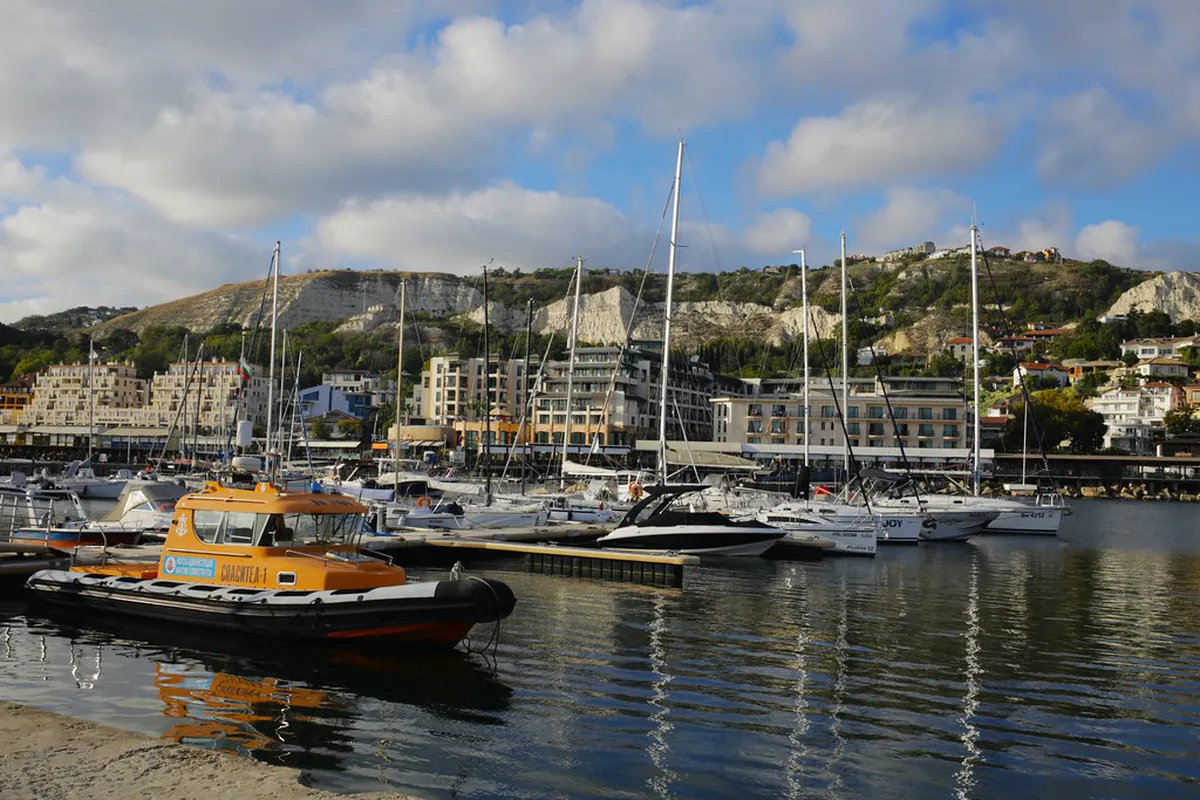
The marina itself, developed over the past decade into a modern mooring facility, has drawn a newer generation of restaurants and bar-cafes catering to yacht crews and day visitors. Expect a slightly more polished presentation here, with printed menus in multiple languages and a broader wine list, though the core offering remains seafood-centric. A handful of establishments sit right on the quayside, where fishing boats and leisure craft tie up alongside each other — an atmosphere that keeps the setting from feeling purely tourist-oriented.
Restaurant Korona, located within the Dvoretsa (Palace) complex just west of the centre, has served the seafront for many years and is one of the longer-standing names on the Balchik dining map. Its position — on the beach within the botanical garden grounds — makes it a genuine destination rather than a passing choice. Selena, on the seafront promenade near the small harbour, is similarly well-regarded for its position directly above the waterline and its reliably fresh fish. Neither venue reinvents the wheel; both deliver what Balchik visitors come for: good-quality Black Sea produce cooked simply and served with a view.
Seafood and Local Dishes to Order
The northern Black Sea coast has its own seafood identity, shaped by the species that thrive in the brackish, relatively cool waters here. Understanding what to order — and why it matters — will sharpen your meals considerably.
Rapana (rapan in Bulgarian) is the dish most associated with this coastline. The veined rapa whelk is a large sea snail, technically an invasive species that arrived from the Pacific in the mid-twentieth century, but one the Bulgarian kitchen has thoroughly adopted. It is typically served pan-fried with onion, garlic, and lemon, or as a cold salad dressed with olive oil. The texture is firm and briny; ordering it grilled is the best introduction if you are trying it for the first time. According to Kashkaval Tourist's guide to Bulgarian fish dishes, rapana has become one of the most recognisable coastal dishes in the country.
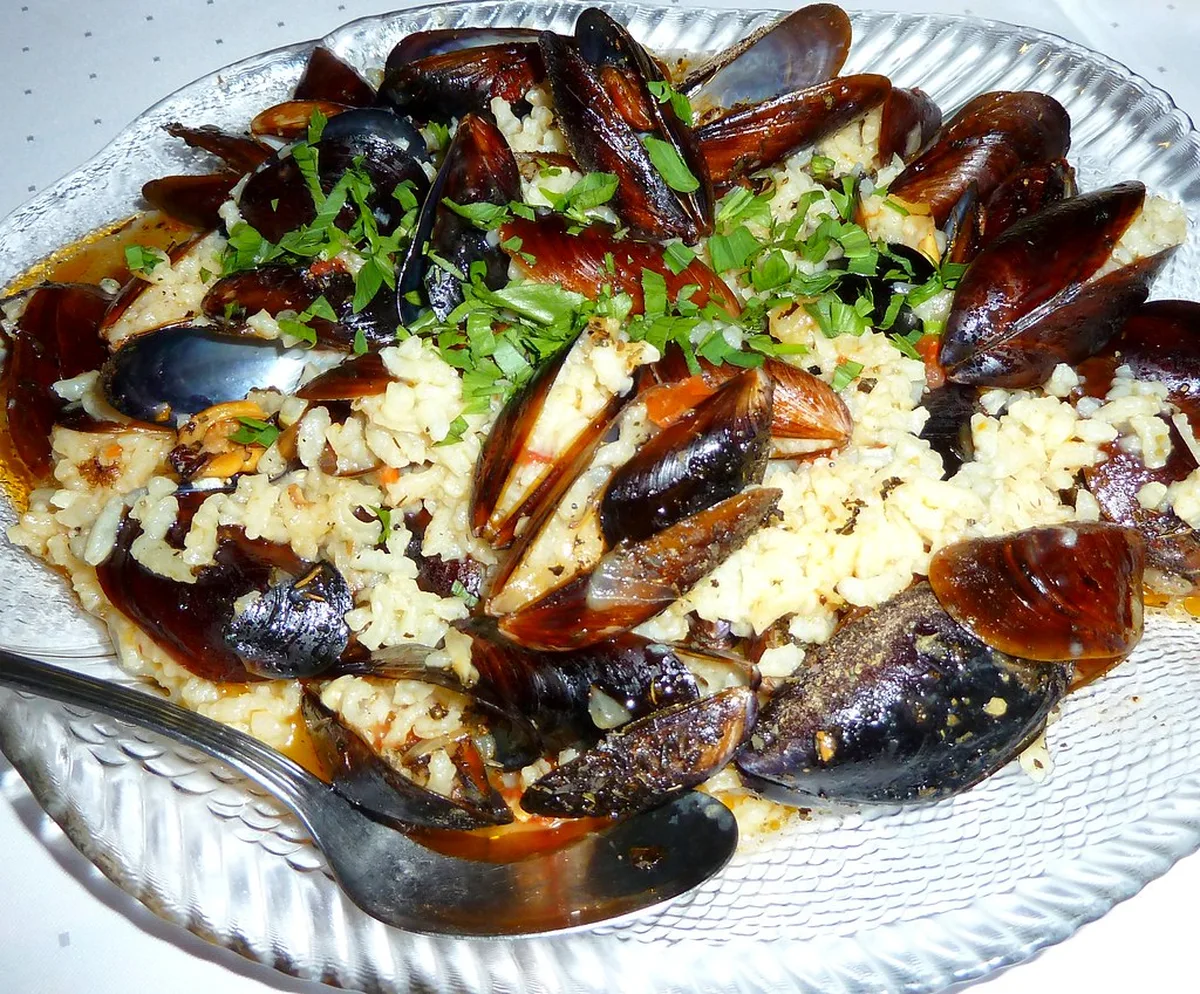
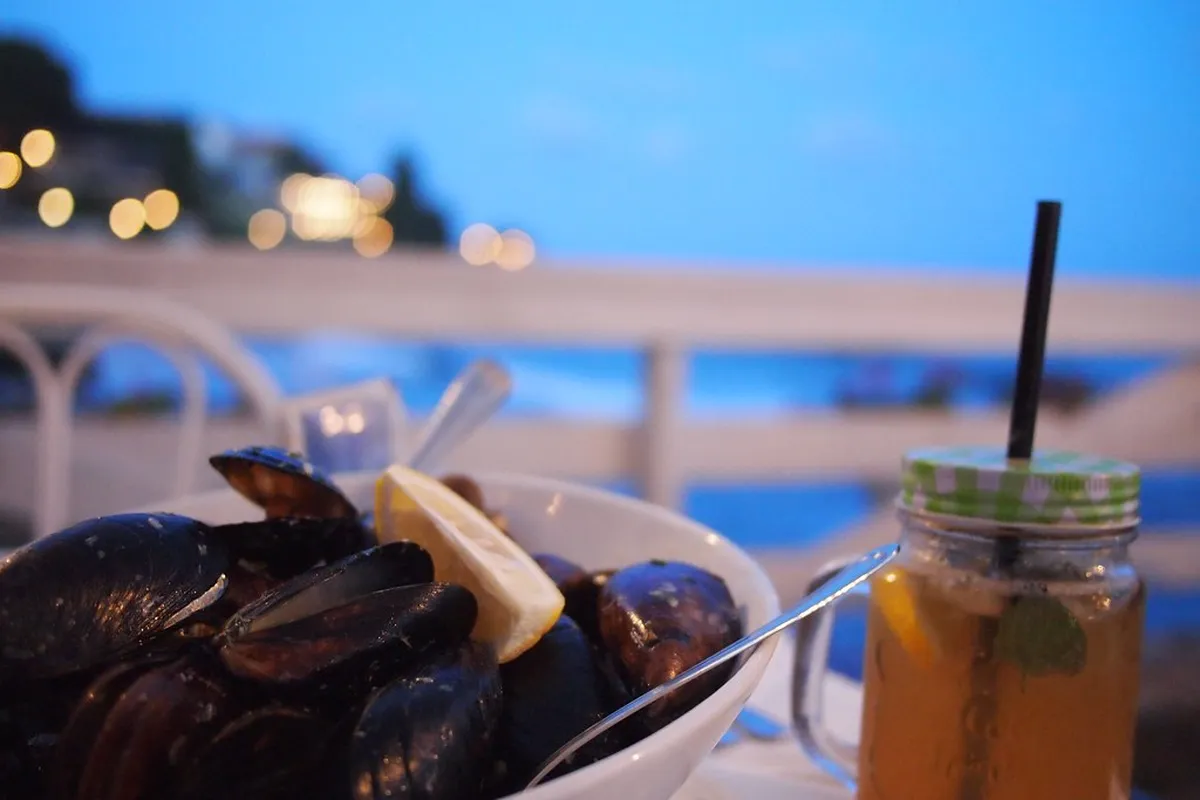
Mussels (midi) are farmed on longlines in ecologically clean bays along the northern coast, and Balchik restaurants receive them very fresh. The most common preparation is steamed with white wine, garlic, and parsley, though you will also find them grilled on the half-shell with a breadcrumb topping or stirred into a rice dish in the style of midi po burgaski — a mussel-and-rice dish common across the Black Sea coast. A portion of mussels for two sits at the lower-mid range of the price scale and represents good value relative to the portion size.
Tsatsa is the Bulgarian term for deep-fried sprats: small fish dredged in flour, fried until crisp, and served with chips and lemon. It is the closest thing the Bulgarian coast has to a national fish-and-chips tradition, and it is inexpensive, filling, and best eaten at an outdoor table with a cold Zagorka or Kamenitza beer.
Among larger fish, look for karanfilka (sea bass), cherni kefal (grey mullet), and skumriya (mackerel), all of which are caught locally. Grilling is the dominant preparation — the kitchens here do not over-complicate fresh fish, which is exactly right. Occasionally you will find kalkan (turbot), the most prized Black Sea flatfish; it commands a higher price and is worth it when available. Balchik's port history as a trading town means the fishing tradition here predates the tourism industry by centuries.
Traditional Mehanas and Bulgarian Classics
A mehana is the Bulgarian version of a tavern — typically a family-run establishment with rustic wooden furniture, embroidered tablecloths, rakia on the counter, and a menu built around slow-cooked Bulgarian dishes rather than imported trends. Balchik has a handful of genuine mehanas in the streets that climb from the promenade into the old residential quarter above the port. These are not tourist-fabricated experiences; they are working neighbourhood restaurants that happen to be happy to seat visitors.
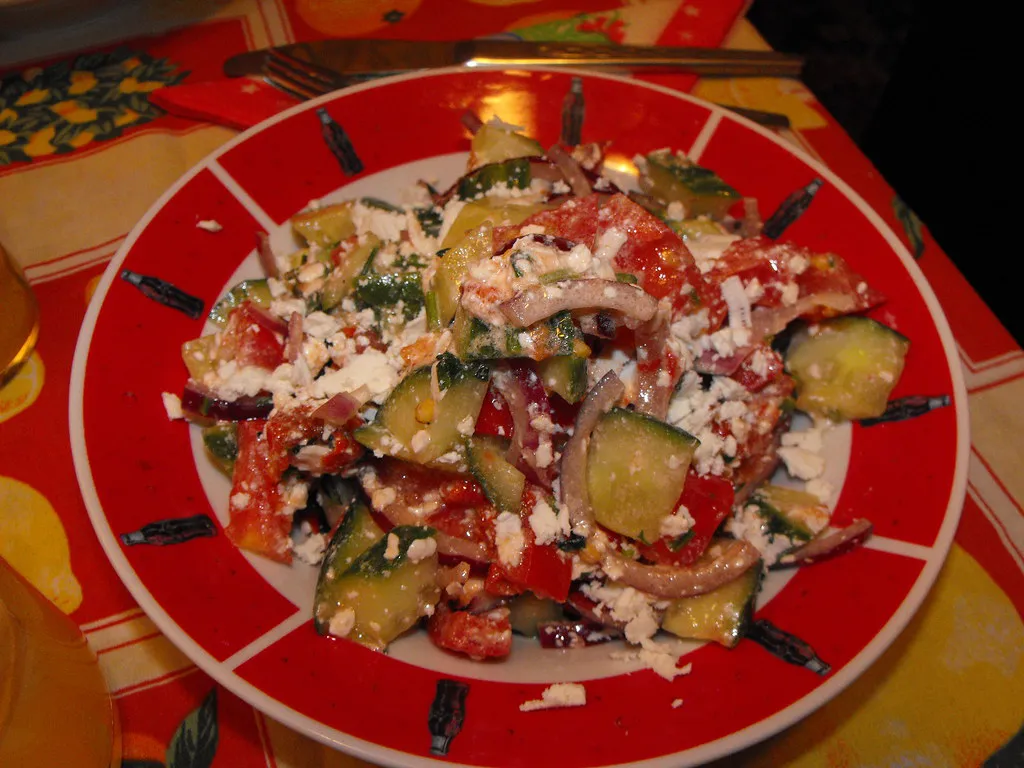
The dishes to look for in a mehana context are different from the seafood strip. Kavarma — a slow-cooked clay-pot stew of pork or chicken with peppers, onions, and mushrooms — is a standard across the region and particularly warming on the cooler northern coast evenings of June and September. Kebapche (spiced minced-meat sausages) and kyufte (flattened grilled patties) are grilled-to-order and served with bread, a dipping salad, and a sharp lyutenitsa relish. Shopska salata — tomatoes, cucumbers, roasted pepper, and grated white brine cheese — is non-negotiable as a starter; the cheese in the north of the country tends to be saltier and more crumbly than the Rodopi variety, which suits the salad format well.
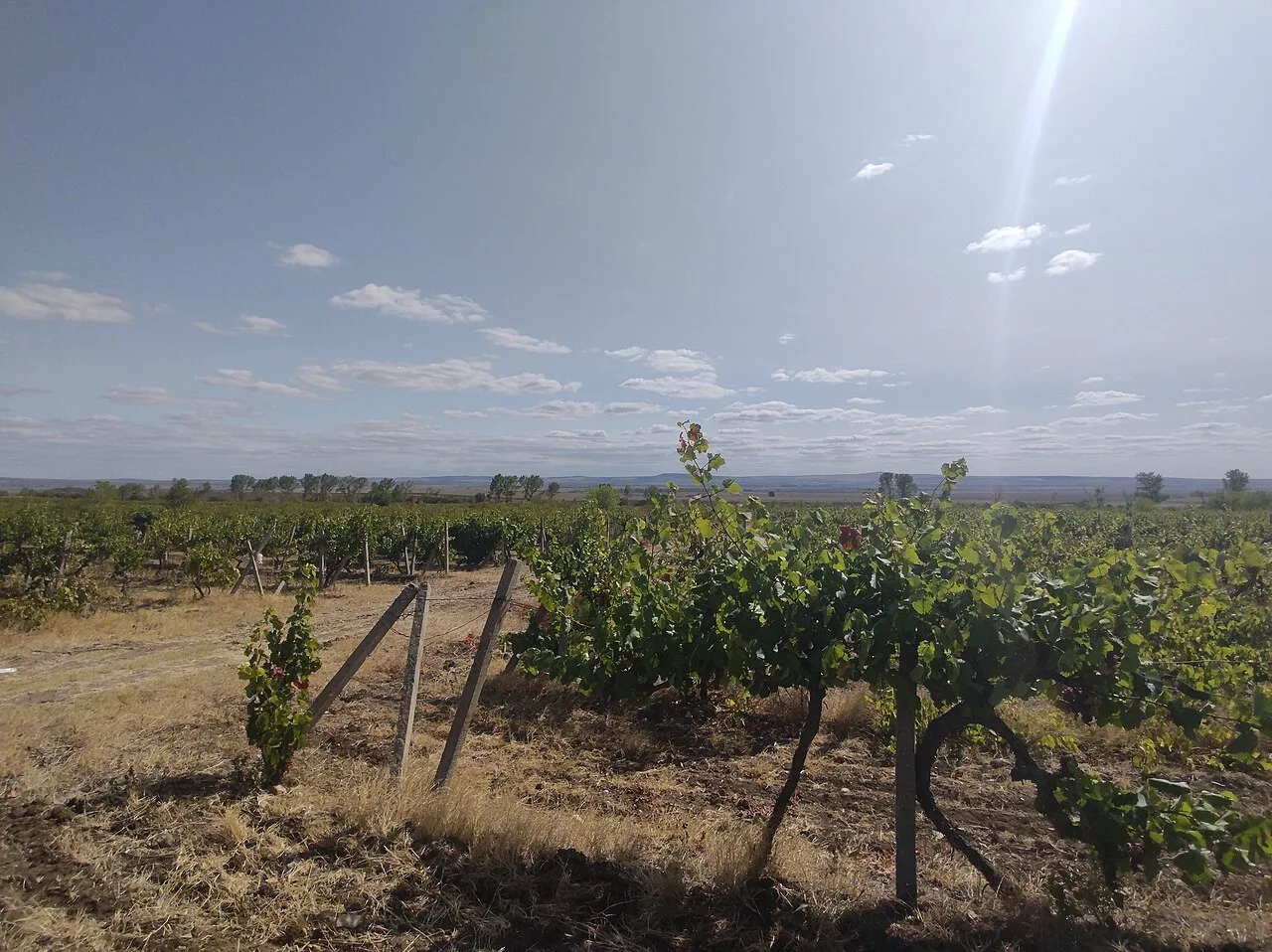
Rakia, distilled from grape or plum, is the traditional aperitif at any mehana. Northern Bulgaria is wine country — the Danube Plain and the Black Sea wine zone both lie within reach, and local restaurants pour wines from producers like Chateau Burgozone, Vini Sliven, and smaller estate wineries. Ask the waiter what they pour from the region rather than reaching for the menu default; prices for a carafe of house white are typically in the 12–20 BGN range and the quality is consistently drinkable.
For the full picture of what to pair your mehana evening with in terms of Balchik's broader cultural scene, the Wikivoyage Balchik entry provides a compact orientation to the town's main neighbourhoods and evening character.
Budget Eats, Cafes, and Street Food
Balchik is not an expensive town to eat in outside the peak waterfront tables, and budget-conscious visitors will find solid options without straying far from the centre. The key is moving one street back from the promenade, where prices drop noticeably and portions get larger.
Banitsa — the flaky pastry filled with white cheese or spinach — is the Bulgarian breakfast staple and costs around 2–3 BGN at a local fırın (bakery). Combined with a yoghurt or a sweetened tea it makes a filling start to a day that might involve the Balchik Palace and Botanical Garden: Complete 2026 Visitor Guide or a morning at the town beaches. Several small bakeries operate near the covered market area just above the port.
Pizza and pasta cafes — including Mikado, which sits near the harbour with views of the marina activity — serve reliable mid-week lunches in the 12–20 BGN range. These function as the town's casual dining layer: not destination meals, but comfortable, fast, and unpretentious. The terrace seating at harbour-side cafes is particularly pleasant for a long coffee after exploring the promenade.
The obedeno menyu (lunch set menu) is one of Bulgaria's most practical dining traditions. Many restaurants, including some that feel mid-range in the evening, offer a two-course lunch with a drink for 12–18 BGN between noon and 3 PM. This is the best value window in the day if you are watching your spending. Ask specifically — menus are not always displayed in English, and staff will usually recite the day's options.
For self-catering or snacks, the small indoor market near the centre sells local vegetables, olives, dried fish, and seasonal fruit at prices that reflect the inland agricultural hinterland rather than resort-town margins. A bag of local tomatoes or a handful of dried rapana make good picnic components for a day spent at the botanical garden or along the coastal cliffs.
Dining with a View: Where the Setting Earns Its Price
Balchik's topography creates a natural hierarchy of views. The town rises steeply from the water, so restaurants at different elevations offer fundamentally different perspectives: ground-level tables sit at the water's edge and face the open sea; mid-level terraces look down over the harbour activity; rooftop or hillside positions give a panoramic sweep of the bay, the chalk bluffs, and on clear days the distant silhouette of the Romanian coast.
The waterfront restaurants — Selena, Korona, and the marina-adjacent terraces — deliver the immediate sea-level experience. Tables are close to the water, the sounds of the port are present, and the atmosphere is social and busy in summer. These are the right choice for a lively group dinner or a romantic evening where activity matters as much as silence.
Restaurants at the Lighthouse Golf and Spa complex, a short drive west of the centre on the clifftop, offer a more elevated perspective over the bay. The Le Passage restaurant at the property is among the more refined dining options in the Balchik area, combining sea views with a European-leaning menu and a longer wine list. This is the appropriate choice for a special-occasion dinner where price is less of a constraint — expect to spend 60–100 BGN per person for a full meal with wine.
For the best sunset-facing position in the central town, the upper terraces of any restaurant on the hillside streets west of the harbour will do well. The chalk cliffs behind Balchik glow a warm amber in the last hour before dark, and that combination — warm stone behind, silver water ahead — is the town's signature evening aesthetic. Bring a light layer; the breeze off the sea picks up considerably after 8 PM even in July.
Planning your day around food and sights together is made easier by reading the full things to do in Balchik guide, which covers the Botanical Garden, beach options, and the town's historical quarter alongside the dining zones.
Practical Tips for Eating in Balchik
When to go: Peak dining season runs from mid-June to mid-September. Outside this window, particularly in May and October, several waterfront venues reduce their hours or close. The town itself remains open year-round, and mehanas tend to operate throughout the year serving local trade. If you are visiting outside summer, confirm opening hours before making a long trip to a specific restaurant.
Payment: Most restaurants on the promenade and in the marina zone accept credit and debit cards, including Visa and Mastercard. Smaller mehanas and bakeries in the upper town may be cash-only. The Bulgarian lev (BGN) is the currency; as of 2026 Bulgaria is finalising its euro adoption process, but lev remains in universal circulation. ATMs are available near the port and on the main street.
Language: Menus in seafront restaurants are routinely printed in Bulgarian, English, Russian, and German. In the upper-town mehanas you may encounter Bulgarian-only menus, but most staff can describe the day's dishes verbally in basic English. A translation app is a reliable backup.
Tipping: Tipping is customary in Bulgaria but not mandatory. Rounding up the bill or leaving 10% for satisfactory service is the local norm. Leaving coins on the table is acceptable; handing the tip directly to the server is more appreciated.
Dietary requirements: The Bulgarian kitchen is traditionally meat and dairy-heavy. Vegetarians will find solid options — shopska salad, bean soup (bob chorba), stuffed peppers with rice — at most mehanas. Vegan choices are more limited outside larger resort hotels. Seafood-only diners are well served everywhere on the promenade. Allergy awareness varies considerably; if you have a serious allergy, communicate it clearly and ask the kitchen directly rather than relying on menu markings.
If you are planning to stay overnight and need advice on where to base yourself, the where to stay in Balchik guide covers hotels close to the dining zones so you can walk to dinner without needing transport.
Continue planning: Use Things to Do in Balchik, Bulgaria: 2026 Travel Guide and Balchik Beaches: Town Sands, Tuzlata Mud & Nearby Resorts 2026 to connect this guide with the rest of your Bulgaria itinerary.
Frequently Asked Questions
What is the best seafood to order in Balchik?
Rapana (rapa whelk), mussels, and grilled sea bass are the standout choices on the northern Black Sea coast. Rapana is unique to this coastline and worth trying at least once — ask for it pan-fried with garlic and lemon for the best introduction. Tsatsa (deep-fried sprats) is the budget-friendly local classic. If available, kalkan (Black Sea turbot) is the premium option.
How expensive are restaurants in Balchik compared to Sofia or Varna?
Balchik is broadly comparable to Varna in price but cheaper than upmarket resort complexes like Albena. A full dinner with wine and seafood on the promenade typically costs 50–90 BGN per person. Budget meals at bakeries or local lunch spots can be had for 10–18 BGN. Sofia's equivalent restaurants are generally similar in price but lack the seafood freshness.
Are there vegetarian options in Balchik restaurants?
Yes, though the menu is predominantly meat and fish. Shopska salata, grilled vegetables, moussaka (check for meat-free versions), bob chorba (bean soup), and stuffed peppers with rice are widely available. Traditional mehanas usually have more vegetable-based dishes than the seafront tourist-oriented spots. Fully vegan menus are rare outside resort hotels.
Do I need to book a table in advance in Balchik?
In July and August, reservations are strongly recommended for any waterfront restaurant with sea-view terraces — especially for dinner after 7 PM. In June, September, and shoulder season, walk-ins are usually fine. For the Lighthouse Golf resort restaurant, bookings are advisable year-round given the limited covers and its popularity for special occasions.
Where do locals eat in Balchik rather than tourists?
The mehanas and casual grill restaurants in the streets above the harbour promenade see the most local trade, particularly at lunchtime and on weekday evenings. The obedeno menyu (lunch set) spots near the covered market are also strongly local-skewing. Prices at these venues are meaningfully lower than the waterfront restaurants, and the portions are typically larger.
Balchik's dining scene is one of the quieter, more authentic eating environments on the Bulgarian Black Sea coast — smaller than Nessebar, less resort-saturated than Sunny Beach, and directly tied to the fishing economy of the northern shore. Rapana, mussels, grilled fish, and a carafe of local white wine on a promenade terrace as the sun drops toward Romania is the experience this town delivers best. The mehanas in the upper streets add a traditional Bulgarian counterpoint for evenings when the sea breeze turns sharp. Budget well, eat local, and leave time for a long meal — Balchik rewards exactly that pace.