Pamporovo Restaurants
Ask anyone who has spent a week in Pamporovo what they remember most, and skiing is only half the answer. The other half is almost always food — a plate of patatnik pulled hot off a clay dish, a shot of rakia offered before you've even sat down, a mehana with a fire crackling and someone's uncle playing the gaida in the corner. Pamporovo doesn't have a flashy restaurant scene like the coastal resorts, and that's exactly the point. What it has is real Rhodope cooking, largely unchanged for generations, served in the same villages where the ingredients are grown. If you've already sorted your Things to Do in Pamporovo, Bulgaria, this guide covers the part that ties the whole trip together: where and what to eat.
I grew up eating this food at family tables in the Rhodopes, and I still think it's one of the most underrated cuisines in Europe — hearty, unpretentious, built around potatoes, beans, dairy, and slow-cooked meat rather than anything fussy. Below you'll find the mehana tradition explained, the dishes worth ordering by name (even if the restaurant itself has none you should trust), where to eat on the mountain versus down in town, and how to handle meals if you're staying somewhere with a kitchen. Pair this with our Pamporovo Ski Resort for the rest of your trip planning.
Eating in Pamporovo at a Glance
Bulgaria adopted the euro on 1 January 2026, and Pamporovo's restaurants are still in the transition window where menus commonly show both currencies — euro as the primary price, Bulgarian lev (BGN) alongside at the fixed rate of roughly €1 = 1.96 BGN. In practice, that means a hearty mehana main will run you about €7–11 (roughly 14–22 BGN), a shared starter like banitsa or a cheese plate around €3–5 (6–10 BGN), and a full sit-down dinner with rakia and wine for two landing somewhere between €25 and €40. On-mountain lunch spots and hotel restaurants sit a notch higher because of the captive-audience pricing you'd expect at any ski resort, while a trip down to Smolyan can cut your bill by a third or more for essentially the same dishes. None of this is expensive by Western European standards — it's one of the quieter reasons Pamporovo remains such good value for a winter or summer trip.
The Mehana Experience: Rhodope Tradition at the Table
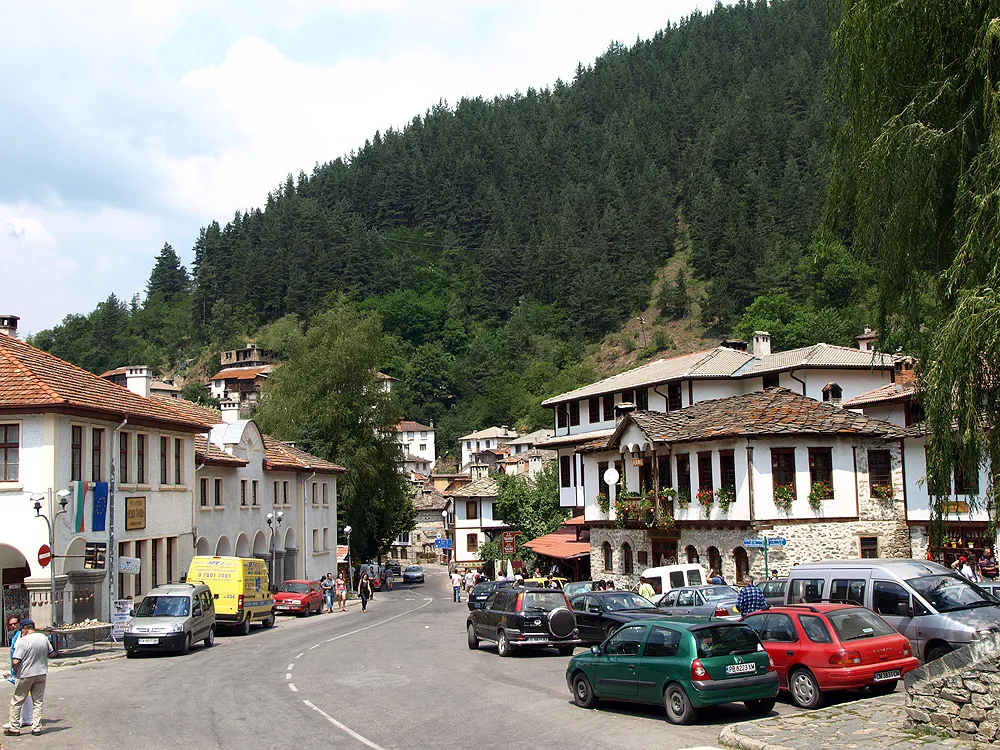
A mehana is a traditional Bulgarian tavern, and in the Rhodopes it's less a restaurant category than a whole way of eating. Expect low wooden beams, a stone or wood-burning fireplace, handwoven rugs on the walls, and clay dishes that arrive still bubbling from the oven. Many mehanas in and around Pamporovo lean into the folk tradition properly — live music with a gaida (bagpipe), kaval (wooden flute), and tambura most weekend evenings, occasional folk dancing that pulls guests up from their tables whether they're ready or not, and a general unhurried pace that assumes you're staying for hours, not popping in for a quick bite.
The ritual usually starts before the menu does: a small glass of rakia appears, often on the house, as a welcome rather than an order. It's meant to be sipped slowly alongside a shopska salad or a plate of cured meats and cheese while the kitchen works on your main. Service is warm but rarely fast — this is food cooked to order in wood-fired ovens and cast-iron pans, not reheated from a steam tray, so budget a proper two hours for a full mehana dinner. Reservations are worth making during the February half-term week and around New Year, when the resort fills up and the best-known mehanas near the ski centers book out early in the evening.
Because Pamporovo is compact, most mehanas sit within walking distance of the main hotels, which matters after a glass or two of rakia. If you're deciding where to base yourself for easy access to this scene, our guide to where to stay in Pamporovo notes which areas put you closest to the tavern cluster near the Tourist Center.
Don't expect polished, minimalist decor — the appeal here runs the other way. Sheepskin-covered chairs, copper cookware hung on the walls, and photographs of the surrounding peaks are typical touches, and the overall feel is closer to eating in someone's mountain home than in a commercial dining room. Staff tend to be warm and a little informal, quick to recommend a dish rather than simply reciting the menu, and genuinely pleased when visitors ask questions about what they're eating. That hospitality is as much a part of the Rhodope dining tradition as the food itself, and it's worth leaning into rather than rushing through.
Must-Try Rhodope Dishes
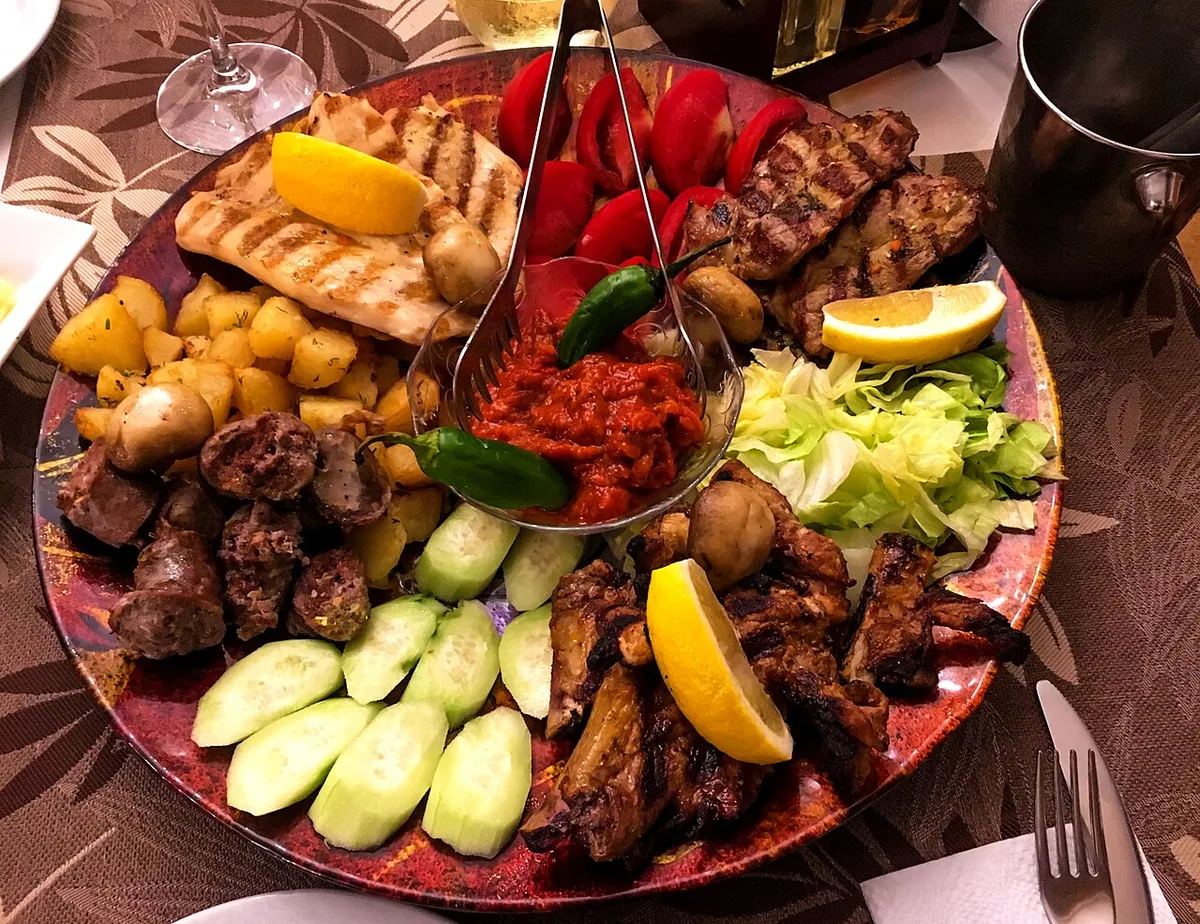
This is the region's real strength, and the dishes below are worth learning by name so you can order them with confidence rather than pointing blindly at a menu. None of these require a specific restaurant — they're standard mehana fare across the Rhodopes, and any kitchen worth its salt will make a decent version.
- Patatnik — the signature Rhodope dish: grated potato mixed with onion, mint, and sometimes bacon or cheese, pan-fried or baked into a thick golden cake until the outside is crisp and the inside stays soft. It's simple, filling, and the one dish every visitor should order at least once.
- Smilyanski bob (Smilyan beans) — white beans grown in and around the village of Smilyan, near Smolyan, and famous across Bulgaria for their thin skin and creamy texture. Slow-cooked with paprika, onion, and herbs in a clay pot, usually finished in the oven so the top forms a light crust.
- Cheverme — whole lamb (sometimes pork) spit-roasted slowly over open coals until the meat falls off the bone. It's more of a special-occasion or weekend dish than a nightly menu item, so ask ahead if it's something you specifically want to time your visit around.
- Katmi — thin, layered pancakes served with honey, jam, or a dusting of sugar, often as a breakfast or dessert item. A good sweet counterpoint to an otherwise savory, potato-and-meat-heavy meal.
- Rodopsko cheese and local yoghurt — the Rhodopes produce some of Bulgaria's best sirene (white brined cheese) and kashkaval (yellow cheese), plus thick, tangy yoghurt that's noticeably richer than the supermarket versions. Order a cheese plate as a starter or ask for yoghurt on the side of anything spicy.
- Klin — a rustic layered pastry, somewhere between banitsa and a savory pie, typically filled with cheese and sometimes pumpkin or leeks depending on the season and the kitchen.
- Banitsa — the everyday Bulgarian pastry of filo layers with whisked eggs and sirene cheese, baked until golden. You'll find it at breakfast buffets, bakeries, and mehana starter menus alike — it travels well if you want something to eat on the chairlift.
- Sach — meat, vegetables, and sometimes cheese cooked and served together in a sizzling clay or cast-iron dish, brought to the table still cooking. A good sharing option if your group can't agree on one main dish.
Order two or three of these across a meal rather than committing to one — a patatnik plus a shared sach or a bowl of smilyanski bob gives you a proper sense of the region's cooking without overordering.
On-Mountain and Resort Hotel Dining
Most of the larger hotels around the ski centers run their own restaurants, ranging from straightforward buffet setups included in half-board packages to more polished à la carte rooms aimed at evening diners. Buffet dinners are convenient after a full day on the slopes — no reservation needed, no walking required in ski boots — but they tend to be the least distinctly Rhodopean option on this list, leaning toward generic international comfort food to please a broad mix of guests. If your hotel does offer a Bulgarian or regional night on its buffet rotation, it's worth planning your evening around it.
Hotel restaurants with proper à la carte menus are a better bet if you want a nicer evening without leaving your accommodation — several serve genuine Rhodope dishes alongside more international options, and the setting is usually warm and comfortable after a cold day outdoors. These tend to sit at the higher end of the price range noted above, closer to €10–15 for a main, reflecting the convenience and the captive audience during peak weeks.
If you're still deciding where to stay and want to weigh proximity to the mehana cluster against a hotel with its own strong restaurant, our where to stay in Pamporovo guide breaks down which properties are known for their in-house dining versus which ones simply put you closest to the independent tavern scene.
Grabbing Lunch on the Slopes
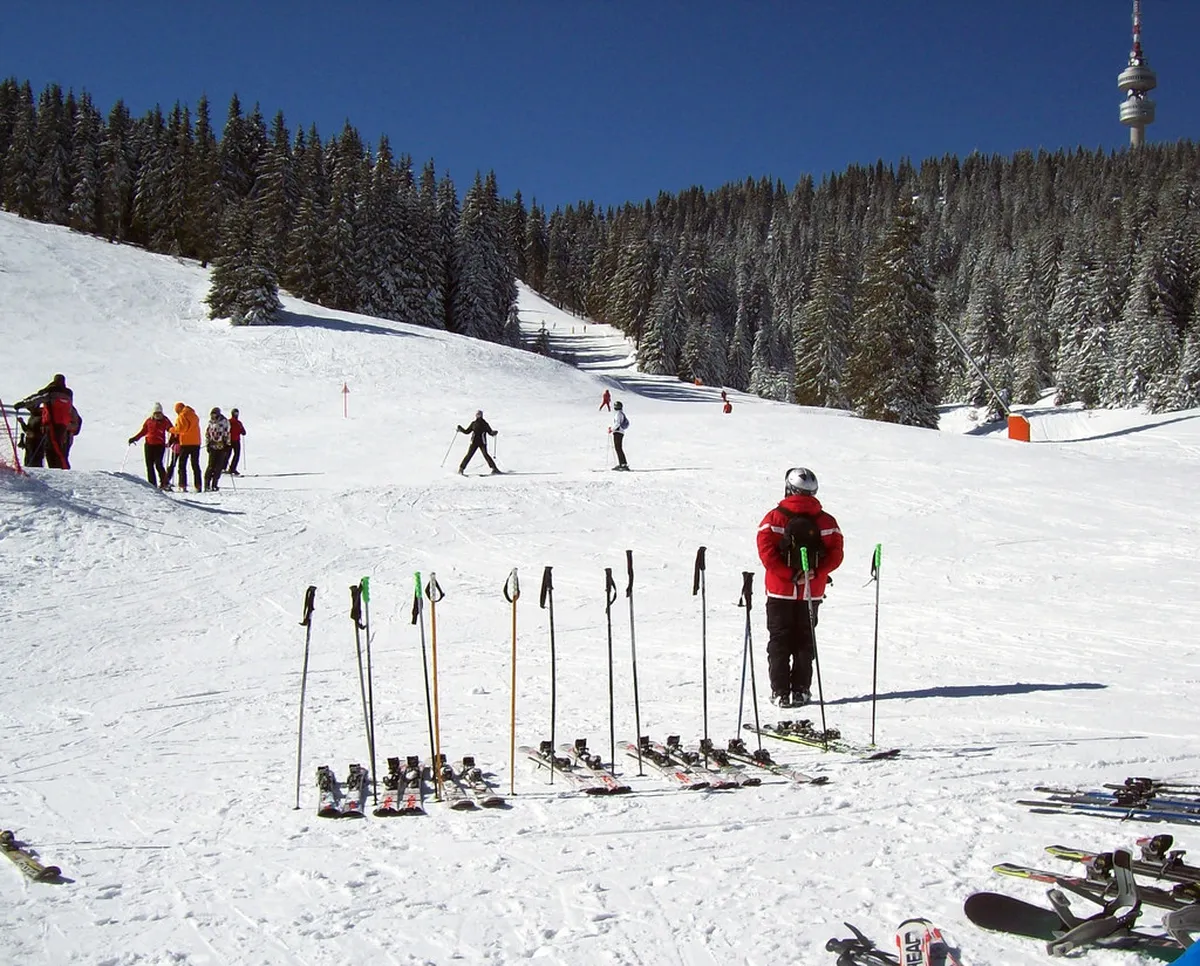
Every ski center at Pamporovo has at least one restaurant or snack bar within easy reach of the lifts, so you're rarely more than a short ski or walk from a hot meal in ski boots. These on-mountain spots are built for speed and volume — grilled sausages, toasted sandwiches, hot soup, French fries, and mulled wine are the staples, priced a little higher than you'd pay in town because you're paying for convenience and the view. A quick lunch here typically runs €5–9 per person.
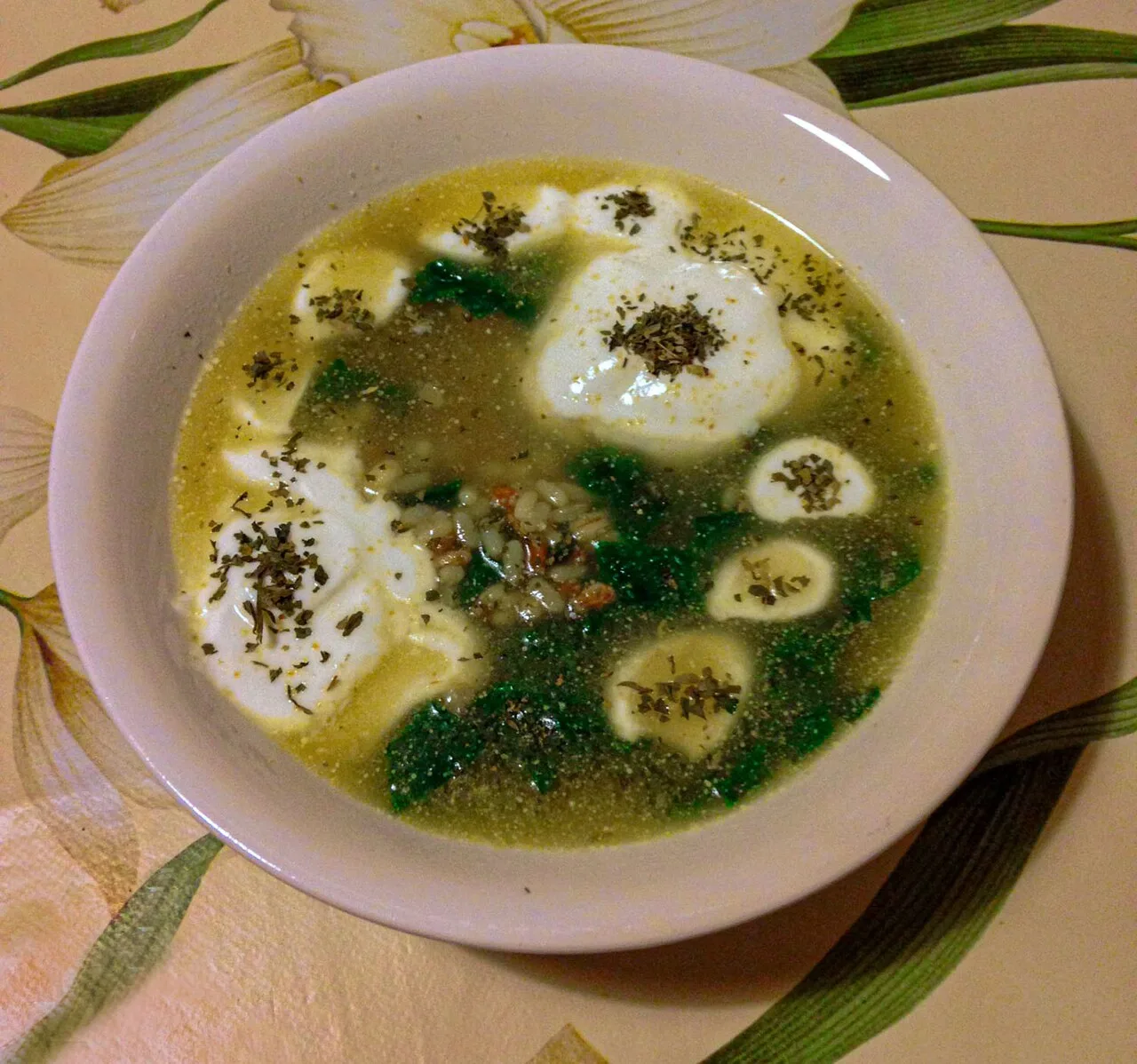
For something more substantial without leaving the mountain, a handful of the larger on-slope restaurants serve simplified mehana classics — a version of patatnik or a bowl of bean soup alongside the usual grill items — which is a good compromise if your group can't agree between a fast lunch and a proper Rhodope meal. The cafe at Snezhanka Tower, at the top of the resort, is worth the chairlift ride just for the herbal tea with honey and the panoramic view while you warm up, even if you're not stopping for a full meal.
Cash is still useful at the smaller mountain huts and snack stops, even though most sit-down restaurants in the resort center now take cards without issue — carry some BGN or small euro notes for the quickest transactions between runs.
Self-Catering and Where to Buy Groceries
If you've booked an apartment or a self-catering chalet, Pamporovo itself has a few small supermarkets and convenience stores near the main hotel clusters, useful for breakfast basics, bottled water, and snacks, but the selection and prices are noticeably better once you head down to Smolyan, about 15–20 minutes away by car or bus. Smolyan has proper supermarket chains with a full grocery range, including local cheese, yoghurt, bread, and produce at prices closer to what you'd pay in any Bulgarian city rather than resort rates.
A good strategy if you're self-catering for a full week: do one larger shop in Smolyan early in your stay for staples, cheese, and yoghurt, then top up with bread, milk, and anything perishable at the smaller Pamporovo shops as needed. Local sirene cheese, fresh bread, and a jar of local honey make for an easy, genuinely tasty breakfast or lunch without cooking anything — worth stocking up on even if you're mostly eating out for dinner.
Farmers occasionally sell homemade rakia, jams, and dried herbs from small stands near the resort center and in Smolyan's market area — a nice way to bring a taste of the region home, though quality and pricing vary, so it pays to ask locals or your hotel for a steer.
Self-catering doesn't have to mean skipping the mehana experience entirely — plenty of visitors split the week, cooking simple breakfasts and light lunches at the apartment while saving the bigger appetite (and the rakia) for one or two proper sit-down dinners out. It's a practical way to manage a family budget over a full week without missing the part of the trip that's genuinely worth paying for.
Dining Down in Smolyan for Local Prices
Smolyan, the regional capital just down the road, is worth a dinner trip on its own merits, not only as a grocery run. Restaurant prices here run noticeably lower than in the resort — the same patatnik, smilyanski bob, or grilled meat plate that costs €10–11 in Pamporovo will often be €6–7 in Smolyan, simply because you're eating where locals eat rather than where ski tourists do. The food is every bit as authentic, arguably more so, since Smolyan's dining scene serves residents year-round rather than a seasonal winter crowd.
If you're already planning a half-day out to see Smolyan's planetarium or regional history museum, timing it around lunch or dinner is an easy way to combine sightseeing with better-value food. Our 10 Best Things to Do in Smolyan guide covers the sights worth building a visit around, and if you want to widen the trip further, Day Trips from Pamporovo 2026 lists other nearby villages — several of which, like Shiroka Laka, have their own well-regarded mehanas worth a stop.
Drinks: Rakia, Wine, and Mint Tea
Rakia is the region's default aperitif — a strong fruit brandy, most often made from grapes or plums, and it's genuinely part of the mehana ritual rather than an optional extra. Most restaurants make or source their own, and it's common practice for it to arrive unbidden alongside your first course, meant to be sipped slowly rather than shot back. If you'd rather skip it, a polite "not tonight" is completely normal and won't offend anyone.
Bulgarian wine deserves more attention than it usually gets outside the country — the Thracian lowlands south of the Rhodopes produce solid reds and whites, and most mehanas carry at least a house red and white by the glass or carafe alongside a short bottle list. It pairs well with the heavier, meat-and-potato-forward dishes on this list. For something non-alcoholic, mint tea (usually made from fresh or dried local mint) is a common after-dinner option, alongside herbal teas made from mountain herbs sold in the same small shops that stock local honey and rakia.
If your evening is heading toward a proper night out after dinner, our Pamporovo nightlife and après-ski guide covers where the mehana crowd moves on to once the plates are cleared.
Vegetarian and Family Options
Rhodope cuisine is, somewhat unexpectedly, quite friendly to vegetarians. Patatnik contains no meat by default, smilyanski bob is a bean stew that stands entirely on its own, and shopska salad, banitsa, and grilled cheese (often listed as "sirene po shopski," baked with tomato and pepper) are all reliable vegetarian mainstays on virtually every mehana menu. It's worth double-checking patatnik specifically, since some kitchens add bacon by default — a quick "bez bekon" (without bacon) or simply asking covers it.
Vegan options require a bit more asking, since dairy (cheese, yoghurt, butter) runs through much of the cuisine, but a bean stew ordered without the occasional bacon garnish, a grilled vegetable plate, and bread with lyutenitsa (a roasted pepper and tomato relish) get you a solid vegan meal at most mehanas. Staff are generally patient with dietary questions even if English is limited — pointing at the menu and saying "vegetarian" or "vegan" is usually understood, and kitchens are used to adapting a dish rather than refusing to.
Families will find the pace and portion sizes genuinely convenient — mehana mains are generous enough to split between an adult and a child, service is relaxed rather than rushed, and the folk-music evenings tend to be a novelty kids enjoy rather than something that requires a quiet, formal dining room. On-slope lunch spots are the easiest option at midday with young children still in ski gear, while the sit-down mehanas work well for a slower family dinner once everyone's out of their boots.
Continue planning: Use Things to Do in Pamporovo, Bulgaria and Day Trips from Pamporovo 2026: Smolyan, Caves & Rhodope Highlights to connect this guide with the rest of your Bulgaria itinerary.
Frequently Asked Questions
What dish should you try first in Pamporovo?
Patatnik is the signature Rhodope dish. It is a thick cake of grated potato, onion, and mint, sometimes made with bacon or cheese, then baked or pan-fried until crisp outside.
How much does dinner cost in Pamporovo?
A mehana main costs about €7–11, while a full sit-down dinner for two with rakia and wine is typically €25–40. Hotel and on-mountain restaurants usually cost more.
Where can you find cheaper food near Pamporovo?
Smolyan, about 15–20 minutes away, has lower local prices. A dish costing €10–11 in Pamporovo often costs around €6–7 in Smolyan.
Are Pamporovo restaurants suitable for vegetarians?
Yes. Patatnik, smilyanski bob, shopska salad, banitsa, and grilled cheese are common vegetarian choices, although it is worth asking whether a kitchen adds bacon to patatnik.
Pamporovo's food scene won't chase trends, and that's precisely its charm — this is Rhodope cooking served the way it has been for generations, built around potatoes, beans, local cheese, and slow-roasted meat rather than anything imported or overworked. Order patatnik at least once, ask for smilyanski bob if you see it on a menu, let the rakia arrive before you order, and don't be afraid to head down to Smolyan for the same dishes at better prices. Combine this guide with our Pamporovo Ski Resort and Things to Do in Pamporovo, Bulgaria for a complete trip plan, and you'll leave the Rhodopes as fond of the food as you are of the slopes.