Apollonia Festival Sozopol: Your Complete Travel Guide
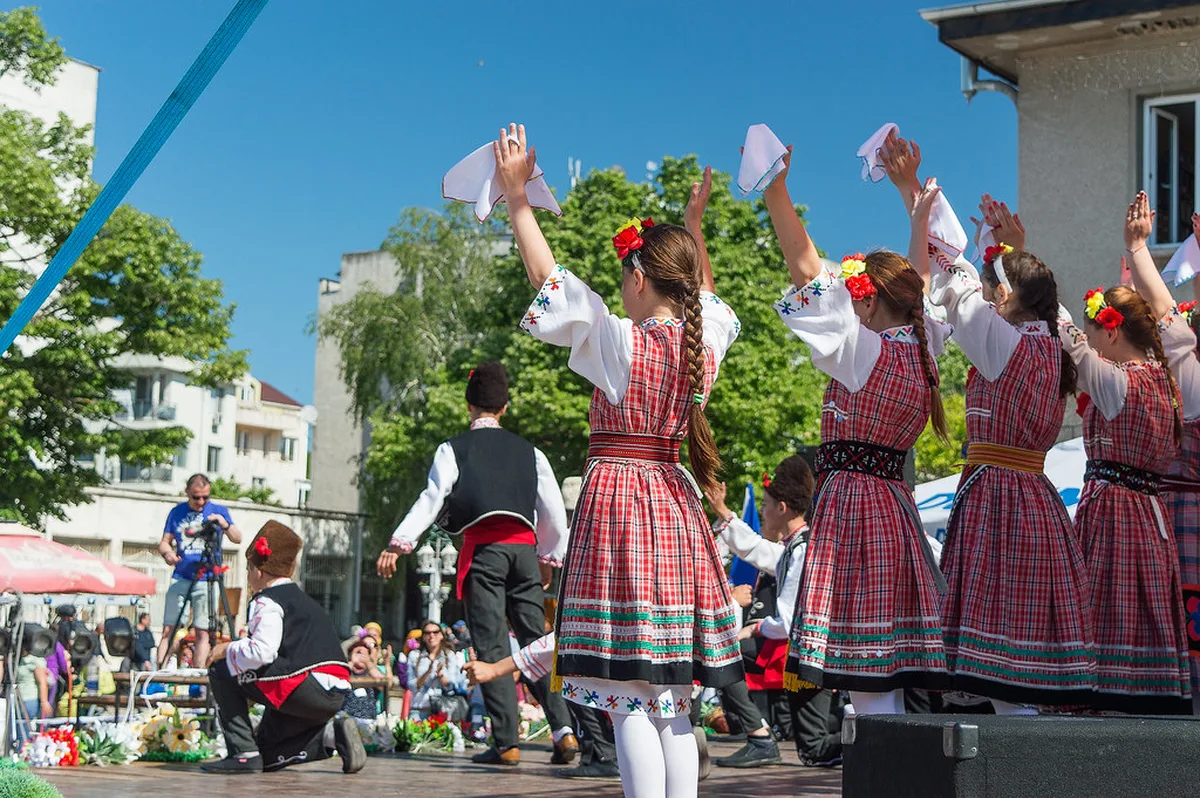
The Apollonia Festival of Arts is Bulgaria's largest independent arts festival, held each year in late August and early September in the ancient Black Sea town of Sozopol. The event runs for a week to ten days and draws artists and audiences from across Bulgaria and beyond. Music, theater, film, literature, and visual arts all share the stage.
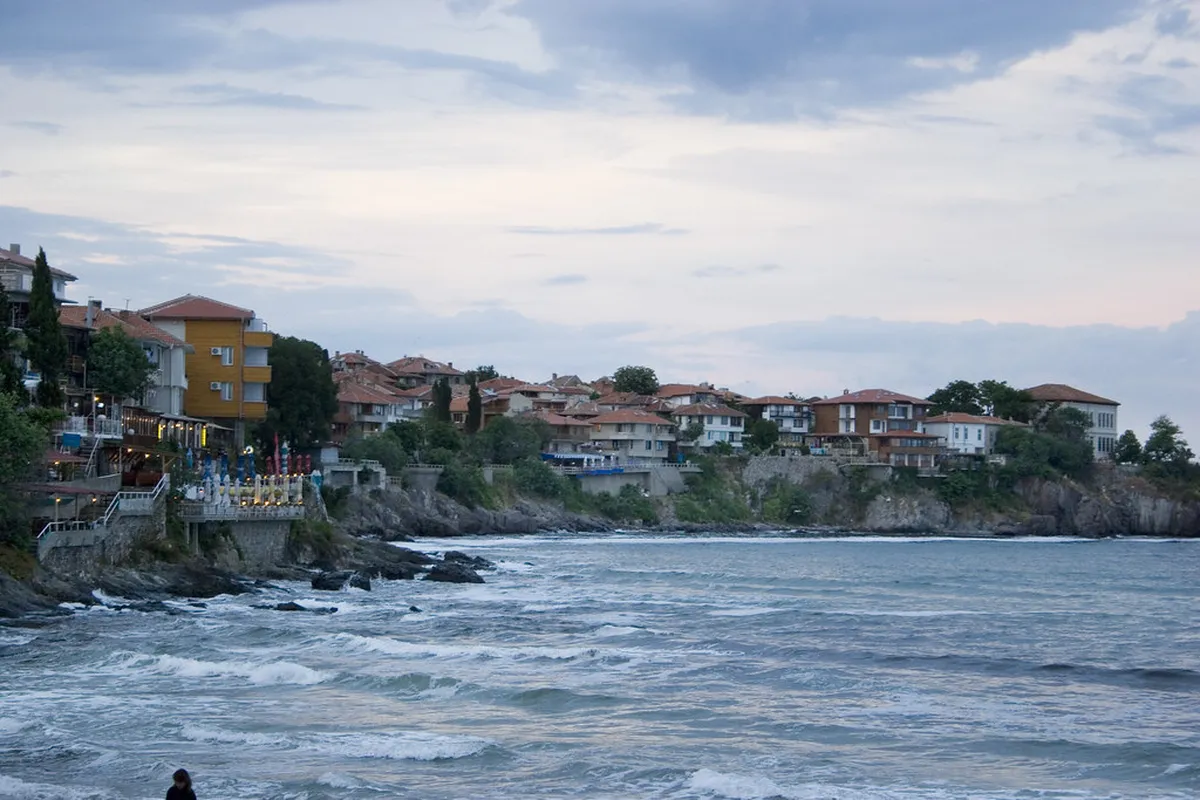
What makes Apollonia distinctive is the setting. Events take place inside an open-air amphitheater, inside a 19th-century church, on the beach, and in cobbled Old Town squares — all within the same small peninsula. The town itself becomes the venue. This guide covers everything you need to plan your 2026 visit: what to expect, where to stay, how to get around, and which under-the-radar moments are worth your time.
See the festival atmosphere and key venues in this preview:
What is the Apollonia Festival?
The Apollonia Festival of Arts is an annual cultural event held in Sozopol, Bulgaria, gathering the best of Bulgarian and international artists, musicians, writers, and theater performers. It launched in 1984 and has run every year since, making it one of Bulgaria's longest-running arts festivals. The name honors Apollonia Pontica — the ancient Greek name for Sozopol, itself named after Apollo, patron of light and the arts.
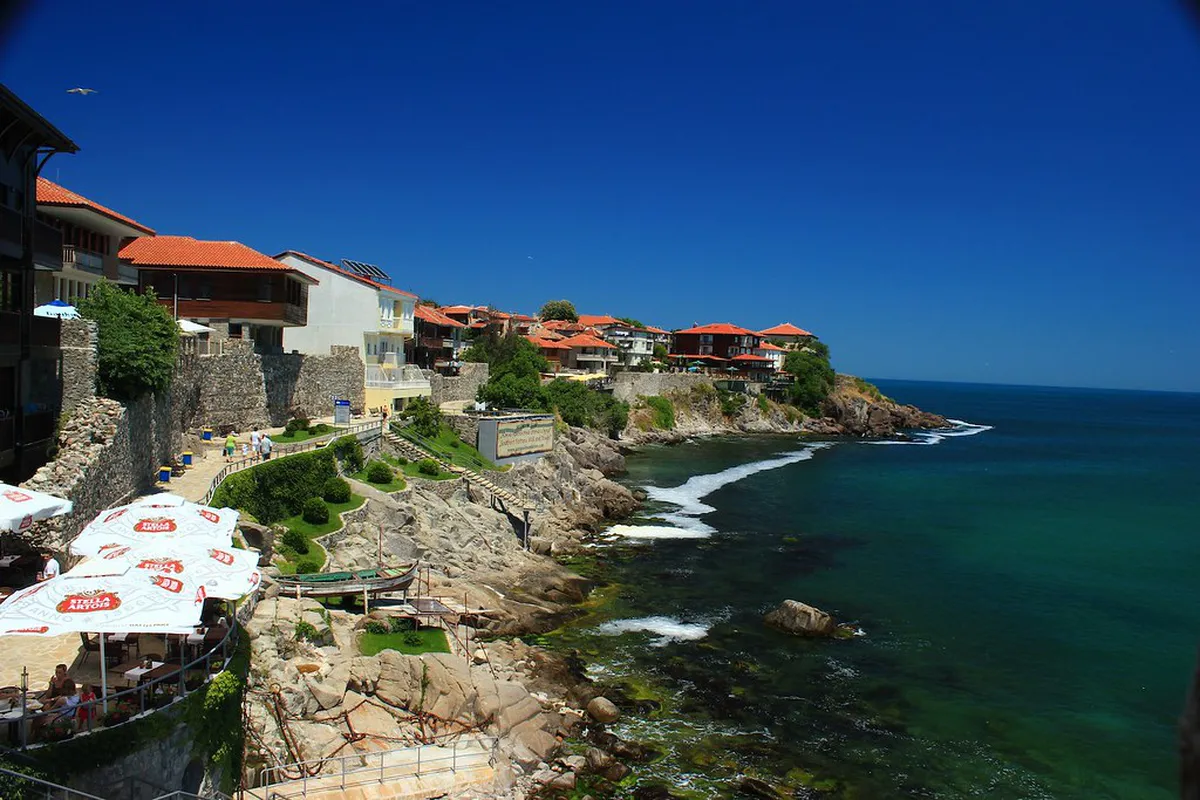
The program spans multiple disciplines: evening concerts at the main amphitheater, chamber performances at the Archaeological Museum, theatrical productions, open-air film screenings, literary readings by authors presenting new books, and art workshops open to visitors. Some of the most popular performances sell out; others are free and accessible to anyone walking past. You can read more about Sozopol's connection to the arts from ancient times here.
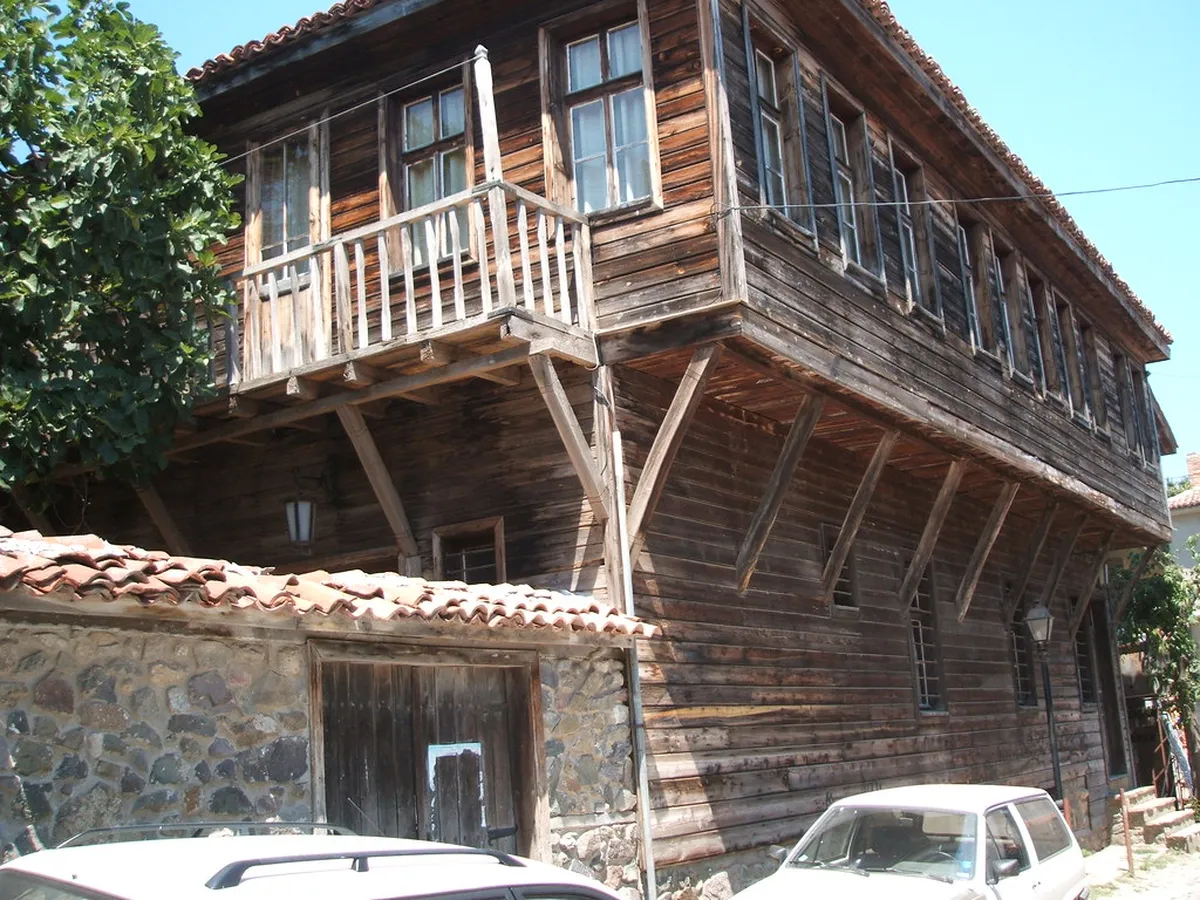
Sozopol was founded by ancient Greek settlers in 610 BC and served as a significant trading and cultural hub for centuries. In 72 BC it was plundered by Roman legions, and in the 4th century AD it was renamed Sozopolis — City of Salvation. That long history of cultural exchange is embedded in the festival's identity. The connection between this town and the arts is not a modern invention.
The official Apollonia Festival of Arts website publishes the annual program, usually several months in advance. Ticket purchasing and venue details are listed there. Note that the website and most printed materials are primarily in Bulgarian — planning ahead with translated information is worthwhile for international visitors.
Atmosphere and Experience
The tone of Apollonia is unlike any other festival in Bulgaria. By late August, the peak summer crowds have thinned and Sozopol shifts from a resort town to something quieter and more focused. The cobblestone streets of the Old Town fill with a different kind of visitor — people who have come specifically for the culture, not the beach. That change in atmosphere is one of the most remarked-upon qualities of the festival among repeat attendees.
The main evening concerts at the amphitheater run a mixed program of classical, jazz, and rock. The amphitheater is positioned at the entrance to the Old Town and overlooks the sea. Even without a ticket, you can hear the music from the promenade and the nearby stone walls. Smaller chamber concerts happen in the early evening at venues like the Archaeological Museum, and the open-air cinema at the top of the Old Town screens Bulgarian films on selected nights.
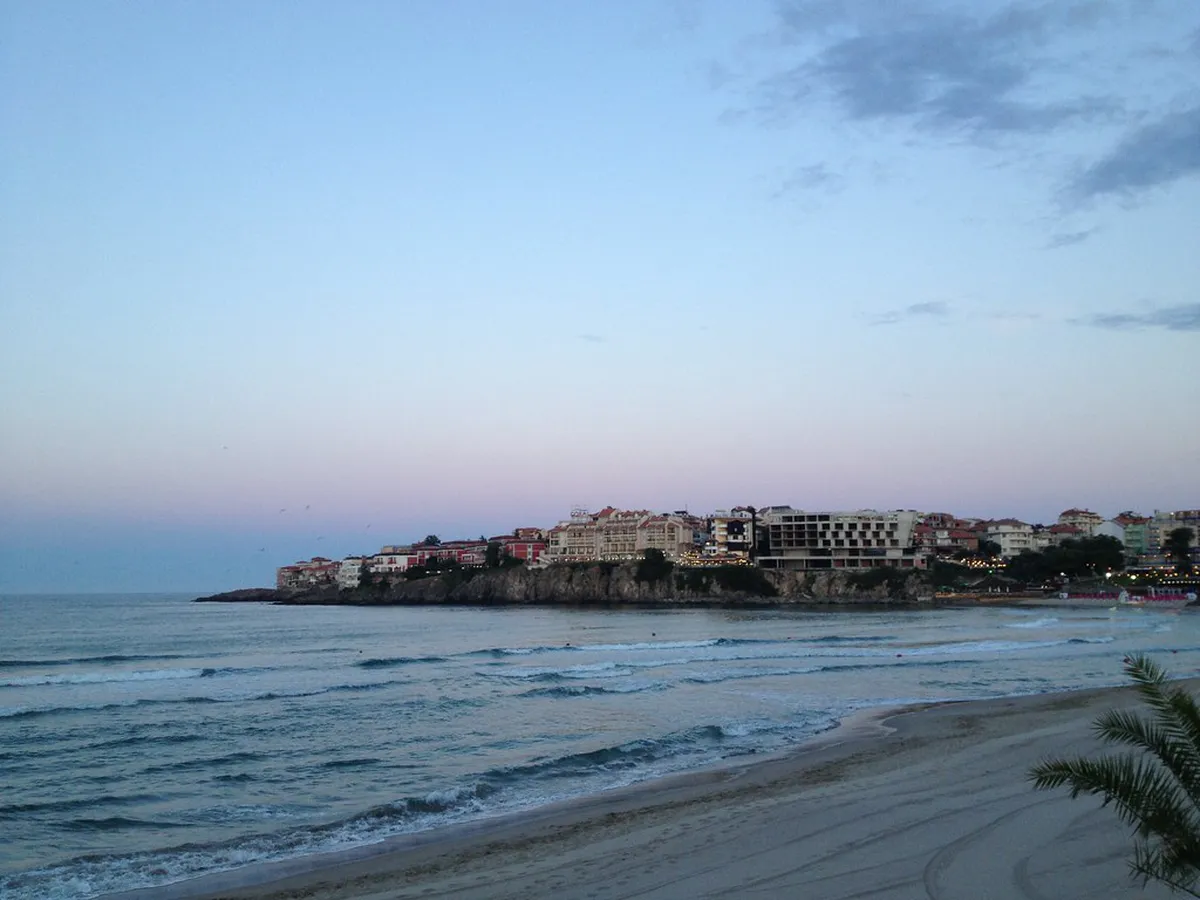
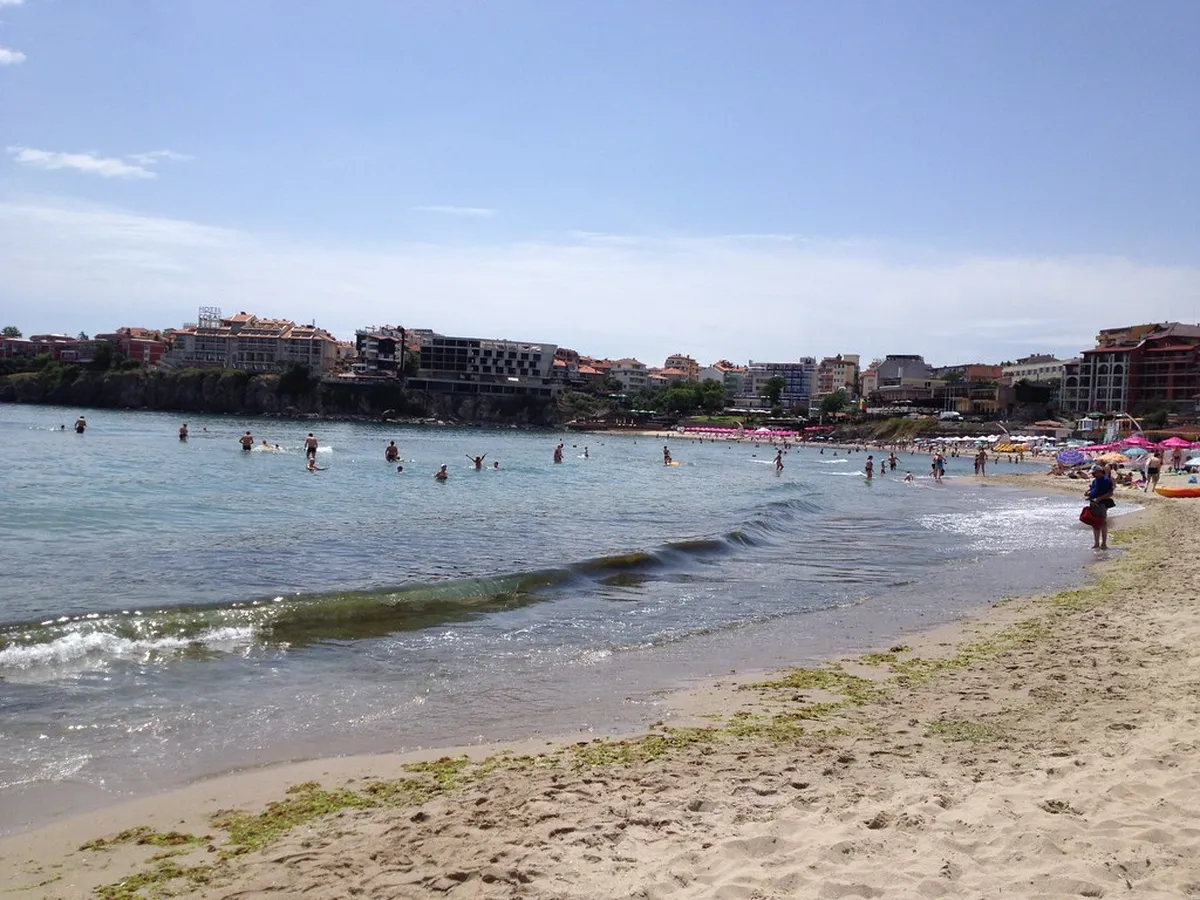
The weather in late August and early September is reliably good — the sea is still warm enough to swim, the evenings are pleasantly cool rather than hot, and the light at sunset over the Black Sea provides a backdrop that feels theatrical without any stage design. This timing is one of the key reasons festival-goers consistently describe Apollonia as one of their favourite visits to Bulgaria.
Connected Venues and Hidden Treasures of the Festival
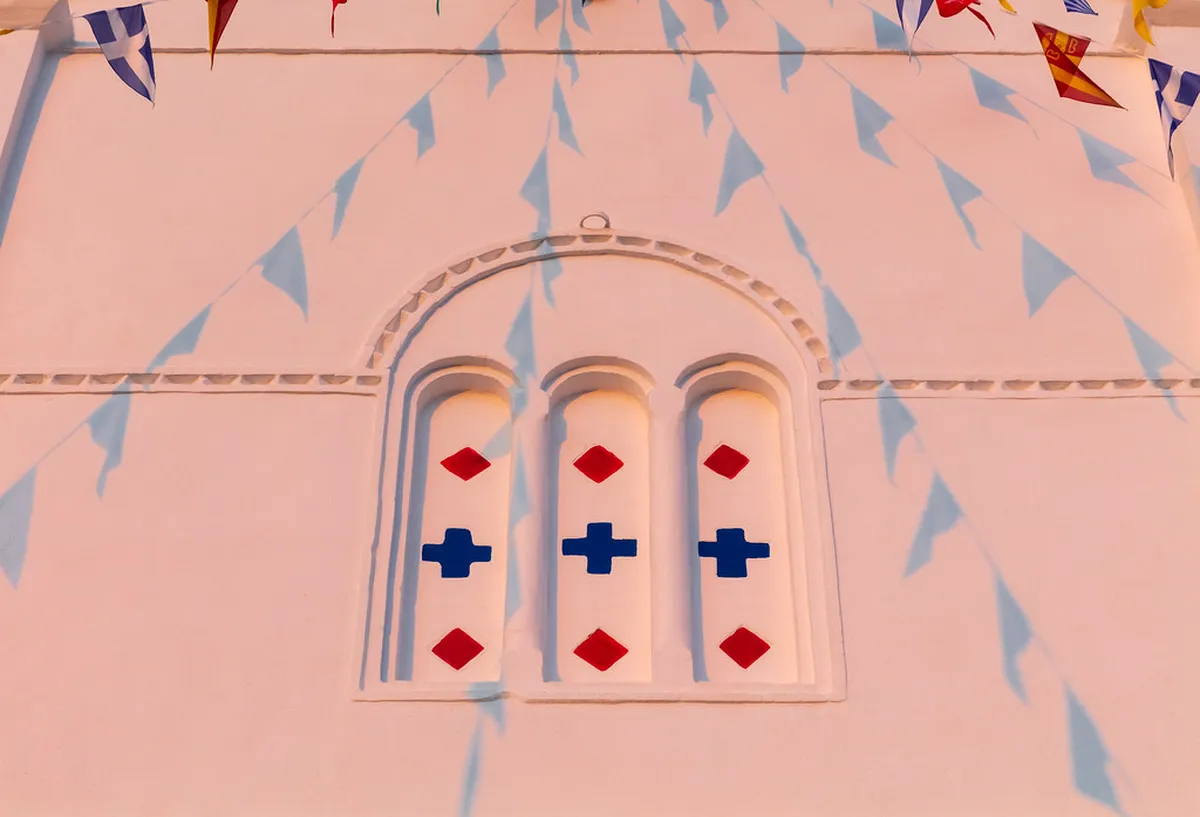
The Apollonia Festival does not operate from a single site. Events are distributed across the Old Town peninsula, and part of the experience is moving between them on foot. The primary venue is the Apollonia Amphitheater at the entrance to the Old Town — this is where the main evening concerts are held. The Art Gallery and the Church of St. Cyril and Methodius host smaller performances and exhibitions. Open spaces, squares, and even the beach are used for certain events depending on the year's program.
While the large concerts draw the biggest crowds, the less prominent events reward those who look for them. Literary readings at the Archaeological Museum are intimate and often feature major Bulgarian authors. Sunrise concerts on the beach occasionally appear on the program and are worth an early start. After the official events wind down each evening, the small bars in the side streets of the Old Town become informal venues — musicians and artists move there, and impromptu jam sessions are common. These after-hours moments are not advertised; they simply happen.
Art workshops are also available during the festival and are open to visitors who want to participate rather than just observe. The information center for the festival is typically located in the center of the Old Town and can direct you to events that are not widely listed. If you are staying in Sozopol for multiple days, building in some unplanned time each evening is one of the better decisions you can make. Consider also visiting Sveti Ivan Island during the daytime, which pairs well with evening festival attendance.
Navigating Apollonia as a Non-Bulgarian Speaker
The Apollonia Festival is primarily oriented toward a Bulgarian audience. The program on the official website is in Bulgarian, printed schedules are in Bulgarian, and most literary and theatrical events are performed in Bulgarian. This is not a deterrent, but it is worth knowing before you arrive so you can plan accordingly.
The parts of the program that work regardless of language include: evening concerts at the amphitheater (music needs no translation), visual art exhibitions, film screenings with subtitles on select international productions, and participatory art workshops. These typically account for a significant portion of the nightly schedule. The open-air cinema screens Bulgarian films but occasionally includes international titles.
A practical approach is to download the Bulgarian-language program from the official website and use a translation tool to identify the concert and exhibition entries, which tend to be formatted consistently and are easy to parse. Arriving at the information center on the first day and asking directly which events have English-language elements is also effective — staff there are accustomed to the question. The master classes offered some years in opera singing or creative writing are often held with partial interpretation. Non-Bulgarian speakers who focus on the music, visual art, and informal bar scene rarely feel excluded from the festival's core atmosphere.
Practical Advice for Visiting
The festival runs from late August into the first week of September. Exact dates are announced several months in advance on the official website. The 2026 program follows this same pattern — check the official Apollonia Festival of Arts site for confirmed dates. For the most in-demand concerts and theatrical performances, book tickets online in advance; some events do sell out. Many smaller events and exhibitions are free to attend.
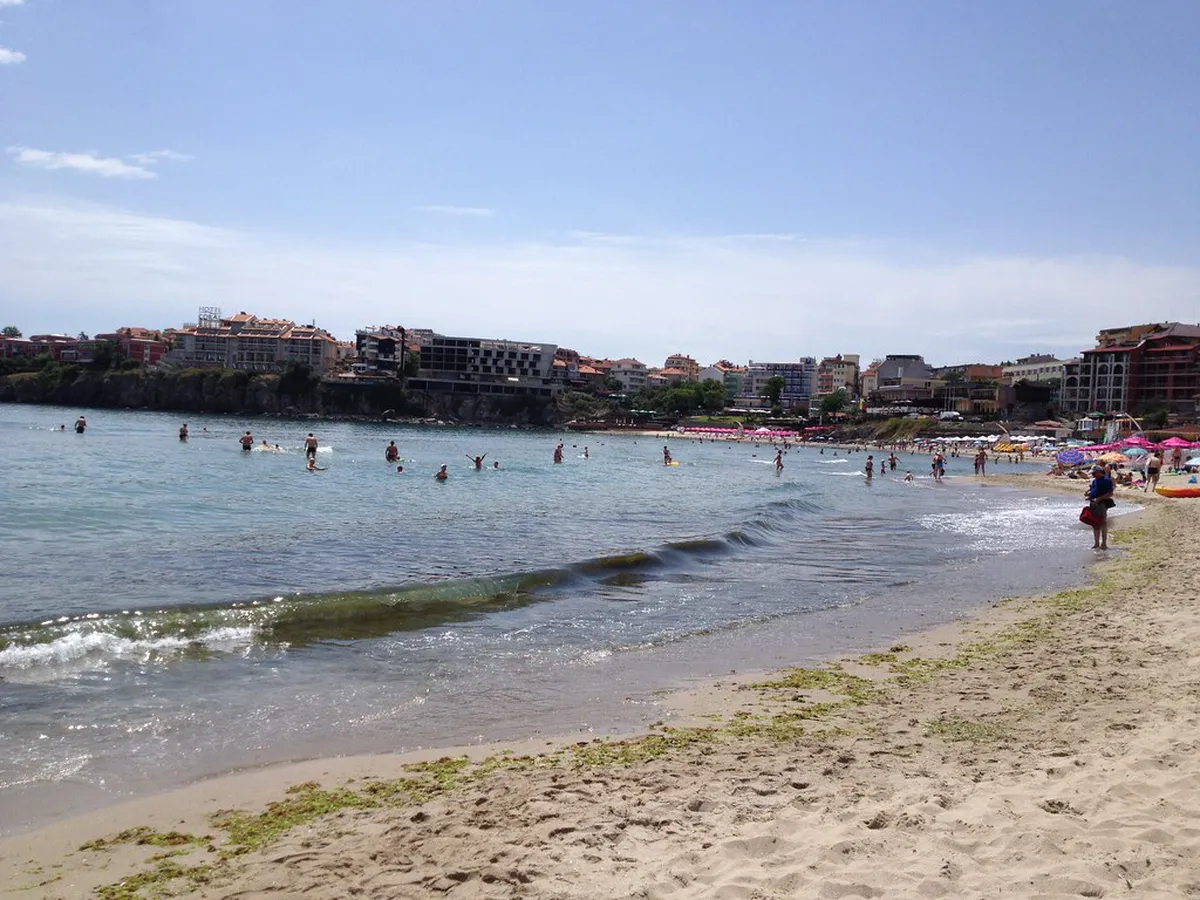
Be aware that multiple events often run simultaneously on different stages. Checking the program each morning and making a priority list helps avoid the paralysis of choosing in the moment. Some events start in the early evening (around 19:00) while the main amphitheater concerts typically begin at 21:00 or later. Packing a light layer for evening events is sensible — the sea breeze after dark is noticeably cooler than the afternoon heat. Comfortable shoes for cobblestones are essential; the Old Town streets are uneven.
Tickets can be purchased online through the festival's official website or at the information center in the Old Town on arrival. Pre-purchased tickets are the safer option for any event you specifically want to attend. Budgeting for the festival itself depends on how many paid events you attend — individual concert tickets typically range from 15 to 40 BGN, while a multi-day pass for selected events costs more but represents better value for visitors staying the full duration. Day-to-day food costs in Sozopol run around 30–50 BGN per person for meals, including fresh seafood from the harbor restaurants.
Getting around is straightforward if you are staying in the Old Town or New Town center. If you are based at Sozopol Holiday Village or another accommodation outside the center, the Old Town is about 3 km away. Options include: a 30-minute walk along the promenade (pleasant in the evening), a taxi (5–7 minutes, inexpensive), or public buses that connect the wider Sozopol area to the town center. Plan your transport for late-night returns in advance, as taxi availability can be patchy after midnight during peak festival evenings. Our guide on the Best Time to Visit Sozopol: A Seasonal Travel Guide covers seasonal logistics in more detail.
Where to Stay and What to Eat During Apollonia
Accommodation books out fast during the festival period. The Old Town is the most convenient base — guesthouses and small boutique hotels here put you within a five-minute walk of every major festival venue. Availability is limited, so booking two to three months in advance is standard practice for the festival period, not a luxury. The New Town has more hotel capacity and remains walkable to the Old Town, though the atmosphere is less embedded in the festival. Sozopol Holiday Village is the furthest option and works best if you have a car or are comfortable relying on the bus.
Sozopol's restaurant scene is concentrated in the Old Town and along the harbor. Fresh seafood is the local speciality — grilled Black Sea fish, mussels, and shrimp are on almost every menu. For lighter options, Shopska Salata (tomatoes, cucumber, pepper, and sirene white cheese) and Tarator (chilled cucumber and yogurt soup) are inexpensive and widely available. For a full meal, look for Kavarma or Moussaka at traditional mehanas (Bulgarian taverns). Budget around 20–35 BGN for a sit-down meal with a drink. The harbor-front restaurants are convenient after evening concerts; many stay open until midnight or later during the festival. Explore the best places to eat in Sozopol for a fuller breakdown by neighborhood and price range.
Local wine and rakia (Bulgarian fruit brandy) are available at every restaurant and bar. The small bars in the Old Town side streets are worth seeking out after the main events — this is where the informal after-hours atmosphere builds. Bulgarian coffee is strong and inexpensive; Banitsa (a cheese or spinach pastry) from a bakery is the standard morning option before a day of festival events.
Why Visit Apollonia — and What Else Is Nearby
Apollonia consistently ranks among the most significant arts festivals in Bulgaria. The combination of a genuine historical setting, a week-long multi-discipline program, and the post-summer quieting of the town creates something that feels more substantive than a typical summer beach festival. The performances are professional-level; the lineup regularly includes major figures in Bulgarian classical music, jazz, theater, and literature alongside select international acts.
The timing is also advantageous for travelers who prefer Bulgaria without the high-season crowds. Late August to early September means the sea is still at peak temperature (24–26°C), hotel prices are beginning to soften from their July peak, and Sozopol's narrow Old Town streets are walkable rather than overcrowded. This is one of the better times to experience the town itself, not just the festival. See the full range of activities at 25 Best Things to Do in Sozopol, Bulgaria.
For day trips during the festival, the surrounding Black Sea coast offers easy access to Nessebar (a UNESCO-listed peninsula city, 35 km north), Burgas Lake (a short drive for birdwatching), and the Ropotamo Nature Reserve (20 km south). Burgas Airport (BOJ) is approximately 45 minutes by car from Sozopol, making the town straightforward to reach as a direct destination. Public buses from Burgas central bus station run regularly to Sozopol throughout the day. Our guide on 10 Best Day Trips from Sozopol: Explore Bulgaria's Black Sea Coast covers the best options with transport details.
Continue planning: Use 25 Best Things to Do in Sozopol, Bulgaria and Best Time to Visit Sozopol: A Seasonal Travel Guide to connect this guide with the rest of your Bulgaria itinerary.
Frequently Asked Questions
What is the best time to attend the Apollonia Festival?
The Apollonia Festival typically takes place in late August or early September. This period offers pleasant weather in Sozopol, ideal for outdoor events. It allows visitors to enjoy the cultural program and the beautiful Black Sea coast. Always check the official festival website for exact dates each year.
How do I get to Sozopol for the Apollonia Festival?
Sozopol is easily accessible from Burgas Airport (BOJ), which is about 45 minutes away by car. You can take a taxi, arrange a transfer, or use public buses from Burgas. Many travelers also drive to Sozopol, especially from other parts of Bulgaria. Consider combining your festival visit with other 25 Best Things to Do in Sozopol, Bulgaria.
Are there family-friendly options at the Apollonia Festival?
Yes, the Apollonia Festival offers various events suitable for families and children. These often include puppet shows, workshops, and open-air performances. Check the festival program for specific age-appropriate activities. Many events are free, making them accessible for all.
The Apollonia Festival in Sozopol offers an arts experience that is difficult to replicate elsewhere in southeastern Europe. A medieval peninsula, the Black Sea as backdrop, and a serious multi-discipline program running for a week — the combination justifies a dedicated trip rather than treating the festival as a secondary activity on a beach holiday.
Book accommodation early, check the program for paid events you want to prioritize, and leave room in your schedule for the informal moments. The best of Apollonia often happens between the listed events. Whether you arrive as an art enthusiast or simply curious about Bulgaria's cultural scene, the festival is worth organizing your September around. Check whether your visit to Sozopol aligns with the festival dates — it consistently makes the trip more rewarding.