Ropotamo River & Nature Reserve: Your Complete Guide
The Ropotamo River flows through one of the most intact stretches of the Bulgarian Black Sea coast, feeding into a protected estuary ringed by old-growth forest, sand dunes, and open wetlands. Located roughly 20 minutes south of Sozopol, the reserve is easy to reach but feels entirely removed from the summer crowds of the coast.
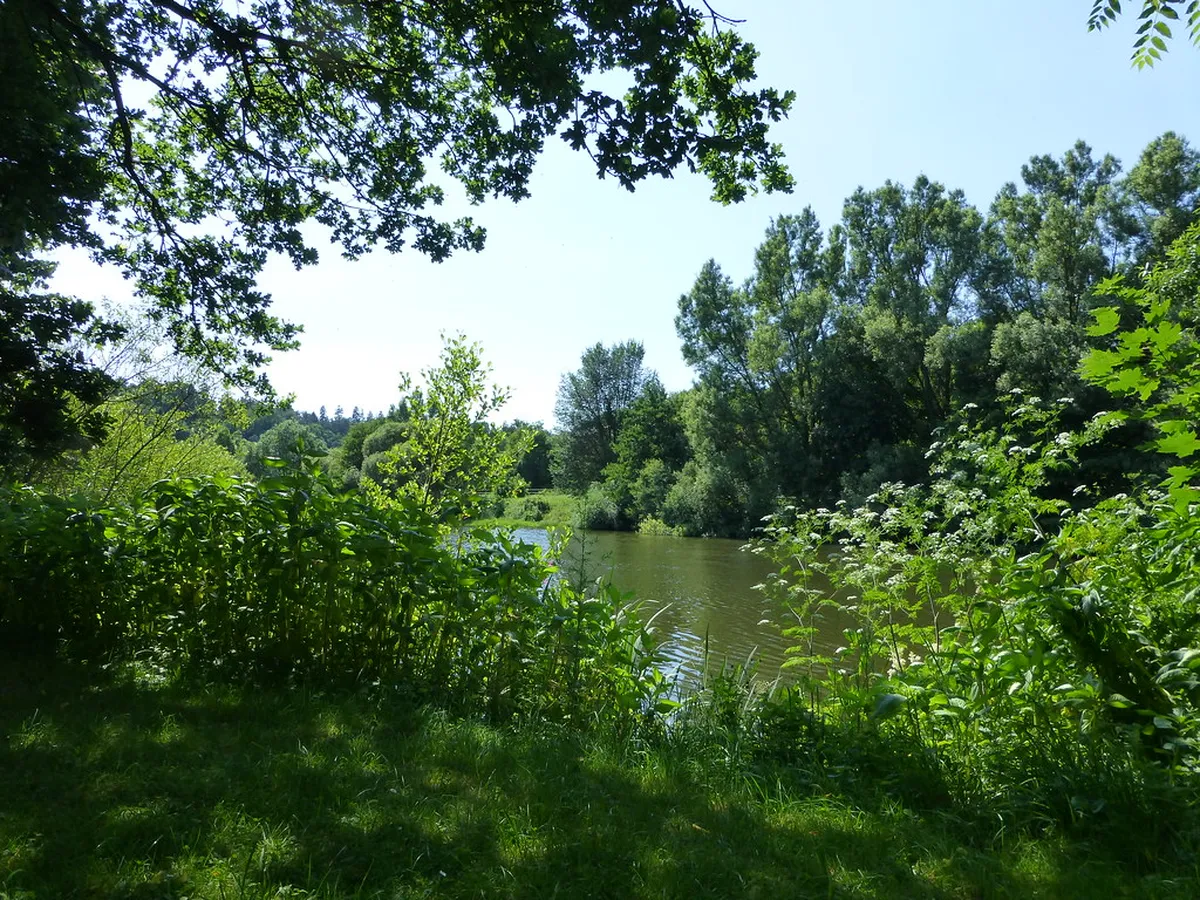
Here's the river, forest canopy, and wildlife you'll encounter on a guided boat trip:
Established in 1940, the Ropotamo Nature Reserve has been upgraded and reclassified several times, reflecting the ongoing effort to protect its biodiversity. Today it operates under a strict protection regime. Boat trips on the river are the centrepiece activity, but marked trails and seasonal wildlife make it worth a longer visit than most guides suggest.
Overview of the Ropotamo River and Reserve
The Ropotamo River rises in the Strandja mountains and runs roughly 56 km before emptying into the Black Sea south of Primorsko. The lower stretch — from the main Burgas–Primorsko road bridge to the mouth — lies entirely within the protected reserve and is closed to private craft. This is the section visitors see by guided boat.
The reserve covers approximately 1,000 hectares and shelters habitats that are rare on the Bulgarian coast: riverine forest where ash, alder and oak grow right to the waterline, a lagoon-like estuary, extensive reed beds, and coastal sand dunes stabilised by sea holly and marram grass. The combination in a single small area is what makes Ropotamo ecologically unusual, and why it has been protected for more than 80 years.
Visitors can complement a Ropotamo trip with a stop at the Sozopol Old Town, which lies 17 km to the north and offers a completely different, historical atmosphere.
The Ropotamo River Boat Trip
The guided boat trip is the main reason most visitors come, and it delivers. Small motorised boats depart from a jetty situated next to the large bridge on the main road, almost at the junction with Route 99. The operator is Attractions – Ropotamo Ltd.; for group bookings or reservations call 0879 257554. Walk-up tickets are available on site during the season, but groups should call ahead.
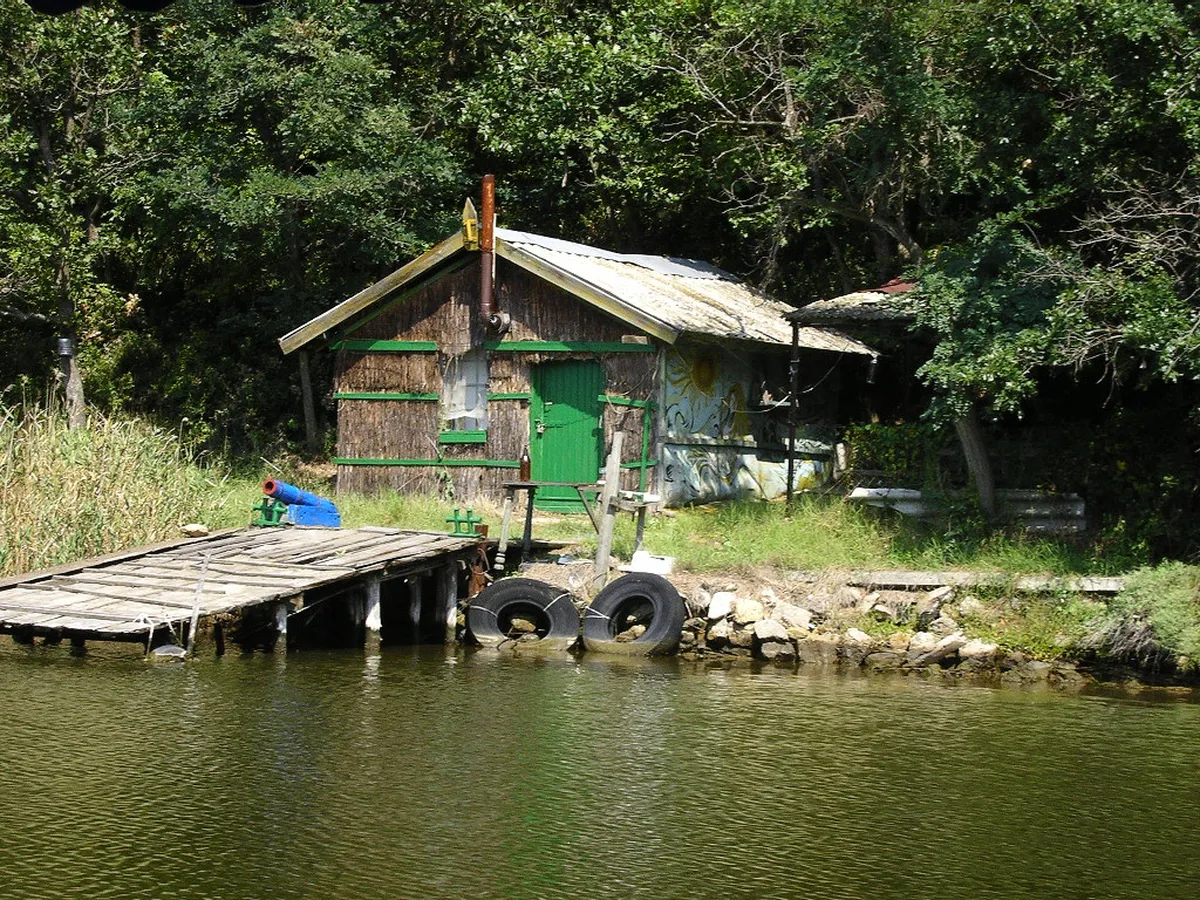
The trip runs 1.5 km upstream to the Veliov Vir swamp and back — roughly 30 minutes total. Boats move slowly, which is exactly the point: the canopy of ash and willow closes overhead, creepers hang to the waterline, and swamp turtles sit on half-submerged logs until the boat draws close. Water snakes are common in summer. The silence broken only by bird calls makes the journey feel far wilder than the short distance suggests.
It is worth knowing that the original boat route ran in the opposite direction — downstream from the bridge to the river mouth. That section was suspended to reduce pressure on the most sensitive part of the estuary. The current upstream route to Veliov Vir was introduced as the conservation-friendly alternative, so you are seeing a deliberately curated section of the reserve.
Boat trips are available on site for a small fee. Tickets and departure schedules can be confirmed at the jetty. For more details on what to do during a full day out, see our guide to 25 Best Things to Do in Sozopol, Bulgaria.
On Foot and on the Water: Active Ways to Explore
The boat trip is not the only way in. The reserve has marked pedestrian paths that branch off from the parking area near the entrance. The most visited leads to the "Lion's Head" — a sandstone rock formation above the river that, from the right angle, reads as a lion's profile. The walk to the viewpoint is short and mostly flat, making it suitable for most fitness levels. Allow around 30–40 minutes return.
Kayaking on the Ropotamo is a less-advertised option that no tour operator prominently promotes, but it is possible to bring or hire a kayak and paddle the open section below the bridge outside the strictly protected core zone near the estuary. It gives a lower, quieter perspective than the motor boats and allows you to stop at will. Check current permit rules with the reserve entrance before launching — restrictions on motorised craft do not automatically extend to non-motorised craft, but the boundary of the core zone must be respected.
Cycling routes also connect the reserve to Primorsko and Arkutino Beach. A coastal cycle from Primorsko to the Ropotamo entrance is roughly 9 km on a mix of tarmac and forest track. This is a practical option in spring and early autumn when the heat is manageable.
Wildlife and Ecosystems
Ropotamo sits on the Via Pontica migration corridor, one of the main flyways for birds crossing between Europe and Africa. In spring and autumn, the reed beds and estuary host concentrations of migrating herons, cormorants, spoonbills and waders. Kingfishers are resident year-round and reliably spotted from the boat. White water lilies cover the surface of the Veliov Vir swamp from June onwards.
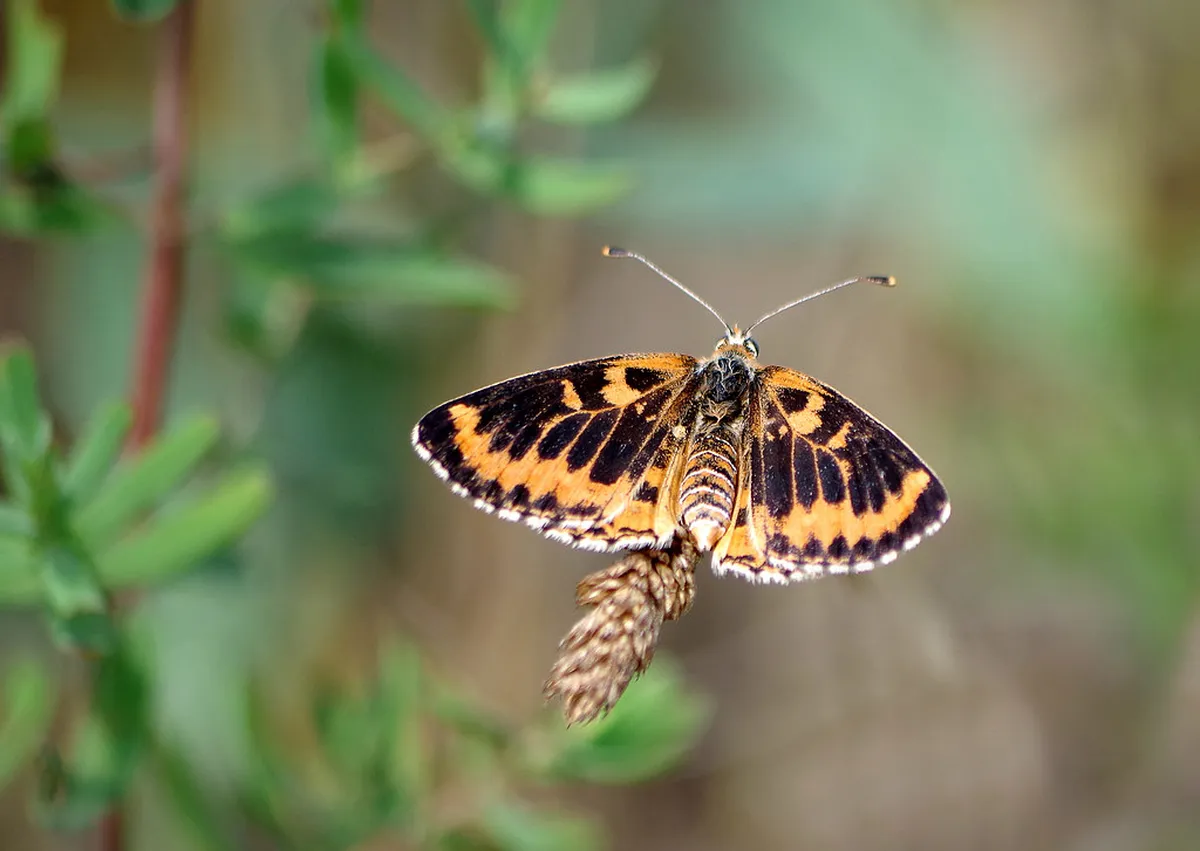
Mammals in the reserve include deer, wild boar and otter. Otters are elusive but confirmed residents of the lower river. Swamp turtles are the most reliably seen reptile — expect to spot several on the boat trip in warm weather. The river also holds several fish species including carp, catfish and pike.
The riverine forest is dominated by white willow, alder, and pedunculate oak, some of which are several hundred years old. These large, old trees are themselves a protected feature: they provide nesting cavities for woodpeckers and owls that would not survive in younger secondary growth. Early morning and late afternoon are the best windows for wildlife, before boat traffic picks up and after it dies down.
You can learn more about the reserve's species and protected habitats on Wikipedia's Ropotamo article.
Planning Your Visit: Practical Advice
The reserve is open year-round, but the boat trips operate seasonally — typically April through October, with peak activity in June, July and August. If you visit outside those months, the walking trails and the estuary viewpoint near the mouth remain accessible on foot.
Season by season, here is what to expect in 2026. Spring (April–May) brings the best birdwatching: migration is active, the forest is in new leaf, and visitor numbers are low. Early autumn (September–October) is the second peak for birds and offers pleasant temperatures without the July–August beach crowds. Midsummer is popular for boat trips but boats fill quickly by midday on weekends — arrive by 09:00 or visit on a weekday.
- Wear light, comfortable shoes. The paths are mostly packed earth and can be muddy after rain.
- Carry water and sun protection. Shade on the boat is minimal, and the estuary section is fully exposed.
- Bring binoculars for the bird-watching. A camera with a zoom lens is worthwhile.
- Insect repellent is advisable in summer — mosquitoes are active near the reed beds in the evening.
- Stay on marked paths and do not disturb nesting areas. The reserve is under strict protection rules.
There is a small parking area at the entrance near the boat jetty. During high season it fills by mid-morning on weekends, so an early start is practical. Entry to the reserve's walking areas is free; the boat trip carries a small fee paid on site.
Getting to Ropotamo
The reserve entrance and boat jetty are on Route 99, the main coast road between Burgas and Primorsko. From Sozopol, head south — the drive takes about 20 minutes by car or taxi. From Burgas, the reserve is approximately 50 km south; allow 45–60 minutes depending on summer traffic on the coast road.
Public transport is limited. Local buses run between Burgas and Primorsko along Route 99 and stop near the reserve entrance, but schedules are infrequent outside July–August. A private car or taxi is the most reliable option. Some operators in Sozopol and Primorsko offer organised day excursions that include transport and a guide, which is worth considering if you do not have a vehicle.
From Primorsko, the reserve entrance is roughly 9 km north — a 12-minute drive. If you are staying in Primorsko, this makes Ropotamo a simple half-day excursion. For other day trip options from the coast, see our guide to 10 Best Day Trips from Sozopol: Explore Bulgaria's Black Sea Coast.
Nearby Attractions
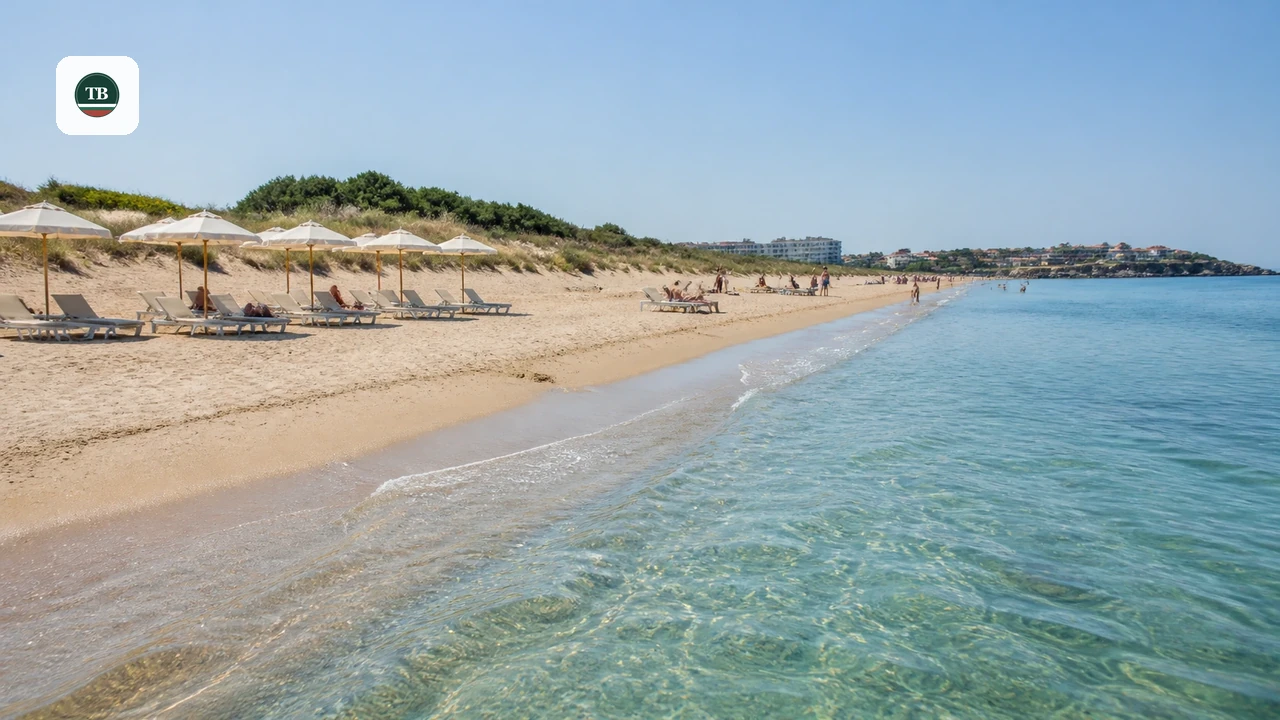
Arkutino Beach lies about 4.5 km north of the reserve entrance and is one of the quieter beaches on this stretch of coast. It borders the Arkutino lagoon, a smaller protected wetland connected to the Ropotamo system. A hiking trail from the beach leads to the mouth of the Ropotamo River — a worthwhile extension if you want to see the estuary from the seaward side rather than the river.
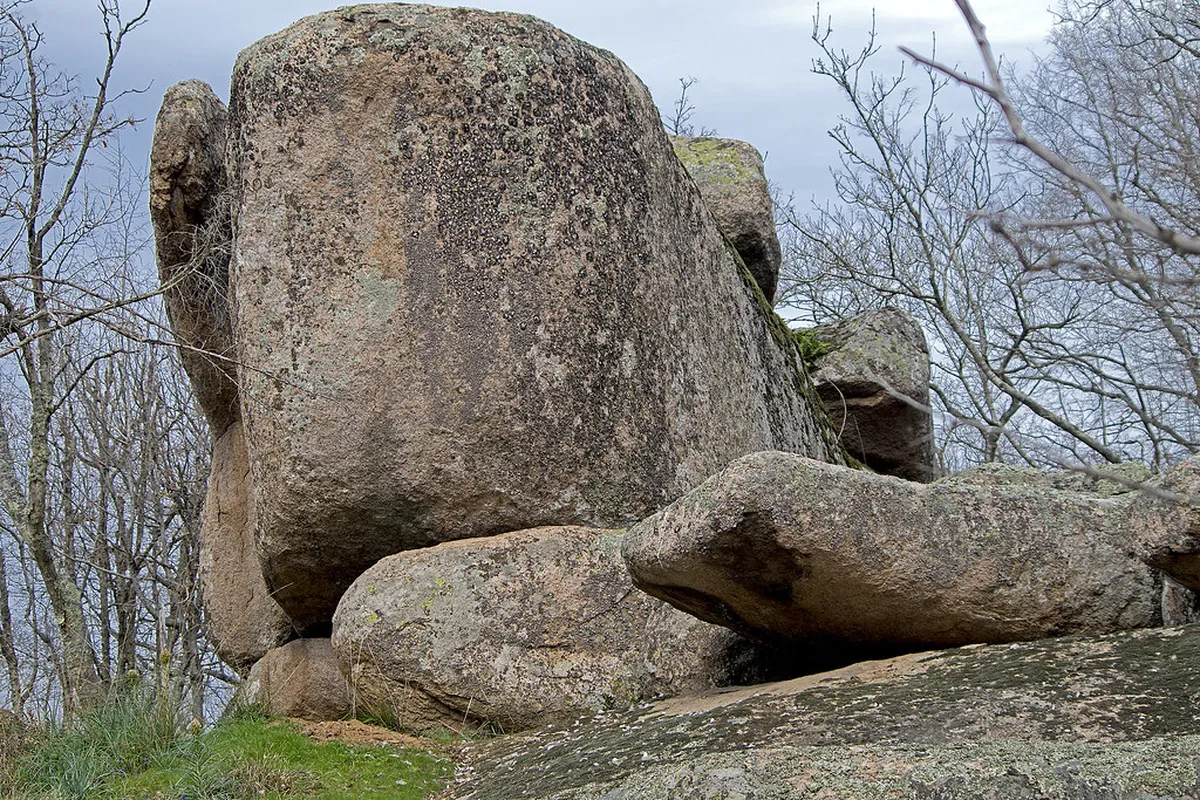
Beglik Tash, an ancient Thracian rock sanctuary, is located roughly 8 km south near Primorsko. The megalithic site consists of naturally shaped boulders arranged for ritual use, and the setting — open heath on a ridge above the sea — is striking. It is one of the few Thracian sanctuaries on the Bulgarian coast open to independent visitors without a guide.
Primorsko itself is 9 km south and makes a convenient lunch stop. The town has a straightforward seafood-restaurant strip along the beachfront and a small historical museum. It is less touristically developed than Sozopol, which some visitors prefer. For more coastal options, see our guide to 10 Best Sozopol Beaches (2026): Your Ultimate Guide to Sun & Sand.
Conservation and Ecological Importance
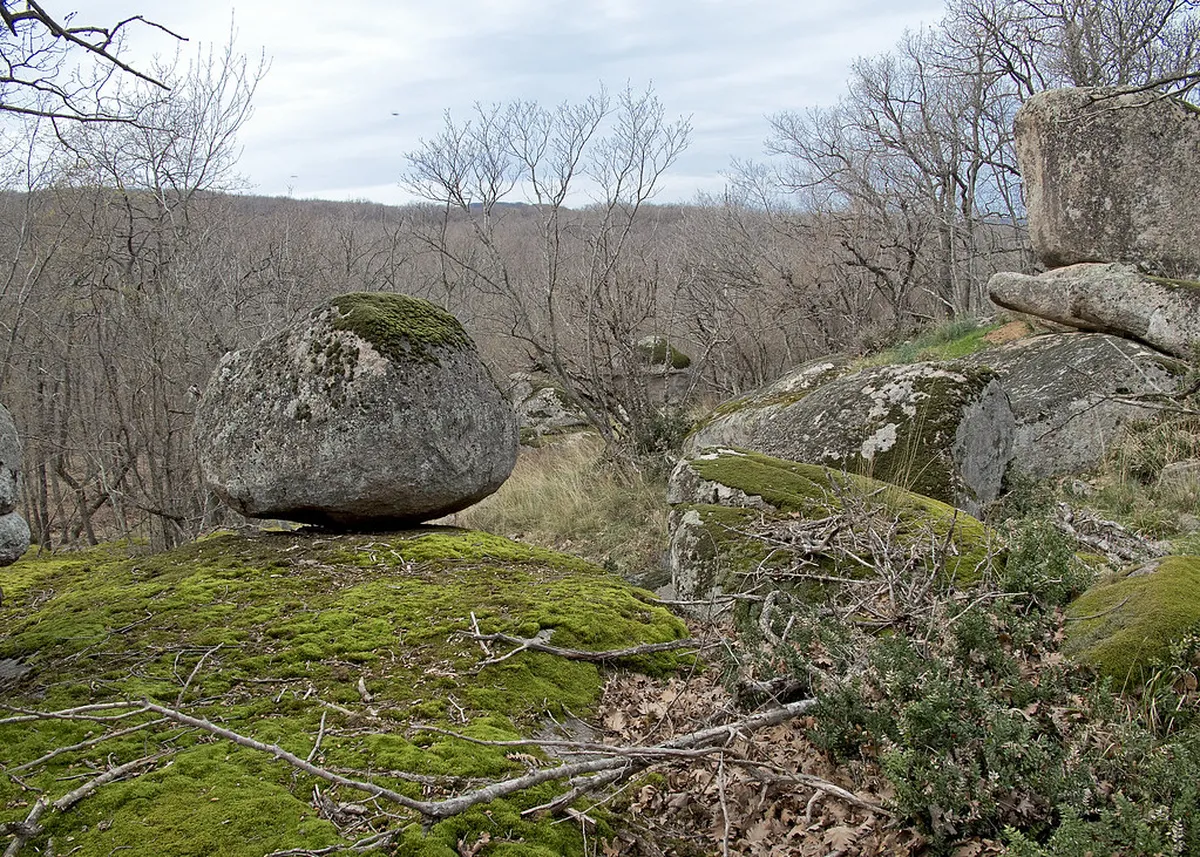
The reserve has moved through several legal classifications since 1940 — from strict nature reserve to national park and back — reflecting evolving Bulgarian conservation policy rather than any decline in ecological value. Its current status as a strict regime reserve gives it the highest level of protection under Bulgarian law. Unauthorized access outside designated paths and boat routes is prohibited.
The suspended downstream boat route is a practical example of how the reserve management adapts to visitor pressure. When boat traffic to the river mouth increased, the downstream route was closed to reduce disturbance to nesting birds and the estuary habitat. The present upstream route preserves the visitor experience while redirecting foot and boat traffic away from the most sensitive zone.
Principal conservation threats include water pollution from upstream agriculture, illegal fishing, and gradual encroachment by invasive plant species. The reserve is monitored by the Bulgarian Ministry of Environment and Water and is included in the Natura 2000 network under EU habitats and birds directives, which provides additional legal protection and access to EU funding for habitat management.
Visitors contribute most effectively by staying on marked trails, keeping noise low near the water, and not feeding wildlife. The reserve's integrity has been maintained for over 80 years largely because it has remained off the mass-tourism circuit — visiting it thoughtfully helps keep it that way.
Where to Stay Near Ropotamo
Most visitors base themselves in Sozopol or Primorsko and make a day trip to the reserve. Sozopol, 17 km north, has the widest range of hotels, guesthouses and apartments and the most varied dining. For dining options in Sozopol, see our restaurant guide at 10 Best Sozopol Restaurants for Every Taste & Occasion. For timing your visit around the season, the Best Time to Visit Sozopol: A Seasonal Travel Guide is a useful reference.
Primorsko, 9 km south of the reserve, puts you closer to the entrance and is a quieter base. Hotel options are smaller and mostly family-run. If you want an early start for birdwatching before the boats begin, Primorsko accommodation means you can be at the jetty by 07:30 without any difficulty.
Villa Valentines is a small property about 12 km from the reserve offering standard and deluxe doubles as well as apartment units — a reasonable option if you prefer a quieter, semi-rural setting over either town. Book well in advance for July and August.
Continue planning: Use 25 Best Things to Do in Sozopol, Bulgaria and Apollonia Festival Sozopol Travel Guide to connect this guide with the rest of your Bulgaria itinerary.
Frequently Asked Questions
What is the Ropotamo River known for?
The Ropotamo River is known for its stunning natural beauty and diverse wildlife. It forms the heart of the Ropotamo Nature Reserve, a protected area near Sozopol. Visitors especially enjoy the scenic boat trips along its calm waters.
How long is the boat trip on the Ropotamo River?
The boat trip on the Ropotamo River typically lasts about 30 minutes. It covers a distance of 1.5 km upstream to the Veliov Vir swamp. This round trip offers a pleasant and informative experience.
What kind of wildlife can be seen in Ropotamo Nature Reserve?
In Ropotamo Nature Reserve, you can spot various wildlife including numerous bird species, deer, wild boars, and otters. The river itself is home to turtles and different fish. Rare water lilies also grow in the wetlands.
What is the best time of year to visit Ropotamo Reserve?
The best time to visit Ropotamo Reserve is during spring (April-May) for lush greenery and birdwatching, or early fall (September-October) for pleasant weather and fewer crowds. Summer (June-August) is also popular but can be busier.
How far is Ropotamo Reserve from Sozopol?
Ropotamo Reserve is approximately 20 minutes by car or taxi from Sozopol. It is a convenient and popular day trip destination from the town. The reserve is about 50 km south of Burgas.
The Ropotamo River and Nature Reserve are genuinely worth a half-day of any itinerary on the southern Bulgarian coast. The boat trip to Veliov Vir is the core experience, but the walking trails, the estuary views, and the opportunity to combine the visit with Arkutino Beach or Beglik Tash make it easy to fill a full day.
The reserve has been protected since 1940, and its management continues to adapt — the shift in the boat route is a small but telling sign of that. Visiting on a weekday, arriving early, and staying on marked paths are the three habits that ensure the place remains worth visiting.