Kazanlak Rose Museum
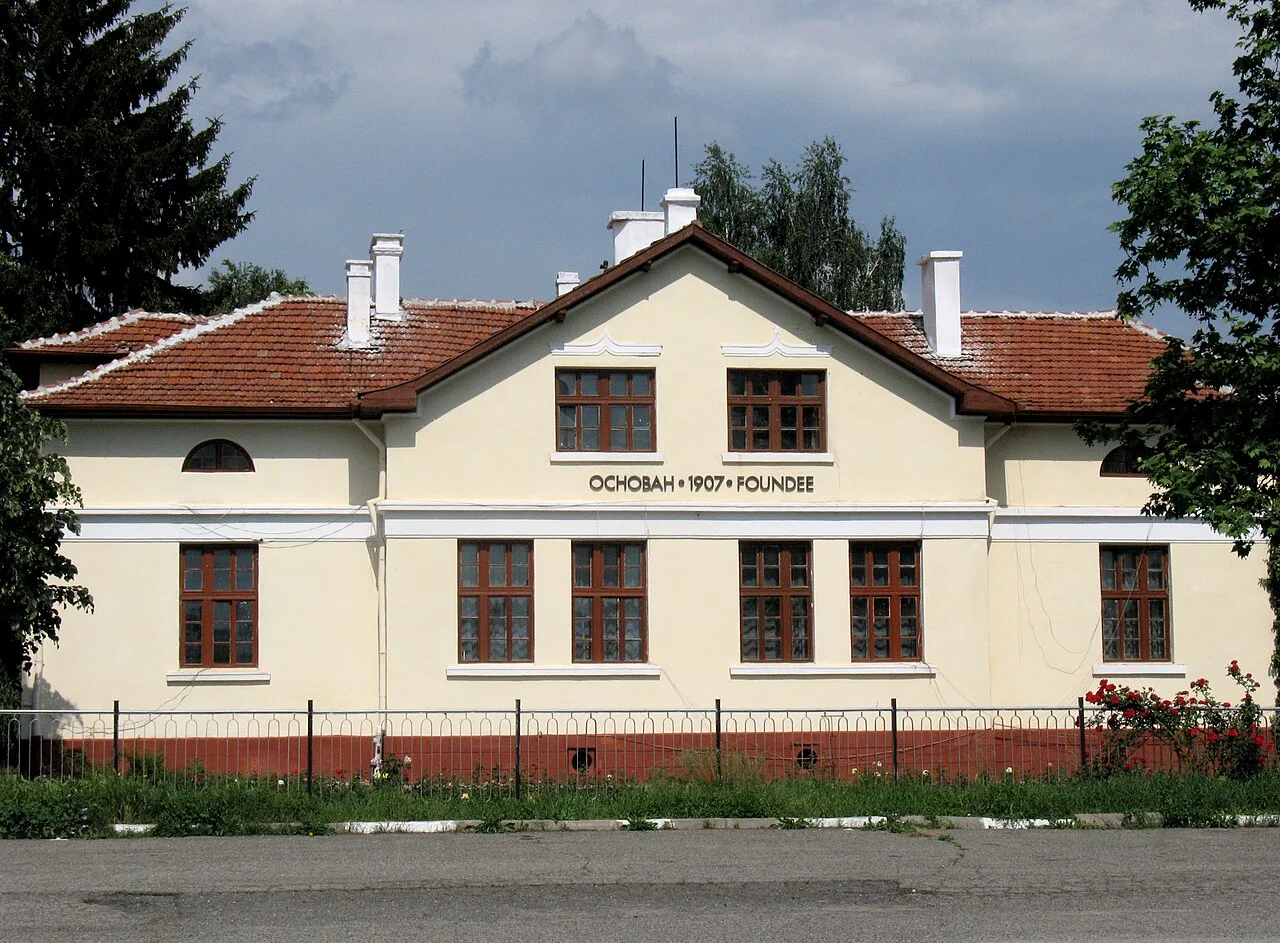
The Kazanlak Rose Museum is the only museum in the world dedicated entirely to rose oil production. Housed inside Rosarium Park, it brings together more than 15,000 exhibits tracing Bulgaria's centuries-old rose culture. From harvest tools to historic trade records, every display connects visitors to a fragrant heritage unlike anywhere else in Europe.
Here's a complete walkthrough of the museum's main exhibitions and layout:
A visit here pairs naturally with the UNESCO-listed Thracian Tomb just a short walk away. If your trip falls in late May or early June, the surrounding rose fields and Kazanlak's Rose Festival make the experience even richer. Even outside peak season, the museum stands on its own as one of the most distinctive cultural stops in central Bulgaria.
Must-See Highlights at the Rose Museum
The museum organizes its collection across three main exhibition spaces, each covering a different chapter of the rose oil story. Highlights include original tools for tending rose gardens and containers once used to store and export rose oil. One standout piece is a konkuma, a rose oil vessel last used in 1947 that still carries a faint scent. Historic photos and documents round out the collection and give important context to the objects around them.
A reconstructed 1907 laboratory is one of the most compelling stops inside the museum. It was built by chemistry teacher Hristo Yaramov to detect counterfeit rose oil, known locally as tereshe. His work helped protect Bulgaria's reputation as a producer of genuine, high-quality rose attar at a critical moment in the industry.
Before leaving, stop at the on-site shop for rose oil, rose-based cosmetics, rose liqueur, and local souvenirs. Products here are reliably authentic and often better priced than souvenir shops in the city center. It is also a convenient place to pick up small, genuinely local gifts without searching across town.
- Rose garden and harvest tools
- Type: original farming and picking equipment
- Era: 19th and early 20th century
- Konkuma rose oil vessel
- Type: authentic rose oil storage jar
- Note: last used in 1947, still lightly fragrant
- Hristo Yaramov's 1907 laboratory
- Type: reconstructed quality-control lab
- Purpose: detecting counterfeit rose oil (tereshe)
- Rose oil export containers
- Type: historical jars and trade vessels
- Era: 19th century global trade period
- Historic photo and document archive
- Type: photos, records, and rose culture documents
- Scale: part of 15,000-plus total exhibits
The Rose Oil Distillation Heritage
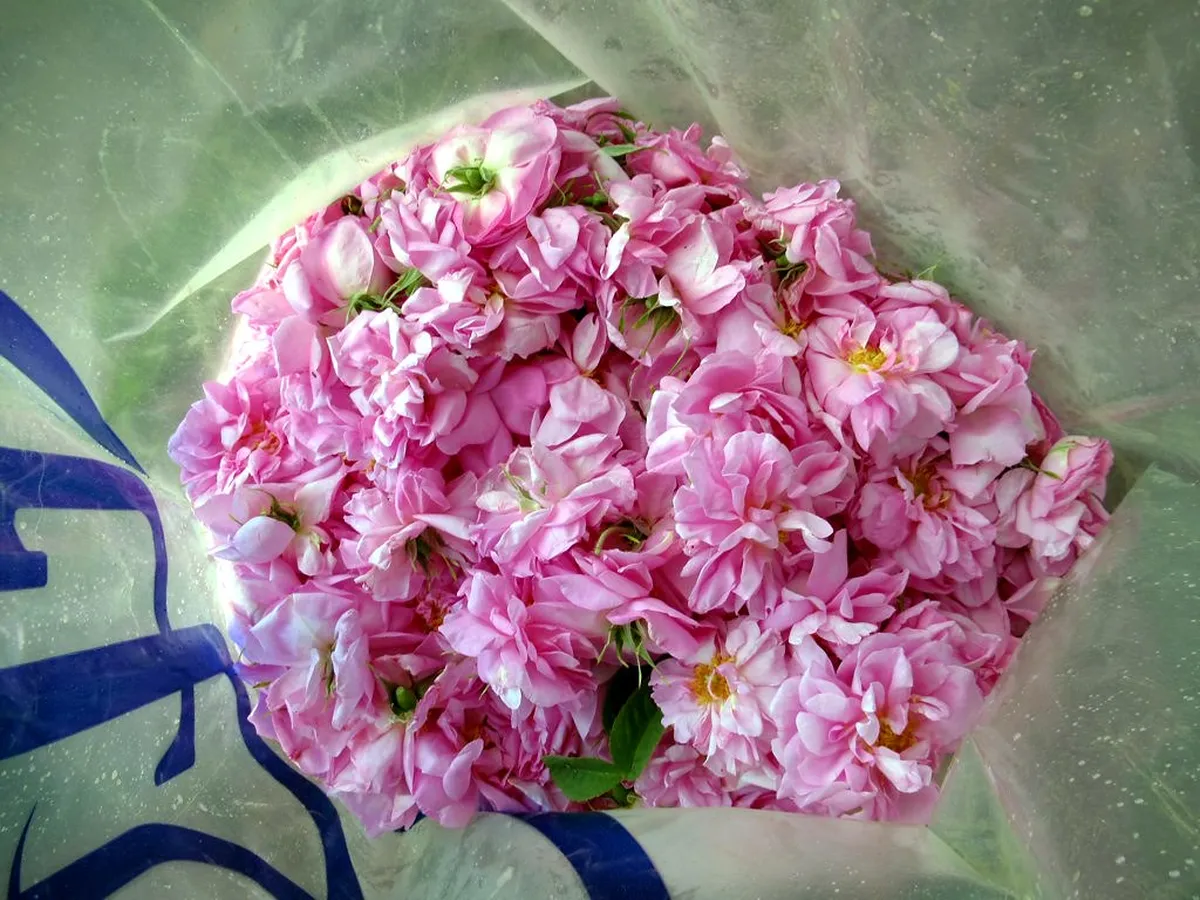
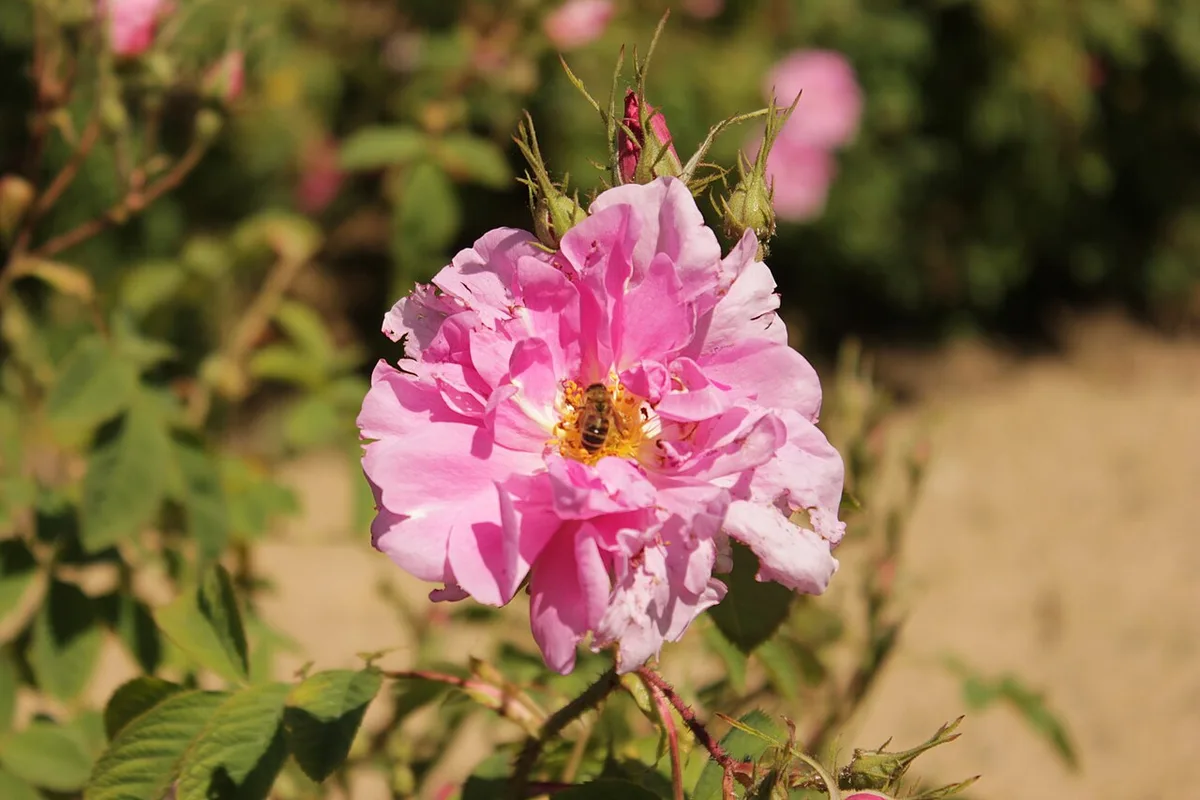
Bulgarian rose oil starts with Rosa Damascena, a variety that arrived in the Kazanlak Valley from Persia via Turkey centuries ago. The valley's mild springs and sheltered mountain position create the ideal conditions for this delicate flower. Today, Bulgaria remains one of the world's leading producers of rose attar — the pure essential oil extracted from the petals.
Harvest season runs from roughly May 20 to June 20 each year, though weather can shift the exact dates. Pickers begin at dawn, working from 5 a.m. to around 10 a.m. when the blooms hold the most fragrance. Producing just one kilogram of rose oil takes approximately 3,000 kilograms of freshly picked rose flowers.
Bulgarian rose oil entered European perfumery around 1720 and was shipped to London, Paris, and New York by sea and caravan. The first rose trading house in Kazanlak opened in 1820, founded by Doncho Papazov. Gold medals at world exhibitions in Vienna, Paris, Philadelphia, and Chicago confirmed its standing among the finest oils in the world.
Rosarium Park and Outdoor Spots Nearby
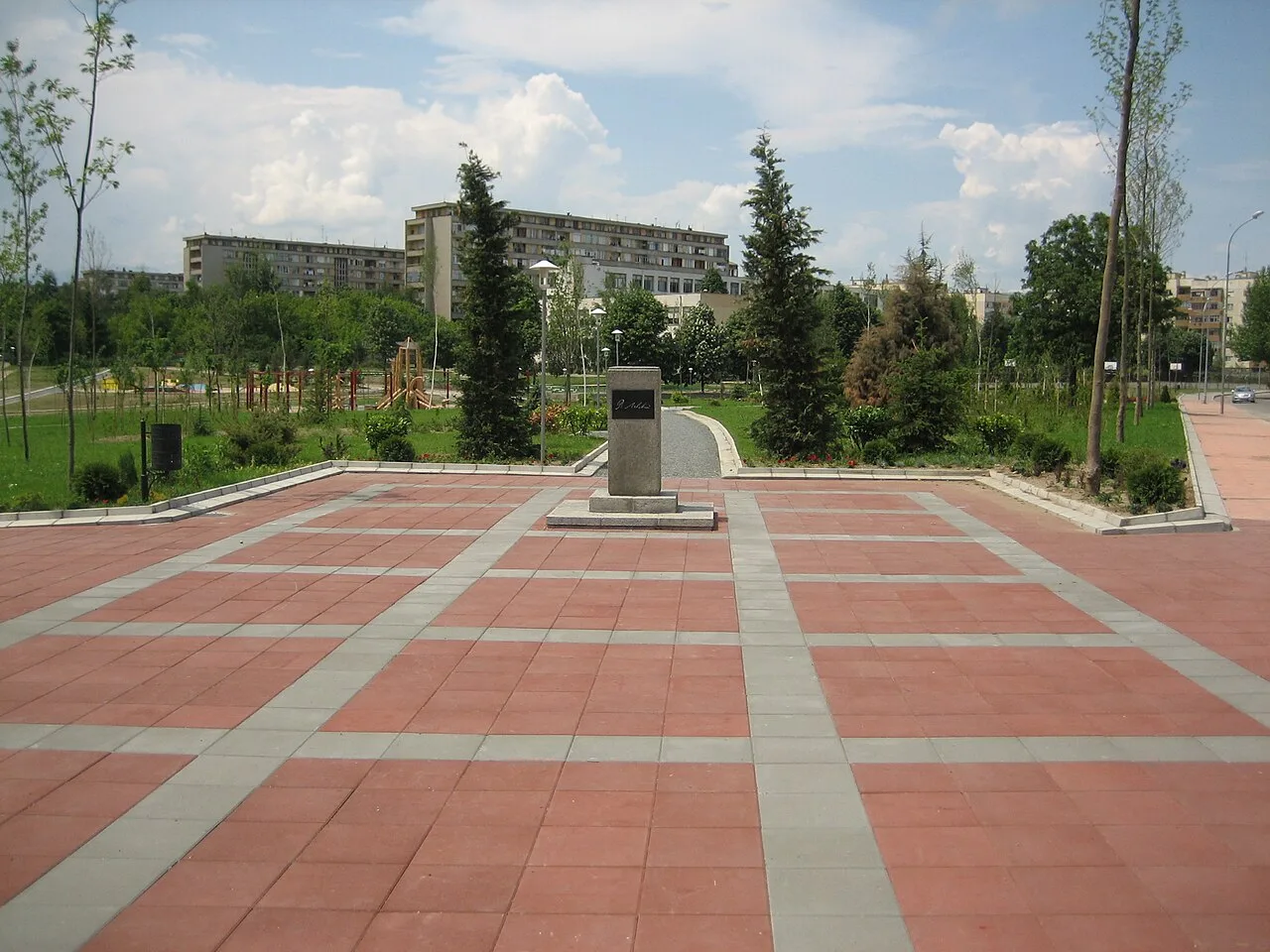
The museum sits at the center of Rosarium Park, one of Kazanlak's most pleasant green spaces. After exploring the exhibits, a walk along the park's rose-lined avenues takes about 20 to 30 minutes. In late May and early June, the blooms are at their fullest and the scent fills the park completely.
A rose field just outside the city, near the Museum of Essential Oils, is easy to reach on foot or by short taxi. Combined with a stroll through the park, it gives you a fuller picture of the Rose Valley landscape around Kazanlak. Arriving early in the morning offers the best light for photos and the freshest fragrance from the flowers.
The the UNESCO Thracian tomb is only a few minutes away and is a UNESCO World Heritage Site. Dating to the 4th century BC, it contains some of the finest Thracian frescoes ever found. Pairing the museum with the tomb makes for a well-rounded half-day of culture in the city.
Ticket Prices and Practical Visiting Tips
The Rose Museum is open every day from 9:00 a.m. to 5:30 p.m., including weekends. Adult entry costs 6 BGN (roughly €3), and students pay 2 BGN. Children under seven enter for free, and every last Monday of the month all unorganized visitors enter without charge.
Photography inside costs 5 BGN for a camera; filming with a video camera is 20 BGN. Guided talks are available in Bulgarian for 10 BGN, or in a foreign language for 20 BGN. Booking a guided session is worth it if you want full context behind the collection rather than reading captions alone.
Parking is available at 1 Voynishka Street, right next to the park entrance. Plan at least 90 minutes to see the full museum without feeling rushed. For longer stays, browse options for accommodation near Rosarium Park in Kazanlak to make the most of your time.
- Adult entry
- Cost: 6 BGN (approximately €3)
- Student entry
- Cost: 2 BGN (pupils and university students)
- Children under 7
- Cost: Free
- Last Monday of the month
- Cost: Free for all unorganized visitors
- Camera photography fee
- Cost: 5 BGN inside the museum
- Guided tour in a foreign language
- Cost: 20 BGN per session
Family-Friendly and Budget-Friendly Visiting Options
The Kazanlak Rose Museum is naturally family-oriented and works well with tighter budgets. Children under seven enter for free, and students receive a significant discount (2 BGN versus 6 BGN for adults). Every last Monday of the month, all unorganized visitors enter without charge, making it one of Kazanlak's most affordable cultural experiences year-round.
Families with young children should note that the museum's three exhibition spaces are indoors and climate-controlled, making it a comfortable option during hot summers or rainy spring days. The reconstructed 1907 laboratory and hands-on rose oil vessel exhibits appeal to curious children without feeling too academic or overwhelming. Rosarium Park outside offers space for children to run and explore rose gardens after the indoor tour, adding a free outdoor component to your visit.
For budget-conscious travelers, the on-site shop presents an advantage — products sold there are more fairly priced than tourist-oriented shops in downtown Kazanlak, and the quality is reliably authentic. Buying small rose-based souvenirs directly at the source is far cheaper than purchasing similar items from city-center vendors. Combining a museum visit with a free walk through Rosarium Park and a picnic lunch brings the per-person cost to nearly nothing while delivering a full cultural experience.
Rose Festival and When to Visit Kazanlak
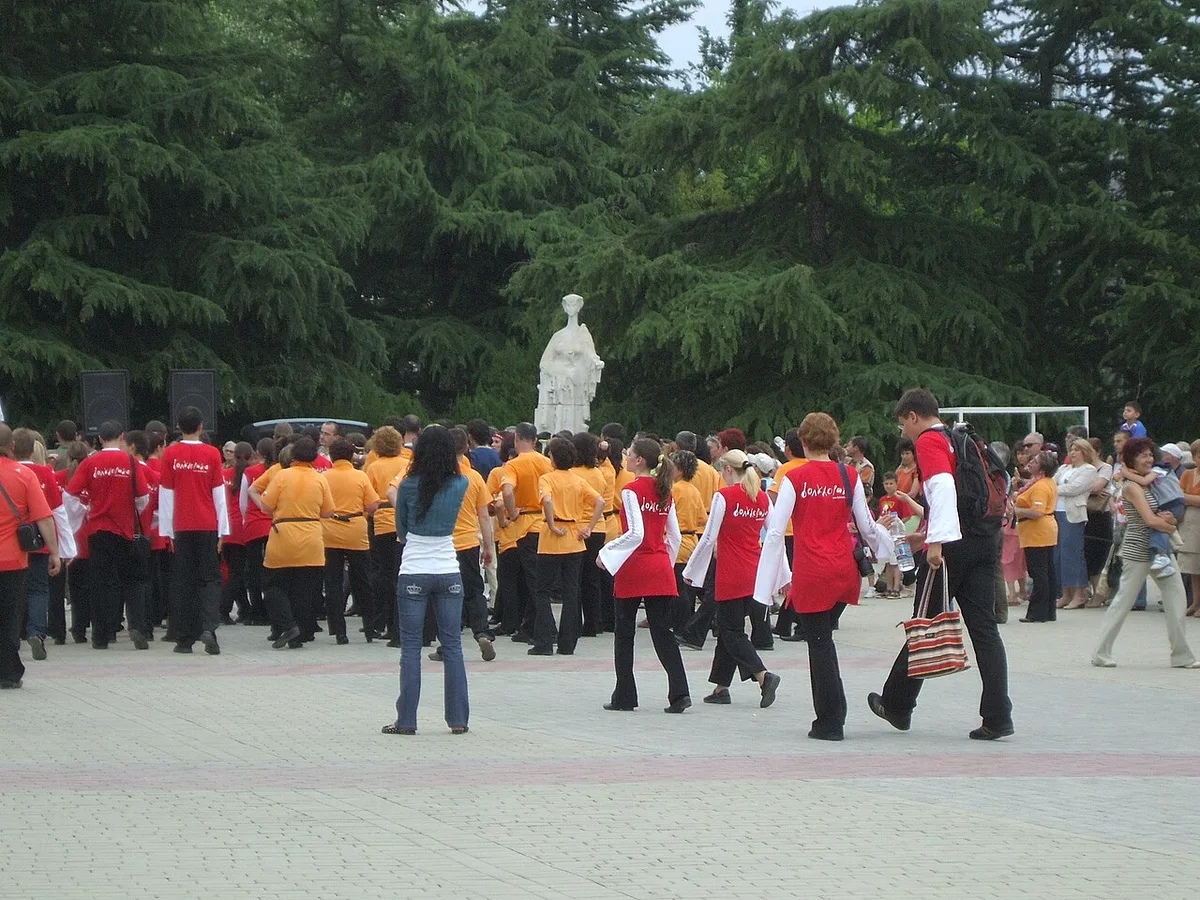
Late May to early June is the best window to visit if you want the full seasonal experience. The annual Rose Festival fills Kazanlak with parades, folk performances, and the crowning of a Rose Queen during that period. Check the when to visit Kazanlak guide for a full breakdown of weather, crowds, and event dates.
The Rose Festival in Kazanlak was first held in 1903, making it one of Bulgaria's longest-running annual celebrations. In 2026, large crowds are expected, so booking accommodation several weeks in advance is strongly recommended. If the festival falls outside your schedule, the museum is fully open and rewarding to visit at any other time of year.
April and September offer mild weather, fewer visitors, and lower hotel prices across the city. The indoor exhibits are rich enough to stand on their own, with no blooming roses needed to make the visit worthwhile. Winter visits are quieter still and give you the collection almost entirely to yourself.
Planning Your Day in Kazanlak
Kazanlak sits around 236 kilometres south of Sofia, about a three-hour drive on well-maintained roads. From Plovdiv, the distance is roughly 139 kilometres and takes under two hours. See the guide on travelling from Plovdiv to Kazanlak for current bus and train schedule details.
Most visitors combine the Rose Museum with the Thracian Tomb and a walk along the main pedestrian street in a single afternoon. Adding the Shipka Pass and Memorial Church, about 14 kilometres north, turns the outing into a full-day excursion. The views from Shipka and the memorial's golden domes make for a strong cultural counterpart to the museum.
For a pre-planned route, the Kazanlak itinerary guide maps out a two-day plan covering the museum, tomb, park, and nearby villages. Day trips from Sofia and Plovdiv are popular, especially during rose season when the fields are in bloom. Staying overnight lets you catch the rose fields at dawn and explore at a far more relaxed pace.
Continue planning: Use 7 Best Things to Do in Kazanlak and Best Time to Visit Kazanlak 2026 Guide to connect this guide with the rest of your Bulgaria itinerary.
Frequently Asked Questions
How much time should you spend at the Kazanlak Rose Museum?
Most visitors spend 60 to 90 minutes exploring the three exhibition spaces. Adding a walk through Rosarium Park next door extends the experience to roughly two hours. If you book a guided session in a foreign language, allow an extra 30 minutes on top of that.
Is the Kazanlak Rose Museum open year-round?
Yes, the museum is open every day from 9:00 a.m. to 5:30 p.m., including weekends. Always verify current hours at the official Muzei-Kazanlak site before visiting, as schedules can shift around public holidays. Entry is free for all unorganized visitors on the last Monday of each month.
What is the best time of year to visit the Kazanlak Rose Museum?
Late May to early June is the peak window, when the roses are in full bloom and the annual Rose Festival brings Kazanlak to life. The museum is fully worth visiting outside this period too, as the indoor exhibits stand on their own. Shoulder periods in April and September offer fewer crowds and lower hotel rates.
Can you buy rose oil at the Kazanlak Rose Museum?
Yes, the museum has an on-site shop selling authentic Bulgarian rose oil, rose-based cosmetics, rose liqueur, and local souvenirs. Products are reliably local and often better priced than tourist shops in the city center. It is one of the most trustworthy places in Kazanlak to buy genuine rose products from the region.
What other sights are near the Kazanlak Rose Museum?
The Thracian Tomb of Kazanlak, a UNESCO World Heritage Site from the 4th century BC, is just a few minutes walk away. Rosarium Park surrounds the museum and is worth exploring after your visit. Shipka Pass and its Memorial Church, about 14 kilometres north, make a strong addition to any Kazanlak day trip.
For the wider city context, see our complete things-to-do-in-Kazanlak guide.
The Kazanlak Rose Museum offers something genuinely rare — a close look at a fragrant tradition that has shaped Bulgarian culture and global perfumery for centuries. From reconstructed laboratories to thousands of historical objects, every room tells part of that story with care and depth. Even without the rose season as a backdrop, the exhibits hold their own as one of Kazanlak's most rewarding cultural stops.
Pair the museum with Rosarium Park, the Thracian Tomb, and a coffee on the main square for a complete Kazanlak afternoon. If your visit falls during rose season, the combination of blooming fields and festival energy is hard to match anywhere else in Europe. Plan to arrive early, allow yourself at least 90 minutes inside, and leave time for a walk through the park before moving on.