Samovodska Charshia Visitor Guide: 8 Things to Know
Walking through the narrow cobblestone streets of Veliko Tarnovo feels like stepping back into the 19th century. This comprehensive samovodska charshia visitor guide helps you navigate the most famous market street in the city. You will find a vibrant mix of history, traditional crafts, and unique culinary treats along this historic thoroughfare.
The market serves as a living museum where the spirit of the Bulgarian Revival remains very much alive today. Travelers often visit Veliko Tarnovo to see the fortresses, but this market offers a more intimate look at local life. You can watch master craftsmen work in their small shops just as their ancestors did generations ago.
Planning your visit requires a bit of local knowledge regarding workshop hours and the best photo spots. This guide covers everything from finding the perfect Troyan pottery to navigating the steep streets of the Varusha district. Get ready to explore the handmade treasures and historic charm of one of Bulgaria's most iconic locations.
For a feel of the market street and its artisan character, watch this walkthrough:
The History of the Samovodska Charshia Market
The street takes its name from the village of Samovodene, a few kilometres northwest of the city. On market days in the second half of the 19th century, women from Samovodene would lay their rugs on the cobblestones here and sell produce, and the name stuck to the whole market that grew up around them. What began as a produce trade for the Second Bulgarian Kingdom's former capital soon attracted craftsmen, and the street gradually split into a dedicated quarter for skilled trades rather than farm goods.
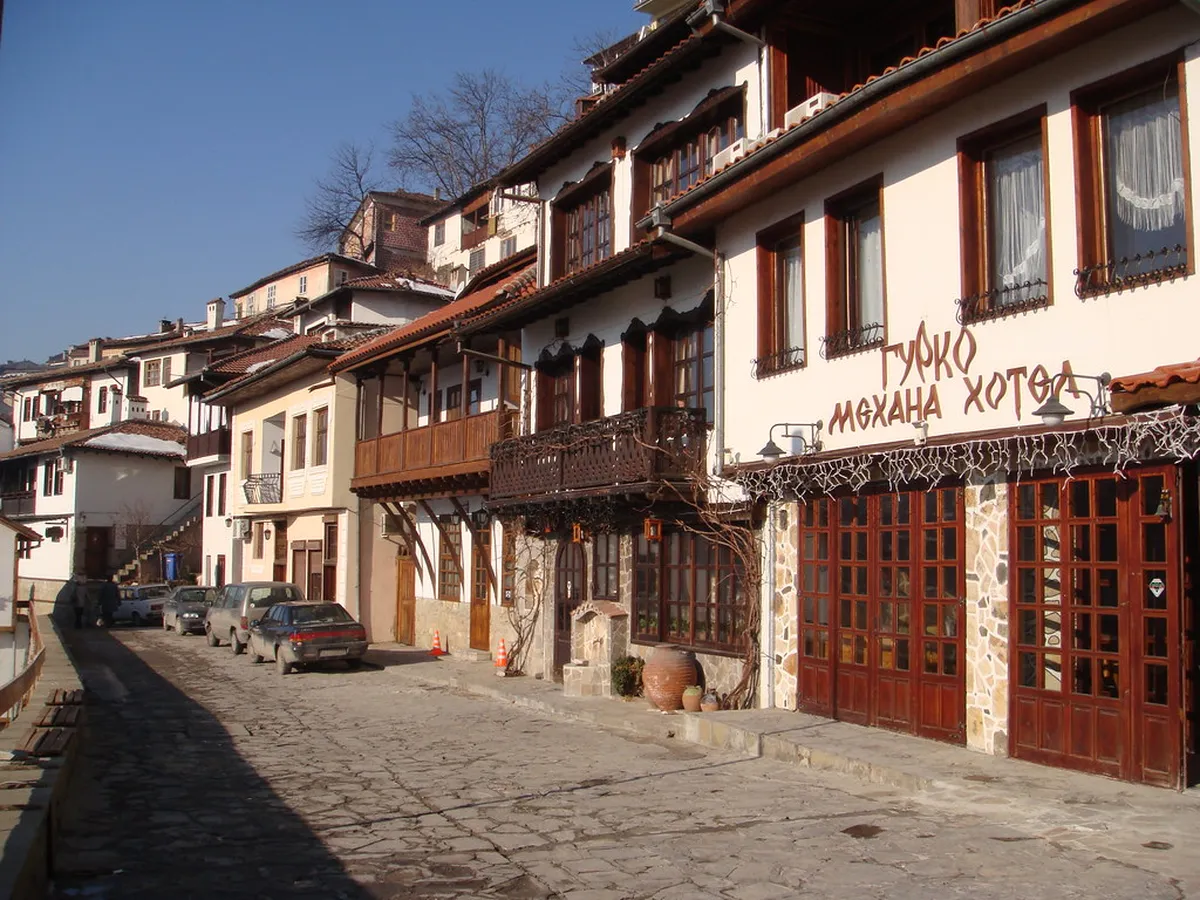
The buildings that line the street today are classic Bulgarian Revival architecture: stone ground floors built to carry the weight of the workshop above, timber-framed upper storeys that project out over the pavement, and small wooden-lattice windows that once let women watch the street without being seen from it. The whole quarter was restored as a dedicated crafts district in the mid-1980s, and that restoration is what gives Samovodska Charshia its uniform, almost stage-set feel compared with the more lived-in streets nearby.
One building worth slowing down for is the Hadji Nikoli Inn, a two-storey merchant caravanserai built around a quiet inner courtyard in the 1850s. It's the work of Kolyu Ficheto, the self-taught master builder credited with several of the era's finest churches and bridges in the Tarnovo region; the inn once housed traveling merchants and their goods, and today it's preserved as one of the street's architectural landmarks, occasionally hosting exhibitions and cultural events. Its symmetrical facade and arcaded courtyard are a useful reference point for what the rest of the market street looked like at full commercial strength.
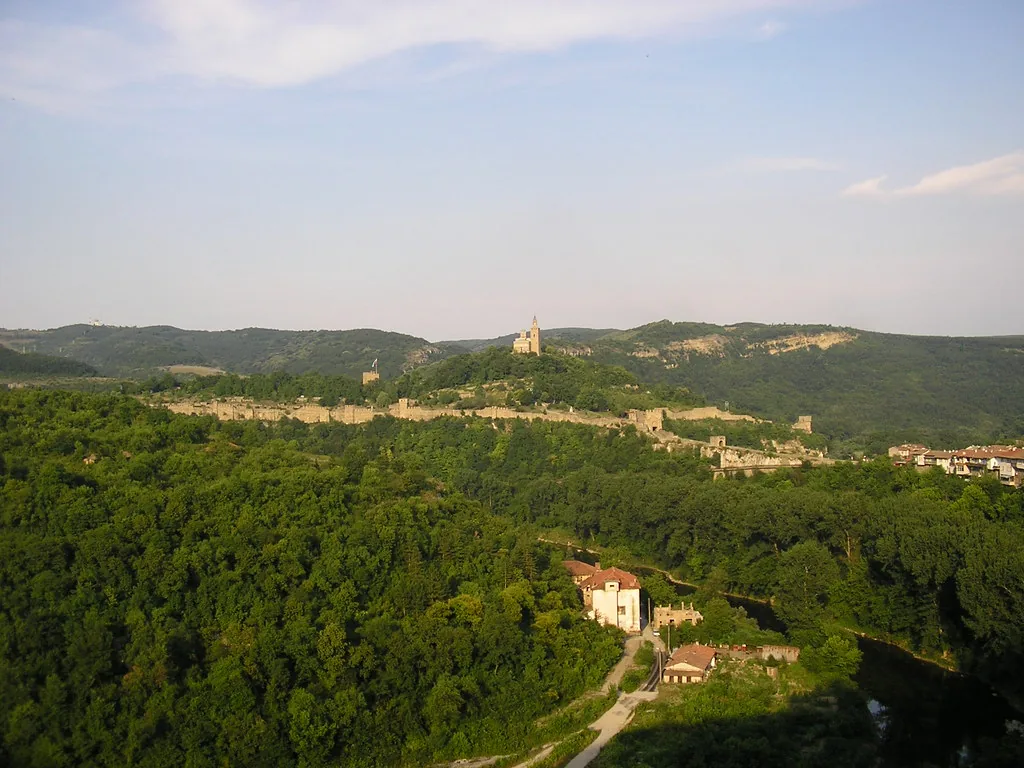
Today the market sits within the Varusha North neighborhood, on the steep slope leading down toward the Yantra River, and it remains the closest thing Veliko Tarnovo has to a living record of how the 19th-century town actually traded. Walking a few minutes toward the Tsarevets Fortress Visitor Guide, it's easy to picture this street as the commercial engine that once supplied the fortress hill above it.
Must-Visit Artisan Workshops and Craftsmen
The municipal tourism listing for the street names a working potter, coppersmith, woodcarver, weaver, icon painter, and goldsmith, plus a bakery turning out kadaif — and on any given day, most of them are at their benches rather than behind a counter. That's the real draw here: these are working ateliers, not staged demonstrations, so what you actually see depends on what the artisan happens to be making that afternoon.
The potter's wheel is usually the easiest stop for a quick look, since the shaping happens in full view near the front of the shop. A few doors along, the coppersmith hammers sheet copper into coffee pots, trays, and decorative plates, and the rhythmic hammering is often audible before you see the shop itself. These workshops cluster within a few minutes' walk of the scenic Gurko Street Visitor Guide, so it's easy to fold both into the same stroll. The icon painter and woodcarver work in the quieter, gallery-style spaces further up the street, producing religious icons and carved pieces that take days rather than minutes to finish.
Because every workshop is independently run, hours vary shop by shop — there's no single posted schedule for the street as a whole. As a rule, you'll find more artisans staffed and working during the day than in the evening, and more shops open on weekends when the wider market side of the street is busiest. If a workshop looks closed, it's usually just the artisan's day off rather than the street itself being shut.
These are also the moments worth being deliberate about photographing. Most artisans are glad to talk about their craft if you show genuine interest, but it's good etiquette to ask before shooting close-up photos or video of them at work — a habit worth keeping regardless of how busy the street feels.
Authentic Souvenirs and Handmade Treasures
Skip the generic gift stalls near the entrance and shop from the workshops themselves. Troyan-style pottery is the signature find here: look for the drop-pattern glaze in brown, green, and white, a technique that traces back to the potters of nearby Troyan and remains the most recognisable Bulgarian ceramic style. It's sturdy enough to actually use at home, not just display on a shelf.
The simplest way to tell handmade from imported is to check whether the piece in your hand matches what the artisan is actually working on at the bench. Genuine hand-thrown pottery and hand-hammered copper show small asymmetries — a slightly uneven rim, hammer-mark texture that isn't perfectly regular — while the cheaper stalls mixed in among the workshops tend to sell uniform, machine-finished pieces sourced elsewhere. If you like a piece, ask the artisan directly whether they made it; most are happy to say yes or point you to who did.
For something smaller, hand-carved wooden spoons and boxes with folk-pattern carving pack well and travel light. The Sarafkina House Visitor Guide nearby is worth pairing with a shopping stop, since it shows how these same crafts once furnished a real 19th-century merchant home rather than a souvenir shelf.
Woven textiles — belts, scarves, table runners — usually carry the red-and-white motifs tied to Bulgarian folklore and the spring Martenitsa tradition, and cost less than a full rug while carrying the same craftsmanship. Rose oil products round out the shopping list; Bulgaria supplies a large share of the world's rose oil, so look for a certified-organic label on soap, perfume, or rose jam, and buy directly from a stall rather than a tourist-strip shop for the freshest stock.
Where to Find Traditional Snacks and Coffee
The 'Shekerdzhiynitsa' sweet shop is the street's other unmissable stop, and the bakery behind it is one of the confirmed working ateliers on the municipal tourism list. Look for 'white jam' or 'pestil', a chewy plum fruit leather that's been made this way for generations — both travel well and make better edible souvenirs than most of what's on the shelves nearby.
Kadaif is the dessert to order if you only try one thing: shredded wheat dough soaked in syrup, usually finished with crushed walnuts. It's rich enough to split between two people and pairs naturally with the sand-brewed coffee a few doors down, where a small copper pot is buried in a tray of hot sand rather than heated directly over a flame — a slower method that produces a thicker, sweeter cup and is a direct legacy of the town's Ottoman-era coffee culture.
For something savory, small bakeries tucked into the side streets off the main thoroughfare sell fresh banitsa, the flaky pastry layered with eggs and sirene cheese. Eating one warm, straight from the tray, while sitting on a stone step is close to the default Veliko Tarnovo breakfast.
None of this needs advance planning. The sweet shop and coffee stops are walk-in only, and portions are small enough that you can sample two or three things without committing to a full sit-down meal.
Practical Visitor Info: Hours and Location
The street itself is free and open around the clock in 2026 — there's no gate, ticket, or entry fee, since it's a public street rather than a managed site. What have set hours are the individual workshops, galleries, and cafes lining it, and because each is independently run, none of them post a shared schedule for the whole street. Plan to visit during daylight hours if seeing artisans actually at work matters to you, and expect more shops staffed on weekends than on a quiet Tuesday. You can pinpoint the exact entrance on Google Maps - Samovodska Charshia before you set out.
The street is pedestrian-only and paved in original cobblestone, which photographs beautifully but gets slick when wet — flat, closed-toe shoes are worth the trade-off against sandals here. The Old Town's steep grade means most of the walking is either uphill or downhill, with no flat route through it.
Parking follows a simple weekly pattern: it's genuinely difficult to find a spot near the Old Town on a weekday, but municipal weekend parking is free in most of the surrounding streets, which is one more reason Saturday and Sunday are the busiest times to visit. On a weekday, it's usually faster to park in the lower town and take a short taxi up rather than circle for a space.
Public restrooms are scarce on the street itself, so plan to use facilities at a nearby cafe or museum before you start browsing. Small-denomination Bulgarian lev are useful for buying snacks or a small handmade item without asking a shopkeeper to break a large note.
How to Get to Veliko Tarnovo and the Old Town
Bus is the fastest and most frequent way in from Sofia: the ride takes roughly three hours, departures run close to hourly through the day, and a one-way ticket costs around 20 to 25 Lev. Tickets are easy to book ahead through Busexpress.bg, which is worth doing in high season since popular departures can sell out.
The train covers the same route more slowly, taking anywhere from 4.5 to 6 hours depending on the connection through Gorna Oryahovitsa, with fares ranging from about 15.50 to 26.50 Lev depending on class. It's a scenic option through the Balkan foothills if you're not in a hurry, but with only a handful of departures a day, the bus is the more practical choice for a tight itinerary.
From the bus or train station, a short taxi ride covers the rest of the way to the Old Town; most drivers know the market by name and can drop you at the top of the street so you're walking downhill rather than up. Once you're in the historic district, walking is the only way to properly see it — the lanes are too narrow and steep for much else.
Coming from Bucharest, daily shuttle services connect the two cities in roughly three to four hours; book a seat in advance during the summer season when demand is highest. Driving gives you the most flexibility overall, but plan around the parking situation described above rather than expect an easy spot near the entrance.
The Best Time to Visit for the Market Buzz
Summer brings the street to its busiest and most animated: workshops keep longer hours, street musicians are common, and the crowds are part of the experience rather than an obstacle to it. It's also when the street occasionally hosts evening events such as the Night at the Samovodska Charshia crafts festival, listed on the official velikoturnovo.info events calendar, when workshops stay open after dark with live demonstrations. Check the calendar before your trip, since exact festival dates shift year to year.
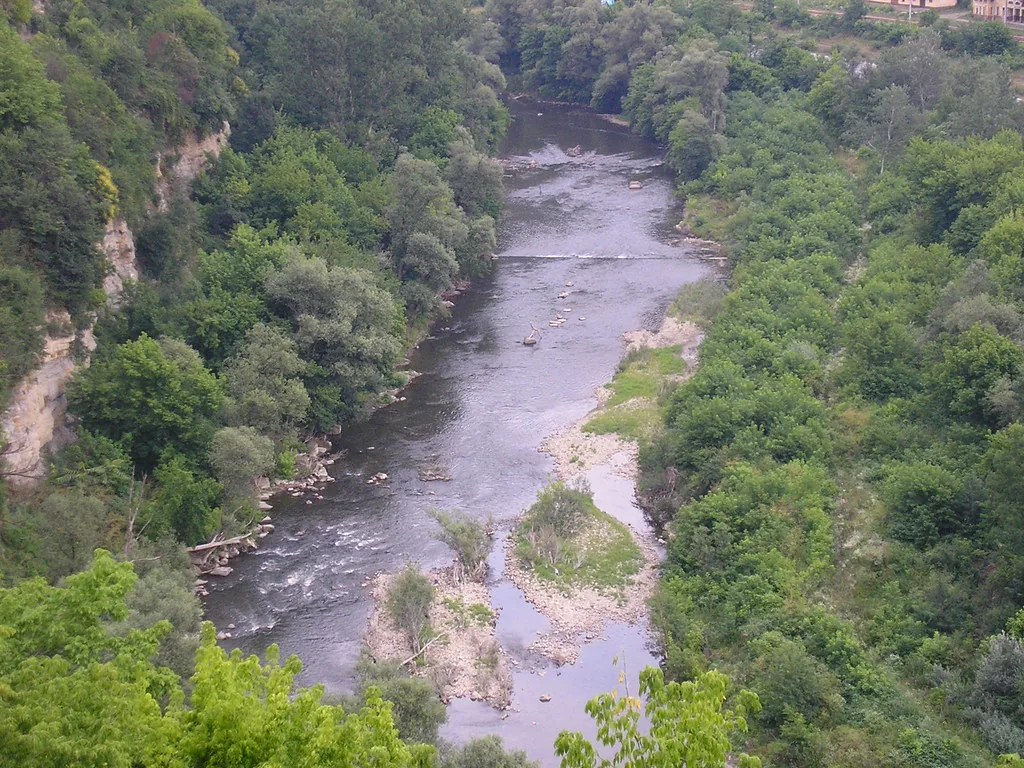
Spring and autumn trade a little energy for far more breathing room. May and September are the sweet spot: warm enough for a relaxed walk, cool enough that the artisans aren't sweating over a forge, and quiet enough to actually watch someone work without a crowd forming behind you. The surrounding hills are at their greenest in these months too, which helps the photos.
Winter is the quietest season by far. Some workshops shorten their hours or close for stretches, but the sweet shop and coffee stops stay reliably open, and a light snow on the red-tiled roofs makes the street worth the visit on its own. If a peaceful, uncrowded walk matters more to you than seeing every workshop open, this is the season to pick.
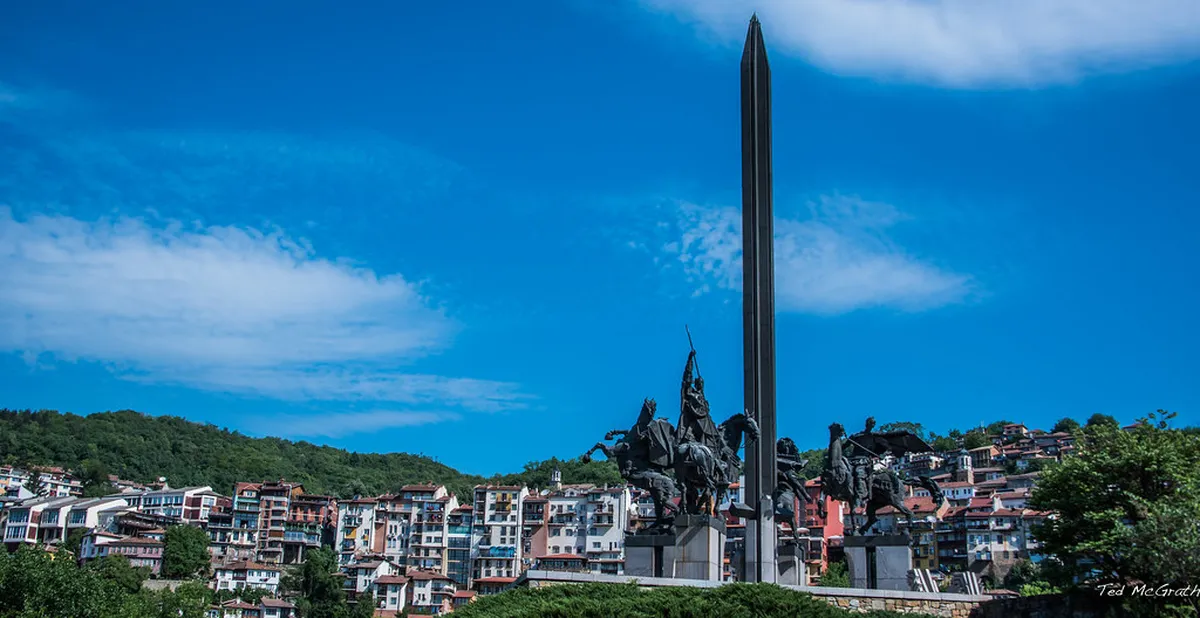
For photos, aim for the last hour before sunset, when low light hits the white Revival-era facades and throws long shadows across the cobblestones. Walk to the far end of the street toward the viewpoint near the Asenevtsi Monument for the best combined shot of the old town rooftops and the Yantra River below — it's a short detour and the single best vantage point on this route. The Mini Bulgaria Park Visitor Guide nearby makes a good add-on stop if you still have daylight left afterward.
Continue planning: Use Veliko Tarnovo Attractions: 10 Top Things to Do to connect this guide with the rest of your Bulgaria itinerary.
Frequently Asked Questions
Is Samovodska Charshia free to visit?
Yes. Samovodska Charshia is a public street in central Veliko Tarnovo, so there is no ticket and no entry fee in 2026 - you only pay if you buy crafts, food, or drinks from the workshops and cafes along it.
What is Samovodska Charshia?
It is Veliko Tarnovo's Revival-era craft bazaar, an architectural and ethnographic complex of restored 19th-century houses along Georgi Rakovski and Kapitan Georgi Mamarchev streets. It grew in the second half of the 19th century as the town's market centre and was restored as a crafts quarter in the mid-1980s.
Where does the name Samovodska Charshia come from?
The name comes from the village of Samovodene: on market days women from Samovodene would lay out rugs on the street and sell their produce here, and the market that grew around them took the village's name.
What craft workshops can you see on Samovodska Charshia?
The municipal tourism site lists working artisans including a potter, coppersmith, woodcarver, weaver, icon painter, goldsmith, and a bakery making kadaif, alongside galleries, souvenir shops, and cafes housed in Revival-era buildings.
How far is Samovodska Charshia from Tsarevets Fortress?
The bazaar sits roughly 1.2 km west of the Tsarevets Fortress entrance, about a 15-20 minute walk through the old town, which makes it a natural stop before or after visiting the fortress.
What historic landmarks are on the street?
Highlights include the historic Hadji Nikoli Inn, the house-museum of the writer Emilian Stanev, and the monument to Stefan Stambolov, the Liberation-era figure who served as Bulgaria's prime minister from 1887 to 1894.
Are there special events at Samovodska Charshia?
Yes. The street hosts festival evenings such as the Night at the Samovodska Charshia crafts festival, listed on the official velikoturnovo.info events calendar, when workshops stay open late with demonstrations and performances.
Samovodska Charshia is more than just a place to buy souvenirs; it is a gateway to Bulgaria's rich artistic past. By following this samovodska charshia visitor guide, you can ensure a productive and memorable visit to this historic street. From the taste of sand-brewed coffee to the sound of the copper smith's hammer, the sensory experiences here are unmatched.
Take your time to talk to the artisans and learn about the dedication required to master these traditional skills. Supporting these local businesses helps preserve the cultural fabric of Veliko Tarnovo for future generations. Whether you are a history buff or a casual traveler, the market offers something unique for everyone to enjoy.
As you leave the cobblestones behind, you will carry with you a piece of Bulgarian heritage in the form of a handmade treasure. The memories of the views over the Yantra River and the sweet scent of the sugar shop will stay with you long after. Plan your trip today and discover why this market remains the heart of the city's old soul.
For more Veliko Tarnovo planning, read our Veliko Târnovo: Gems and Shopping in Veliko Târnovo 2026 guides.
For official details, visit the Samovodska Charshia official site and Samovodska Charshia on Wikipedia.