Ruse Danube Riverside Park & Kea Park Visitor Guide
The Ruse Danube riverside park is really two connected spaces: Mladezhki (Youth) Park, the shaded green zone at the eastern end of Aleksandrovska Street, and the Kea, the quay promenade (Kraybrezhna aleya) that runs along Pristanishtna Street beside the river itself. Locals rarely separate the two - you walk out of the park and you are already on the promenade, with the Danube and the Romanian bank opposite you.
Both spaces are free, open around the clock, and reachable on foot from central Ruse in under fifteen minutes. Unlike a themed attraction, there is no single "must-see" here - the appeal is the combination of a flower-planted centerpiece, a rose garden, riverside benches and cafes, and one unusual small museum tucked into a historic building on the quay.
This guide covers what is actually in Mladezhki Park and along the Kea, the short history behind the site, and the practical details - access, timing, families and cyclists - you need for a 2026 visit.
For a sense of the park and riverside before your visit, this walking tour shows the main features:
Mladezhki Park and the Kea Promenade: What's Actually There
The park's centerpiece is Vazata, a large ornamental metal vase filled with seasonal flowers that has become one of the most photographed spots in Ruse. Close by stands the oldest monument in the city, alongside several other memorials set among the shaded alleys. A Rosarium - a dedicated rose garden - sits within the park and is at its best from late spring into early summer, when the roses and the plantings in Vazata are both in bloom.
Walking and cycling alleys run through the whole green belt, wide enough that joggers, cyclists, and families with strollers share the space comfortably. Where Mladezhki Park ends, the Kea promenade begins: a paved riverside walk along Pristanishtna Street with open Danube views, park benches, a run of small cafes, and scattered sculptures facing the water.
Entry points are informal - you can drop into the park from the Aleksandrovska Street side or join the promenade directly from the quay - so there is no single "front gate" to look for. Following the water is the simplest way to keep your bearings, since the whole riverfront curves gently along the natural line of the Danube bank.
A Short History: From War-Damaged Stadium to Riverside Park
Before it was a park, the site held a stadium and a hunting lodge, both destroyed during the Anglo-American air raids on Ruse in the Second World War. Rebuilding began in 1953, when the city laid out new alleys and entertainment facilities on the cleared ground - the start of what has grown into Ruse's main riverside green space.
That postwar layout is largely what you still walk through today: broad tree-lined alleys, open lawns, and a park designed for public gathering rather than for a single monument or attraction. It is worth knowing this history because it explains why Mladezhki Park feels more like a functional city park than a manicured tourist garden - that was the intent from the start.
The Quay Promenade and the National Transport Museum
Along the river, the promenade passes the National Transport Museum, housed inside Bulgaria's first railway station, built in 1866. It sits directly on the riverfront rather than inside the park proper, so most visitors walk right past it without noticing - it is easy to fold into a promenade walk if you have an extra half hour and want a break from the open air.
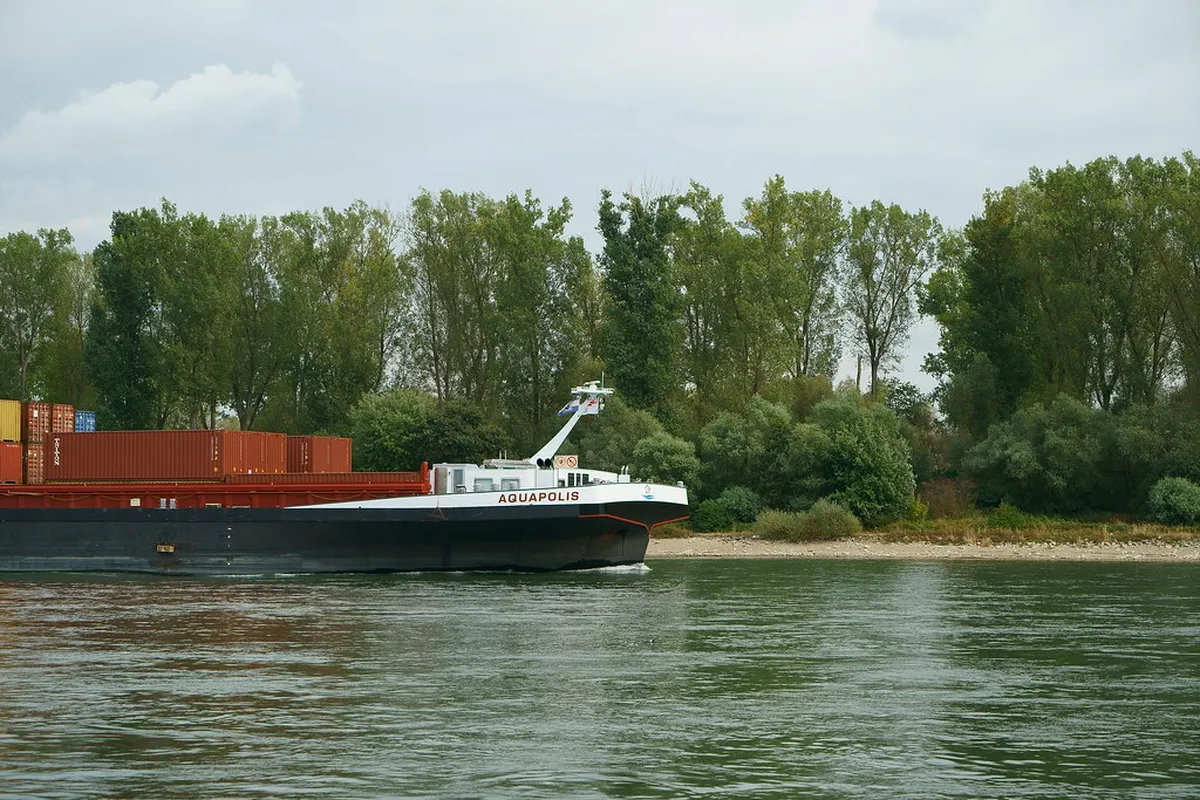
Because Ruse is Bulgaria's largest river port, the quay also doubles as a free vantage point for Danube river traffic: multi-day cruise ships that sail Passau-to-Black-Sea style itineraries regularly dock at Ruse's passenger port between roughly April and October, usually overnighting here as the base for day trips to Veliko Tarnovo or the Ivanovo rock-hewn churches. Early morning or early evening is your best chance of seeing one moored along the quay, and you do not need to book a cruise yourself to watch it arrive.
Sunset over the river is one of the promenade's simplest pleasures - the light softens over the water and the Romanian bank opposite fades into silhouette, with benches along the whole stretch if you want to sit rather than keep walking.
Practical Tips for Your 2026 Visit
The most direct route from the center is on foot: walk east along Aleksandrovska Street from the Svoboda Square area until it ends, and you arrive at Mladezhki Park beside the Danube. The park and the promenade are open access year-round, with no gates, no posted hours, and no entry fee (EUR 0) - the same applies whether you visit at noon or well after dark.
Late spring and early summer give you the Rosarium and Vazata at their best; summer evenings are the classic time for a sunset walk along the quay, though the heat of the day is better spent under the park's tree cover than out on the open promenade. Mosquitoes can be noticeable near the water on warm evenings in June and July, so repellent is worth packing if you plan to linger at dusk.
Restrooms, cafes, and drinking water are available near the promenade and the park's main areas, and the riverfront stays busy with locals well into the evening, which keeps it feeling secure for solo visitors. Boat trips on the Danube are arranged from Ruse's riverfront rather than from inside the park itself - ask locally or check with the Visit Ruse tourist information center for current operators and schedules.
Families, Cyclists, and Accessibility
Mladezhki Park has dedicated children's play areas and enough open lawn for families to spread out without competing for space with cyclists on the main alleys. The paths are broad and paved for most of their length, which also makes the park and promenade comfortable for strollers and wheelchairs - a genuine plus compared with the cobbled streets of central Ruse's old town.
Cyclists get one of the longest flat, uninterrupted stretches in the city, running the full length of the park into the promenade with no need to cross busy roads. For families splitting a day between sightseeing and downtime, the riverfront is the easiest place in Ruse to let children run around after a morning of museums and monuments.
Connecting Your Walk to Central Ruse Attractions
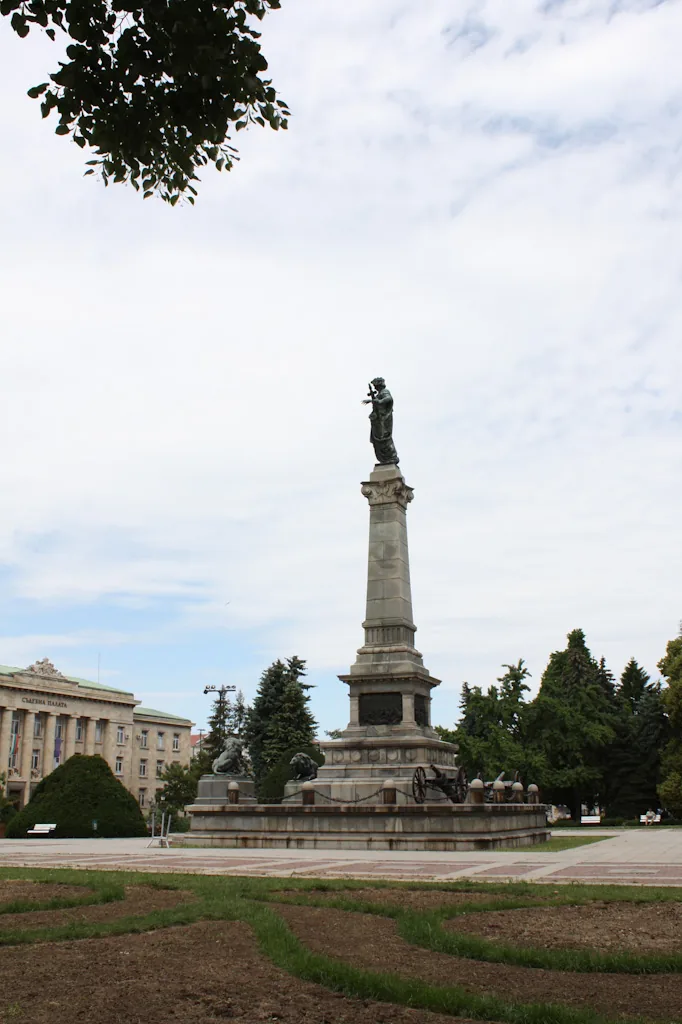
The park is just a short walk from the iconic Freedom Square in central Ruse. You can follow the pedestrian streets to see the beautiful 19th-century architecture of the city. This route takes you past the Monument of Liberty, a symbol of the city. It is a pleasant transition from the natural riverfront to the bustling urban center.
History enthusiasts should visit the Pantheon of National Revival Heroes Visitor Guide located nearby. This gold-domed monument is visible from many parts of the park and serves as a landmark. Walking there takes about fifteen minutes from the central park entrance. The surrounding square offers a quiet place to reflect on the region's revolutionary history.
You can also easily reach the Regional Historical Museum from the riverside. The museum houses impressive artifacts that explain the Roman and medieval history of the area. Combine your park visit with a museum tour for a full day of exploration. Most major sites are within a two-kilometer radius of the park's main promenade.
Continue planning: Use Ruse Attractions: 10 Top Things to Do in Ruse, Bulgaria to connect this guide with the rest of your Bulgaria itinerary.
Frequently Asked Questions
Is the Ruse Danube riverside park free to enter?
Yes. Both Mladezhki (Youth) Park and the riverside promenade along the Danube are open public spaces in Ruse, Bulgaria - there are no gates, no tickets, and no entry fee (EUR 0 / 0 BGN).
How do I reach the riverside park from Ruse city center?
Walk east along Aleksandrovska Street, the main pedestrian artery, from the Svoboda Square area until it ends - you arrive directly at Mladezhki Park beside the Danube. The coastal promenade (Kraybrezhna aleya) runs along Pristanishtna Street next to the river, all within easy walking distance of the center.
What can I see in Mladezhki Park and along the promenade?
The park's centerpiece is Vazata, a large ornamental metal vase planted with flowers, alongside the oldest monument in Ruse and several other landmarks, a Rosarium rose garden, and extensive walking and cycling paths. The riverside promenade adds Danube views toward the Romanian bank, benches, cafes, and sculptures; the National Transport Museum, housed in Bulgaria's first railway station (1866), sits along the river nearby.
When is the best time to visit?
Late spring and early summer are ideal, when the roses in the Rosarium and the flowers in Vazata are in bloom. Summer evenings are popular for sunset walks along the Danube promenade, and the park is pleasant in any mild weather.
How long should I plan for the riverside park?
About 1-2 hours covers a relaxed loop through Mladezhki Park and a stroll along the quay promenade. Add extra time if you stop at a riverfront cafe or the National Transport Museum along the river.
Is the park suitable for families and cyclists?
Yes. The park has children's play areas, rest spots, and broad alleys, and its extensive walking and cycling paths make it one of the best places in Ruse for an active outing by the river.
Is there a boat trip or river view from the park?
The promenade itself is the classic Danube viewpoint in Ruse, looking across to the Romanian bank. Ruse is Bulgaria's largest river port, and boat rides on the Danube are arranged from the city's riverfront rather than from inside the park - ask locally or at the Visit Ruse tourist information center for current operators.
What is the history of Mladezhki Park?
The site originally held a stadium and a hunting lodge, which were destroyed in the Anglo-American air raids of World War II. From 1953 the area was rebuilt as a public park with new alleys and entertainment facilities, and it has grown into Ruse's main riverside green space.
The Ruse Danube Riverside Park is a vital part of any visit to this northern Bulgarian city. It combines natural beauty with easy access to the most important historical sites in the area. Whether you want to exercise or simply relax by the water, the park delivers a great experience.
Planning your visit for 2026 allows you to enjoy the modern amenities and refreshed paths. Take your time to explore both the forest of Mladezhki Park and the breezy riverfront quay. This green space truly captures the elegant spirit of Ruse and its enduring connection to the Danube.
For more Ruse planning, read our Friendship Bridge Ruse–Giurgiu: 2026 Crossing Guide and Ruse 2 Day Itinerary: A Guide to Bulgaria's Little Vienna guides.
For official details, visit the Ruse Danube Riverside Park (Kea Park / Mladezhki Park riverfront) on Wikipedia, Ruse Danube Riverside Park (Kea Park / Mladezhki Park riverfront) official site and Ruse Danube Riverside Park (Kea Park / Mladezhki Park riverfront) guide on Tripadvisor.