Ultimate Pantheon of National Revival Heroes Visitor Guide
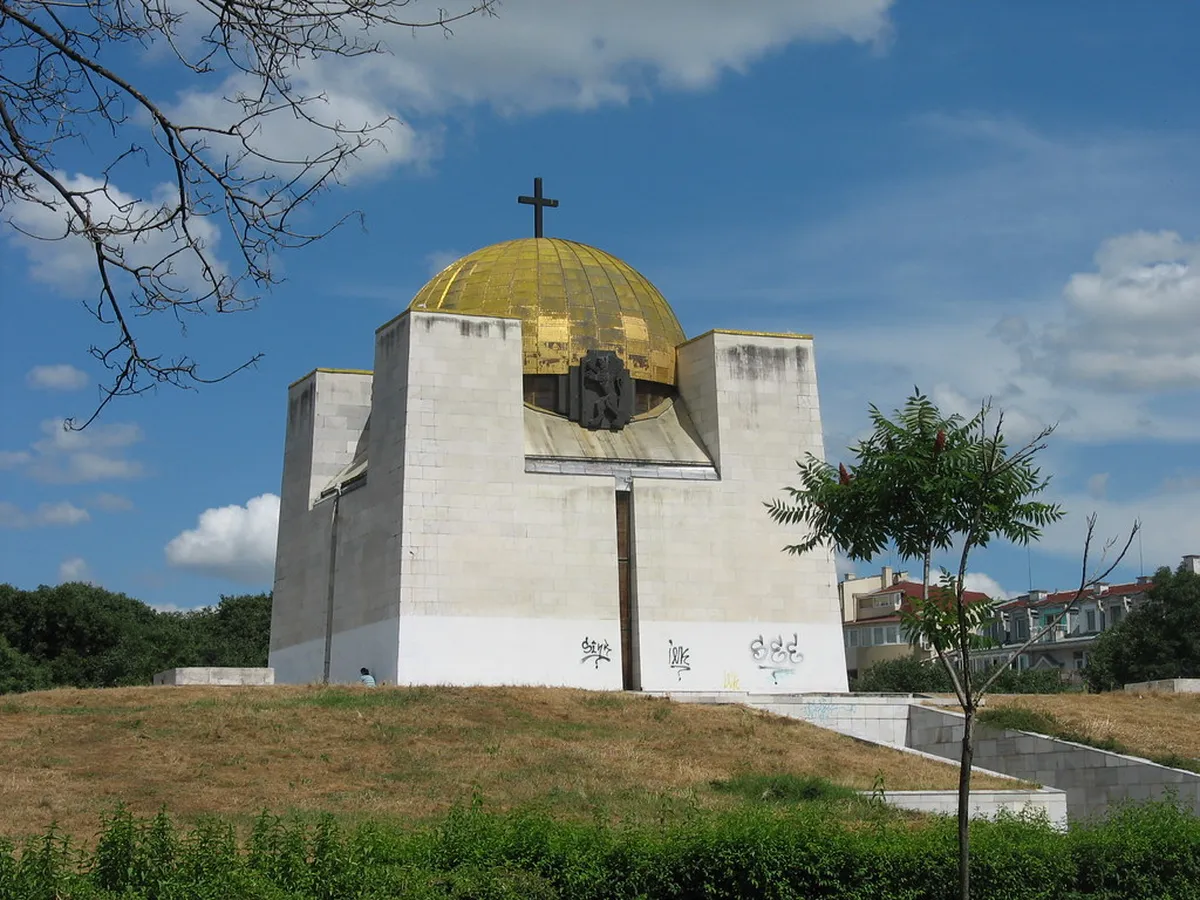
The Pantheon of National Revival Heroes stands as a striking landmark in central Ruse. Its golden dome gleams under the sun, inviting travelers to explore Bulgaria's rich revolutionary history. This guide helps you navigate the memorial and understand the brave souls resting within its walls. Visitors often find the atmosphere both somber and inspiring as they walk through the grand hall.
For a closer look at the golden dome and the memorial's interior, here's a guided walkthrough:
Significance of the Pantheon of National Revival Heroes
The Pantheon of National Revival Heroes is a national ossuary in central Ruse, where the remains of the men and women who fought for Bulgaria's independence rest inside small marble caskets. It opened on 28 February 1978, timed to mark the centenary of the country's liberation from Ottoman rule, and stands on the site of the city's old cemetery inside what is now the Park of the Revivalists. The monument is listed among Bulgaria's 100 National Tourist Sites, a designation reserved for the country's most historically significant landmarks.
The name trips up first-time visitors searching online, since it shares a word with the ancient Pantheon in Rome and the Pantheon in Paris. Ruse's building has no connection to either: it is a 20th-century Bulgarian memorial built to honor local revolutionaries, not a Roman temple or a French mausoleum for statesmen. Keeping that distinction in mind helps set expectations before you arrive, since this is a solemn, single-hall ossuary rather than a sprawling domed basilica.
Inside, the silence is deliberate. Each name inscribed on the marble panels represents a specific act of resistance during the National Revival period, and the building remains one of the most visited educational landmarks in northern Bulgaria, drawing school groups from across the region alongside independent travelers.
Architectural Design and the Eternal Flame
The building blends the socialist-era architecture of the 1970s with traditional Bulgarian revival motifs, and its most recognizable feature is the gold-plated dome, visible from several streets away in the city center. Between 2019 and 2021 the monument underwent a major restoration under a cross-border EU project, during which the dome was fully regilded, so the gleam visitors see today is close to how it looked at the original 1978 opening. Sunlight catches the surface most dramatically in the late morning.
Inside, a single circular hall opens beneath the dome, its walls covered in murals depicting scenes from the struggle against Ottoman rule. An eternal flame burns at the center of the room, and the lighting throughout is kept deliberately low so the flame and the gilded ceiling stay the focal points. Marble panels line the crypt below, holding the caskets of the interred.
One detail rarely mentioned in visitor write-ups: it is common in Ruse for newlywed couples, still in wedding dress and suit after the ceremony, to stop at the eternal flame and lay flowers as part of a wedding-day photo circuit around the city's landmark buildings. The custom carries over from the civic ceremonies of the socialist era, when new couples were expected to pay respects at monuments to the fallen before starting married life. Visit on a Saturday afternoon between spring and early autumn and don't be surprised to share the hall with a bridal party.
Who Is Honored Inside the Pantheon
Thirty-nine figures of the Bulgarian National Revival are interred here, their remains kept in individual marble caskets around the crypt. Among the best known are the writer-revolutionaries Lyuben Karavelov and Zahari Stoyanov, the voyvodas Stefan Karadzha and Panayot Hitov, and Baba Tonka Obretenova, whose home in Ruse sheltered rebels and who is buried alongside her son Nikola Obretenov. Panayot Volov and Angel Kanchev, both organizers of the 1876 April Uprising, are also among the interred.
Beyond the 39 who are physically interred, the walls carry the inscribed names of 453 further revolutionaries, detachment fighters, and educators who contributed to the independence movement but are not buried on site. Reading through even a fraction of these names gives a sense of how broad the National Revival movement actually was, extending far past the handful of figures most textbooks single out.
Seeing the Monument of Liberty, Ruse nearby adds useful context, since it commemorates the moment of liberation itself rather than the individuals who fought for it. Visiting both sites in the same afternoon gives a fuller picture of how the city marks this period of its history.
Tickets, Hours, and the Ruse Museums Day Pass
The Pantheon is open daily, with no weekly closing day, from 09:00 to 12:00 and again from 12:30 to 17:30. The midday gap is a staff break, not a full closure, so plan around it if you're arriving close to noon. Adult admission is 4.00 EUR (7.82 BGN); students and pensioners pay 2.50 EUR (4.89 BGN) with valid ID, organized groups of five or more pay 3.00 EUR (5.87 BGN) per person, and holders of a EURO 26 youth card pay 2.00 EUR (3.91 BGN).
If you're planning to see more than one museum site in Ruse, the Regional Historical Museum Ruse Visitor Guide, which manages the Pantheon, sells a combined day pass for 7.50 EUR (14.67 BGN). It covers the Pantheon plus the museum's other city branches, including the main collection in the Battenberg Palace and the Kaliopa House (Museum of Urban Lifestyle) Visitor Guide, worth doing the math on before buying tickets separately at each door, since two branches already cover the pass price.
Photography is allowed inside the main hall without flash, to protect the murals and gilding. Most explanatory panels are translated into English. Plan for 30 to 45 minutes to see the eternal flame, the crypt, and the small museum exhibition and St. Paisiy Hilendarski chapel that were added inside the building after 2000.
Nearby Attractions to Visit in Ruse
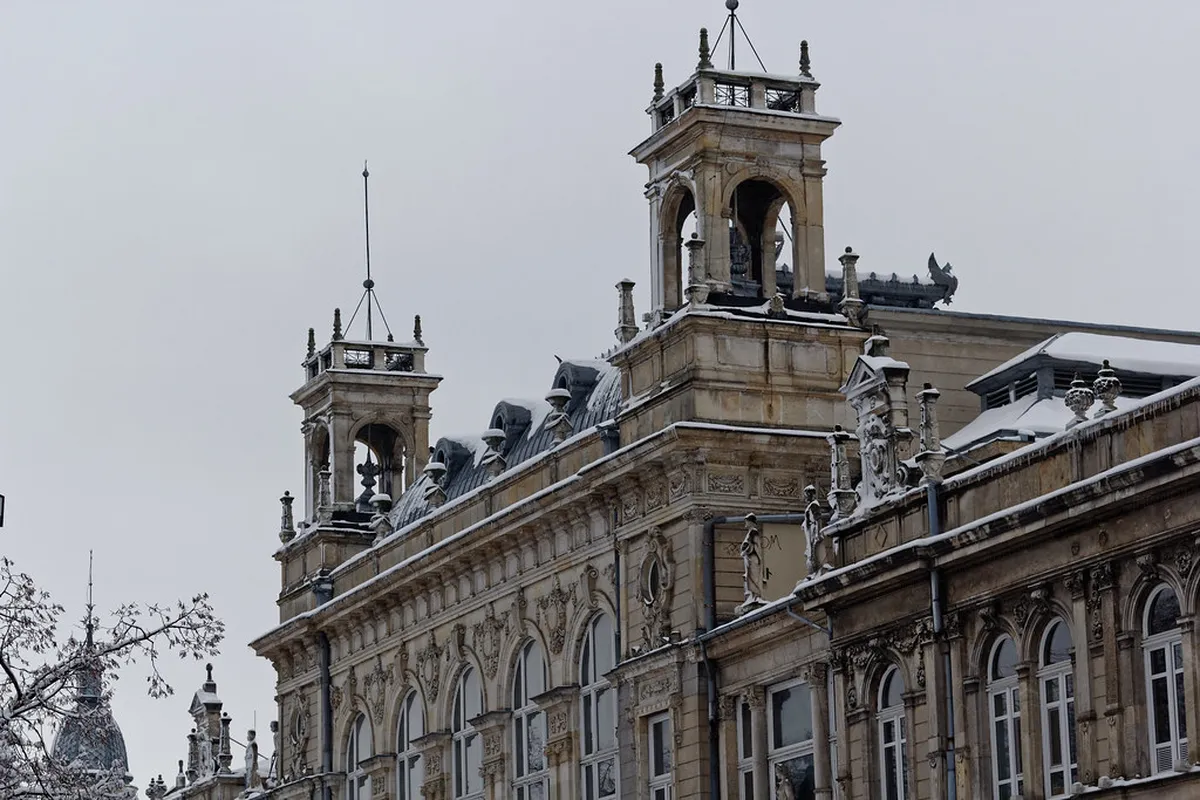
Ruse is nicknamed the Little Vienna of Bulgaria for its Neo-Baroque and Neo-Rococo facades, and the Pantheon sits within easy walking distance of several other landmarks worth combining into the same afternoon. A short walk brings you to the central Freedom Square (Ploshtad Svoboda) Visitor Guide, lined with cafes and grand 19th-century buildings that make it the social heart of the city.
The Ruse Danube Riverside Park: 2026 Visitor Guide is a good place to unwind afterward, with river-boat traffic passing along the water and shaded paths that fill up on summer evenings. The contrast between the memorial's solemn atmosphere and the park's relaxed riverside setting is part of what makes pairing the two worthwhile.
- Top sites near the Pantheon
- Location: Freedom Square
- Distance: 15 minute walk
- Vibe: Historic and lively
- Entry: Free for square
- Danube Riverside Park stroll
- Best for: Sunset walks
- Access: Near city center
- Cost: Free public park
- Feature: River views
Common Mistakes and Local Travel Tips
The most common mistake is treating the Pantheon as a quick photo stop. Slow down: the dome artwork, the individual inscriptions, and the crypt panels all reward a careful look, and rushing through in under fifteen minutes means missing most of what makes the site worth the detour. Wear comfortable shoes, since both the stone floors inside and the park paths outside involve a fair amount of walking, and the paths themselves can be uneven in places.
Some visitors assume the building is a functioning Orthodox church because of the dome and the solemn interior; it is a secular memorial and ossuary, not a place of worship. Keep your voice low inside out of respect for the people whose remains rest in the crypt, and avoid visiting in large, loud groups if you can help it. Mid-morning on a weekday, before school groups arrive, is the quietest window.
Carry small BGN or EUR cash for the ticket desk rather than relying on cards, and combine your stop with a visit to the nearby Kaliopa House to see how Ruse's 19th-century elite lived, a useful contrast to the revolutionary struggle honored at the Pantheon. Ruse's center is compact and walkable, so you won't need a car to link these sites together.
Continue planning: Use Ruse Attractions: 10 Top Things to Do in Ruse, Bulgaria to connect this guide with the rest of your Bulgaria itinerary.
Frequently Asked Questions
How much does the Pantheon of National Revival Heroes cost?
Adult admission is 4.00 EUR (7.82 BGN). Students and pensioners pay 2.50 EUR (4.89 BGN), organized groups of five or more pay 3.00 EUR (5.87 BGN) per person, and EURO 26 youth card holders pay 2.00 EUR (3.91 BGN).
What are the Pantheon's opening hours?
The Pantheon is open daily from 9:00 to 12:00 and from 12:30 to 17:30, with a short midday break and no weekly closing day.
Is the Pantheon related to the Pantheon in Rome or Paris?
No. Despite the shared name, Ruse's Pantheon is a 20th-century Bulgarian national memorial and ossuary, opened in 1978. It honors heroes of the Bulgarian National Revival and the struggle for liberation from Ottoman rule, not Roman gods or French statesmen.
Who is interred in the Pantheon?
The remains of 39 celebrated Bulgarians rest here, including writer-revolutionaries Lyuben Karavelov and Zahari Stoyanov, voyvodas Stefan Karadzha and Panayot Hitov, Baba Tonka Obretenova and her son Nikola Obretenov, Panayot Volov, and Angel Kanchev. The names of 453 further revolutionaries, detachment fighters, and educators are inscribed inside.
How do I get to the Pantheon?
The monument stands in the Park of the Revivalists (Park na Vazrozhdentsite), built on the grounds of Ruse's old city cemetery at the eastern edge of the center. It is roughly a 15-minute walk from Svoboda Square along the central boulevards, and its gilded dome is visible from afar.
How much time should I plan for a visit?
Most visitors spend 30 to 45 minutes viewing the eternal flame under the gold-plated dome, the crypt and memorial inscriptions, and the small museum exhibition and St. Paisiy Hilendarski chapel added since 2000.
Is there a combined ticket that includes the Pantheon?
Yes. The Regional Historical Museum Ruse, which manages the Pantheon, sells a day pass for 7.50 EUR (14.67 BGN) covering its city exhibition sites, including the main museum in the Battenberg Palace and the Kaliopa House.
When was the Pantheon built and has it been restored?
It was officially opened on 28 February 1978, marking 100 years since Bulgaria's liberation. Between 2019 and 2021 the monument underwent a major restoration under a cross-border EU project, during which the dome was regilded.
Visiting this monument offers a deep connection to the history of the Bulgarian people. It serves as a reminder of the sacrifices made for freedom and national identity. Make sure to include this site on your next trip to the Little Vienna of the Balkans. The Pantheon remains a powerful symbol of hope and resilience for every traveler who visits.
For authoritative information, refer to the Pantheon of National Revival Heroes on Wikipedia and Pantheon of National Revival Heroes official site.