Ruse 2 Day Itinerary
Ruse is often called Little Vienna for its dense cluster of Neo-Baroque, Secessionist, and Rococo facades, most of them built between 1878 and 1912 when the city was Bulgaria's wealthiest port. Two days is the sweet spot: enough to slow-walk Aleksandrovska Street, hit the major museums, and still have a quiet evening on the Danube promenade. This Ruse 2 day itinerary is built for first-time visitors who want a balanced mix of architecture, Roman history, and riverside time without backtracking.
To get a feel for the pedestrian core and key landmarks before you arrive, here's a complete walk-through of Aleksandrovska Street and surrounding attractions:
Refreshed for 2026, the plan groups attractions by walking radius and confirms current opening hours and ticket prices in BGN. The compact pedestrian core means almost everything on Day 1 sits within a 12-minute walk of Liberty Square. For more inspiration before you pack, browse the Top 20 Things To Do in Ruse hub, and check the official city website for opera season dates and seasonal events.
At a Glance: A Perfect 2-Day Ruse Itinerary
Day 1 covers the architectural core on foot, with all stops inside the pedestrian zone bounded by Liberty Square, Battenberg Square, and the riverfront. Day 2 widens out to the Roman fortress, the Pantheon, and the Leventa hilltop, which needs a short taxi or bus 14 ride. Most museums open 09:00 and close 18:00 in summer (shorter hours October-March). Standard entry is 4-8 BGN per museum.
- Day 1 - Little Vienna on foot
- Morning: Liberty Square, Monument of Liberty, Profit-Yielding Building
- Midday: Aleksandrovska Street stroll and Battenberg Square
- Afternoon: Kaliopa House (Museum of Urban Life)
- Evening: Danube promenade and dinner near the Opera
- Day 2 - Roman roots and panoramic views
- Morning: Sexaginta Prista Roman fortress and Pantheon of National Revival Heroes
- Afternoon: National Museum of Transport and Communications
- Late afternoon: Leventa complex and Ruse TV Tower viewpoint
- Evening: Drama Theatre or live music in the center
Must-See Ruse Attractions
Liberty Square (Ploshtad Svoboda) is the obvious starting point. The 1909 Monument of Liberty by Italian sculptor Arnoldo Zocchi anchors the square, with two lions at the base and the Profit-Yielding Building (now home to the Sava Ognyanov Drama Theatre) framing the east side. Sit at one of the cafe terraces with a coffee for 3-4 BGN and you have a clear sightline to four of the city's most photographed facades.
From the square, walk west on Aleksandrovska Street, the long pedestrian spine. Stop at Battenberg Square for the Bulgarian National Bank building and the Hristo Botev School, then continue to the Regional Historical Museum housed in the former Battenberg Palace. The square ends at Mladezhki Park near the river, with a small rosarium that peaks in late May and June.
The Opera House sits at the opposite end of the central pedestrian network. Even if you do not catch a performance, the brightly painted exterior and the small plaza in front are worth a stop. For a curated photo route, see our Ruse: Best Photo Spots guide.
Museum of Urban Life: Kaliopa House
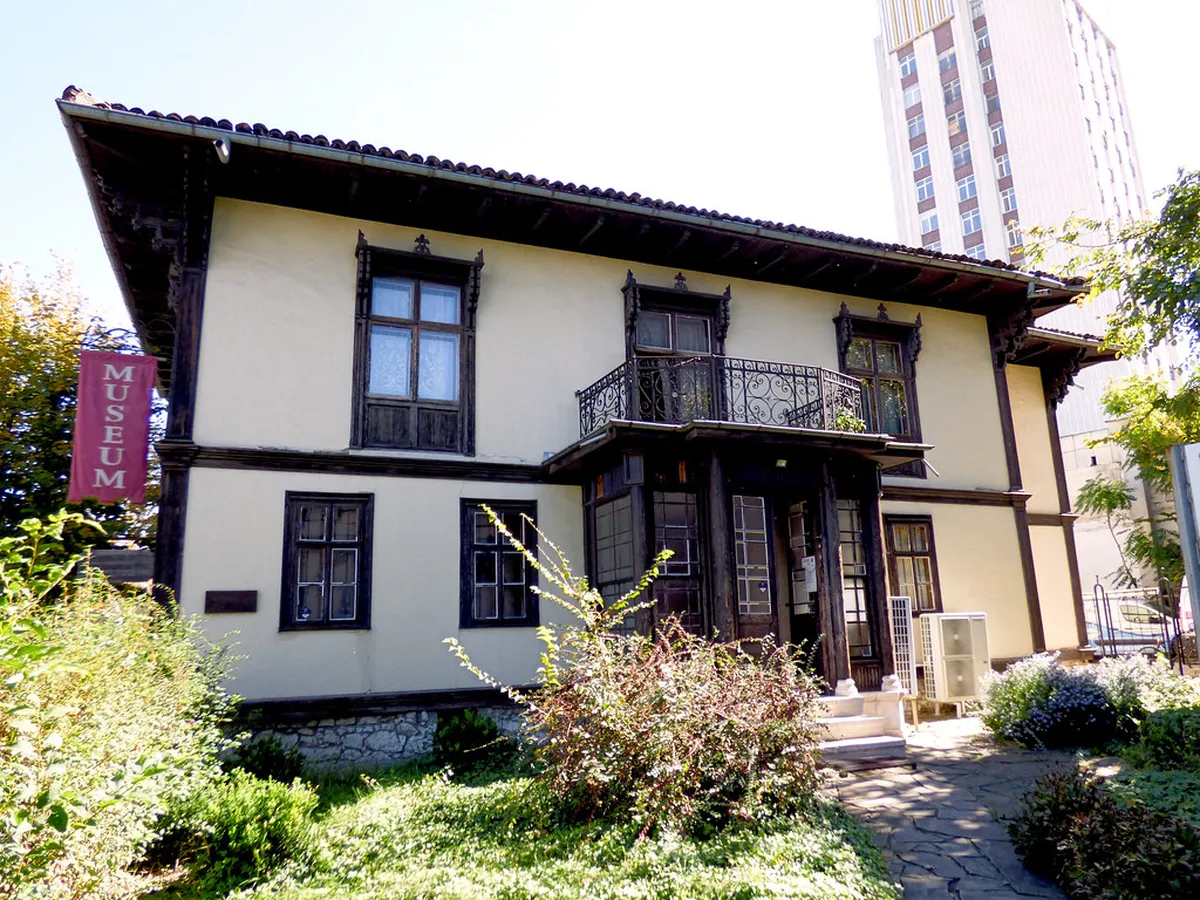
Kaliopa House (Museum of Urban Lifestyle) Visitor Guide on ulitsa Tsar Ferdinand is the single best window into how 19th-century Ruse merchants actually lived. The building was the residence of Kaliopa, wife of the Prussian consul, and the interior preserves original wallpapers, ceramic stoves, hand-painted ceiling murals, and period furniture imported from Vienna. It is one of the few Bulgarian house museums where the upper floor mural cycle is intact.
Plan 45-60 minutes. Entry is 6 BGN for adults, 2 BGN for students. English signage is limited, but a printed Q-and-A leaflet is available at reception, and a guided tour in English (15 BGN flat) can be arranged if you call ahead by 24 hours. The museum is closed Mondays. Pair it with the Baba Tonka House Museum two blocks south for a tight half-day cultural loop.
House Museum of Baba Tonka and Nikola Obretenov
Tonka Obretenova - "Baba Tonka" - is one of the central figures of the Bulgarian National Revival, and her sons Nikola, Petar, and Angel were active in the Bucharest-based Bulgarian Revolutionary Central Committee with Vasil Levski. The family house on ulitsa Baba Tonka has been a memorial museum since 1958 and combines original family belongings with revolutionary documents and weapons.
Practical: entry is 4 BGN, opening 09:00-12:00 and 13:00-17:30 Tuesday-Saturday, closed Sunday and Monday. Allow 30-40 minutes. The museum is best paired with the Pantheon of National Revival Heroes - both sites tell the same story from different angles, and walking between them takes about 8 minutes. If you have any interest in 19th-century Balkan independence movements, this is the most authentic stop in Ruse.
Sexaginta Prista: Port of the Sixty Ships Fortress
The Romans built Sexaginta Prista ("Port of Sixty Ships") in the 1st century AD as a Danube limes outpost. The visible ruins today include the northern fortress wall, a rectangular defense tower, and excavated army barracks, plus a Thracian pit complex with bronze and ceramic finds. The site overlooks the river just west of the central port and is an easy 12-minute walk from Liberty Square.
Hours run 09:00-12:00 and 12:30-17:30 Tuesday-Saturday, closed Sunday and Monday. Entry is 4 BGN, with a small interpretive shelter covering the most fragile excavation areas. Wear closed shoes - the gravel paths get slippery after rain. Allow 45 minutes. The site shares a ticket office and phone number (+359 82 825 002) with the Regional Historical Museum, so you can ask about combo tickets if you plan both on Day 2.
Museums, Art, and Culture in Ruse
Beyond Kaliopa and Baba Tonka, three museums anchor the cultural circuit. The Regional Historical Museum on Battenberg Square holds the Borovo Thracian silver treasure - five gilded silver vessels from the 4th century BC - and a strong prehistoric collection. Allow 60-75 minutes and 6 BGN entry. The Pantheon of National Revival Heroes Visitor Guide on Vazrazhdane Square is a striking 1978 mausoleum with a gilded dome containing the remains of 453 Revival activists; entry 5 BGN, 09:00-12:00 and 12:30-17:30.
The Drama Theatre Sava Ognyanov, in the Profit-Yielding Building right on Liberty Square, runs Bulgarian-language productions most evenings of the season (October-June). Tickets are 8-25 BGN. Even if you do not understand Bulgarian, the building's interior is worth a look during an intermission tour. The State Opera Ruse runs ballet, opera, and symphonic concerts; reserve 10-14 days ahead for weekend shows. See the Regional Historical Museum guide for collection-by-collection planning.
Parks, Gardens, and Outdoor Spots in Ruse
The Liberty Square central garden is the city's living room - a small formal parterre with rose beds and benches that fills with locals from late afternoon. Mladezhki Park (Youth Park) at the river end of Aleksandrovska Street is larger, with a rosarium, a pond, and shaded benches that are a relief in July when daytime highs hit 32-35 degrees Celsius.
The Kraibrezhna Aleya promenade runs along the Danube from the port westward. It is the best sunset spot in the city, with bars selling beer for 3-4 BGN and small kiosks doing tsatsa (fried sprat fish) for around 8 BGN a plate. For a half-day nature break, Rusenski Lom Nature Park Visitor Guide starts about 20 km south of the city and protects the river canyon all the way down to Ivanovo - reachable by car in 30 minutes or by local bus.
Leventa Hill and the Ruse TV Tower
The Leventa complex sits on the highest point in the city, on top of a former Ottoman fortress that was converted into a winery and themed restaurant in 2005. Five themed dining halls cover Thracian, Roman, Medieval, Ottoman, and Liberation eras, and the on-site cellar produces over 80,000 bottles a year. Wine tastings start at 25 BGN; mains run 18-35 BGN. Reservations are required at weekends.
The Ruse TV Tower next door is the tallest TV tower in Bulgaria at 204 metres. Important: you cannot go up. The viewing cafe at the top has been closed for over 20 years due to fire-safety failings, and there is no public access to any deck. The hill itself, however, gives a 360-degree view over Ruse and across to Giurgiu in Romania - especially good at sunset. From the center, take a taxi (8-10 BGN) or bus 14; walking up is steep and takes around 25 minutes.
Family-Friendly and Budget-Friendly Options in Ruse
Ruse is one of the cheaper Bulgarian city breaks. Mid-range dinners run 20-30 BGN per person, museum entries top out at 8 BGN, and a single bus ticket is 1 BGN. Families with kids should prioritise the National Museum of Transport and Communications - it is the country's only railway museum, set in the original 1866 Ruse-Varna line station, and the rolling stock outside (including Sultan Abdul Aziz's royal carriage) is a hit with children.
Free options that fill a half-day: the Liberty Square garden, the Mladezhki Park rosarium, the entire Aleksandrovska Street pedestrian walk, and the Danube promenade. Most cafes welcome kids and have outdoor seating. The Sexaginta Prista site has uneven ground unsuitable for strollers; Kaliopa House and Baba Tonka House are walkable with a small child but stairs to upper floors are narrow.
How to Plan a Smooth Ruse Attractions Day
Three rules keep the days flowing. First, hit Liberty Square before 09:00 to photograph the facades without crowds and before parked delivery vehicles clutter the frame. Second, group museums by neighbourhood: Kaliopa, Baba Tonka, and the Pantheon are clustered south of the center, while the Regional Museum and Sexaginta Prista sit to the north and west. Third, save Leventa for late afternoon so the descent times golden-hour light over the Danube.
The Municipal Tourist Information Center at 61 Aleksandrovska Street (+359 82 824 704) hands out a free fold-out city map with all museums marked and current opening hours posted weekly - more reliable than Google's listings, which often show outdated winter hours. Most museums close on Mondays; if you arrive Sunday-Monday, flip the itinerary so Day 1 covers outdoor sites and Day 2 covers museums.
How to Visit Ruse: Different Methods to Arrive at Ruse
From Bucharest, the bus is the fastest option: 1.5-2 hours including the Danube Bridge crossing, with operators leaving from Bucharest Militari station every couple of hours. Tickets run 40-60 RON. Driving takes about the same time, with a small bridge toll payable in BGN, RON, or EUR. From Sofia, buses take roughly 4.5 hours and cost 28-35 BGN; the train is scenic but slow at around 6 hours.
EuroVelo 6 cyclists routinely arrive on two wheels - Ruse sits directly on the Danube cycle route, and the city is well set up for bike tourism with several guesthouses near the river that store bikes overnight. For full schedules and station details, see our Transportation in Ruse Complete 2026 Travel Guide. The National Museum of Transport sits beside the original station and gives useful historical context for how Ruse became a transport hub.
2 Days, 2 Countries: Private Multi-Day Trip from Bucharest
For travelers based in Bucharest, the most efficient way to do a Ruse 2-day trip is a private multi-day tour that combines Romania and Bulgaria in one logistics package. Typical pricing runs 280-450 EUR per person for a two-day private guide, transport, accommodation in central Ruse, and entries to two or three museums. The trade-off versus self-guided: you skip border-crossing logistics and bus terminal navigation, but you lose the freedom to linger.
Best fit: travelers with limited time, no rental car, or who want a guide who can interpret Bulgarian-only signage at sites like Sexaginta Prista. If you have four nights or more, a self-guided trip costs roughly half as much - bus from Bucharest at 40 RON one-way, mid-range hotel in Ruse for 60-90 EUR a night, and museum entries totalling under 30 BGN for the whole stay.
Book in Advance: Essential Reservations for Ruse
Ruse is generally walk-in friendly, but a handful of experiences need planning. The State Opera Ruse books out 10-14 days ahead for Friday and Saturday performances, especially during the March Music Days festival. The Drama Theatre Sava Ognyanov needs 5-7 days for popular productions. Leventa restaurant requires a weekend reservation, especially if you want one of the themed historical halls.
For Ivanovo Rock Churches, English-speaking guided tours need 3-5 days notice through the Regional Historical Museum office. Riverside restaurants with Danube terraces - particularly Mehana Chiflika - are worth a 24-hour booking on Friday and Saturday nights. Hotel reservations 2-3 weeks ahead are sensible from June through September.
Is 2 Days in Ruse Enough?
Yes, two days covers the major architectural and cultural sights without rushing. You can comfortably hit Liberty Square, Aleksandrovska Street, Kaliopa House, Baba Tonka, the Regional Historical Museum, Sexaginta Prista, the Pantheon, Leventa, and the Danube promenade across two days. A third day opens up Ivanovo, Basarbovo Monastery, and Rusenski Lom Nature Park - excellent additions but not essential for a first visit.
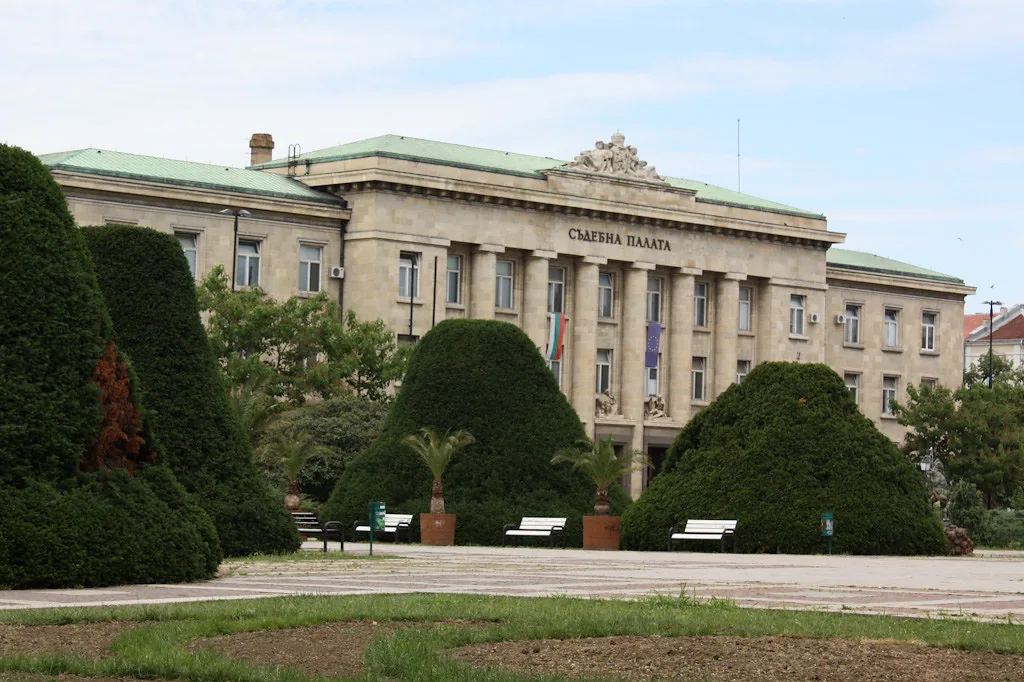
Ruse is also a strong stopover between Romania and Bulgaria heading toward Veliko Tarnovo, Varna, or the Black Sea. One overnight is the minimum to see the buildings lit up at night, when the Courthouse and the Profit-Yielding Building look their best. Compared to other small Bulgarian cities, Ruse rewards slow walking more than checklist tourism. The Law Courts at ruse-rs.justice.bg publish public-tour openings monthly if you want a peek inside.
Add an Extra Day: Day-Trip Add-On
The Rock-Hewn Churches of Ivanovo Visitor Guide, 22 km south of Ruse in Rusenski Lom Nature Park, are a UNESCO World Heritage site dating to the 13th-14th centuries with well-preserved frescoes. Allow a half-day round trip including a short uphill walk from the parking area. See the full Ivanovo Rock-hewn Churches Guide for transport options.
Basarbovo Rock Monastery, 10 km south, is the only currently inhabited rock monastery in Bulgaria. It is smaller and shorter than Ivanovo but easier to combine with a quick lunch back in Ruse. The medieval town of Cherven, 35 km south, is for serious history travelers - extensive ruins of a 12th-14th century Bulgarian fortress with a 12-metre defense tower still standing. All three sit inside or near Rusenski Lom Nature Park, making a combined "rock monastery loop" by car a natural Day 3.
Best Base: Where to Stay in Ruse
The pedestrian core around Liberty Square and Aleksandrovska Street is the obvious choice for first-timers - everything on Day 1 is within 10 minutes on foot, and you can walk back from dinner at midnight without needing a taxi. Boutique hotels and 3-star options in this zone run 55-95 EUR a night including breakfast in 2026. See our Best Areas to Stay in Ruse (2026 Guide) guide for picks by price band.
Riverside lodgings near the Danube promenade trade central buzz for cooler evening air and views; a 10-15 minute walk back to the center. Budget travellers should look around the train and bus stations, where guesthouses run 25-45 EUR but the area is less atmospheric. Whichever zone you pick, confirm air-conditioning if you visit between mid-June and mid-September - daytime highs of 32 C are common, and many older buildings retain heat overnight.
Continue planning: Use 20 Best Things To Do in Ruse 2026 (Bulgaria's Little Vienna) and Basarbovo Rock Monastery 2026: Visitor Guide & Transport Tips to connect this guide with the rest of your Bulgaria itinerary.
Frequently Asked Questions
What is the best time of year to visit Ruse?
Late spring and early autumn offer the best weather for walking. May and September provide mild temperatures and beautiful colors in the city parks. Summer can be very hot, often exceeding 30 degrees Celsius.
Is Ruse expensive for tourists?
Ruse is very affordable compared to Western European cities. A mid-range dinner costs about 20-30 BGN per person. Museum entries are usually under 6 BGN, making it great for budget travelers.
Where should I go for dinner in Ruse?
The pedestrian streets near Liberty Square have the best variety. Look for local spots serving Bulgarian grill and Danube fish. Check out the ruse food and drinks guide for specific recommendations.
Use our Ruse attractions hub to plan the rest of your trip.
For related Ruse deep-dives, see our 10 Tips for a 1-Day Ruse to Bucharest Day Trip and Ivanovo Rock-Hewn Churches guides.
Ruse is a city that rewards travelers who look up at the cornices, slow down for a long lunch, and end the day on the Danube promenade. Two days gives you the architecture, the Roman roots, and a hilltop view without forcing a sprint. Pair this Ruse 2 day itinerary with a third-day rock-monastery loop and you have a small but rich corner of Bulgaria locked in.