Regional Historical Museum Ruse Visitor Guide
The Ruse Regional Historical Museum stands as a premier cultural institution in northern Bulgaria. Travelers often start their journey here to understand the deep roots of the Danube region. This guide provides everything you need for a successful visit to this historic landmark.
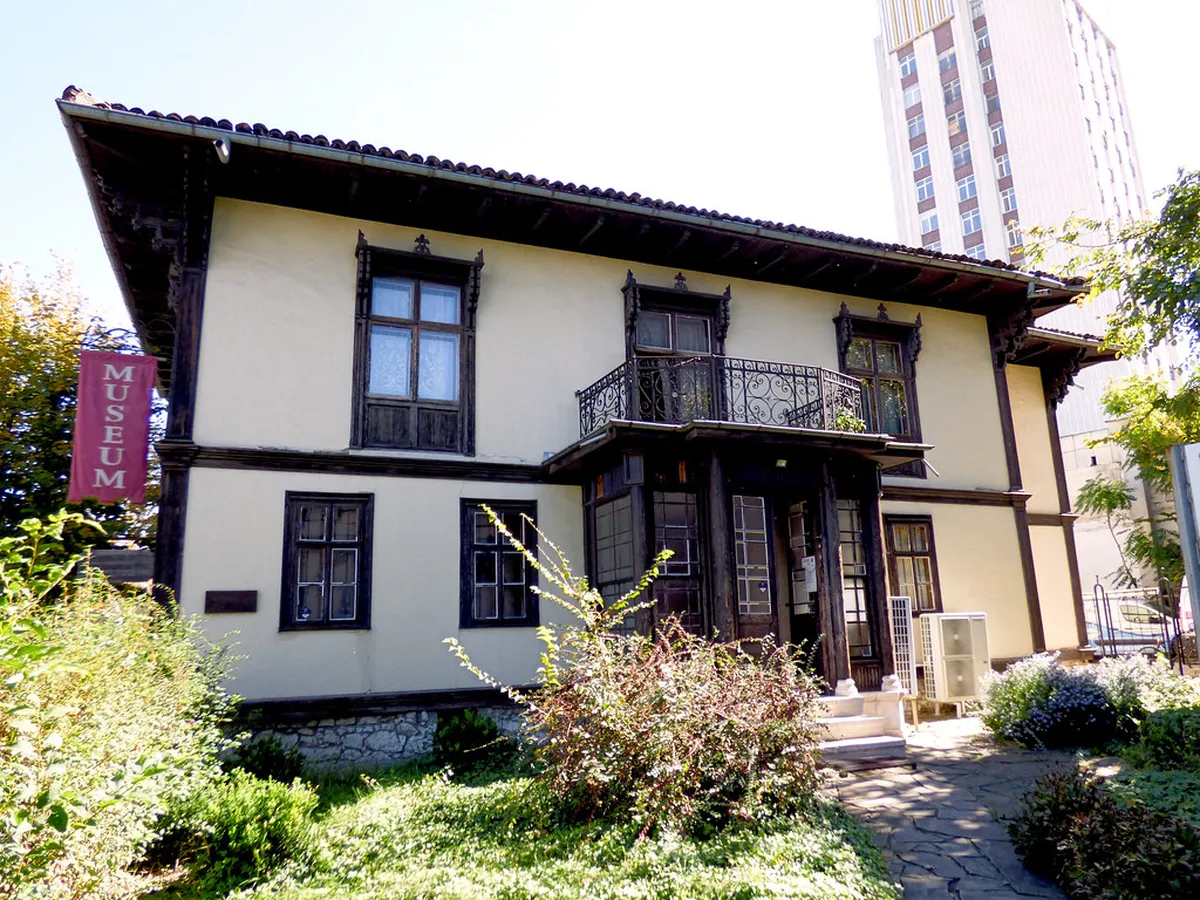
You will find the museum housed in one of the most beautiful buildings in the city. It preserves over 140,000 items that tell the story of the local people and their land. Exploring these halls offers a unique window into the Roman, medieval, and modern eras.
For a preview of the palace's neoclassical grandeur and exhibition halls before your visit, take this walk-through:
Essential Visitor Information: Hours, Tickets, and Location
The museum opens daily from 09:00 to 18:00, with no weekly closing day. Arrive at least an hour before closing, and check the national museum directory for any holiday schedule changes.
Adult admission costs 5.00 EUR (9.78 BGN); students and pensioners pay 2.50 EUR (4.89 BGN) with valid ID, and groups of five or more pay 3.00 EUR (5.87 BGN) per person. A guided tour adds 7.50 EUR (14.67 BGN) in Bulgarian or 12.50 EUR (24.45 BGN) in English, and the 7.50 EUR (14.67 BGN) city museums day pass also covers the Pantheon of National Revival Heroes and the Kaliopa House.
Every price at the ticket desk shows both euro and lev, since Bulgaria adopted the euro on 1 January 2026 and is now in a dual-circulation period, with prices legally shown at the fixed rate of 1 EUR to 1.95583 BGN. Cards are charged in euro automatically; cash payers should carry small lev notes, since euro coins for change can run short.
The museum occupies the former Battenberg Palace at 3 Knyaz Aleksandar Batenberg Square, in the old town, within walking distance of most city landmarks. Photography is allowed inside for a small fee -- ask at the desk about permits for tripods.
History of the Battenberg Palace and Museum
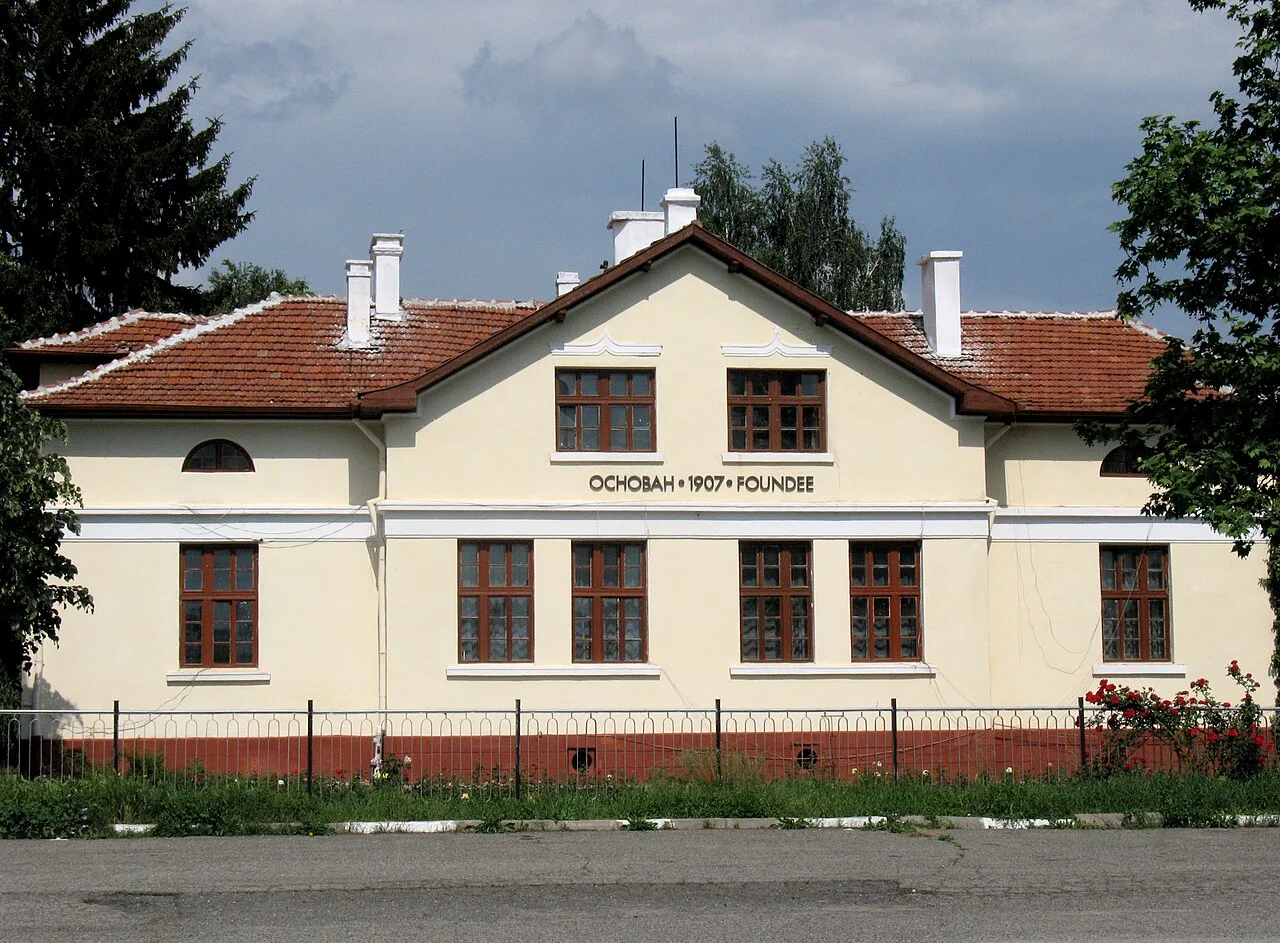
The museum's story starts not in a palace but in a classroom. In 1904, brothers Karel and Hermenegild Shkorpil -- Czech-born scholars who excavated the Roman and Thracian sites of northern Bulgaria -- donated their finds to the Ruse Boys' High School "Knyaz Boris I." Naturalist Vasil Kovachev, who taught at the same school, added his fossil and specimen collection, and together these became the museum's founding core.
The institution grew steadily afterward: it became the municipal City Museum in 1937, was nationalized in 1949, and was elevated to regional status in 2000, extending its reach across the Ruse, Razgrad, and Silistra provinces. That expansion explains why it still manages sites well outside the city today.
Its home, the Battenberg Palace, was built between 1879 and 1882 by Austrian architect Friedrich Gruenanger, whose Viennese neoclassical training shows in the ornate cornices, pilasters, and grand entrance portico that remain an architectural highlight of 10 Top Things to Do in Ruse, Bulgaria today. It was meant as a residence for Prince Alexander I of Battenberg, Bulgaria's first modern monarch, but he never lived there -- the building housed the local court for decades instead, and the "palace" name simply stuck.
The palace is now a protected cultural monument, and ongoing restoration keeps the exterior sharp. Many visitors spend as much time admiring the building as they do the collections inside it.
Must-See Collections and Permanent Exhibitions
The standout gallery is "The Everyday Life of a Roman Legionary on the Low Danube," reconstructing the routine of soldiers stationed at the nearby forts of Sexaginta Prista and Yatrus between the 1st and 4th centuries AD. It walks through a soldier's kit piece by piece -- segmented armor, short swords, cooking gear, barracks dice, and the inscribed altar stones soldiers dedicated to their gods on the empire's edge.
Nearby sits the museum's single most valuable object: the Borovo Treasure, five silver-gilt ceremonial vessels found near Borovo village in 1974. Dated to the early 4th century BC, the set belonged to the Thracian Odrysian kingdom and shows metalworking skill that still surprises specialists.
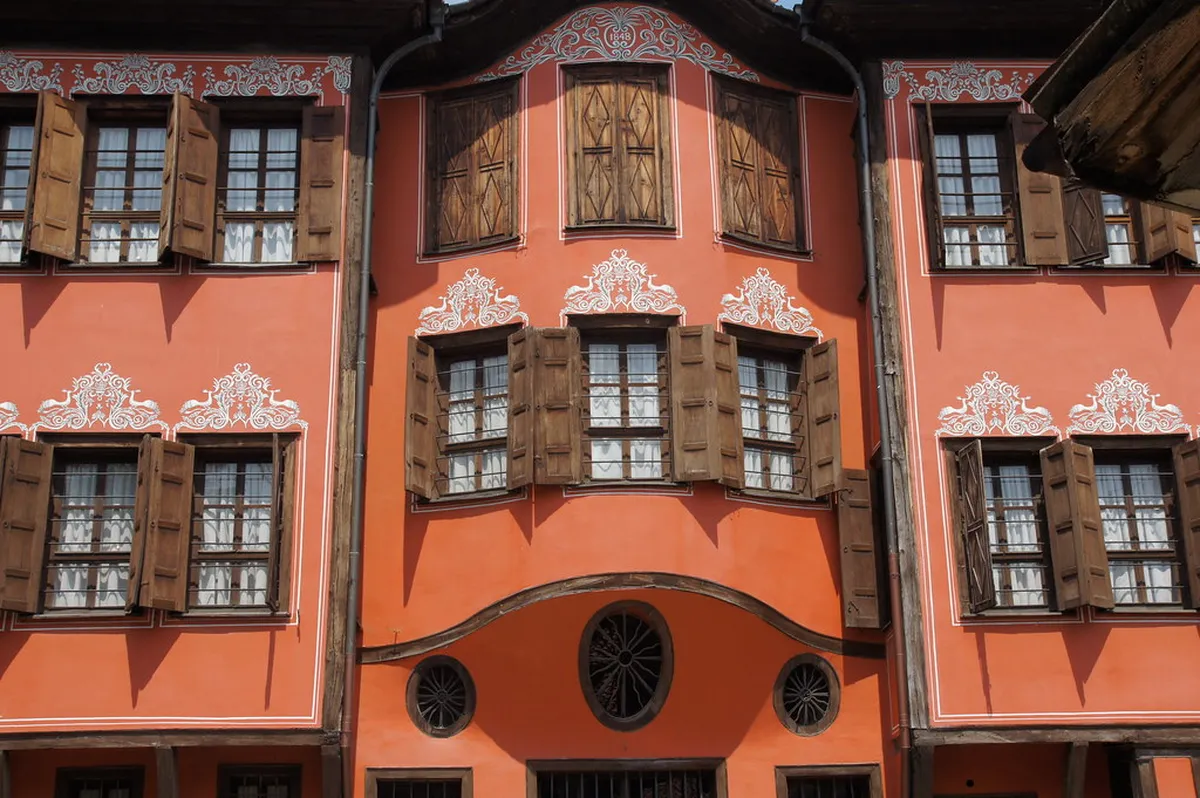
"Ruse Citizens on the Road" shifts forward to the late 19th and early 20th centuries, when Ruse -- then Ruschuk -- was among Bulgaria's most cosmopolitan cities. Expect period clothing, imported china, and silver from the National Revival and post-Liberation eras, a period the Council of Europe's cultural routes network also profiles.
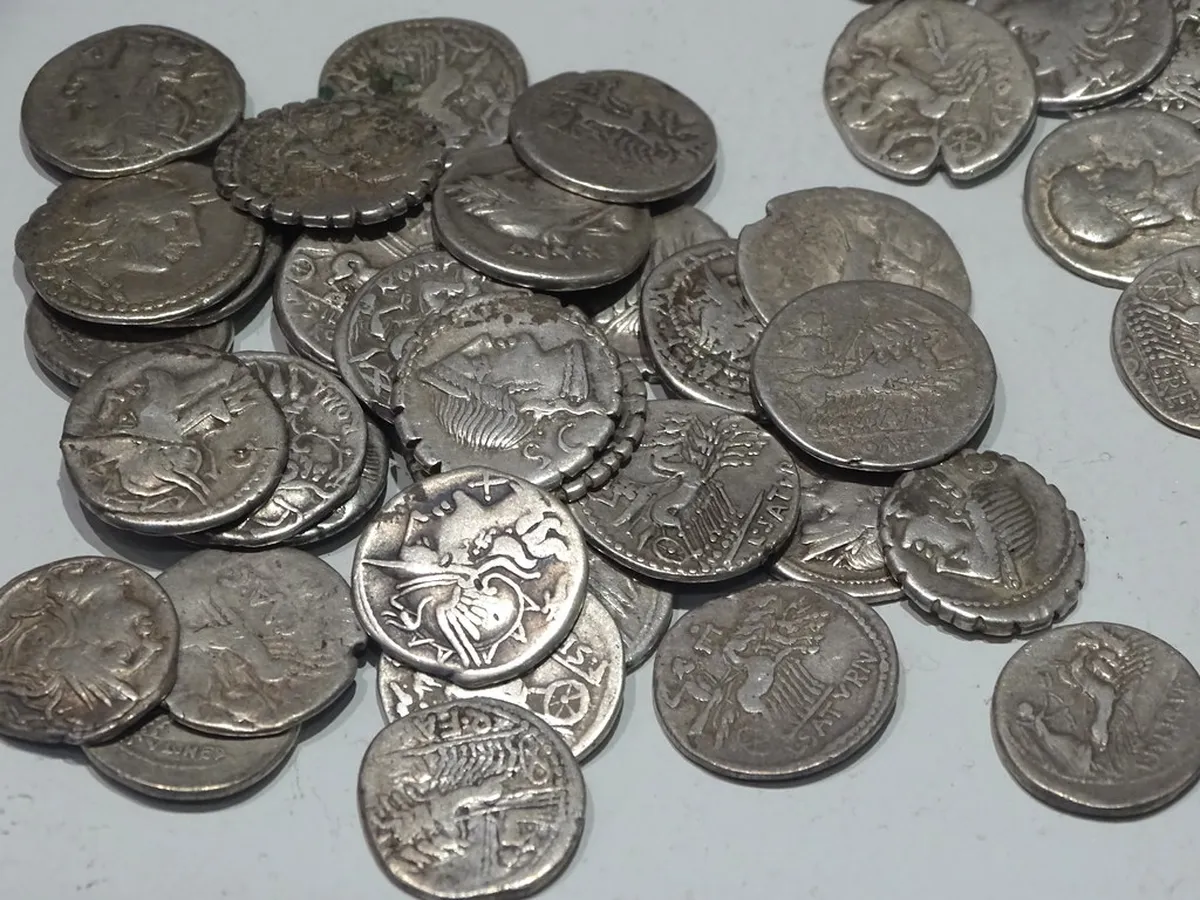
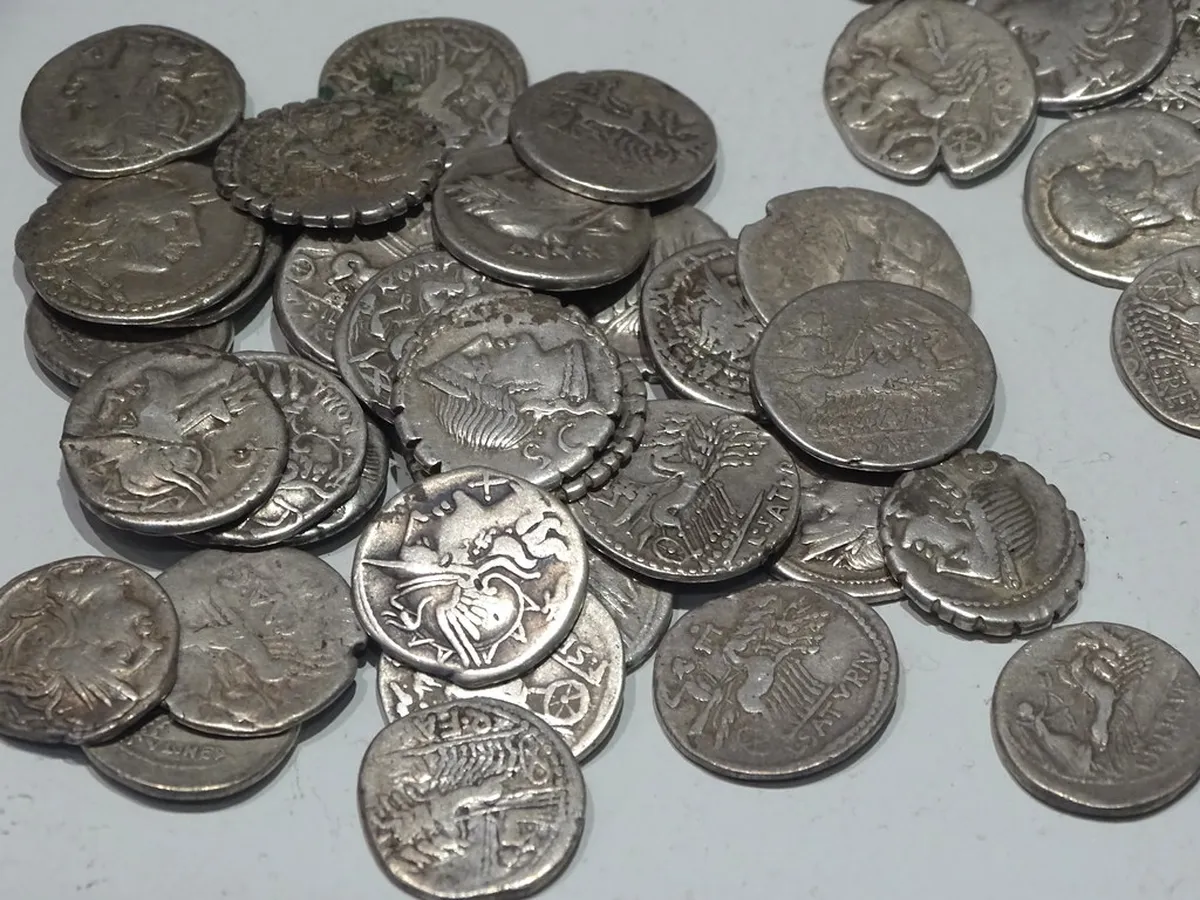
Do not skip the numismatic hall, one of Bulgaria's most complete coin collections, including issues from the Scythian kings. The Kaliopa House (Museum of Urban Lifestyle) Visitor Guide branch fills in the domestic side of that same urban story.
Outdoor Expositions: Sexaginta Prista and Beyond
Your museum ticket covers only the palace -- the three outdoor sites are separate visits, each with its own hours and, usually, its own entry fee. Treat them as a checklist, since together they cover far more history than the palace alone.
Sexaginta Prista is the easiest add-on: a Roman river fortress on the Danube bank about 3 km from the center, named for its capacity to dock sixty ships. Walk the exposed foundations, a rebuilt watchtower, and a WWII-era bunker repurposed as a display space, all in under an hour.
The Ivanovo Rock-hewn Churches, a UNESCO site about 22 km out, need a car or taxi and roughly two hours round trip. Cherven, a ruined hilltop stronghold some 35 km south, is the furthest and most demanding, with uneven paths and a steep climb -- budget a half day for all three.
- Sexaginta Prista Roman Fortress
- Distance: About 3 km, within city limits
- Time needed: 45 minutes
- Significance: Roman Danube naval base
- Cost: Small separate entry fee, paid on site
- Ivanovo Rock-hewn Churches
- Distance: 22 km from Ruse
- Time needed: 2 hours
- Significance: UNESCO medieval fresco art
- Access note: Steep stairs, limited mobility access
- Cherven Medieval Stronghold
- Distance: 35 km from Ruse
- Time needed: 3 hours
- Significance: Second Bulgarian Kingdom fortress town
- Terrain: Uneven stone paths, steep sections
Practical Logistics: Getting There and Parking in Ruse
Most visitors reach the museum on foot from the main pedestrian street, since the old town is compact. If you drive, the streets around Alexander Battenberg Square sit inside a paid zone on weekdays, charging 1.50 BGN per hour between 08:00 and 17:30.
Pay for street parking by SMS to the short code posted on the blue signage, explained in English as well as Bulgarian. Outside those hours, and on weekends, street parking around the palace is free.
To skip the meter, there is a free lot near the National Revenue Agency building, a five-minute walk from the entrance -- a reliable hack locals use to dodge the hourly fee.
For bad weather, the underground garage at Arena Ruse charges 2 BGN per hour, useful during summer heat or winter rain, and beats circling for a spot on busy weekends.
Nearby Attractions and Day Trip Extensions
After the museum, walk out onto Alexander Battenberg Square and continue toward Freedom Square, home to the Monument of Liberty and some of the city's best Belle Epoque facades, just a few minutes away.
Several small coffee shops sit on the streets directly behind the museum, tucked into the ground floors of the same 19th-century buildings -- good for a strong coffee and a look through your photos. Local bakeries nearby sell banitsa for a quick lunch.
One extension few visitors consider: Ruse sits directly across the Danube from Giurgiu, Romania, linked by the Danube Bridge, the "Friendship Bridge." Minibuses and taxis cross regularly from the bus station, and border formalities are quick now that both countries are inside the Schengen area, putting a different country and currency, the Romanian leu, under 20 minutes away.
For a slower afternoon, head to the Rusenski Lom Nature Park Visitor Guide, whose canyon trails pair naturally with a rock-church visit, or walk the Danube riverside park at sunset once the museum closes.
Continue planning: Use Ruse Attractions: 10 Top Things to Do in Ruse, Bulgaria to connect this guide with the rest of your Bulgaria itinerary.
Frequently Asked Questions
How much does the Regional Historical Museum Ruse cost?
Adult admission is 5.00 EUR (9.78 BGN). Students and pensioners pay 2.50 EUR (4.89 BGN), organized groups of five or more pay 3.00 EUR (5.87 BGN) per person, and EURO 26 youth card holders pay 2.00 EUR (3.91 BGN).
What are the museum's opening hours?
The museum is open daily from 9:00 to 18:00 with no weekly closing day, so you can visit any day of the week.
Is the museum ever closed?
There is no regular closing day - the main building on Knyaz Aleksandar Batenberg Square operates seven days a week from 9:00 to 18:00. Check museumruse.com before visiting for any holiday announcements.
How do I get to the Regional Historical Museum Ruse?
The museum sits in the former Battenberg Palace at 3 Knyaz Aleksandar Batenberg Square, in central central Ruse. It is an easy walk of a few minutes from Svoboda Square and the Monument of Liberty along the pedestrian zone.
How much time do I need for a visit?
Plan around 1 to 1.5 hours to cover the permanent exhibitions, from the Thracian Borovo silver treasure and Roman finds to the urban culture displays. Add extra time if you book a guided tour, offered in Bulgarian (7.50 EUR / 14.67 BGN) or English (12.50 EUR / 24.45 BGN).
Is there a combined ticket for Ruse's museums?
Yes. A day pass for the city exhibition sites costs 7.50 EUR (14.67 BGN) and covers the Regional Historical Museum's branches around town, including the Pantheon of National Revival Heroes and the Kaliopa House.
What are the highlights of the collection?
The star exhibit is the Borovo Treasure, a Thracian silver rhyton set, alongside finds from the Roman Danube fortresses Sexaginta Prista and Yatrus, artifacts from the medieval Bulgarian city of Cherven, and a rich collection of 19th- and early 20th-century urban clothing, china, glass, and silver.
Why is the building called the Battenberg Palace?
The building was constructed in 1879-1882 by architect Friedrich Gruenanger and was originally intended as a residence for Prince Alexander I of Battenberg, Bulgaria's first modern monarch. It never actually served as a palace - it long housed the local court - but the name stuck, and the museum has made it one of Ruse's landmark addresses.
The Regional Historical Museum Ruse earns its place as an essential Danube-region stop -- not just for its 140,000-item collection, but for a building whose own story, from schoolroom donation to royal residence to regional museum, is nearly as interesting as what's inside it.
Plan around the palace's opening hours, budget an hour or two for the galleries, and add at least one outdoor site if time allows. Between the Borovo Treasure, the Roman frontier exhibits, and the riverside fortress ruins, there's enough here for a full day of history without leaving the city.
For more Ruse planning, read our 20 Best Things To Do in Ruse 2026 (Bulgaria's Little Vienna) and 10 Essential Tips for Visiting the Ruse Regional Historical Museum guides.
For the latest official information, see the Regional Historical Museum Ruse on Wikipedia and Regional Historical Museum Ruse official site.