The Ultimate Pirin National Park Visitor Guide for 2026
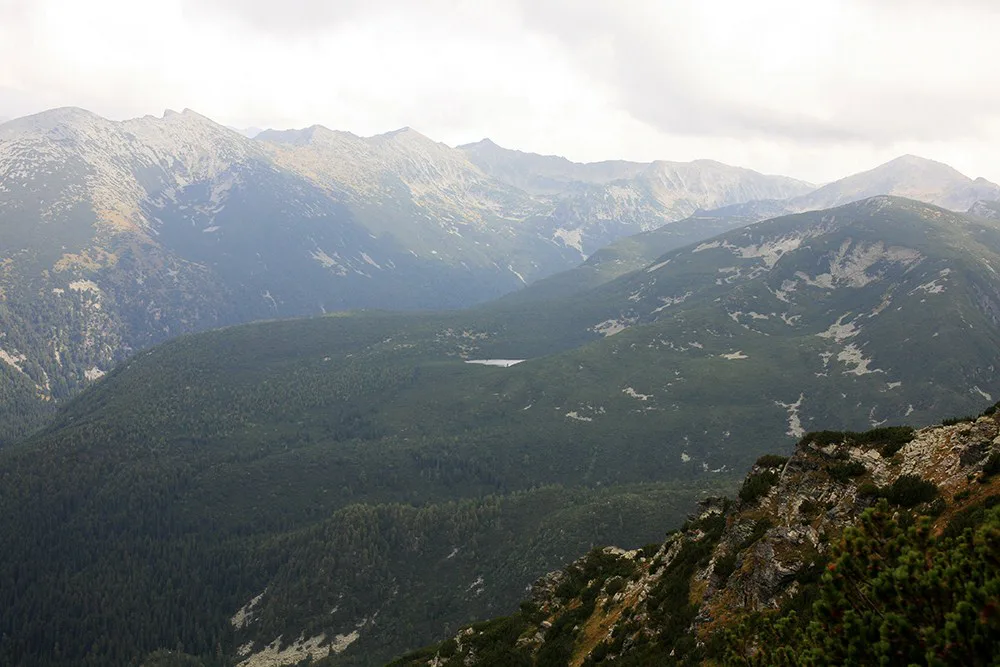
Pirin National Park stands as a UNESCO World Heritage site known for its rugged marble peaks and glacial lakes. This protected area offers some of the most dramatic mountain scenery in the Balkan Peninsula. Visitors often start their journey from the nearby town of Bansko to access the primary trailheads. Our guide provides the essential details needed to explore this wilderness safely and responsibly.
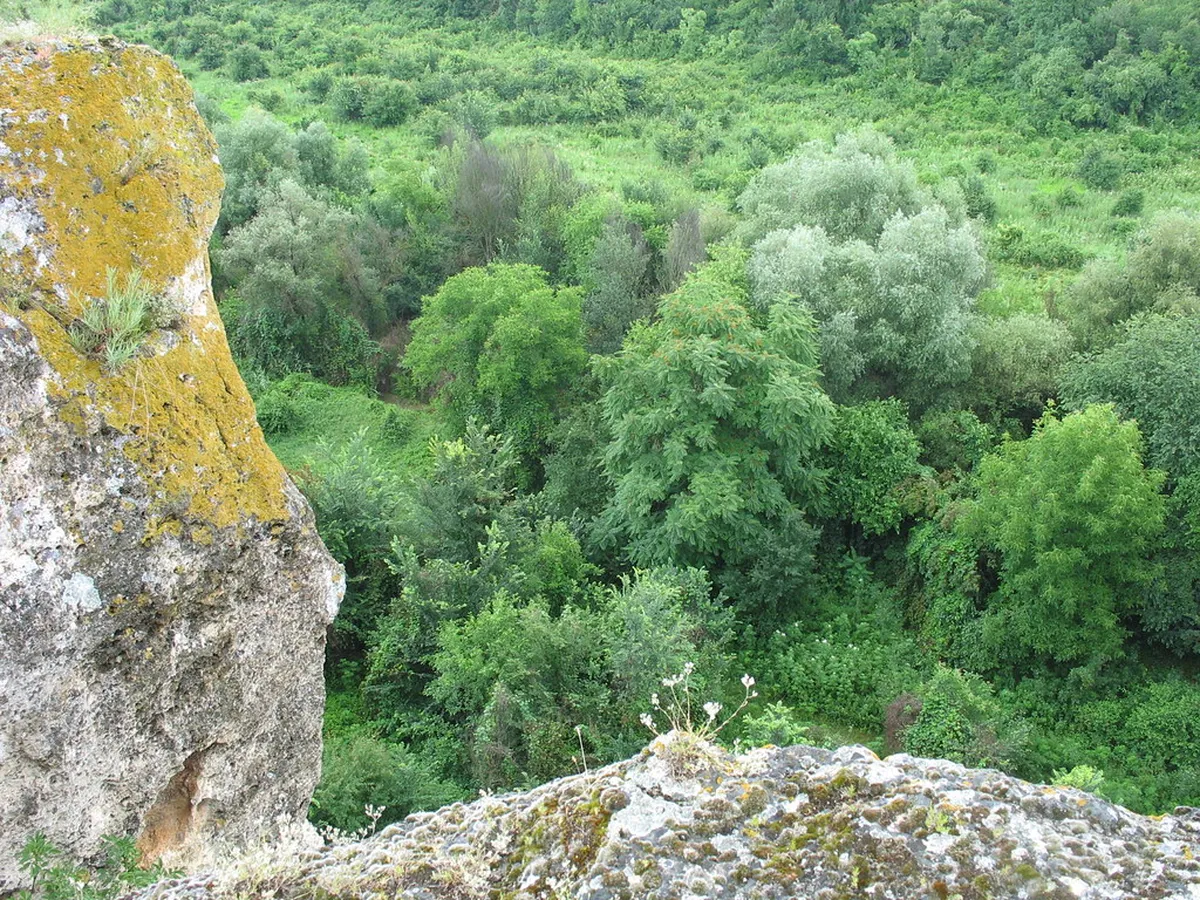
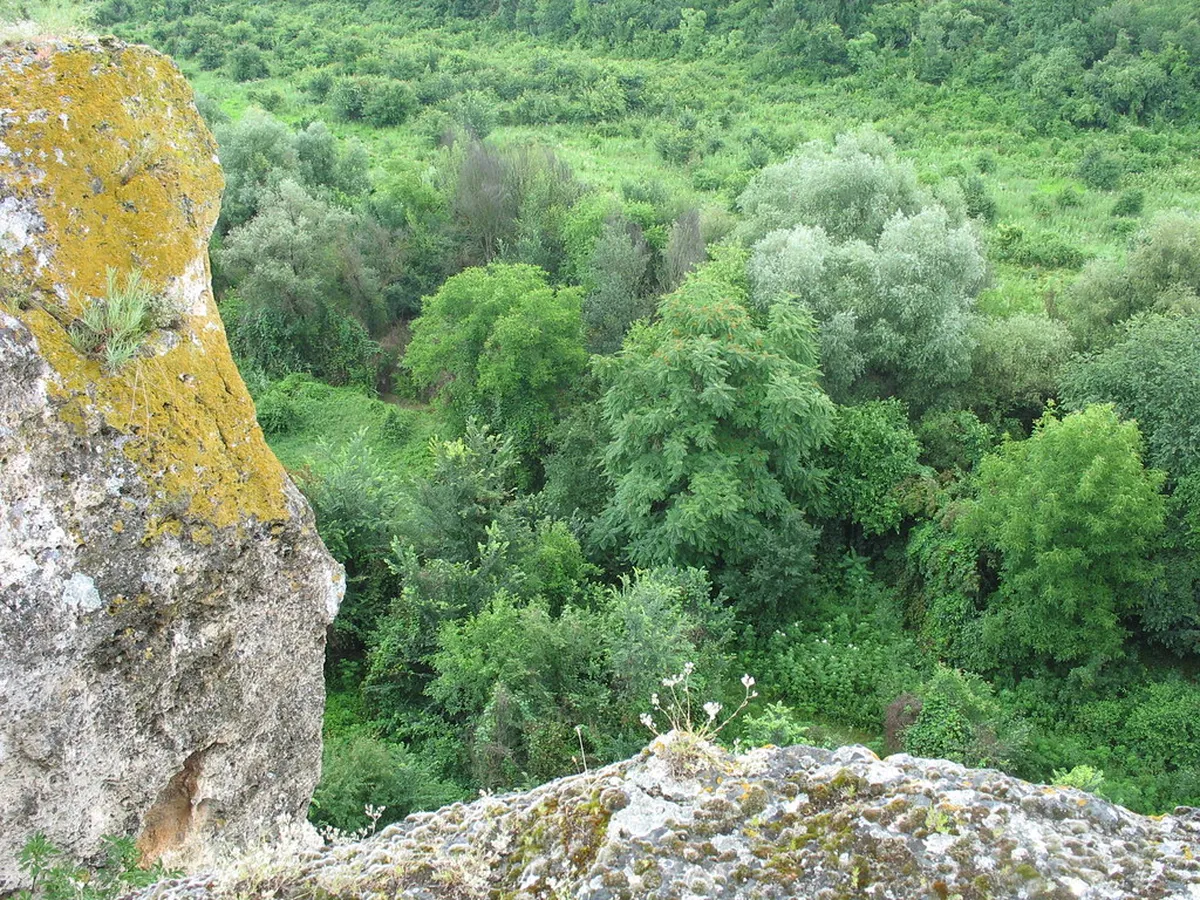
The park covers over 40,000 hectares of alpine terrain and ancient coniferous forest, home to hundreds of rare plant species and wildlife roaming the high slopes. Navigating this wilderness takes some planning to respect the fragile mountain ecosystem. Adventurers can choose anything from gentle forest walks to challenging climbs across marble ridges.
To see the Vihren climb firsthand, here's one hiker's perspective of the route and the summit panorama:
Getting to Pirin National Park from Bansko
Most travelers reach the park on the Bansko Gondola Lift Visitor Guide, which lifts you directly to Bunderishka Polyana inside the park boundary in about 20 minutes. From there, marked trails fan out toward Vihren hut and the Banderitsa lakes without any road walking — the fastest way in, and the only realistic option once the Vihren hut road closes for winter.
Drivers can also follow the narrow asphalt road toward Vihren hut, roughly 15 km and 30-40 minutes from central Bansko, passing Banderitsa hut and Baikushev's pine on the way. The road is seasonal, open roughly June to October, and often closed to cars 09:00-16:00 in peak summer, when a shuttle minibus covers the run for about €3-5 round trip. Arrive before 08:00 for parking in July and August.
Without a car or the shuttle timetable, taxis run roughly €10-15 one way; agree the fare before setting off, since meters are uncommon here. Walking in from town adds hours of steep climbing, so most hikers save that effort for the trails above the road.
Top Hiking Trails and Natural Landmarks
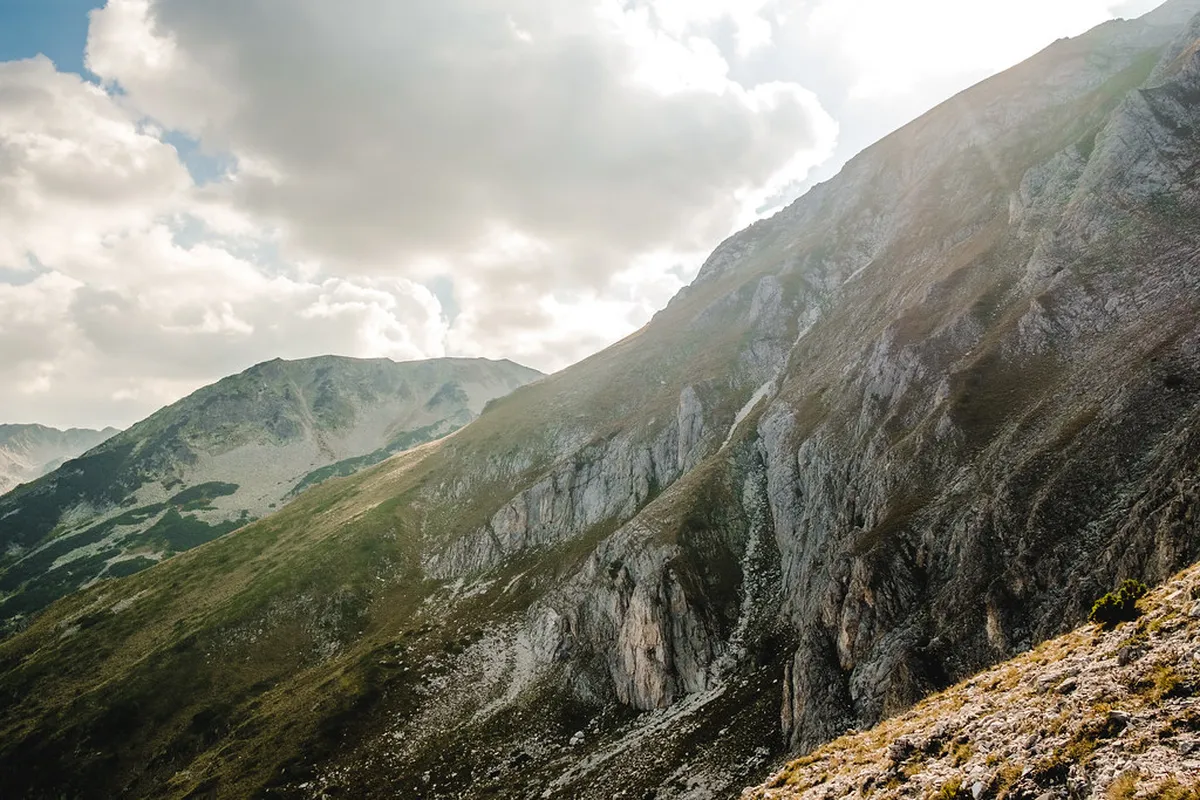
Climbing Vihren is the classic full-day objective from Bansko. From Vihren hut, at about 1,950 meters, the marked trail to the 2,914-meter summit takes roughly 4-6 hours round trip over loose marble scree, with a short scramble near the top that rewards sturdy boots and dry weather. On clear days the panorama stretches across the whole Pirin range and, sometimes, toward Rila to the north.
Closer to the road, Baikushev's pine — known locally as Baikusheva Mura — is unmissable: a Bosnian pine estimated at roughly 1,300 years old, standing beside the Vihren hut road near Banderitsa hut. A short protective walkway keeps visitors off the roots while allowing a close look at the trunk, and it takes barely 15 minutes round trip from a parked car — the easiest highlight in the park.
For something between the two, the walk from Vihren hut to Muratovo Lake takes about an hour each way over rocky but gentle ground, with the summit reflected in the water on calm mornings. It's a good half-day target for families or anyone skipping the full Vihren climb, and it doubles as the gateway to the wider lake network covered below.
- Vihren Peak Summit Route
- Difficulty: High
- Duration: 4-6 hours
- Terrain: Marble rock
- Elevation: 2,914 meters
- Muratovo Lake Trail
- Difficulty: Moderate
- Duration: 2 hours
- Best for: Photography
- Access: Vihren Hut
- Baykusheva Mura Walk
- Difficulty: Easy
- Duration: 30 minutes
- Best for: Families
- Cost: Free entry
The Glacial Lakes of Pirin
Pirin holds around 118 glacial lakes, more than any other Bulgarian range, carved into rocky basins by ice that has largely vanished from the peninsula. Easiest to reach from Bansko are the Banderitsa-valley lakes, Muratovo and Ribno, both within an hour or two of Vihren hut. Vlahini lakes sit below Vihren's west face and make a quieter alternative to the busier Banderitsa side in August.
Popovo Lake, the largest and deepest in the park, rewards hikers who commit to a longer day or an overnight at Bezbog hut. It sits in a basin ringed by peaks above 2,600 meters, reached via the Bezbog gondola from Dobrinishte or on foot from Vihren hut. Few day-trippers get this far, which keeps its character wild even in August.
Almost all these basins freeze by November and stay under snow into June, so late July through September is the only realistic window to see them ice-free. Photographers chasing still-water reflections should aim for early morning, before the afternoon wind picks up.
Hut-to-Hut Trekking and the Koncheto Ridge
Beyond the day-hike trailheads, Pirin has around 20 marked routes and carries a stretch of the E4 long-distance path, crossing the range from Bezbog hut toward Sandanski. Confident hikers can link a 2-3 day traverse — Vihren hut to Tevno Ezero hut to Bezbog hut — sleeping in refuges rather than a tent, with Popovo Lake as the natural overnight stop.
The signature feature is the Koncheto ridge, a roughly 400-metre knife-edge of exposed marble linking Vihren and Kutelo peaks. A fixed cable covers the most exposed stretch, but it isn't a via ferrata in the alpine sense — there's no ladder or clipped protection for most of it, and a head for heights matters more than climbing skill. Bansko guides run it as a one-day loop from Vihren hut for those wanting the exposure without the full traverse.
Less advertised: Pirin also holds Europe's southernmost glaciers — two small permanent ice patches, Snezhnika and Banski Suhodol, tucked into shaded hollows near Vihren and Kutelo. They look more like lingering snow than classic glaciers and are visibly shrinking, but Koncheto guides can point them out; neither is marked on standard trail maps.
Essential Seasonal Planning and Safety Tips
Summer is the primary hiking season, as most snow melts from the high passes by late June. July and August bring the most stable weather, but afternoon thunderstorms are common. Always check mountain rescue forecasts before a high-altitude trek, and carry a lightweight waterproof jacket for sudden rain.
Autumn brings vibrant colors to the forests and much cooler temperatures for long-distance walking. September is often considered the best month for clear skies and manageable temperatures across the granite ridges. Be prepared for early sunsets and carry a reliable headlamp for safety on the descent. Lower crowd levels during this season make the wilderness feel much more peaceful and secluded.
Winter transforms the park into a snowy wonderland suitable for experienced ski tourers and snowshoe enthusiasts. Avalanches are a serious risk on many slopes, so proper safety gear and local knowledge are mandatory. Casual hikers should stick to the lower forest paths during the heavy snow months. Always verify trail conditions with the mountain rescue service before attempting any winter excursions.
Wildlife and Conservation in the Park
Pirin National Park is a sanctuary for large mammals like the Balkan chamois and brown bears. Sightings are rare, but lucky hikers might spot these agile goats on the rocky cliffs. Birdwatchers can look for golden eagles above the peaks or nutcrackers in the pine forests, ideally with binoculars for a safe, respectful distance.
Conservation efforts focus on protecting the unique flora, including the rare Edelweiss flower found on limestone slopes. Picking plants or disturbing wildlife is strictly prohibited and can result in heavy fines from park rangers. Staying on marked trails helps prevent soil erosion and protects the fragile alpine vegetation. Respecting these rules ensures that future generations can enjoy the pristine beauty of the Bulgarian mountains.
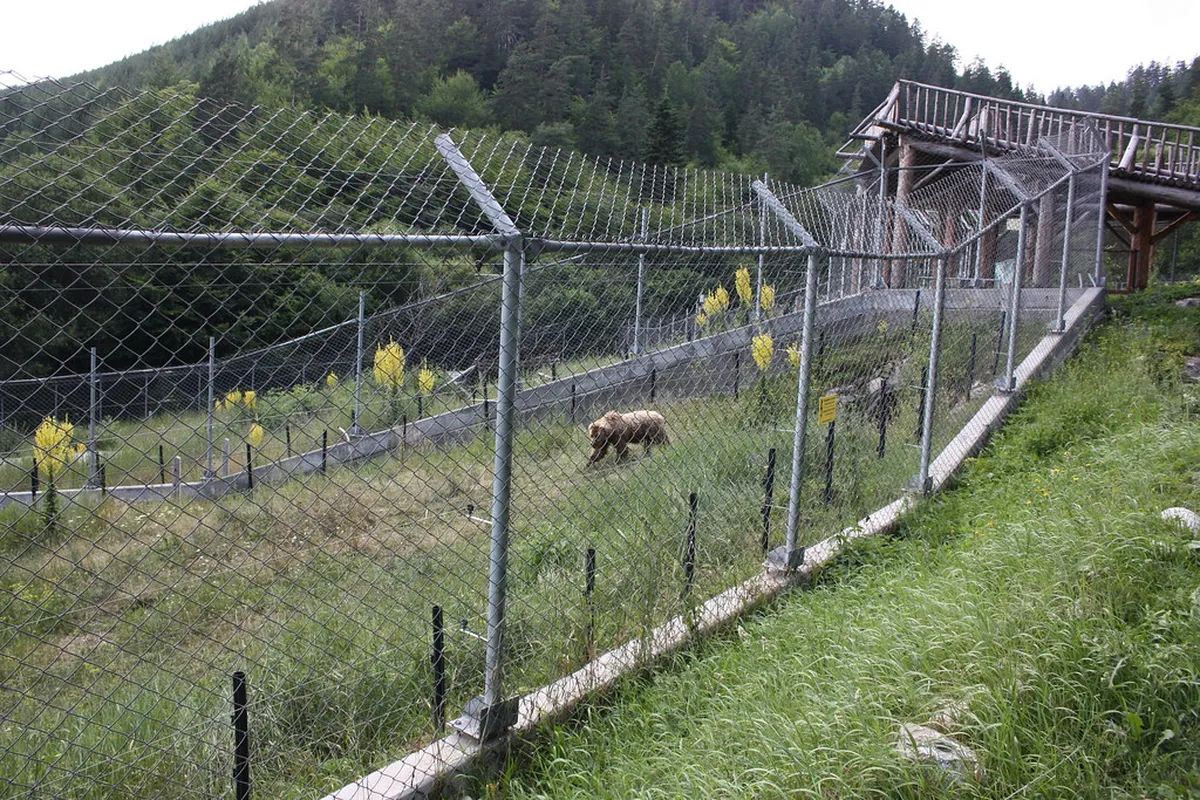
If you are interested in local wildlife conservation, consider visiting the Dancing Bears Park Belitsa Visitor Guide nearby. This sanctuary rehabilitates bears and educates the public about the importance of protecting natural habitats. It offers a great educational detour for families visiting the Bansko region for the first time. Guided tours provide deep insights into the history of the park and its furry residents.
Practical Visitor Information and Costs
Entry to Pirin National Park is free year-round for individual hikers; organized group activities or filming need a permit from the Park Directorate, whose Bansko office keeps Monday-Friday, 09:00-17:30 hours. Visitor centres in both Bansko and Sandanski hand out topographic maps and trail advice — worth collecting first, since mobile signal disappears in the deeper valleys.
Bulgaria completed its switch to the euro on 1 January 2026, so prices in Bansko and at the mountain huts are now quoted in EUR rather than lev. Huts such as Vihren and Tevno Ezero charge roughly €10-18 per person for a dormitory bed and simple hot meals, and cash remains the safer bet since card readers are unreliable this far from town. Book ahead for July and August weekends.
Back in town, the Bansko Old Town Visitor Guide is the natural place to refuel, with mehana taverns serving hearty mountain dishes for around €13-25 per person. Walking its cobblestone streets in the evening closes out a day that started on marble scree above 2,000 meters.
Continue planning: Use Bansko Attractions: Top 8 Things to Do in Bansko to connect this guide with the rest of your Bulgaria itinerary.
Frequently Asked Questions
How do I get to Pirin National Park from Bansko?
The park boundary starts directly above Bansko. The classic entry is the narrow asphalt road toward Vihren hut (about 15 km, 30-40 minutes by car), which passes Banderitsa hut and Baikushev's pine on the way. In summer, taxis and shuttle minibuses run from Bansko, and the Bansko gondola lifts you to Bunderishka Polyana inside the park. The Vihren hut road is seasonal — usually open from around June to October and closed by snow in winter, when the ski zone becomes the practical way in.
Is there an entrance fee for Pirin National Park?
No. Entry to Pirin National Park is free year-round. You only pay for optional extras such as mountain hut accommodation, licensed mountain guides, or the Bansko gondola if you use it to reach the trailheads.
When is the best season to visit Pirin National Park?
Mid-June to September is best for hiking, when the high trails to Vihren and the glacial lakes are snow-free and the huts are fully operating. Late summer gives the clearest lake views. From December to March the Bansko ski zone operates on the park's edge, but the high alpine routes are for experienced, equipped mountaineers only.
Can I climb Vihren in a day from Bansko?
Yes. Drive or take a shuttle to Vihren hut (about 1,950 m), from where the marked trail to the 2,914 m summit takes roughly 4-6 hours round trip. Start early — afternoon storms build quickly in summer — and carry water, as the marble massif holds almost no surface streams.
What is Baikushev's pine and where do I find it?
Baikushev's pine is a Bosnian pine estimated at around 1,300 years old, making it Bulgaria's oldest known tree. It stands right beside the Vihren hut road near Banderitsa hut, so you can see it on a short stop without any hiking.
Are guided visits available in Pirin National Park?
Yes. The park directorate runs visitor information centres in Bansko and Sandanski, and licensed mountain guides can be booked through Bansko agencies and hotels for summit hikes, lake circuits, and winter tours. The park itself maintains about 20 marked trails, including a stretch of the E4 European long-distance path, so confident hikers can also self-guide.
How much time do I need in Pirin National Park?
A half day covers the Banderitsa area with Baikushev's pine and a short lake walk. A full day fits the Vihren summit or the Banderitsa-valley lakes. For the remoter highlights — Popovo Lake, the Koncheto ridge — plan 2-3 days hut-to-hut.
Which glacial lakes should I see in Pirin National Park?
The park has around 118 glacial lakes. Easiest from Bansko are the Banderitsa-valley lakes such as Muratovo and Ribno, reached from Vihren hut. Vlahini lakes sit below Vihren's west face, while Popovo Lake — the largest and deepest — rewards a longer hut-to-hut trek via Bezbog.
Pirin National Park rewards both the casual day-tripper and the hiker chasing a multi-day hut-to-hut traverse, from Baikushev's ancient pine a few steps off the road to the exposed scramble across Koncheto and the quiet waters of Popovo Lake. Planning around the June-October trail season, free entry, and the practicalities above turns a good day out into a genuinely memorable one. Take the time to explore beyond the first viewpoint and discover why this corner of the Bulgarian Pirin range remains one of the most rewarding wildernesses in the Balkans.
For official details, visit the Pirin National Park on Wikipedia and Pirin National Park official site.
For more Bansko planning, read our Bansko Itinerary: 10 Essential Sections for Your Trip and 10 Essential Things to Know About Pirin National Park guides.
Browse all Bansko attractions in our Bansko attractions hub.