Best Time To Visit Bansko: 7 Essential Seasonal Insights
Bansko serves as a premier destination for winter sports and mountain adventures throughout the entire calendar year. The best time to visit Bansko for skiing is between late January and mid-March for the best snow. Summer visitors should aim for July or August to enjoy the warmest hiking weather and vibrant music festivals. Last updated June 2026.
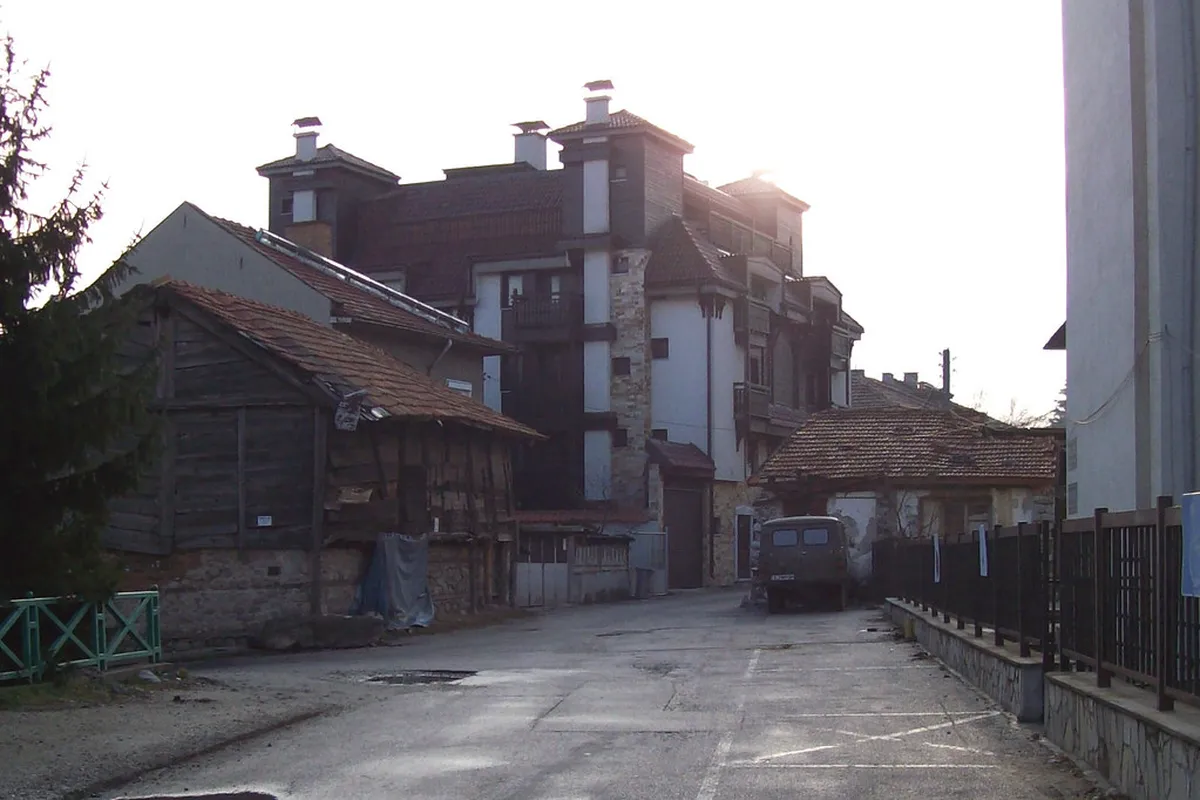
This mountain town sits at the foot of the Pirin Mountains, a UNESCO World Heritage site in Bulgaria. Travelers often choose this resort because it offers a high-quality experience at a lower cost than the Alps. The local culture remains visible through the traditional stone architecture and folk music found in the old town.
Understanding the seasonal shifts is vital for planning a successful trip to this diverse Balkan destination. Weather patterns can change quickly in the mountains, affecting lift operations and trail accessibility for hikers. This guide breaks down the climate, costs, and events month by month to help you choose your ideal travel dates.
Season Comparison
The climate in Bansko varies significantly between the snowy winter months and the warm, sunny summer season. Typical daytime highs in winter range from -2°C to 4°C / 28°F to 39°F across the town. Summer temperatures often reach 24°C to 29°C / 75°F to 84°F, providing perfect conditions for outdoor exploration. Shoulder seasons offer a mix of mild days and cool nights that appeal to budget-conscious travelers.
Crowd levels peak during the Christmas holidays and the mid-February school breaks in Europe. Visitors can expect higher prices for accommodation and lift passes during these busy winter periods. Late spring and early autumn provide the quietest atmosphere for those seeking a peaceful mountain retreat.
| Season | Weather | Crowds | Prices | Events | Best for |
|---|---|---|---|---|---|
| Winter (Dec-Mar) | -5 to 5°C / 23-41°F | High | High | Horizon Festival | Skiing |
| Spring (Apr-May) | 5 to 15°C / 41-59°F | Low | Low | Easter Markets | Value |
| Summer (Jun-Aug) | 15 to 28°C / 59-82°F | Moderate | Moderate | Jazz Festival | Hiking |
| Autumn (Sep-Nov) | 5 to 18°C / 41-64°F | Very Low | Lowest | Nomad Fest | Quiet |
Winter in Bansko: The Peak Ski Season (December to March)
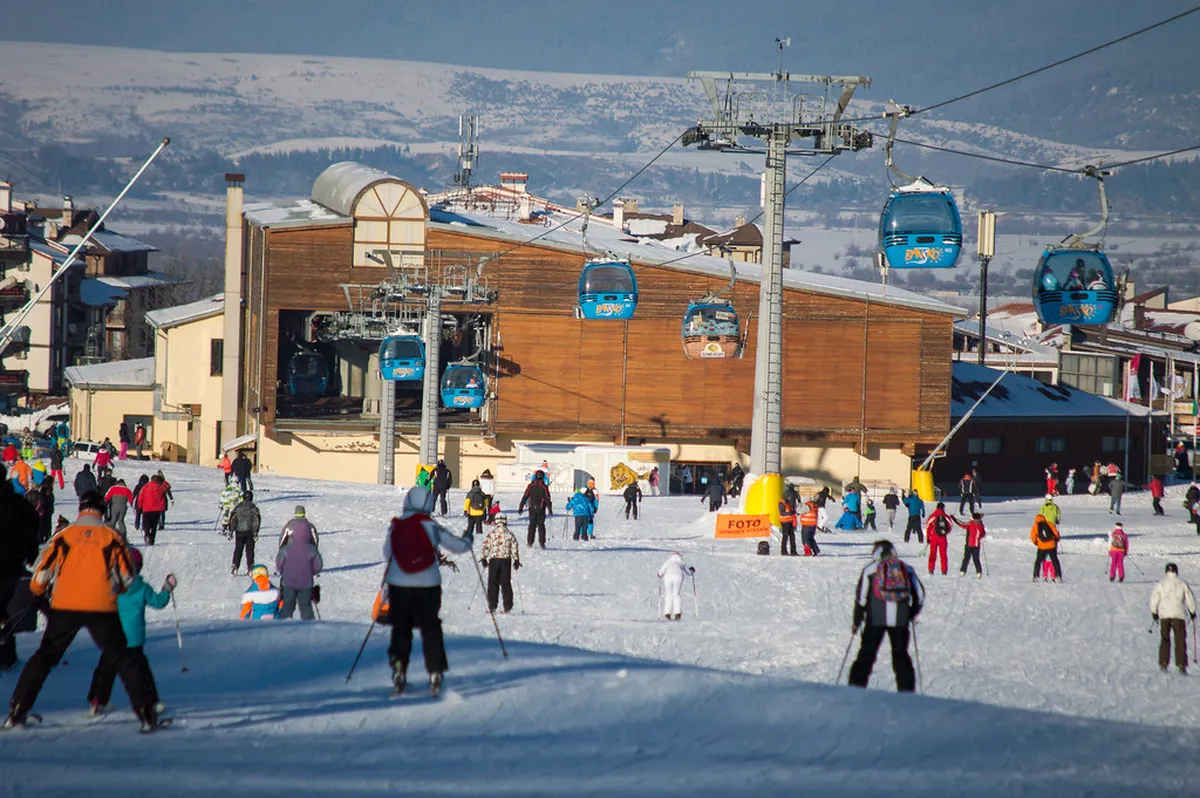
The official ski season typically opens around mid-December and runs until the middle of April, though snow reliability varies significantly month to month. December is an early-season gamble: hotels and lift passes are cheaper than at Christmas, but snow cannons often do most of the work before natural snowfall arrives. Christmas and New Year (roughly 20 December through the first week of January) bring fireworks, festive dinners, and fully packed slopes — great atmosphere, but expect longer gondola queues and prices that noticeably spike.
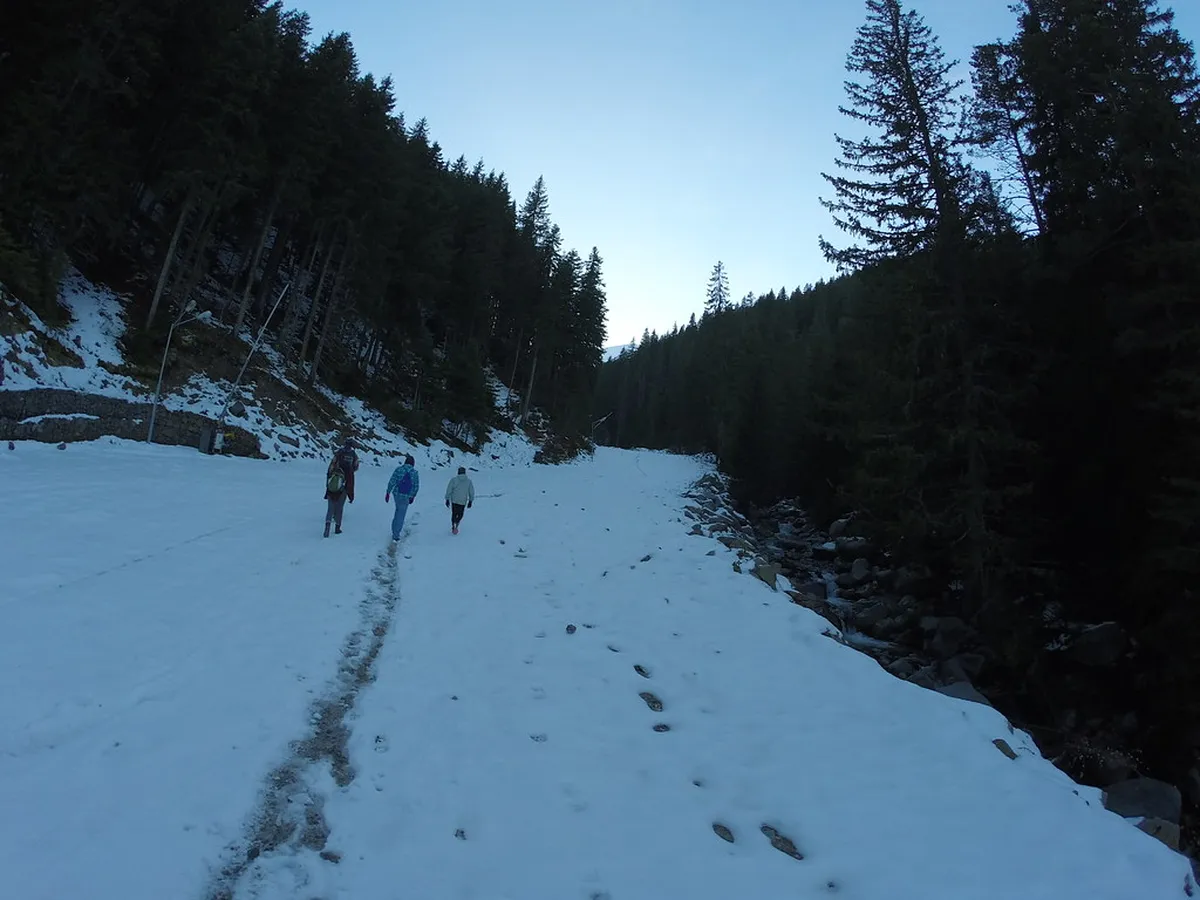
January is widely considered the sweet spot for snow quality. Temperatures regularly drop well below freezing, preserving a hard, cold base across the resort's 75 kilometres of pistes. Most runs are open, and the slopes are noticeably quieter than the holiday period. February brings peak-season crowds back, particularly during European half-term weeks, when gondola wait times can exceed one hour. The skiing is excellent — reliable coverage, some of the best sunshine hours of the season, and Bansko's après-ski scene at full strength.
Mid-March is where serious value appears. Accommodation prices drop by 20 to 40 percent compared to February highs. Snow cannons keep the upper pistes viable even as air temperatures warm, and the lighter mood makes the town more relaxed. The après-ski bars stay open: Happy End starts pouring from 15:00 just off the gondola base, and Amigos takes over around 20:00 with live music. Explore the Ultimate Bansko Nightlife Travel Guide 2026 if you're planning evenings around the scene.
Buy your lift pass the night before from a ticket shop in town — this skips the morning queues at the gondola base, which can run 30 to 45 minutes during busy weeks. Staying near the ski road (Pirin Street end) shaves another 10 minutes off your morning walk to the lifts.
Snow Reliability by Skill Level: Which Month Suits You
Not all months suit all skiers equally, and this distinction is rarely spelled out clearly. January delivers cold-packed powder and firm morning corduroy — ideal for intermediate and advanced skiers who want edge grip and consistent conditions across red and black runs. The icy crunch after a cold night rewards confident technique; it can punish beginners who haven't yet learned to control their speed.
March's softer snow is, counterintuitively, better for beginners and nervous intermediates. Afternoon snow turns slushy and forgiving, making falls far less painful. Ski and snowboard lessons in March are also typically cheaper, and instructors report faster student progress on soft-pack. If your group includes a mix of skill levels, March offers the most comfortable entry point for weaker skiers while still delivering enjoyable runs for stronger ones.
Bansko has a structural advantage that most guides overlook: its upper slopes face north and sit above 2,600 metres. This means the resort holds snow weeks longer than south-facing, lower-altitude resorts like Pamporovo. In a good snow year, Bansko's top lifts can stay open into late April — long after Pamporovo and Borovets have wound down. If you're visiting in late March or early April, check current conditions on the resort's live webcams before booking.
See our Skiing In Bansko Bulgaria guide for a full breakdown of piste grades, lift maps, and pass pricing for the 2025/26 season.
Month-by-Month Weather and Activities
December to February delivers the full winter picture: cold days, heavy mountain snowfall, and a resort running at capacity. Average lows hit -5°C / 23°F at altitude, though the town itself rarely drops below -2°C / 28°F. The gondola runs from around 08:30 to 16:30 daily when winds permit. Upper lifts close in strong wind — the local "Bansko wind" from the south-west is the one to watch.
April and May mark the transition out of ski season. The gondola closes for annual maintenance in May, and the resort empties almost completely. Prices fall to their annual lows. Hiking trails begin to open from late April, but high-altitude huts like Tevno Ezero remain shut until late June. These are excellent months for a budget stay focused on the old town, thermal baths, and day trips.
June through August is the warm season. Daytime temperatures in town reach 24°C to 28°C / 75°F to 82°F, and the the Pirin mountains above town trails are fully open. The International Jazz Festival in August draws large crowds to the central square — book hotels early if visiting that week. Mountain biking on the gondola-served trails is a growing summer draw, with rental shops at the gondola base offering full-suspension bikes.
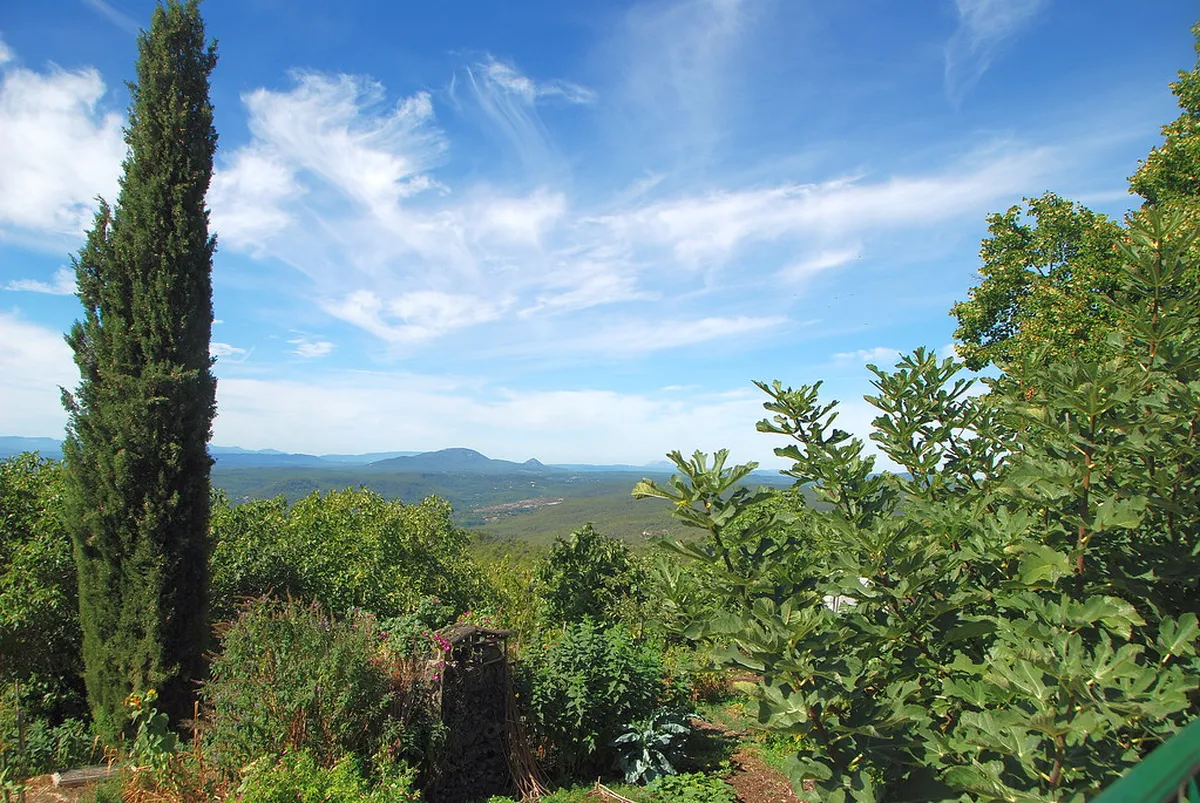
September through November is the quietest period of the year. Daytime temperatures drop to a comfortable 10°C to 18°C / 50°F to 64°F. Autumn colours across the Pirin foothills are genuinely impressive in October. The hiking trails guide covers the best routes before the first snow closes the higher paths again.
Summer in Bansko: Jazz Festival and Mountain Hiking (June to August)
The Bansko International Jazz Festival, held each August, is the town's biggest summer event. International acts perform on an outdoor stage in the central square over several evenings. The event draws visitors who have never been near a ski slope, and accommodation books out weeks in advance for the festival dates. It's worth planning around even if jazz is not your primary interest — the atmosphere transforms the old town.
Hiking in the Pirin Mountains is the other major summer draw. Routes range from easy lake walks — the trail to Popovo Lake takes around three hours from Vihren Hut — to the technical ascent of Vihren Peak at 2,914 metres, which requires an early start and decent fitness. The gondola does not operate for hikers in summer 2026; access to the upper mountain is on foot or by taxi to trailheads. Check trail conditions with the national park office before heading out.
Thermal baths in the nearby village of Banya are equally popular in summer. Izgrava baths cost 15 BGN / £6.50 per person and have a rougher, local feel with a very hot secondary pool. Villa Victoria is more polished at around 20 BGN / £8.80, with an outdoor pool, jacuzzi, sauna, and restaurant. Newer facilities charge up to 30 BGN / £13 for a two-hour session. The best time to visit any of the baths is after 15:00, when the air temperature drops and the contrast with the hot mineral water is most enjoyable.
Autumn in Bansko: Hiking and Digital Nomad Season (September to November)
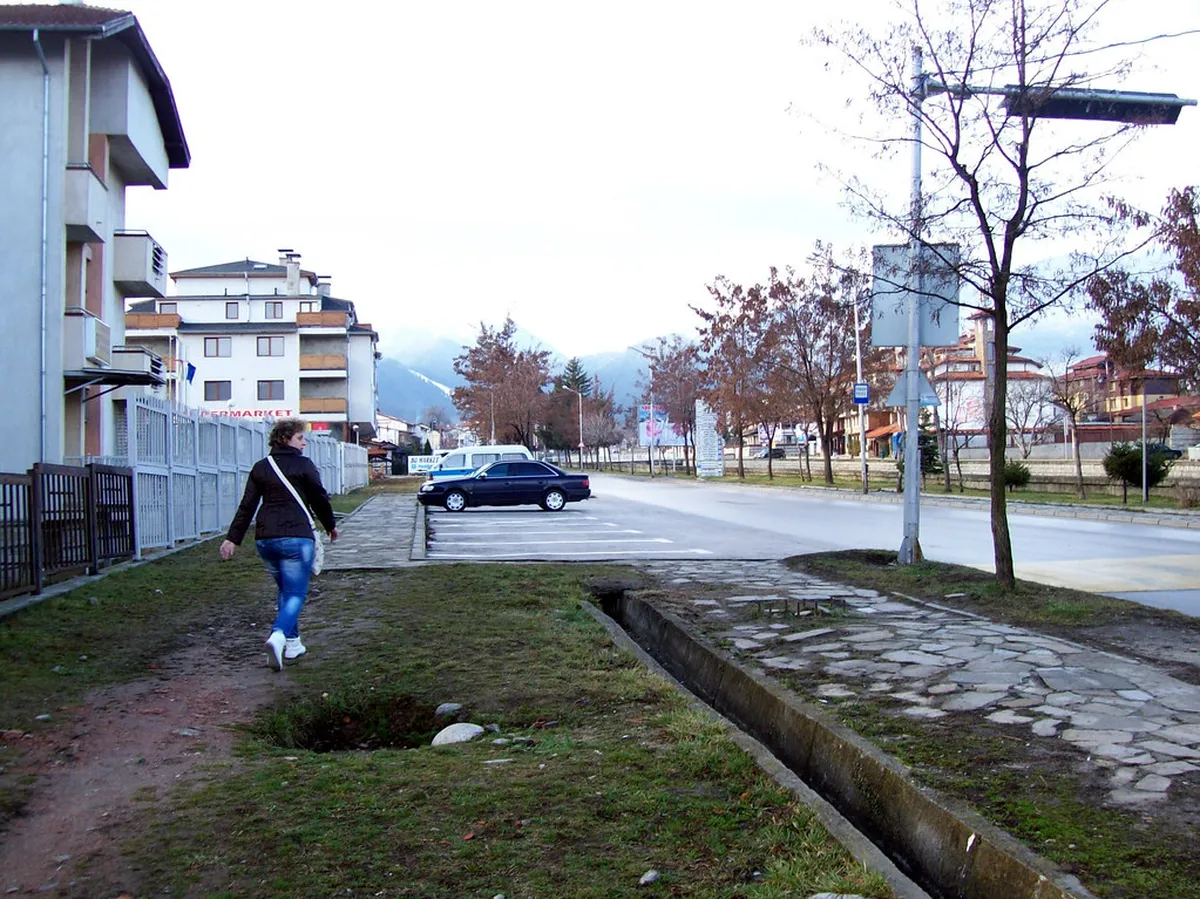
September through November is the open secret of Bansko's calendar. Hotels drop to their lowest rates of the year. The old town's mehanas are quiet and welcoming. Daytime temperatures are warm enough for comfortable hiking on lower trails, and the first dustings of snow on the Pirin peaks provide a dramatic backdrop without the cold that comes with full winter.
The digital nomad community makes this its peak season for a specific set of reasons. Bansko's fibre internet infrastructure — installed partly to serve the ski resort's tech-heavy visitor base — remains fast and stable year-round. Coworking Bansko (coworkingbansko.com) runs a structured programme from September onwards, including accommodation packages, weekly events, and a member community that typically numbers in the hundreds during October. Remote workers report that the combination of reliable connectivity, cheap co-living, and easy access to hiking makes this window unusually productive.
October is arguably the single best month for value. A mountain-view apartment rents for a fraction of February rates. Restaurants are fully staffed but rarely crowded. The autumn colours in the Pirin foothills peak around mid-October, making it the best time to photograph the landscape. November starts to feel quiet as the town braces for ski season preparation, but prices stay low and the old town retains its character.
Exploring Bansko Old Town and Culture
The old town is a separate world from the ski road and deserves dedicated time regardless of when you visit. The Holy Trinity Church on Pirin Street is the most photographed building in Bansko — a striking example of Bulgarian National Revival architecture dating from 1835. Just beyond it lies the main square, where New Year fireworks are launched and the jazz festival stage is erected each August.
The Neofit Rilski House Museum Visitor Guide sits next to the church. Rilski was born here in 1793 and went on to produce the first translation of the Bible into Bulgarian, write the first Bulgarian grammar book, and become a central figure in the Bulgarian National Revival. The museum preserves his 18th-century "Benina" house and personal artefacts — an hour here contextualises much of what you see in the streets outside. Hours are typically 09:00–17:00 except major public holidays; entry costs a few BGN and is rarely crowded outside summer peak.
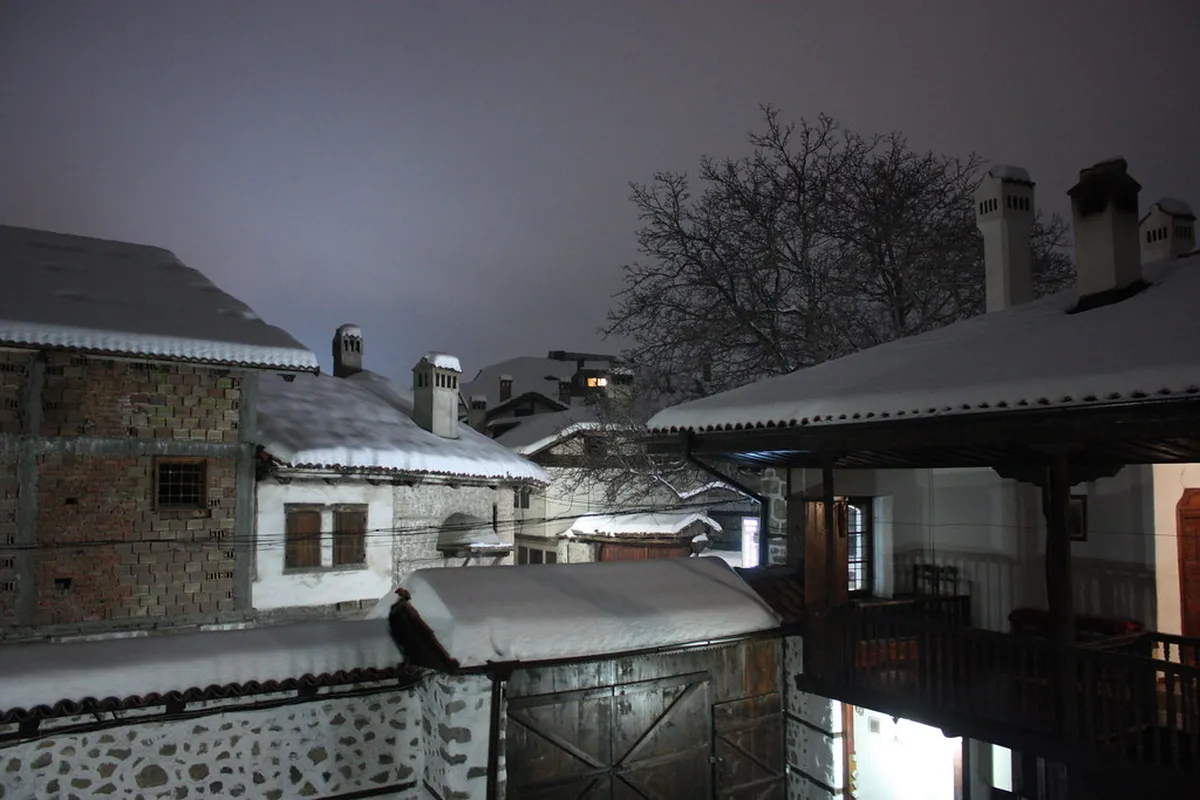
The small lanes off the main square are lined with traditional stone-built mehanas. These are the places to eat: slow-cooked kavarma in clay pots, shopska salad with white sirene cheese, and local Melnik wine by the carafe. Prices in old-town mehanas run 20 to 30 BGN for a full meal including wine — noticeably cheaper than the international restaurants along the upper stretch of Pirin Street. Visit our 10 Must-See Gems in Bansko Old Town (2026) guide for specific recommendations by neighbourhood.
Practical Travel Tips: Transfers, Costs, and Booking
Most visitors fly into Sofia Airport and transfer directly to Bansko. The road journey takes approximately 2.5 hours by private shuttle, which is the most practical option — shared minibuses run daily and cost around 25 to 35 BGN per person one-way. Public bus from Sofia's Yug bus station serves Bansko directly but takes longer and runs to a fixed schedule. Train travel is not a practical option: the nearest station involves a change and a taxi leg. For comparison, Borovets is only 1.5 hours from Sofia, and Pamporovo takes up to 4 hours — factors worth weighing if you're considering multiple resorts in one trip.
Booking timing matters more in Bansko than at comparable Alpine resorts, specifically because February half-term drives accommodation into a very narrow supply window. Book at least 8 to 10 weeks in advance if travelling during the last two weeks of February. December and March have abundant last-minute availability and genuine price drops. Summer and autumn bookings can realistically be made within two to three weeks of travel without penalty.
Lift pass pricing for 2025/26 runs at approximately 60 to 75 EUR per adult per day at full rack rate; multi-day passes offer better value and can be purchased from town shops the evening before to avoid morning queues at the gondola base. A week's self-catered food budget in the old town — supermarket plus mehana dinners — runs around 200 to 300 BGN per person. Bansko remains one of the most affordable ski resorts in Europe by almost any cost comparison. Check our How to Get from Sofia to Bansko guide for current transport schedules and shuttle booking options.
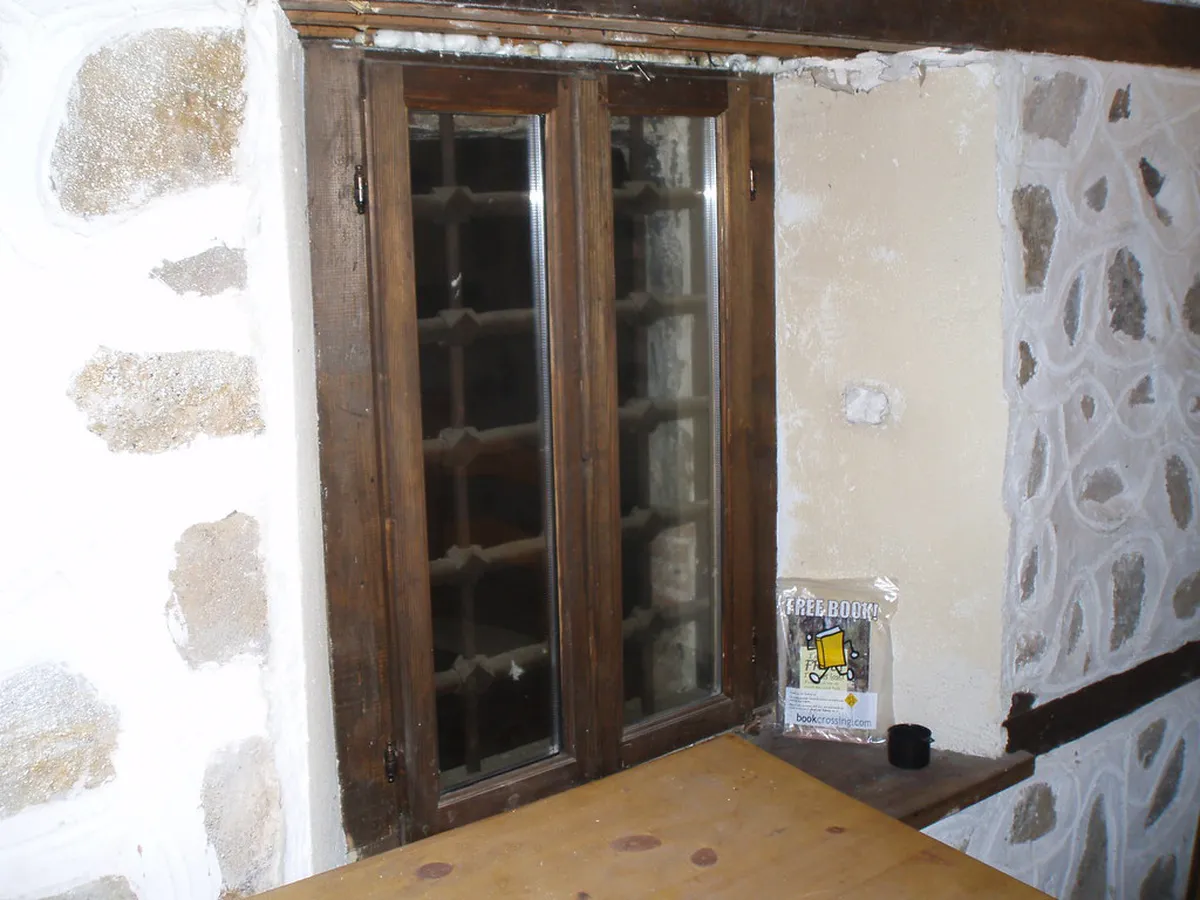
Traditional mehanas in the old town stay open year-round and serve the local population even in the quietest low-season weeks. If a restaurant on the ski road is shut, walk ten minutes into the old town — something will always be open.
See our Bansko tourism attractions guide for the broader city overview.
Continue planning: Use 4-Day Bansko Itinerary for First-Time Visitors to connect this guide with the rest of your Bulgaria itinerary.
Frequently Asked Questions
What is the best month for skiing in Bansko?
February is widely considered the best month for skiing due to consistent snow and cold temperatures. However, January offers excellent powder conditions while March provides a great value for budget-conscious skiers.
Is Bansko, Bulgaria expensive?
Bansko is one of the most affordable ski resorts in Europe. A meal at a traditional tavern costs about 20-30 BGN, and thermal bath entry is roughly 15-30 BGN.
Which month is best to visit Bulgaria?
The best month depends on your goal. June and September are ideal for sightseeing, while February is best for skiing and August for beach or mountain festivals.
Bansko offers a compelling mix of adventure and culture across all four seasons of the year. Winter remains the most popular time for visitors, but the summer and autumn months provide unique mountain experiences. By timing your visit carefully, you can enjoy the best snow or the quietest hiking trails.
Whether you are a skier or a digital nomad, this town provides excellent value for money. Plan your trip around the seasonal highlights to make the most of your time in the Pirin Mountains.