Neofit Rilski House Museum Visitor Guide
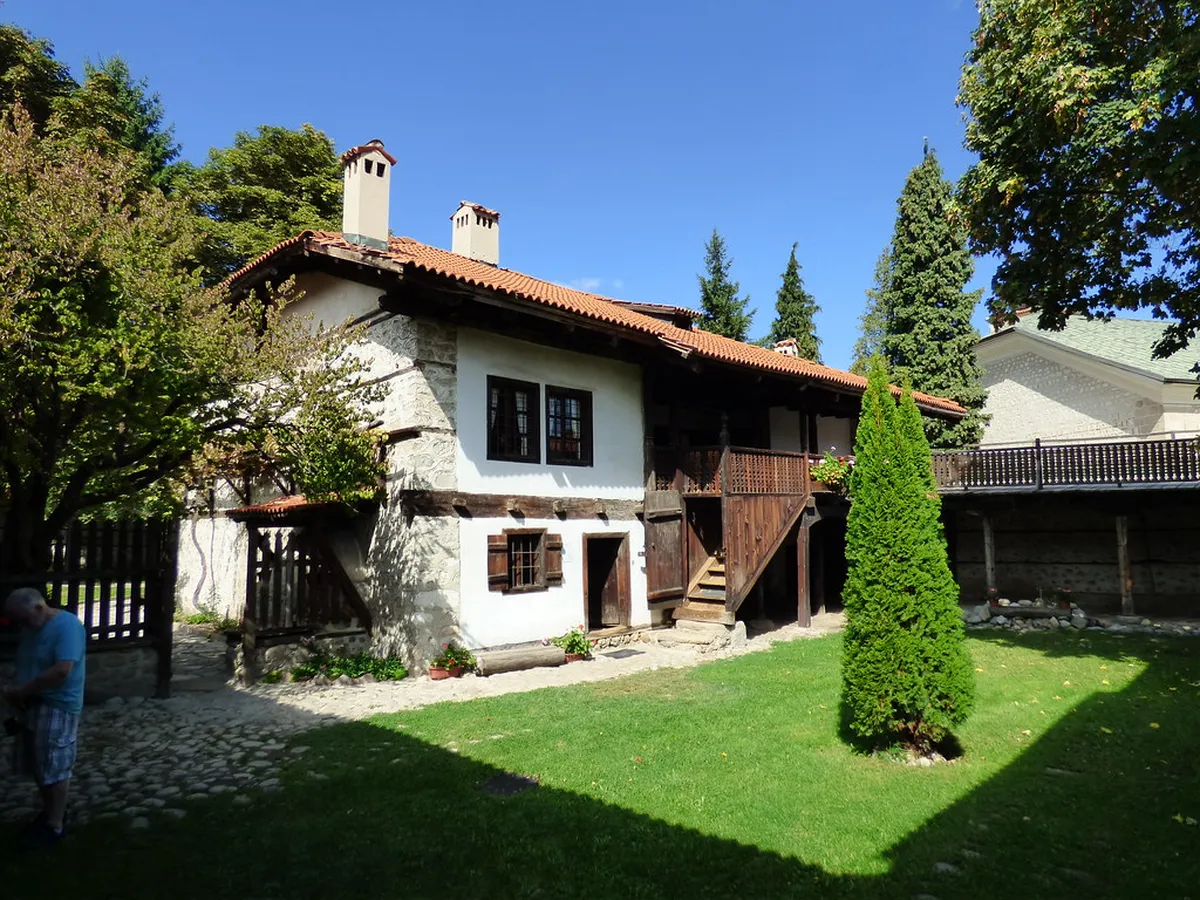
The Neofit Rilski House Museum stands as a symbol of the Bulgarian National Revival in central Bansko.
Known locally as the Benina House, this fortified building preserves the legacy of the man who revolutionized Bulgarian education.
This neofit rilski house museum visitor guide provides everything you need to explore this historic landmark in 2026.
See the museum's period rooms and architectural features in this detailed walkthrough tour:
Who Was Neofit Rilski?
Neofit Rilski (1793-1881) was born Nikola Poppetrov Benin in Bansko and took the name "Neofit Rilski" only after entering religious life — the surname comes from Rila Monastery, where he later became a monk and eventually hegumen.
Historians such as Konstantin Irechek called him the "patriarch of the Bulgarian teachers and scholars," and he is widely credited as the founder of Bulgarian secular education and the country's first encyclopedist.
Because "Rilski" ties him to the monastery, visitors sometimes assume the two sites are connected; the monastery sits roughly 100 km away, and this house museum is where you see his actual birthplace, not his later monastic career.
The Story of the Home of the First Bulgarian Encyclopedist
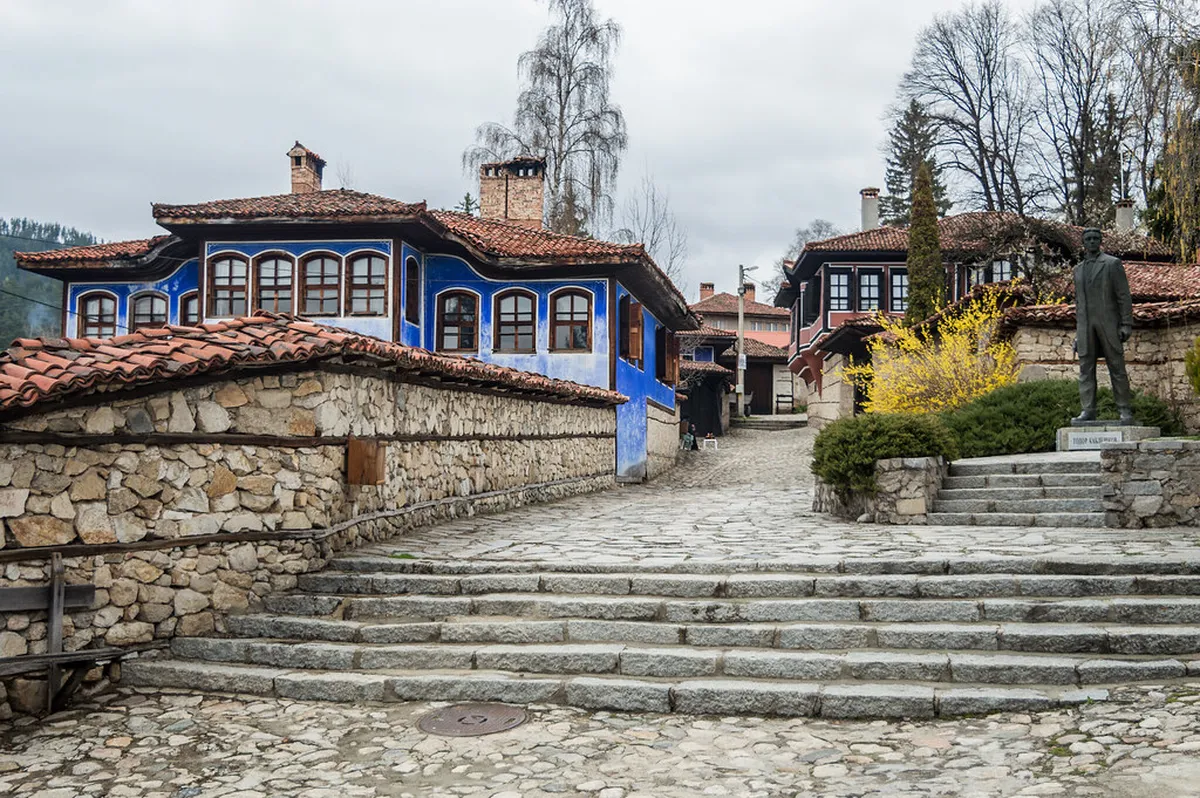
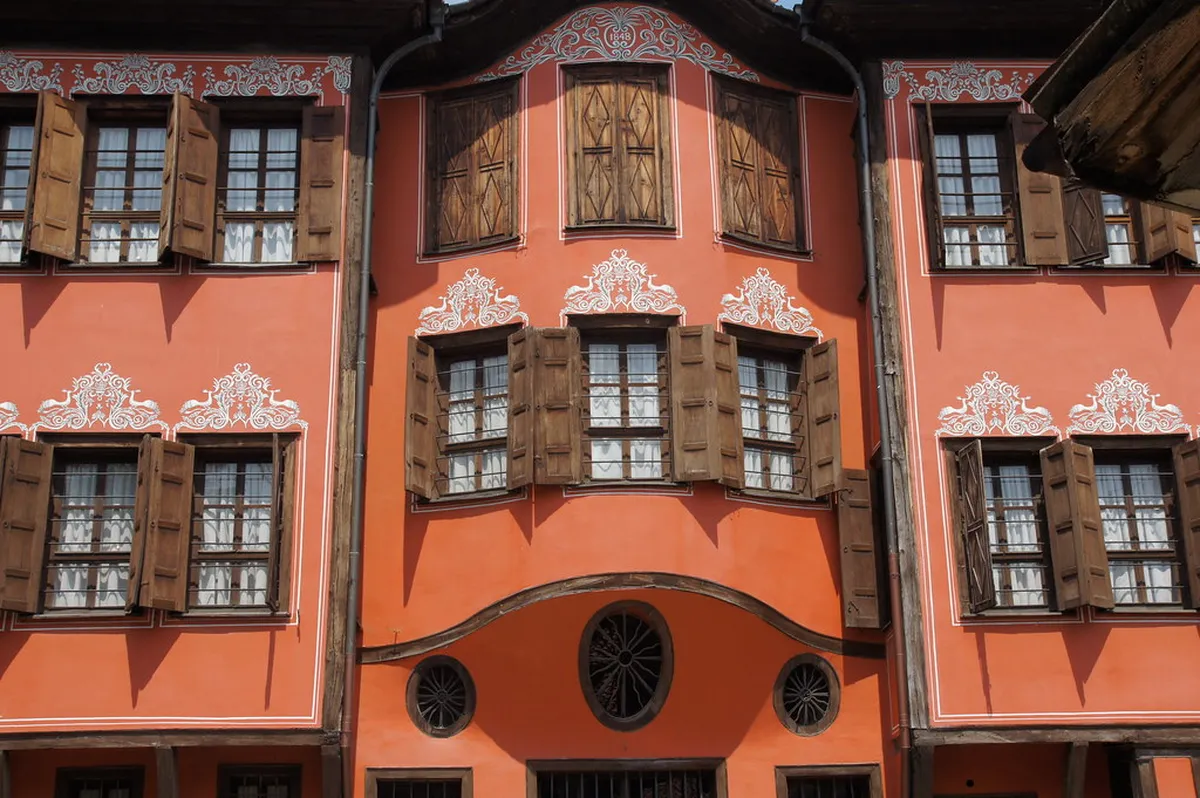
The museum is housed in the Beninata kashta, an 18th-century fortified home that showcases traditional Bansko Old Town Visitor Guide architecture: thick stone walls, a solid wooden gate, and a closed courtyard built to keep a wealthy merchant family safe during Ottoman rule.
The ground floor packs in more than a defensive shell. Alongside the two-part hiding place, reached by a movable wooden staircase hidden beneath the columns, there is a separate kneading room — a mesilnik or brashnenik — where the household prepared bread flour.
Even the doorways carry history: several interior thresholds sit deliberately low, a detail from the Ottoman period that forced anyone entering to bow their head — a quiet form of daily defiance built into the architecture.
What You Can See Inside: Architecture and Exhibits
The documentary hall, in the former outbuildings behind the main house, displays more than 400 items in chronological order tracing Rilski's life and work.
The ground floor preserves the two-part hideout and kneading room described above, while upstairs the monastic schoolroom and the room of Presvytera Katerina, his mother, sit alongside the family living quarters.
The headline exhibits are the first Bulgarian Grammar, published in 1835, sections of his unfinished Greek-Bulgarian dictionary, and books from his personal library.
How to Find the Benina House in Bansko
Finding the museum is easy if you start your walk from the iconic Holy Trinity Church, Bansko Visitor Guide in the town center.
The house is located at 17 Pirin Street, just a short two-minute walk from the church square.
Look for the large stone walls and the bronze statue of Neofit Rilski standing near the entrance.
Most visitors find that walking through the narrow cobblestone streets is the best way to soak in the atmosphere.
Good to Know Before You Go: Timing and Crowds
Planning your timing matters here: the museum keeps a strict schedule with a one-hour midday closure, and a full walkthrough of both floors plus the documentary hall typically takes 45 minutes to an hour.
Watch for the "Tuesday Trap" — the museum is closed every Tuesday, year-round, catching out weekend-break visitors who assume every day is open.
Some visitors time their trip around free admission on the first Monday of each month, a practice reported by Excursionmania.com, though it's worth confirming locally since free days can shift.
Mornings, especially before 11:00, are quieter and let you move through the narrow rooms without competing with tour groups.
Digital Tools: Virtual Maps and Travel Companion Apps
Modern technology helps bridge the gap between the 18th century and today for international visitors.
You can use on-site QR codes to access detailed descriptions of the exhibits in multiple languages.
A virtual map of the two-floor layout is often available to help you navigate the small, interconnected rooms.
Translation apps are highly recommended since some of the older manuscript descriptions are primarily in Bulgarian.
Currency and Booking: Practical Financial Tips
Entrance is inexpensive and clearly tiered: adults pay €3 (5.87 BGN), students under 18, university students, and retirees pay €2, and visitors with disabilities pay €1. A family ticket costs €5, and adding a guided tour is another €5.
Carry small bills in Bulgarian Lev, since card machines at small regional museums like this one can be unreliable.
Official sites like Visitbulgaria.com are useful for checking updates before you travel. Pre-booking is rarely necessary for individuals, but larger groups should contact staff in advance.
First-Time Visitor Essentials: The Always First Guide
If you only have thirty minutes, prioritize the two exhibits every guide points to first, below, then step into the courtyard for a good vantage point over the traditional wooden balconies before you leave.
- The fortified hiding place on the ground floor is the single most memorable stop — duck through the low iron door and imagine a whole family waiting out an Ottoman raid there.
- The monastery schoolroom reconstruction upstairs works especially well for families, showing how Bulgarian children were taught before secular schools existed.
- The 1835 Bulgarian Grammar in the documentary hall is worth a slow look even without Bulgarian, since it's the book that standardized the written language.
Essential Visitor Info: Hours and Contact Details
The museum is open 09:00-13:00 and 14:00-17:00, closed every Tuesday year-round. Staff take a one-hour lunch break in between, so avoid arriving right at 13:00.
You can verify current schedules on the official Banskomuseums.com website before you travel, since hours occasionally shift around Bulgarian public holidays.
The physical address is 17 Pirin Street, the main pedestrian artery of the old town. The €1 disability ticket covers only the entry fee — the building predates modern accessibility standards, with a steep stone staircase between floors and low, deliberately narrow doorways, so mobility-limited visitors should expect to see mainly the ground-floor rooms and documentary hall.
Nearby Attractions: Beyond the Benina House
Bansko's three house museums sit close enough together to cover in a single loop of roughly two hours, starting here and finishing at whichever of the other two suits your afternoon best.
The Velyanova House Visitor Guide is a short walk away and features some of the finest Bansko School murals and wood carvings in town.
From there, the Nikola Vaptsarov House Museum Visitor Guide covers one of Bulgaria's most famous poets and pairs naturally with the National Revival theme of this visit.
Fold in the wider Top 8 Things to Do in Bansko old town for the walk between stops for a fuller picture of the town's Revival-era heritage.
Continue planning: Use Bansko Attractions: Top 8 Things to Do in Bansko to connect this guide with the rest of your Bulgaria itinerary.
Frequently Asked Questions
What is the Neofit Rilski House Museum?
It is the 18th-century Benina family house in Bansko where Neofit Rilski was born, converted into a museum in 1981 and declared a national cultural monument. The fortified Revival-era house sits inside a large courtyard behind massive stone walls and a heavy wooden gate.
Who was Neofit Rilski?
Neofit Rilski was the founder of Bulgarian secular education and is regarded as the first Bulgarian encyclopedist. A key figure of the National Revival, he authored the influential Bulgarian Grammar of 1835 and worked on a Greek-Bulgarian dictionary.
How much are tickets to the Neofit Rilski museum?
Adult entry is €3 (5.87 BGN); students under 18, university students and retirees pay €2, visitors with disabilities €1. A family ticket costs €5 and a guided tour €5.
When is the museum open?
It is open 9:00-13:00 and 14:00-17:00, with Tuesday as its weekly closing day.
Where is the museum located?
At 17 Pirin Street, 2770 Bansko, right next to the Holy Trinity Church in the town center, a short walk from both Velyanova House and the Nikola Vaptsarov House Museum.
What can I see inside?
The house preserves the room of Presvytera Katerina, the living room, the monastic schoolroom and the utility floor with its two-part hideout, while a documentary hall in the former outbuildings displays over 400 items in chronological order, including the 1835 Bulgarian Grammar, parts of his Greek-Bulgarian dictionary and books from his personal library.
Why is the building itself significant?
Built in the 18th century in the fortified Bansko house tradition (the Razlog-Chepino type), it keeps the defensive ground floor with hideout and kneading room, an upper residential floor, and a large chardak connecting the house to its former outbuildings — a rare intact example of the type.
A visit to the Neofit Rilski House Museum offers a deep connection to the intellectual roots of Bulgaria.
From its fortified walls to its precious manuscripts, the Benina House tells a story of resilience and education.
Be sure to include this landmark on your next trip to Bansko to truly understand the region's history.
To verify current details, consult the Neofit Rilski House Museum on Wikipedia, Neofit Rilski House Museum official site and Neofit Rilski House Museum guide on Tripadvisor.
For more Bansko planning, read our Bansko Itinerary: 10 Essential Sections for Your Trip guide.