Poda Protected Area Visitor Guide
Nature lovers visiting the Black Sea coast will find a lesser-known place just minutes from the city. This poda protected area visitor guide helps you explore one of Europe's most biodiverse wetlands. Located near the bustling city of Burgas, this site offers a peaceful escape for wildlife enthusiasts. You can witness hundreds of bird species in a remarkably small area.
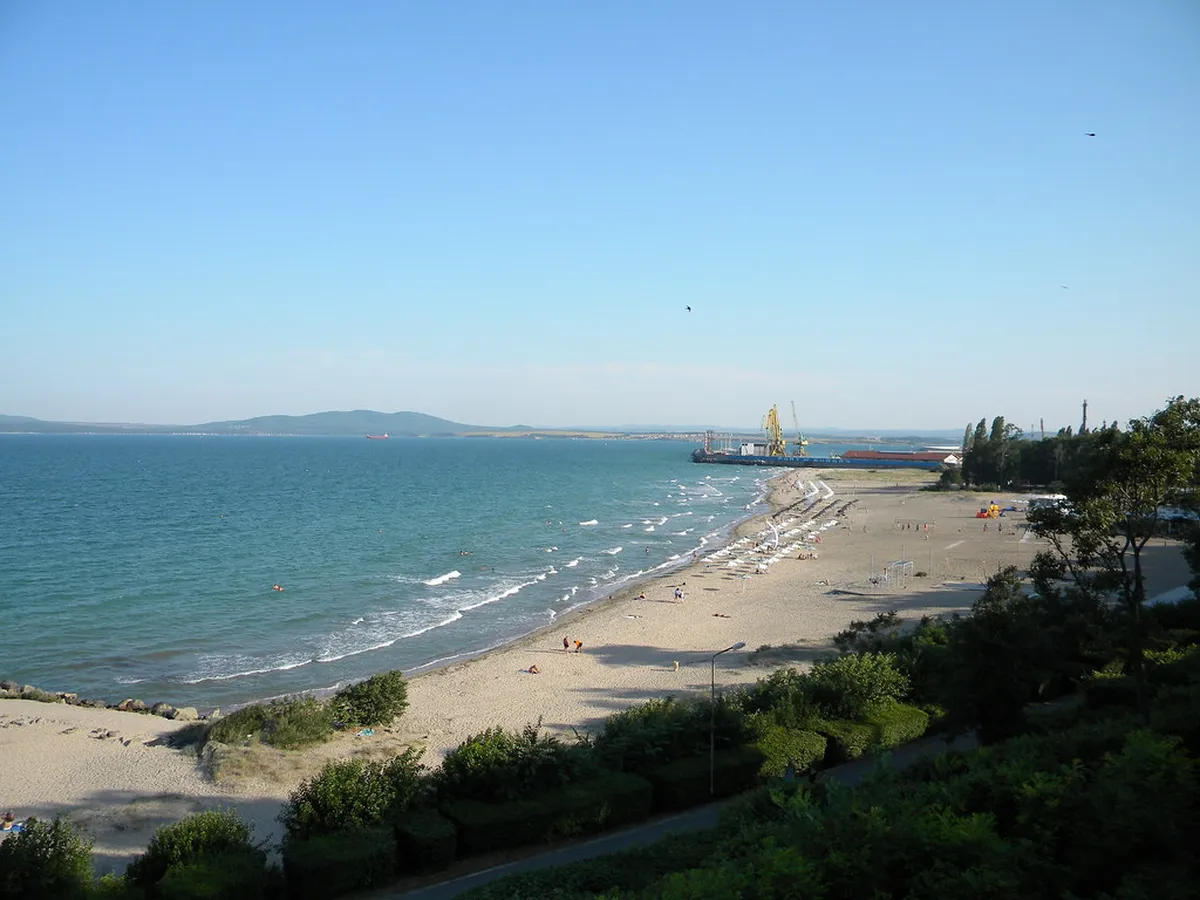
Here's an inside look at the nature center and its surroundings:
The site sits along the famous Via Pontica migration route. Millions of birds pass through this corridor every spring and autumn. Visitors often see rare species that are difficult to find elsewhere in the region. Modern facilities at the nature center make birdwatching accessible for everyone.
Planning a trip requires knowing the best times for sightings and local logistics. This guide covers everything from bus routes to photography gear recommendations. Prepare for an immersive experience in central Bulgaria's wild wetlands. Discover why this small patch of land holds international ecological importance.
Key Takeaways
Poda is a compact nature reserve covering only one square kilometer of land. Despite its size, it hosts over 315 different bird species throughout the year. The reserve is managed by the Bulgarian Society for the Protection of Birds (BSPB). It remains a top priority for conservationists across the Balkan Peninsula.
![Nessebar -St. Stephen Church [11th to 13th century] in Burgas, Bulgaria](https://toursbulgaria.com/images/poda-protected-area-key-takeaways.webp)
Travelers can reach the entrance easily by car or public transit from the city center. The visitor center provides binoculars and expert guides for a small additional fee. Expect to see diverse habitats including salt marshes, meadows, and open water. These varied environments attract a wide range of specialized wildlife.
- Essential Poda Quick Facts
- Distance: 5km from Burgas
- Bird Species: 315 recorded
- Management: BSPB experts
- Status: Ramsar Site
Essential Visitor Details: Opening Hours and Fees
The Poda Nature Conservation Centre runs on one fixed schedule year-round: open daily, Monday through Sunday, from 09:00 to 17:00. There's no shortened winter timetable or extended summer window, so you can plan a visit for any month of 2026 without checking seasonal exceptions. Holiday closures are rare but worth confirming through the Official Burgas Tourism Portal if you're travelling around a major public holiday.
Entry costs 4 EUR (7.82 BGN) for adults, with a discounted rate of 2.50 EUR (4.89 BGN) for students and BSPB members. Children up to age 6 enter free when accompanied by an adult, though that exemption doesn't apply to organised group bookings. As Bulgaria's euro transition continues through 2026, prices are posted in EUR first with the leva figure alongside, so either currency, or a card, works at the ticket desk.
For a deeper visit, book the guided Talk 'n' Tour: a BSPB bird expert walks you through the centre's small exhibition and the history of the site for 10.50 EUR (20.54 BGN). It's aimed at casual visitors rather than seasoned birders, and it's the easiest way to get real identification help if you can't yet tell a spoonbill from an egret.
Bring your 100 National Tourism Sites booklet if you're collecting stamps. Poda is one of the official stops on this long-running Bulgarian Tourist Union challenge, and the reception desk stamps your booklet on request. It's a small detail, but it's one of the reasons the centre sees as many domestic hikers and cultural travellers as birdwatchers.
How to Reach Poda Protected Area from Burgas
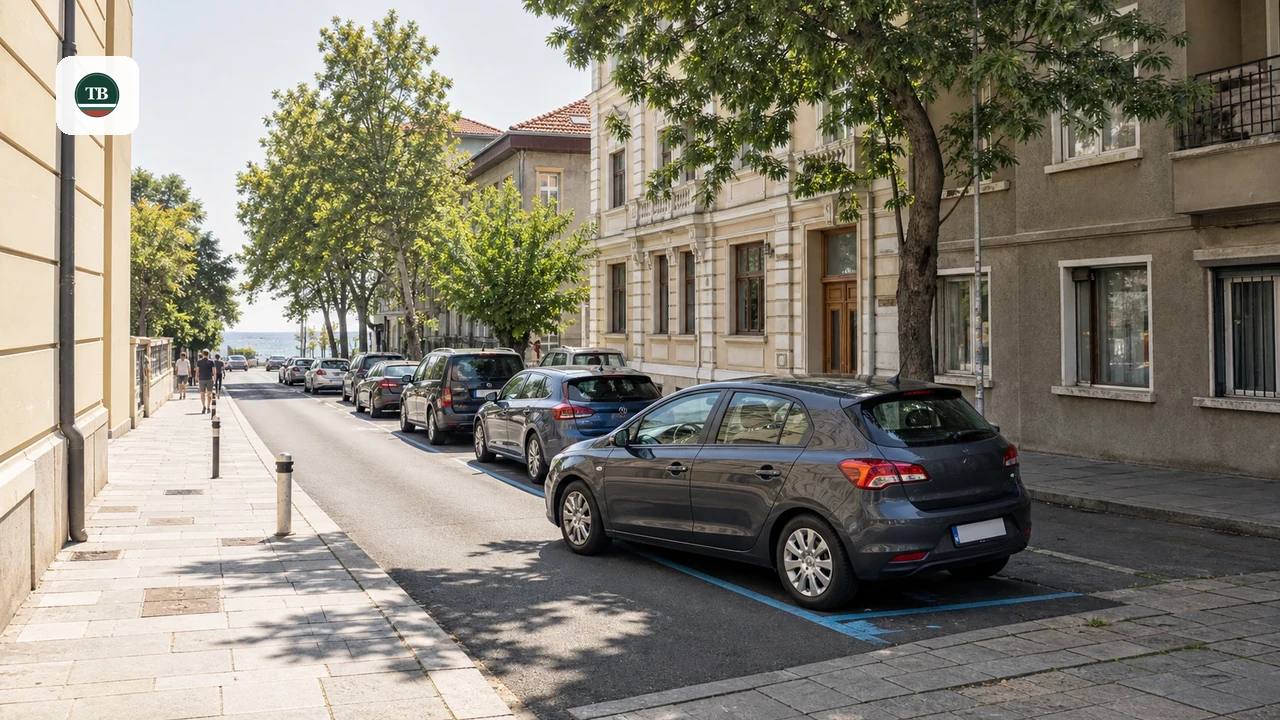
Driving is the simplest option. Follow the E87 south toward Sozopol; the turn-off and parking lot sit about 5km from central Burgas, on the southeastern edge of the city where the road crosses the old canal bridge. Parking is free and right next to the visitor center entrance.
City bus 17 runs from Avtogara Yug, the South Bus Station, toward Kraymorie and passes the site; other Sozopol-bound buses go by too. One quirk catches first-timers off guard: you can't cross the road directly at the Poda stop, so ride to the Kraymorie terminus and reboard for the return trip. Poda is then the first stop toward Burgas, on the side where the parking lot and footbridge sit, about 160 metres from the bus stop.
Cycling works well for travelers based near the Sea Garden or the port. A paved path runs south along the coast toward the wetlands. Expect wind off the Black Sea on the exposed stretch, and lock your bike at the racks near the nature center entrance rather than leaving it at the roadside.
The Unique Ecosystem: Why Poda is a Birding Paradise
The high biodiversity in such a small area stems from the mix of water types. Freshwater from the lakes meets the salty water of the Black Sea here. This creates a brackish environment where many different plants and animals thrive. Scientists have documented nearly a quarter of all European bird species on this site.
Poda plays a critical role in the international Ramsar Convention for wetlands. It serves as a vital resting stop for birds migrating along the Via Pontica. Without these protected marshes, many species would struggle to complete their long journeys. The area also falls under the protection of the European Natura 2000 network.
Seasonal changes bring different avian residents to the marshy landscape. Spring arrivals bring vibrant colors and loud mating calls to the reeds. Autumn migrations offer the spectacle of thousands of storks and raptors overhead. Winter months provide a refuge for hardy waterfowl escaping the northern cold.
Wildlife Highlights: Beyond the Birds of Via Pontica
The mixed colony of herons and egrets is a major highlight for visitors. You can observe Spoonbills and Glossy Ibises nesting in the dense reed beds. These birds are often visible from the designated walking paths and hides. Keep a quiet profile to avoid disturbing the sensitive nesting sites.
Dalmatian pelicans are frequent visitors to the open water areas during the winter. Their massive wingspans are impressive to see as they glide over the waves. Look for Pygmy Cormorants diving for fish near the edges of the lagoons. These smaller birds are a rare sight in many other parts of Europe.
The reserve also protects various reptiles and small mammals in the tall grass. European pond turtles are often seen sunning themselves on floating logs. Otters occasionally move through the waterways under the cover of early morning mist. Every corner of the marsh holds potential for a unique wildlife encounter.
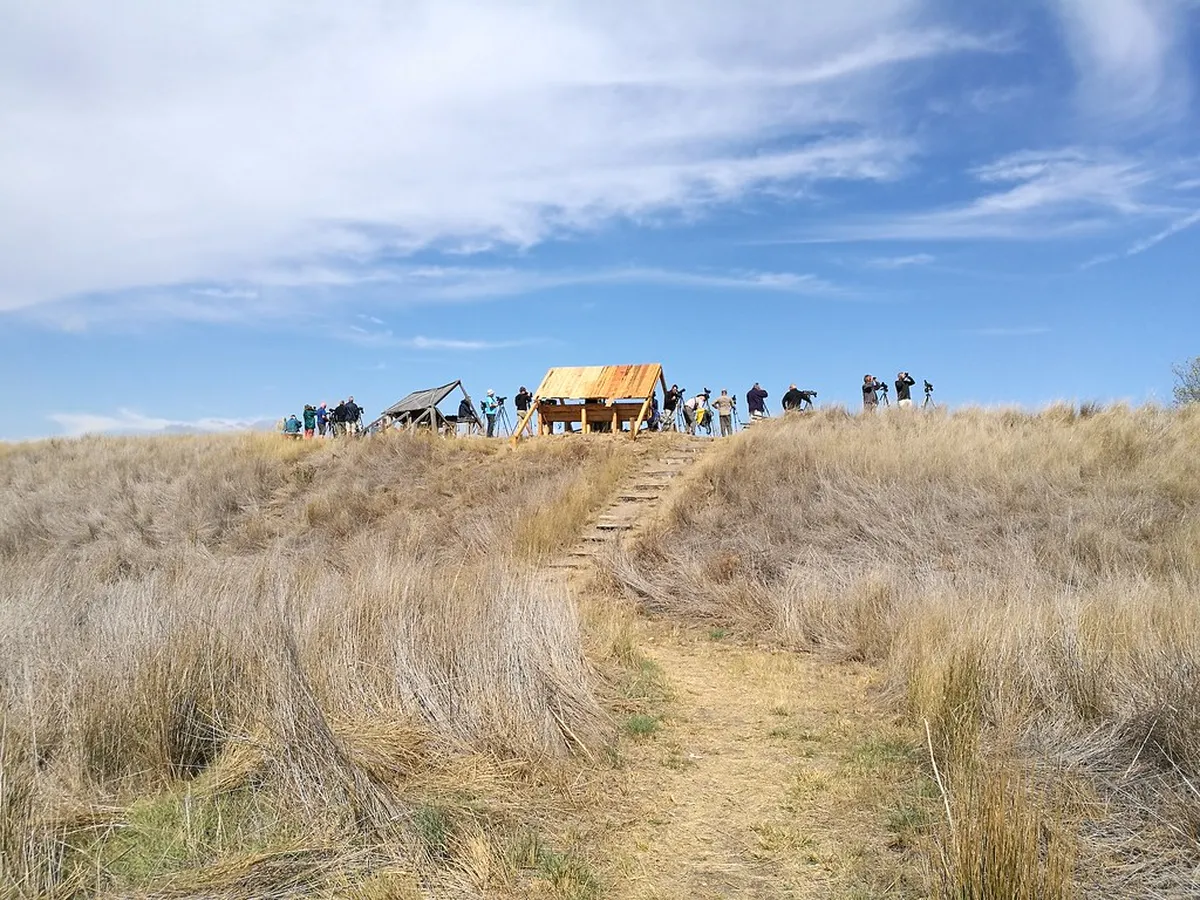
Views from the Poda Nature Center Tower
The centre's elevated observation terrace is the first stop for most visitors, and it's worth using before you walk the trail. From the platform you get a clear sweep over the reed beds and open lagoon, with the Black Sea and Burgas Bay visible beyond the wetland. Staff keep spotting scopes set up here and will help you find nests and flocks you'd otherwise miss with handheld binoculars. It also doubles as a wind break on blustery days, since the open marsh offers little shelter of its own.
Early morning is the best window, when birds are most active and the low light is easier on the eyes during long scanning sessions. Use the terrace to get your bearings first, then head to the ground-level hides for closer views: Spoonbills, Glossy Ibises, and Pygmy Cormorants often feed close enough to the near shore that you won't need the scope once you're at trail level.
Photography and Equipment Tips for Birders
Capturing the perfect bird photo requires the right gear for the local terrain. A 100–400mm zoom lens is often better than a long fixed telephoto here. Many birds at the hides can be as close as ten meters away. The versatility of a zoom lens helps you frame both close and distant subjects.
Tripods are highly recommended for the steady shots needed in lower light. The nature center terrace provides a stable platform for long-distance photography. Use a rain cover for your camera gear if visiting during the spring months. Coastal weather can change quickly, bringing sudden showers to the wetlands.
Specialized photo hides are available directly through BSPB for closer, water-level shots. Each hide accommodates up to two photographers, and pricing depends on group size and duration, so email the centre in advance rather than expect walk-up availability; slots fill fast on spring and autumn migration weekends.
Comparing Poda to Other Burgas Lakes
Burgas sits on a chain of four connected wetlands, and each one draws a different kind of visitor. Atanasovsko Lake Visitor Guide is the "Pink Lake," where salinity can climb past 27%, colouring the water and drawing flamingos to the active salt pans. Lake Vaya, west of the city, is Bulgaria's largest natural lake at roughly 27.6 sq km of open freshwater, better suited to long walks and diving ducks than close-up birdwatching.
Mandrensko Lake, south of Poda, is a freshwater reservoir feeding the same wetland system, with its own mix of fish-eating birds. Poda itself is the smallest of the four by far, at about 1 sq km, but packs in the highest concentration of species because it sits where the fresh water of the lake system meets the sea. It's also the only one with a staffed visitor centre, marked trails, and rental photo hides; the others are best visited with your own binoculars.
- Regional Lake Comparison
- Poda: brackish, ~1 sq km, staffed centre, highest species density
- Atanasovsko: hypersaline (up to ~27% salinity), flamingos and salt pans
- Vaya: ~27.6 sq km, largest natural lake in Bulgaria, freshwater
- Mandrensko: freshwater reservoir, south of Poda, feeds the wetland system
Explore Burgas: Nearby Nature and Attractions
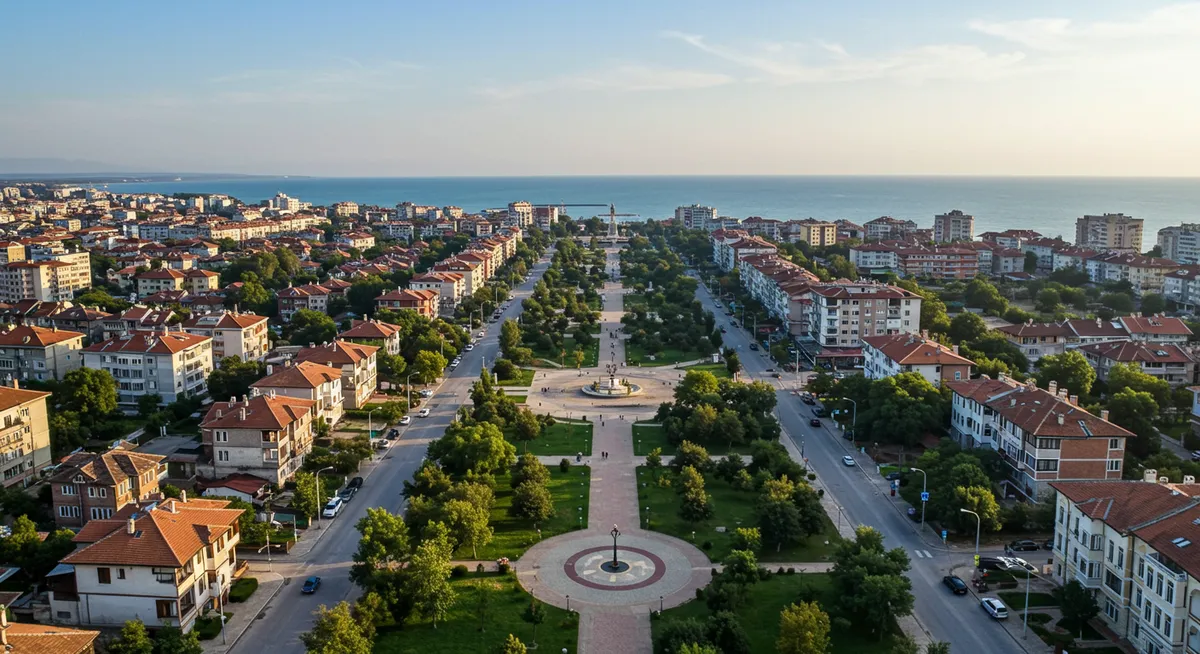
Because Poda sits directly on the Sozopol road, it pairs naturally with a half-day trip further south instead of a straight return to the city center: bird in the morning, then continue on the same route to explore Sozopol's old town in the afternoon.
![Nessebar -St. Stephen Church [11th to 13th century] in Burgas, Bulgaria](https://toursbulgaria.com/images/poda-protected-area-explore-burgas-nearby-nature-and-att.webp)
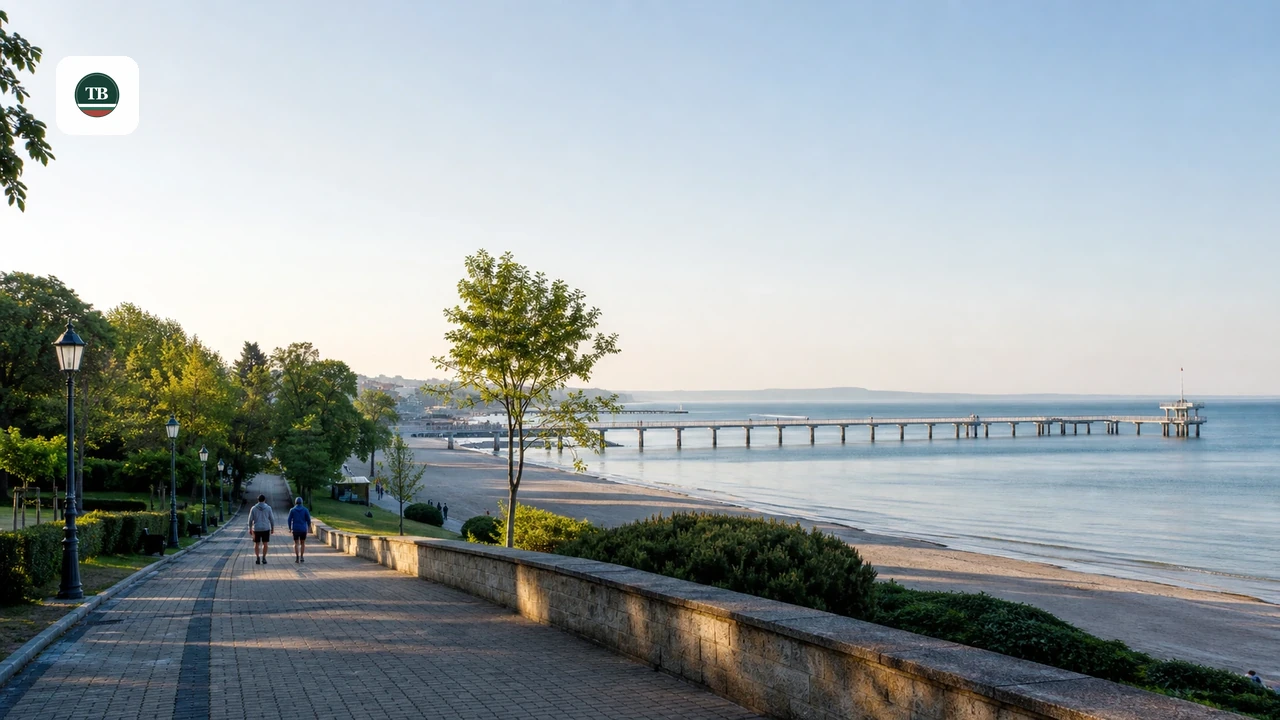
After visiting the wetlands, explore the urban nature of the Sea Garden. This massive park stretches along the coast with many flowerbeds and sculptures. Walk down to the Burgas Pier Visitor Guide for a great view of the bay. The pier is a favorite spot for locals to enjoy the evening sea breeze.
For more adventure, take a boat trip to St. Anastasia Island Visitor Guide. The island features a historic monastery and a fascinating local museum. It provides a unique perspective of the coastline from the Black Sea. Boats depart regularly from the main port area during the summer season.
History buffs should visit the Aquae Calidae thermal complex. This site showcases ancient Roman baths and modern spa facilities. It is a short drive from the city and offers a relaxing afternoon. The interactive museum tells the story of the region's healing waters.
Continue planning: Use Burgas Attractions: 10 Best Things to Do in 2026 to connect this guide with the rest of your Bulgaria itinerary.
Frequently Asked Questions
How much does it cost to visit Poda Protected Area?
Entry to the Poda Nature Conservation Centre costs 4 EUR for adults and 2.50 EUR for students and BSPB members, while accompanied children under 6 enter free (2026 prices, also displayed as 7.82 and 4.89 leva during Bulgaria's euro transition). The fee funds the conservation work of the Bulgarian Society for the Protection of Birds.
What are the opening hours of the Poda visitor centre?
The Poda Nature Conservation Centre is open daily, Monday to Sunday, from 9:00 to 17:00 year-round.
What birds can you see at Poda Protected Area?
Around 315 bird species have been recorded in roughly one square kilometre, including herons, cormorants, spoonbills, glossy ibises and eagles. Poda sits on the Via Pontica migration route, so spring and autumn bring large movements of migratory birds.
Who manages Poda Protected Area?
The Bulgarian Society for the Protection of Birds (BSPB). Declared a protected area in 1989, Poda was the first protected area in Bulgaria managed entirely by a non-governmental organization, funded through entrance fees, souvenir sales and donations.
Do I need to bring my own binoculars to Poda?
No. The visitor centre provides binoculars and telescopes for use from its viewing terrace, and you can book an expert-guided Talk 'n' Tour session for 10.50 EUR, which includes access to the exhibition.
How do I get to Poda from Burgas city centre?
Poda lies on the E87 main road between Burgas and Sozopol, at the southeastern edge of the city. It is a short drive or taxi ride from the centre, and buses toward Sozopol pass the site.
When is the best time to visit Poda Protected Area?
Spring and autumn are the peak seasons, when migratory birds funnel along the Via Pontica flyway and stop to rest at Poda. The centre is open daily year-round, and breeding herons, cormorants and spoonbills make summer visits rewarding too.
The Poda Protected Area is a must-visit destination for anyone interested in the natural world. Its unique location and high biodiversity make every visit a rewarding experience. Whether you are a professional photographer or a curious traveler, the wetlands will impress you. Support local conservation by visiting this vital ecological site during your stay.
Remember to bring comfortable walking shoes and your camera to capture the wildlife. Follow the poda protected area visitor guide to ensure a smooth and enjoyable trip. Burgas offers a perfect base for exploring these remarkable coastal habitats. Enjoy the sights and sounds of one of Bulgaria's most important nature reserves.
For the latest official information, see the Poda Protected Area on Wikipedia.
For more Burgas planning, read our 8 Essential Things to Know About Burgas Lakes and Poda Protected Area guide.