Sea Garden Burgas Visitor Guide
The Sea Garden (Morska gradina) is Burgas's signature public park, a green corridor running more than five kilometres along the Black Sea coast in eastern Bulgaria. It covers roughly 60 hectares, stays open around the clock, and costs nothing to enter — a rare combination that makes it the default starting point for almost every visit to the city. This sea garden burgas visitor guide covers the landmarks worth detouring for, the logistics of getting around on foot or by attraction train, and a few details most write-ups skip, from the historic Sea Casino to the current Sand Fest dates.
Because the park runs the full length of the city's waterfront, it connects almost everything else visitors want to see: Central Beach, the Pier, the Old Town, and the boat dock for Saint Anastasia Island. Expect a mostly flat, paved layout, with shaded upper paths and a lower promenade that hugs the sand, so the route suits strollers, wheelchairs, and bikes equally well. Updated for 2026, this guide focuses on what actually matters for planning — opening hours, current festival dates, and how to budget your time.
Get a feel for the garden's layout and coastal atmosphere before your visit with this video walkthrough:
Must-See Sea Garden Attractions
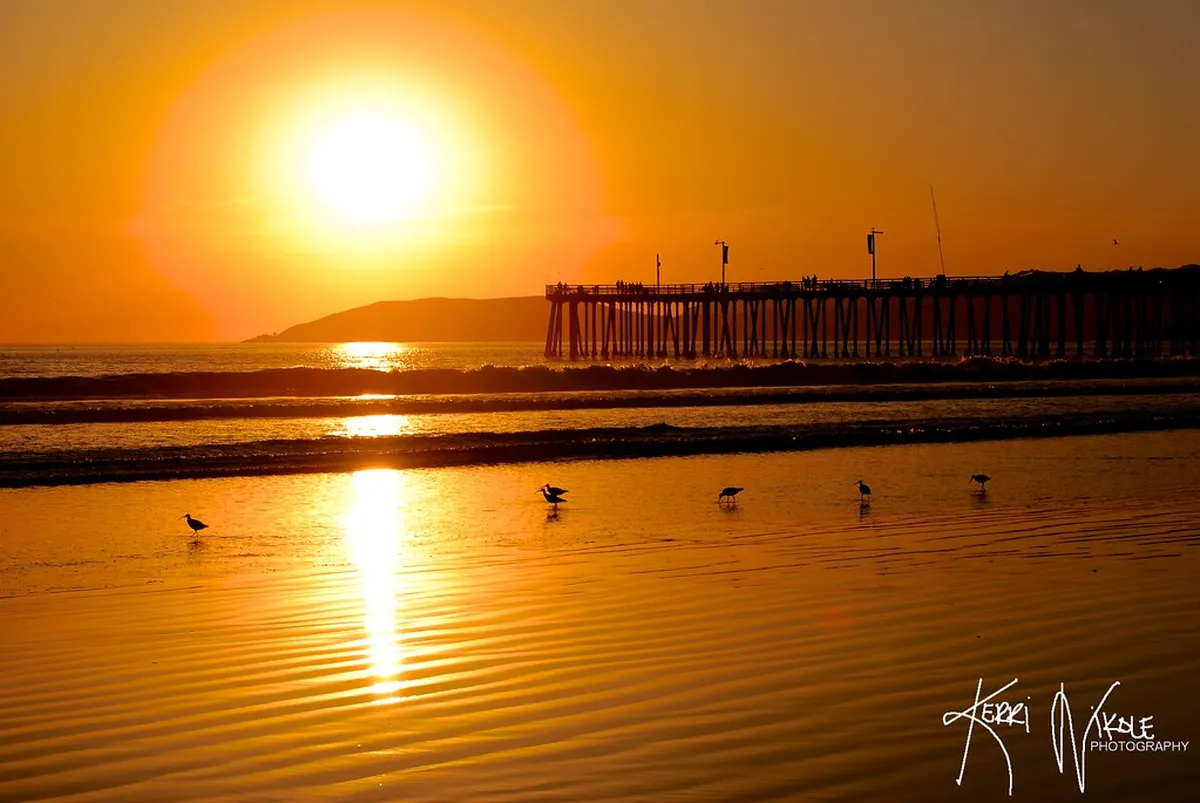
Walking toward the water from the upper paths leads to the Burgas Pier Visitor Guide, which extends nearly 300 metres into the sea and is the city's best sunset and fishing spot. Boats to St. Anastasia Island Visitor Guide leave from near the pier in the warmer months, so it's easy to pair a park walk with a half-day island trip. From the pier, the park's old central alley — the original 1910 route — leads back toward the historic core and the Sea Casino.
![Nessebar -St. Paraskeva Church [13th century] in Burgas, Bulgaria](https://toursbulgaria.com/images/sea-garden-burgas-must-see-sea-garden-attractions.webp)
Further along, the Burgas Sand Sculptures Festival Visitor Guide (Sand Fest) runs every summer near the Equestrian Center, with visiting artists building a new theme each season; entry is typically under $1.50 (about 2.50-3 Lev), and cash is the safer bet at the gate. The open-air Summer Theatre hosts concerts, opera, and the International Folklore Festival under the trees — check the Official Burgas Municipality Website for the 2026 schedule before planning around a specific show. The Pantheon, a memorial to the region's anti-fascist fighters, sits in a quieter corner of the park and rewards the short detour for anyone interested in the city's 20th-century history.
The Sea Casino, Flora Pavilion, and the Parapet Terrace
Most guides to the park stop at the pier and the playgrounds, but three landmarks near its southern end explain why locals treat the Sea Garden as more than a strip of green space. The Sea Casino is a restored early-20th-century building near the main entrance — despite the name, it was never a gambling hall; it now works as a cultural venue and exhibition space, and its terrace café is one of the few spots in the park with a full view over the harbour. A short walk away, the 'Snail' open-air stage takes its name from its spiral shape and hosts smaller, informal performances that don't always make the official festival calendar.
The Flora exhibition pavilion is the other underused stop: a permanent hall that runs rotating flower and garden shows through the year and converts into a food-and-drink venue for events such as the Wine and Spirits Fest Burgas, scheduled for 24-26 July 2026. Little of this shows up in third-party write-ups, partly because the building reads as ordinary park infrastructure from the outside. Just past it, the panoramic 'parapet' terrace — a stone balustrade along the park's edge above the harbour — is arguably the single best photo point in the Sea Garden, better than the beach-facing viewpoints most guides send visitors to.
All three sit within about a 10-minute walk of each other along the old central alley, so it's realistic to fold them into the same loop that takes in the Pier and Central Beach, without a separate trip.
History and Cultural Significance
The transformation of the Sea Garden began in 1910 under gardener Georgi Duhtev, who replaced a bare, windswept strip of sandy dunes between the city and the sea with an ambitious landscaped layout. He introduced plant species from around the world that still shape the park's upper terraces today, and his original 1910 section is now formally protected as a monument of landscape (park) art — a status few of Burgas's other green spaces carry.
Over the following decades, the park filled in with statues and memorials to Bulgarian poets, revolutionaries, and artists, tucked into shaded groves along the main promenade. Worth knowing before you search further: Varna, roughly two hours up the coast, also has a park called the Sea Garden — an older, separate park with its own layout and monuments. The two are frequently mixed up in trip planning, so if you're researching "Sea Garden Bulgaria" broadly, double-check which city's guide you're reading; our Sea Garden Varna guide covers that park on its own terms.
Natural Features and Coastal Landscape
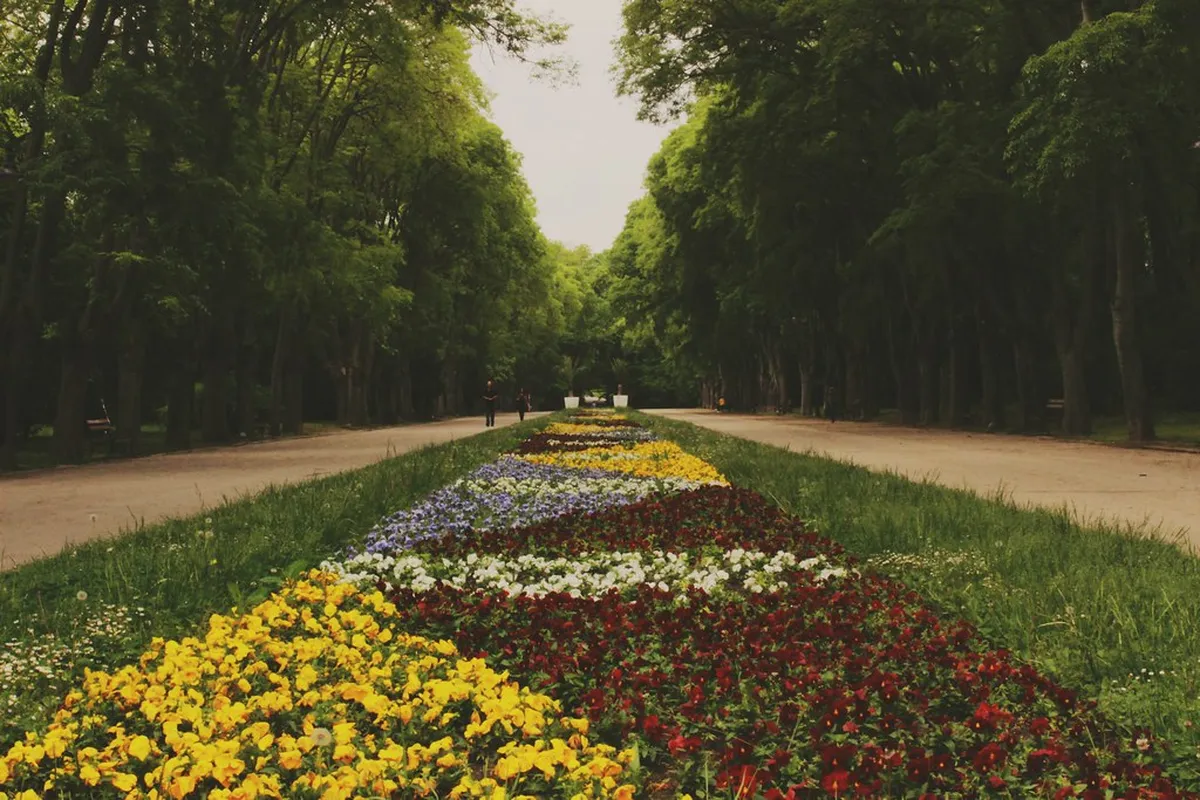
The park follows a terraced layout with multiple levels of paths and varying sea views. Upper paths run under mature trees that give deep shade even in the hottest parts of July and August, while the lower promenade sits directly alongside the beach, so moving from park shade to sand takes seconds. That layered design is a big part of why the Sea Garden feels larger than its roughly five-kilometre length suggests — a full end-to-end walk takes about 40 minutes one way at a normal pace.
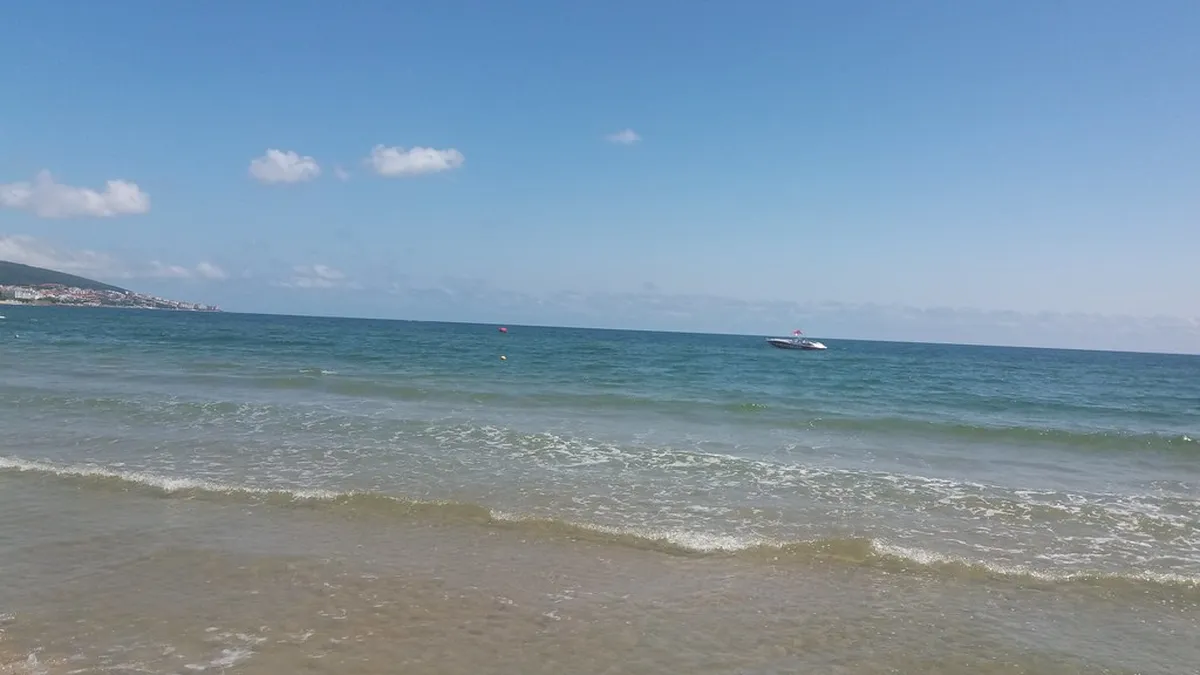
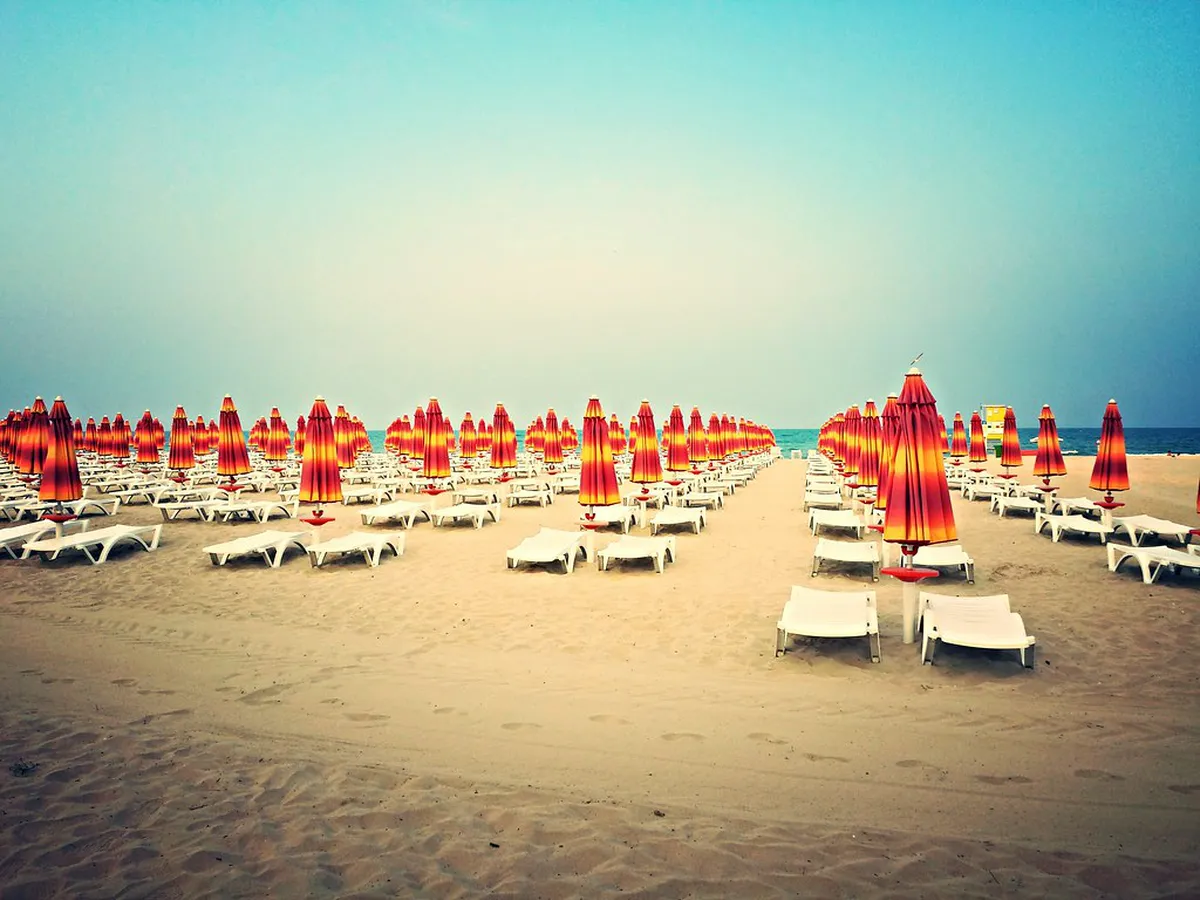
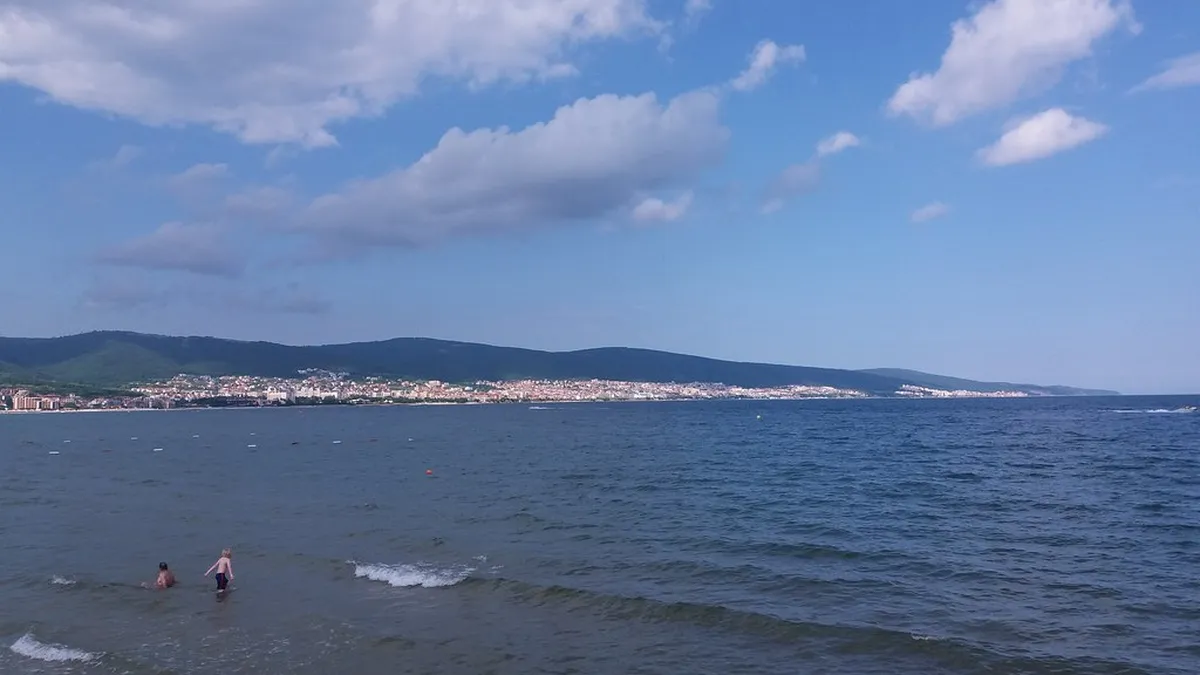
The adjacent Burgas Beach is known locally for its black sand, believed by long-standing local tradition to carry mild therapeutic properties thanks to its magnetite content. Many visitors walk barefoot along the shoreline early in the morning, before the sun warms it up — by midday the same dark colour that gives the sand its reputation also makes it uncomfortably hot underfoot, so morning or the last two hours before sunset are the practical windows for trying it.
Activities, Experiences, and Family Fun
The Sea Garden is well set up for families: wide paved paths handle strollers, scooters, and bikes without conflict, dedicated cycling lanes keep faster riders separate from pedestrians, and several playgrounds are spaced along the route so a walk with young kids never goes too long without a break. Outdoor fitness stations in the park's northern stretch cover the adult end of the activity range.
A seasonal attraction train runs along the main central promenade in the warmer months, covering the park's length without requiring anyone to walk the whole thing — a practical option for families with small children or anyone visiting after a big lunch by the beach. It's a paid extra rather than part of free park entry, and like the park's other seasonal rides, the timetable and fare are set locally each season, so check the signage at the boarding points on the day rather than relying on a figure from last year.
- Getting Around by Train
- Route: main central promenade, end to end
- Season: runs in the warmer months
- Cost: paid extra, set on-site each season
- Best for: families, reduced-mobility visitors
- Cycling and Bike Rental
- Access: dedicated lanes throughout the park
- Rental points: clustered near the main entrances
- Terrain: flat, paved, wheelchair-friendly
- Best for: covering the full 5 km quickly
Practical Visitor Information
The Sea Garden is a 20-minute walk from Burgas Old Town, and several city bus lines connect downtown to the park in about 30 minutes for anyone based further out. The park is open 24 hours a day and free to enter — you only pay for optional extras inside it, such as the seasonal attraction train or events at the Flora pavilion. Paths are flat and paved throughout, which makes the whole route genuinely wheelchair- and pushchair-accessible, not just the sections near the entrances.
How much time to set aside depends on why you're there. A family with young kids typically needs two to three hours to cover the playgrounds, the train ride, and a stop at Sand Fest without rushing; a solo traveller focused on photos can do the Pier-to-Sea-Casino stretch, including the parapet terrace, in under 90 minutes; a couple planning an evening out should budget closer to two hours to take in the sunset from the pier and a meal at one of the beachfront restaurants afterward. Public restrooms and water fountains are spaced along the route, though carrying a bottle is still worth it in summer heat.
For orientation, use the Sea Garden on Google Maps to see the full stretch from the Old Town side to the northern end near Sarafovo before you set out.
Best Times to Visit and Seasonal Tips
Summer is peak season: the park fills with festivals, outdoor dining, and Sand Fest crowds, and the rose gardens hit full bloom. Midday heat, roughly between 12:00 and 16:00, can be intense for visitors not used to Black Sea summers, so treat early morning or the two hours before sunset as the comfortable windows for a long walk.
Winter trades festivals for quiet: fewer tourists, a dramatic grey sea, and evergreen planting that keeps the upper terraces green even without the summer flowers. Several beachfront restaurants close for the season, but the cafés near the park's main entrances stay open and make a good stop for a hot coffee after a cold walk.
- Visiting in Summer (June-August)
- Highlights: Sand Fest, Summer Theatre concerts, rose gardens in bloom
- Trade-off: midday heat, crowded paths near the beach
- Good for: festivals, swimming, evening promenade life
- Visiting in Winter (December-February)
- Highlights: quiet paths, dramatic sea views, easy photography
- Trade-off: many beachfront restaurants and the attraction train close for the season
- Good for: budget travel, solitude, cold-weather walks
Where to Eat and Stay Near the Park
The streets around the Sea Garden mix casual kiosks with sit-down seafood restaurants, and main courses at the better beachfront places typically run 15 to 70 Lev (roughly $8.75-$40), depending on the venue and whether you're ordering fresh Black Sea catch. Outdoor seating is standard at the restaurants closest to the park, so it's easy to eat with a view of the promenade.
For lodging, the Old Town and the streets nearest the park's southern entrance put you within walking distance of the Pier, the Sea Casino, and the St Cyril and Methodius Cathedral. Book ahead for July and August — that's when demand for anything near the coast peaks and prices climb fastest.
Safety and Emergency Contacts
Burgas is a generally safe city for tourists, and the Sea Garden is well-patrolled during the day, with lighting throughout the park that keeps evening walks safe well after dark. Standard precautions still apply: keep an eye on bags and phones in the crowds around Sand Fest and festival evenings, and stick to lit paths late at night on the park's quieter northern stretch.

The universal emergency number in Bulgaria is 112 for police, fire, or medical help. Burgas Regional Hospital is the nearest major medical facility, a short drive from the park, and pharmacies downtown typically keep at least one location open 24/7. Save these numbers before you set out so a minor issue doesn't derail the day.
- Emergency Contact Numbers
- General Emergency: 112
- Police: 166
- Ambulance: 150
- Roadside Help: 146
- Nearby Medical Facilities
- Hospital: Burgas Regional Hospital
- Pharmacy: at least one open 24/7 downtown
- Distance: about 10 minutes by car from the park
- Access: emergency room on site
Continue planning: Use Burgas Attractions: 10 Best Things to Do in 2026 to connect this guide with the rest of your Bulgaria itinerary.
Frequently Asked Questions
Is the Sea Garden in Burgas free to visit?
Yes. The Sea Garden is a free public park with no entry fee in 2026. You only pay for optional extras inside it, such as the seasonal attraction trains or the Flora swimming pool.
What are the Sea Garden's opening hours?
The park is open around the clock, seven days a week, as an open city park. Individual attractions inside it, like the Flora exhibition centre and the attraction trains, keep their own seasonal hours.
How big is the Sea Garden in Burgas?
It covers around 600 decares (about 60 hectares) and stretches for more than five kilometres along the Black Sea coast, making it Burgas's largest park.
When was the Sea Garden created?
It was established in 1910, when gardener Georgi Duhtev transformed a bare, windswept strip between the city and the sea into a landscaped park. Its old section is now protected as a monument of landscape (park) art.
What can you see and do in the Sea Garden?
Highlights include the Sea Casino cultural centre, the 'Snail' open-air stage, the Summer Theatre, the Flora exhibition pavilion, fountains and monuments, an open-air fitness area, a restaurant-lined coastal promenade, and the panoramic 'parapet' terrace overlooking the sea and harbour.
How do you get from the Sea Garden to the beach and the Pier?
The park sits directly above Central Beach, and its old central alley ends at the seafront where the Burgas Pier extends about 300 metres into the Black Sea, so both are reached on foot through the garden.
Are there events in the Sea Garden in 2026?
Yes. The park hosts regular festivals such as the 'Burgas and the Sea' song competition and the International Folklore Festival, and the Flora exhibition centre hosts the Wine and Spirits Fest Burgas on 24-26 July 2026.
The Sea Garden is the connective tissue of Burgas: it links the Old Town, the beach, the Pier, and most of the city's cultural venues into one walkable strip along the coast. Whether you're drawn by the history behind the 1910 layout, the black sand on the beach below, or an evening at the Sea Casino's terrace, the park rewards slowing down rather than rushing through. Use this guide to build a route that matches your time and travel style, and check the 2026 festival calendar before you go so you don't miss Sand Fest or the Wine and Spirits Fest at the Flora pavilion.
For official details, visit the Sea Garden Burgas official site and Sea Garden Burgas on Wikipedia.
Browse all Burgas attractions in our Burgas attractions hub.
For more Burgas planning, read our 10 Best Burgas Beaches and Coastal Planning Tips (2026) guide.
Continue planning
Start with our Burgas attraction directory and compare the practical details with our Burgas Pier visitor page.
For connected planning, compare Burgas attraction directory with Burgas Pier visitor page before finalizing your route.