10 Best Burgas Beaches and Coastal Planning Tips
I have spent many summers exploring the Bulgarian Black Sea coast, and Burgas remains my favorite urban escape. The city manages to balance a thriving cultural scene with a coastline that feels surprisingly wild and accessible. Whether you want a cocktail at a beach bar or a soak in a mud pool, this city has it all.
I last refreshed this guide in May 2026 to ensure all pricing and transport details are accurate. Planning a trip during the summer season requires knowing exactly where to find the best sand and cleanest water. This guide breaks down the top spots within the city limits and the most rewarding day trips nearby.
Overview of Burgas Beaches
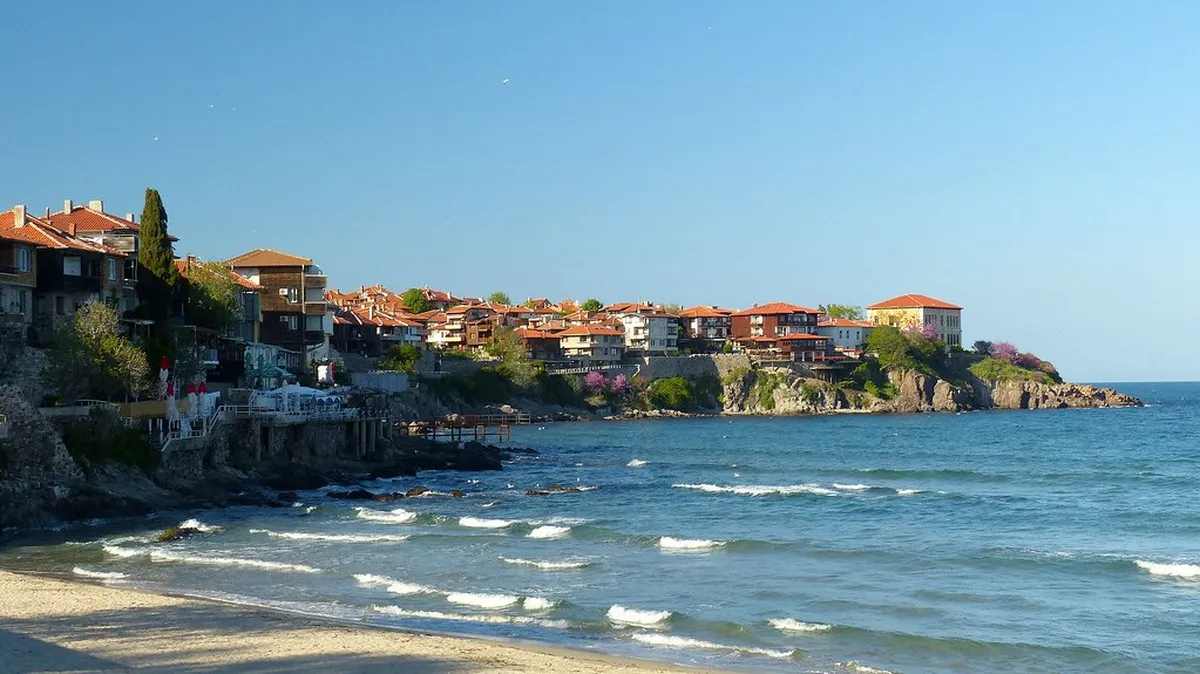
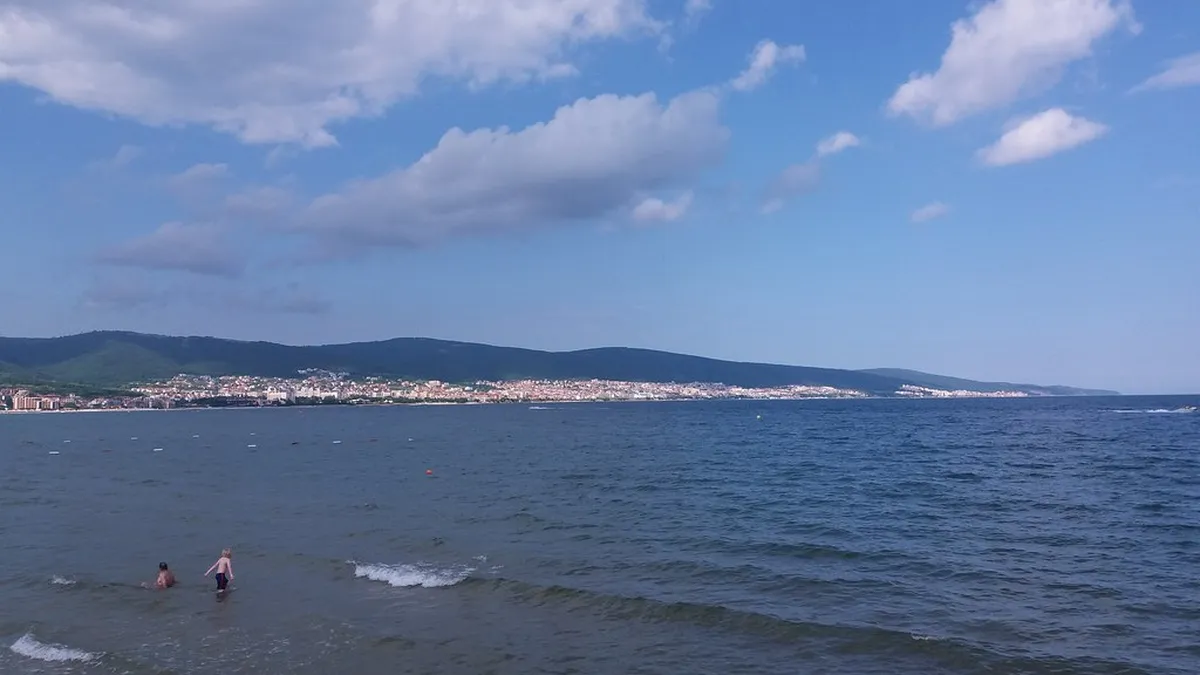
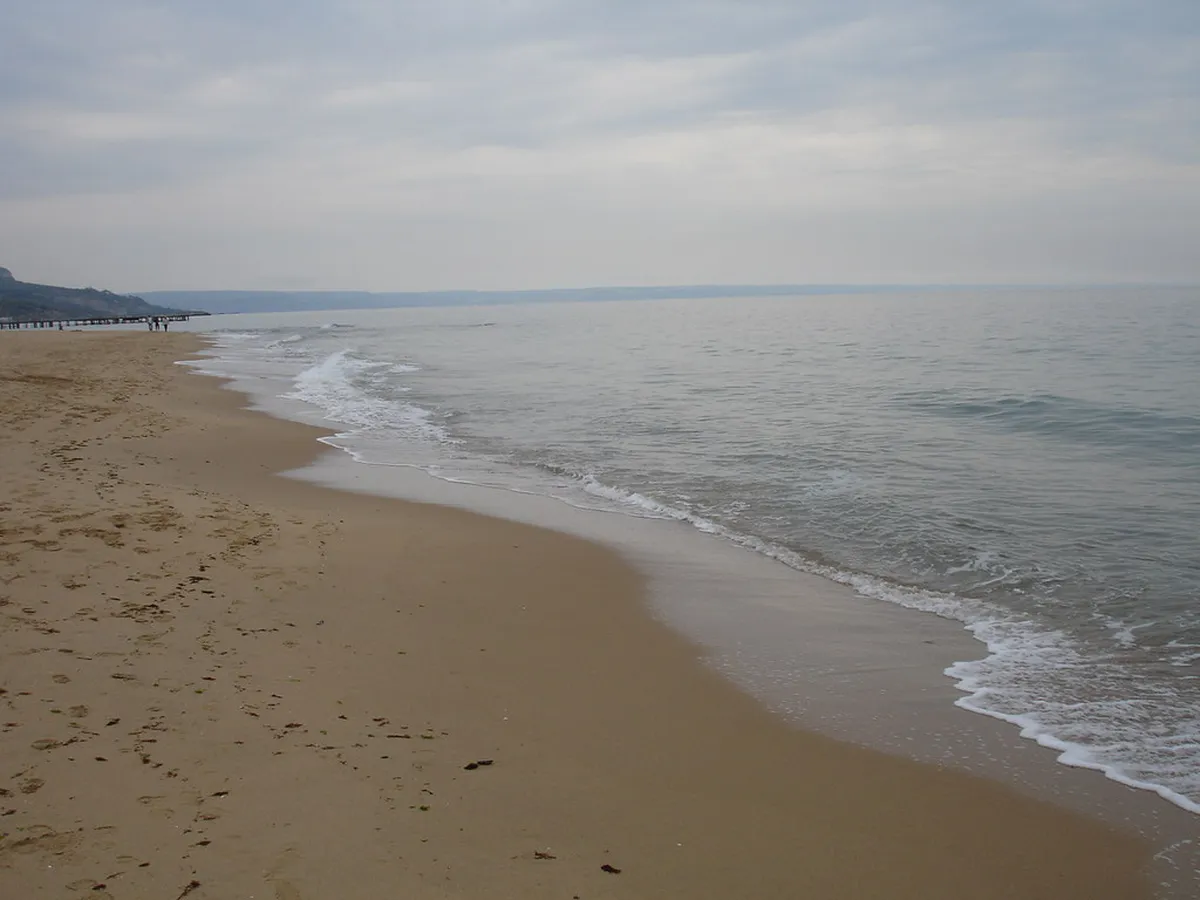
Bulgaria's fourth-largest city offers a coastline that blends urban convenience with raw natural beauty. Unlike the resort towns to the north, Burgas beaches feel genuinely lived-in — locals outnumber tourists on most stretches, prices stay reasonable, and the pace is unhurried even at peak season. The coastline runs roughly ten kilometers from the industrial port in the north to the quiet village cove at Kraimorie in the south.
![Nessebar - St John Aliturgetos Church [14th century] in Burgas, Bulgaria](/images/burgas-beaches-guide-overview-of-burgas-beaches.webp)
The iconic Burgas Sea Garden serves as the gateway to most city beaches. This five-kilometer park runs parallel to the shore, offering shade, cafes, and cycling paths just steps from the water. Several local beaches hold Blue Flag certification from the Blue Flag Official Site, confirming they meet EU standards for water quality, safety, and environmental management.
Visitors can expect warm, sunny weather from June through September with very little rainfall. Water temperatures peak in late July and August, typically reaching 25–27°C. Most city beaches are wide enough to accommodate summer crowds without feeling claustrophobic, and free zones exist alongside every paid-lounger section.
A quick note on sand: Central Beach has darker, iron-rich "magnetic" sand that warms up earlier in the day but also gets hotter underfoot than the lighter golden sand at Sarafovo or Kraimorie. Wearing flip-flops at Central Beach in July is not optional — the dark grains can reach temperatures that are genuinely painful to stand on.
Central Burgas Beach: The City's Lively Heart
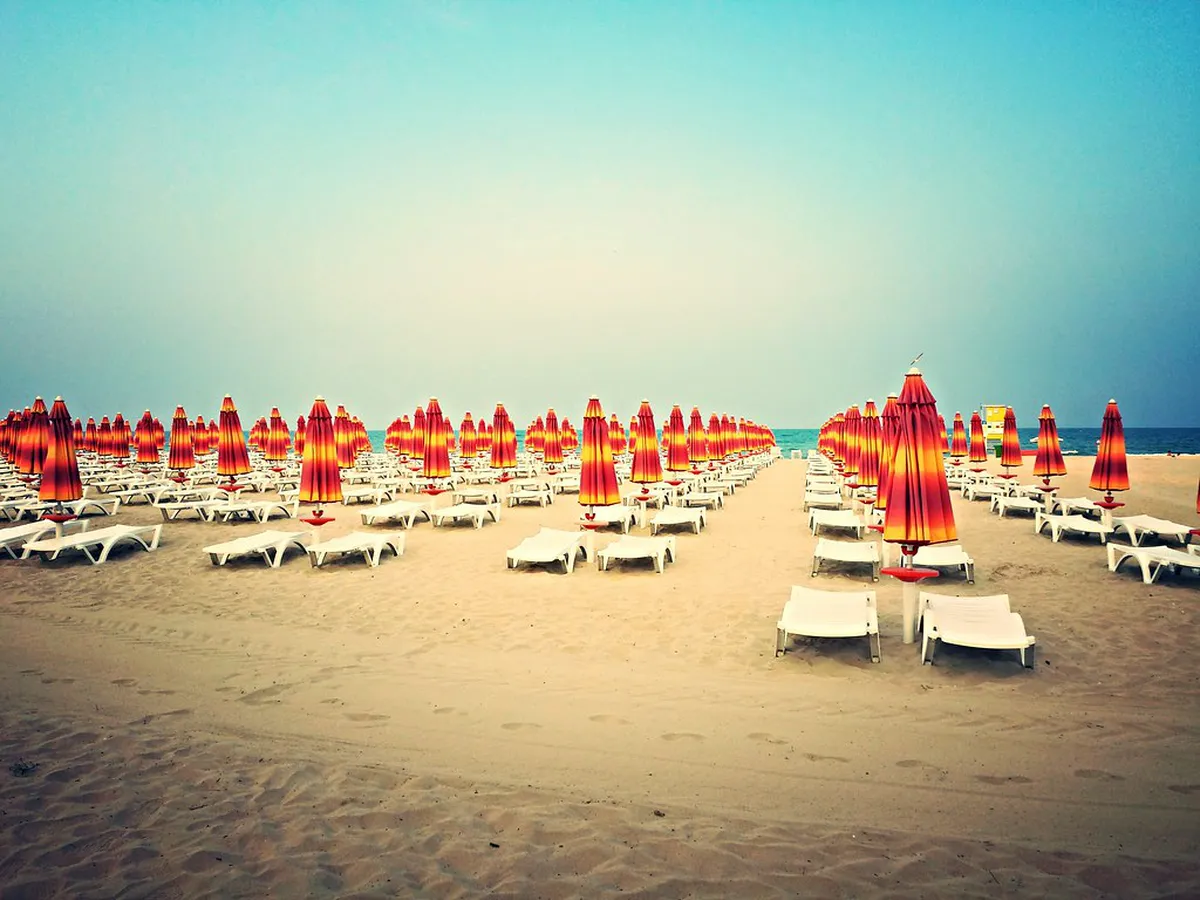
Central Beach sits directly below the Sea Garden promenade, making it the most accessible stretch in the city. You can walk from the main pedestrian zone in under ten minutes. The beach runs from the pier northward and is wide enough that even in August you can find a free patch of sand without renting a sun bed.
In 2026, a set of two loungers and one umbrella costs around 15 BGN at most operators here. Multiple beach bars line the promenade above the sand, and the area fills with families in the morning and a younger crowd in the late afternoon. Water sports operators on the central section offer jet skiing, banana boat rides, and paddleboard hire — expect to pay 20–30 BGN for a short jet-ski run.
Lifeguards are on duty from 09:00 to 18:00 during the peak summer months. The sea here shelves gradually, which makes it safe for children and inexperienced swimmers. The dark iron-rich sand retains heat well into the evening, so the beach stays warm and sociable long after the guards have gone.
💡 Good to know: Central Beach's dark magnetite sand absorbs far more heat than ordinary golden sand and can reach genuinely painful temperatures by midday in July. Always keep flip-flops on between your towel and the water — and if you want lighter, cooler sand underfoot, head to Sarafovo or Kraimorie instead.
Sarafovo Beach: A Serene Coastal Escape
Sarafovo is the most underrated beach in the Burgas area for one specific reason: it sits within walking distance of Burgas Airport's terminal building. No other international airport in Bulgaria puts you this close to a clean, broad, sandy beach. If you have a late flight, you can swim here, rinse off at the beach showers, and reach the departure hall in fifteen minutes on foot.
The beach itself is wide and gently sloping with fine golden sand that stays cooler than Central Beach's darker grains. The sea is calmer here because a slight natural breakwater effect from the bay reduces wave action. Bus lines 15 and 30 both connect Sarafovo to central Burgas, and the journey takes around 25 minutes. Lounger sets cost roughly 10–12 BGN — cheaper than the city center.
Families with children repeatedly choose Sarafovo for the shallow gradient and the quieter atmosphere. There are several beach cafes serving grilled fish and cold drinks, and the mood is resolutely unhurried. The distant sound of aircraft overhead becomes ambient background noise rather than an intrusion — and honestly, watching the Ryanair and Wizz Air jets bank over the Black Sea on approach is a surprisingly pleasing spectacle.
Kraimorie Beach: Authentic Charm by the Sea
Kraimorie is a small fishing village six kilometers south of central Burgas, and its beach is the closest thing to a secret the city has. The bay faces southwest, which means it catches afternoon sun beautifully and stays sheltered from the northeast wind that occasionally roughens the central and north beaches. Views across the water to St. Anastasia Island Visitor Guide are unobstructed here — the island's silhouette and its small church are visible on clear days.
The beach is narrower than Sarafovo but clean and well-maintained. Lounger sets run 8–12 BGN, and the seafood restaurants in the village itself charge noticeably less than city-center equivalents. A grilled bluefish (tsipoura) with a salad and a beer at one of the two fish restaurants on the main street typically costs under 20 BGN per person. Bus line 17 departs from Burgas and takes around 25–30 minutes to reach the village stop.
What makes Kraimorie memorable is the overall pace. There are no water sports operators, no beach clubs, and no tour groups. Most visitors on any given day are locals who have been coming for decades. If you want to understand how Burgas residents actually spend a summer afternoon, this is where to go. Local transport makes it entirely accessible without a car.
North Beach and South Beach: The Quieter City Stretches
Most visitors only ever set foot on Central Beach, but the city shoreline actually splits into three named sections, and the two flanking stretches are noticeably calmer. North Beach (Severen Plazh) begins where the pier ends and runs toward the port. It is narrower and rockier than the central stretch, with fewer loungers and no beach-bar strip — locals come here to swim laps in the morning before the crowds arrive. The same dark, iron-rich magnetite sand that defines Central Beach continues along the northern section, so it warms up early and holds heat into the evening.
South Beach (Yuzhen Plazh) sits below the southern end of the Sea Garden, just past the bridge over the marina. It is the least developed of the three city sections, with a relaxed, slightly bohemian feel and a younger local crowd. There is no formal lounger operator on much of it, so bring your own mat or umbrella. Because it tucks slightly behind the marina breakwater, the water here is often the calmest of the three city beaches on a breezy day. Both North and South Beach are an easy five-to-ten-minute walk from the Central Beach amenities, so you are never far from a shower, toilet, or cafe if you base yourself on the quieter sand.
Surfing and Water Sports in Burgas
The Black Sea is not a classic surf destination, but Burgas does pick up rideable wind swell, and a small local scene has grown around it. Surf works best in the shoulder seasons — late spring and autumn — when northeast and east winds push short-period waves onto the exposed beaches. Summer is generally too flat for surfing but ideal for everything else on the water.
The most reliable surf spots sit just south of the city around Harmani and the breaks near Melnitza, where the open aspect catches more wind swell than the sheltered central bay. Conditions are best judged the morning of — check the wind forecast rather than relying on a fixed season, because the Black Sea swell is wind-driven and fades within hours of the wind dropping. Beginners are better served by stand-up paddleboarding on calm summer mornings than by chasing the inconsistent surf.
For warm-weather water sports, Central Beach is the hub. Operators on the central section run jet-ski hire (20–30 BGN for a short run), banana-boat rides, and paddleboard rental through July and August. North and South Beach have none of this — they are for swimming and quiet, not for motors — so if you want the action, stay central.
Atanasovsko Lake: Salt and Mud Therapy
Atanasovsko Lake Visitor Guide is a protected nature reserve running along the northern edge of Burgas, and its southern shore offers one of the most unusual wellness experiences on the Black Sea coast. The lake is a working saltworks — the pink color of the water comes from Dunaliella salina algae, the same organism that turns salt pans pink from the Camargue to the Crimea. The therapeutic black mud exposed along the shore is what draws visitors year-round.
The mud ritual has a specific sequence that locals follow and that visitors usually learn by watching. First, apply the black mineral mud generously to your skin — the mud is rich in sulfides and organic compounds that locals claim help with joint inflammation, psoriasis, and general muscle tension. Leave it to dry for 15–20 minutes in the sun; it will harden and lighten in color as it dries. Then rinse in the pink saline lye channel that runs parallel to the shore — the high-salinity water helps dissolve the dried mud. Finally, walk into the Black Sea itself to complete the rinse. The full process takes about 45 minutes and leaves your skin genuinely smooth.
💡 Good to know: Wear an old, dark swimsuit you don't mind ruining at Atanasovsko Lake — the mineral-heavy black mud stains light fabric permanently. Follow the local sequence exactly: apply the mud, let it dry 15–20 minutes in the sun, rinse in the pink lye channel, then finish in the Black Sea. The full ritual takes about 45 minutes.
Entry to the site costs 2 BGN per person in 2026, and the site is open from 08:00 to 20:00 daily in season. Bring an old swimsuit — the mineral-heavy mud will stain light fabric permanently. There are basic changing facilities and portable showers. The reserve around the lake is also one of the best birdwatching spots in Bulgaria, with flamingos, avocets, and dozens of wading species visible along the causeway. Cycling here from the Sea Garden takes about 20 minutes on a flat, well-marked path.
Rossenets Park and Saint Anastasia Island
Rossenets Park, also known as Otmanli, sits 15 kilometers south of Burgas in a forested reserve. The beach here is free, shaded by pine trees to the edge of the sand, and almost completely free of tourist infrastructure. There are no lounger operators, no beach bars, and no mobile signal on much of the site. Pack everything you need — food, water, sun protection — before making the drive or taking a taxi from the city. Plan for a full six-hour visit because the round trip logistics make a short stay impractical.
Saint Anastasia Island is a different kind of excursion entirely. The small volcanic island sits two kilometers offshore and is visible from Kraimorie on a clear day. Boats depart from the Burgas Pier for 16 BGN return and cross in roughly 30 minutes. The island has a small museum covering its history as a pirate refuge and later a monastic settlement, a reconstructed church, and a rocky volcanic cove for swimming. Wear water shoes — the seabed near shore is uneven basalt. A half-day visit is the right amount of time.
Best Beach Day Trips from Burgas
Burgas is the best base on the southern Black Sea coast precisely because so many beaches are within easy reach. Pomorie, 20 kilometers north, has fine pale sand and exceptionally shallow water — the gentle slope is ideal for travelers with small children or those who prefer wading to swimming. Intercity buses from Yug (South) Bus Station depart regularly and cost 4 BGN each way. The town also has a salt museum and a small spa district built around the therapeutic mud, similar to but distinct from Atanasovsko Lake.
Sunny Beach (Slanchev Bryag) is 40 kilometers north and represents the complete opposite end of the spectrum. This is Bulgaria's largest resort and runs on a relentless loop of beach clubs, water parks, and all-inclusive hotels. A lounger set here costs 20–30 BGN in peak season. The direct shuttle from Burgas costs 8 BGN and takes around 45 minutes. Go for the entertainment; don't expect quiet or authenticity.
Kavatsi Beach near Sozopol, 30 kilometers south, is worth the trip for its wide dune system and cleaner, less-crowded water than you find at the northern mega-resorts. Drive or take the suburban bus from Yug Station. Sozopol's old town — cobblestone streets, wooden houses cantilevered over the sea wall — is easily combined into a half-day visit. Loungers at Kavatsi run up to 25 BGN in July; visit on a weekday to avoid the weekend influx from Sofia.
Burgas vs Varna: Which Coast Is Better?
This question comes up constantly, and the honest answer depends on what you want. Varna is the larger, more developed city with a wider restaurant scene and more historical attractions inland. But for beaches specifically, Burgas wins. The Burgas Sea Garden has not been over-commercialized the way Varna's equivalent has — in Varna, beach bars and restaurant terraces crowd out the actual sand and block the view from the promenade in many sections. In Burgas, the park and beach still feel like public space.
Water quality is comparable at both cities' main beaches. But the diversity around Burgas is higher — within 20 kilometers you have the mineral mud at Atanasovsko, the quiet cove at Kraimorie, and the forest beach at Rossenets. Around Varna, the day-trip options trend toward the commercialized resorts of Golden Sands and Albena, which are larger but less distinctive. Families focused purely on beaches, and travelers wanting a less touristy vibe, will generally be happier based in Burgas.
Essential Tips for Your 2026 Visit
Navigating the city is simple thanks to the extensive network of bike lanes and buses. Renting a bicycle for the day is the best way to hop between the different shores. The path through the Sea Garden is flat, paved, and offers sea views the entire length. Electric scooter hire is available near the pier entrance from around 5 BGN per half-hour.
Budgeting is easier once you know the range. In 2026, expect to pay 10–15 BGN for a standard umbrella and two-lounger set at city beaches, 8–12 BGN at suburban beaches like Sarafovo and Kraimorie, and 20–30 BGN at Sunny Beach. All public beaches have free zones. Bringing your own equipment from supermarkets in the city center (umbrellas cost around 15 BGN to buy outright) pays off if you plan more than two or three beach days.
Safety is straightforward. Always check the colored flag on lifeguard towers: green means calm conditions, yellow means caution, red means no swimming. Jellyfish appear intermittently in late July and August — the species common to the Black Sea (Rhizostoma pulmo and Aurelia aurita) can cause mild stinging but are not dangerous to healthy adults. Apply antiseptic if you are stung and move away from the bloom. Most years, jellyfish clear within a few days as currents shift.
Sun protection matters more than most visitors expect. The Black Sea coast sits at a latitude comparable to northern France, but the reflected UV from open water intensifies exposure significantly. Use SPF 50 and reapply after swimming. The hottest period is 12:00–16:00; plan beach arrivals for 09:00–11:00 to get the best spots and avoid peak UV exposure.
Pair this with our broader Burgas attractions guide for the full city overview. For related Burgas deep-dives, see our outdoor and nature spots in Burgas and Best Areas to Stay in Burgas (2026 Guide) guides. For deeper coverage of related Burgas spots, see our Saint Anastasia Island and Burgas Lakes guides.
Burgas Beaches by Type: Which Shore Suits You?
Not every beach in Burgas serves the same crowd. Knowing which type matches your priorities saves time and sets the right expectations before you pack your bag.
| Beach | Best for / lounger price |
| Central Beach | Lively, amenities, water sports — 15 BGN per set |
| Sarafovo | Families, calm shallow water — 10–12 BGN per set |
| Kraimorie | Quiet, authentic, cheap fish — 8–12 BGN per set |
| Rossenets (Otmanli) | Wild forest beach, no facilities — free |
| Atanasovsko Lake | Mud therapy, birdwatching — 2 BGN entry |
City beach (lively / social): Central Beach is the default choice for travellers who want amenities on tap — beach bars, water sports, jet ski hire, and a promenade cafe every 50 metres. The dark magnetic sand warms fast and the atmosphere peaks late afternoon. Best for first-timers and anyone who enjoys people-watching alongside swimming.
Family / calm water: Sarafovo's gently sloping seabed and wide, pale-sand shore make it the top pick for families with young children. The bay naturally reduces wave height, lifeguards patrol throughout the day, and bus lines 15 and 30 connect it directly to the city centre in around 25 minutes. Lounger sets run 10–12 BGN — cheaper than Central Beach.
Quiet / authentic local: Kraimorie, six kilometres south of the city, is where Burgas residents escape the summer crowds. There are no water-sports operators or beach clubs, the pace is resolutely slow, and prices at the village fish restaurants are noticeably lower than downtown. The southwest-facing bay catches beautiful afternoon light and frames clear views across to Saint Anastasia Island.
Wild / nature beach: Rossenets Park (Otmanli), 15 kilometres south, is the city's only proper forest beach. Pine trees shade the sand to the waterline, there are no commercial operators at all, and mobile signal is patchy across much of the site. Bring everything you need — food, water, sun protection — because there are no beach bars. Access requires a car or taxi.
Wellness / therapeutic: Atanasovsko Lake's southern shore is not a swimming beach in the conventional sense but it is a unique experience in its own right. The therapeutic black mineral mud, pink saline lye channel, and birdwatching reserve (flamingos, avocets) give it a character found nowhere else on the Bulgarian coast. Entry is 2 BGN, open daily 08:00–20:00 in season.
Beaches Near Burgas: Day Trip Options Beyond the City
Burgas sits at the geographic centre of the southern Bulgarian Black Sea coast, which means exceptional day-trip range in both directions. All four destinations below are reachable without a car.
Chernomorets — 24 km south (25 min by bus). Chernomorets is the most underrated quick-getaway from Burgas. The main beach stretches roughly 600 metres, with a very gentle sandy slope into calm water — safe for all swimming abilities. The vibe is quiet and local: small beach bars, no mega-resorts, lounger sets around 10–12 BGN. Frequent minibuses run all day from Yug (South) Bus Station and cost around 4 BGN each way. Three distinct bays are formed by the rocky formations at each end, giving the town an unusually sheltered character. Best Day Trips from Burgas to Chernomorets pair well with a stop in Sozopol on the return leg.
Sozopol / Kavatsi — 30–35 km south (40 min by bus). Sozopol's Kavatsi Beach sits just north of the old town and is wider and less crowded than the town's central strand. Loungers top out at 25 BGN in peak July — go on a weekday to avoid the Sofia weekend influx. The old town itself is worth at minimum an hour: cobblestone lanes, 19th-century wooden houses cantilevered over the sea wall, and good grilled fish at prices still below Burgas city-centre levels. Buses from Yug Station depart regularly and cost around 5–6 BGN each way.
Pomorie — 20 km north (30 min by bus, 4 BGN). Pomorie has some of the shallowest water on this stretch of coast — the seabed gradient is so gentle that you can walk 50 metres offshore and still be chest-deep. This makes it the number-one choice for families with toddlers. The town also has a dedicated salt museum and a small SPA district built around the same style of lye-and-mud treatments as Atanasovsko Lake, useful if you want a more structured wellness experience than the self-guided mud pools.
Sunny Beach — 40 km north (45 min by shuttle, 8 BGN). Bulgaria's largest resort is covered in detail in the Burgas vs Sunny Beach: Which Black Sea Base to Choose? comparison guide. The short version: go for the energy, the water parks, and the nightlife — not for an authentic experience. Lounger sets cost 20–30 BGN, the beach itself is impressively wide, and the direct shuttle from the city centre makes a day visit perfectly viable.
Best Time for Burgas Beaches in 2026
The Black Sea swimming season at Burgas runs from June through September. Water temperatures average 22–24°C in June, peak at 25–26°C through July and August, and remain a comfortable 20–22°C into late September. Outside this window the sea is swimmable on warm days but water temperatures below 18°C feel cold for all but the hardiest swimmers. Full seasonal breakdown for Burgas covers weather, crowds, and events month by month.
June is the sweet spot for avoiding crowds while still having reliable beach weather. Most facilities open by the first week of June and the beaches are rarely packed until the school holidays begin in early July.
July–August delivers the warmest water and the most lively setting — beach bars fill up, the promenade is busy until midnight, and water sports operators are fully staffed. Expect the highest prices and the most competition for free beach space. Book accommodation several weeks ahead.
September is the secret weapon. Crowds thin out after the first week, prices drop noticeably, but water temperatures hold well above 20°C through the entire month. The weather is typically stable with low rainfall. For travellers without school-age children, early September is arguably the best overall beach week of the year.
Off-season note: Atanasovsko Lake's mud pools and Rossenets forest beach are worth visiting even outside the main season — neither depends on warm water, and both are far less crowded in May or October.
Water temperature data for Burgas, Bulgaria is tracked by Sea Temperature with monthly historical averages going back several decades.
Beach Facilities, Safety & Water Quality (2026)
Central Beach and Sarafovo both hold Blue Flag certification for 2026, confirming compliance with EU standards for water quality, environmental management, safety services, and visitor information. Blue Flag status is reassessed each season — a current flag at the entrance means the beach passed all four criteria that year.
![Nessebar -St. Paraskeva Church [13th century] in Burgas, Bulgaria](/images/burgas-beaches-guide-beach-facilities-safety-water-qualit.webp)
Water quality along the city shore is monitored by Bulgaria's Regional Health Inspectorate throughout the season. The EU Bathing Water Directive results for Burgas beaches are published annually by the European Environment Agency; Central Beach and Sarafovo have consistently rated "excellent" or "good" under the Directive classifications in recent years.
Lifeguards: All Blue Flag beaches operate lifeguard cover from 09:00 to 18:00 during June–September. The colour-flag system is standard — green (safe), yellow (caution / currents present), red (no swimming). Never enter the water when a red flag is flying.
Facilities at a glance: Central Beach has changing cabins, public showers (free), toilets, sun-bed and umbrella hire (15 BGN for two loungers + umbrella), multiple beach bars, water sports hire, and medical first aid points. Sarafovo has changing cabins, showers, and cafes; no water sports operators. Kraimorie has basic showers and seasonal toilets; the village restaurants are the food option. Rossenets has no permanent facilities at all — BYO everything.
Accessibility: Central Beach has paved ramps from the Sea Garden promenade down to the sand. Sarafovo's flat approach makes it the easiest option for visitors with limited mobility. Wheelchair-accessible sun-bed platforms are available at Central Beach on request at the main lifeguard tower.
Continue planning: Use Top 15 Burgas Attractions and 6 Things to Know Before Visiting Aquae Calidae Burgas to connect this guide with the rest of your Bulgaria itinerary.
Frequently Asked Questions
Is the water safe for swimming in Burgas?
Yes, water quality is monitored regularly by local health authorities. Most central areas hold a Blue Flag certification for cleanliness and safety. Always check the lifeguard flags before entering the water.
How much does it cost to visit the beaches?
Access to the sand is free at all public beaches in Burgas. You only pay for optional amenities like loungers and umbrellas, which cost 10-15 BGN. The mud pools at Atanasovsko Lake require a small 2 BGN fee.
When is the best time to visit Burgas beaches?
The ideal window is from late June to early September when water temperatures reach 25°C. July and August are the busiest months with the most lively setting. June offers a quieter experience with pleasant, mild weather.
Which Burgas beach is best for families with young children?
Sarafovo is the top family pick. The seabed slopes so gently that children can wade safely well offshore. It has full facilities, lifeguard cover, and bus access from central Burgas (lines 15 and 30, around 25 minutes). Lounger sets cost 10–12 BGN — cheaper than Central Beach. Pomorie, 20 km north, is an excellent alternative for families who want even shallower water.
How far is Chernomorets from Burgas and how do I get there?
Chernomorets is 24 km south of Burgas — about 25 minutes by road. Frequent minibuses run all day from Yug (South) Bus Station and cost around 4 BGN each way. The beach is wide and sandy with a very gentle slope into calm water, making it ideal for a relaxed half-day or full-day trip away from the city crowds.
Is September a good month to swim at Burgas?
Yes — September is one of the best months. Sea temperatures hold at 20–22°C through most of the month, crowds drop sharply after the first week, and accommodation prices fall. Weather is typically stable with low rainfall. Travellers without school-age children often find early September the ideal time: warm water, quieter beaches, and better value overall.
Which Burgas beaches have Blue Flag certification in 2026?
Central Beach and Sarafovo both hold Blue Flag status for 2026. Blue Flag certification confirms the beach meets EU standards for water quality, environmental management, safety services, and public information. The flag is reassessed each season — look for the current-year flag displayed at the beach entrance.
Can you surf in Burgas?
Yes, but only modestly. The Black Sea is wind-driven rather than a true surf destination, so the best rideable swell appears in the shoulder seasons — late spring and autumn — when northeast and east winds build short-period waves. The most reliable spots sit just south of the city around Harmani and Melnitza. Summer is usually too flat for surfing, but it is ideal for paddleboarding and jet skiing off Central Beach.
What are the main beaches in the city of Burgas?
Burgas's city shoreline splits into three named sections: Central Beach (the lively main strand below the Sea Garden), North Beach (Severen Plazh — quieter and rockier toward the port), and South Beach (Yuzhen Plazh — the least developed, with calmer water behind the marina). Just outside the centre you also have Sarafovo to the north and Kraimorie to the south, plus the mud-therapy shore at Atanasovsko Lake.
Burgas offers a diverse coastal experience that caters to every type of traveler. From the therapeutic mud of the lakes to the lively bars of Central Beach, there is no shortage of variety. I hope this guide helps you find your perfect spot on the Bulgarian Black Sea.
Remember to explore beyond the city center to discover the quieter suburban coves. Each beach has its own character and provides a different perspective on this beautiful region. Enjoy your 2026 summer holiday in one of Bulgaria's most welcoming coastal cities.
Continue planning
Start with our Bulgaria's Black Sea beach guide and compare the practical details with our beaches near Varna.
For connected planning, compare Bulgaria's Black Sea beach guide with beaches near Varna before finalizing your route.