13 Essential Tips and Trails for Hiking in Bansko
Last updated June 2026. We have explored the rugged granite peaks of the Pirin Mountains for several seasons to find the best routes. Bansko serves as the perfect base for these high-altitude landscapes and glacial lakes. Our team recommends preparing for steep ascents and rapidly changing weather conditions.
For a practical overview of Pirin's main hiking routes before you go, watch this guide:
The 10 Essential Things to Know About Pirin National Park is a UNESCO World Heritage site known for its biodiversity. Pirin's granite peaks attract hikers from across Europe seeking alpine challenge. You will find a mix of easy lakeside strolls and challenging alpine ridges above 2,500 meters. We suggest visiting between late June and September when snow has cleared from the high passes. This guide covers the most iconic trails plus all the logistics you need for a successful day out.
Must-See Bansko Hiking Trails
The trails around Bansko divide into three main categories: easy valley walks, moderate lake loops, and hard peak climbs. Most high-altitude routes begin at Vihren Hut, which sits at 1,950 meters and is accessible via shuttle bus from town. The table below gives you a quick difficulty and time comparison for all 13 trails and tips covered in this guide. Always check the weather forecast at the mountain rescue station before heading into the alpine zone.
| Trail | Difficulty | Distance | Duration | Elevation Gain |
|---|---|---|---|---|
| Vihren Peak Summit | Hard | 8.5 km | 5–6 hours | 931 m |
| Sinanitsa Hut Expedition | Hard | 8.1 km | 6–7 hours | 625 m |
| Banderishki Chuki Ridge | Hard | Full day | 8–10 hours | High |
| Tevno Ezero Trek | Hard | Full day | 6–8 hours | High |
| Alpine Lakes Loop | Moderate | 8 km | 5 hours | Moderate |
| Lake Muratovo Trail | Moderate | 4.1 km | 2–2.5 hours | 263 m |
| Popovo Lake via Bezbog | Moderate | 3–4 km | 3–4 hours | Moderate |
| Demyanitsa River Trail | Moderate | Varies | 3–4 hours | Gradual |
| Bansko to Vihren Hut | Moderate | 21.2 km | 6–8 hours | 985 m |
| Todorka Peak Ridge | Moderate | Varies | 4–5 hours | Moderate |
| Okoto Lake Short Walk | Easy | 1.5 km | 40–60 min | 112 m |
| Banderitsa to Vihren Hut | Easy | 2 km | 30 min | Minimal |
| Baikushev's Pine Visit | Easy | 0.5 km | 15 min | Minimal |
Proper gear is essential for the rocky terrain in the Pirin range. Sturdy hiking shoes protect your ankles on loose scree and boulder fields. Trekking poles reduce the strain on your knees during long descents. Many trails cross boulder fields where balance and grip are critical, especially after recent rain.
Vihren Hut to Okoto Lake (Easy)
Okoto is the deepest glacial lake in the Pirin and the most rewarding short walk in the park. The trail is only 1.5 km return from Vihren Hut and takes 40 to 60 minutes, making it perfect when time is short. The elevation gain is a modest 112 meters, so the path suits most fitness levels including older adults and children. The lake looks like a giant eye when seen from the surrounding ridges on a clear day, which is how it got its name.
One important rule: swimming in the alpine lakes of the Pirin is not permitted. The lakes are protected under the national park regulations, so take photographs and enjoy the view but stay out of the water. You can combine this walk with the Muratovo trail if you want a longer outing — the two lakes are only a few kilometres apart along the same yellow and blue marked trail.
Lake Muratovo (Moderate)
This moderate path offers stunning views of the granite peaks reflecting in crystal-clear water. Expect a 4.1 km return journey with 263 meters of elevation gain taking about 2 to 2.5 hours from Vihren Hut. The trail follows the same blue and yellow markers as the Okoto route — simply continue past Okoto and Muratovo will appear on your right side. At the far end of the lake there is a fresh spring where you can refill your water bottle before heading back down.
The trail is open daily and is best visited between June and September for stable weather. Look for rare Edelweiss flowers growing in the rocky patches near the water's edge in July. If you plan to visit both Okoto and Muratovo in one outing, budget about three to four hours in total from Vihren Hut.
Vihren Peak (Hard)
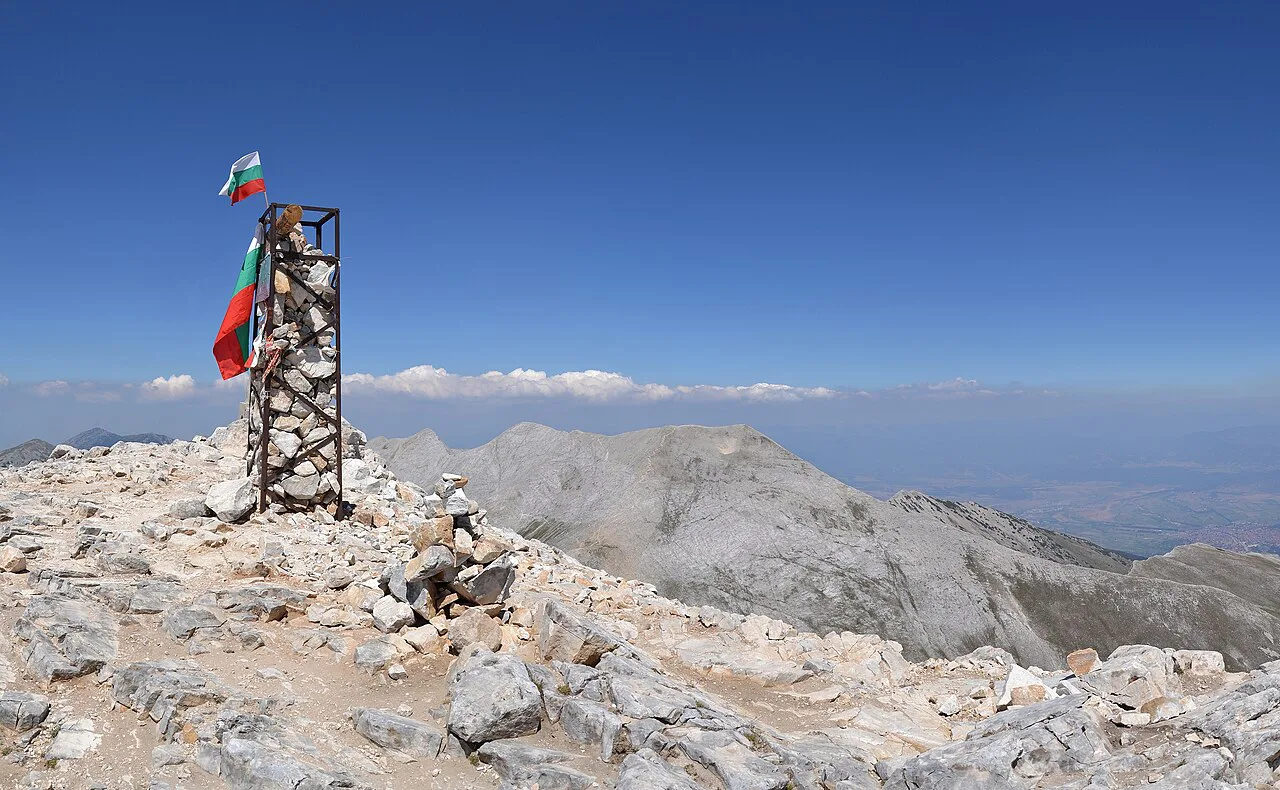
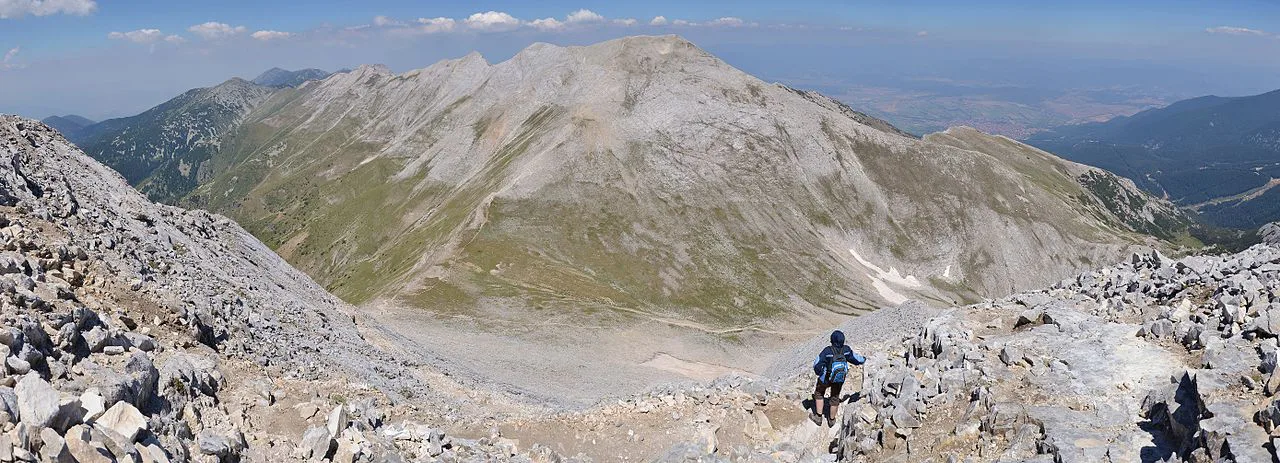
Vihren Peak is the most famous hike in the entire range at 2,914 meters — the second-highest summit in Bulgaria after Musala, which is only 11 meters taller. The route from Vihren Hut covers 8.5 km return with 931 meters of elevation gain and takes five to six hours including rest stops and summit photographs. There is almost no flat section: the trail climbs relentlessly, and the last kilometre over loose limestone scree is particularly demanding. We suggest starting before 08:00 to beat the afternoon clouds that often shroud the peak.
About two-thirds of the way up, the trail forks. The left fork is the standard route; the right fork is more technical with some light scrambling. Most hikers take the left fork. At the summit on a clear day you can see into Greece and North Macedonia, with Bansko visible as a small cluster far below. Entry to the national park is free — your only cost is transport to the trailhead.
Bansko to Vihren Hut (Moderate)
If you want a serious workout, skip the shuttle and hike directly from town. The full route is 21.2 km return with 985 meters of elevation gain and takes six to eight hours including a break at the hut. The lower half climbs through the ski runs, which is not the most scenic walking, but the upper half enters dense pine forest and passes Baikushev's Pine before opening into the alpine meadow at the hut. The path is free to use and starts near the base of the ski runs.
Most hikers who take this route do it once to say they have walked from Bansko to the mountains and then use the shuttle for future trips. It is a genuinely impressive achievement for fit walkers. However, if your goal is to reach the alpine zone and hike to Okoto or Muratovo, the shuttle is the smarter time investment.
Vihren Hut to Sinanitsa Hut (Hard)
Sinanitsa is famous for its jagged marble peak and the vivid blue lake sitting directly below it. The hike is 8.1 km return with 625 meters of elevation gain and takes six to seven hours — making it the most demanding full-day trail from Vihren Hut. You follow the same yellow and blue marked trail past Okoto and Muratovo lakes, then continue over a high ridge before descending into the Sinanitsa basin. Several sections require boulder-hopping, so confident footwear is essential.
Once you crest the final ridge and see the Sinanitsa Peak, hut, and lake below, the effort is completely justified. Overnight dormitory beds cost roughly 25 BGN per person — booking ahead is wise in July and August. Day hikers can visit for free. Depending on your energy levels you can scramble to the peak for extra elevation or simply descend to the lake and hut for a well-earned rest before heading back.
The Alpine Lakes Loop (Moderate)
This circuit links several glacial lakes, including Ribno and Long Lake, in a scenic loop from the Banderitsa area. It covers approximately 8 km with moderate climbs and takes about five hours in total. The trails are well-marked with blue and yellow stripes and the national park entry is free. Bring a light jacket even in August as the wind across the open plateaus can be surprisingly cold.
The loop gives you more variety than an out-and-back route and avoids retracing your steps. If you are based near the gondola, the Banderishka Polyana middle station provides a good starting point and saves considerable elevation gain. You can extend the loop to include Popovo Lake — the largest lake in the Pirin — by adding a side trip from Bezbog Hut.
Logistics: Getting to the Pirin Trailheads
Reaching the high-altitude trailheads is the most important part of planning your day. During the peak Things to Do in Bansko in Summer season, the road to Vihren Hut is closed to private cars. The closure typically runs from 09:00 to 16:00 to prevent traffic jams on the narrow mountain road. We recommend using the official shuttle bus that departs from the Bansko train station and the gondola parking lot.
The shuttle bus costs 12 BGN for a one-way trip or 20 BGN for a return ticket. Buses run roughly every hour but can fill up quickly during July and August weekends. If you prefer to drive, you must arrive at the Vihren Hut parking area before the 09:00 road closure. Parking spaces are extremely limited and often full by 07:30 during the high season.
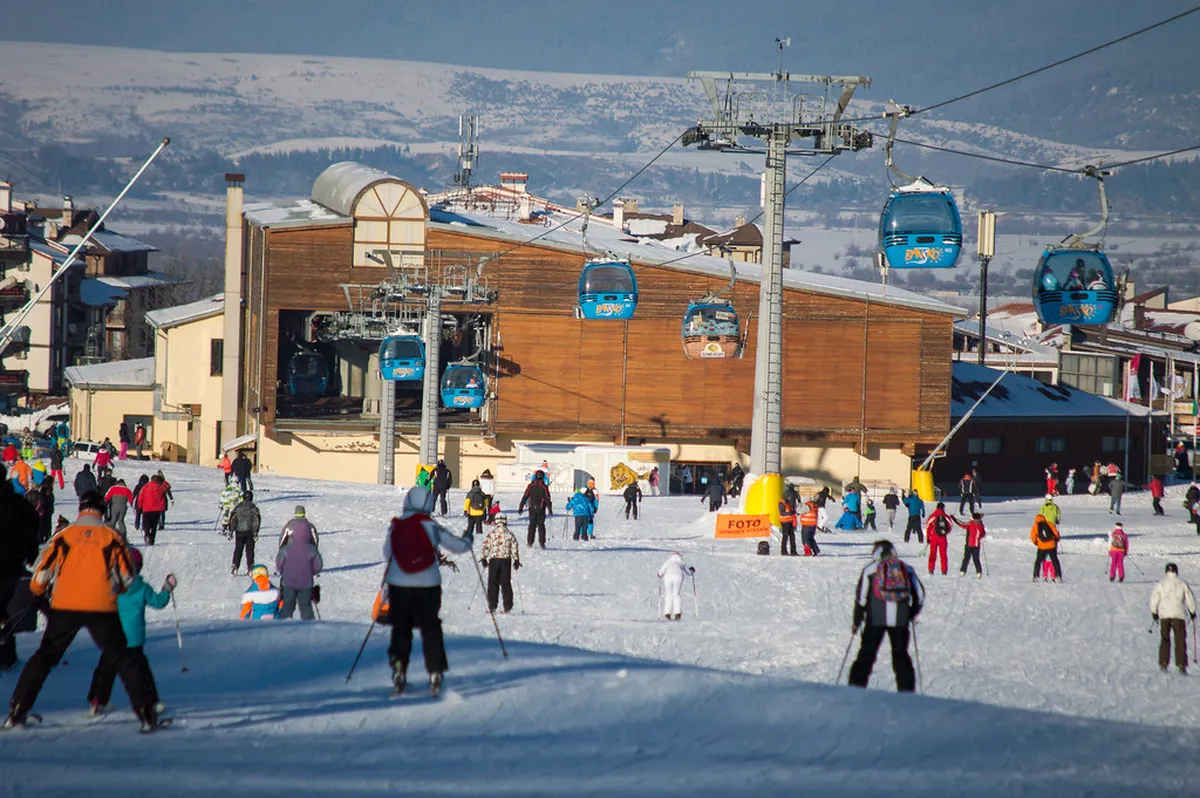
The gondola lift to Banderishka Polyana middle station costs about 40 BGN return and operates from 08:30 to 16:30. It saves significant elevation gain if you plan to hike toward the Demyanitsa valley or Todorka Peak.
The gondola lift to Banderishka Polyana is a convenient alternative for hikers targeting the Demyanitsa valley or the Todorka Ridge. A return ticket costs about 40 BGN and the lift operates from 08:30 to 16:30. Always verify the schedule at the base station as maintenance closures can occur without advance notice. Vihren Hut can also be reached directly on foot from Bansko — about 10 km and 1,000 meters of gain — if you prefer the full mountain-to-mountain experience.
Parks, Gardens, and Outdoor Spots in the Pirins
The Pirin National Park itself is the headline outdoor attraction, but several specific spots within and around the park deserve a dedicated mention. Baikushev's Pine is Bulgaria's oldest coniferous tree at over 1,300 years old and sits right on the path between the gondola mid-station and Vihren Hut. The trunk measures nearly eight meters in circumference. It requires only a 15-minute detour from the main trail and is accessible from the shuttle bus stop — no extra hiking required.
The meadows around Banderishka Polyana at the gondola mid-station offer flat, open walking with clear mountain panoramas. This area is also where the famous inflatable water slide operates in summer, making it a natural family picnic destination. Further into the park, the Demyanitsa River corridor provides a shaded riverside walk that is particularly pleasant during the hot afternoons of July and August. Small waterfalls appear along the riverbank during early summer snowmelt.
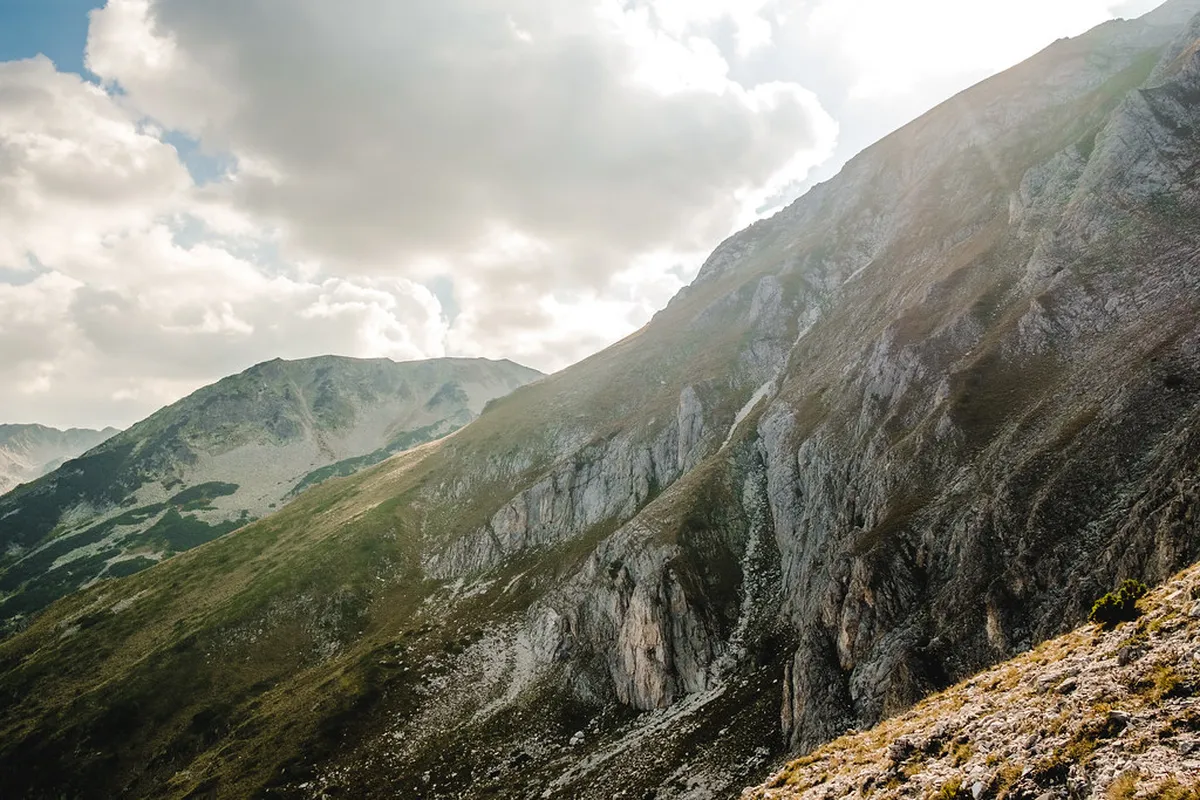
The granite formations around Vihren and the Sinanitsa basin are among the most dramatic landscapes in the entire Balkans. Even hikers who do not attempt the summit routes can appreciate the scenery by sitting at the benches near Vihren Hut and looking out over the glacial cirque. The park contains over 100 alpine lakes, dozens of endemic plant species, and one of the healthiest brown bear populations in Europe.
How to Plan a Smooth Bansko Hiking Day
Bulgarian trails use a standardized color-coded marking system consisting of three horizontal stripes. The middle stripe indicates the trail color while the outer white stripes make it visible against pale rocks. Red markings usually denote major long-distance routes, while blue, green, and yellow indicate local paths. Following these markers is straightforward on a clear day, but fog can hide them quickly in the high alpine zone — a digital map like OutdoorActive Bansko Routes provides a useful safety backup.
Start early. Most experienced hikers depart by 08:00 to reach the alpine lakes before the afternoon thunderstorms that are common between late June and August. Pack at least two liters of water per person — there is a fresh spring at Muratovo Lake where you can refill, but do not rely on finding water on the harder routes. A waterproof shell and basic first aid kit are non-negotiable for any route above 2,000 meters.
Mountain weather can change from bright sunshine to a violent thunderstorm in less than thirty minutes. Always carry a waterproof shell and a basic first aid kit on every outing, and register your route with your hotel or use a mountain tracking app.
We have a specific recommendation for what to skip. Avoid the lower forest roads immediately above town if you are looking for spectacular scenery. These paths are dusty, shared with mountain bikers, and can be quite buggy in early summer. Your time is much better spent taking the shuttle higher up to the glacial lakes and granite peaks of the 10 Essential Things to Know About Pirin National Park.
Hiking with Dogs in Pirin National Park
Dogs are permitted on the marked hiking trails within Pirin National Park, but with strict rules. Your dog must be kept on a lead at all times within the park boundaries. Off-lead dogs are not allowed because the park is home to protected wildlife including chamois, eagles, and brown bears. Rangers do patrol the main routes and can issue on-the-spot fines for non-compliance.
The easiest dog-friendly routes are the lower sections of the Demyanitsa River trail and the Banderitsa to Vihren Hut forest path. Both are shaded, relatively flat in their lower portions, and well-surfaced enough for dogs unfamiliar with loose scree. The Okoto Lake trail from Vihren Hut is also manageable for fit dogs, though the rocky approach requires sure footing. Avoid taking dogs on the Vihren Peak or Sinanitsa routes — the boulder scrambling and exposure on the upper sections make them unsuitable for most animals.
Bring your own water and a portable bowl; the mountain springs are fine for dogs to drink from, but do not let them enter the alpine lakes. Dogs must not swim in the protected lakes under any circumstances — the same no-swimming rule that applies to humans covers animals too. If you are a digital nomad spending an extended season in Bansko with a dog, the Demyanitsa valley is your best daily walking option and only requires a short drive or taxi ride from town.
Family-Friendly Hiking Options in Bansko
Families with younger children do not need to miss the beauty of the Pirin Mountains. The walk to Okoto Lake is the most popular choice for parents because it is short, clearly marked, and rewarding. Children often enjoy spotting the wild horses that occasionally graze in the meadows near Banderitsa Hut. The terrain is rocky, so ensure everyone has comfortable closed-toe footwear with good grip.
Another excellent option is the path around the Banderishka Polyana area at the top of the gondola. This area features flat walking paths and summer attractions including the longest inflatable water slide in Europe. You can enjoy a picnic with views of the peaks without climbing hundreds of meters of elevation. Restaurants here serve kid-friendly meals like grilled chicken and fries for around 15–20 BGN.
For a shaded walk with younger children, the lower sections of the Demyanitsa River trail are relatively flat and easy. The sound of the rushing water keeps the air cool even on the hottest July afternoons. Walk for 30 minutes and then find a safe spot by the river to rest. This is a much more relaxed alternative to the steep, sun-exposed trails higher up the mountain and the starting point is easily reached by taxi from the town centre.
Museums, Art, and Culture in Bansko (Post-Hike)
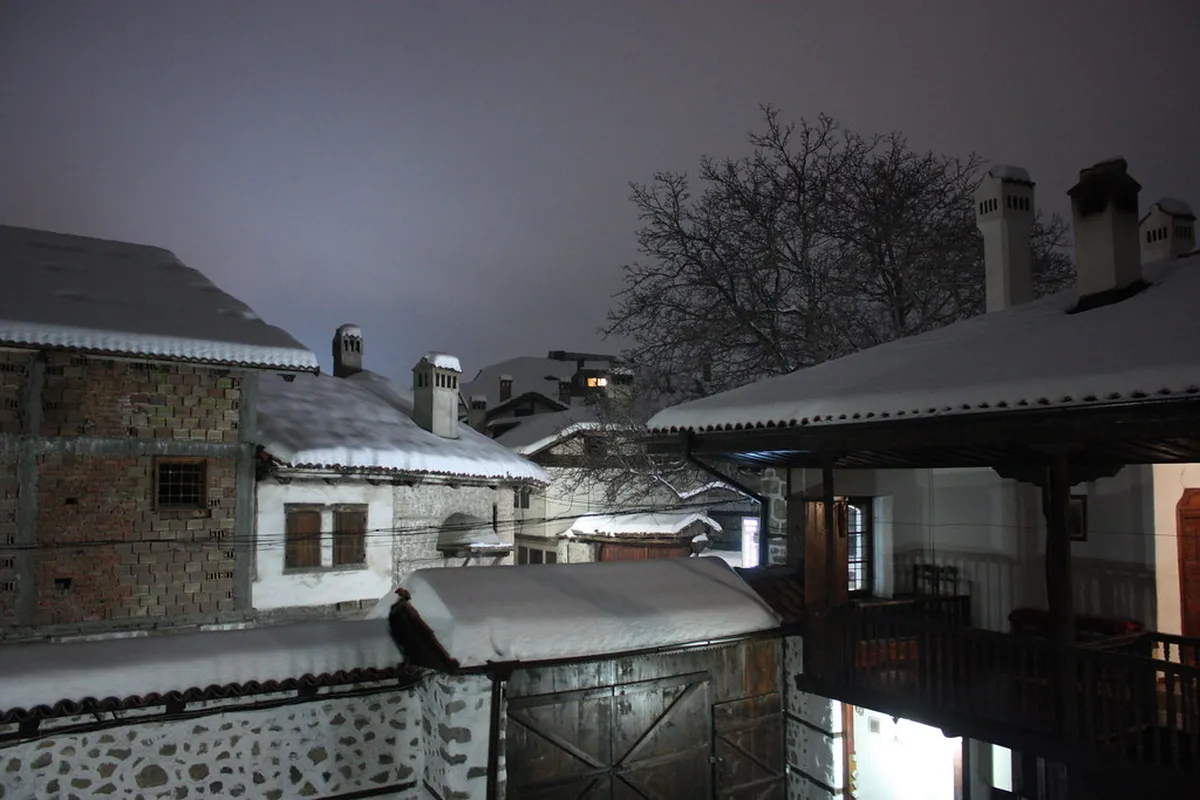
After a long day on the bansko hiking trails, the town offers plenty of cultural relaxation. The 10 Must-See Gems in Bansko Old Town (2026) – A Local Guide is a protected area filled with 18th-century stone houses and cobblestone streets. We recommend visiting the Holy Trinity Church, which features impressive wood carvings and a tall bell tower. The entrance to the church grounds is free, though a small donation for candles is customary.
History enthusiasts should explore the Nikola Vaptsarov House Museum Visitor Guide dedicated to the famous Bulgarian revolutionary poet. The museum provides insight into local lifestyle and the region's resistance history. Tickets cost around 6 BGN per adult and the museum is open daily. It is located right on the central square, making it an easy stop before heading to dinner.
Art lovers will find several small galleries showcasing the unique Bansko school of icon painting. The Icon Exhibition is housed in the town's oldest building and contains original works from the 18th century. The intricate gold leafing on these religious artworks is genuinely impressive. Most galleries are open from 09:00 to 17:30, though some close for a lunch break between 13:00 and 15:00.
Continue planning: Use 12 Best Things to Do in Bansko and 4-Day Bansko Itinerary for First-Time Visitors to connect this guide with the rest of your Bulgaria itinerary.
Frequently Asked Questions
How do I get from Bansko to Vihren Hut?
You can take the official shuttle bus from the Bansko train station or the gondola parking lot. The bus costs 12 BGN and runs hourly during the summer. Private cars are restricted on the mountain road between 9:00 AM and 4:00 PM.
Is hiking in Bansko, Bulgaria expensive?
Hiking in Bansko is very affordable as entry to the Pirin National Park is free. Your main costs will be transport, such as the 12 BGN shuttle or the 40 BGN gondola. Local mountain huts serve hearty meals like soup or grilled meat for under 10 BGN.
Does Bulgaria have well-marked hiking trails?
Yes, the trails in the Pirin Mountains are well-marked with a standard three-stripe color system. You will find painted markers on rocks and trees along all major routes. We recommend using a digital map like OutdoorActive Bansko Routes for extra navigation security.
Hiking in Bansko offers a world-class alpine experience that caters to all skill levels. Whether you conquer Vihren Peak or enjoy a quiet stroll to Okoto Lake, the Pirin Mountains will impress you. We recommend checking the when to plan your trip to ensure the trails are clear of snow. Plan your logistics early, respect the mountain environment, and enjoy the incredible Bulgarian wilderness.