Ethnographic Museum Burgas Visitor Guide: 15 Best Things to Know
The Ethnographic Museum in Burgas holds the richest collection of traditional folk costumes on Bulgaria's southern Black Sea coast, inside a two-story mansion just behind the city's cathedral square.
Get a preview of the museum's galleries and collections with this video tour:
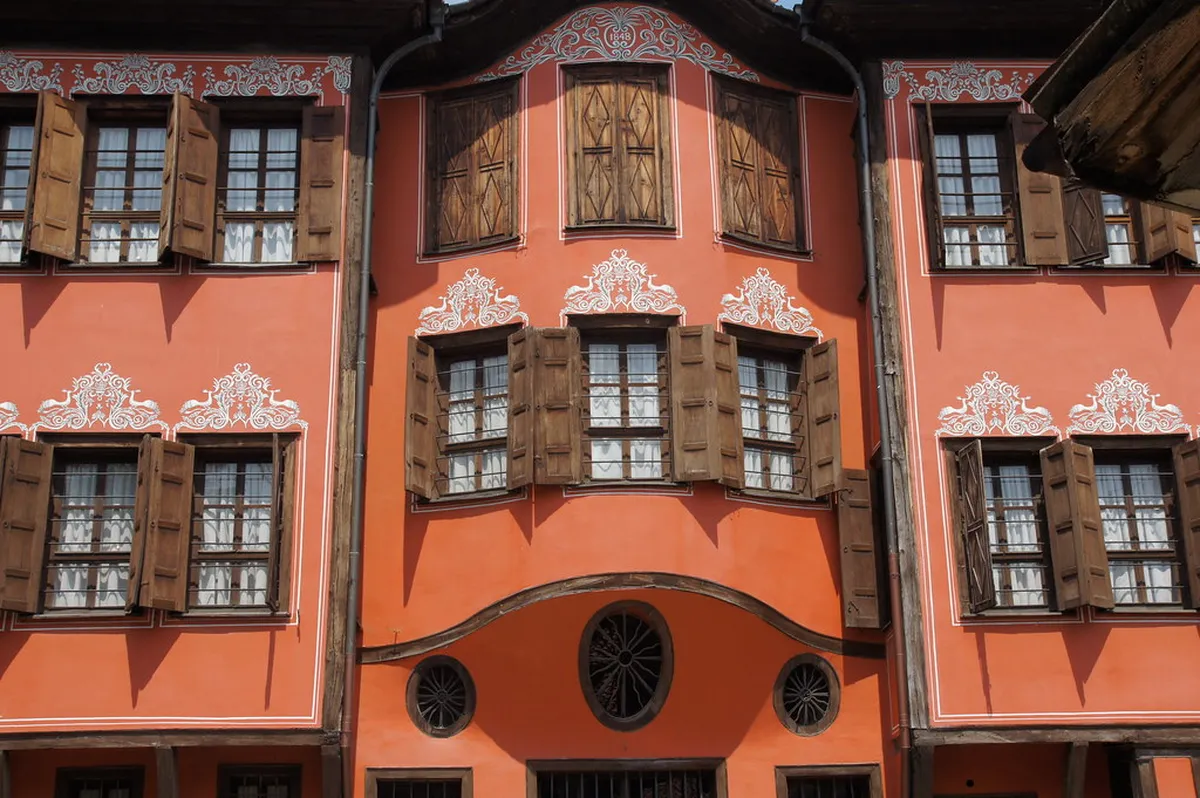
Known as the Brakalov House, the building dates to 1873 and now displays the dress and rituals of the Ruptsi, Tronki, Zagortsi and other groups who settled the villages around Burgas.
Admission in 2026 runs 3.00 EUR for adults, and a combined ticket covering all four branches of the Regional Historical Museum costs 9.00 EUR - one of the better museum deals on the coast.
Must-See Ethnographic Attractions: The Brakalov House
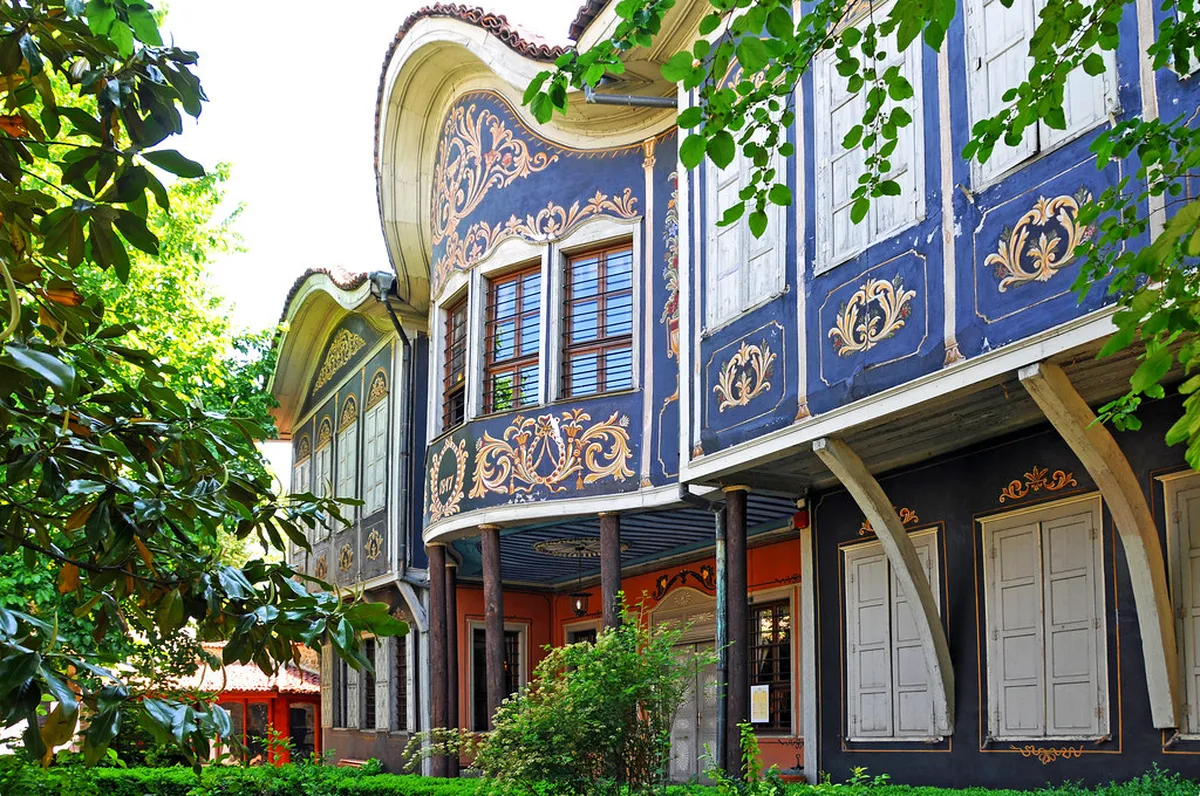
The museum is housed in the Brakalov House, built in 1873 for Dimitar Todorov Brakalov, a merchant and public figure who later served as mayor of Burgas.
![Nessebar - Church of the Holy Saviour [17th century] in Burgas, Bulgaria](https://toursbulgaria.com/images/ethnographic-museum-burgas-must-see-ethnographic-attractions-th.webp)
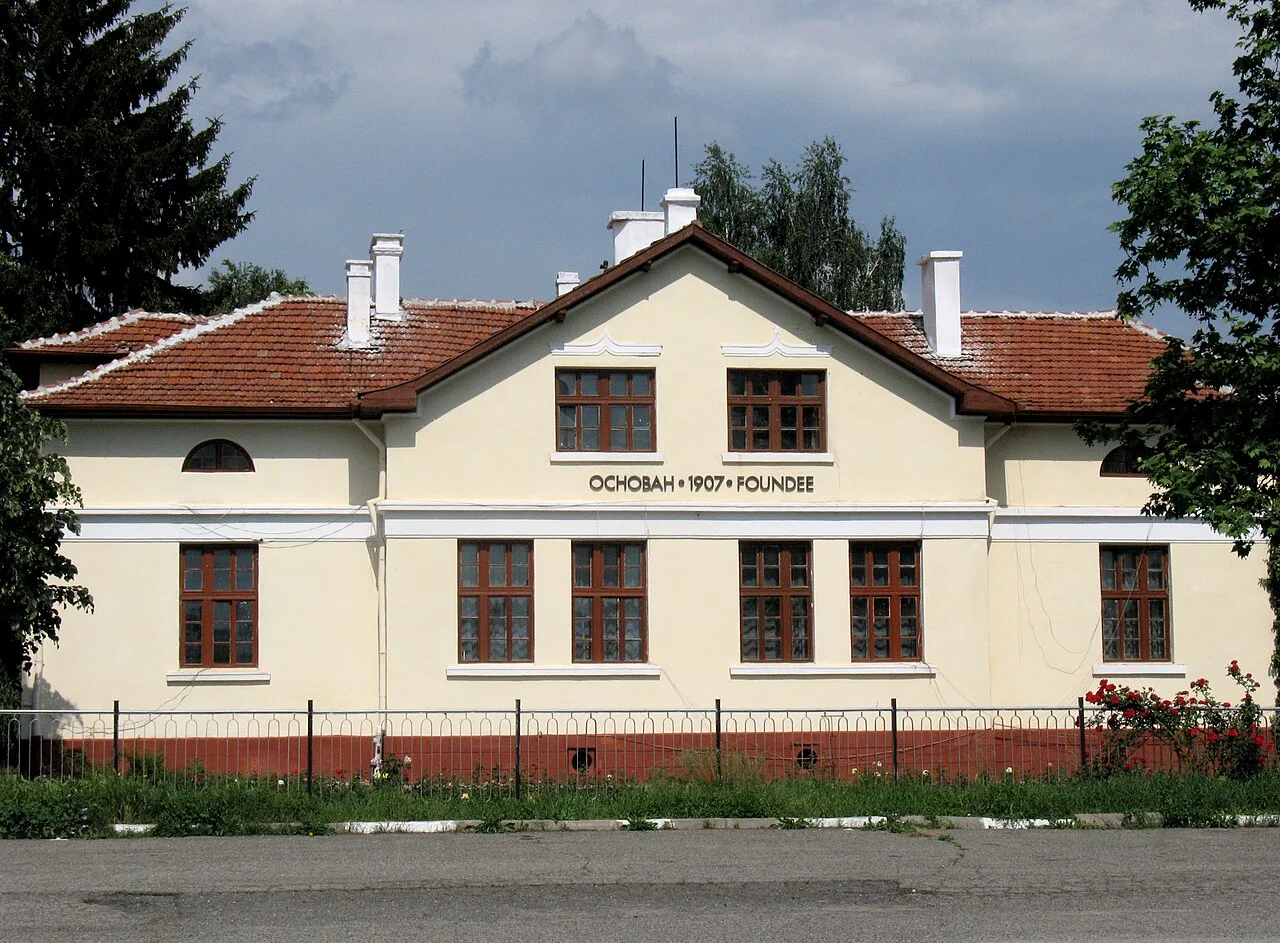
The two-story mansion is a well-preserved example of Bulgarian National Revival architecture, with a symmetrical facade, tall windows, and the wood-paneled interior typical of a prosperous 19th-century coastal trading family.
Because the building was never retrofitted with a lift, the upper-floor costume galleries are reached by the original staircase. Visitors with limited mobility can still see the ground-floor rooms, but should call ahead to confirm upstairs access on the day of their visit.
- Ground floor: a recreated 19th-century Burgas town-house interior, women's fashion of the period, and a foyer used for rotating temporary exhibits.
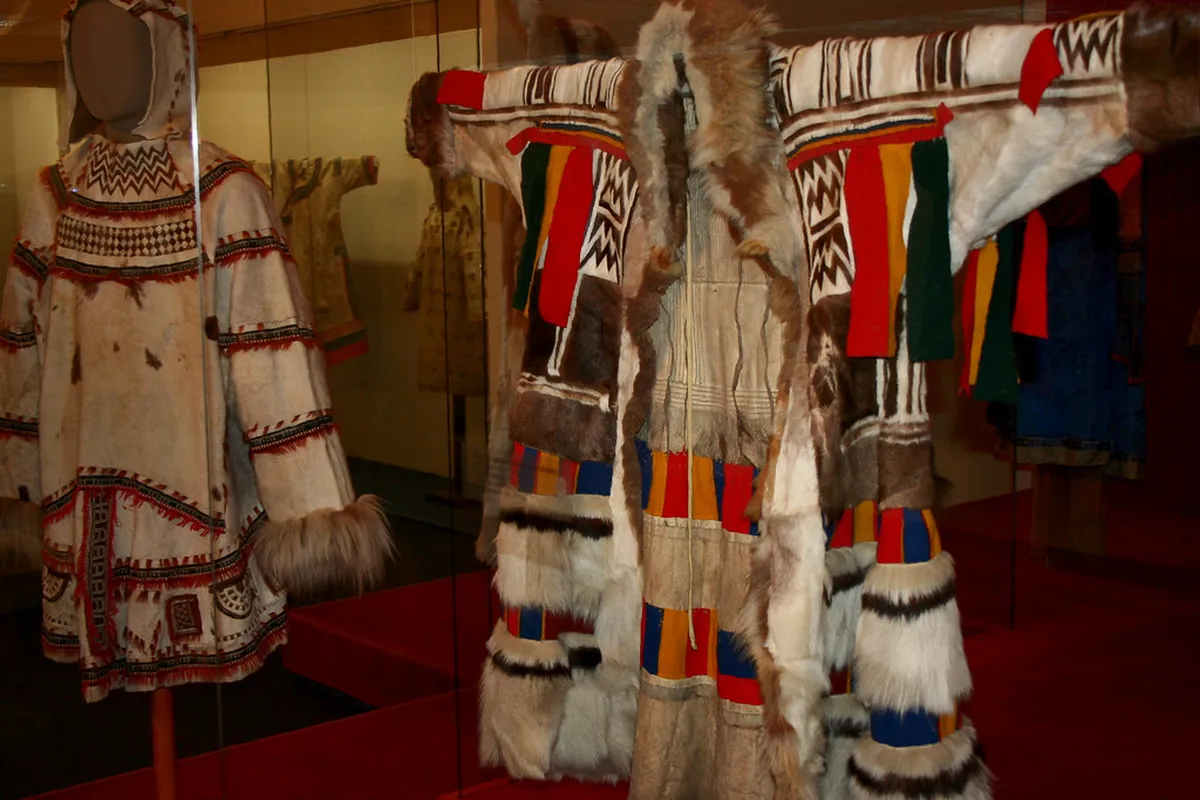
- Second floor: the region's richest costume collection, including dress from the Ruptsi (Vidin and Pleven region migrants), Tronki (Strandzha), Zagortsi (Burgas, Dobrich, and Sliven), and Planintsi (Gabrovo), plus 19th-century wedding clothes from the village of Zidarovo.
- Ritual and festival costumes tied to local customs such as Nestinarka fire-dancing, Enyova Bulya, Lazarka, and Karakachanska Bulka.
Museums, Art, and Culture in Burgas: Beyond Ethnography
The Ethnographic Museum is one of four branches of the Regional Historical Museum of Burgas, alongside the Archaeological, Historical, and Natural Science expositions.
Each branch covers a different slice of the region's past, from prehistoric coastal finds to the wetlands and lakes that ring the city, and together they give a far fuller picture than any single stop.
A combined ticket covers any two, three, or all four branches, which is worth planning around if the Burgas attractions guide has you visiting more than one museum on the same trip.
Not the Same Museum: Ethnographic Collections in Plovdiv, Varna, and Sofia
Search results for "ethnographic museum" in Bulgaria return several different institutions, and it is easy to end up planning a visit to the wrong city.
Burgas's exposition is a branch of the Regional Historical Museum housed in the Brakalov House. Plovdiv, Varna, and Sofia each run their own separate ethnographic museums in different historic buildings, with different collections and opening hours. Travelers comparing this coastal collection with Plovdiv's Regional Ethnographic Museum Plovdiv should treat them as two distinct stops rather than duplicate names for the same place.
Parks, Gardens, and Outdoor Spots in Burgas
The museum sits a short walk from the entrance to the Sea Garden, the long coastal park that runs above Burgas's central beach.
Its mature trees give the deepest shade in the city center, which makes it a natural stop after an hour or two indoors at the museum.
Many visitors continue on to the Burgas Sand Sculptures Festival Visitor Guide inside the Sea Garden, pairing the folk-costume galleries with an entirely different kind of craftsmanship on the same afternoon.
Family-Friendly and Budget-Friendly Options for Visitors
Every summer from July 1 to August 31, the museum runs a summer school for children and adults, Monday to Friday from 10:00 to 13:00.
Instructors teach glass painting, silk and ceramic decoration, pottery on the wheel, crocheting, and rug weaving on looms set up under the courtyard trellises. Some sessions pair visitors with local women demonstrating traditional singing, yarn-making, and embroidery.
For budget planning, admission is 3.00 EUR for adults and 1.50 EUR for students and seniors aged 63 and over in 2026, and children under 7 and visitors with disabilities enter free.
The best value is the combined ticket: 4.60 EUR covers two of the museum's four branches, 6.00 EUR covers three, and 9.00 EUR covers all four - Archaeological, Ethnographic, Historical, and Natural Science - which works out cheaper per stop than buying separate tickets if your family plans to see more than one branch.
How to Plan a Smooth Museum Visit: Hours and Practical Tips
As of 2026, the museum's official schedule lists daily hours of 10:00 to 18:00, seven days a week, matching the other branches of the Regional Historical Museum.
Older guides sometimes list separate summer and winter hours; check burgasmuseums.bg before you go, since museum schedules in Bulgaria do get adjusted from year to year.
Guides and staff offer visitor services in Bulgarian, English, German, and Russian, and the informational plaques throughout the mansion are labeled in multiple languages, so a self-guided tour works well even without a booked group tour.
- Adult admission: 3.00 EUR (5.87 BGN)
- Student or senior (63+) admission: 1.50 EUR (2.93 BGN)
- Family ticket: 5.00 EUR (9.78 BGN)
- Hours: daily, 10:00-18:00
Getting to the Museum: Directions and Local Logistics
The museum is at Slavianska St. 69, in the pedestrian core of central Burgas, directly behind the Sts. Cyril and Methodius Cathedral.
On foot, it is about 15 minutes from the Central Railway Station and the Port of Burgas, and roughly 20 minutes from Burgas Plaza mall. Walking is genuinely the fastest way to move around this part of the city, since most streets near the museum are pedestrianized.
The Arch of St. Nicholas the Miracleworker is a five-minute walk away and makes an easy add-on stop before or after the museum, and most city maps mark the Brakalov House clearly as a landmark near the cathedral square.
Visiting the Church Saints Cyril and Methodius
The Cathedral of Saints Cyril and Methodius stands just behind the museum, close enough that the two make a natural single stop.
Inside, the stained glass and the carved wooden iconostasis are worth the ten minutes it takes to see them, and the square in front of the church is one of the busiest meeting points in the old town.
Visiting the cathedral first, then crossing to the Brakalov House, keeps you within the same few streets for both stops.
Dining Nearby: La Flor Bar & Grill Burgas
La Flor Bar & Grill is within easy walking distance of the Brakalov House and is a solid option once the museum closes for the day.
The menu mixes traditional Bulgarian dishes with more international plates, and the setting is casual enough for a quick lunch between sightseeing stops.
It works well as a midpoint stop on a walking day that also takes in the cathedral and the Sea Garden.
A Half-Day Walking Itinerary from the Museum
For a day-by-day itinerary in Burgas, put the museum in the morning: start at the Central Railway Station, walk roughly 15 minutes to the Sts. Cyril and Methodius Cathedral, then cross the square to the Brakalov House.
Budget about 90 minutes to two hours inside if you plan to see both floors properly, longer if you're visiting during the summer school sessions.
From the museum, it's a short walk to the Sea Garden for lunch and a look at the Sand Sculptures Park, covering most of central Burgas's historic core in a single morning.
Nature Conservation Center Poda: A Birdwatcher's Paradise
A roughly 15-minute drive from the museum, the Nature Conservation Center Poda is a good counterpoint to an indoor cultural morning.
The reserve sits on the wetlands south of the city and is one of the better spots on the coast to see Dalmatian pelicans, herons, and other wetland birds.
Pairing the two - folk history in the morning, wildlife in the afternoon - covers two very different sides of the region in one day.
What's the Weather Like in Burgas? Seasonal Planning
The museum's thick stone walls keep the galleries cool through July and August, when coastal temperatures regularly climb into the low 30s Celsius.
It's also one of the more reliable rainy-day options in central Burgas, since every major exhibit is indoors, unlike the Sea Garden or the sand sculptures.
Spring and early autumn bring cooler, more comfortable weather and occasional courtyard craft demonstrations, which is when the outdoor trellised area is most likely to be in use.
Beyond Burgas: Strandzha Villages and Regional Day Trips
Understanding the Ruptsi, Tronki, and Zagortsi costumes on display makes a later visit to the Strandzha villages, where several of these traditions originated, more meaningful.
![Nessebar - Holy Archangels Church [13th century] in Burgas, Bulgaria](https://toursbulgaria.com/images/ethnographic-museum-burgas-beyond-burgas-strandzha-villages-and.webp)
Travelers planning road trips from Burgas often head south toward Sozopol or north toward Nesebar after the museum, using what they've learned here as context for the older architecture and customs still visible in those towns.
The museum works well as a first stop specifically because it gives that regional context before you're seeing it firsthand.
Continue planning: Use Burgas Attractions: 10 Best Things to Do in 2026 to connect this guide with the rest of your Bulgaria itinerary.
Frequently Asked Questions
How much does the Ethnographic Museum Burgas cost in 2026?
Admission is 3.00 EUR (5.87 BGN) for adults, 1.50 EUR (2.93 BGN) for students with a valid ID and for seniors aged 63 and over, and 5.00 EUR (9.78 BGN) for a family ticket. Children under 7 and visitors with disabilities enter free. Prices are listed on the official Burgas museums site, EUR-first since Bulgaria adopted the euro in January 2026.
What are the opening hours of the Ethnographic Museum Burgas?
The official site lists the museum as open Monday to Sunday from 10:00 to 18:00, the same schedule as the other Burgas Regional Historical Museum expositions. It is worth checking burgasmuseums.bg before a visit as schedules can change.
Is there a combined ticket with the other Burgas museums?
Yes. The Burgas Regional Historical Museum sells combined tickets across its four expositions: 4.60 EUR (9.00 BGN) for two, 6.00 EUR (11.73 BGN) for three, and 9.00 EUR (17.60 BGN) for all four - Archaeological, Ethnographic, Historical and Natural Science. A family ticket for all four expositions costs 10.00 EUR (19.56 BGN).
Where is the Ethnographic Museum in Burgas?
It is at Slavianska St. 69 in the city center, in the Brakalov House just behind the Sts. Cyril and Methodius Cathedral. The house was built in 1873 for Dimitar Brakalov, a public figure and mayor of Burgas.
What can you see inside the Ethnographic Museum Burgas?
The first floor shows the interior of a 19th-century Burgas town house and ladies' fashion of the period. The second floor holds traditional costumes from the ethnographic groups that settled around Burgas - including the Ruptsi, Tronki, Zagortsi and Planintsi - plus 19th-century festival and ritual costumes linked to local customs such as Nestinarka, Enyova Bulya and Lazarka.
Is this the same as the ethnographic museums in Plovdiv, Varna or Sofia?
No. This is Burgas's own ethnographic exposition, a branch of the Regional Historical Museum Burgas housed in the 1873 Brakalov House. The ethnographic museums in Plovdiv, Varna and Sofia are entirely separate institutions in other cities.
Can I pay in euros at the Ethnographic Museum Burgas?
Yes. Bulgaria adopted the euro on 1 January 2026, and the museum's official price list is quoted in euros first with the lev equivalent alongside - for example the adult ticket is 3.00 EUR (5.87 BGN).
The Ethnographic Museum in Burgas earns its place as a first-morning stop: two hours in the Brakalov House gives real context for the folk costumes, rituals, and village histories you'll keep running into elsewhere on the coast.
Between the 2026 admission price, the four-museum combined ticket, and the short walk to the cathedral and Sea Garden, it's an easy add to almost any Burgas itinerary.
Check the current hours on burgasmuseums.bg before you go, then build the rest of your day around whichever branch of the Regional Historical Museum, or which nearby park, interests you most.
To verify current details, consult the Ethnographic Museum Burgas official site and Ethnographic Museum Burgas on Wikipedia.
For more Burgas planning, read our Best Time to Visit Burgas: Weather & Seasons (2026) guide.