10 Essential Tips for the Bansko Gondola
Navigating the main lift system is a central part of any winter trip to Bulgaria. This guide provides the latest logistics for the Bansko gondola to ensure you spend more time on snow and less time standing in the cold. Last updated June 2026 with current pricing and seasonal schedules.
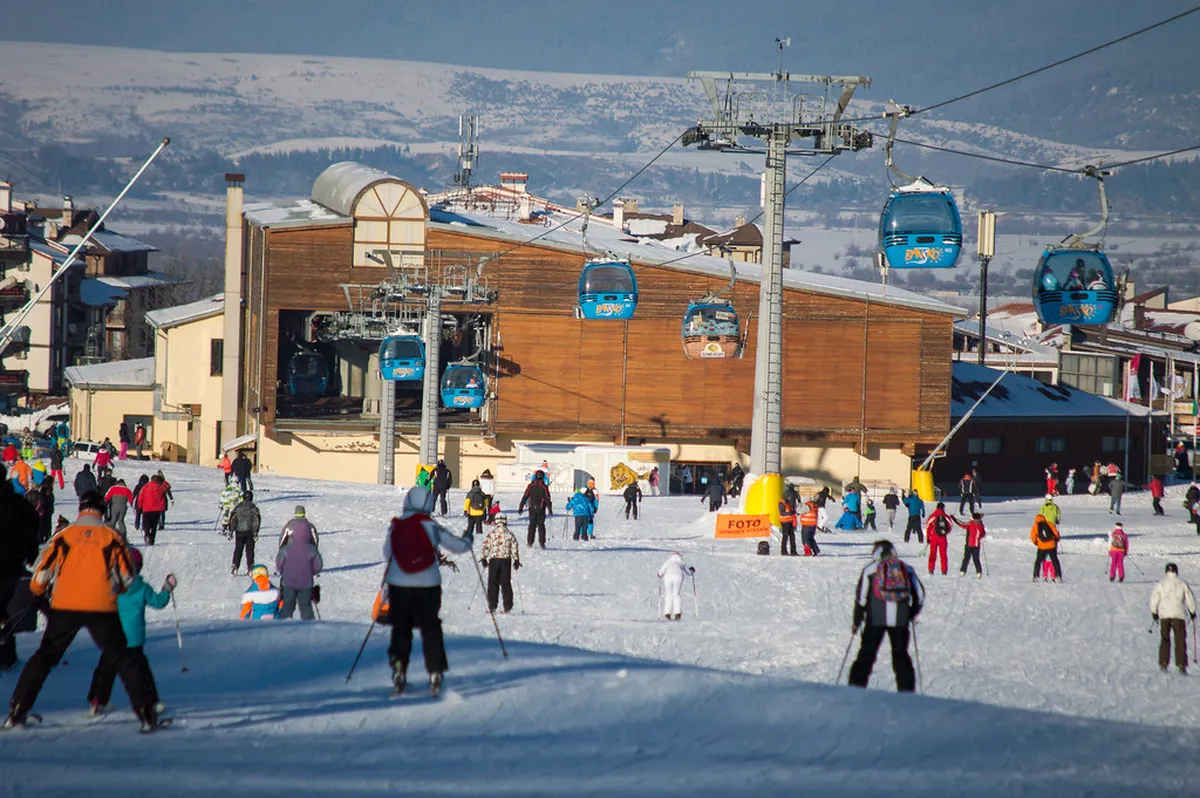
Using this Skiing In Bansko Bulgaria guide will help you understand the full mountain layout. The gondola serves as the primary artery connecting the town to the high-altitude slopes at Banderishka Polyana. Proper timing is essential — morning queues can easily exceed two hours during peak weeks in February.
Quick Answer: The Bansko gondola costs 40 BGN / ~$22 return and takes 25 minutes to Banderishka Polyana. Private shuttles cost 10 BGN / ~$6 per person and bypass the queue entirely. Buying your lift pass the evening before is the single most effective way to save time on the mountain.
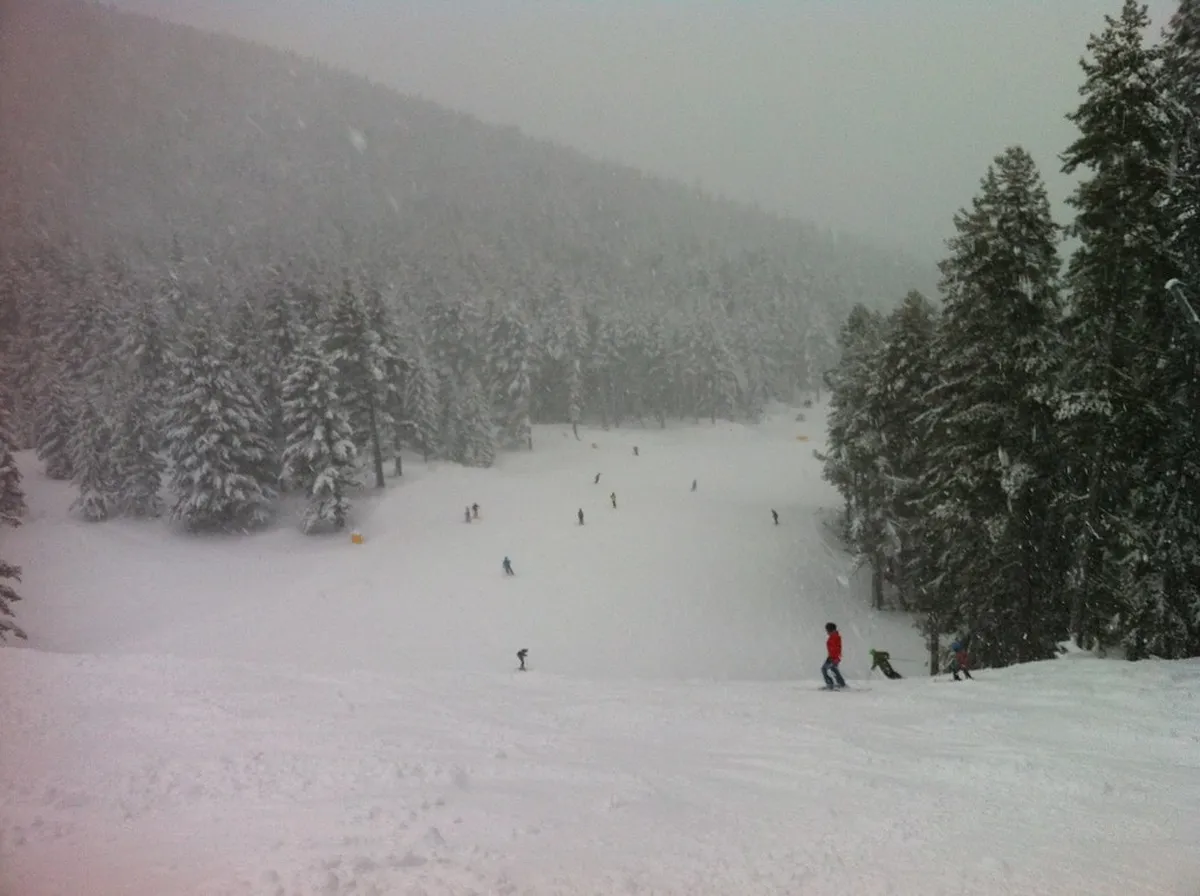
For a visual overview of the Bansko ski resort and the surrounding Pirin mountain landscape:
Arrive Early: How to Beat the Bansko Gondola Queue
The morning rush at the base station is the defining logistics challenge of a Bansko ski trip. The gondola normally opens at 08:30, but during peak February season — including the UK mid-term break — the operator often moves the start to 08:00. Being in line 15 to 30 minutes before opening is the window that separates a short wait from a two-hour one.
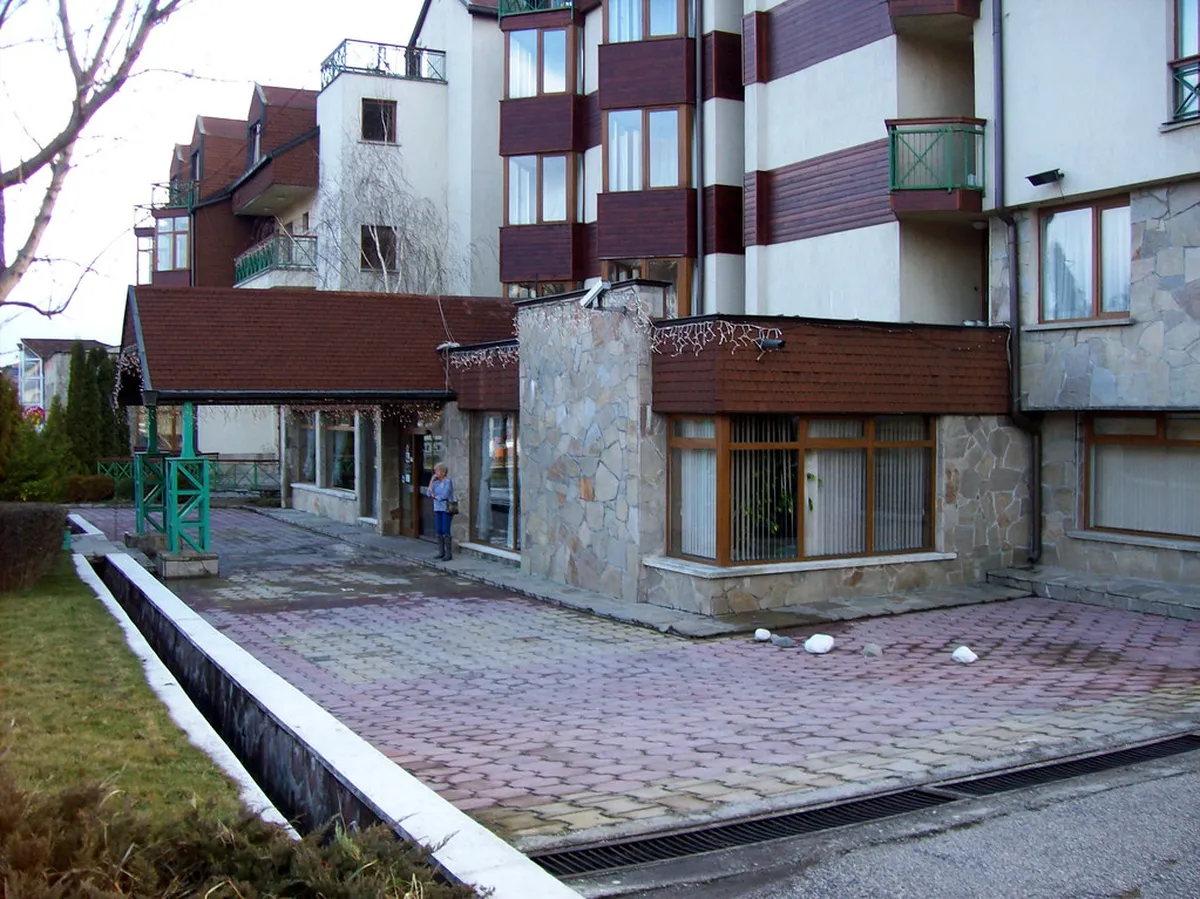
Rental shops matter as much as your alarm clock. Ski & Board Traventuria opens at 07:00, earlier than most other shops in town. Fitting your boots and collecting your equipment the afternoon before — ideally before 15:00 — is even smarter. Arriving at the gondola base with everything ready means you join the lift queue directly instead of the ticket queue first.
The 11:30 Rule is the reliable late-riser's escape. Queue lengths drop significantly between 11:30 and 12:00 each day. Skiers who sleep in can often walk straight onto a cabin after that window, though the slopes will be softer and busier by that point. This strategy pairs well with skiing until the final descent closes at around 17:00.
VIP pass access offers the cleanest queue bypass, but it is not available to all visitors. Only guests of the top five-star hotels — the Kempinski Grand Arena and Hotel Premier being the most frequently cited — can purchase VIP passes and use the dedicated fast-track lane. The passes cost more than a standard ski pass and cannot be added on if you have already bought a regular one elsewhere. Budget travelers should treat the VIP lane as a hotel perk, not a purchasable upgrade.
Know the Duration: How Long is the Gondola Ride?
The total travel time from the base station to the top is 25 minutes. The route covers just over six kilometres of cable through pine forest. There is a mid-station where the cabin doors open briefly — stay seated unless you are disembarking there.
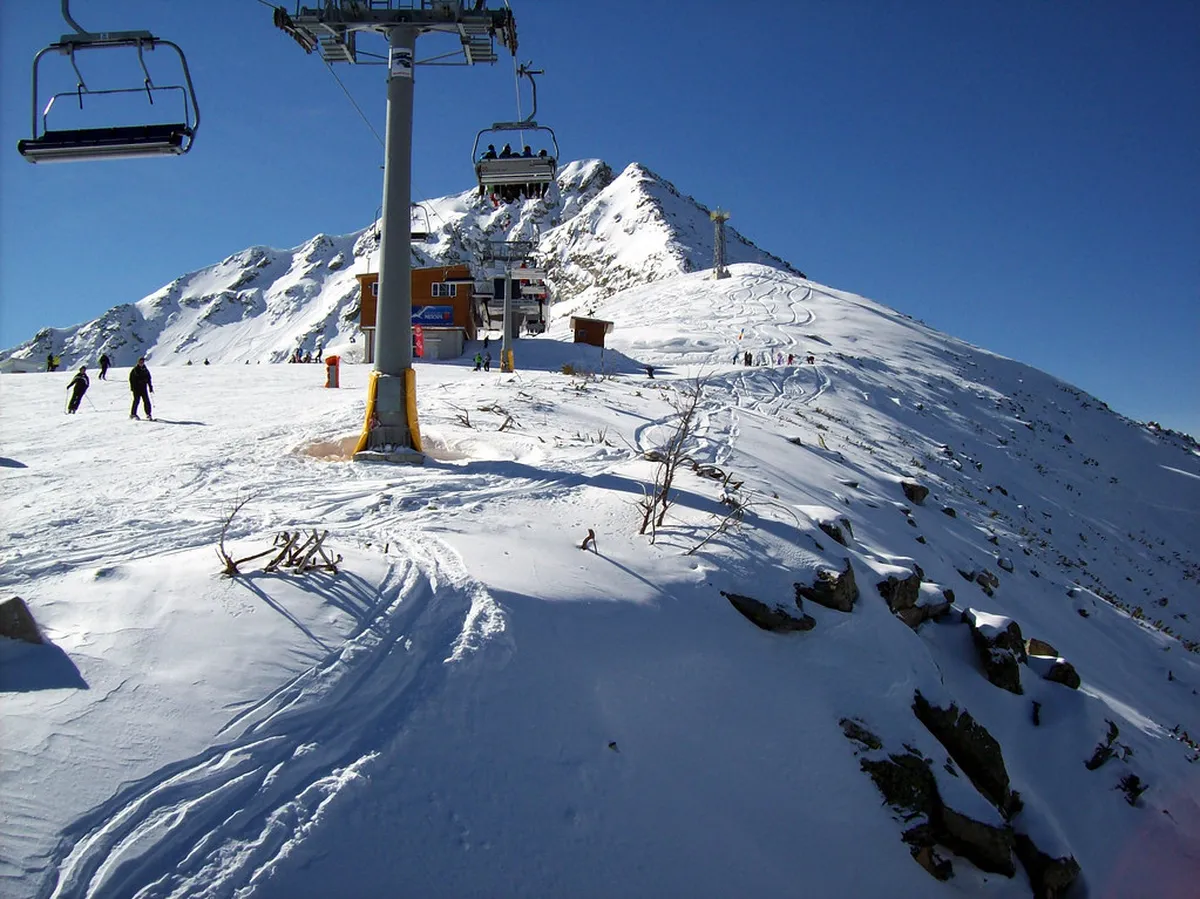
Most skiers exit at the final stop, Banderishka Polyana, at 1,620 metres. This is where ski school meeting points, mountain restaurants, and the onward chairlifts are located. The Banderitsa and Mosta chairlifts branch off from here to reach the upper slopes.
The table below compares the three main ways to reach the upper mountain. Each method varies in cost, speed, and how well it handles the peak morning rush.
- Gondola Lift: 40 BGN / ~$22 return, 25 minutes once boarded, best for scenic access with a pre-paid ski pass.
- Private Shuttle (e.g. Traventuria): 10 BGN / ~$6 one-way, around 20 minutes drive, best for bypassing the queue entirely on peak mornings.
- Taxi or Personal Vehicle: 20–30 BGN / ~$11–17, around 20 minutes, best for groups needing door-to-door flexibility — but note that police can and do close the mountain road when the upper parking lot is full.
If the road is blocked by authorities due to congestion, taxis and private cars cannot proceed. On those days the shuttle and gondola remain the only working options, so keep that contingency in mind before driving up.
Check the Clock: Opening Times and Working Hours
Standard operating hours run from 08:30 to 16:30. During the busy February peak the operator typically opens at 08:00. Always verify the current daily schedule on the BanskoSki Official Lifts page before heading out, as wind or technical issues can shift the timetable without much notice.
The ticket office at the base station has extended hours that most visitors overlook. From Thursday to Saturday it stays open until 22:00, giving you a relaxed window to purchase passes the evening before. Some hotels — including MPM Hotel Sport Bansko — also sell standard lift passes at their receptions, so you can buy on your way out without making a separate trip to the gondola.
The last descent from Banderishka Polyana is at around 17:00. Skiers who miss it must take the seven-kilometre ski road back down to town. The track is gentle and suitable for most levels, but it is not lit, so plan to finish before dusk.
During February peak weeks, queues at the base station can exceed two hours. Arrive at least 15–30 minutes before the 08:00 opening, or wait until after 11:30 when the rush reliably clears.
Book Ahead: Lift Pass Prices and Booking Tips
A standard adult day pass for the full Bansko ski area currently costs 96 BGN / ~$53. Discounts apply for students, retirees, and children under twelve. Multi-day passes deliver meaningfully better value — a six-day adult pass runs approximately 550 BGN / ~$303 in peak season.
Ulen, the mountain operator, does not offer comprehensive online booking for most visitors. The majority of skiers still collect physical cards at the ticket kiosk or through their rental shop. If you have pre-booked equipment and lessons as a package, your supplier should hand over the pass the evening before — confirm this in advance so there are no surprises on day one.
| Pass Type | Cost (BGN) | Cost (USD) | Duration |
|---|---|---|---|
| Gondola Return (no ski pass) | 40 | ~$22 | Round trip |
| Single Day Pass | 96 | ~$53 | Full day |
| Six-Day Pass | 550 | ~$303 | Peak season |
| Private Shuttle | 10 | ~$6 | One-way |
| Parking (Base Station) | 20 | ~$11 | Daily |
The gondola operates for hikers and mountain bikers during summer from June until late September. Round-trip tickets are priced at 40 BGN / ~$22, providing easy access to the high peaks of Pirin National Park.
Consider Alternatives: Getting to the Slopes Without the Gondola
If the gondola queue is too long, several alternatives exist. The free ski bus run by Ulen operates between the base and the upper parking lot at Banderishka Polyana. You must have a valid lift pass to board. During the peak morning rush the bus queue moves faster than the gondola queue, but heavy road traffic means the journey can be just as slow once you are aboard.
Private shuttles from operators like Traventuria are the fastest paid alternative for skipping the queue. These vans depart from just outside the rental shop on Glazne Street once full — typically from 07:00 onwards. At 10 BGN per person they cost a fraction of a taxi and operate even when the gondola is briefly delayed by wind. They are particularly useful on February mornings when the mountain road is still open and clear.
If you are travelling from the capital, check the How to Get from Sofia to Bansko options. Many private transfers will drop you directly at the upper Banderishka Polyana station, bypassing the town queue entirely. Note: on days when local police close the mountain road due to full parking, no private vehicle — shuttle or taxi — can proceed. Keep an eye on conditions before setting out.
Plan Your Parking: Costs and Locations Near the Station
Parking at the base station is convenient but fills up very quickly on peak mornings. The daily rate is 20 BGN / ~$11. You need to arrive before 08:00 to reliably secure a space, and even then it is not guaranteed on the busiest February days. Police will stop vehicles from ascending if the upper lot is full — a real risk that catches many first-timers off guard.
The upper parking at Banderishka Polyana also costs 20 BGN / ~$11 and saves you the gondola ride altogether. However, spaces here are extremely limited and the mountain road requires care in icy conditions. Snow chains may be necessary after heavy overnight snowfall.
Smaller private lots near the main hotels charge between 10 and 15 BGN per day. A five-minute walk is all that separates most of them from the gondola entrance. If you are staying in the Old Town, walking to the base station takes around 15 minutes and avoids the parking problem entirely.
Ski School and On-Mountain Timing
Ski school in Bansko typically starts at 10:00 at the top gondola station. That means if you are still at the bottom base at 09:00, you will almost certainly miss the start. Most ski schools do not offer refunds for no-shows. Aim to be at Banderishka Polyana at least 15 minutes before your lesson begins, which means joining the gondola queue no later than 08:30 — earlier on a February peak week.
Once you are on the mountain the chairlift queues are modest compared to what you have just been through at the base. The slopes themselves can be busy, particularly the ski road, piste N.10, and piste N.1 — these attract the highest volume of beginners. Slower, more patient skiing pays off on crowded days. Wearing a helmet is non-negotiable: beginner traffic is unpredictable and collisions happen.
Mountain restaurants fill up between 12:30 and 13:30. A large breakfast and a small snack to carry on the slopes is more efficient than fighting for a table. If you do stop for lunch, the smaller huts away from the main pistes tend to have shorter queues and more character than the large base restaurants.
Why March Is the Smart Skier's Window
February gets most of the attention, but March is when experienced visitors quietly book their Bansko trips. The school-holiday crowds are gone, gondola queues shrink to minutes rather than hours, and the upper slopes still hold reliable snow through to early April in a good year. You get the same mountain for a fraction of the hassle.
Accommodation prices typically drop 15 to 25 percent compared to the February peak, and restaurants in the Old Town are easier to book. The longer daylight hours mean you can ski until the last lift at 16:30 without losing afternoon light. On-piste conditions shift from hard-packed morning ice to pleasantly soft afternoon snow — better for intermediate skiers who struggle on icy groomed runs.
The trade-off is snow reliability below 1,800 metres in a warm March. The upper runs accessed via Banderitsa and Tomba chairlifts stay in good condition longest. Check the snow report at BanskoSki in the week before departure — a quick look at the top-station depth tells you what to expect. The value in March is real; most budget-conscious visitors who know Bansko well choose it over February without hesitation.
Visit in the Off-Season: The Gondola in Summer
The gondola operates for hikers and mountain bikers from June until late September. It runs in a continuous mode during the peak summer weeks rather than on a timed schedule. Summer round-trip tickets are 40 BGN / ~$22, the same price as the winter sightseeing ticket.
Summer access is the easiest way to explore the high-altitude trails in 10 Essential Things to Know About Pirin National Park. The Vihren peak trail begins from Banderishka Polyana and is one of the best day hikes in the Balkans. Mountain bikers can take bicycles up on the gondola for an additional fee and descend on dedicated trails.
Check the forecast before visiting in summer. Afternoon thunderstorms are common above 1,600 metres from July onwards. The gondola operator may suspend service temporarily during lightning. Starting your hike before 11:00 and being back at the top station by early afternoon is the standard local approach.
Organize Childcare: Kindergarten Services at the Lift
Bansko has solid facilities for families traveling with young children. The ski kindergarten is located at the base of the gondola and accepts children aged four to seven. The service includes ski equipment, lunch, and basic tuition, with full-day prices starting at approximately 80 BGN / ~$44.
Booking in advance is strongly recommended during the school holiday weeks in February. Parents can drop children off from 09:00, which gives adults enough time to reach the upper slopes before 10:00 ski school starts. The kindergarten staff are multilingual and experienced with international families.
Having children in kindergarten actually makes the gondola timing easier: drop-off at the base, board immediately after, and you avoid the worst of the rush. If your children are older and joining a ski school group, the same rule applies — get everyone to the top station by 09:45 at the latest.
Budget Wisely: Is Bulgaria Still Cheap in 2026?
Bulgaria remains one of the most affordable ski destinations in Europe, though prices have crept up steadily since 2022. Lift passes, food, and accommodation all cost more than they did three years ago, but the gap between Bansko and an equivalent Alpine resort is still significant. A full adult day pass at 96 BGN / ~$53 compares favourably to 60–80 EUR at a mid-range French or Austrian resort.
A typical mountain lunch costs 25 BGN / ~$14. Beer in the Old Town bars runs around 8 BGN / ~$4. Budgeting 150 BGN / ~$83 per person per day covers skiing, a mountain lunch, and an evening drink. Accommodation in a comfortable hotel near the gondola costs from 100 to 200 BGN per night depending on the week.
March bookings are where value-seekers get the best deal. The combination of lower accommodation rates, quieter gondola queues, and still-decent snow on the upper mountain makes March the highest-value week of the Bansko season. Check the when to plan your trip guide for a full breakdown by month.
Prepare for the Season: Essential Items and Common Delays
A successful gondola trip needs a little preparation beyond just setting an alarm. Consult the Bansko Ski Season guide for packing tips and seasonal conditions. Always check wind speed before heading to the station — high winds close the upper chairlifts regularly and can affect gondola operation during severe storms.
If the gondola is closed for wind, head to the Old Town. The pedestrian centre, hot springs spa at the Kempinski, and the local restaurants off Neofita Rilski Street offer a genuinely pleasant day out. The après-ski in Bansko scene is the best in Bulgaria and an easy consolation when the mountain shuts.
- Carry a physical ID card — lift pass verification does happen.
- Bring cash for mountain huts that lack card readers.
- Wear multiple thin layers and adjust at Banderishka Polyana before heading to chairlifts.
- Keep your lift pass in a left-side jacket pocket for easy scanner access.
- Apply high-factor sunscreen — UV intensity at 1,600 metres is higher than it feels on a cloudy day.
- If the morning queue exceeds 90 minutes, use the shuttle van or the Ulen free ski bus instead.
- Ask at the information desk at the base for lost items — the desk is staffed throughout operating hours.
Pair this with our broader Bansko tourism attractions guide for the full city overview.
Continue planning: Use 4-Day Bansko Itinerary for First-Time Visitors to connect this guide with the rest of your Bulgaria itinerary.
Frequently Asked Questions
How long is the gondola ride in Bansko?
The ride from the base to Banderishka Polyana takes about 25 minutes. It covers a distance of six kilometers. This is the fastest way to reach the upper ski area.
How to beat the gondola queue in Bansko?
Arrive at the station by 8:00 AM to be first in line. Alternatively, wait until after 11:30 AM when the morning rush subsides. Using a private shuttle is another effective strategy.
Does the Bansko ski pass include the gondola?
Yes, all standard ski passes include unlimited rides on the gondola. You can also buy a separate return ticket for sightseeing. This costs about 40 BGN / ~$22 for adults.
Mastering the Bansko gondola is the key to a stress-free winter holiday in the Pirin mountains. By arriving early, buying your pass the evening before, and knowing your shuttle and parking options, you can sidestep the two-hour queues that define a bad February trip. Bulgaria continues to offer outstanding value for skiers in the 2026 season.
The mountain rewards preparation. Whether you arrive in peak February or quieter March, the upper slopes at Banderishka Polyana justify the journey. Enjoy the runs and the unique hospitality of this historic mountain town.