10 Best Things to Do and Tips for Bansko in Summer (2026)
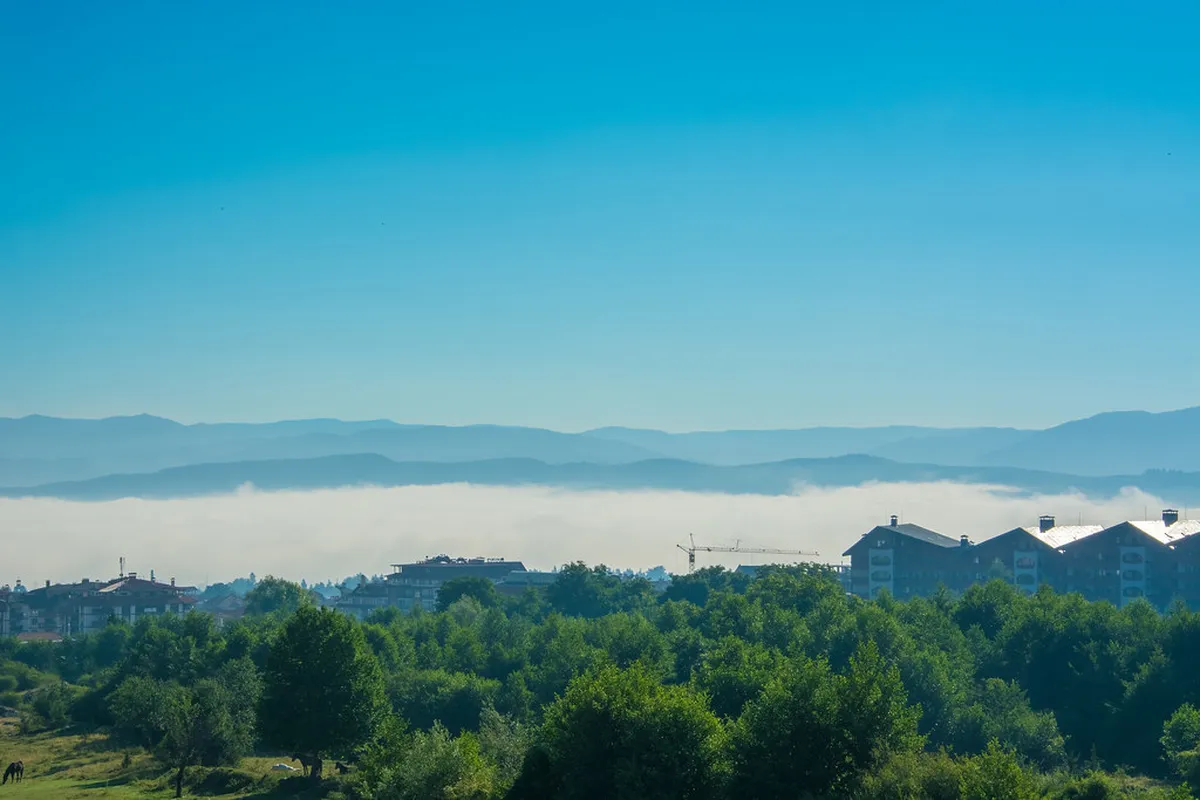
Last updated June 2026. While many travelers associate this Bulgarian town with winter sports, the warmer months reveal a vibrant mountain escape. The snowy slopes transform into lush green trails, and the town fills with remote workers and outdoor enthusiasts. Our team has reviewed the best ways to enjoy the off-season, from thermal springs to high-altitude adventures.
The energy in the streets changes significantly during the Bansko Nomad Fest each year. This event brings hundreds of visitors together, yet the surrounding wilderness remains peaceful and accessible for those seeking quiet. Understanding when to plan your trip involves looking past the ski season to find these unique summer windows. We recommend planning for at least a week to truly soak in the local atmosphere and mountain air.
This travel vlog captures the hiking and mountain scenery that defines Bansko's summer appeal:
Hiking in Pirin National Park
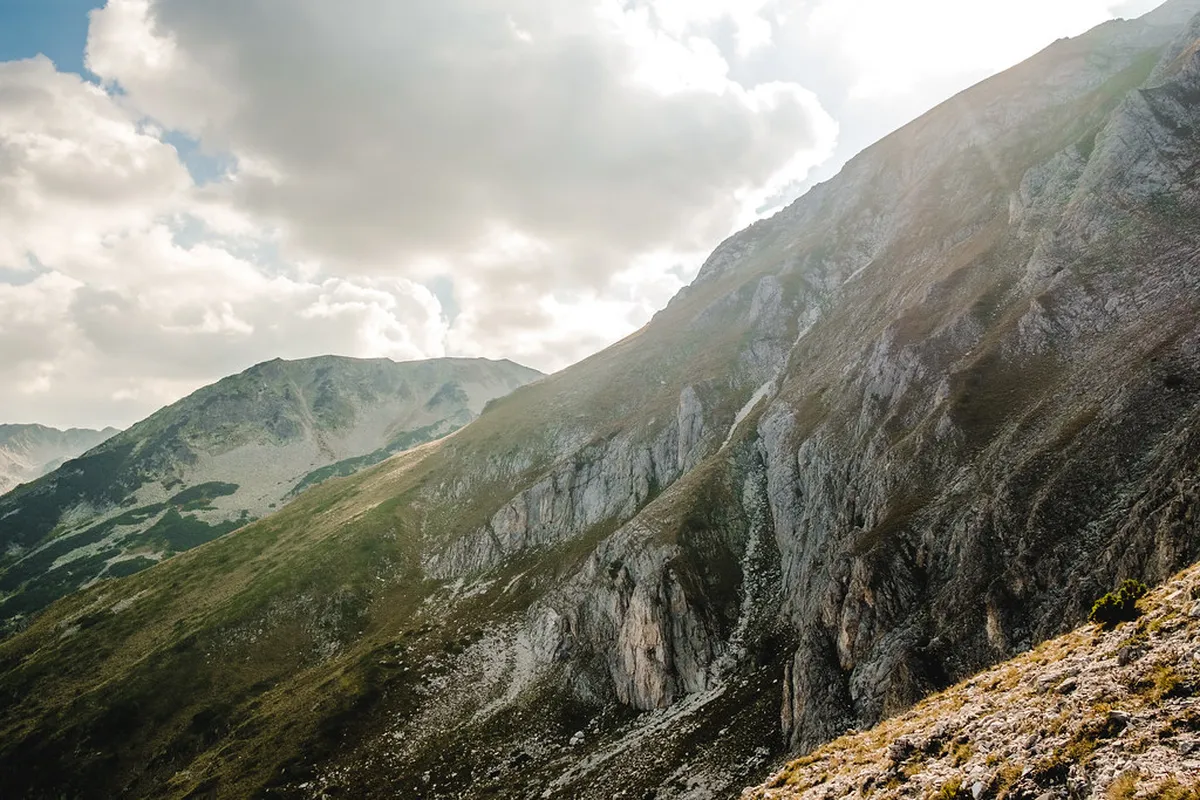
Hiking is the main reason most visitors come to Bansko in summer, and the Pirin Mountains deliver. The park contains over 100 peaks above 2,000 metres, dozens of glacial lakes, and trails that range from gentle forest walks to serious ridge scrambles. Late June through early September offers the best weather, though July and August bring crowds on the most popular routes — go on weekdays or aim for an early start before 08:00.
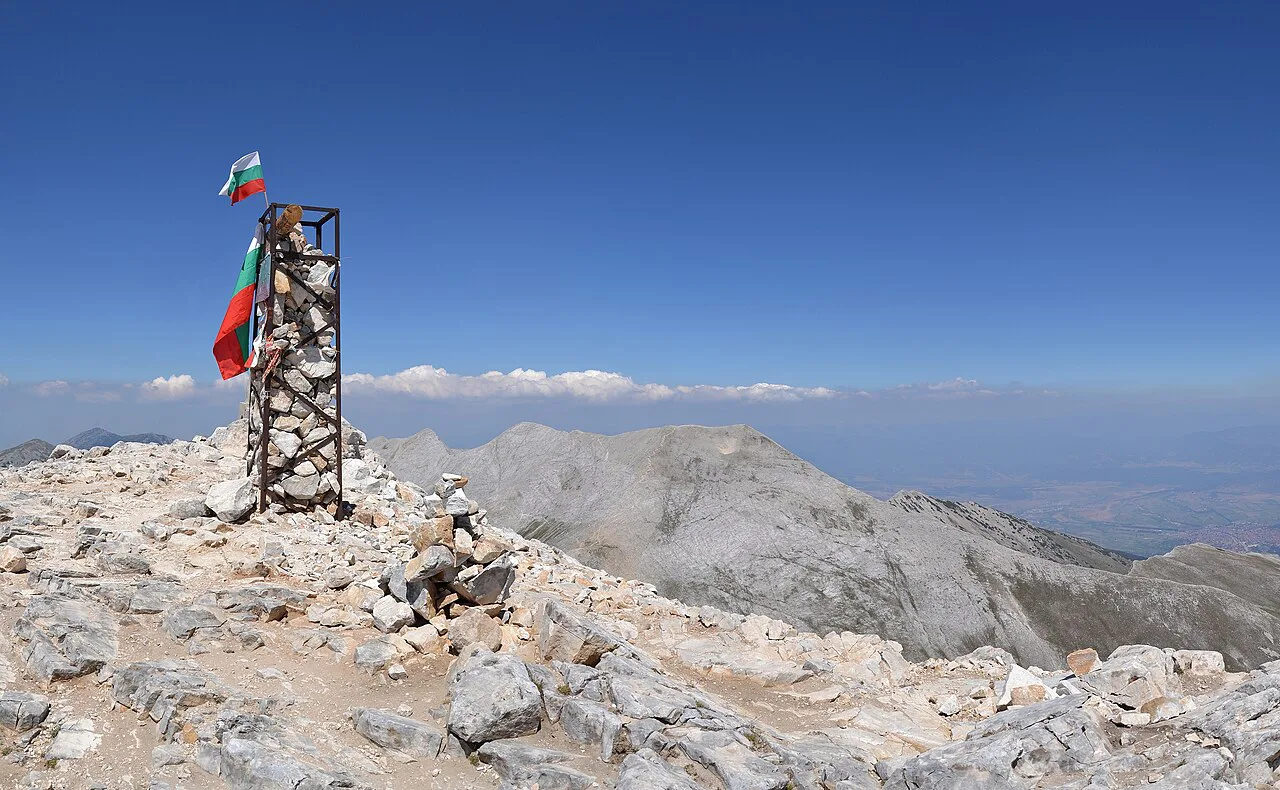
The most iconic objective is Vihren Peak at 2,914 metres, the highest point in the Pirin range. A taxi from the town center to the Vihren Hut trailhead costs approximately 15 euros one-way, or you can catch the bus from the main station at 08:30, 14:15, or 17:00. The roundtrip hike from the hut takes four to five hours and requires solid footwear — the final push crosses exposed limestone that stays slippery even in dry weather.
Every year on 1 July, locals and long-term residents hike to Vihren's summit before dawn to catch the sunrise. This tradition began along the Black Sea coast in the 1970s as a symbol of renewal and has since spread across the country. If you happen to be in Bansko on that date, joining the climb is one of the most genuine Bulgarian cultural experiences available to a visitor.
For a shorter outing, the St Nikola Waterfall hike starts right in town and can be done in under three hours. Families with children do well heading to Banderitsa Meadow via the gondola and exploring the easier trails around the huts, where both Banderitsa Hut and Vihren Hut serve food and drinks.
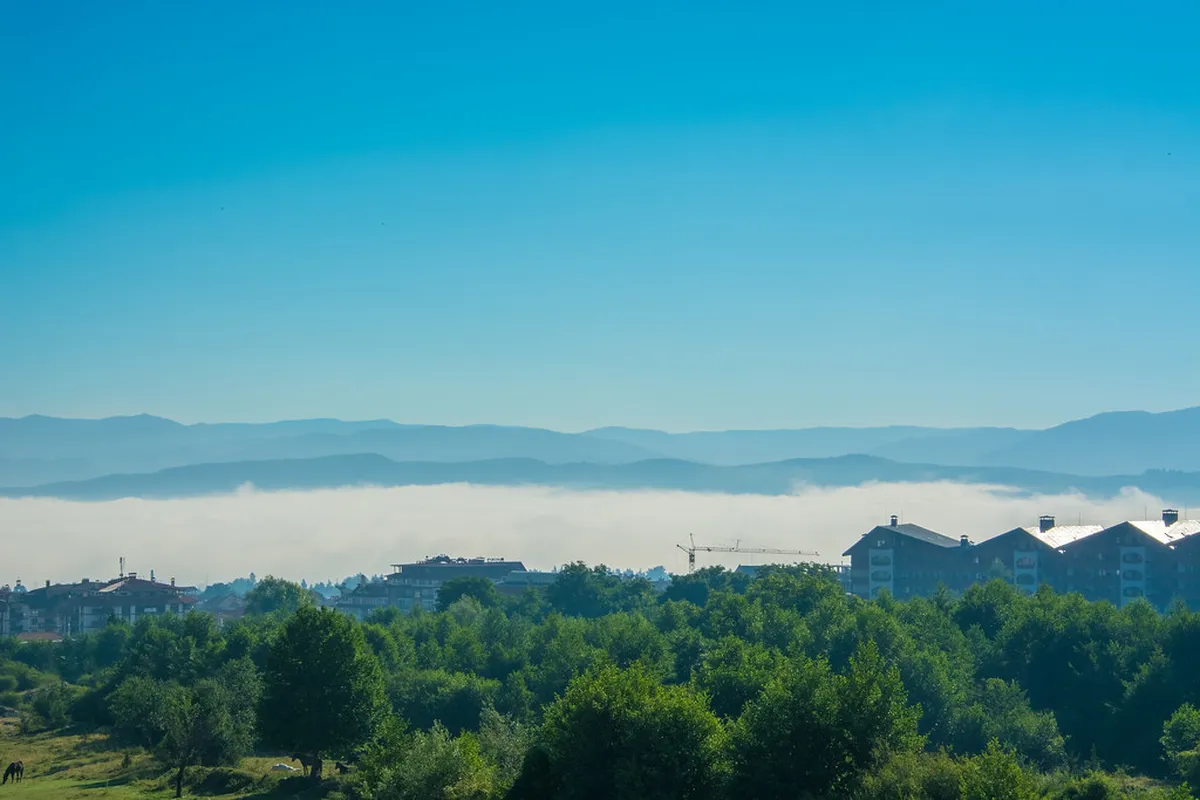
Summer weather in Bansko is generally warm and sunny with temperatures between 25°C and 30°C, but afternoons in the Pirin range frequently bring thunderstorms in July. Start high-altitude hikes by 08:00 and plan to be below the ridgeline by 13:00. Always carry a waterproof layer.
Cable Car and Kids' Activities in the Mountains
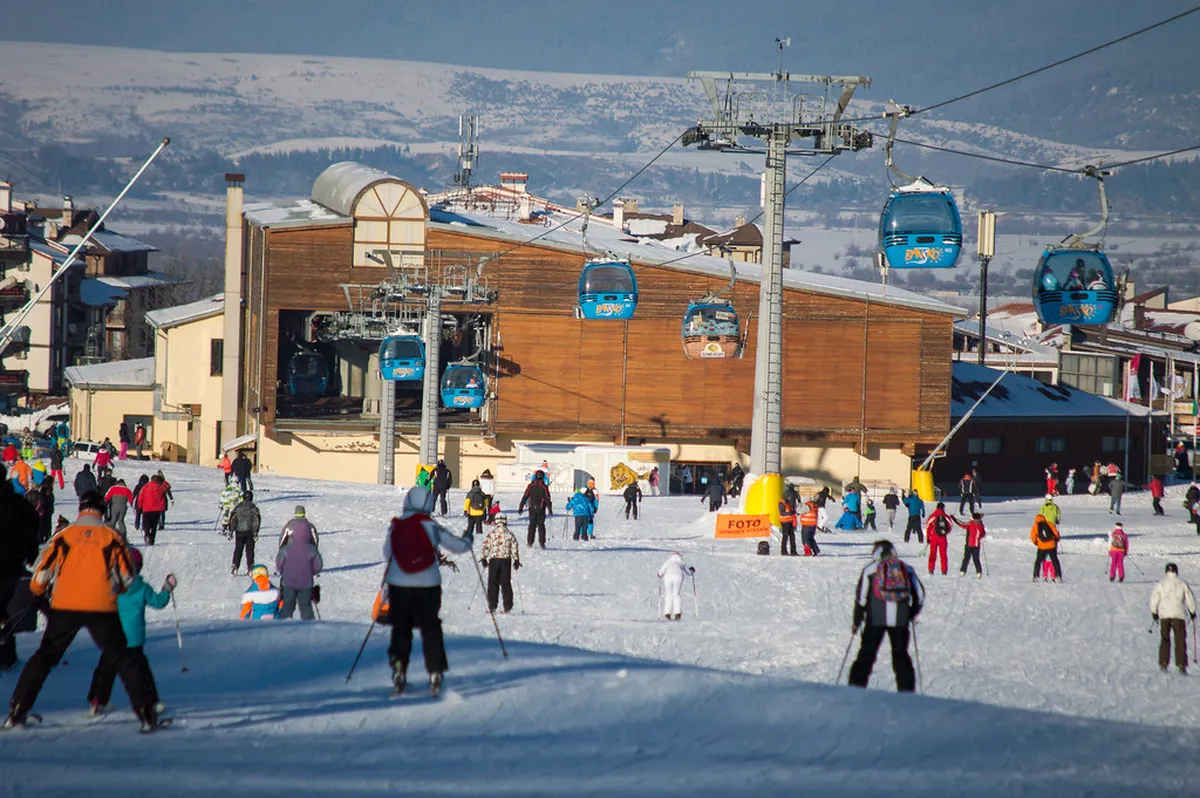
The main gondola lift runs from the base station on the edge of town up to Banderitsa Meadow, where most summer mountain activities are concentrated. The operating schedule changes between months, which catches many visitors off-guard. In June and September the gondola runs one trip up at 08:00 and one trip down at 16:30 on weekdays only. In July and August it operates daily from 08:30 to 16:30. Always verify the current schedule at the ticket office before planning a day on the mountain, as these hours shift slightly year to year.
At Banderitsa Meadow you will find a cluster of summer attractions alongside the hiking trailheads. There is adventure golf, tube slides, and a bag jump that keep younger visitors occupied while adults plan their routes. The gondola ticket can be bundled with ride passes at a small discount — an adult combo covering a return gondola ride, one water slide run, and five tube or bag jump rides costs around 50 BGN.
Families with toddlers or anyone who is not planning to hike can still make good use of the gondola. The meadow itself is flat, scenic, and at a comfortable altitude for a picnic. The huts at Banderitsa serve traditional Bulgarian food and cold drinks, so you do not need to carry a full pack for a casual day up.
Ride Europe's Longest Water Slide
At the top of the gondola on Banderitsa Meadow, a 400-metre inflatable water slide runs down the slope of the former Tomba black run. The descent is steep enough that you pick up considerable speed, and the water hits your face hard — it is not as gentle as it looks from below. This is Europe's longest inflatable water slide by distance, and it operates during the peak summer months from roughly 10:00 to 16:00 in July and August.
Tickets for one run cost approximately 15 BGN for adults and 10 BGN for children when purchased separately. Buying as part of the bundled gondola package works out cheaper if you are also planning to use the tube slides or bag jump nearby. The slide is accessible only via the gondola, so factor in the gondola ticket cost when budgeting for the day.
The water slide area is one of the best reasons to ride the gondola even if you are not a hiker. Combined with the alpine golf course and children's play zone, the meadow becomes a half-day outing for families. We recommend arriving when the gondola opens to beat the queues that build by late morning on weekends.
The Belitsa Dancing Bear Park Sanctuary
The Belitsa Bear Sanctuary sits about 33 kilometres from Bansko and is one of the most worthwhile half-day trips from the town. The park was established to provide a natural habitat for brown bears formerly kept as street performers — a practice known as dancing bears that was common in Bulgaria until it was banned in 1998. These bears cannot be returned to the wild because they were taken from their mothers as cubs and never learned survival instincts.
Walking through the sanctuary, you see large forested enclosures where the bears forage, swim, and behave as bears naturally should. The contrast with their former lives as chained street attractions is stark and the information boards explain the rescue history of each animal. Entry costs approximately 5 euros per adult, children are cheaper, and the park is open daily from 10:00. The bears hibernate in winter, so this is strictly a summer and autumn experience.
Getting there requires a car or a taxi since public transport to Belitsa is unreliable. The drive takes about 45 minutes through forested mountain roads. Many visitors combine the sanctuary with a stop at the Rila Fun Park nearby, which features an alpine coaster through the trees — individual rides cost about 8 euros, and multi-ride passes offer better value for groups.
Exploring Culture in the Historic Old Town
The heart of Bansko lies within the 10 Must-See Gems in Bansko Old Town (2026) – A Local Guide, where 18th-century stone houses line cobblestone lanes. These structures were built as fortified family compounds during a turbulent period of Ottoman rule, with massive wooden gates and thick walls that once protected entire extended families. The architecture belongs to the Bulgarian National Revival period and is remarkably intact given the town's commercial development elsewhere.
The Holy Trinity Church on Pirin Street is the most prominent landmark. Its high clock tower is visible from most of the town, and the interior contains detailed wood carvings and frescoes typical of the Revival period. Entry is free, and the church grounds offer a shaded, cool pause on a hot afternoon. The adjacent square is where most of the mehanas cluster — these traditional taverns serve grilled meats, shopska salad, and cold Bulgarian beer at prices well below what you would pay in Sofia.
Art lovers should seek out the small galleries scattered through the old district. Local painters frequently capture the jagged Pirin peaks in oils and watercolours, and prices are modest. Every Sunday morning a farmers' market sets up near the entrance to the old town by around 08:00 and winds down by 14:00. You will find local pine honey, handmade pottery, fresh vegetables, jams, cheeses, and homemade peanut butter — a surprisingly popular item among the nomad community who shop here weekly.
Thermal Hot Springs in Banya
The village of Banya sits five kilometres from Bansko and is known throughout Bulgaria for its mineral water springs. Several spa complexes draw the water into both hot pools and cool outdoor pools, which makes them useful in summer even on warm days — the evening sessions in particular are pleasant when the air cools. Day passes at most facilities range from 10 to 18 euros per adult, with discounted rates for children and late-afternoon entry windows.
Villa Victoria is a reliable midrange option with an outdoor heated pool, a jacuzzi section, a children's pool, and a full indoor spa including sauna and steam room. Entry costs around 20 BGN (approximately 10 euros) per person. The on-site restaurant serves reasonably priced Bulgarian food, making it a logical dinner stop after an afternoon soak. The Regnum complex offers a larger cold outdoor pool with loungers and a bar, which suits families who want a pool day without paying resort prices.
We recommend visiting on a Tuesday or Wednesday morning if you want a quieter experience. Saturday afternoons draw large crowds from Sofia and nearby towns, and the pools fill quickly. A post-hike soak on a weekday evening is the local rhythm that most short-stay visitors miss entirely.
Summer Festivals: Nomad Fest and Jazz in the Old Town
Two distinct festivals animate Bansko across the summer months, each drawing a different type of visitor. Bansko Nomad Fest takes place at the end of June or the first days of July each year. In 2026 the event is expected to gather over 1,000 participants from across Europe and beyond. The programme includes workshops, networking sessions, sports activities, and evening events spread across the town's coworking spaces and outdoor venues. If you are a remote worker curious about the lifestyle, attending Nomad Fest is the single fastest way to understand why so many people extend a planned two-week stay into two months.
The Bansko International Jazz Festival runs in August, typically over several evenings. Musicians perform in the streets and squares of the old town, and the atmosphere is relaxed and free-spirited. Unlike Nomad Fest, which skews young and tech-focused, the Jazz Festival draws a broader mix of Bulgarians and international visitors. Arriving without a reservation for either festival week is risky — accommodation books out months in advance, especially the apartments close to the old town.
Outside these peak weeks, the coworking scene continues to give Bansko an unusually lively pulse for a town of 12,000 people. Spaces like Nestwork and Coworking Bansko stay busy through July and August, and the community boards in these venues are the best source of spontaneous hiking groups, surf trips to the Black Sea, and shared car rides to Melnik for wine tasting.
Best Day Trips from Bansko in Summer
Rila Monastery Visitor Guide is the most visited day trip from Bansko and deservedly so. This 10th-century UNESCO World Heritage Site sits roughly 100 kilometres away in the neighbouring Rila Mountains. The drive takes about 90 minutes each way. Organized tours run for around 35 euros per person and typically include a brief stop in the town of Rila before arriving at the monastery complex. Entry to the monastery grounds is free, though the museum inside charges a small separate ticket. Dress modestly — shoulders and knees should be covered out of respect for the active religious community.
Melnik and its wine country lies about 90 minutes southwest and makes for an excellent contrast to the mountain scenery. The town itself is Bulgaria's smallest by population, built into dramatic sandstone pyramids. Villa Melnik, Rupel Winery, and Sintica Winery all offer tastings in garden settings that overlook the vine-covered hillsides. Day tours from Bansko to Melnik cost around 35 euros per person and usually stop at the sandstone formations before reaching the wineries. If you prefer more time tasting and less time in transit, hiring a taxi for the day gives you flexibility to linger.
White-water rafting on the Struma River through the Kresna Gorge is a half-day adventure that suits those who want something different from hiking. The gorge section covers roughly 13 rapids and is accessible via a guided trip from Krupnik, about 45 minutes from Bansko. The experience is suitable for beginners and gets you into Bulgarian wilderness that most Bansko visitors never see.
Logistics: How to Get from Sofia to Bansko
Bansko sits approximately 2.5 hours south of Sofia by car. The most comfortable option for groups is a private transfer, which costs roughly 60 euros per vehicle in summer — a significant discount compared to the 20-euros-per-person winter shuttle, which adds up quickly for a group. Private transfers can pick you up directly from Sofia Airport, which is useful if you arrive late. The How to Get from Sofia to Bansko guide covers all options in detail.
Public buses are the most economical choice. Departures from Sofia Central Bus Station run several times daily, the journey takes about three hours, and tickets are affordable. On summer weekends the buses fill quickly, so we recommend arriving at the station at least 15 minutes before departure. The route passes through the Rila foothills and offers good mountain views, particularly south of Samokov.
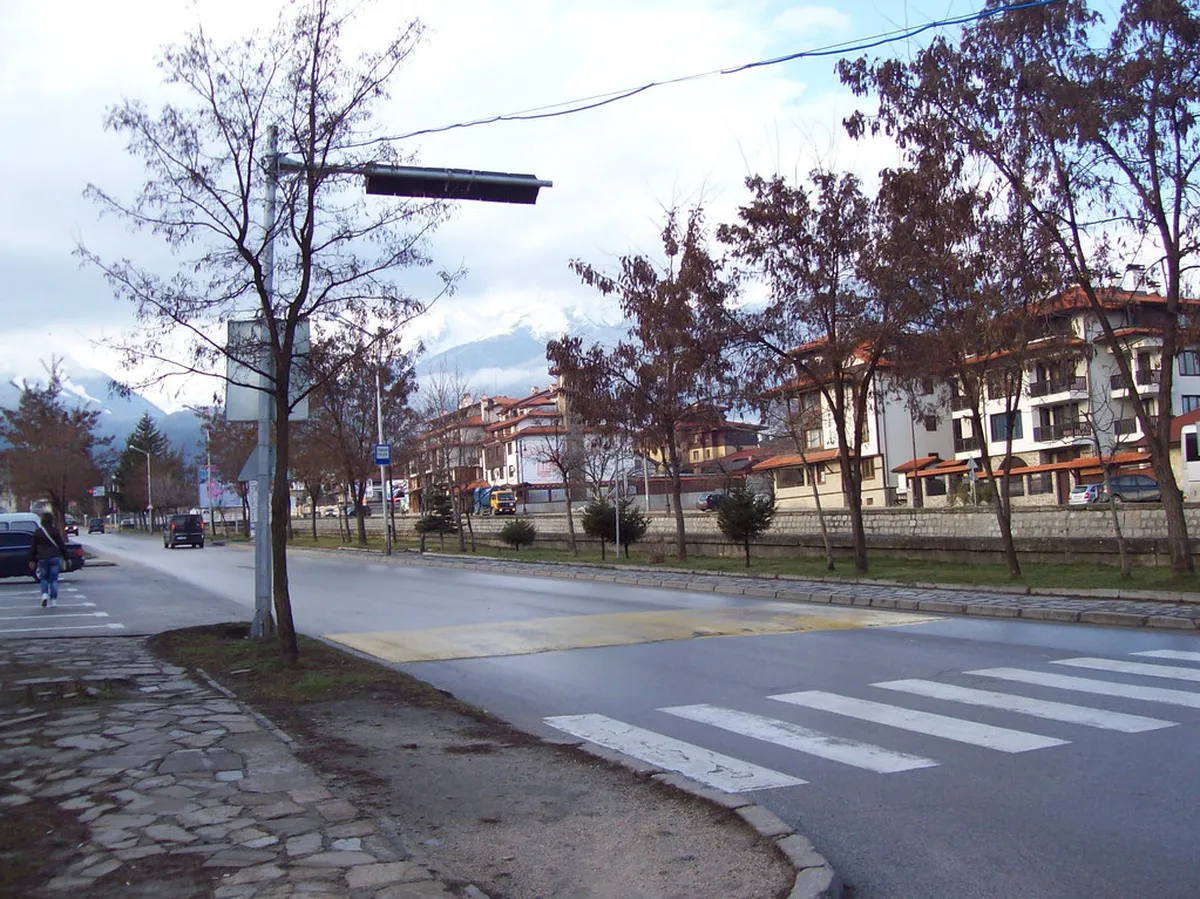
The town itself is easy to navigate on foot. You can walk from one end of the center to the other in about 30 minutes. For grocery shopping beyond the Sunday market, the Lidl in nearby Razlog is a 10-minute drive — the best option if you are renting an apartment for a week or more. Apartment rentals in the Bansko area typically start at around 130 euros per month for longer stays, with one-bedroom options available from about 22 to 25 euros per day for short stays.
Pricing for activities remains low compared to Alpine resorts. Budget meals with drinks cost roughly 5 to 6 euros at local spots away from the main pedestrian street. Check the Bansko Ski Resort Summer Attractions page for the latest gondola and water slide operating dates before your trip.
Mountain Biking, ATV Tours, and Rock Climbing
Mountain biking has grown significantly in Bansko over the past few years. Several rental shops in town offer bikes for 25 to 40 euros per day, and trail options span from easy valley paths along the river to demanding descents through pine forest. Using the gondola to reach the upper trails and riding down is a popular choice for intermediate riders. E-bike enduro tours have also become a regular offering, which opens the technical terrain to a wider range of fitness levels. The 13 Essential Tips and Trails for Hiking in Bansko covers terrain that often overlaps with bike routes, so be alert for foot traffic on shared paths.
ATV tours are widely advertised around the town center. Companies such as Traventuria and Off-Road Bansko run half-day excursions into the Pirin foothills that reach terrain inaccessible on foot or by bike. Tours are private by default, which makes them work well for couples or small groups. Expect to pay in the range of 50 to 80 euros per person depending on duration. The trade-off is noise and environmental impact — ATVs on shared mountain trails disturb the quiet that draws most people to the Pirin in the first place. If the mountain scenery is your primary goal, mountain biking delivers a similar adrenaline return with less disruption.
Rock climbing is a less-publicised but well-supported activity in Bansko. Summer is the safest season for beginners because the limestone routes dry out fully and temperatures are manageable. Several local operators and sports clubs run guided climbing trips into the Pirin for groups who want instruction before heading onto the rock. Ask at your accommodation for current contacts — the roster of active guides changes each season.
Catch Your Own Dinner at Kralev Dvor
Kralev Dvor is a fish farm and restaurant on the edge of Bansko where you can catch your own trout in a managed pond and have it grilled immediately at the table. The concept works well for families because children can participate in catching the fish in a controlled setting, and there is no minimum catch requirement. A full meal including the fish costs around 12 euros, which is fair value given the setting and the freshness of the food.
The garden setting is peaceful and shaded, which makes it a good option for a long lunch on a hot day when you want to stay out of the midday sun. Bulgarian salads, bread, and local wine round out the menu alongside the trout. It is not a tourist trap — local families use the spot regularly on weekends, and the portions are generous.
Continue planning: Use 12 Best Things to Do in Bansko and 4-Day Bansko Itinerary for First-Time Visitors to connect this guide with the rest of your Bulgaria itinerary.
Frequently Asked Questions
Is Bansko worth visiting in the summer?
Yes, Bansko is excellent in summer for hiking, mountain biking, and affordable living. The town is lively due to the digital nomad community and offers much lower prices than winter. You can enjoy the Pirin National Park without the ski crowds.
How do I get from Sofia to Bansko in summer?
The most common way is by bus from the Sofia Central Bus Station, taking about 3 hours. Private transfers cost around 60 euros and are faster. You can also rent a car for more flexibility to visit nearby Rila.
What is the weather like in Bansko during summer?
Summer weather is generally warm and sunny with temperatures between 25°C and 30°C. Evenings in the mountains can be cool, so bring a light jacket. Thunderstorms are common in the late afternoon during July.
Bansko in summer offers a rare combination of high-altitude adventure and affordable European culture. Whether you are trekking to Vihren Peak on July 1st or soaking in Banya's thermal waters on a quiet Tuesday evening, the region provides endless variety without the price tags of comparable Alpine destinations. We encourage you to explore the Tours Bulgaria blog for more regional travel inspiration and to check out the Bulgaria’s best ski resorts if you are planning a return trip in winter. The memories of a Pirin summer often last far longer than a standard beach holiday.