Regional Historical Museum Burgas (History Exposition) Visitor Guide
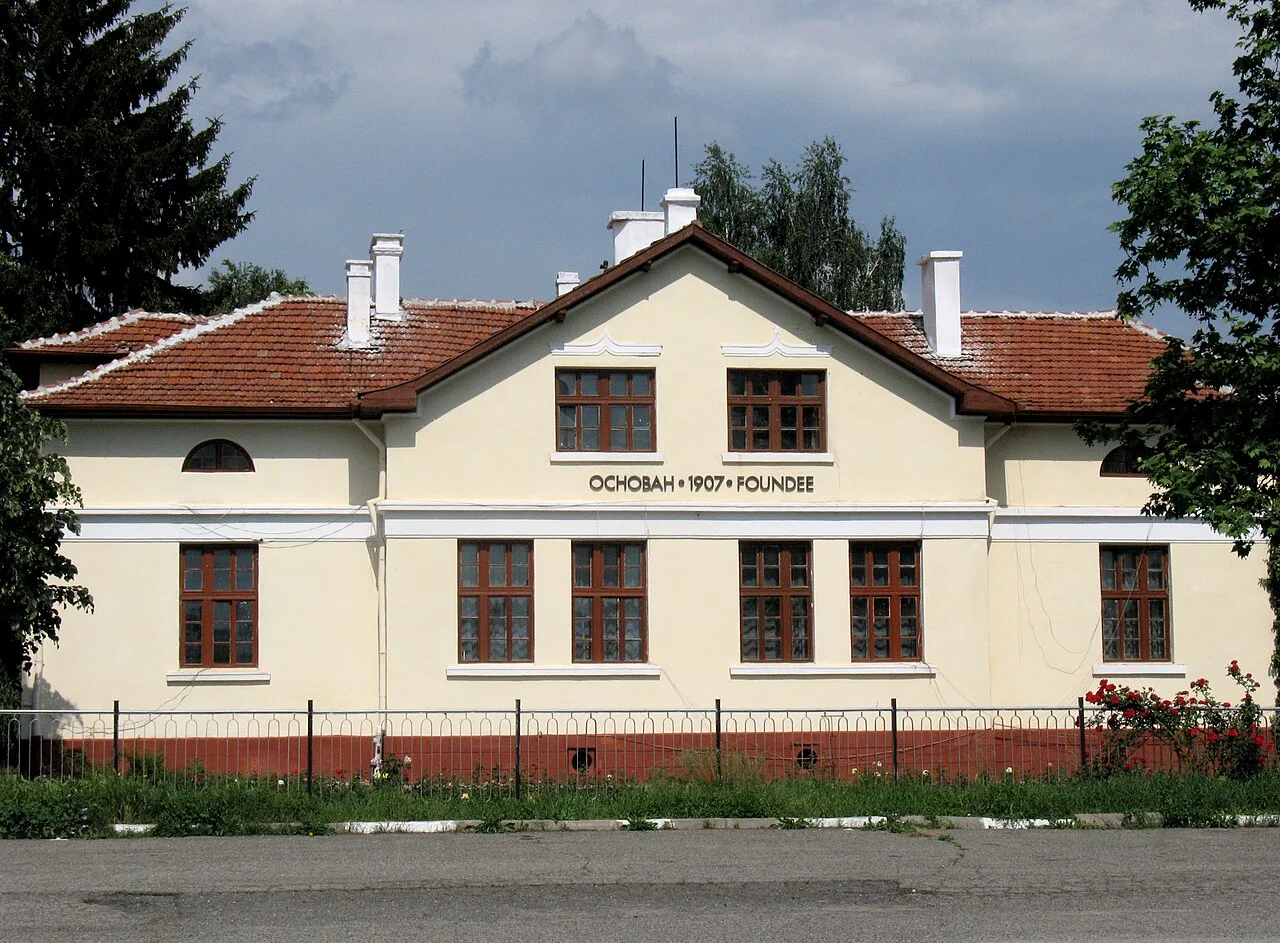
Burgas has four separate branches of its Regional Historical Museum, and the History Exposition is the one that tells the story of the city itself - from Ottoman-era backwater to Black Sea port, through the National Revival and Bulgaria's 1878 liberation into the early 20th century. It occupies a restored 1901 merchant's house on Lermontov Street, not the archaeological, ethnographic, or natural history branches elsewhere in town.
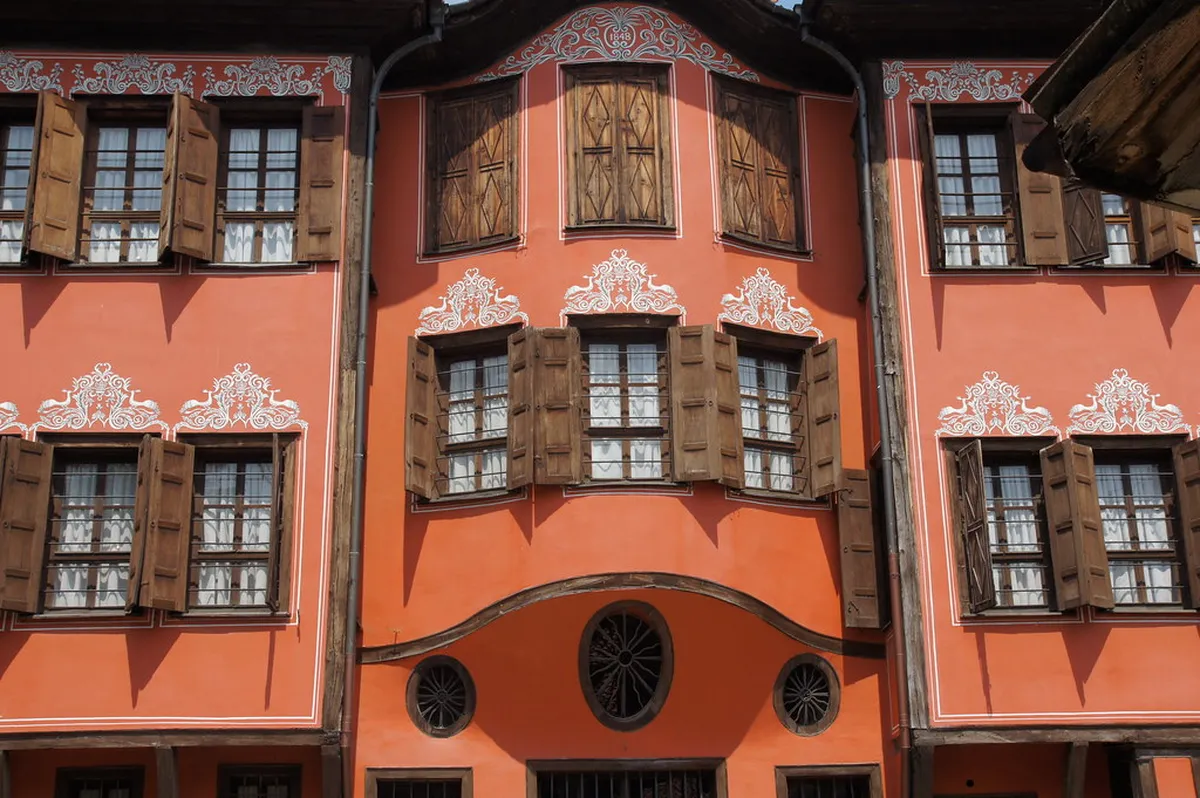
The building alone is worth the visit: a neoclassical town house built for the Greek grain trader Achilles Ioannidis and converted into a museum in 1981. Rooms move chronologically through Revival-era life, the Russo-Turkish War, and the city's rapid modernization, with an Icon Hall and a courtyard installation few visitors expect from a regional history museum. This guide covers hours, tickets, what's on display in 2026, and how to fit the exposition into a day out in Burgas Attractions.
Overview of the History Exposition in Burgas
The Regional Historical Museum - Burgas runs four separate expositions across the city, easy to mix up since the same institutional name covers all four. The History Exposition, at 31 Lermontov Street, is the one built around the city's 19th- and early-20th-century story, separate from the Archaeological Exposition on Bogoridi Street, the Ethnographic Exposition on Slavianska Street, and the Natural History Exposition on Fotinov Street.
Inside, the exhibits trace Burgas's transformation from a minor Ottoman fishing settlement into a major maritime and rail hub after Bulgarian liberation in 1878. Documents, photographs, weapons, and personal effects follow that arc, with a dedicated room for the Burgas 24th Infantry Regiment alongside the city's rapid early-20th-century growth around its port and railway.
Because the exposition sits inside a preserved home rather than a purpose-built gallery, the rooms are small and organized like a house tour - expect roughly 45 minutes to an hour, longer if you read every caption. Burgas's identity as a 20th-century boomtown comes through here in a way the coastal beaches don't show.
Key Exhibits: From the Liberation Struggle to Modernity
The ground-floor rooms cover the liberation period first: weapons and uniforms from the Russo-Turkish War of 1877-78, tactical maps, and personal stories of local figures in Bulgaria's independence struggle. A neighboring room covers the Burgas 24th Infantry Regiment, extending the military history into the early 20th century.
A second sequence of rooms covers the Bulgarian National Revival - the decades of growth in education, printing, and religious life that preceded liberation. Old manuscripts, early schoolbooks, and household items sit alongside photographs of the port's construction and the first railway lines, which turned Burgas into one of the coast's busiest Bulgarian ports by 1913.
Two exhibits stand out from the standard liberation-to-modernity narrative. Upstairs, the Icon Hall holds Revival-era icons from the Tryavna school, one of Bulgaria's best-known icon-painting traditions. In the courtyard, the Wall of Letters presents eleven different ancient writing systems - from cuneiform to Cyrillic - a small but genuinely unusual display that most visitors don't expect from a city history museum.
- What's on display, room by room
- Ground floor: Russo-Turkish War weapons, uniforms, and liberation-era documents
- Ground floor: Burgas 24th Infantry Regiment room
- National Revival rooms: manuscripts, early schoolbooks, port and railway photographs (1860s-1913)
- Upper floor: Icon Hall, Tryavna-school Revival-era icons
- Courtyard: Wall of Letters, eleven scripts from cuneiform to Cyrillic
Essential Visitor Information: Hours and Location
The History Exposition is at 31 Lermontov Street, in the same central grid as Burgas's main pedestrian zones - an easy five-minute walk from the St. Cyril and Methodius Cathedral, simple to pair with a morning of old-town sightseeing.
All four branches of the Regional Historical Museum, including the History Exposition, keep the same schedule: open daily from 10:00 to 18:00, with no seasonal shortening and no weekly closing day. That's worth confirming directly on the Regional Historical Museum Burgas Official Site before a public holiday, when hours can occasionally shift.
Budget around 45 to 60 minutes for a normal visit. Staff at the entrance desk can answer basic questions about the exhibits and can flag which rooms sit on the upper floor if mobility is a concern before you start.
How to Book Tickets and Online Reservations
Standard admission is 3.00 EUR (5.87 BGN) for adults and 1.50 EUR (2.93 BGN) for students with valid ID and seniors aged 63 and over. A single-exposition family ticket costs 5.00 EUR (9.78 BGN). Children under 7 and visitors with disabilities enter free.
Because the museum network sells combined tickets, it's usually worth paying for more than one branch if the Archaeological or Ethnographic expositions interest you too: 4.60 EUR (9.00 BGN) covers two branches, 6.00 EUR (11.73 BGN) covers three, and 9.00 EUR (17.60 BGN) covers all four, with a 10.00 EUR (19.56 BGN) family ticket for the full set. Buy at the desk with cash or card, or in advance via the GoToBurgas Official Tourism Portal.
One common mix-up: the GoToBurgas portal and the museum's own site list each exposition separately, so searching only "Regional Historical Museum" can land you on the Ethnographic or Archaeological ticket page instead of the History Exposition. Search "History Exposition" or the Lermontov Street address to book the right one.
For larger groups - school trips, coach tours, or more than five or six people - message the museum through its official site in advance with your date, time, and headcount, so staff can prepare the smaller rooms. Guided tours can be arranged the same way; book a few days ahead in peak summer.
Visitor Rules, Safety, and Accessibility
Standard house-museum rules apply: no touching artifacts or cases, no food or drink in the exhibition rooms, and large bags go in the cloakroom near the entrance. Photography is generally allowed without flash, since flash can damage paper documents and Revival-era textiles over time.
Accessibility is genuinely mixed here. The ground floor - the Russo-Turkish War and National Revival rooms - is accessible for visitors with limited mobility. The Icon Hall, though, sits on the upper floor of the 1901 building and is reached only by the original staircase; there's no lift. Visitors who can't manage stairs should ask at the entrance desk, since staff can usually show photographs of the Tryavna icons on request rather than skip the collection entirely.
One detail worth knowing: visitors with disabilities enter completely free, not just at a discount, across all four branches of the Regional Historical Museum - a policy that's easy to miss since most listings only mention the student and senior discounts.
The Thracian Connection and Regional Context
It's worth being clear about what the History Exposition does not cover: Thracian gold, pottery, and burial goods from the wider region live in the Archaeological Exposition on Bogoridi Street, not here. The History Exposition's story starts around the Ottoman period and the 1860s, centuries after the Thracian era it's sometimes confused with.
If Thracian and Roman history is what you're after, pair this visit with the Archaeological Exposition or with the 7 Key Insights for the Aquae Calidae Thermal Complex Visitor Guide just outside the city, where Thracian, Roman, and Ottoman-era bathing structures sit layered around the same mineral springs - a much longer view of the region than the History Exposition alone provides.
Regional Bulgarian museums have been investing in modern display cases and lighting for their treasure collections in recent years, and the Burgas Archaeological Exposition shows better-lit vitrines than a decade ago. The History Exposition's own displays stay simpler - glass cases and wall panels suited to documents and textiles rather than gold - which fits what it's actually showing.
Exploring Other Branches of the Regional Historical Museum
The Regional Historical Museum - Burgas runs four expositions in four different buildings, each with its own focus and each keeping the same daily 10:00-18:00 schedule. Buying a combined ticket only makes sense if you plan to visit more than one on the same trip, so it helps to know what each branch actually covers before you decide.
- Branch-by-branch comparison
- History Exposition: 31 Lermontov Street; National Revival, liberation struggle, and early-20th-century Burgas; the branch covered in this guide
- Archaeological Exposition: 21 Bogoridi Street; Thracian, Greek, and Roman finds from the wider Burgas region
- Ethnographic Exposition: 69 Slavianska Street; traditional Bulgarian Black Sea coast costumes, crafts, and folk life
- Natural History Exposition: 30 Fotinov Street; regional flora, fauna, and geology, well suited to children
All four are covered by the same combined-ticket structure - 4.60 EUR for two branches, 6.00 EUR for three, 9.00 EUR for all four - so a family splitting a day between the History Exposition and the Ethnographic Museum Burgas Visitor Guide pays less per branch than visiting each on a separate day.
Expert Tips for an Optimal Museum Experience
Timing matters more here than at most Burgas attractions, because the rooms are small. Burgas is a regular Black Sea cruise stop, and shore excursions often route large groups through the central museums in late morning; arriving right at 10:00 opening or after 16:00 usually means the National Revival rooms and Icon Hall largely to yourself instead of a coach group. Weekdays in the school term are quieter than weekends year-round.
![Nessebar - Holy Archangels Church [13th century] in Burgas, Bulgaria](https://toursbulgaria.com/images/regional-history-museum-burgas-expert-tips-for-an-optimal-museum-ex.webp)
On foot from the Sea Garden Burgas Visitor Guide, head into the city center on Bogoridi Street, then turn onto Lermontov Street - about a ten-minute walk past cafes and shopfronts before you reach number 31.
The four-branch combined ticket (up to 9.00 EUR) covers only the museum network; it doesn't extend to unrelated sites like St. Anastasia Island Visitor Guide, priced and booked separately. The two pair well in one day - the History Exposition in the morning, then a short boat trip to the island in the afternoon, since both starting points sit near the Sea Garden.
Continue planning: Use Burgas Attractions: 10 Best Things to Do in 2026 to connect this guide with the rest of your Bulgaria itinerary.
Frequently Asked Questions
How much do tickets to the History Museum in Burgas cost in 2026?
Admission is 3.00 EUR (5.87 BGN) for adults, 1.50 EUR (2.93 BGN) for students with a valid ID and for seniors aged 63 and over, and 5.00 EUR (9.78 BGN) for a family ticket. Children under 7 and visitors with disabilities enter free, per the official Burgas museums price list.
What are the opening hours of the History Museum Burgas?
The official site lists all four Burgas Regional Historical Museum expositions, including the history exposition on Lermontov St., as open Monday to Sunday from 10:00 to 18:00.
Are Burgas museums free for seniors?
Not free, but discounted: seniors aged 63 and over pay a reduced ticket of 1.50 EUR (2.93 BGN) instead of the 3.00 EUR (5.87 BGN) adult price. Entry is fully free only for children under 7 and visitors with disabilities.
Is there a combined ticket for all four Burgas museum expositions?
Yes. The Regional Historical Museum Burgas sells combined tickets: 4.60 EUR (9.00 BGN) for two expositions, 6.00 EUR (11.73 BGN) for three, and 9.00 EUR (17.60 BGN) for all four. A family ticket covering all four costs 10.00 EUR (19.56 BGN).
What can you see at the History Exposition of the Regional Historical Museum Burgas?
Exhibits trace the history of Burgas through photographs, documents and artifacts - Revival-era development, the Burgas 24th Infantry Regiment and the city's early 20th-century modernization. The Icon Hall upstairs holds Revival-era icons of the Tryavna school, and the courtyard's Wall of Letters presents eleven ancient writing systems from cuneiform to Cyrillic.
What building houses the History Museum in Burgas?
A neoclassical town house at 31 Lermontov Street, built in 1901 for the Greek merchant Achilles Ioannidis and converted into a museum in 1981. The parent institution's roots go back to the Debelt archaeological society museum founded in 1912.
Can you just turn up to the History Museum in Burgas?
Yes - it is open daily from 10:00 to 18:00 and standard tickets cost 3.00 EUR (5.87 BGN), so no advance planning is required. Online tickets are also sold via the Go to Burgas ticket portal.
The History Exposition earns its place on a Burgas itinerary because it's specific: liberation-era weapons, National Revival documents, and two genuine surprises in the Icon Hall and courtyard Wall of Letters, inside a merchant's house over a century old. Pair it with another Regional Historical Museum branch on a combined ticket, or keep it to a single focused hour before moving on. Either way, know which of the four expositions you're buying a ticket for.
To verify current details, consult the Regional Historical Museum Burgas (History Exposition) on Wikipedia.
For more Burgas planning, read our Best Time to Visit Burgas: Weather & Seasons (2026) guide.