Pobiti Kamani (Stone Forest) Visitor Guide: Explore Varna
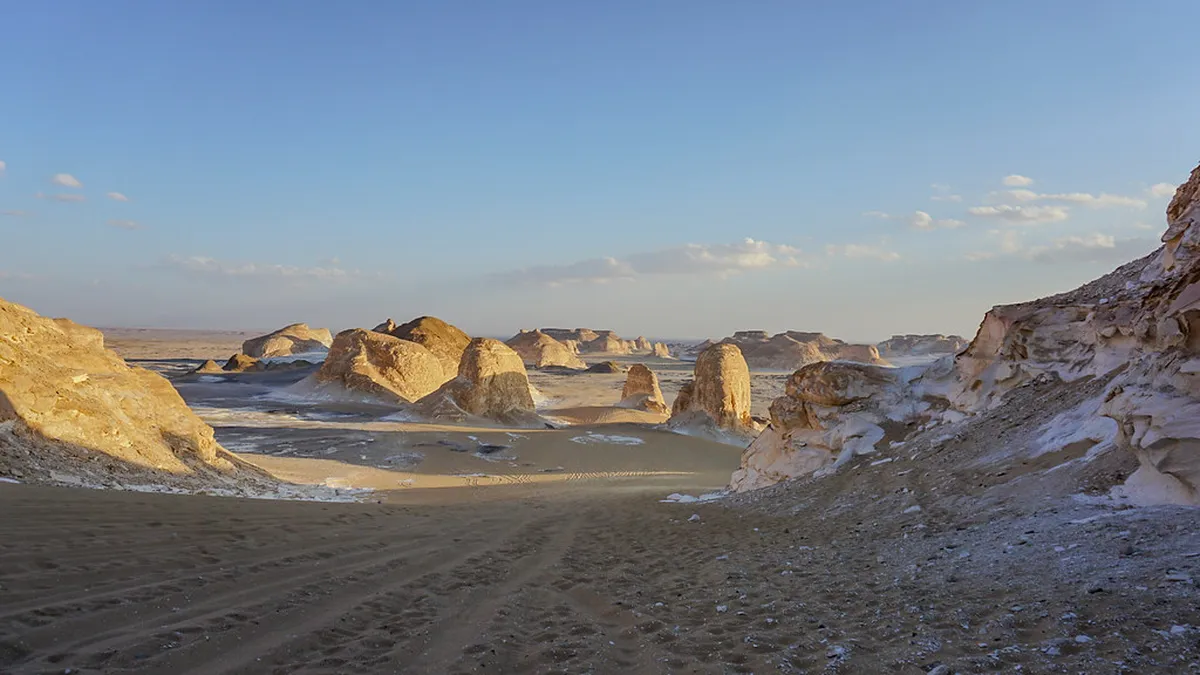
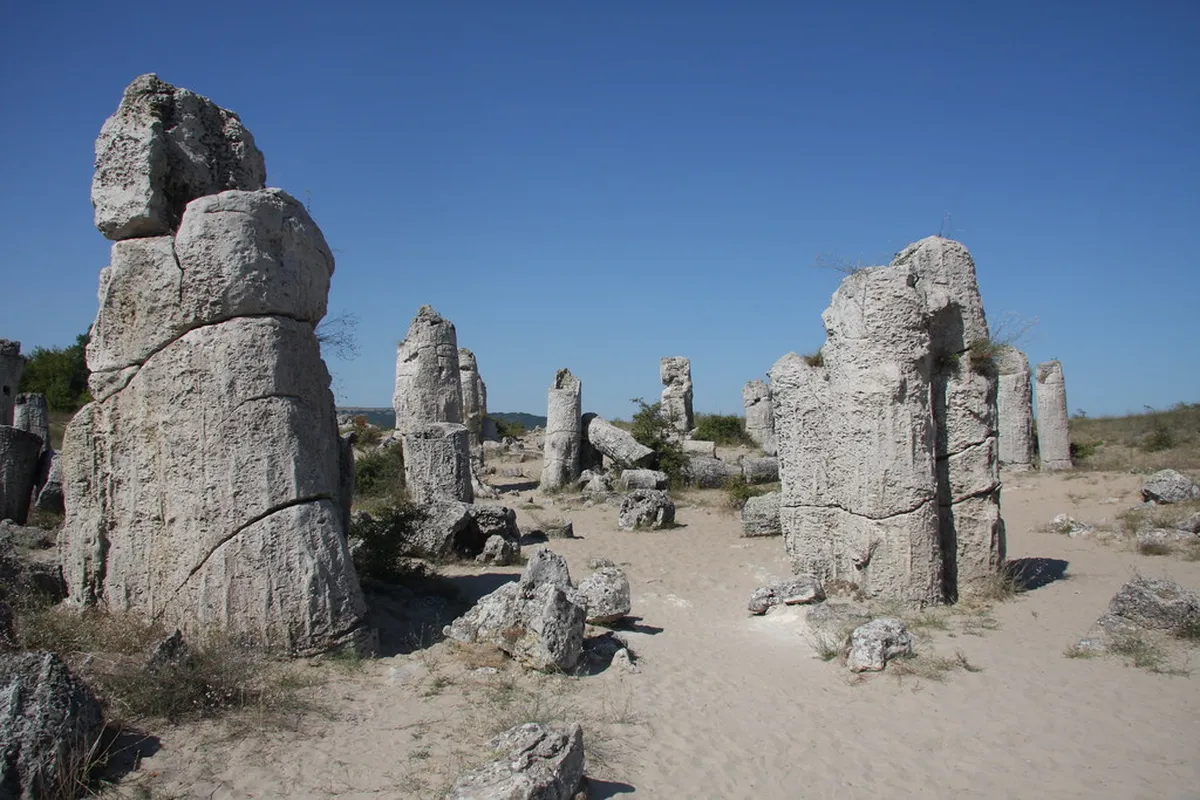
Pobiti Kamani stands as one of the most mysterious natural landmarks in the Balkan Peninsula. This unique desert-like landscape is situated just eighteen kilometers west of the vibrant coastal city of Varna, near the village of Slanchevo in Aksakovo Municipality. Visitors find themselves surrounded by roughly 300 stone columns, some reaching up to six meters into the sky. Our guide helps you navigate this ancient site to ensure a memorable and educational adventure in 2026.
Walking through the soft sand feels like stepping onto a different planet or an ancient seabed. The protected reserve spreads across several square kilometers and actually holds seven separate groups of natural limestone pillars, though only one is developed for visitors. Many travelers come for the quiet atmosphere and stunning photographic opportunities during sunset. Planning a trip here requires a bit of preparation regarding transport, tickets, and timing for the best experience.
See the distinctive stone columns and unique desert-like terrain in this video walkthrough:
Understanding the Mystery of the Stone Forest
Geologists spent much of the twentieth century debating the origin of these hollow stone columns, and the picture is far clearer today than the old "ancient coral reef" idea suggested. Current research points to an ancient hydrocarbon-seep system: roughly 50 million years ago, methane-bearing fluids rose through soft Lower Eocene sands and cemented the surrounding sediment into the tubular concretions you see today. The coral-reef theory has largely been set aside as more borehole samples confirmed the seep origin. The nearby Varna Archaeological Museum Visitor Guide offers more context about the wider prehistory of the region.
Local legends tell a different story involving giants and hidden treasures buried beneath the shifting sands. The site was considered sacred by ancient tribes long before geologists arrived with their theories. Preserving this delicate environment remains a priority for the museum staff and environmental groups who oversee it.
Pobiti Kamani was declared a protected natural landmark in 1938, one of the first such designations in Bulgaria, and it now sits within the Natura 2000 network and on UNESCO's Tentative List. The Varna Regional Museum of History manages the ticketed area and the wider research on the formation. The pillars themselves are hollow at the core, often filled with loose sand - further support for the gas-vent explanation.
How to Get to Pobiti Kamani from Varna
Driving a rental car or taking a taxi is the most convenient way to reach the main, ticketed group of stones. The journey takes about twenty minutes along the road toward Devnya, turning off near the village of Slanchevo in Aksakovo Municipality, roughly 18 km from central Varna. Parking is available directly at the entrance for a small fee, and the route is well signposted in both Bulgarian and English.
Public transport is possible but requires a short walk from the nearest stop. Bus 43 departs from the Varna city center and stops about two kilometers from the site. Carry plenty of water if you choose to walk during the warm summer months.
Taxis from Varna are a stress-free alternative for anyone who doesn't want to drive. Agree on a price beforehand, or ask the driver to wait, since return transport from the site is limited. Many local tour operators include the Stone Forest as a half-day stop on wider regional excursions.
Practical Visitor Information for 2026
As of 2026, adult admission costs 3.00 EUR (5.87 BGN); schoolchildren pay 2.00 EUR, and children under 7 enter free. Tickets are sold at the on-site office only, and prices are now quoted in euro first following Bulgaria's currency switch in January 2026. Opening hours change with the season: May-October runs Wednesday-Sunday 10:00-19:30; November drops to Wednesday-Sunday 10:00-17:00; January-April runs Tuesday-Saturday 10:00-18:00. December has no regular walk-up hours - the site opens only by prior request, so call or email the Varna Regional Museum of History ahead of a winter visit.
Spring and autumn provide the most comfortable temperatures for walking through the sandy terrain. July and August can turn extremely hot, often exceeding thirty degrees Celsius, with almost no natural shade anywhere on site. Visiting during the early morning or late afternoon helps you avoid the harshest sun. Combine your trip with a visit to the 10 Essential Tips for Your Aladzha Monastery Visitor Guide for a full day of history.
Wear comfortable closed-toe shoes to protect your feet from the hot sand and small pebbles. Sunscreen and a wide-brimmed hat are essential for anyone spending more than an hour outside. Facilities on-site are limited, so bring snacks and drinks to stay energized during your walk. A small souvenir stand near the entrance sells postcards and local crafts to remember your visit.
Must-See Stone Formations and Highlights
The main group of stones is the most impressive and well-preserved section of the ticketed area. Many pillars have been given names based on their unique shapes and silhouettes against the horizon. Exploration begins at the ticket office and follows a marked path through the tallest stone clusters, some reaching up to six meters. Looking for these specific shapes adds a fun element to the visit for families and children.
Within the enclosure, the pillars are loosely arranged into a handful of named highlights rather than one uniform field of rock. Some formations look like animals or mythical creatures depending on the angle of sunlight. Walking through the stones feels different from visiting the Roman Thermae Varna Visitor Guide in the city center - raw geology rather than restored ruins.
- The Center Group
- Height: up to six meters
- Access: very easy, flat marked path
- Feature: the tallest columns on site
- Time: about 40 minutes
- The Camel Rock
- Shape: animal silhouette
- Location: southern edge of the enclosure
- Photo: best at sunset
- Path: sandy trail
- The Magic Circle
- Type: stone ring
- Belief: said to bring luck
- Activity: a popular stop for quiet reflection
- Cost: included in general admission
The Seven Stone Groups Beyond the Main Site
The ticketed enclosure covered above is only one of seven recognized stone groups that make up the wider Pobiti Kamani formation, scattered across the land between Varna and Devnya. Older maps and academic papers still refer to the whole formation by its Ottoman-era name, Dikilitash, meaning roughly "standing stones" - a name that predates the modern Bulgarian one and still turns up regularly in geological literature on the site.
Only the main group near Slanchevo has a ticket office, marked paths, and facilities; that's the group this guide describes in detail. The other six groups sit on unfenced public and agricultural land further along the Devnya road corridor, free to enter, but with no signage, no parking area, and no staff on hand. Because they're unmarked, most first-time visitors never realize the protected reserve extends well beyond the fenced enclosure they paid to enter.
If you want to see one of the free auxiliary groups, ask the ticket office staff or contact the Varna Regional Museum of History for current access points before heading out - paths across the surrounding farmland shift from season to season, and some routes are easier to find with local guidance than with a map app alone.
Local Secrets and Common Visitor Mistakes
Many locals believe that walking barefoot within the stone circle helps recharge your personal energy. The sand is often clean and soft, making it a pleasant experience for your feet. Avoid visiting at midday when flat overhead light makes the stones look less dramatic in photos - golden hour brings out long shadows that emphasize their height and texture.
The main group's paths are flat, hard-packed sand and gravel, reasonably manageable for strollers and visitors with limited mobility - unlike the unmarked auxiliary groups, which have no paved access at all. Bring a charged camera battery, since the contrast between yellow sand and blue sky photographs unusually well.
Respect the environment by staying on the designated paths to prevent erosion of the sand dunes, and never take rocks from the site - it's strictly prohibited and enforced by museum staff. A common rookie mistake is assuming an hour is enough for the whole reserve; it's plenty for the main group, but budget more time if you're also chasing one of the free auxiliary clusters.
Continue planning: Use Varna Attractions: 10 Best Things to Do in 2026 to connect this guide with the rest of your Bulgaria itinerary.
Frequently Asked Questions
How much time should I spend at Pobiti Kamani?
Most visitors spend between one and two hours exploring the main stone groups. This allows enough time to walk through the central pillars, take photos, and visit the energy circle. Check out our guide to the 9 Essential Tips for Visiting the Dormition of the Mother of God Cathedral for more local sightseeing ideas after your desert visit.
Is the Stone Forest suitable for children?
Yes, children usually love exploring the sandy paths and looking for animal-shaped rocks. The open space provides a safe environment for walking and learning about nature. Parents should bring plenty of water and sun protection as the area is very exposed to the elements.
Can I visit Pobiti Kamani during the winter months?
The site remains open during winter, but the ticket office may have shorter operating hours. Winter visits offer a stark and beautiful landscape, though the wind can be quite cold. Wear warm layers and sturdy boots if you plan to visit between December and February.
Pobiti Kamani is a must-see destination for anyone interested in geology, protected landscapes, or unique natural beauty. Its Natura 2000 status and place on UNESCO's Tentative List reflect a formation that's still being studied, not just photographed. The proximity to Varna - and the seven groups' worth of stones scattered around it - make it easy to turn a quick stop into a longer detour. After your desert adventure, relax in the lush Sea Garden Varna Visitor Guide by the coast.
Respecting the site's rules ensures this formation remains intact for future visitors. Share your photos and stories to help others discover this corner of Bulgaria. Plan your 2026 trip with the current euro pricing and seasonal hours in mind, and you'll get the most out of the Stone Forest in person.
For the latest official information, see the Pobiti Kamani (Stone Forest) official site and Pobiti Kamani (Stone Forest) on Wikipedia.