Roman Thermae Varna Visitor Guide
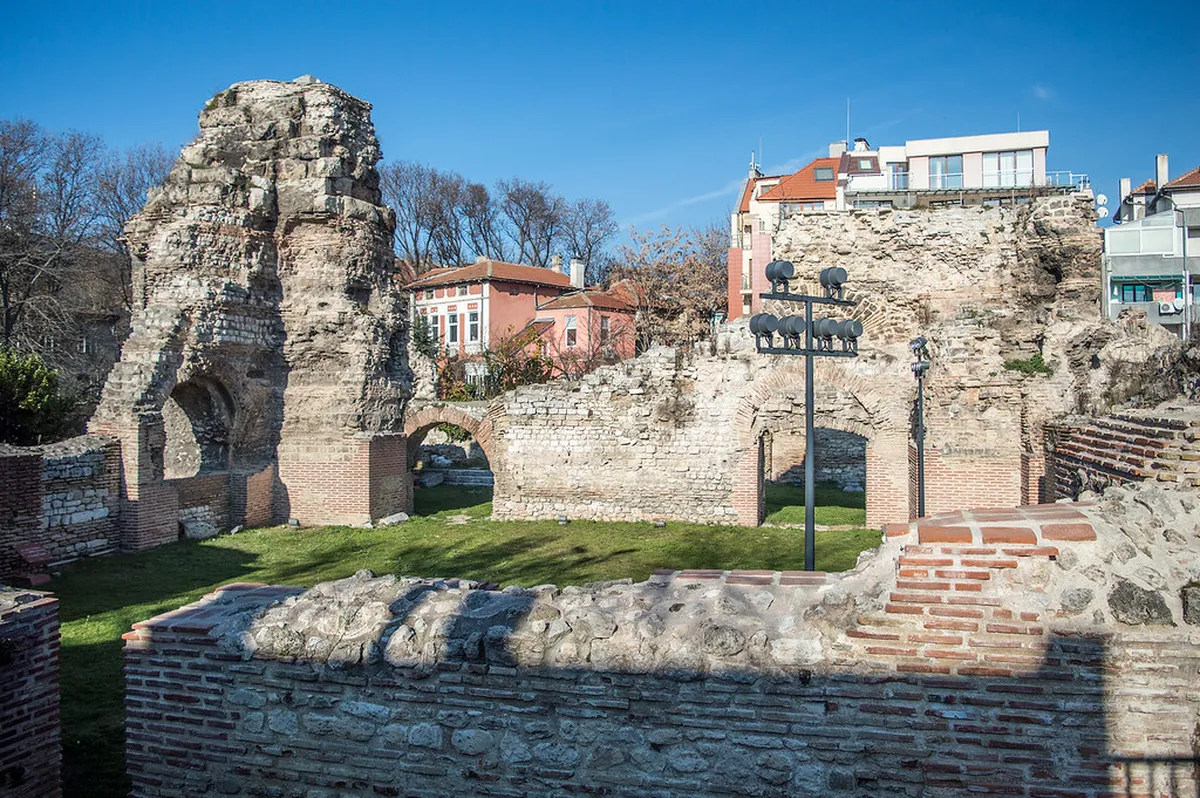
The Roman Thermae of Varna stand as one of the most impressive ancient sites on the Balkan Peninsula. These ruins represent the fourth largest Roman bath complex in all of Europe. Walking through the towering brick arches offers a glimpse into the grand lifestyle of ancient Odessos.
Modern travelers find these ruins tucked away in the charming southeastern part of the city. The site covers over 7,000 square meters of historical architecture and engineering marvels. This roman thermae varna visitor guide will help you navigate the history and logistics of this landmark.
Preservation efforts have kept many walls standing at heights of over 20 meters. Visitors can explore the intricate heating systems and massive social halls at their own pace. Exploring this archaeological gem is a highlight for anyone visiting the city of Varna today.
For a guided visual tour of the ancient complex, this walkthrough showcases the preserved sections and layout:
History of the Roman Baths of Odessos
The Roman Baths of Odessos were built in the late 2nd century AD, when the city was a thriving Roman port on the Black Sea. Engineers designed the complex as the main social and hygienic hub for the population, following the "small imperial style" seen in other major Roman provincial cities. The baths stayed in active use for roughly a century, until the turmoil of the late 3rd century led to their abandonment.
Centuries of sediment buried the site until archaeologists rediscovered it in the early 20th century. The Škorpil brothers, pioneers of Bulgarian archaeology, recognized the ruins' importance and began the excavation that eventually led to the creation of the Varna Archaeological Museum Visitor Guide, which now manages the site.
Today the Roman Thermae is the largest ancient public building discovered in Bulgaria and the fourth-largest preserved Roman bath complex in Europe, ranking behind only the Baths of Caracalla and the Baths of Diocletian in Rome and the Imperial Baths of Trier in Germany. The surviving masonry, with some walls still standing over 20 meters high, reflects the wealth and civic ambition of Roman-era Odessos.
Why Visit the Roman Thermae in Varna
Standing among the ruins gives you a genuine sense of the scale Roman engineers worked at. Only three bath complexes in Europe are larger: the Baths of Caracalla and Diocletian in Rome, and the Imperial Baths of Trier. That context alone makes the Varna site one of the most significant Roman monuments on the Black Sea coast.
History enthusiasts get an unusually intimate look at ancient urban life here, since the ruins sit inside the modern city rather than behind a rural fence. Families tend to enjoy the open-air layout, with space to wander without queuing through narrow corridors. Photographers get some of the best light in the late afternoon, when the sun catches the brick arches at an angle.
The site also works as a quieter alternative to the busier Sea Garden and beachfront outside July and August. Information panels explain what each room was used for, so you do not need a guide to follow the layout. Combined with a stop at nearby Varna attractions, it is an easy half-day addition to any city itinerary.
Essential Visitor Information: Hours and Admission
Opening hours follow a clear seasonal pattern. From June through September the site is open daily from 10:00 to 18:00, with no closing day. From October through May it opens 10:00 to 17:00 and is closed on both Sunday and Monday, so plan a weekday or Saturday visit in the off-season.
- Adults pay 4.00 EUR (7.82 BGN) for a standard entry ticket.
- Schoolchildren pay 2.00 EUR (3.91 BGN).
- Children under 7 always enter free of charge.
- Free admission days are occasionally set by order of the Ministry of Culture or the Municipality of Varna, so it is worth checking museumvarna.com before you travel.
Since Bulgaria adopted the euro as its official currency in January 2026, admission is now priced in euro, with the lev equivalent shown alongside during the transition. Tickets are sold only at the on-site booth: the Varna Regional History Museum does not sell entry online, so bring cash or a card and buy on arrival rather than looking for an e-ticket in advance.
Most visitors spend 45 to 90 minutes exploring the complex. The ground mixes packed dirt and uneven ancient stone, so closed-toe shoes make the visit more pleasant than sandals. For the fullest picture of what a visit costs, see the Visit Bulgaria - Roman Baths page, kept updated for the current season.
How to Get to the Varna Roman Baths
The ruins sit on San Stefano Street, at the corner of Han Krum Street, in the oldest part of central Varna. Most hotels in the city center are within a 10 to 20 minute walk of the entrance. From the main pedestrian zone, head along Knyaz Boris I Street and turn onto San Stefano Street; the tall brick walls are visible well before you reach the gate.
By public transport, buses 20, 39, and 17A all stop at "Baseyna," a short walk from the entrance; check current timetables locally, since routes are occasionally adjusted. Taxis and ride-hailing apps can drop you directly at the gate, and fares from most central hotels are low.
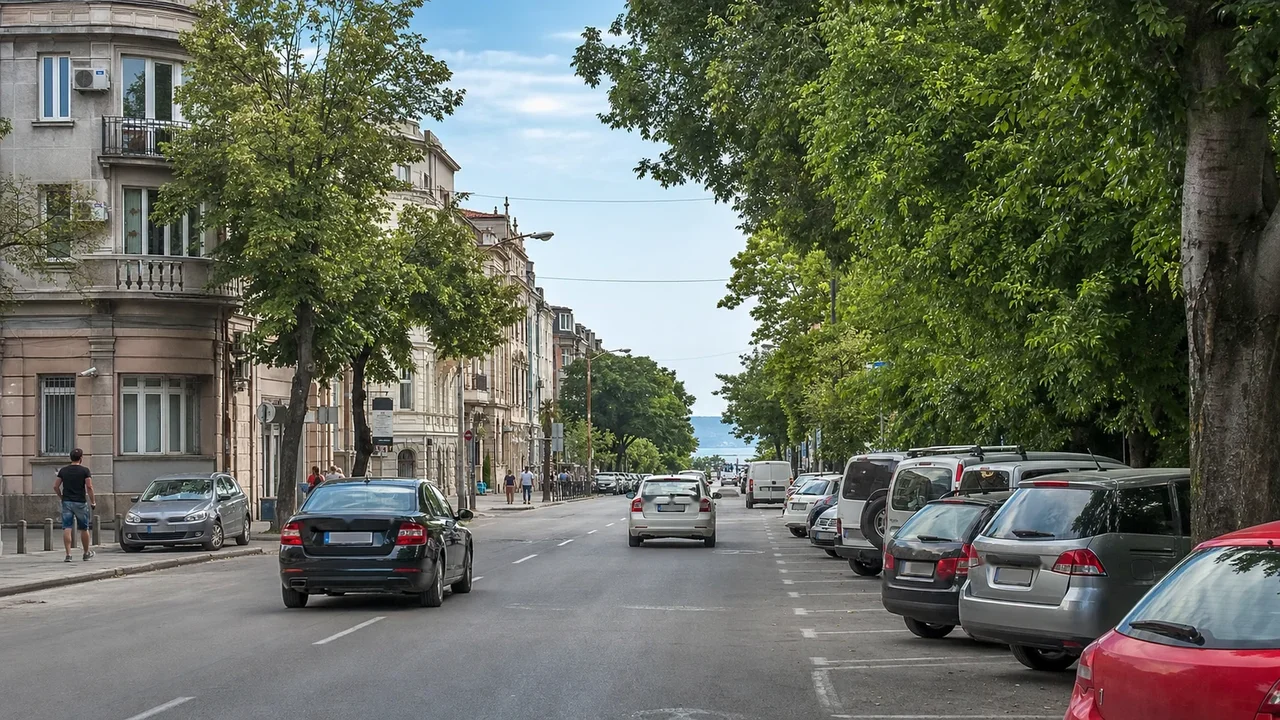
If driving, expect limited on-street parking and paid parking zones in the surrounding historic streets; a central parking garage and a short walk is usually easier than circling for a spot. Cyclists will find bike racks near the entrance, and the location makes it simple to combine with the Sea Garden Varna Visitor Guide, a few minutes away on foot.
Exploring the Complex: Key Sections and Hypocaust
Roman bathing followed a set routine, and the layout still traces that sequence today: cold rooms, warm rooms, hot rooms, and back again. Only the supporting walls and floor foundations survive, since the vaulted ceilings collapsed centuries ago, but the room divisions are still easy to read on the ground.
The Frigidarium (Cold Room)
The frigidarium sits toward the northern end of the site and held the large stone-lined cold pools where bathers finished their routine, a final plunge to close the pores after the heat of the caldarium. The basin outlines are among the best-preserved features on site and are easy to spot from the raised walkway.
The Tepidarium (Warm Room)
The tepidarium served as a transitional space, both physically and socially. Bathers lingered here at a moderate temperature to talk or rest between the hot and cold rooms, making it one of the busiest parts of the complex. Its foundations, near the center of the site, are some of the most complete in the ruins.
The Caldarium (Hot Room)
The caldarium was the hottest room in the building and sat directly above the furnace, or praefurnium. This is where the hypocaust worked hardest, and the floor cavities here are noticeably deeper than elsewhere on site, a result of the intense heat the room needed to hold.
The hypocaust is the most technically impressive feature of the complex. Furnace-heated air channeled under a raised floor supported on short brick pillars called pilae, warming the floor from below. That same air rose through hollow clay box-tiles in the walls, called tubuli, carrying heat toward the ceiling before venting outside. This double circulation let a single furnace keep a room at bathing temperature even in a cold Black Sea winter, and you can still see the pillar rows exposed in the caldarium today.
Tales and Legends of the Ancient Ruins
Local folklore calls the ruins the "Whispering Walls," after a persistent story that the unusual acoustics once carried conversations across the entire complex. Some tellings claim spies in ancient Odessos used the echoes to gather political secrets from unsuspecting bathers. Today, wind through the empty arches produces a similar effect, which keeps the story alive for visitors who linger at dusk.
A second, gentler legend centers on the frigidarium's cold pools. Roman bathers are said to have honored Asclepius and Hygieia, gods of health and healing, in small shrines near the water, and locals still say lingering by the old basins brings a sense of calm. It is a reminder that the baths were never just about hygiene; they were part of the city's spiritual life too.
Stories of hidden treasure have also circulated for generations, with tales of gold buried beneath the bath floors when the city faced invasion in the 3rd century. No hoard has ever been found, but the mystery still draws curious visitors to peer into the deeper floor cavities. The Škorpil brothers, whose excavation first brought these ruins back into daylight, have themselves become part of local memory.
Nearby Attractions in Varna City Center
The Varna Archaeological Museum Visitor Guide is the natural next stop, since it holds many artifacts recovered during the bath excavations, from coins to carved marble fragments. The museum is also famous for a separate collection, the Varna Necropolis gold, regarded as the oldest processed gold ever found. Seeing both sites on the same day gives a fuller picture of the region's history.
A few blocks toward the Sea Garden, the Naval Museum Varna Visitor Guide covers the city's more recent maritime history with several preserved vessels on display. Its outdoor exhibits make it an easy add-on for families who want a change of pace from ancient ruins.
The 9 Essential Tips for Visiting the Dormition of the Mother of God Cathedral, with its gold domes visible from several streets away, sits within a short walk of the Thermae and offers a striking contrast between Roman-era ruins and 19th-century Bulgarian Revival architecture. Many self-guided city walks link all three sites into a single loop of two to three hours.
Tips for a Smooth Visit
Late spring and early autumn are the most comfortable times to visit. May, June, and September bring mild temperatures and thinner crowds, while July and August can turn the shadeless ruins uncomfortably hot by midday. In peak summer, aim for the first two hours after opening or the last two before closing.

Before you go, check the museum's official virtual map, which lays out the site's rooms online and helps if you decide to skip a paid guide. Audio guides, where available, are worth the small extra cost for anyone who wants more detail than the information panels provide; ask at the ticket booth.
The site is not especially wheelchair or stroller friendly. Paths alternate between packed dirt and uneven stone, with occasional low steps and no dedicated ramps, so visitors with mobility devices or strollers should expect to lift over a few obstacles or plan a shorter route. There are no cafes inside the gates, so bring water in summer and use the small shops just outside if you need a snack.
Rain turns the unpaved sections to mud quickly, so check the forecast in the shoulder seasons. If you have extra time, the 10 Essential Tips for Your Aladzha Monastery Visitor Guide makes a good half-day pairing, and the HistoryHit - Varna Roman Baths page is a useful reference before you arrive.
Continue planning: Use Varna Attractions: 10 Best Things to Do in 2026 to connect this guide with the rest of your Bulgaria itinerary.
Frequently Asked Questions
How much is the entrance fee for the Roman Baths in Varna?
The standard adult entrance fee for the Roman Thermae is 4.00 EUR (7.82 BGN) in 2026, per the Varna Regional History Museum price list, with schoolchildren paying 2.00 EUR and children under 7 free. You can find more city-wide pricing context in our Varna travel guide. Tickets are sold only at the door.
How long does it take to visit the Roman Thermae?
Most visitors spend about 60 to 90 minutes exploring the entire complex. This allows enough time to read the information plaques and see the hypocaust system. Photography enthusiasts may want to stay longer to capture the light hitting the ancient brick arches.
Are the Roman Baths in Varna worth visiting?
Yes, the site is highly recommended as it is the fourth largest Roman bath complex in Europe. The preservation of the 20-meter high walls is truly exceptional for ruins of this age. It offers a unique look at the engineering skills of the ancient Roman Empire.
What is the best time of day to visit the Varna Roman ruins?
The best time to visit is early in the morning or late in the afternoon. These times help you avoid the intense heat of the midday sun. The site has very little shade, so cooler hours make for a much more comfortable walking experience.
The Roman Thermae of Varna remain a crown jewel of Bulgaria's archaeological heritage. Exploring these ruins offers a profound connection to the ancient world of Odessos. Their massive scale and historical importance make them a vital stop for every traveler.
Whether you are a history buff or a casual tourist, the site provides lasting memories. Plan your trip carefully to enjoy the best weather and local atmosphere. The ancient walls of Varna are waiting to tell you their stories.
For the latest official information, see the Roman Thermae Varna official site and Roman Thermae Varna on Wikipedia.