10 Essential Tips for Visiting the Ruse Regional Historical Museum
Ruse sits on the Danube as Bulgaria's most architecturally European city, and the Regional Historical Museum is the single best place to understand why. The institution holds more than 140,000 artifacts spanning prehistoric Thracian gold, Roman frontier life on the Danube Limes, and the Belle Epoque years when locals nicknamed Ruse "Little Vienna."
The main collection lives inside the Battenberg Palace on Aleksandar Batenberg Square, but the museum also runs three branch sites scattered across the region. Most short-stay visitors only see the palace, miss the open-air branches, and leave without realising that the Ivanovo Rock Churches they were planning to visit anyway are part of the same ticket family. This guide covers exactly what to see, in what order, and how to combine it with the rest of the Top 20 Things To Do in Ruse.
Learn the History of the Battenberg Palace
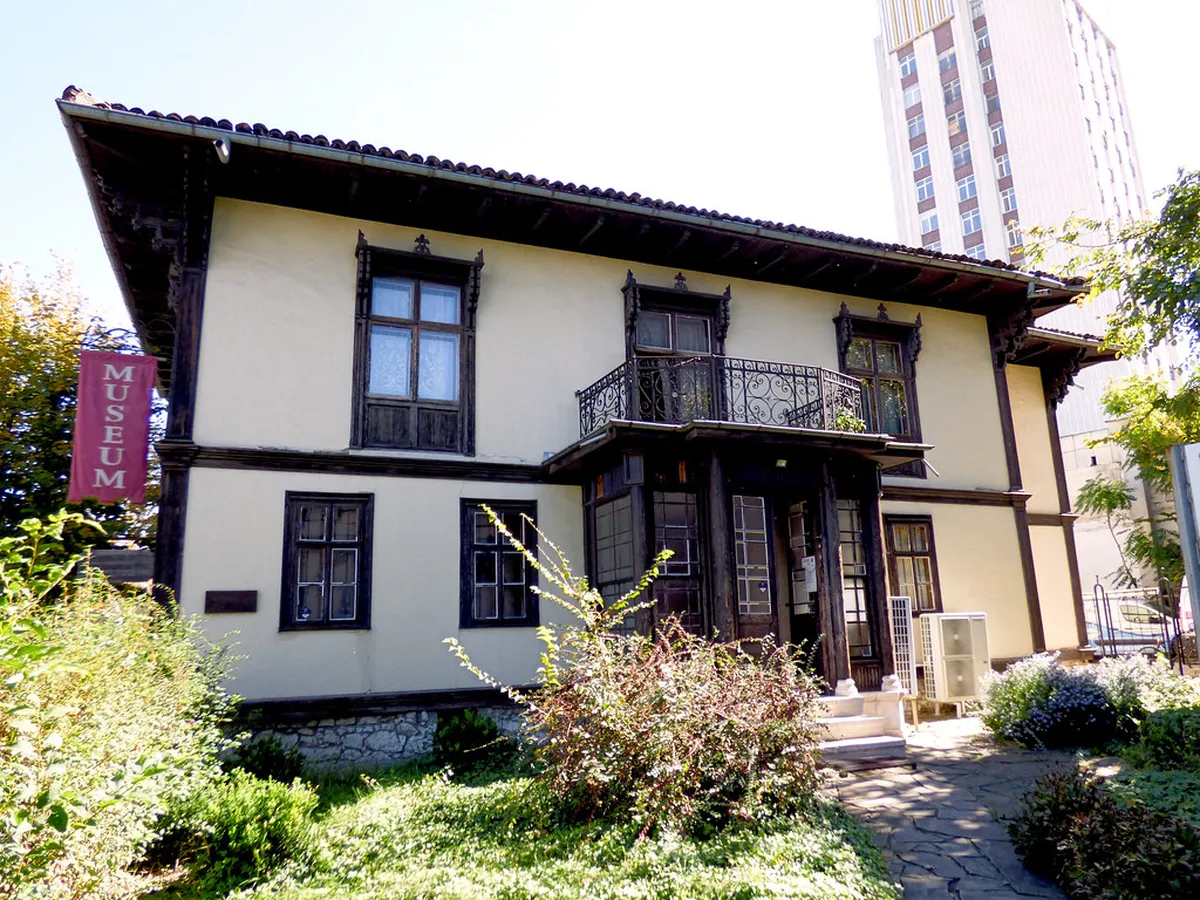
The museum occupies the former Battenberg Palace, built between 1882 and 1892 to the design of Austrian architect Friedrich Grünanger. Grünanger trained in Vienna and brought a Neo-Baroque vocabulary that defined post-Liberation Bulgarian civic architecture, also designing parts of the Sofia synagogue and several official residences. The building was originally intended as a residence for Prince Alexander of Battenberg, the country's first head of state after the 1878 liberation.
The exterior plays out the typical late-19th-century Habsburg formula: rusticated ground floor, piano nobile with tall arched windows, and a heavy cornice line. Inside, the original ceremonial staircase and stucco ceilings survive, particularly in the upper galleries that now house the Belle Epoque collection. Walking the full circuit of the palace itself takes around 30 minutes before you start engaging with the exhibits.
The palace claims one underrated first: in 1903 it became one of the first administrative buildings in southeastern Europe to receive electric lighting, ahead of most provincial cities in the Habsburg Empire and decades before electrification reached comparable Bulgarian towns. That early modernity, paired with the city's grain-trade wealth, is the literal reason locals coined the "Little Vienna" nickname.
💡 Good to know: Budget 30 minutes just to walk the palace's ceremonial staircase and surviving stucco galleries before you reach a single exhibit — the architecture is part of the experience, not a corridor to rush through.
Find the Museum: Address and How to Get There
The main museum is the Battenberg Palace on Aleksandar Batenberg Square (Ploshtad Aleksandar Batenberg) in central Ruse, two blocks west of Freedom Square and a short walk back from the Danube riverside promenade. If you are already exploring the Belle Epoque old center on foot, you will pass within a block of it without trying — it anchors the same grid as the Liberty Monument and the Dohodno Zdanie revenue building.
Arriving from elsewhere, the practical entry points are: on foot from any central hotel (everything Belle Epoque sits inside a walkable ten-minute radius); by car from Bucharest, only 75 kilometers north across the Danube Friendship Bridge, with easy Sunday parking near the square; and by long-distance bus or train into Ruse, from where the square is a flat, signed walk through the old center. The official museum site lists current exhibition closures and loan dates worth checking the week before you travel.
See the Valchitran Thracian Gold Treasure
The Valchitran Treasure is the museum's signature exhibit and the single artifact most foreign visitors arrive specifically to see. The hoard contains thirteen solid gold vessels weighing 12.5 kilograms in total, dated to the Late Bronze Age (roughly 1500-1200 BCE). It was discovered by farmers in 1924 in a vineyard near the village of Valchitran in Pleven province and has been in the museum's care since the post-war reorganisation of Bulgarian state collections.
The set includes a large 4.4-kilogram cup, three smaller kantharoi, and a striking triple-vessel joined by tubular handles, which most scholars read as a ritual mixing set for libations of wine, milk, and honey. The gold is unusually high-purity (around 22-23 carat) and the workmanship suggests Mycenaean and Anatolian influences alongside local Thracian style.
Two practical notes: the treasure is occasionally loaned out to international exhibitions (most recently to the Louvre and the Getty), so check the museum's Facebook page in the week before your visit if it is your only reason for coming. Second, photography of the gold is allowed without flash, but the lighting in the vault room is dim, so phone cameras struggle. The official postcards in the gift shop are sharper than anything you will shoot through the glass.
Experience Roman History Through 3D Holograms
The Roman gallery on the first floor is built around an exhibit titled "The Everyday Life of a Roman Legionary on the Lower Danube," and it is more technically ambitious than the SERP-standard "interactive screens" description suggests. The centerpiece is a series of 3D holographic projections that reconstruct the chain of Danube fortresses (Sexaginta Prista, Iatrus, Novae, Durostorum) as fully rendered 3D models you can rotate and walk around in mid-air.
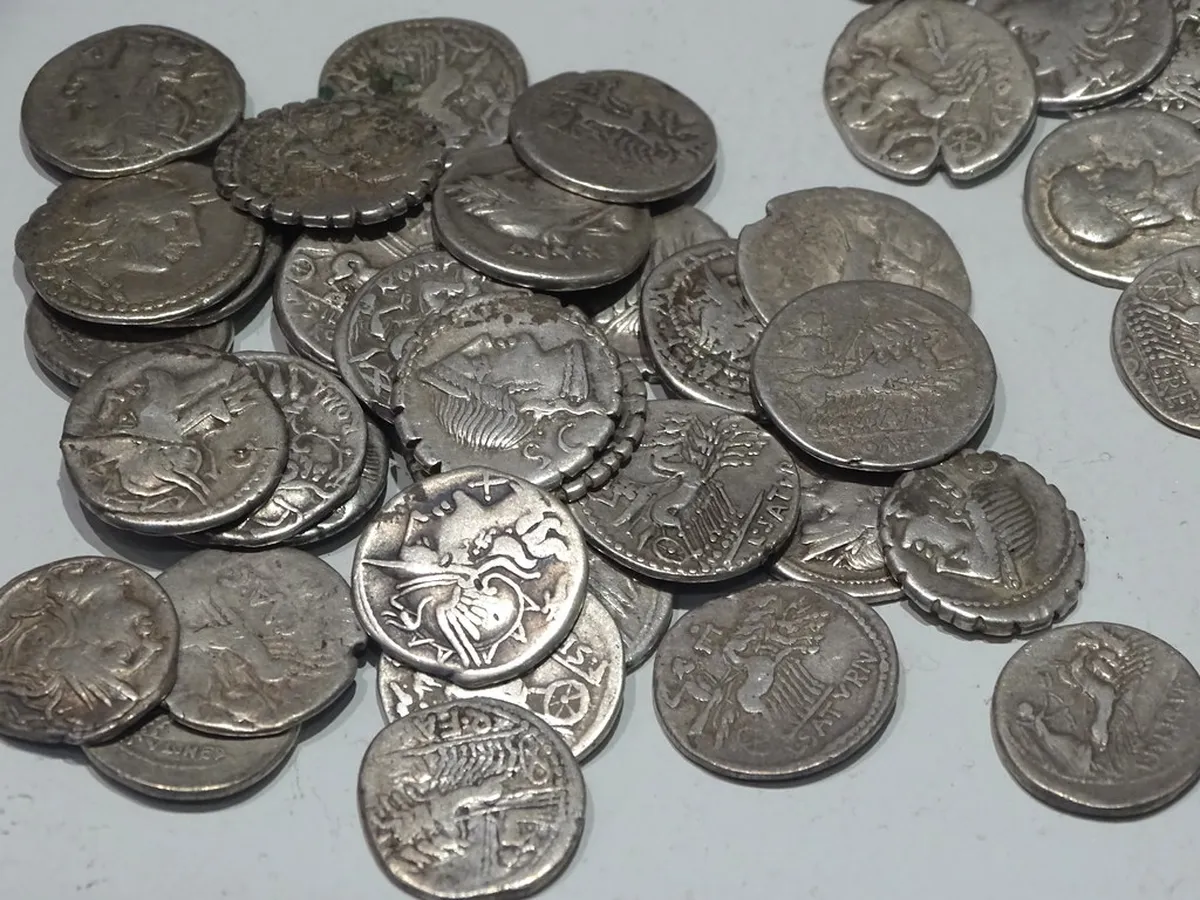
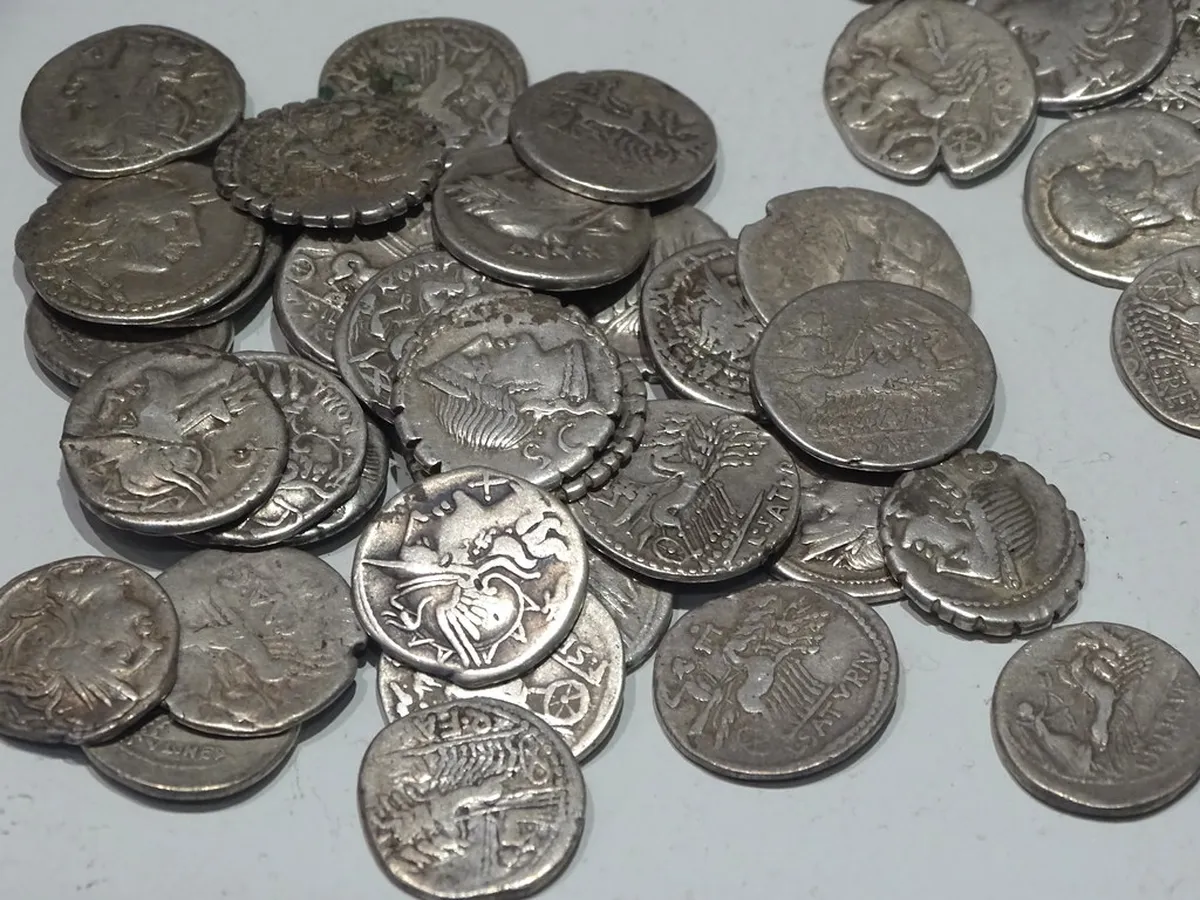
Alongside the holograms sit the actual finds: legionary helmets, lorica segmentata fragments, weighted pila tips, and silver coins from the Scythian kings. The combination is what makes the gallery work — most museums show the helmets in a case with a tiny diorama, while here you can see the same helmet and then watch a hologram of the fortress where it was excavated.
This room is where families with children spend the most time, so visit it first thing in the morning if you want quiet. School groups tend to arrive between 10:30 and 12:00 and concentrate here for at least 45 minutes.
Visit the Sexaginta Prista Open-Air Fortress
Sexaginta Prista (Latin for "Port of Sixty Ships") is the closest of the three branch sites — a 12-minute walk west of the Battenberg Palace along the riverside promenade. The Romans built it in the late 1st century CE as a forward base for the Classis Moesica, the Danube fleet, and it remained in use for around four centuries before being abandoned during the Slavic migrations.
The excavated section is small (around 4,000 square meters) but well-presented, with raised wooden walkways over the foundations of barracks, an officers' quarters, and a small bathhouse. A modern shelter covers the most fragile mosaic remains. Allow 45 minutes to an hour, including the on-site display of pottery and military hardware. For visitors short on time who want only one Roman site, this beats Cherven and Ivanovo simply because it is in walking distance of the main museum.
Explore the Medieval Ruins of Cherven
The Cherven Stronghold sits 35 kilometers south of Ruse on a horseshoe bend of the Cherni Lom River, deep inside Rusenski Lom National Park. In its 14th-century peak it was one of the largest urban centers of the Second Bulgarian Empire, with around 30,000 residents, before Ottoman forces captured and destroyed it in 1388.
The flagship surviving structure is a three-story defensive tower, the most intact medieval tower in Bulgaria, which directly inspired the iconic Baldwin's Tower reconstruction in Veliko Tarnovo. Other ruins include four churches, a bishop's palace, an underground water cistern, and the foundations of dozens of artisan workshops. The combination of the dramatic limestone cliffs and the ruined stone city makes this the most visually rewarding of the three branches, particularly in late afternoon light.
Realistically you need a half day for Cherven: 45 minutes each way by car, two hours on site, and there is no public transport that gets you there reliably. Combine it with the Ivanovo churches in a single loop if you have your own vehicle.
Discover the UNESCO Ivanovo Rock Churches
The Rock-Hewn Churches of Ivanovo Visitor Guide are the museum's most internationally famous branch and the only one with UNESCO World Heritage status (inscribed 1979). The complex is a network of chapels, cells, and refectories carved directly into the limestone cliffs of the Rusenski Lom valley, used by Hesychast monks from the 13th to the 14th century. Most visitors only see the Holy Mother Church, which holds the most intact frescoes.
Art historians rate the murals as one of the finest surviving examples of Paleologan art outside Constantinople, with extraordinary depictions of the Last Supper, the Passion cycle, and a rare donor portrait of Tsar Ivan Alexander. The colors held up because the cool, stable cave microclimate behaves like a natural conservation chamber. A self-guided Ivanovo Rock Churches day trip from Ruse is the standard way to see them.
Practical note: the climb to the main church is steep (around 100 stone steps with handrails) and the chapel itself is small, holding maybe 15 people at a time. If you arrive with a tour bus group, wait 10 minutes for them to clear out before going in.
Compare the Three Open-Air Branches at a Glance
Most travel guides list the three branch sites without explaining how to choose between them. If you only have a half day after the main museum, the right pick depends entirely on how much you can drive and what kind of history pulls you. The table below sets out the realistic trade-offs.
- Sexaginta Prista — 1 km from the palace, walkable in 12 minutes. Allow 45-60 minutes on site. Best for: anyone without a car, or visitors who want to extend the Roman gallery experience the same morning. Roman naval fortress, foundations and pottery.
- Cherven Stronghold — 35 km south, around 45 minutes by car. Allow 2-3 hours on site plus travel. Best for: medieval history fans, photographers, and anyone hiking in Rusenski Lom. The best three-story medieval tower in Bulgaria, four ruined churches, dramatic limestone gorge.
- Ivanovo Rock Churches — 20 km southwest, around 30 minutes by car. Allow 2 hours on site plus travel. Best for: art history travelers and UNESCO collectors. Paleologan frescoes, cliff-cut chapels, short uphill hike.
If you have a full day for branches, the geographic logic is to combine Ivanovo and Cherven on the same loop south of the city. Both sit inside Rusenski Lom National Park and the connecting road is signed and paved.
Walk the Museum-to-Danube Route Through the Old Center
The single most rewarding walking route in Ruse uses the museum as its starting point and threads the city's three biggest set-pieces into a 25-minute loop. From the Battenberg Palace, head two blocks east along Aleksandrovska Street to reach Freedom Square (Ploshtad Svoboda), the Neo-Baroque heart of the city, dominated by the Liberty Monument and the Dohodno Zdanie revenue building.
From the square continue north on Tsar Osvoboditel Boulevard, passing the Profit-Yielding Building and the National Theater, to reach the Danube riverside promenade at the Quay (Riverside Park). Turn left along the embankment and after 600 meters you arrive at Sexaginta Prista, closing the loop where the Roman fortress meets the modern port. Returning through the back streets via Ivan Vazov Street takes you past the city's best preserved 1890s townhouses.
Doing the route on a Saturday morning catches the local farmers' market on Freedom Square (07:00-13:00) and the open-air book stalls along Aleksandrovska. Total walking distance is about 2.5 kilometers on flat ground, suitable for any fitness level.
This 4K walking tour traces the same "Little Vienna" streets and Danube frontage you will cover on the route above.
Admire the 19th-Century Urban Life Exhibits
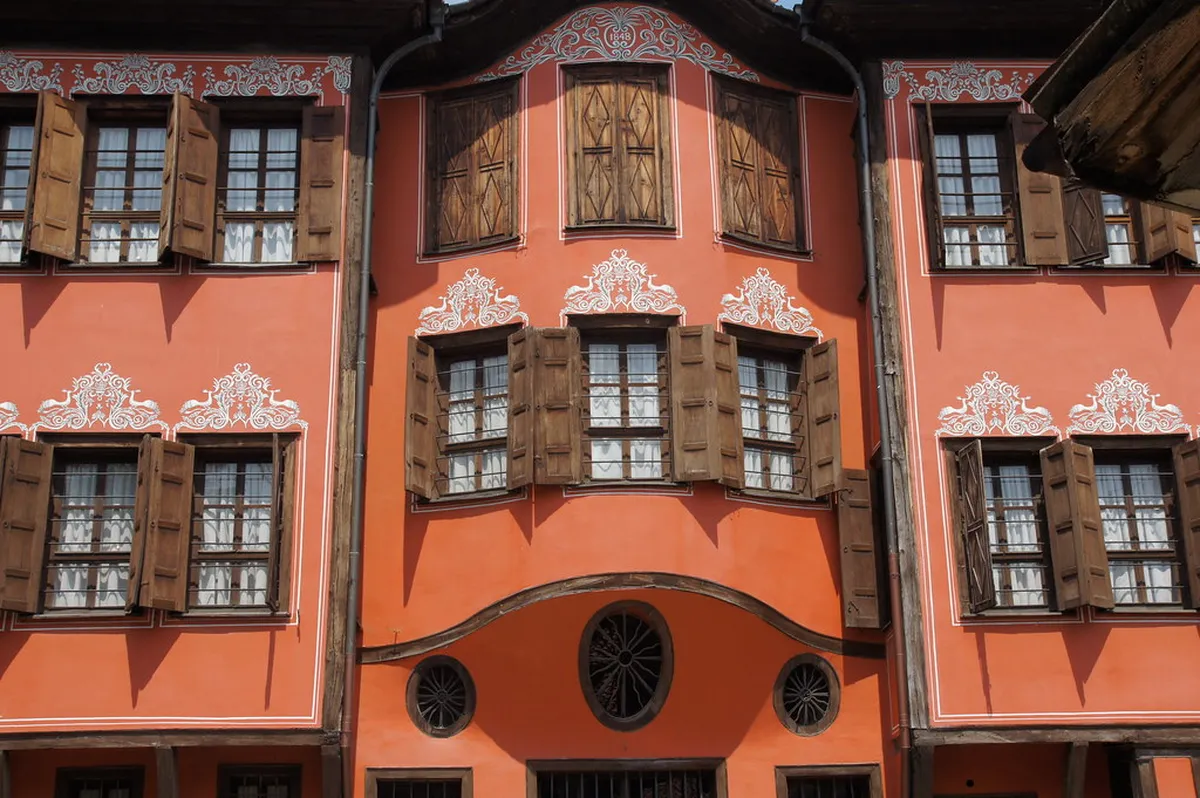
The "Ruse Citizens on the Road" exhibit on the upper floor reconstructs the cosmopolitan lifestyle of the Belle Epoque grain-trading elite that built the city's wealth between 1880 and 1914. Period rooms display original Viennese furniture, French porcelain, gramophones, and the kind of imported European fashion that arrived by Danube steamer faster than it reached most inland Balkan cities.
The genuinely new addition is a 17th-century Ottoman-era trade map, identified by archivists in 2023, that documents Ruse's role as a customs and trans-shipment hub between Constantinople and Budapest. It is displayed in a low-light case in the same gallery and is easy to miss — look for the small typed Bulgarian-English label rather than a banner. The map predates the Belle Epoque section by 200 years but is curated here because it explains the trade infrastructure that made the later boom possible.
The same floor covers the founding of Bulgaria's first newspapers, the first Bulgarian-language printing house (established in Ruse in 1864), and the country's first railway line (Ruse-Varna, 1866). Together with the electrification milestone, this is the section that makes the "Little Vienna" nickname feel earned rather than aspirational.
Check Current Ticket Prices and Opening Hours
The main museum opens Tuesday to Sunday, 09:00 to 18:00 in summer (April-October) and 09:00 to 17:00 in winter, with last entry 30 minutes before closing. It closes Mondays and on the major Bulgarian public holidays (1 January, 3 March, Orthodox Easter, 24 May, 25 December). Ticket pricing for 2026 sits around 6 BGN (3 EUR) for adults, 2 BGN for students and pensioners, and a combined branch ticket covering Sexaginta Prista, Ivanovo, and Cherven is roughly 12 BGN.
Bulgaria adopted the euro on 1 January 2026, so cash registers display prices in both BGN and EUR during the transition year and accept either. Card payment works at the main palace but Sexaginta Prista is cash-only — bring small notes. The combined ticket is valid for seven days, which is enough to space the branches over a long weekend.
💡 Good to know: Buy the combined seven-day branch ticket at the main palace on arrival, even if you only plan to see one branch. It is barely more than two single entries, and because Sexaginta Prista is cash-only you sidestep a second payment problem at the open-air sites.
Plan around two hours for the main building if you read most labels and stop at the holograms. Add 45 minutes if you take the audio guide (available in English, German, and French for 5 BGN). On the first Sunday of each month all four sites are free to Bulgarian residents, which means the palace can be busy with school groups — go in the afternoon if possible.
| Location | Battenberg Palace, Aleksandar Batenberg Square, central Ruse |
| Open | Tue–Sun, 09:00–18:00 summer / 09:00–17:00 winter (closed Mondays; last entry 30 min before close) |
| Adult ticket (2026) | ~6 BGN (3 EUR); combined branch ticket ~12 BGN, valid 7 days |
| Time for main building | ~2 hours (add 45 min with the audio guide) |
| Signature exhibit | Valchitran Treasure — 12.5 kg of Late Bronze Age Thracian gold |
| Free entry | First Sunday of each month (Bulgarian residents) |
Arrange for a Professional Guided Tour
Booking a guide significantly upgrades the experience because the standard museum labels are short and only intermittently translated. The museum's in-house guides offer English, German, and French tours of the main palace for around 30 BGN per group (up to ten people), bookable 48 hours in advance through the museum's reception or the official website rim-ruse.bg.
For the branch sites, the picture is different. Sexaginta Prista has a small visitor centre with on-site staff who give an informal walkthrough on request. Ivanovo and Cherven do not have permanent guides, so if you want narration there you need to book through ToursByLocals, GetYourGuide, or a Ruse-based operator before you go. Expect 100-150 BGN for a half-day private guide covering one branch plus the main museum.
Educational programs run by the museum's pedagogy department include hands-on Bronze Age metalworking workshops and Roman cooking demonstrations, mostly aimed at school groups but open to families on request. These are charming if you have children aged 8-14 and a free Saturday morning.
Plan Around the Common Half-Day Trap
The most frequent first-timer mistake at the Ruse Regional Historical Museum is allocating only two hours to "the museum" and then discovering at 11:30 that the open-air branches are scattered across a 35-kilometer radius. Visitors who arrive on a Bulgaria Air day-trip from Sofia or a Danube river-cruise port stop almost always run out of time and skip Cherven entirely, which is the most visually distinctive of the four sites.
The decision-friendly fix is to treat the museum as either a half-day (palace plus Sexaginta Prista, walkable, 3-4 hours total) or a full two-day project (palace plus all three branches, requires a car or a booked tour). The middle option — palace plus a single branch by taxi — works but the round-trip taxi to Cherven costs around 80 BGN and eats the time savings.
If you only have half a day, prioritise in this order: the Battenberg Palace ground floor for Bronze Age gold, the first floor Roman gallery for the holograms, then walk the Danube route to Sexaginta Prista. Save Ivanovo and Cherven for a return trip combined with hiking in the wider Rusenski Lom park.
Find the Best Nearby Accommodation in Ruse
Staying within five blocks of the Battenberg Palace puts you inside the Belle Epoque grid and within walking distance of Freedom Square, the Danube quay, and Sexaginta Prista. The Cosmopolitan Hotel and Hotel Anna Palace both occupy renovated 1900s townhouses, while the boutique Splendid Hotel sits directly on Freedom Square with a view of the Liberty Monument. Our full breakdown of the Best Areas to Stay in Ruse (2026 Guide) covers price tiers and what each neighborhood is good for.
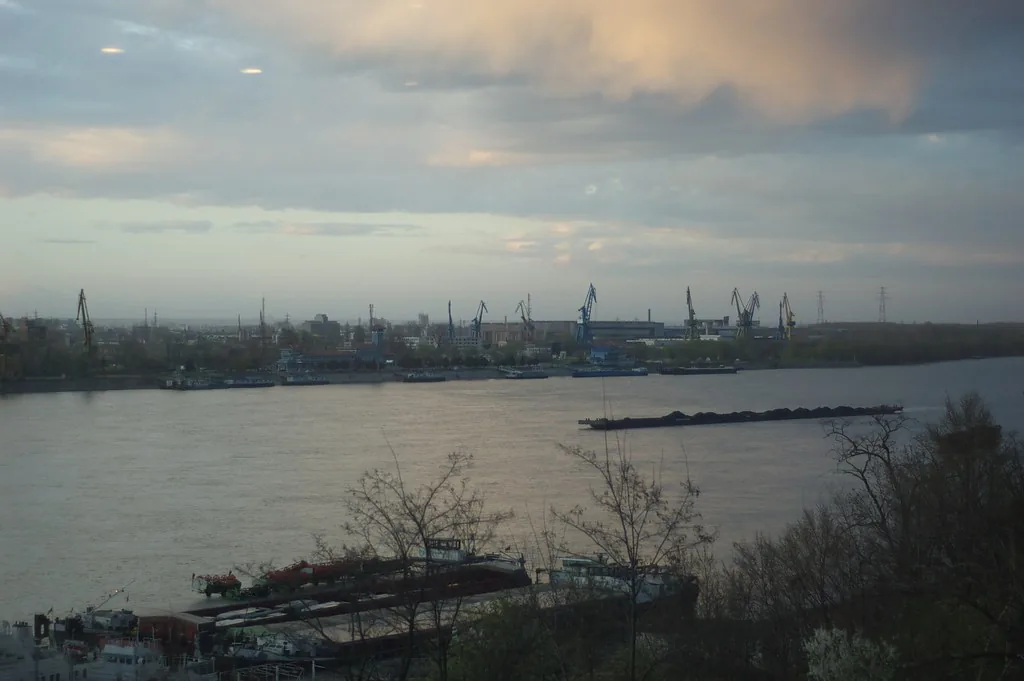
If your priority is the open-air branches over the palace itself, consider one night in central Ruse plus one night at a guesthouse near Ivanovo village — that breaks the geography efficiently and lets you start the Cherven hike at sunrise. For day-trippers from Bucharest (only 75 km north across the Friendship Bridge) the central hotels are still the practical choice because parking is easy on Sundays.
Local Transportation in Ruse, Bulgaria: Complete 2026 Travel Guide covers the bus routes that reach Ivanovo (the 14:00 from the Yug bus station is the only afternoon option) and the taxi rates to Cherven. Reading it before you arrive will save you at least one wasted morning.
Frequently Asked Questions
What is the most famous exhibit in the Ruse Regional Historical Museum?
The Valchitran Treasure is the most famous exhibit, featuring 12.5 kg of solid Thracian gold. It dates back to the Late Bronze Age and consists of thirteen ritual vessels. Visitors travel from across the world to see this rare archaeological find in the secure museum vaults.
How much does it cost to enter the Ruse Historical Museum?
Standard entry for adults is approximately 5 Bulgarian Leva, though prices can vary for special exhibitions. Combined tickets for the open-air sites like Sexaginta Prista are also available. Check the official site for current rates before you visit during Top Things To Do in Ruse This Weekend events.
Who designed the Battenberg Palace in Ruse?
The palace was designed by the renowned Austrian architect Friedrich Grünanger in the late 19th century. He was a key figure in bringing Neo-Baroque and Viennese architectural styles to Bulgaria. The building originally served as a local government residence before becoming the regional museum.
What are the three open-air sites managed by the Ruse Museum?
The museum manages the Sexaginta Prista Roman fortress, the Cherven medieval stronghold, and the UNESCO-listed Ivanovo Rock Churches. Each site offers a different perspective on the region's long history. These branches are located both within the city and in the nearby Rusenski Lom valley.
Combine this with our main Ruse attractions guide for a fuller itinerary.
For related Ruse deep-dives, see our 2-day Ruse itinerary and Ivanovo Rock-Hewn Churches guides.
The Ruse Regional Historical Museum is the most efficient way to understand a city that punches well above its size in Bulgarian cultural history. From the glint of the Valchitran gold to the holographic Danube fortresses to the Belle Epoque salons of the Battenberg Palace, the four sites between them cover 3,500 years of layered history.
The trick is matching ambition to time. A half day handles the palace and Sexaginta Prista comfortably; a full two days lets you reach Ivanovo and Cherven without rushing. Either way, pick up the combined seven-day ticket on arrival, and pair the visit with the Best Views in Ruse: 8 Panoramic Viewpoints for 2026 for the visual context that makes the history land.
Plan around the museum's Monday closure, allow for the 2026 transition to euro pricing, and check the museum's social channels before you travel in case the Valchitran Treasure is on international loan. Done well, this is one of the most rewarding museum visits in Bulgaria outside Sofia.