10 Essential Things to Know About Pirin National Park
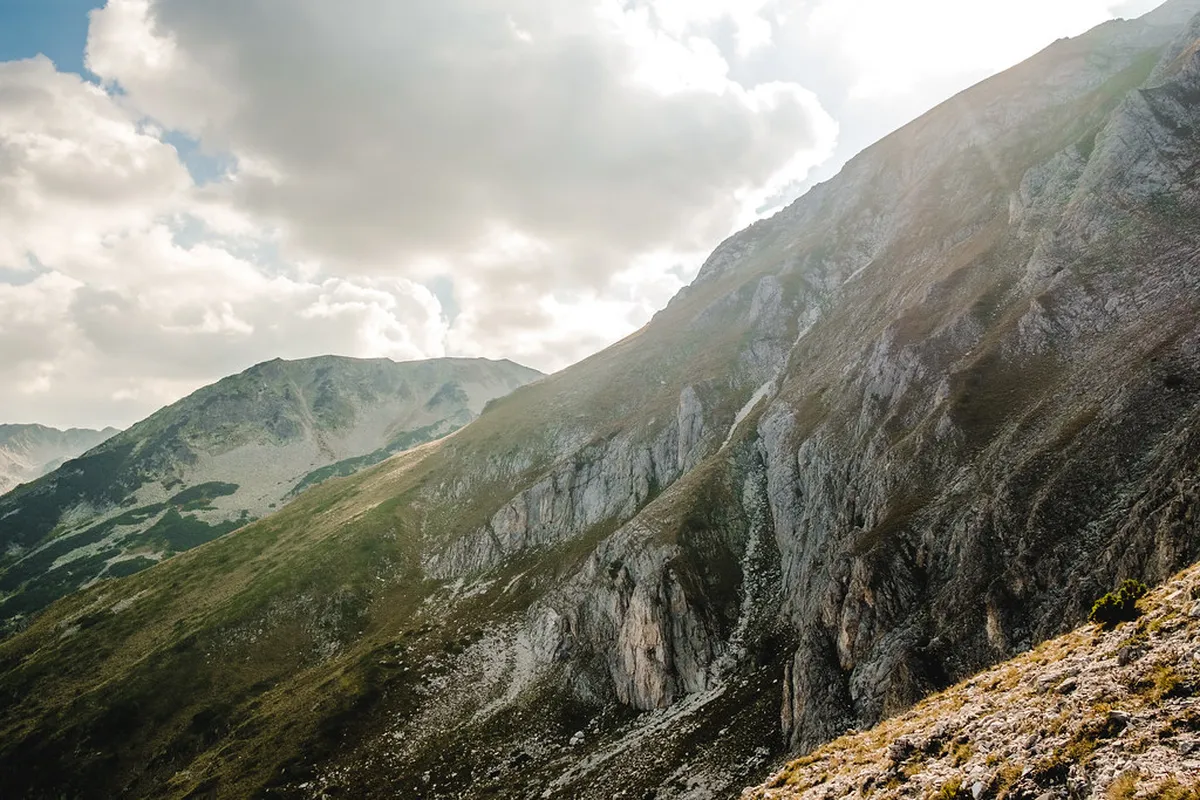
Pirin National Park stands as a crown jewel of the Balkan mountains in southwestern Bulgaria. This rugged landscape offers some of the most dramatic alpine scenery in Eastern Europe.
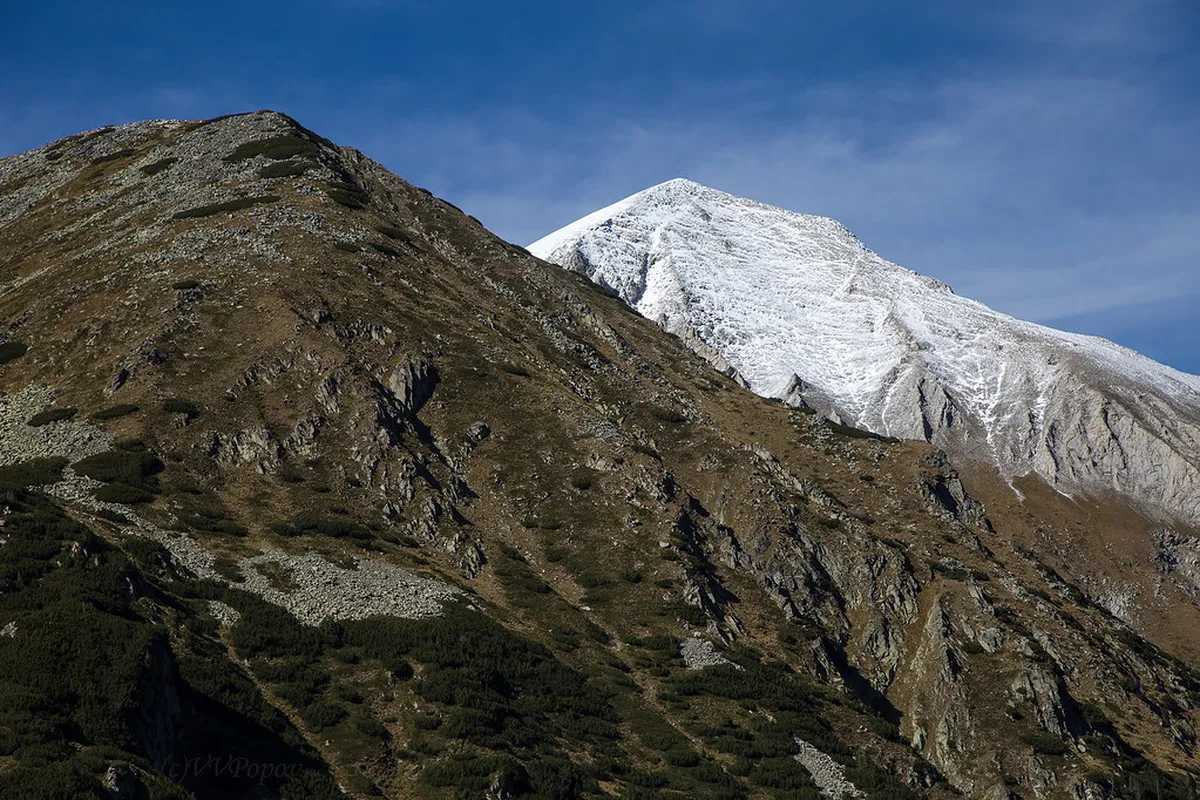
Travelers flock here to experience jagged marble peaks and over one hundred shimmering glacial lakes. The park provides a perfect escape for hikers seeking a true wilderness experience.
Whether you are conquering high ridges or relaxing in mountain huts, preparation is key to a safe journey. This guide covers everything you need for a successful 2026 adventure.
For a feel of Pirin's dramatic alpine terrain and hiking opportunities before you go, this video showcases the park's mountain landscapes and natural beauty:
UNESCO Status: Natural World Heritage Serial Site and Universal Value
The park earned its place as a UNESCO World Heritage site in 1983 due to its exceptional natural beauty. It protects a diverse range of limestone mountain landscapes and glacial landforms. The site was extended in 2010 to include the full alpine summit zone, bringing the protected area to approximately 40,000 hectares.
UNESCO recognizes the site under three specific criteria. Criterion vii covers the exceptional scenic beauty of the high peaks, meadows, rivers, and waterfalls that define the Balkan mountain aesthetic. Criterion viii acknowledges the geological value: the park is a textbook case of glacial geomorphology, with 35 cirques, deep valleys, and 118 glacial lakes carved from marble and granite bedrock over thousands of years.
Criterion ix may be the most remarkable from a biological standpoint. The park protects 1,315 species of vascular plants — roughly one third of Bulgaria's entire flora — including 86 Balkan endemics, 17 Bulgarian endemics, and 18 local endemics. The Pirin Mountains served as a glacial refuge during the Pleistocene, meaning many of today's plant communities are direct descendants of those ice-age survivors. This is why botanists consider the limestone zones of Pirin one of the most active centres of floristic evolution in Europe.
Understanding this triple designation helps visitors appreciate why strict conservation rules apply throughout the territory. Every rock and plant contributes to a delicate ecosystem that has survived for millennia.
A critical rule for all visitors is that swimming in the alpine lakes is strictly prohibited. This regulation protects the fragile aquatic ecosystems from contamination and human disturbance, keeping the water crystal clear for the diverse wildlife that depends on it.
Top Hiking Trails: Vihren Peak and Koncheto Ridge
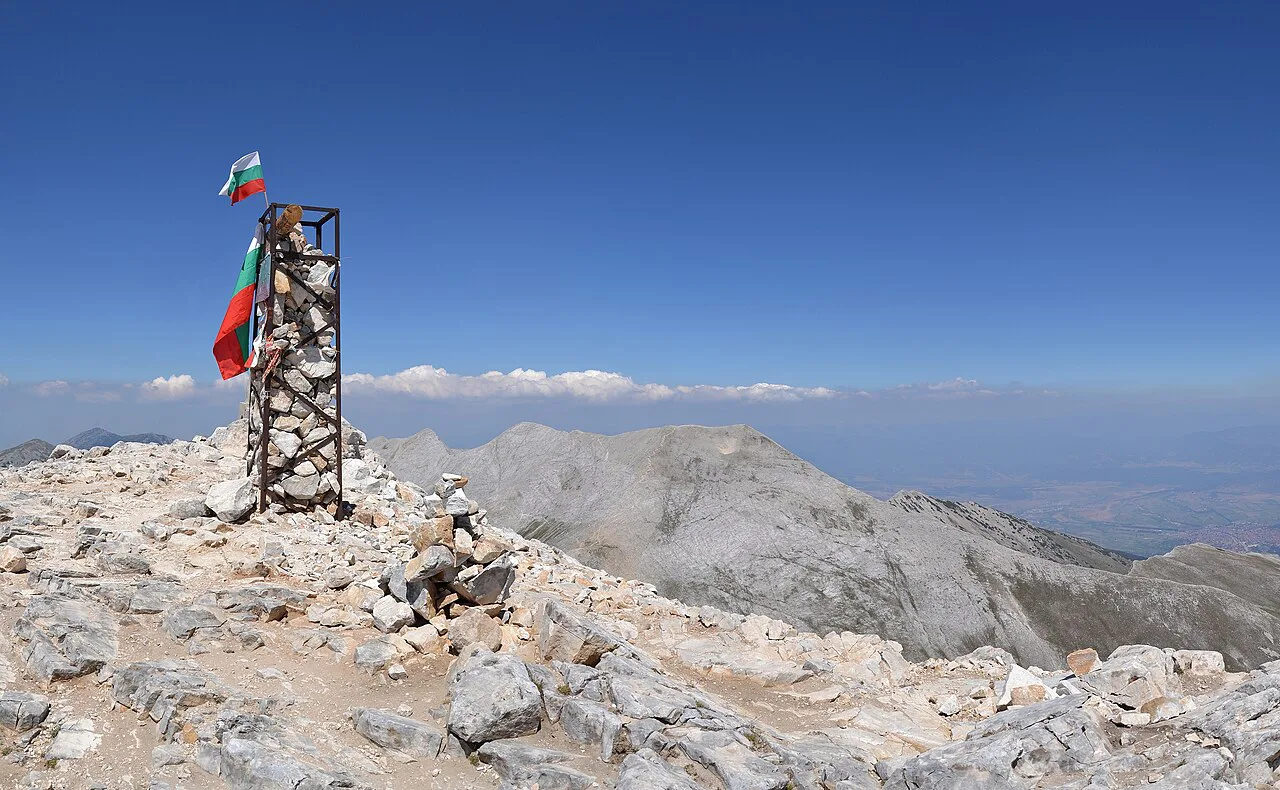
Vihren Peak is the highest point in the park, reaching a staggering elevation of 2,914 meters. It is the second-highest mountain in Bulgaria after Musala and offers panoramic views of the entire Pirin range. On a clear day you can see across into northern Greece.
The climb from Vihren Hut follows a well-marked path that transitions from forest to bare marble above the tree line. The upper section is notoriously rocky — locals describe the trail as a "pawbreaker" due to the sharp limestone fragments underfoot. Expect to use your hands on the final scramble to the summit block. Allow 3–4 hours return from the hut.
Adrenaline seekers should also aim for Koncheto Ridge, a narrow limestone spine connecting Vihren with the secondary summit of Kutelo. The ridge has sheer drops on both sides and fixed steel cables for handhold. It is one of the most technically demanding day routes in Bulgaria and should only be attempted in dry, calm conditions. Many of these routes are accessible via the many 13 Essential Tips and Trails for Hiking in Bansko that start near the town.
The spectacular 4 km ridge section between Tevno Lake and the Vihren Hut is a third highlight. This section largely follows cairns across a vast rocky plateau rather than a defined path — expect slow progress regardless of fitness level. Always check weather conditions before attempting these exposed sections, as storms build rapidly over the summits in summer afternoons.
The Most Beautiful Alpine Lakes (Okoto and Muratovo)
The park contains 118 glacial lakes that dot the high-altitude basins like blue sapphires. They range from tiny rock pools to substantial bodies of water that take half an hour to walk around. The largest lakes — Popovo, Banderishki, Vasilashki, and Valyavishki — sit in the northern sector of the park and are accessible on multi-day routes.
Okoto Lake is a popular destination because it is the deepest and most circular lake in the range. Its name means "the eye" in Bulgarian, and the shape is striking from the surrounding ridges. Muratovo Lake offers a stunning reflection of the surrounding peaks and is well-suited for a shorter day hike from Sinanitsa Hut.
A critical rule for all visitors is that swimming in these alpine lakes is strictly prohibited. This regulation protects the fragile aquatic ecosystems from contamination and human disturbance. The water looks inviting, particularly after a hot summer climb, but the fine is significant and rangers do patrol the most popular spots. Respecting this boundary ensures the water remains crystal clear for the diverse wildlife that depends on it.
Note also that open fires are banned throughout the park. Cooking must be done on portable stoves and only within the hut compounds. Take plenty of photos from the shore and leave without a trace.
A 3-Day Hiking Itinerary for Adventurers
Planning 3 days in the Pirin National Park allows you to immerse yourself in the wilderness. This loop from Vihren Hut takes you through three distinct landscapes: the pine-forested approaches, the high glacier basins, and the exposed ridge tops. Most hikers complete it anti-clockwise, but clockwise (Vihren → Tevno → Sinanitsa) is arguably better because you tackle the hardest terrain fresh on Day 1 and finish gently. Either direction works; plan based on your weather window.
The trail system uses a color-coded marking method to help hikers stay on the correct path. Red and brown markings dominate the high routes; light blue and green appear on lower valley sections. Each day of this trek offers a different perspective of the marble and granite landscapes. Be prepared for long hours of walking and significant elevation changes between the valleys and summits.
| Day | Route | Marking | Distance | Duration | Difficulty |
|---|---|---|---|---|---|
| Day 1 | Vihren Hut to Sinanitsa Hut | Light blue then brown | 7.6 km | 4–5 hours | Moderate |
| Day 2 | Sinanitsa to Tevno Hut (via Spano Pole) | Brown then green then red | 14 km | 6–7 hours | Hard |
| Day 3 | Tevno Hut ridge to Vihren Hut (via Banderishki lakes) | Red all day | 12 km | 6–7 hours | Very rocky / slow |
Total distance is approximately 34 km with around 2,000 m of ascent. Day 2 is the longest but most manageable because the 600 m of elevation gain is spread evenly over 7 km. Day 3 is the most demanding per kilometre: the ridge section between Tevno and Vihren crosses open rocky terrain where you will routinely lose the path and need to follow cairns. Do not judge it by the numbers on paper — experienced hikers regularly underestimate the time it takes.
Sinanitsa vs. Tevno: Choosing Your Mountain Hut
The Bulgarian mountain hut system provides essential shelter for multi-day trekkers across the range. On the classic 3-day loop, you sleep at Sinanitsa Hut on Night 1 and Tevno Hut on Night 2. Each has a distinct character and knowing the differences helps you set realistic expectations.
Sinanitsa Hut sits beside a beautiful lake at around 2,000 m and has a social, lively atmosphere. Evenings here regularly end with traditional Bulgarian music and dancing, with a hard "lights out" at 22:30. The food is basic but filling — bean soup, grilled meats, shopska salad — and prices are low at around 15 BGN (roughly 7.50 EUR) per person for a dormitory bed. The hut provides clean sheets; a sleeping bag is not strictly necessary. Showers are absent, but the lake provides a cold rinse. Toilets are about 50 m from the building.
Tevno Hut is a different experience entirely. At 2,512 m above sea level, it is the highest mountain hut in Bulgaria — a fact that surprises many visitors who assume Musala would claim that title. The setting is wilder and quieter than Sinanitsa. Food quality is excellent for its altitude: a full evening meal with a beer costs around 10 EUR for two. The hut does not provide sheets, only military blankets, so a sleeping bag is strongly recommended. Supplies still arrive by pack horse — you may see a small convoy of mules arriving in the late afternoon, which is a memorable sight at that elevation.
Advance booking is essential during July and August. Have a Bulgarian speaker call the hut or ask your accommodation in Bansko to book on your behalf. Payment at both huts is cash only. You can find more advice on mountain logistics in our when to plan your trip guide.
Essential Equipment and Gear for Rocky Terrain
The terrain in Pirin is notoriously unforgiving on footwear due to the abundance of sharp marble and granite. High-quality hiking boots with excellent ankle support and vibram soles are the single most important item you can bring. The competitor hiker account that coined the "pawbreaker" description was wearing trail runners — adequate for the trail, but genuine mountain boots are noticeably more comfortable on the Day 3 ridge section. Budget for quality here before anything else.
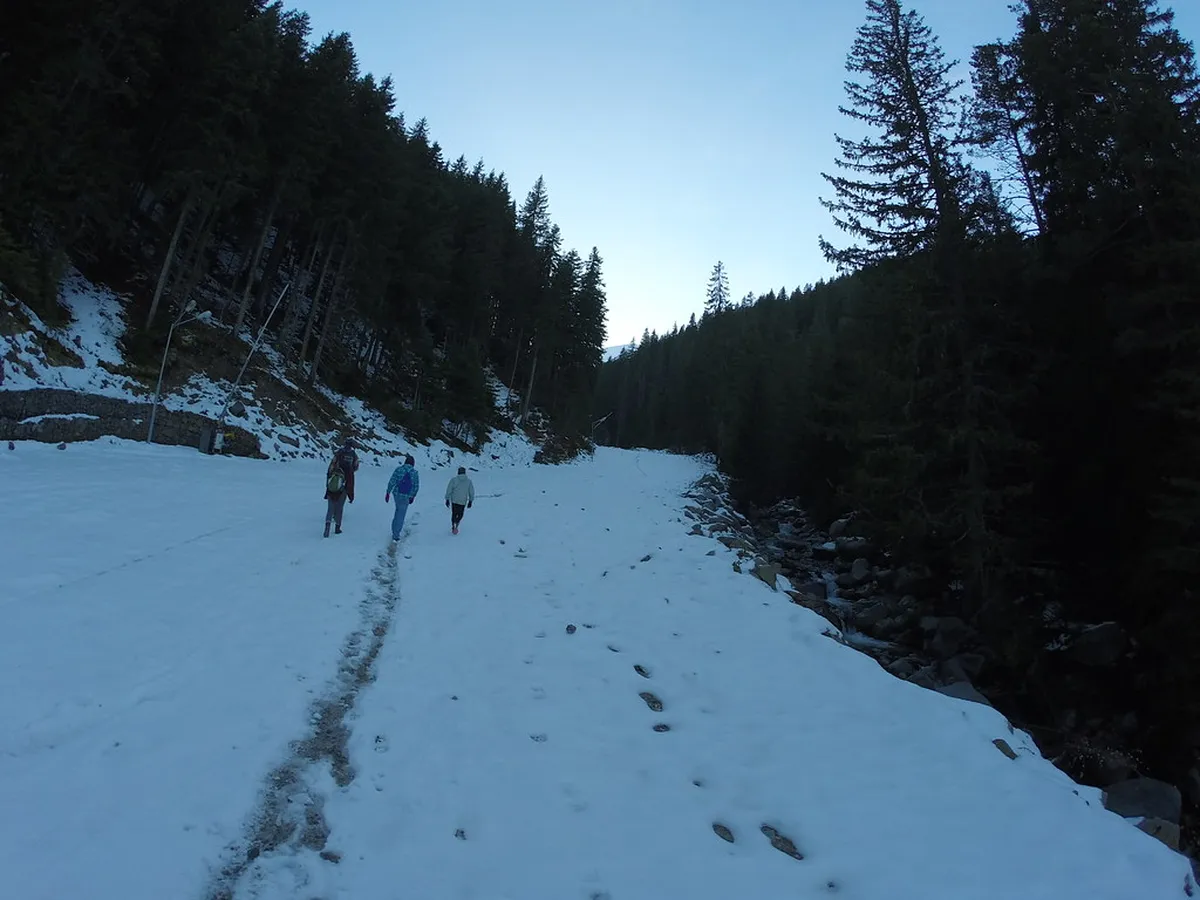
Weather in the high alpine can change rapidly even when the forecast looks clear in the valley. Pack lightweight layers and a waterproof jacket to handle sudden drops in temperature or rain. Never attempt high-altitude routes in winter or early spring when snow persists late into the season — the normal hiking window is late June through early October.
Trekking poles help enormously on the long rocky descents, particularly on Day 3 where the rocky plateau demands repeated scrambling. A 30-litre pack is sufficient for an overnight hut trip since meals are available at the shelters — you do not need to carry food beyond lunch and snacks. Carry 1.5–2 litres of water on Day 3, as there are no reliable water sources on the ridge section between Tevno and the Vihren Hut descent.
Digital tools like Mapy.cz are invaluable for navigating the complex network of paths and downloading offline GPX tracks before you set out. Always carry a physical map and compass as backup. Do not forget high-SPF sunscreen and polarized sunglasses: the reflection off white marble rocks causes fast burns at altitude, and the UV exposure at 2,500 m is substantially higher than at sea level.
Flora, Fauna, and IUCN Management Category
Pirin is classified as an IUCN Category II National Park, which prioritizes ecosystem protection alongside sustainable recreation. This designation limits human activity — no hunting, no off-road vehicles, no fires outside hut compounds — to ensure the survival of rare Balkan Pleistocene flora. Three strict nature reserves within the park (Bayuvi Dupki-Dzhindziritsa, Yulen, and Tissata) have even higher protection and are effectively closed to casual visitors.
The park is home to the oldest tree in Bulgaria: a Macedonian pine known as Baikushev's Pine, standing in the Bayuvi Dupki reserve and estimated at 1,350 years old. It predates the First Bulgarian Empire. Other notable plant curiosities include the Pirin poppy (Papaver pirinica), golden aquilegia, and edelweiss — all visible on the upper limestone zones in July and August.
Wildlife enthusiasts might spot Balkan chamois (estimated at 250–380 individuals), brown bears (over 40 breeding pairs), grey wolves, and golden eagles while exploring the more remote sectors. The park records 159 bird species, 33 percent of Bulgaria's total. These animals thrive in the protected zones away from the main tourist trails. Maintaining a quiet presence and staying on marked paths helps minimize your impact on these species.
How to Get There: Transport from Bansko and Sofia
Most visitors start their journey by arranging How to Get from Sofia to Bansko via bus or private shuttle. From Bansko, a local bus runs to the Vihren Hut trailhead during summer. Be aware that the bus operates only three times per day and costs 8 BGN per person each way. Missing the last bus is a common first-timer mistake — check the current timetable at the Bansko bus station on the morning of your hike.
The drive from the town center to the higher parking areas takes approximately 30 to 35 minutes. Parking can be extremely limited on summer weekends, so arriving before 08:00 is a smart strategy. A taxi from the main square in Bansko is a reliable alternative that allows you to start your hike at any time without waiting for the bus — agree on the price before you get in, typically around 20–30 BGN.
Hitchhiking is a common and socially accepted way to reach the trailheads among the local hiking community. At the end of your hike, if the next bus is hours away, simply stand near the hut car park with your thumb out. Most Bulgarian drivers heading back toward Bansko will stop. Waiting time is typically under 5 minutes during the afternoon descent window.
Visitor Facilities and Local Human Population
The town of Bansko serves as the primary gateway and provides extensive facilities for international travelers. You will find a dedicated visitor information center that offers maps and current trail updates. The national park directorate (PNPD) is based in Blagoevgrad District and administers the entire 40,000-hectare territory on behalf of the Ministry of Environment and Water.
The local population has a deep connection to the mountains and often works as guides or hut keepers. Their knowledge of the terrain is an invaluable resource for anyone planning a complex trek. While exploring the town, you can enjoy traditional taverns known as "mehanas" after a long day of hiking. These establishments serve the same hearty dishes you will eat on the trail — bean soup, grilled meats, rakia — and a hot shower and comfortable bed make the contrast with the huts feel particularly rewarding.
For more ideas on town activities, check our list in our complete Bansko guide. Integrating with the local community adds a layer of depth to your visit beyond just the physical scenery.
History of the Park: From Nature Reserve to World Heritage
Protection of the Pirin Mountains began in 1934 when the Bayuvi Dupki Nature Reserve was formed to safeguard the ancient Bosnian pine forests. The Vihren Peoples' Park was established in 1962 covering 6,736 hectares in the north-central mountains, and the territory grew substantially through the 1970s as the value of the landscape became clearer to Bulgarian conservationists.
Official UNESCO World Heritage status was granted in 1983 under the name Pirin National Park (27,442 ha). The original inscription proved inadequate in capturing the outstanding universal value of the alpine summit zone, so a significant extension in 2010 added a further 12,136 ha of high-altitude terrain. At the same time, hillside ski-run areas (150.6 ha) were explicitly excluded from the World Heritage property due to the environmental damage associated with the Bansko resort expansion — a political controversy that continues to surface in Bulgarian environmental circles.
Today, the park covers 40,332 hectares and continues to be a vital site for scientific research and conservation. Its three internal strict nature reserves remain largely inaccessible to the public, functioning as baseline benchmarks for the natural state of Balkan mountain ecosystems. Learning about this timeline helps visitors understand the long-term effort required to preserve such a vast wilderness.
Continue planning: Use 12 Best Things to Do in Bansko and 4-Day Bansko Itinerary for First-Time Visitors to connect this guide with the rest of your Bulgaria itinerary.
Frequently Asked Questions
Is Pirin National Park worth visiting?
Yes, Pirin National Park is absolutely worth visiting for its unique marble peaks and glacial lakes. It offers some of the best hiking in Europe with fewer crowds than the Alps. You can find more inspiration in our easy excursions nearby guide.
How do I get from Bansko to Pirin National Park?
You can take a local shuttle bus from the Bansko bus station directly to Vihren Hut. The journey takes about 35 minutes and runs several times daily during the summer. Taxis and hitchhiking are also common options for reaching the trailheads.
Can you camp in Pirin National Park?
Wild camping is strictly prohibited within the boundaries of the national park to protect the environment. Visitors must stay in designated mountain huts or shelters during multi-day treks. This rule helps prevent forest fires and reduces the human impact on sensitive wildlife habitats.
What is the highest peak in the Pirin Mountains?
Vihren Peak is the highest point in the range, standing at 2,914 meters above sea level. It is a challenging climb that requires good physical fitness and proper hiking gear. The summit offers incredible 360-degree views of the surrounding Bulgarian and Greek mountains.
Pirin National Park offers an unparalleled adventure for those willing to tackle its rocky paths. From the heights of Vihren Peak to the quiet shores of Muratovo Lake, the scenery is breathtaking.
By following local regulations and preparing for the terrain, you ensure a safe and respectful visit. This UNESCO site remains a testament to the raw power of nature in the Balkans.
Start planning your journey today to experience one of Bulgaria's most iconic landscapes. The mountains are waiting for your next great hiking challenge in 2026.