Best Time to Visit Burgas: Weather, Seasons & Month-by-Month (2026)
The best time to visit Burgas for most travelers is the first three weeks of June or the month of September. Both windows give you warm sea temperatures, manageable crowds, and prices noticeably below the July–August peak. This Black Sea city also rewards visitors who plan around its natural calendar — the salt lakes shift colour, storks fill the sky, and the festival program changes entirely from one month to the next.
Planning for 2026 means paying attention to a few specific windows. Late spring (May to mid-June) and early autumn (September to mid-October) are the clear sweet spots. These months deliver mild air temperatures, a swimmable sea, and far more breathing room on the sand than peak summer. You will also find hotel rates 20–40% lower than the August high.
Summer brings intense heat and vibrant music festivals. Winter offers a quiet, moody atmosphere perfect for budget-conscious travelers. Each season transforms the nearby lakes and the city's green Sea Garden in a different way. Our month-by-month guide covers exactly what to expect so you can choose the window that fits your trip.
| Best overall | Early June or September |
| Beach season | Late June through mid-September (sea 20–26°C) |
| Fewest crowds | March–May, October–November |
| Cheapest months | December–February, March |
| Avoid | August 13–17 (Orthodox holiday, peak prices & crowds) |
To get a visual sense of Burgas before you visit, here's a travel vlog that captures the city's main attractions and coastal character:
Burgas Weather and Seasons Overview
Burgas sits on a peninsula between Burgas Bay and three large salt lakes, which gives it a more moderate climate than Bulgaria's interior cities. Summer temperatures regularly hit 28–30°C / 82–86°F, but the consistent Black Sea breeze keeps the coast cooler than Sofia or Plovdiv on the same afternoon. Winter stays mild by Bulgarian standards, rarely dropping below 0°C in the city itself, though the sea wind makes it feel sharp.
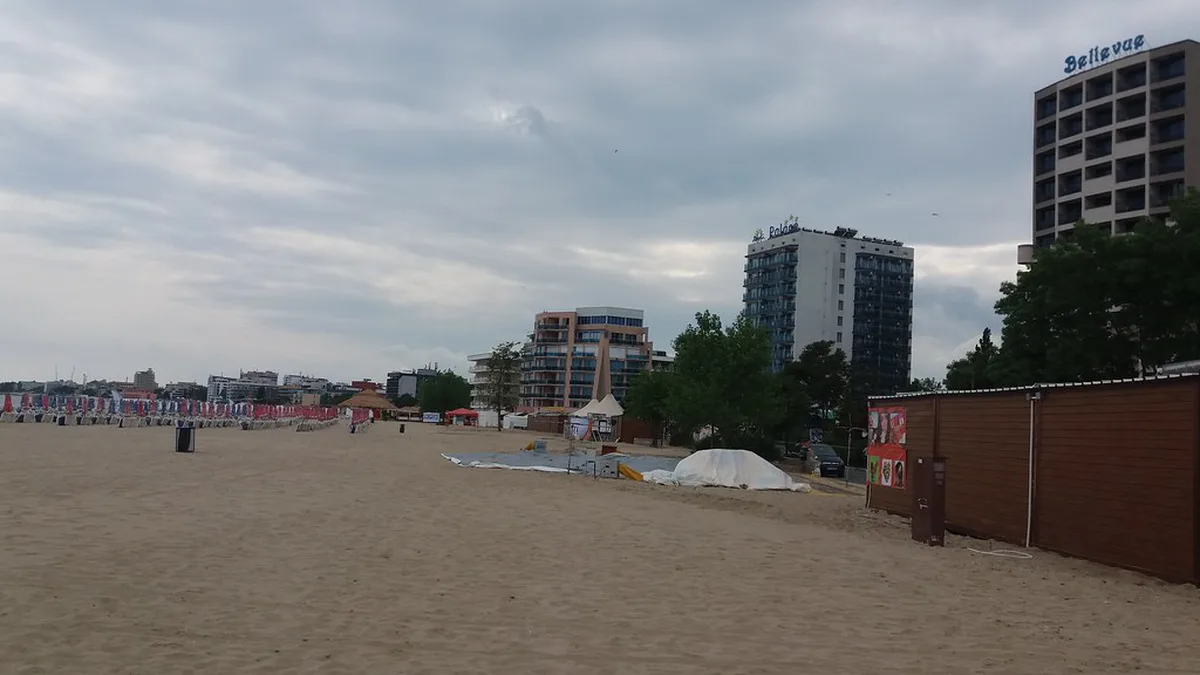
Spring arrives gradually as the sea absorbs winter cold slowly. The water does not warm to comfortable swimming temperatures until late May at the earliest and more reliably by mid-June. Autumn extends well beyond what you would expect inland — October days regularly reach 18–22°C, and the sea stays swimmable into the first weeks of that month. According to WeatherSpark Burgas Climate Data, Burgas receives around 480 mm of annual rainfall, spread fairly evenly with a slight peak in June and November.
The city's famous Sea Garden (Morska Gradina) creates a genuine micro-climate along the waterfront. The dense canopy of maritime pines and the proximity to the water shave 2–3°C off the air temperature on the hottest July afternoons. During peak heat waves, locals retreat here rather than to the exposed beach. This buffer makes the Sea Garden a reliable refuge from late June through August when temperatures push past 32°C.
Plan around June 21 if you want summer weather without peak crowds. Before this date, Bulgarian school holidays haven't started, and hotel rates are 20–40% lower than July–August prices.
Spring in Burgas (March–May): Nature, Hiking, and Blooming Lakes
March in Burgas is transitional — air temperatures climb from around 10°C to 15°C by the end of the month, but the sea sits at 8–10°C and is too cold for swimming. The city is quiet, prices are at their lowest, and the lakeside trails around Lake Vaya and Atanasovsko Lake Visitor Guide begin to fill with early migratory birds. This is a genuine low-season gem for nature-focused visitors who do not need beach weather.
April warms quickly, reaching average highs of 16–18°C, and the Sea Garden bursts into colour. The Burgas Flower Show typically runs in late April, drawing locals to the park with displays of seasonal blooms. Rainfall is moderate — around 8 rainy days per month — but spring showers tend to pass quickly. The salt lakes start their seasonal transformation in April as temperatures rise and algae growth begins.
May is arguably the most beautiful month for walking the coast. Highs reach 21–24°C, the Sea Garden is in full leaf, and the city feels alive without the congestion of summer. The sea is still cool at 15–17°C — borderline for hardy swimmers, but comfortable for a quick dip on a warm day. Hotel rates in May sit well below peak-season levels, and you will have no trouble booking accommodation at short notice. If you are combining Burgas with Best Day Trips from Burgas to Sozopol Bulgaria or Nessebar (the UNESCO old town), spring is ideal for exploring those historic towns without summer crowds.
Summer in Burgas (June–August): Peak Beach and Festival Season
June is a transition month that splits neatly into two phases. The first three weeks offer shoulder-season conditions — sea temperatures around 20–22°C / 68–72°F, air temperatures of 22–26°C, and moderate crowds. From roughly June 21 onward, Bulgarian school holidays begin and the city shifts into high gear. If you want summer weather without summer prices, arrive before June 20.
July and August are the busiest months by a significant margin. Air temperatures consistently hover around 28–30°C / 82–86°F and regularly spike above 32°C during heat waves. The main city beach fills quickly with locals and tourists from across Bulgaria and Eastern Europe. Book accommodation at least two months in advance for these weeks. Expect vibrant energy, but also longer wait times at restaurants and higher demand for taxis and rental cars.
The Sand Sculpture Festival runs throughout July and into August near the Sea Garden entrance. Artists from across Europe create large-scale structures that change each year — it is free to view and worth an evening visit. Evening temperatures drop to a pleasant 20–22°C, perfect for outdoor dining along the seafront. Swimming is best in August when sea temperatures reach 24–26°C / 75–79°F. Sun protection is essential even on cloudy days, as the Black Sea sun reflects strongly off the water.
Autumn in Burgas (September–November): Bird Migration and Warm Water
September is the month that surprises most first-time visitors. The extreme heat of August fades, but the sea retains warmth from months of solar heating and sits at 22–24°C — often warmer than early July. Crowds thin significantly after the first week of September as Bulgarian and European school terms resume. Hotel rates drop by 20–35% within days. You get nearly peak-summer swimming conditions at a fraction of the cost.
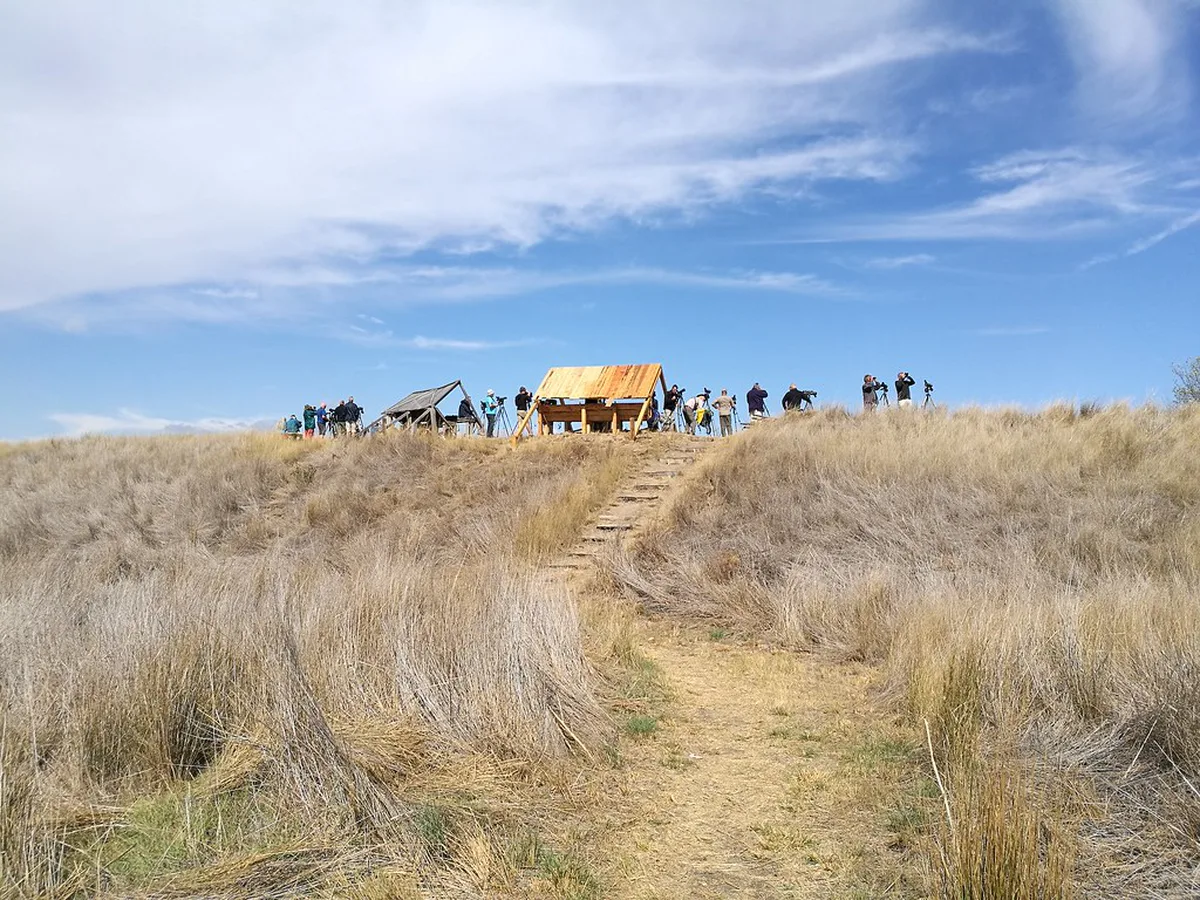
Nature lovers should plan around the Via Pontica migration corridor, one of Europe's two major flyways for storks, pelicans, and raptors. The peak window runs from late August through the end of October, with the highest concentrations of white storks and white pelicans passing over Burgas between mid-September and mid-October. The Poda Protected Area on the southern edge of the city offers dedicated viewing platforms with recorded sightings of over 300 species. Early mornings are best — bring binoculars and allow at least two hours.
Late August through September is also the optimal window to see Atanasovsko Lake's vivid pink colouration. The shallow, hypersaline water reacts with halobacteria and Dunaliella algae to produce a palette ranging from pale rose to deep magenta depending on the light. The same conditions that create the colour also deposit mineral-rich mud along the shores, which locals have used for therapeutic bathing for generations. Access to the salt flats is free and the lake sits just 5 km north of the city centre. October brings crisp mornings and golden foliage to the park, while sea temperatures cool to around 18–19°C — still swimmable on warm afternoons. Check our fall activities guide for specific itinerary ideas.
Winter in Burgas (December–February): Budget Travel and Quiet Coastal Walks
Winter in Burgas is significantly milder than Bulgaria's interior, but it is not without bite. Daytime highs sit between 5–10°C / 41–50°F, and the sea wind can make it feel several degrees colder. Snow is rare in the city — Burgas sees perhaps 5–10 snowy days per winter on average — but wet, grey spells are common from November through February. The upside is that this is the cheapest time to visit, with hotel rates at their annual low and virtually no queues at restaurants or attractions.
The ferry service to Saint Anastasia Island typically suspends operations from November through late March due to rough seas and strong winds. Many beach bars and seasonal tavernas along the northern shore close by mid-October. Some smaller hotels in the beach suburbs may shut for the winter. However, the city centre remains fully operational — restaurants, the Regional History Museum, and the Sea Garden walking paths stay open year-round.
December brings some festive energy with Christmas markets in the central square and New Year celebrations at the seafront. Winter walks along the Sea Garden promenade with a windproof jacket and a coffee from one of the year-round cafes have a particular moody appeal. If you plan to fly into Burgas Airport in winter, check schedules carefully — budget carriers from Western Europe significantly reduce or cancel routes after October. Some travelers find it more practical to fly into Sofia Varna and travel by bus to Burgas. Consult our winter guide for what stays open and what to see in the colder months.
Burgas Month-by-Month: Air Temperature, Sea Temperature & Rainfall
The table below summarises average conditions for each month. Sea temperatures lag air temperatures by roughly four to six weeks — the water warms slowly through spring and retains heat well into autumn. Use the sea temperature column as your primary guide if swimming is important to your trip.
| Month | Avg High (°C) | Avg Low (°C) | Sea Temp (°C) | Rainy Days | Crowd Level |
|---|---|---|---|---|---|
| January | 6 | 0 | 8 | 8 | 1/10 |
| February | 8 | 1 | 7 | 7 | 1/10 |
| March | 12 | 4 | 9 | 7 | 2/10 |
| April | 17 | 8 | 11 | 8 | 3/10 |
| May | 22 | 13 | 16 | 9 | 4/10 |
| June | 26 | 17 | 21 | 9 | 6/10 |
| July | 29 | 20 | 24 | 5 | 9/10 |
| August | 29 | 20 | 26 | 4 | 10/10 |
| September | 25 | 15 | 23 | 6 | 5/10 |
| October | 19 | 11 | 19 | 8 | 3/10 |
| November | 13 | 6 | 14 | 9 | 1/10 |
| December | 8 | 2 | 10 | 9 | 1/10 |
July and August are the driest months, with only 4–5 rainy days each — rain mostly falls as short afternoon thunderstorms rather than all-day downpours. June sees the highest rainfall of the summer months, which is worth noting if you are planning outdoor events or beach visits in early summer. November is the wettest shoulder month and generally the least appealing time to visit unless you have a very specific reason to be in Burgas.
August 13–17 is the Orthodox holiday of the Assumption of the Virgin Mary. Prices spike sharply, the beach reaches maximum capacity, and accommodation fills far in advance. Book ahead or plan to visit a different week.
Best Time for Specific Activities in Burgas
Swimming and beach days are best from late June through mid-September, with the peak window being the first two weeks of August when sea temperatures reach 25–26°C. September is the best month for value swimmers — near-peak water warmth at shoulder-season prices. June before the 20th offers a quieter alternative, though the water is noticeably cooler at 20–22°C. Avoid expecting beach weather in May; the sea is still cold and the weather unpredictable.
Birdwatching is concentrated in two distinct windows. The spring migration runs from late March through May, with returning species arriving from Africa and the Middle East. The far more dramatic autumn migration follows the Via Pontica flyway from late August through October. This corridor funnels hundreds of thousands of birds — white storks, white pelicans, marsh harriers, honey buzzards, and short-toed eagles — over the Burgas lakes complex. The Poda Protected Area Visitor Guide and the observation tower at Atanasovsko Lake are the two best vantage points. Peak passage for most species falls between September 10 and October 10.
Cultural events and city exploration are most enjoyable in May, June, and September when temperatures are comfortable for long walks and outdoor terraces are open but not overcrowded. Families with young children typically find the shallow, calm waters of Burgas beaches best in late July and early August. Budget travelers who still want good weather should target the first three weeks of June or the last two weeks of September — both windows deliver solid conditions at off-peak prices. If you are weighing Burgas against another destination, our Burgas vs Sunny Beach comparison breaks down the key differences for beach holidays.
Major Burgas Events and Festivals in 2026
The Sand Sculpture Festival is the city's signature event, running from late June through August in the park beside the Sea Garden. Each year brings a different theme, with professional sculptors from across Europe creating large-scale works from Burgas beach sand. Entry to the sculpture area costs around 5 BGN / €2.50. The festival draws significant visitor numbers, so plan accommodation well in advance if your dates overlap with it.
Spirit of Burgas is an outdoor music festival held at the city beach in early August. It typically runs Thursday to Sunday over one long weekend and features a mix of Bulgarian pop, folk-fusion, and electronic acts. The 2026 edition is expected in the first or second weekend of August — exact dates are usually confirmed by March. Spirit of Burgas is one of the largest summer festivals on the Bulgarian Black Sea coast and consistently sells out advance tickets.
Two Bulgarian public holidays in 2026 will create notable local crowd spikes in Burgas. The Bulgarian National Holiday on March 3 brings day-trippers from inland cities to the coast, and the Day of Bulgarian Enlightenment and Culture on May 24 coincides with a long weekend that pushes local tourism. In peak summer, the assumption of the Virgin Mary on August 15 is a major Orthodox holiday that fills the city for a three-day weekend — prices spike sharply around this date and the beach reaches its annual maximum capacity. Book or avoid August 13–17 depending on your crowd tolerance. The Nestinari fire-dancing tradition in the Strandzha region, just south of Burgas, typically takes place in early June and is accessible as a half-day excursion — a genuinely unusual cultural event with deep roots in the local Bulgarian Orthodox calendar.
The Shoulder Season Advantage: June 1–20 and September 1–20
Both shoulder windows deliver weather that rivals peak summer at a fraction of the cost. The first three weeks of June give you air temperatures of 22–26°C, a sea that is approaching swimable warmth (20–22°C), and a city that has not yet shifted into full tourist mode. Most restaurants and beach facilities are open, the Sea Garden is at its greenest, and you will find walk-in availability at hotels that would be fully booked six weeks later.
The first three weeks of September are arguably even better. The sea is warmer than it was in June, hitting 22–23°C from residual summer heat. Air temperatures sit at 23–26°C — warm but no longer oppressive. The Sand Sculpture Festival is still on display, Spirit of Burgas has finished, and the Via Pontica migration is just beginning over the salt lakes. You get the best of three different Burgas experiences simultaneously: beach, festival, and nature.
A practical note on pricing: a mid-range hotel room on the seafront that costs 180–220 BGN per night in August typically drops to 100–130 BGN in the first two weeks of September. Rental cars and airport transfers also fall sharply after Bulgarian school holidays end around September 15. If you are planning a longer stay — four or more nights — the cost difference across a full trip is substantial. Our guide to how many days to spend in Burgas can help you plan the right length of visit for each season.
What to Know About Visiting in Low Season
The ferry service to Saint Anastasia Island typically suspends from November through late March. Strong winds and rough seas make the 20-minute crossing unreliable and occasionally unsafe. Many beach bars and seasonal tavernas along the northern shore close by mid-October. Some smaller coastal hotels shut for the winter or operate on reduced capacity from November through March — always confirm before booking.
Flight schedules at Burgas Airport change significantly after the summer peak. Budget airlines from the UK, Germany, and Scandinavia often reduce or suspend routes entirely from late October through April. If you are visiting between November and March, you may need to fly into Sofia or Varna and travel onward by bus (around 3.5–4 hours from Sofia, 2 hours from Varna). Check the Official Tourism Portal of Bulgaria - Burgas for seasonal museum hours and updated ferry schedules before you travel.
What does stay open year-round: the Regional History Museum, the Ethnographic Museum, the aquarium in the Sea Garden, most central restaurants and cafes, and the lakeside trails. Atanasovsko Lake's flamingo colony (a smaller resident group, distinct from the autumn migrants) is actually most reliably visible in winter when the lake is quieter. The city centre has a genuine off-season character that is worth experiencing if you want Burgas without the crowds.
Essential Packing List for Every Burgas Season
Summer visitors (June–August) need lightweight, breathable fabrics — linen and cotton are more comfortable than synthetics in the coastal heat. A high-SPF sunscreen of at least SPF 30 is essential, even on overcast days, as UV reflection off the sea is strong. Pack a light layer for Sea Garden evenings, which cool quickly after sunset regardless of how hot the afternoon was. Water shoes or sandals with grip are useful for the rocky sections of the north beach.
Autumn and spring visitors (September–October, April–May) need layers more than heavy clothing. A light down or fleece mid-layer plus a waterproof shell covers most eventualities. Walking shoes suitable for the lakeside trails are more useful than sandals for the birdwatching and coastal walking that define these seasons. Binoculars are worth packing if you have any interest in the Via Pontica migration — the show is dramatically better with them.
Winter travelers (November–March) need windproof outer layers more than heavy insulation. The sea wind in Burgas is a more practical problem than temperature alone. A scarf and waterproof boots add significant comfort for the damp coastal walks. Gloves are useful from December through February. Indoor layering is important too — older hotels can have variable heating, so a thermal base layer adds insurance on colder nights.
- Summer essentials: high-SPF sunscreen, quick-dry swimwear, light evening layer, water shoes
- Shoulder season: waterproof shell, mid-layer fleece, walking shoes, binoculars for birding
- Winter: windproof jacket, waterproof boots, scarf, thermal base layer
- Year-round: reusable water bottle, portable charger, EU power adapter (Type F)
See our Burgas tourism attractions guide for the broader city overview.
Frequently Asked Questions
What is the hottest month in Burgas?
August is typically the hottest month in Burgas. Temperatures often reach 30°C / 86°F during the day. The sea temperature also peaks this month, making it ideal for swimming and water sports.
Can you swim in Burgas in June?
Yes, you can swim in June, but the water is still refreshing. Sea temperatures usually hover around 20–22°C / 68–72°F. It is much more comfortable for swimming by the end of the month.
When is the bird migration in Burgas?
The peak bird migration occurs from late August through September. Thousands of birds follow the Via Pontica route over the city's lakes. This is the best time for visiting the Poda Protected Area.
Is Burgas worth visiting in winter?
Yes, for budget travelers and those who enjoy quiet coastal towns. Prices are at their annual low, the city centre stays open, and the lakeside trails are peaceful. The ferry to Saint Anastasia Island does not run in winter, and some beach hotels close, but the core of Burgas remains accessible year-round.
When does the Burgas Sand Sculpture Festival start in 2026?
The Burgas Sand Sculpture Festival typically opens in late June and runs through August. The 2026 edition is expected to follow the same pattern. Check the official city tourism website for confirmed opening dates as the season approaches.
Burgas is a destination that rewards travelers who choose their timing with purpose. The shoulder windows of early June and September deliver the best overall combination of weather, value, and atmosphere. Summer is unbeatable for beach energy and festivals, while autumn adds the spectacular bonus of birdwatching and pink salt lakes. Winter and spring suit specific types of visitors but offer genuine rewards for those who seek them out.
Whatever month you choose, plan around the 2026 public holiday calendar to avoid unexpected crowd and price spikes — particularly the August 15 Orthodox holiday weekend. The combination of salt lakes, Sea Garden micro-climate, and Black Sea beach makes Burgas one of the most seasonally interesting cities on the Bulgarian coast. Use this guide to find the window that fits your trip.