Regional Ethnographic Museum Plovdiv: The Ultimate Visitor Guide
Plovdiv is a city where history breathes through every cobblestone street and ancient wall. The Regional Ethnographic Museum stands as a centerpiece of this heritage within the vibrant Old Town. Housed in the magnificent Kuyumdzhiev House, this institution offers a deep dive into Bulgarian traditions. This guide to Plovdiv will help you explore one of the most beautiful buildings in the Balkans.
Visitors often feel transported back to the 19th century when they step through the museum gates. The site combines stunning Baroque architecture with a massive collection of cultural artifacts. Whether you are a history buff or an architecture lover, this museum is a mandatory stop. This 2026 guide covers what to see inside, current ticket prices, and the one mix-up that trips up most first-time visitors.
For a visual introduction to the museum's striking architecture and cultural collections, here's a walk-through tour:
History and Architecture of the Kuyumdzhiev House
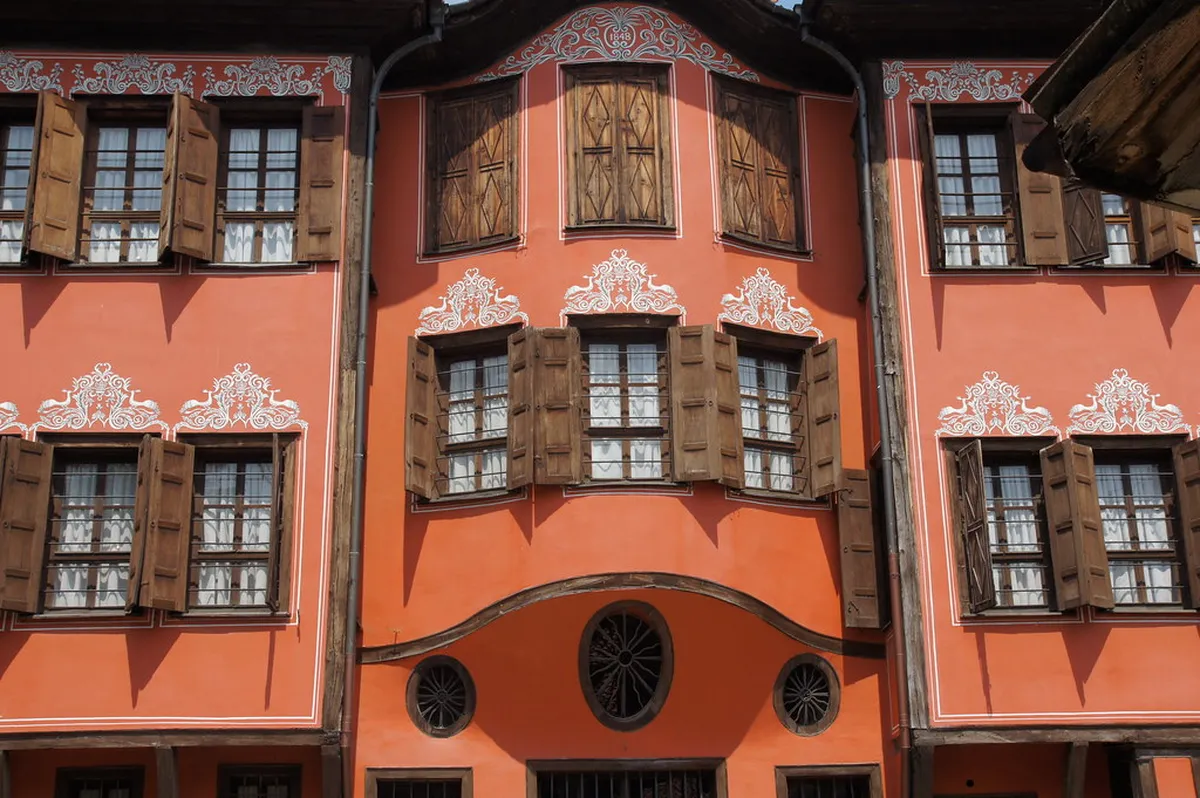
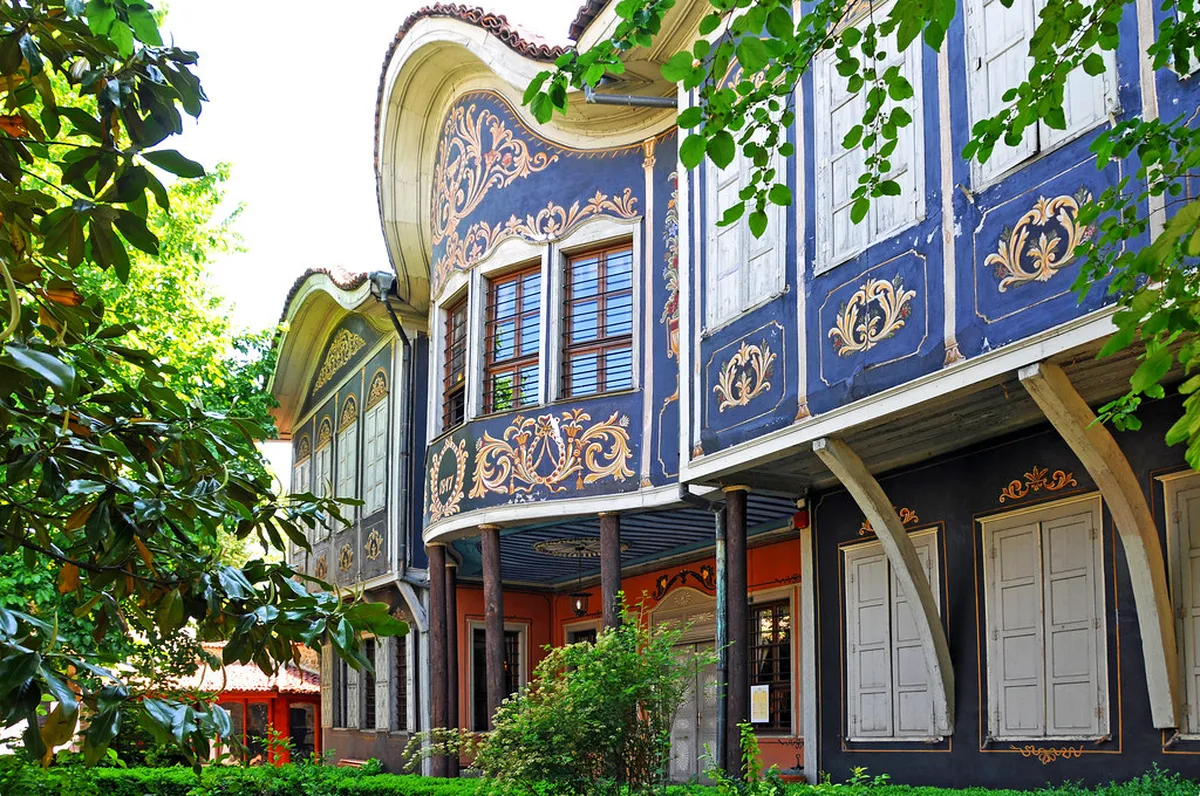
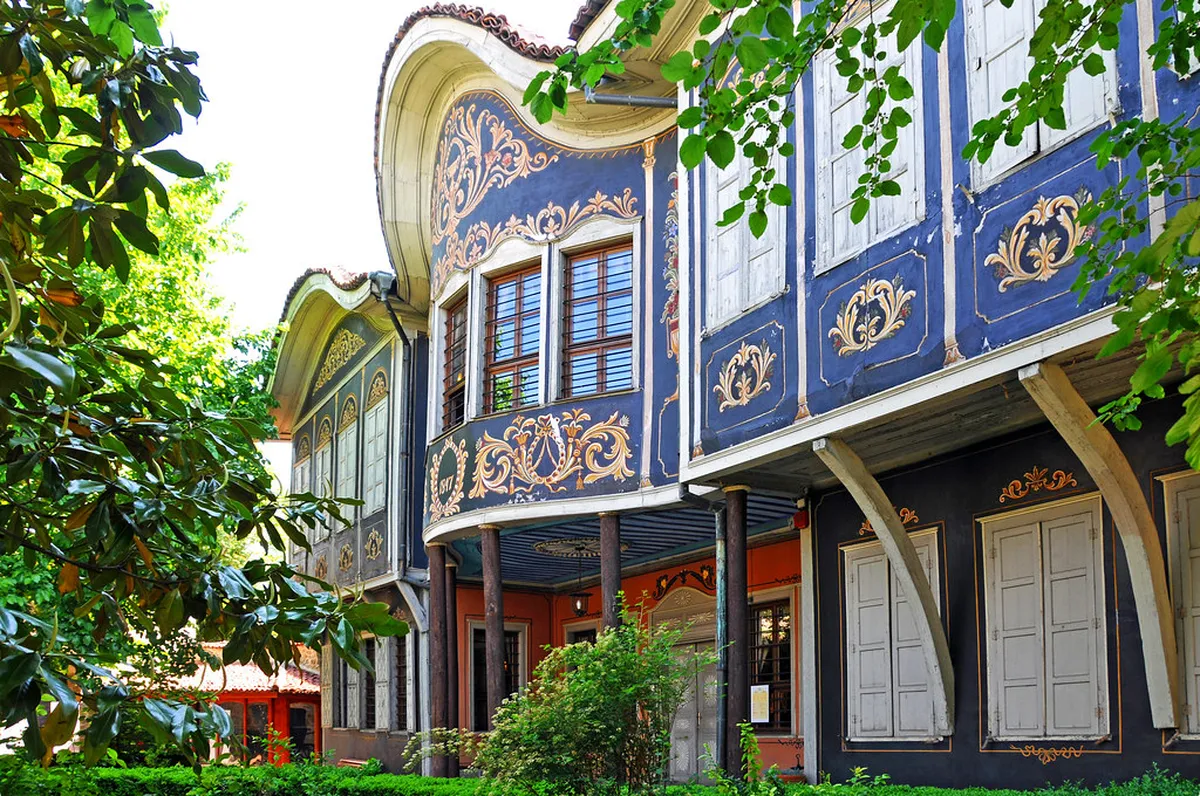
The museum building is a spectacular example of the Bulgarian National Revival style. It was built in 1847 for Argir Kuyumdzhioglu, a prominent merchant in the city. The house reflects the wealth and cultural aspirations of the local elite during that era. Historians often refer to its unique aesthetic as the Plovdiv Baroque style.
The structure features a symmetrical design with a grand facade that commands attention. It boasts four floors, each covering an expansive 570 square meters of space. One of the most striking features is the presence of over 130 individual windows. These windows allow natural light to flood the ornate interior rooms throughout the day.
The house is cleverly integrated into the ancient fortress walls of the city. It stands adjacent to the famous Hisar Kapiya gate, creating a seamless historic ensemble. This physical connection highlights how the 19th-century city grew upon its Roman and Medieval foundations. Architectural enthusiasts will appreciate the flowing curves and intricate exterior decorations.
The museum as an institution predates its famous address. Plovdiv's Regional Ethnographic Museum was founded in 1917, decades before it moved into the Kuyumdzhioglu House. In the interim the mansion served as a girls' boarding house, a hat factory, and a flour warehouse, until the municipality and the Ministry of National Education agreed to establish a house museum inside the building in 1938.
Exploring the Collections: Textiles, Crafts, and Folklore
Inside the museum, you will find over 40,000 movable monuments of culture. The Regional Ethnographic Museum collection is one of the largest in Bulgaria. It spans various aspects of daily life, from agriculture to high-end crafts. The exhibits are organized to tell a coherent story of the region's diverse population.
The textile collection is particularly impressive, featuring vibrant folk costumes from across the country. You can observe the intricate embroidery and heavy fabrics used in traditional Bulgarian dress. Each pattern often signifies a specific village or social status of the wearer. These garments offer a colorful window into the soul of rural Bulgarian life.
Other halls focus on the essential trades that kept 19th-century Plovdiv running, organized into themed rooms rather than one general crafts hall. A reconstructed goldsmith's workshop shows the full period inventory of a working silversmith, and musical instruments like the gaida and kaval round out the folklore wing.
- Pottery and gaytan braid-weaving (hand-plaited cord trim for formal dress)
- Coppersmithing and ironsmithing
- Goldsmithing and silver jewelry making
- Agriculture and animal husbandry tools
- Folk musical instruments, including the gaida and kaval
One exhibit worth seeking out is Ivan Mrkvička's 1888 canvas "Market in Plovdiv," among the earliest paintings to document ordinary street life in the city after Bulgaria's liberation from Ottoman rule. It offers a quieter counterpoint to the costumes and tools nearby, worth a slow look rather than a quick walk-past.
Essential Visitor Information: Hours and Location
Finding the museum is easy if you are already exploring the Old Town area. It is located at 2 Dr. Stoyan Chomakov Street, just steps from the main gate. Most visitors prefer to walk from the Roman Stadium, which takes about ten minutes. Coming from Kapana, the creative district downhill, budget closer to fifteen minutes uphill via Saborna Street, with the steepest cobblestones near Hisar Kapiya.
The museum follows a seasonal schedule that changes slightly during the winter months. In the summer, the doors are open from Tuesday to Sunday, 9:00 to 18:00. Winter hours usually see the museum closing one hour earlier at 17:00. Always check the official guide updates for holiday closures or special events.
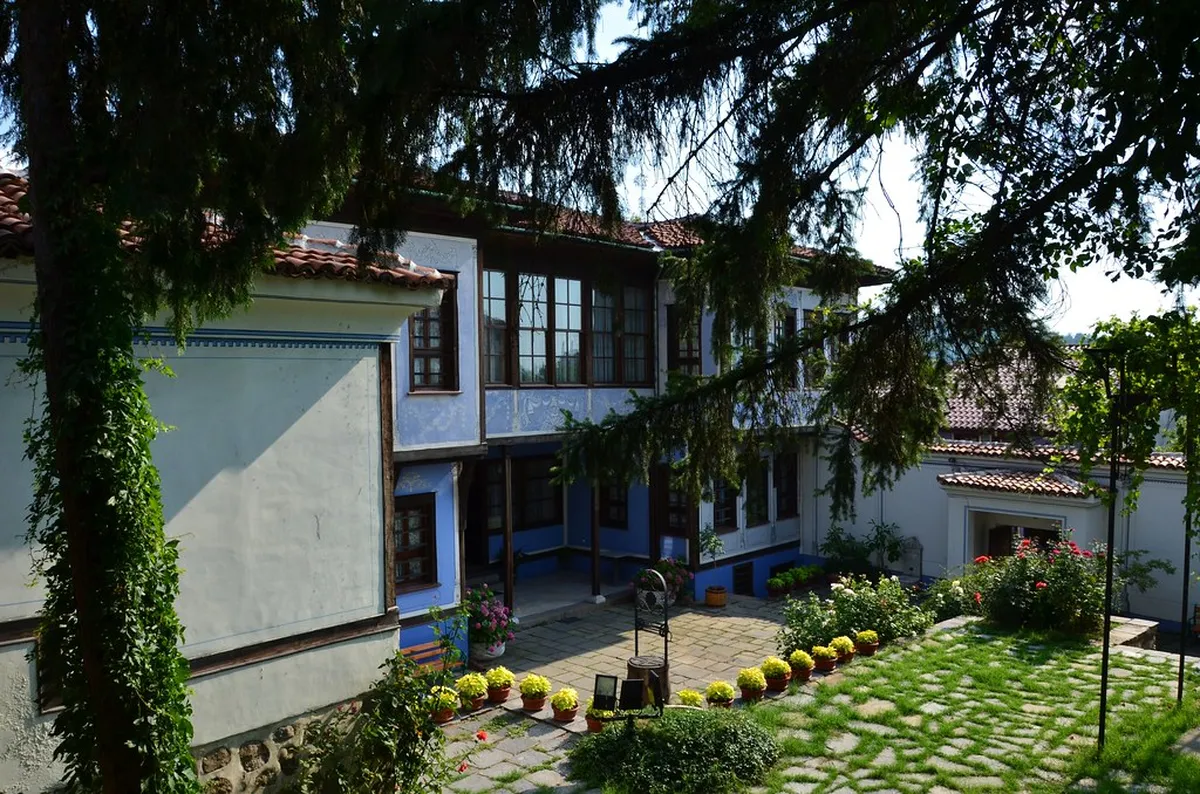
Please note that the museum is strictly closed to the public on Mondays. This is a common practice for many cultural institutions across the city of Plovdiv. Plan your itinerary to visit other attractions like the Roman Theatre on those days. The courtyard remains a beautiful spot for photos even when the interior is closed.
- Summer Operating Hours
- Days: Tuesday to Sunday
- Time: 09:00 to 18:00
- Closed: Every Monday
- Winter Operating Hours
- Days: Tuesday to Sunday
- Time: 09:00 to 17:00
- Closed: Every Monday
Tickets and Guided Tour Options
Admission is priced in euros now that Bulgaria has adopted the currency. The 2026 rates for the permanent exhibition:
- Adult ticket: 5.00 EUR (9.78 BGN)
- Student ticket: 2.00 EUR
- Family ticket (children aged 7-16): 10.00 EUR
- Combined ticket with the 20 Saborna St. exhibition: 8.00 EUR
- Guided tour in Bulgarian: 10.00 EUR / in English: 20.00 EUR
- Student group educational visits: 1.50 EUR per student
Children under 7, ICOM and ICOMOS members, journalists, museum donors, group guides, and visitors with special needs plus one companion all enter free of charge.
Ask for the 8.00 EUR combined ticket if you also want the second permanent exhibition at 20 Saborna St., a short walk from the Old Town — cheaper than the 5.00 EUR and 3.00 EUR you'd pay buying them separately. Guided tours cover wood-carving symbolism and costume patterns that are easy to miss alone, and staff can usually arrange an English-speaking guide with same-day notice in summer.
Photography inside the house requires a separate permit from the ticket desk, and flash is banned throughout to protect the historic textiles and wood carvings. A standard smartphone permit is inexpensive.
Best Time to Visit and Annual Events
Timing your visit can significantly change your experience at the Kuyumdzhiev House. Late spring and early autumn offer the most pleasant weather for walking the Old Town. The courtyard is particularly beautiful in May and June when the flowers are in bloom. Early morning visits at 9:00 AM help you avoid the large afternoon tour groups.
The museum serves as a primary venue for the Annual Festival of Chamber Music. This prestigious event takes place in the courtyard during the month of June. Listening to classical music surrounded by Baroque architecture is a truly magical experience. Be aware that the museum can be very crowded during these festival dates.
- Summer (April-October): open 09:00-18:00, warm days, blooming courtyard, but tour groups peak between 11:00 and 15:00
- Winter (November-March): open 09:00-17:00, cooler and quieter, near-empty rooms, best natural light for photographing the carved ceilings without other visitors in frame
Check for local craft workshops that occasionally happen during the quieter off-season months, when the museum has more room to host small demonstrations.
For the best exterior photos, arrive right at opening, when low morning sun rakes across the facade's 130 windows and shows the Plovdiv Baroque plasterwork's texture and shadow. Midday light flattens the carvings, and by early afternoon the courtyard fills with tour groups.
Interior Highlights: The 12 Rooms and Carved Ceilings
The interior of the house is just as impressive as its famous facade. There are 12 distinct rooms, each featuring unique artistic details and functions. The central reception hall on the second floor, known locally as the hayet, is the most grand space. It was designed to impress, with an oval central section and a high, deeply profiled plank ceiling.
Pay close attention to the wood-carved ceilings found in several of the rooms. These masterpieces were created by skilled woodworkers from the Tryavna school. The sun motif is a recurring theme that symbolizes light and prosperity. Each ceiling has a different design, showcasing the incredible variety of Bulgarian woodcarving.
The walls are adorned with delicate decorative paintings known as alafrangas. These niche paintings often depict landscapes or floral arrangements in a Western style. They represent the cultural bridge between the East and West during the 19th century. Walking through the rooms feels like navigating a living gallery of period art.
Beyond the grand hayet, several ground-floor rooms are furnished to represent specific regions rather than generic 19th-century interiors: the Koprivshtitsa Room, the Rhodope Room, and a Plovdiv-style urban parlor showing how the city's own merchant families actually lived.
Nearby Attractions in Plovdiv’s Old Town
The museum is perfectly situated for a full day of historic exploration. You can find more information about the area in our Plovdiv attractions guide. Just outside the museum gates lies Hisar Kapiya, the iconic medieval stone gate. Walking through this gate leads you toward the most photographed spots in the city.
Nebet Tepe is only a short walk uphill from the ethnographic museum. This archaeological site offers ruins from the Thracian period and panoramic city views. It is the perfect place to watch the sunset after your museum visit. The contrast between the ancient ruins and the 19th-century houses is striking.
If you head downhill, you will quickly reach the Roman Stadium and Kapana. Kapana is the creative district known for its trendy cafes and craft shops. It provides a modern contrast to the traditional atmosphere of the Old Town. Many travelers enjoy a coffee here after spending the morning at the museum.
If house museums are your focus, this one pairs naturally with Balabanov House and Hindliyan House nearby, each showing a different side of Old Town domestic life. Each charges separate admission, but the walk between all three is under ten minutes.
Good to Know Before You Go: Practical Tips
Comfortable footwear is essential when visiting any museum in the Old Town. The streets are made of large, uneven cobblestones that can be difficult to navigate. Avoid wearing high heels or thin-soled shoes for this part of your trip. Check our Plovdiv travel tips for more advice on navigating the terrain.
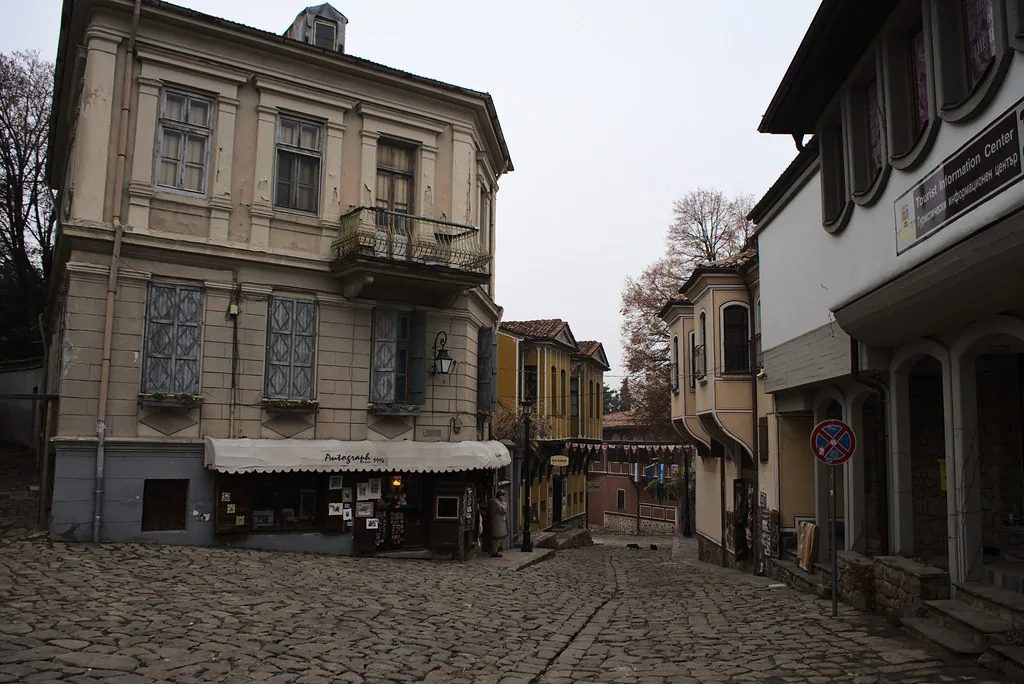
Allow at least 90 minutes to fully explore the collections and the building. The house is large, and there is a lot of detailed information to read. If you are a fan of photography, bring a lens that performs well in low light. The interior rooms are atmospheric but can be somewhat dark in certain corners.
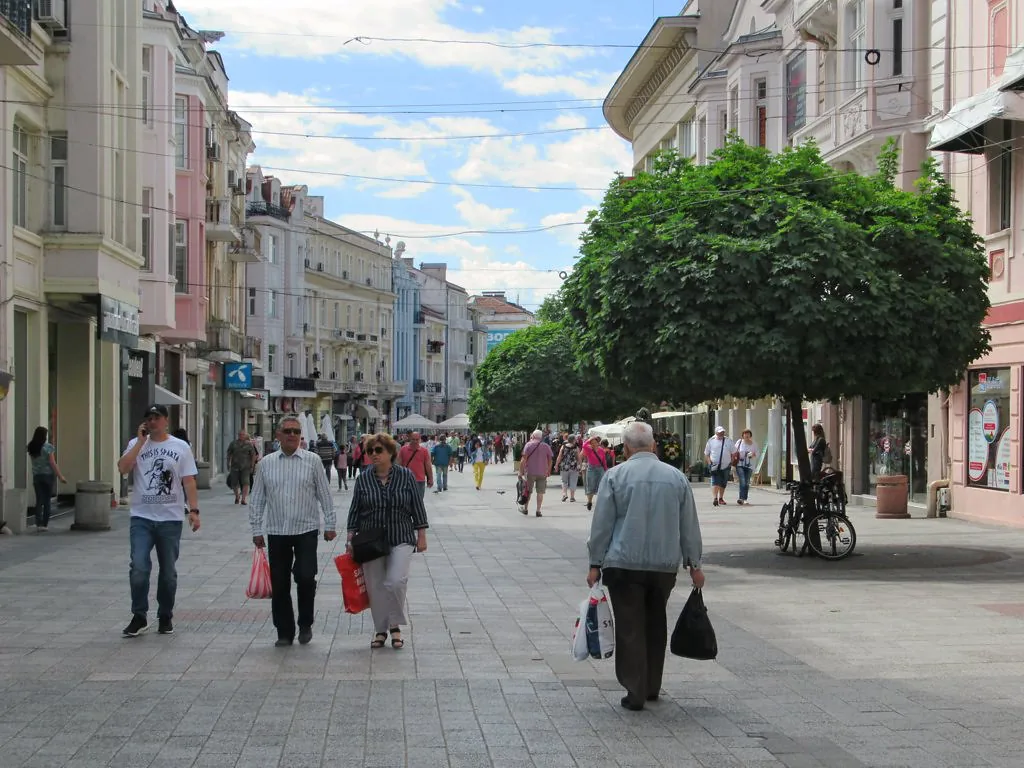
One mix-up trips up more first-time visitors than any cobblestone: confusing this museum with the Regional Archaeological Museum in the modern city center near the main pedestrian street. They are separate institutions with separate buildings, tickets, and hours, and travelers occasionally arrive at one expecting the other's collection. If you want both the folk-culture side and the Roman-and-Thracian side of Plovdiv's history, plan them as two separate stops.
Continue planning: Use Plovdiv Attractions: 12 Top Sights, Tickets & Tips to connect this guide with the rest of your Bulgaria itinerary.
Continue planning: Use 7 Things to Know: Alyosha Monument Visitor Guide to connect this guide with the rest of your Bulgaria itinerary.
Frequently Asked Questions
How long do you need to visit the Plovdiv Ethnographic Museum?
Most visitors spend between 60 and 90 minutes exploring the house and its collections. This allows enough time to see all 12 rooms and admire the intricate wood-carved ceilings. If you join a guided tour, you should plan for a slightly longer stay of about two hours.
What is the most famous house in Plovdiv Old Town?
The Kuyumdzhiev House, which houses the Regional Ethnographic Museum, is widely considered the most famous. Its unique Plovdiv Baroque architecture and 130 windows make it a landmark. You can learn more about its history in our Plovdiv city guide.
Is the Ethnographic Museum in Plovdiv worth visiting?
Yes, it is one of the most important cultural sites in Bulgaria. The museum offers a rare look at 19th-century life and stunning architecture. It is an essential stop for anyone interested in the Bulgarian National Revival period and traditional folk crafts.
What are the opening hours for the Plovdiv Ethnographic Museum?
The museum is open Tuesday through Sunday from 9:00 AM to 6:00 PM during the summer. In the winter, it closes one hour earlier at 5:00 PM. Please remember that the museum is always closed on Mondays for maintenance and staff breaks.
The Regional Ethnographic Museum in Plovdiv is more than just a collection of old objects. It is a living testament to the artistry and resilience of the Bulgarian people. Visiting the Kuyumdzhiev House allows you to walk through history in a truly grand setting. Give yourself the full ninety minutes it deserves, keep the two museums straight, and the visit earns its place near the top of any Old Town itinerary.
From the wood-carved ceilings to the vibrant folk costumes, there is beauty in every corner. Make sure to take your time and soak in the atmosphere of the 19th-century Plovdiv Baroque. This museum remains a highlight for many travelers exploring the ancient streets of Bulgaria. Safe travels as you discover the cultural treasures hidden within the Old Town.
For authoritative information, refer to the Regional Ethnographic Museum Plovdiv official site and Regional Ethnographic Museum Plovdiv on Wikipedia.
For more Plovdiv planning, read our 8 Essential Facts About the Ethnographic Museum Plovdiv and Ancient Theatre Plovdiv 2026: Tickets, Events & History guides.