15 Must-Try Bulgarian Foods: Your Essential Culinary Guide
Bulgarian food is one of Europe's most underrated cuisines. It draws on Thracian wine culture, Slavic bread traditions, Ottoman spice routes, and a century of mountain farming — all compressed into generous portions served in clay pots at prices that still feel absurdly reasonable. This guide covers the 15 dishes you need to try, the regional specialties worth traveling for, practical tips on where to eat, and the best food souvenirs to take home.
Before diving into the full descriptions below, here's a video ranking Bulgaria's most famous dishes:
Key Takeaways
- Shopska Salad is Bulgaria's most iconic dish — refreshing, cheap, and found everywhere.
- Bulgarian yogurt (kiselo mlyako) is made with a bacteria strain native to the region; the homemade or farmhouse versions are far superior to supermarket tubs.
- The Rhodope Mountains and Black Sea coast each have distinct specialties worth seeking out beyond Sofia.
- Vegetarians eat well in Bulgaria: shopska salad, tarator, patatnik, sirene po shopski, and gyuvech are all naturally meat-free options.
- Insider tip: the daily lunch menu (obedno menu) in a local mehana costs 8–12 BGN and usually includes soup, a main, and bread.
How History Shaped Bulgarian Cuisine
Bulgarian cuisine is a historical map of the Balkans compressed into a single plate. Ancient Thracians introduced viticulture and garlic. Slavic tribes brought bread-making traditions so deeply embedded that a meal without bread still feels incomplete to most Bulgarians. Nomadic Proto-Bulgarian tribes contributed fermented dairy — the origin of kiselo mlyako, made with Lactobacillus bulgaricus, a bacterial strain that the Bulgarian food standards authority officially designates as indigenous to the country.
Five centuries of Ottoman rule left paprika, cumin, baklava, kebabs, and the clay-pot cooking tradition. Then came an unexpected influence: Communist standardization. After 1944 the state selected 12 official traditional dishes that every restaurant had to serve, with exact weights printed on menus. Some dishes you now consider timeless Bulgarian classics — including Shopska Salad — were either invented or codified during this era. That legacy explains why certain dishes appear with identical presentation across the country: it was once the law.
Post-1989 Bulgaria blended global trends with a rediscovery of regional foodways. Sofia now has artisan banitsa shops, farm-to-table bistros, and serious wine bars alongside the old mehanas. But the clearest flavors still come from the countryside — Rhodope mountain villages, the Thracian plain, the Black Sea fishing towns.
The Heart of Bulgarian Food: Key Ingredients
Two dairy products define Bulgarian cooking more than anything else. Sirene is a white brined cheese similar to Greek feta but saltier, milder, and with a slightly firmer crumble. It appears in salads, pastries, baked starters, and is crumbled over grilled meats. Kashkaval is the yellow semi-hard cheese — great melted into pastries or over fries. Between the two, you will encounter at least one in virtually every meal.
The other cornerstone is kiselo mlyako, Bulgaria's famous yogurt. It is tangier and thicker than most Western yogurts, used in cold soups, sauces, and as a standalone dessert with honey. Farmhouse versions made from sheep's or goat's milk are a regional treat; the bacterial culture that makes it distinctive genuinely cannot be reliably reproduced outside the country.
Beyond dairy, red peppers and tomatoes are fundamental to the pantry. The autumn pepper harvest is a national ritual: entire villages roast, peel, and jar peppers over open fires, filling neighborhoods with a smoky sweetness that signals winter preparation. The result becomes that beloved roasted pepper-and-tomato spread, lyutenitsa, eaten with everything. Savory (chubritsa) and paprika are the dominant spice notes; Bulgarian food is warmly seasoned but rarely hot-spicy.
15 Must-Try Bulgarian Foods
The dishes below span breakfast through dessert and cover the full range of Bulgarian cooking — salads, soups, grilled meats, clay-pot stews, pastries, and sweets. Prices reflect typical restaurant costs in 2026 outside tourist-heavy central Sofia, where the same dish can cost 20–30% more.
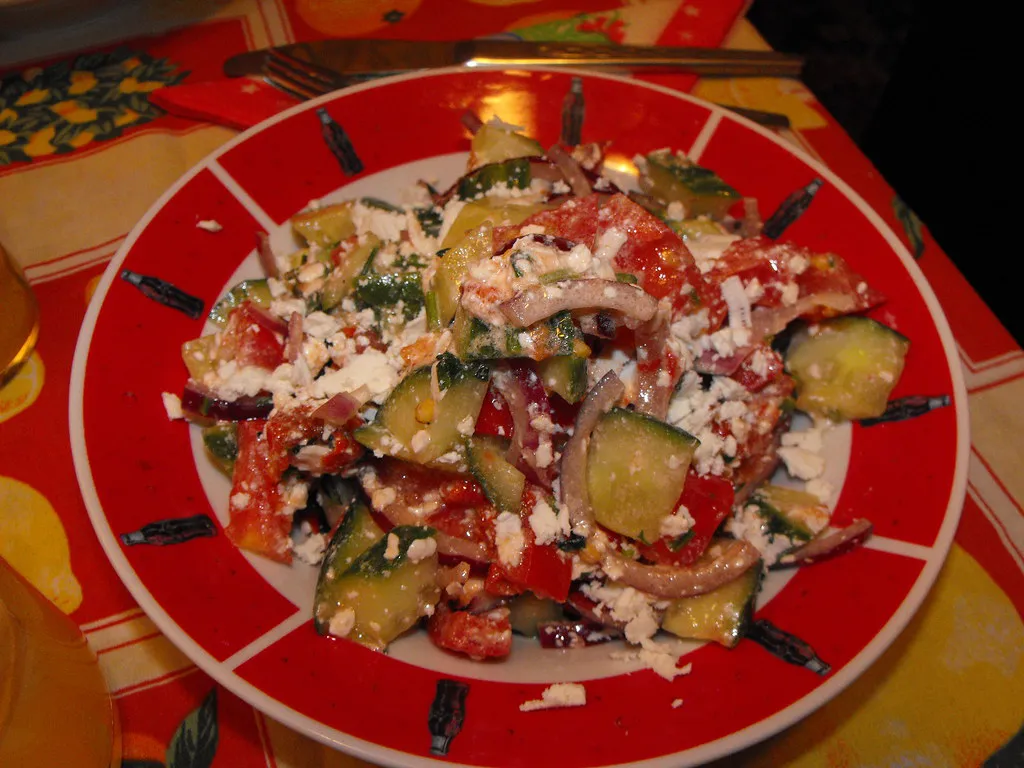
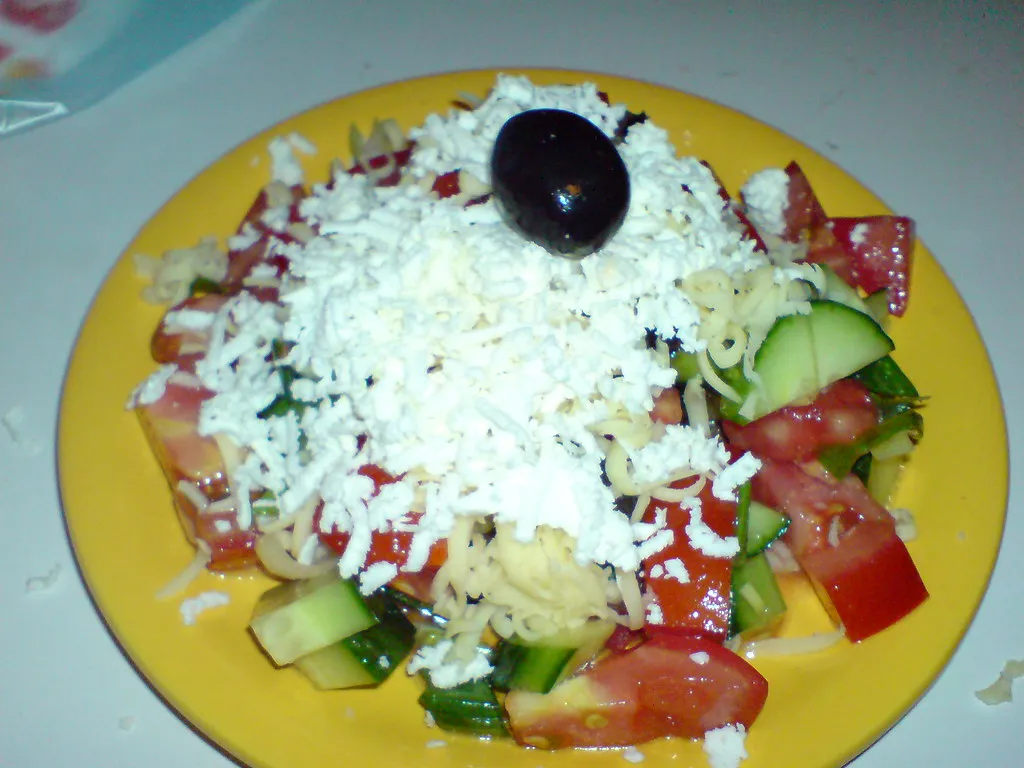
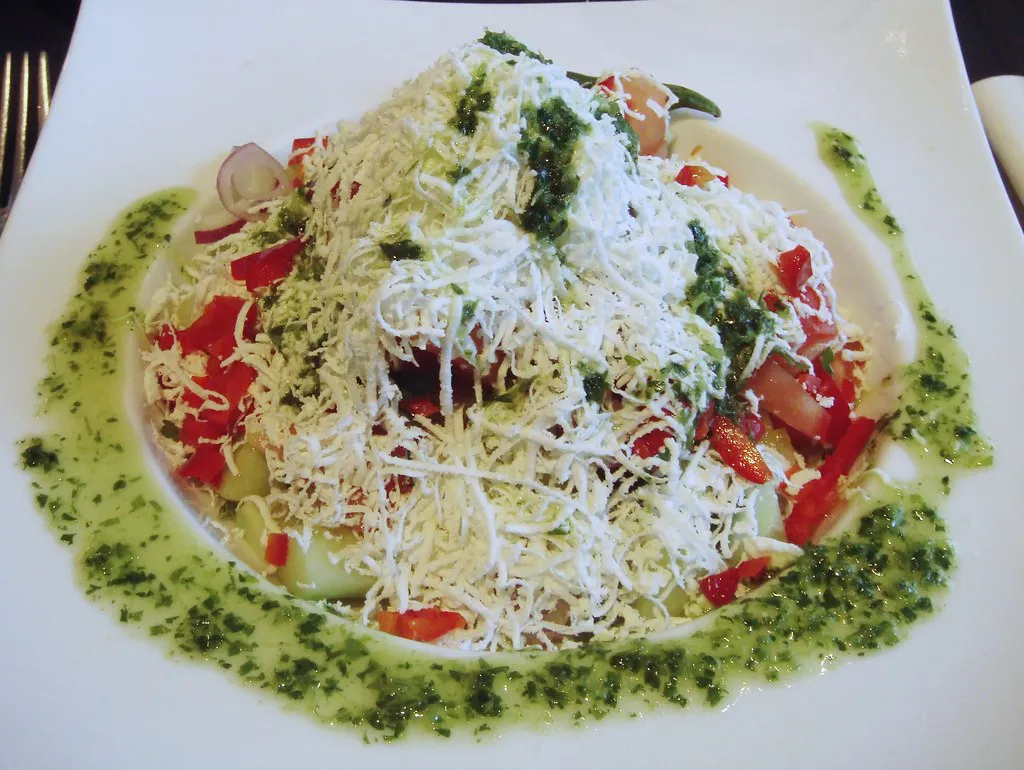
- Shopska Salad: The Iconic Starter
- Diced tomatoes, cucumbers, roasted peppers, and onion topped with a blizzard of grated sirene. Dressed with sunflower oil and red wine vinegar.
- Invented during the Communist era and named after the Shopi people of the Sofia region, it now doubles as a national symbol — the red, white, and green mirror the Bulgarian flag.
- Costs 6–10 BGN ($3.30–$5.50). Available everywhere, all day. Order it in any mehana.
- Banitsa: Bulgaria's Beloved Pastry
- Thin filo layers filled with whisked eggs and sirene, baked in a spiral or a flat tray until golden and flaky. Variants include leek, pumpkin, and spinach fillings.
- The breakfast of choice across the country. Specialist banitsa shops (look for queues in the early morning) sell it fresh from 06:00 onwards.
- Costs 2–5 BGN ($1.10–$2.75) per piece at a bakery. The leek filling is worth seeking out.
- Tarator: Refreshing Cold Cucumber Soup
- Chilled yogurt thinned with water and loaded with diced cucumber, raw garlic, dill, crushed walnuts, and sunflower oil. Closer to liquid tzatziki than a Western cold soup.
- Essential in summer. Look for it on every mehana menu from May to September. Portions in jugs allow refills.
- Costs 5–8 BGN ($2.75–$4.40) per bowl.
- Kebapche and Kyufte: Grilled Meat Essentials
- Kebapche are grilled minced-meat rolls seasoned with cumin; kyufte are flattened patties, often with onion and parsley. Both are usually pork, beef, or a mix.
- A staple of Bulgarian barbecue culture, served alongside fries, raw onion, and a dollop of the smoky roasted-pepper relish.
- A portion costs 8–15 BGN ($4.40–$8.25). Find the best at small street grills rather than sit-down tourist restaurants.
- Sirene Po Shopski: Baked Cheese Delight
- Sirene packed into a clay pot (gyuveche) with chopped tomatoes, roasted peppers, and a whole raw egg cracked on top, then baked until bubbling. Eaten straight from the pot with bread.
- A popular starter or light lunch. The sizzle when it arrives at the table is part of the experience.
- Costs 10–16 BGN ($5.50–$8.80).
- Moussaka: The Bulgarian Version
- Layers of minced pork or beef with potatoes (not eggplant as in the Greek version) baked under a topping of yogurt whisked with eggs. Richer, denser, and more potato-forward than its Balkan cousins.
- A reliable daily special in any traditional restaurant. The yogurt topping is the key marker of a genuinely Bulgarian version.
- Costs 12–20 BGN ($6.60–$11).
- Sarmi: Stuffed Cabbage and Vine Leaves
- Minced meat, rice, and spices rolled into pickled cabbage leaves (zelveni sarmi) or fresh vine leaves (lozovi sarmi), then slow-cooked until tender. Served with a yogurt spoonful on the side.
- The Rhodope and Thracian varieties use Sherena Sol, a local spice blend of savory, paprika, and sea salt, which gives them a more herbal depth than Balkan versions from neighboring countries.
- Costs 10–18 BGN ($5.50–$9.90) per plate.
- Kavarma: Slow-Cooked Meat Stew
- Pork, chicken, or lamb slow-cooked in a clay pot with onions, mushrooms, peppers, and tomatoes. Seasoned with paprika and bay leaf; the clay seals in moisture for a silky sauce.
- Best in mountain regions where the clay-pot tradition is strongest — Plovdiv's old-town mehanas do excellent versions.
- Costs 14–25 BGN ($7.70–$13.75).
- Lukanka and Sudzhuk: Cured Meat Appetizers
- Lukanka is a flattened dry-cured salami with a paprika-heavy seasoning; sudzhuk is a rounder, firmer sausage with more cumin bite. Both are served thinly sliced as meze.
- The traditional pairing is a small plate of lukanka alongside kashkaval cheese and a shot of rakia before the main meal — the Bulgarian equivalent of an aperitivo.
- A small meze plate costs 8–15 BGN ($4.40–$8.25).
- Kiselo Mlyako: World-Famous Bulgarian Yogurt
- Tangier and creamier than most commercial yogurts, made with Lactobacillus bulgaricus cultures. Eaten plain with honey, used as a base for tarator and moussaka toppings, or drunk thinned with water and salt as ayran.
- Farm-produced versions from rural guest houses or roadside stalls are dramatically better than supermarket tubs. If you see a handwritten sign for homemade kiselo mlyako, stop.
- Costs 2–4 BGN ($1.10–$2.20) for a serving.
- Mekitsi: Fried Dough for Breakfast
- Soft, pillowy fried dough made with yogurt in the batter, served warm with powdered sugar, honey, jam, or a square of sirene. Sold at street stalls from early morning.
- Closest international equivalent is Hungarian lángos, but lighter due to the yogurt batter.
- Costs 1–3 BGN ($0.55–$1.65) per piece.
- Patatnik: Rhodope Mountain Specialty
- Grated potatoes mixed with onions, sirene, and dried mint, pressed into a thick pancake and baked or pan-fried until golden. A mountain dish eaten for breakfast or as a side.
- The mint is the differentiating ingredient — it gives patatnik a flavor entirely different from Swiss rösti or Irish potato cake. Authentic versions are hard to find outside the Rhodope region.
- Costs 8–15 BGN ($4.40–$8.25).
- Gyuvech: Hearty Vegetable Stew
- A rustic clay-pot stew of potatoes, carrots, peppers, beans, and whatever the season provides, with or without meat. Named after the pot it is cooked in.
- One of the best vegetarian options on any Bulgarian menu. Ask the server whether the day's version contains meat before ordering.
- Costs 12–20 BGN ($6.60–$11).
- Shkembe Chorba: Traditional Tripe Soup
- Creamy tripe soup seasoned with garlic, vinegar, and hot paprika. Long regarded as Bulgaria's definitive hangover cure; also eaten as a warming winter breakfast.
- The key finishing step is the table condiment — you add your own garlic-vinegar mix from a small bottle to taste. Getting this ratio right is a local skill.
- Costs 6–10 BGN ($3.30–$5.50). Specialized shkembe restaurants and traditional eateries serve it late into the night.
- Garash Cake and Baklava: Sweet Endings
- Garash Cake is uniquely Bulgarian: dense walnut-flour sponge layers bound with dark chocolate ganache, no flour involved, served chilled. Baklava here tends toward walnut-and-cinnamon rather than the pistachio version common in Turkey.
- Garash was created in Ruse in the 19th century by a confectioner named Kosta Garash — one of the few Bulgarian desserts with a documented origin story.
- A slice at a patisserie or café costs 5–8 BGN ($2.75–$4.40).
Regional Specialties Worth the Trip
Bulgarian cuisine shifts noticeably by region. In the Rhodope Mountains, patatnik and the smoked sheep's cheese banski starets are local staples unavailable in Sofia restaurants. The mountain town of Bansko has its own protected designation for several dishes; eating there in winter, beside a log fire in a mehana carved from a 200-year-old house, is one of the better food experiences in the Balkans.
On the Black Sea coast, grilled fish dominates — try tsatsa (small fried fish similar to whitebait) or the local carp from Burgas lakes. Fish soup here is heavier and more tomato-based than French bouillabaisse but has a similar long-simmered depth. The coastal town of Sozopol has a cluster of fish restaurants with outdoor terraces directly above the water.
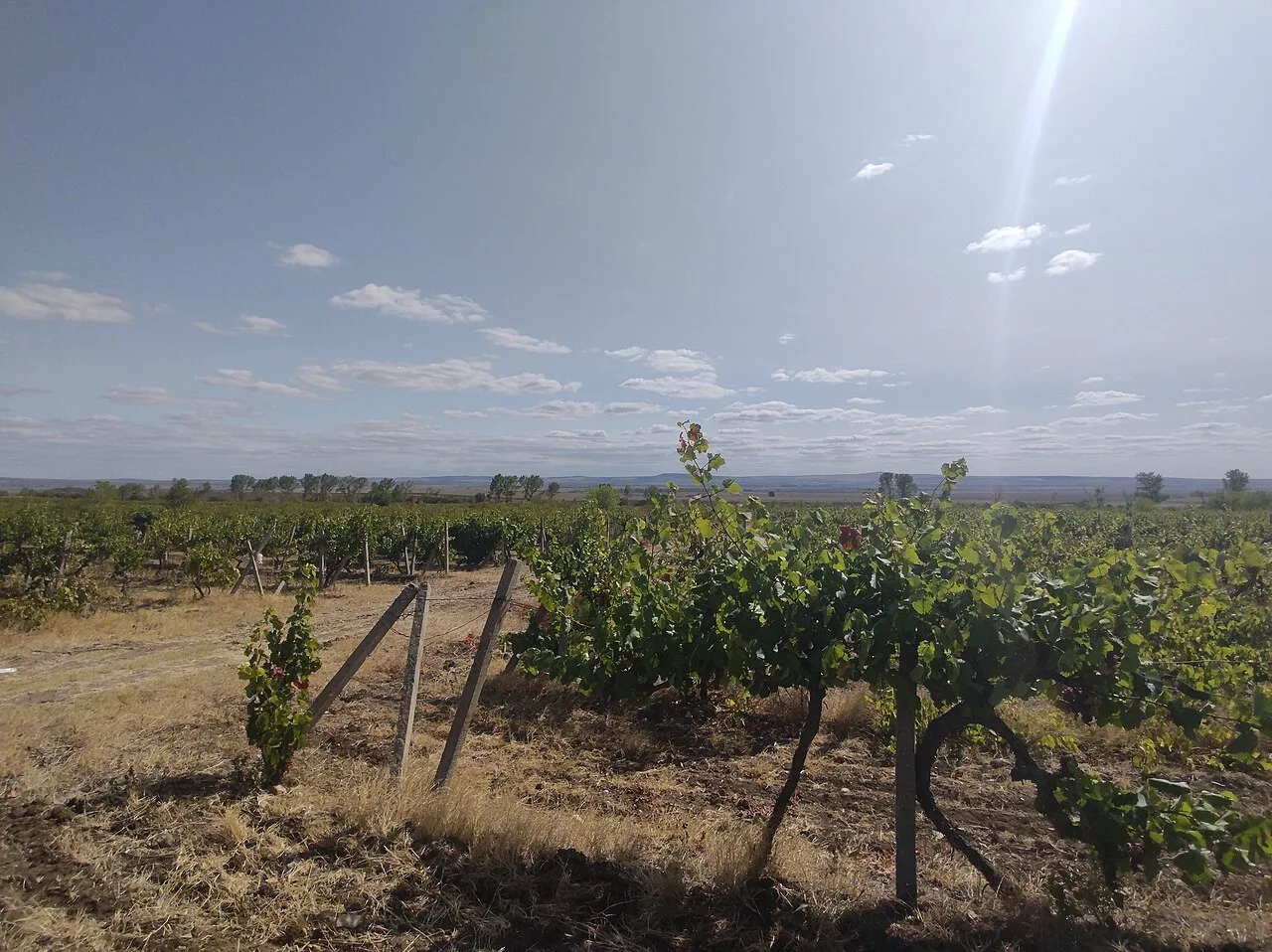
The Thracian plain around Plovdiv is wine and grape country. Stuffed peppers here come with a distinct paprika-savory spice blend, and the local restaurants in Plovdiv's old town serve food that is slightly more refined than the Sofia mehana standard. For a comprehensive guide to where to eat and drink when visiting, see the Plovdiv food and drink guide. The Kapana creative district has newer venues blending traditional recipes with local wine pairings. Melnik in the southwest, Bulgaria's smallest town, produces a wine from the Shiroka Melnishka Loza grape that is difficult to find outside the region; it pairs well with everything on this list.
Vegetarian and Plant-Based Eating in Bulgaria
Bulgaria has a stronger vegetarian tradition than most visitors expect, partly because Orthodox fasting periods (called post) prohibit meat and dairy on Wednesdays, Fridays, and during several extended fasting seasons across the year. Restaurants near monasteries often keep a dedicated fasting menu. In total there are around 200 fasting days per year in the Orthodox calendar, which means plant-based cooking is deeply embedded in Bulgarian home cooking even if restaurant menus don't always label it clearly.
Reliable vegetarian choices on any menu: shopska salad, tarator soup, patatnik, sirene po shopski, gyuvech (confirm no meat in the day's version), bob chorba (white bean soup — one of the most warming and flavourful soups in the cuisine), and mekitsi. Kyopolou — a roasted eggplant and pepper spread served with bread — is another excellent plant-based starter that appears on most mehana menus.
Fully vegan eating is harder but not impossible. The fasting menus at monasteries like Rila and Bachkovo are the most reliable source of genuinely vegan dishes. In Sofia, the vegan café scene has expanded significantly since 2020; a neighborhood search around the Lozenets district will return several options. Outside of cities, ask for jaden post (fasting food) to get plant-based versions of traditional stews.
What to Drink with Bulgarian Food
Rakia is the national spirit — a double-distilled fruit brandy made from grapes, plums (slivova), or quince. Home-produced rakia, which circulates in unlabeled bottles and plastic containers throughout the country, is often smoother than commercial brands. It is drunk neat before a meal, never as a mixer. A small carafe (decanter) alongside a lukanka-and-cheese meze is the classic Bulgarian aperitif.
Bulgaria's wine industry is underappreciated internationally. The Thracian Valley and Struma Valley appellations produce good Cabernet Sauvignon and Merlot at prices that feel unreasonably low by Western standards. For something local, the indigenous Mavrud grape from around Plovdiv produces a dark, tannic red with a dried-fruit character. Bulgarian wine deserves its own dedicated reading — the country's viticulture history is detailed in our Bulgarian wine guide.
For non-alcoholic options: ayran (yogurt thinned with water and salted) is the classic pairing for banitsa and grilled meats. Boza — a lightly fermented wheat drink with a malty, slightly sour taste — is a morning staple. The freshly made version from a specialist boza shop is far more interesting than supermarket bottles. Local beers worth trying are Shumensko, Kamenitza, and Zagorka.
Where to Find Authentic Bulgarian Food
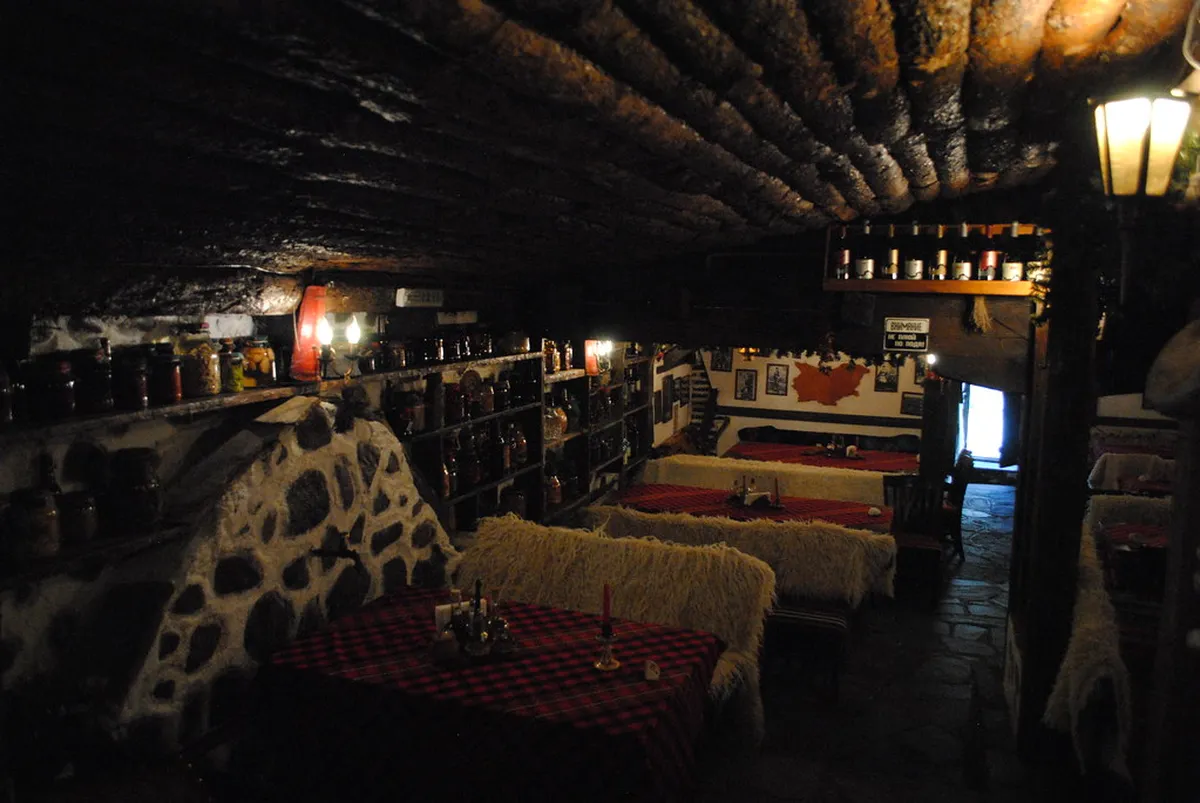
Mehanas are the most reliable entry point. These traditional taverns typically combine rustic wood-and-stone interiors, folk music in the evenings, and menus built around clay-pot dishes and grilled meats. In Sofia, Hadjidraganov's Cellars (reservation required) is one of the better-known examples; Moma Bulgarian Food and Wine does elevated traditional dishes for a more modern crowd. The Sofia food scene has expanded well beyond these names, but they remain solid starting points.
For street food and produce, Sofia's Central Market Hall (Centralni Hali) on Knyaginya Maria Luiza Boulevard is the best indoor market — stalls sell sirene, lukanka, fresh herbs, jars of lyutenitsa, and homemade preserves alongside the usual fruit and vegetables. Plovdiv's covered market near Dzhumaya Square is smaller but less tourist-oriented. Both markets are good for an informal breakfast of fresh banitsa eaten standing up.
Food tours are a practical shortcut in Sofia. The Sofia Free Food Tour (balkanbites.bg) leaves from the city center and provides a walking introduction to the food scene with tastings included. For a more in-depth experience, half-day cooking class options have proliferated since 2022 — a two-hour session learning to make banitsa and tarator gives you skills you can replicate at home and context you won't get from a restaurant menu.
Food Souvenirs Worth Bringing Home
The single best edible souvenir from Bulgaria is a jar of homemade lyutenitsa — the roasted red pepper and tomato spread. Supermarket versions exist but are thin on flavour; look for hand-labeled jars at farmers' markets, village stalls, or the Central Market Hall. Every Bulgarian household has a preferred recipe, so no two jars taste identical. It keeps for months once opened and refrigerated.
Dried savory (chubritsa) is Bulgaria's defining herb — used more widely here than oregano or basil are in Italian cooking, and almost impossible to find in Western supermarkets in the same quality. A small bag costs 1–2 BGN at any market and survives the flight home easily. Sherena Sol, the Rhodope spice blend of ground savory, paprika, and sea salt, is similarly worth packing. Both are used on grilled meats, eggs, and salads.
For something more memorable: a bottle of aged domestic rakia from a specialist shop (expect to pay 20–40 BGN for a well-regarded producer), or a bottle of Mavrud wine from a Plovdiv-region winery. Rose jam and rose-hip products from the Kazanlak Rose Valley (kazanlak) Visitor Guide make distinctive gifts. Kashkaval cheese travels reasonably well vacuum-packed; sirene is too moist for long journeys unless vacuum-sealed. On the non-food side, traditional Bulgarian ceramic pottery — the hand-painted pots that the dishes are served in — is sold in markets in every major city and is both functional and genuinely craft-made.
Bulgarian Food Culture and Dining Etiquette
Meals in Bulgaria are not rushed events. Dinner at a mehana can extend for three or four hours without anyone feeling it is too long. The pace is social first, nutritional second. Dishes arrive spread across the table and are shared; ordering one item each and eating from individual plates is a more urban, modern habit. If you are invited to a Bulgarian home, arriving with a small gift — flowers, a bottle of wine, or pastries — is expected. Declining food repeatedly reads as rude; a small portion accepted graciously is the correct move.
In restaurants, tipping 10% for competent service is standard. The obedno menu (daily lunch set) is one of the best-value meals in European travel: typically 8–12 BGN for soup, a main course, and bread, available 12:00–15:00 on weekdays. Many smaller mehanas don't post menus online and change their daily specials by season and supply; asking the server what was made that morning is not unusual and often yields better food than the printed menu.
A small glass of rakia is often offered as a welcome drink in family-run establishments and at private homes. Refusing it politely is fine, but accepting and not drinking is equally acceptable — pour it in your glass, raise it during a toast (Nazdrave!), and no one will notice you didn't finish it. Bread appears on the table automatically and is charged separately on the bill, typically 1–2 BGN per person.
Explore more: Must-Try Bulgarian Foods: A Culinary Travel Guide
Use these focused guides to plan the details, compare options, and build an itinerary that fits your trip.
- Bob Chorba: The Essential Guide to Bulgaria's Traditional Bean Soup
- Bulgarian Christmas Food: Eve-to-Day Traditions and Where to Eat in 2026
- Bulgarian Honey Guide 2026: Types, Prices, and Where to Buy
- Bulgarian Moussaka: A Complete Guide to Bulgaria's Potato-Based Comfort Food
- Bulgarian Sarma Guide: Stuffed Cabbage and Vine Leaf Rolls Explained
- Bulgarian Sausage Guide: Lukanka, Kebapche, and Regional Specialties
- Bulgarian Spices Guide: Essential Herbs & Seasoning Blends
- Bulgarian Street Food Guide: Must-Try Snacks, Prices, and Etiquette
- Bulgarian Pickles Guide: Turshiya Types, Top Brands & Serving Tips
- Gyuvech: A Traveler's Guide to Bulgaria's Clay Pot Stew
- Patatnik: A Guide to Bulgaria's Rhodope Mountain Potato Dish
- Shkembe Chorba Guide: Bulgaria's Famous Tripe Soup & Hangover Cure
- Sirene Po Shopski: Bulgaria's Baked Cheese Guide
Frequently Asked Questions
What are the most popular Bulgarian foods?
Among the most popular Bulgarian foods are Shopska salad dish, banitsa pastry (a cheese pastry), tarator soup (cold cucumber soup), and grilled meats like kebapche and kyufte dishes. These dishes are widely available and beloved by locals and visitors alike.
Which Bulgarian dishes are vegetarian-friendly?
Many Bulgarian dishes are naturally vegetarian. Excellent choices include Shopska Salad, Patatnik (potato pie), Sirene Po Shopski (baked cheese), and various vegetable-based stews like Gyuvech. Most restaurants also offer delicious grilled vegetables.
What is traditional Bulgarian breakfast?
A traditional Bulgarian breakfast often features banitsa pastry, a savory cheese pastry, sometimes accompanied by yogurt or boza drink (a fermented grain drink). Mekitsi (fried dough) with jam or sirene is also a popular and comforting option.
What drinks are popular in Bulgaria?
Beyond water, popular Bulgarian drinks include rakia (a strong fruit brandy), red and white wines, and boza drink. Ayran, a salty yogurt drink, is refreshing, and local beers are widely consumed. Coffee is also a significant part of daily life.
Bulgarian food rewards curiosity. The dishes that look simple on the menu — a white salad with crumbled cheese, a bowl of cold yogurt soup, a clay pot bubbling at the edges — carry layers of history, regional identity, and agricultural pride that only become apparent once you start asking questions. Eat in a village mehana, buy a jar of lyutenitsa at a morning market, drink rakia with locals before dinner. The cuisine earns its reputation one unhurried meal at a time.
Explore Bulgarian Food Guides
This page is the hub for Bulgaria's cuisine — use the guides below to go deeper on each iconic dish, drink, and meal, or jump to the city food scenes in Sofia and Plovdiv.
Iconic Bulgarian Dishes
- Shopska Salad — Bulgaria's National Dish
- Banitsa — Cheese-Filled Filo Pastry
- Tarator — Cold Cucumber & Yogurt Soup
- Sarmi — Stuffed Vine & Cabbage Leaves
Grilled Meat & Hearty Mains
Dairy, Cheese & Spreads
- Bulgarian Yogurt (Kiselo Mlyako)
- Bulgarian Cheese — Sirene & Kashkaval
- Lyutenitsa — Roasted Pepper Relish
Drinks of Bulgaria
- Bulgarian Rakia — Traditional Fruit Brandy
- Boza — Fermented Malt Drink
- Bulgarian Drinks — Full Guide
Meals & Sweets
Bulgarian Food by City
- Traditional Bulgarian Dishes in Sofia
- Traditional Bulgarian Food in Plovdiv
- Sofia Food & Drink Guide
- Plovdiv Food & Wine Guide
- The Best Banitsa Recipe
- How to Make Boza
- 10+ Traditional Bulgarian Breakfasts You Must Try
- 7 Must-Try Bulgarian Cheeses
- 15 Must-Try Bulgarian Desserts
- 10 Must-Try Bulgarian Drinks for Your 2026 Trip
- Bulgarian Moussaka: A Complete Guide to Bulgaria's Potato-Based Comfort
- Bulgarian Rakia: History, Types, and How to Enjoy This Traditional Spirit
- Lukanka, Kebapche, and Regional Specialties
- Bulgarian Yogurt vs. Greek Yogurt
- A Traveler's Guide to Bulgaria's Clay Pot Stew
- Kavarma Recipe
- How to Make Authentic Bulgarian Kebapche
- Authentic Lyutenitsa Recipe
- A Guide to Bulgaria's Rhodope Mountain Potato Dish
- How to Make Authentic Sarmi
- Bulgaria's Famous Tripe Soup & Hangover Cure
- Shopska Salad: A Guide to Bulgaria's National Dish
- Tarator Recipe
- The Essential Guide to Bulgaria's Traditional Bean Soup
- Bulgarian Christmas Food
- Bulgarian Spices Guide
- Bulgarian Street Food Guide
- Bulgarian Honey Guide 2026
- Bulgarian Sarma Guide
- Bulgarian Pickles Guide
- Sirene Po Shopski
For connected planning, compare practical Bulgaria travel guide with Bulgaria seasonal planning guide before finalizing your route.