Bulgarian Rakia: Your Guide to Bulgaria's National Drink
Bulgarian rakia is the country's national spirit — a fruit brandy drunk cold, sipped slowly, and almost always alongside food. It appears at family tables, weddings, and spontaneous gatherings with the same ease as wine does elsewhere. If you spend any time in Bulgaria in 2026, someone will pour you a glass.
Understanding what rakia actually is, and the unwritten rules around drinking it, prevents the most common mistakes visitors make. This guide covers the essentials: what it is, how it is made, which types to try, and how to drink it without embarrassing yourself.
See a first-timer's genuine reaction to authentic Bulgarian rakia:
What is Bulgarian Rakia?
Rakia is a fruit brandy produced by distilling fermented fruit. In Bulgaria, the most common base fruits are grapes, plums, apricots, and pears, though nearly any orchard fruit can be used. The alcohol content typically sits between 40% and 60% ABV — most commercial bottles land at 40–45%, while homemade versions often run higher.
It is technically in the same family of brandy distilled from fermented fruit mash as French Cognac or Serbian šljivovica, but the Bulgarian character is its own thing. Grape rakia tends to be drier and more aromatic. Plum rakia is rounder and slightly sweet. The specific fruit, the local microclimate, and whether the spirit was aged all change what ends up in your glass.
Many Bulgarians consider it a panacea — a small shot is taken for colds, digestive trouble, and occasionally attributed to curing almost anything else. This folk-medicine belief is half-serious and half a good excuse. What is genuinely true is that rakia anchors Bulgarian hospitality. Refusing a glass offered by a host requires a polite and specific reason. You can discover more about the country's range of traditional beverages during your travels. For the wider Balkan context, rakia is the collective term for fruit spirits across the region.
A Brief History of Rakia in Bulgaria
Bulgaria's distillation tradition is old. Written records suggest fruit spirit production in the region dates to at least the 14th century, and some historians push evidence of fermentation practices back to the 11th century. The country's fertile plains and diverse grape varieties made spirits a natural agricultural product rather than a luxury import.
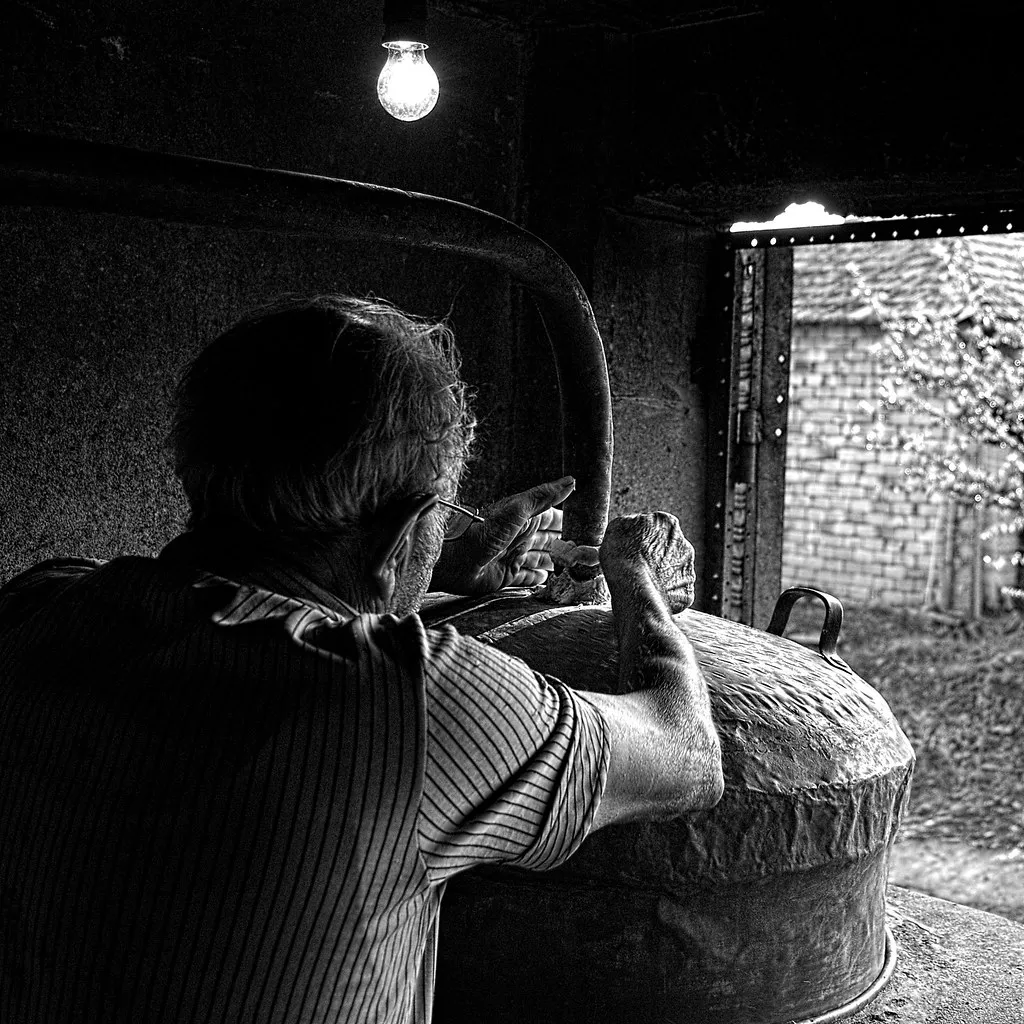
During the Ottoman period, Bulgarian brandy gained a reputation across the empire and production continued, often in the back rooms of monasteries and farmsteads. It became a quiet marker of Bulgarian cultural identity during centuries of foreign rule. The spirit that came out of those copper stills was a way of preserving something distinctly local.
After independence in 1878, distilling became more organized. State-owned distilleries emerged in the 20th century, setting minimum quality standards and establishing regional designations. Today, commercial production coexists with a robust tradition of small-scale home and village distilling that has never fully stopped.
The Art of Rakia Production
Making rakia starts with fermentation. Ripe fruit is crushed and left to ferment for two to four weeks. During this time, the naturally occurring sugars convert to alcohol, creating a low-alcohol mash called komova (for grape) or kaša (for other fruits). The quality of the fruit and the cleanliness of the fermentation vessel matter enormously at this stage.
Distillation follows, most traditionally in a copper pot still called a kazan. The fermented mash is heated; the alcohol vapors rise, travel through a coil submerged in cold water, and condense back into liquid. Many producers run the spirit through the kazan twice — double distillation removes more impurities and produces a smoother, cleaner result. The first portion of the run (the head) and the last portion (the tail) are discarded; only the middle heart goes into the bottle.
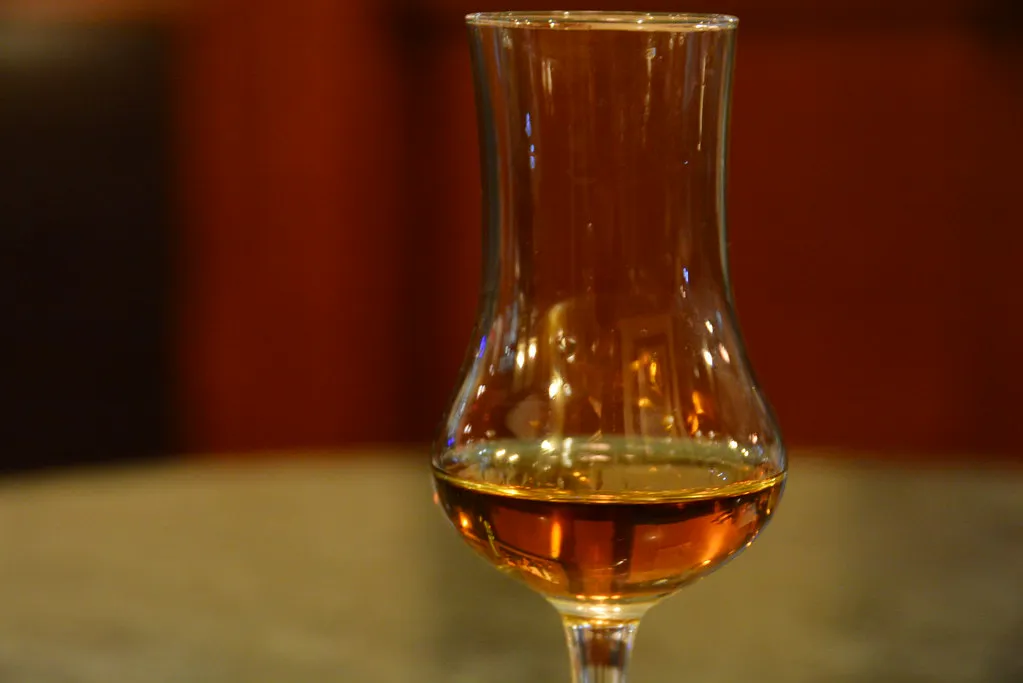
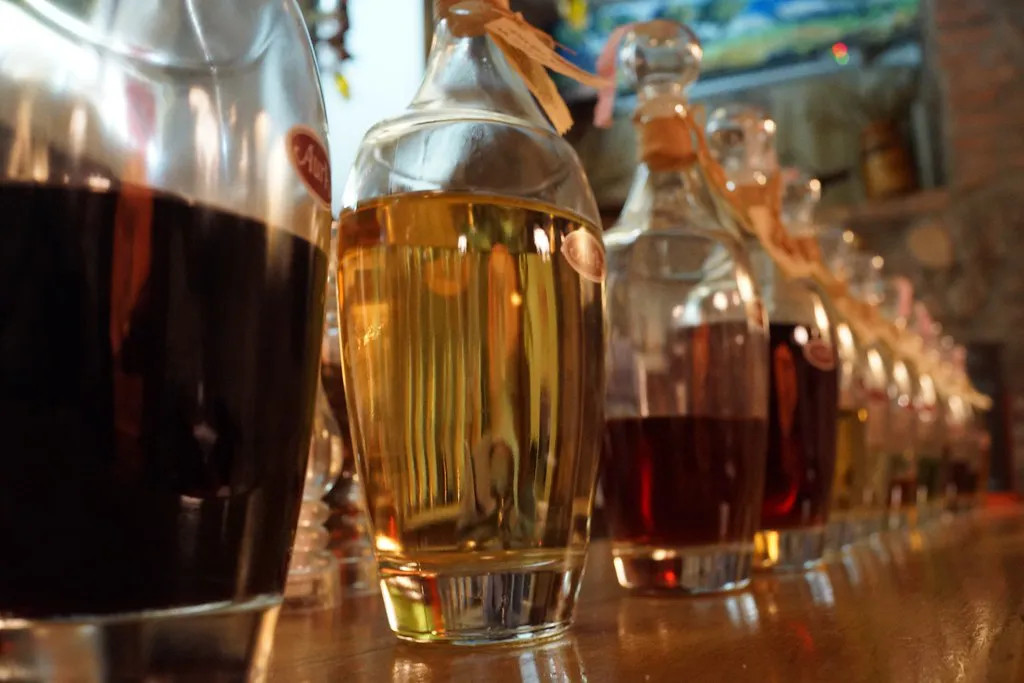
Some rakia is aged in oak barrels for months or years. Barrel aging adds color — the spirit turns from clear to amber or gold — and introduces notes of vanilla, caramel, and wood. An unaged, clear rakia is called bяла ракия (byala rakia), meaning white rakia. An aged version is often referred to simply as barrel rakia or staritsa. Both styles are common; which you prefer is a matter of taste.
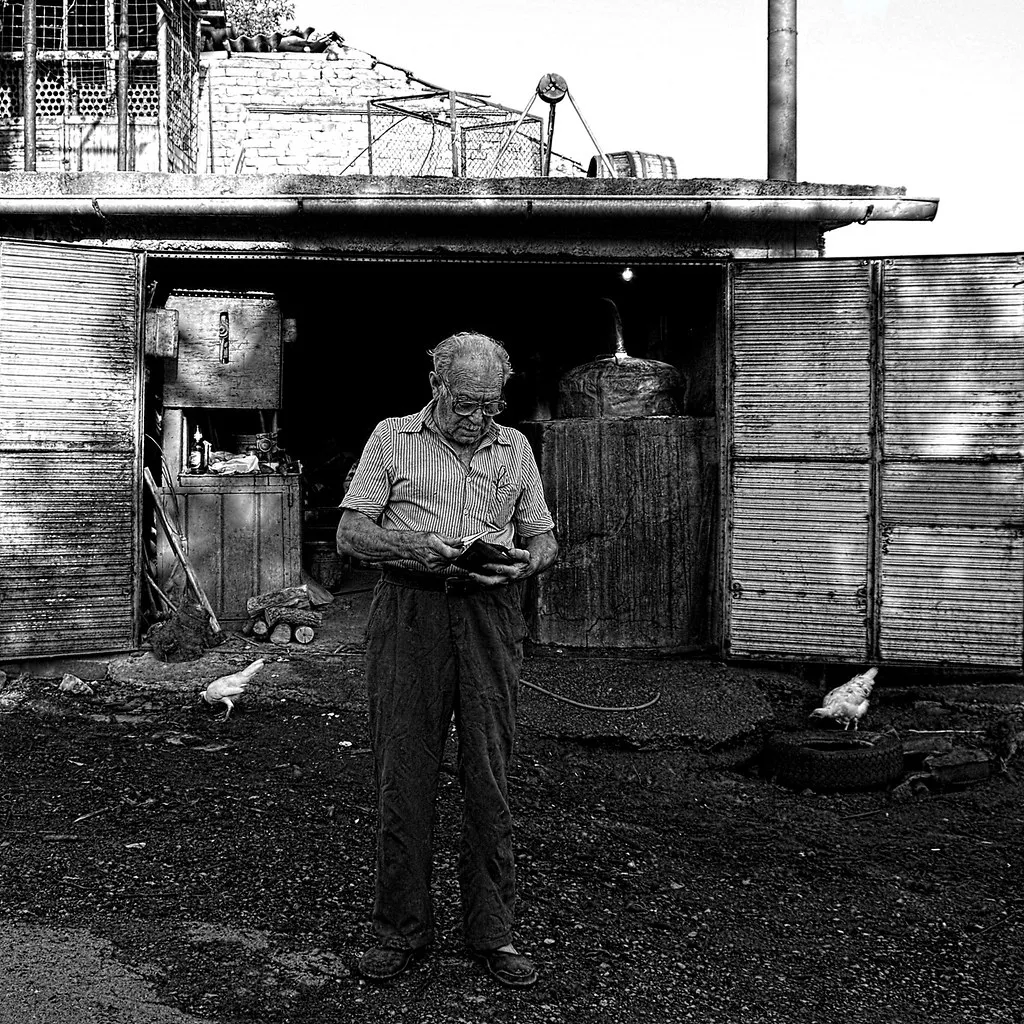
In Bulgarian villages, the kazan is often communal property. Families book time at the shared still — typically owned by a licensed kazandzhiya (distiller) — to process their own fruit. This community arrangement is a centuries-old institution. Friends gather around the still over the course of a distilling day, sampling and talking, and the resulting bottles are divided among the family. Under Bulgarian law, home distillation for personal use is permitted provided the owner uses a registered kazandzhiya, meaning entirely clandestine backyard stills are technically illegal though the practice is widespread. For visitors, this explains why the gift of a recycled vodka or wine bottle filled with clear liquid is one of the most sincere forms of Bulgarian hospitality.
Exploring the Diverse Types of Bulgarian Rakia
Grape rakia (grozdova rakia) is the most common variety nationally. It ranges from dry and almost colorless to deeply amber when aged in oak. The best grape rakias come from Thrace and the sub-Balkan wine-growing regions, where indigenous varieties like Mavrud and Muscat provide a distinctive aromatic base.
Plum rakia (slivova rakia) is especially popular in northern Bulgaria and the foothills of the Balkan mountain range, where plum orchards dominate the landscape. The Troyan region produces a particularly well-regarded version called Troyanska Slivova Rakia, which carries a protected geographical indication. It has a rounder, slightly sweet finish and is perhaps the most exported Bulgarian rakia internationally.
Apricot rakia (kaisieva rakia) is lighter and more fragrant, with a floral nose that makes it approachable for first-timers. Pear rakia (krusheva rakia) is less common but worth seeking out — it is delicate and clean. Some distilleries in the Rose Valley (kazanlak) Visitor Guide also produce small batches of quince, cherry, or even rose-infused rakia, which function more as a specialty gift item than an everyday drink.
When choosing between types, a useful rule of thumb: if you are drinking with food, grape rakia is the most food-friendly. If you want something sweeter and more expressive on its own, plum or apricot work better. Aged barrel rakia pairs better with strong cheeses and cured meats than with fresh salad.
How to Properly Enjoy Bulgarian Rakia
The most important rule locals follow is also the one tourists most often miss: rakia is drunk with the first course, not as a standalone aperitif or a shot at the bar. In practice, this means it arrives at the table alongside a fresh plate of shopska salad, a board of white brined sirene cheese, or a bowl of chilled cucumber tarator soup. You sip it between bites. The food and the spirit work together — the salt and acidity of the meze cut through the rakia's alcohol, and the rakia sharpens the flavors of the food. Once the salads are cleared, Bulgarians typically switch to wine or beer. Continuing to drink rakia through the main course is unusual and will make you look like you are trying to get drunk rather than eating.
Temperature matters more than most visitors expect. Rakia should be served cold — taken from the freezer or fridge, not from the shelf. The ideal serving temperature is close to freezing, around 0–4°C. Cold rakia is smooth and aromatic. Warm rakia is harsh and fumy. Many restaurants keep both the bottles and the glasses in the freezer for exactly this reason.
The traditional glass is small — about 50–100 ml — with a short stem, resembling a sherry glass. You do not shoot it. You sip it slowly, in pace with the meal. One small glass during the salad course is the norm for most Bulgarians. Two is festive. A full bottle at the table is a wedding.
Common Rakia Drinking Mistakes to Avoid
Drinking rakia as a chaser is the single most common tourist mistake. Rakia is not a tequila shot or a quick round at the end of the night. It belongs at the start of a meal, with food. Ordering a round of rakia to slam after beer signals to any local watching that you have no idea what you are drinking.
Drinking it warm comes second. If the glass arrives at room temperature, it is fine to ask for a cold one — restaurants accustomed to visitors should have bottles chilled. Hot summer weather is not an excuse to skip the cold bottle rule.
Ordering flavoured rakia often disappoints. Varieties with added sweeteners or artificial fruit flavors are produced for tourist bars and export markets. If you want plum or apricot notes, order the actual slivova or kaisieva rakia — those flavors come from the fruit itself, not a syrup. Traditionalists consider anything with added flavoring to be a corruption.
Drinking from a large glass is a practical error. More volume means you pour more, pour faster, and lose the temperature advantage before you finish. Stick to small glasses and ask for a refill if you want more.
Finally, be thoughtful with homemade rakia from unknown sources. Properly made domashna rakia is excellent — arguably the best rakia you will drink in Bulgaria. But improper distillation can produce methanol contamination. If you are offered homemade rakia by a trusted host at their home, the risk is low. If it is sold informally at a market or handed over by a stranger, that is where caution is warranted.
Rakia's Place in Bulgarian Culture and Traditions
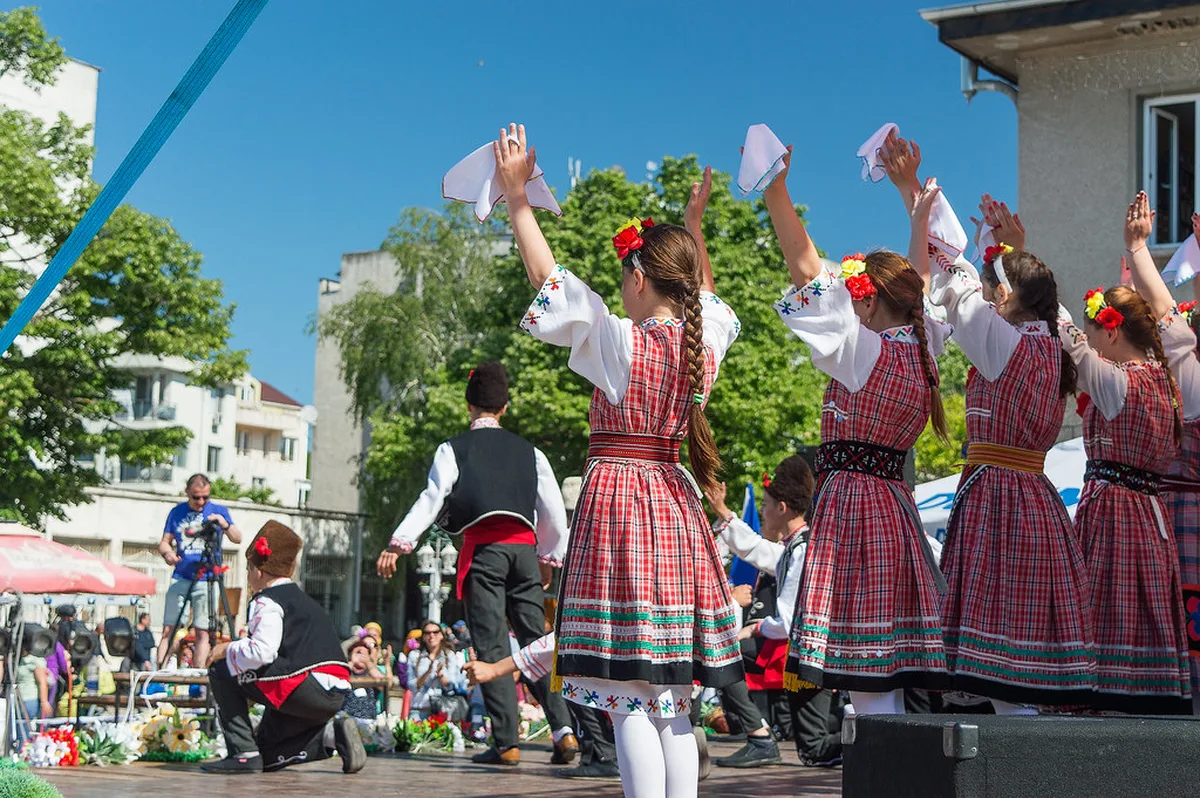
Rakia marks every significant moment in Bulgarian life. It is served at christenings, weddings, funerals, name days, and the start of the agricultural season. When a Bulgarian offers you rakia at their home, declining without a clear reason (pregnancy, medication, driving) is mildly offensive — the offer is not social pressure but genuine hospitality.
The toast is taken seriously. The standard toast is nazdrave (на здраве), meaning to health, and it requires eye contact. Looking away while clinking glasses is considered bad luck. Toasting with an empty glass is also frowned upon — if your glass is empty and a toast begins, signal quickly for a refill or hold the glass up anyway.
Beyond celebrations, rakia has a long history as folk medicine. A small shot is still commonly recommended for colds, stomach upsets, and digestive issues after a heavy meal. Some people rub it on sore muscles or use it to clean minor wounds. This is not superstition — the high alcohol content does have antiseptic properties — but it is worth knowing so that when a Bulgarian grandmother insists you take a shot for your headache, you understand the cultural context.
Regional Specialties and Where to Buy Quality Rakia
The Thracian Valley, which stretches between the Balkan and Rhodope mountains, produces the best grape rakia in Bulgaria. The same soils and climate that make Thracian wine distinctive also shape the grape brandy, a heritage promoted by the official Bulgaria tourism portal alongside the country's wine regions. For plum rakia, the Troyan area in central Bulgaria is the reference point — Troyanska Slivova Rakia is available in supermarkets nationwide and is a reliable benchmark for the style.
The craft rakia movement that began growing around 2015 has since matured. Small distilleries like Vetus and regional producers in the Rhodopes now sell aged single-fruit rakias in 500 ml bottles at premium price points (roughly 20–50 BGN / €10–25). These are worth buying as gifts or for serious tasting.
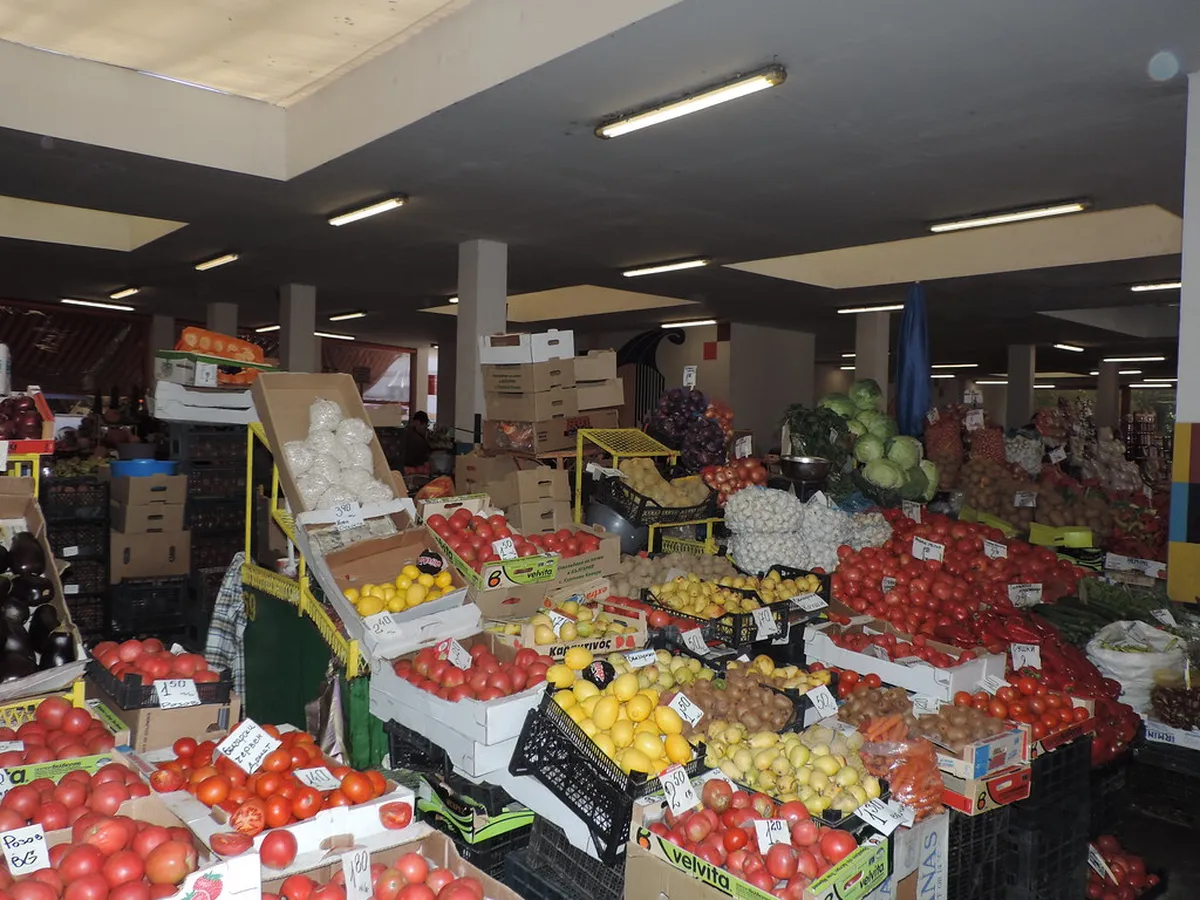
For everyday purchases, Bulgarian supermarkets carry a reliable range. Brands to look for include Peshterska (grape, widely available), Karnobatska (grape, from the Thrace region), and Troyan-label slivova. Wine and spirit shops in Sofia's Lozenets district and the Women's Market (Zhenski Pazar) typically stock a wider regional selection than supermarkets. Airport duty-free has a decent selection of aged barrel rakias for last-minute shopping. Avoid buying bottles from unmarked stalls or market vendors without proper labeling — the legal product requires a revenue strip (banderol) on the cap.
Health and Safety: Understanding Rakia Consumption
Rakia's alcohol content — typically 40–45% ABV for commercial bottles, potentially 50–70% for homemade versions — makes it significantly stronger than wine or beer. A single 50 ml serving of 40% rakia contains roughly the same alcohol as a 150 ml glass of wine. The risk is underestimating how quickly multiple small sips accumulate, especially when the drink is served ice-cold (which masks the burn).
The concern with unregulated homemade rakia is methanol contamination. In proper distillation, the first fraction (the head) is discarded because it concentrates methanol. An inexperienced distiller who keeps the full run creates a dangerous product. Commercially bottled rakia sold in licensed shops in Bulgaria adheres to EU food safety standards and carries no such risk. For travelers, the practical rule is straightforward: buy from licensed retailers and accept homemade rakia only from people whose production you trust.
Bulgaria's legal blood-alcohol limit for driving is 0.5 g/L — lower than many Western European countries. A single rakia with a meal can push a lighter person close to that threshold. Plan transport accordingly.
Continue planning: Use 15 Must-Try Bulgarian Foods: A Culinary Travel Guide and The Best Banitsa Recipe: Authentic Bulgarian Cheese Pie Guide to connect this guide with the rest of your Bulgaria itinerary.
Frequently Asked Questions
What is Bulgarian rakia made from?
Bulgarian rakia is a traditional fruit brandy made by distilling fermented fruits. Common ingredients include grapes, plums, apricots, and pears. The specific fruit used gives each rakia its unique flavor profile.
How strong is Bulgarian rakia?
Bulgarian rakia typically has an alcohol content ranging from 40% to 60% ABV (Alcohol by Volume). Homemade versions can sometimes be even stronger. Always consume it responsibly due to its potency.
What food pairs well with rakia?
Rakia pairs excellently with traditional Bulgarian appetizers, known as 'meze.' Popular choices include Shopska salad, cured meats, and various Bulgarian cheeses. These savory foods complement the strong spirit.
Where can I buy authentic Bulgarian rakia?
You can purchase authentic Bulgarian rakia from licensed liquor stores, supermarkets, and specialized distilleries throughout Bulgaria. Look for reputable brands and avoid unverified homemade versions for safety. Exploring local markets also offers unique finds.
Is rakia a brandy?
Yes, rakia is generally considered a type of fruit brandy. It is produced through the distillation of fermented fruit mash. This process is similar to how other brandies are made worldwide.
Bulgarian rakia rewards the visitor who takes the time to understand it. The rules are not complicated — drink it cold, drink it with food, drink it slowly — but following them separates a memorable meal from a rough morning. Whether you start with a commercial grozdova rakia from a Sofia supermarket or are handed a recycled bottle of homemade slivova at a village table, the spirit is the same: a centuries-old invitation to sit down, eat well, and be present.
Explore the regional variety if you have the opportunity. A plum rakia from Troyan drinks nothing like a barrel-aged grape rakia from Thrace. Both are worth knowing. The best way to learn is to keep the glass small and the salad large.
For connected planning, compare practical Bulgaria travel guide with Bulgaria seasonal planning guide before finalizing your route.