Sofia 2 Day Itinerary: The Best of Bulgaria's Capital in 48 Hours
Last updated July 2026, this sofia 2 day itinerary maps 48 hours across Sofia's Roman ruins, Orthodox landmarks, and Soviet-era layers. Day one covers the compact city center, from Serdica's ruins to Alexander Nevsky Cathedral and Vitosha Boulevard. Day two branches into Rila Monastery, Vitosha Mountain, or a communist-era deep dive, depending on what matters most: history, hiking, or urban exploration.
Sofia 2 Day Itinerary at a Glance
Two days is enough time to cover Sofia's compact city center on day one, then add a single day trip on day two, whether that means Rila Monastery, Vitosha Mountain, or a deeper look at communist-era Sofia. The mix here is Roman-era ruins and Orthodox cathedrals sitting a few blocks from Ottoman-era mosques and blocky Soviet architecture. For a longer list of sights beyond these 48 hours, see the wider Sofia attractions guide.
- Best for: first-time visitors who want the highlights plus one day trip.
- Pace: one full day in the city center, one full day outside it or on Vitosha Mountain.
- Getting around: mostly on foot in the center, plus Metro Line 4 from the airport.
- Currency: Bulgarian Lev (BGN), trading at roughly 1.95 BGN to 1 EUR as of 2026.
Getting to Sofia and Getting Around
Sofia Airport connects to the center via Metro Line 4, the fastest link between the terminal and downtown hotels. Taxis and ride-hailing apps cover the same route if you land with heavy luggage. For a full breakdown of trams, buses, and metro lines, see getting around Sofia. Once you're downtown, Sofia is easy to cover on foot. Most of day one's stops sit within a 15 to 20 minute walk of each other. The Bulgarian Lev (BGN) is the local currency, and as of 2026 it trades at roughly 1.95 BGN to 1 EUR. Cards are accepted almost everywhere, though small vendors and market stalls often prefer cash.
At the 1.95 BGN to 1 EUR rate, day one's two paid sights—cathedral photography (10 BGN) and art gallery admission (6 BGN)—work out to roughly 5 and 3 EUR each, underscoring Sofia's position as one of Europe's most affordable capitals.
Best Time of Year for This Route
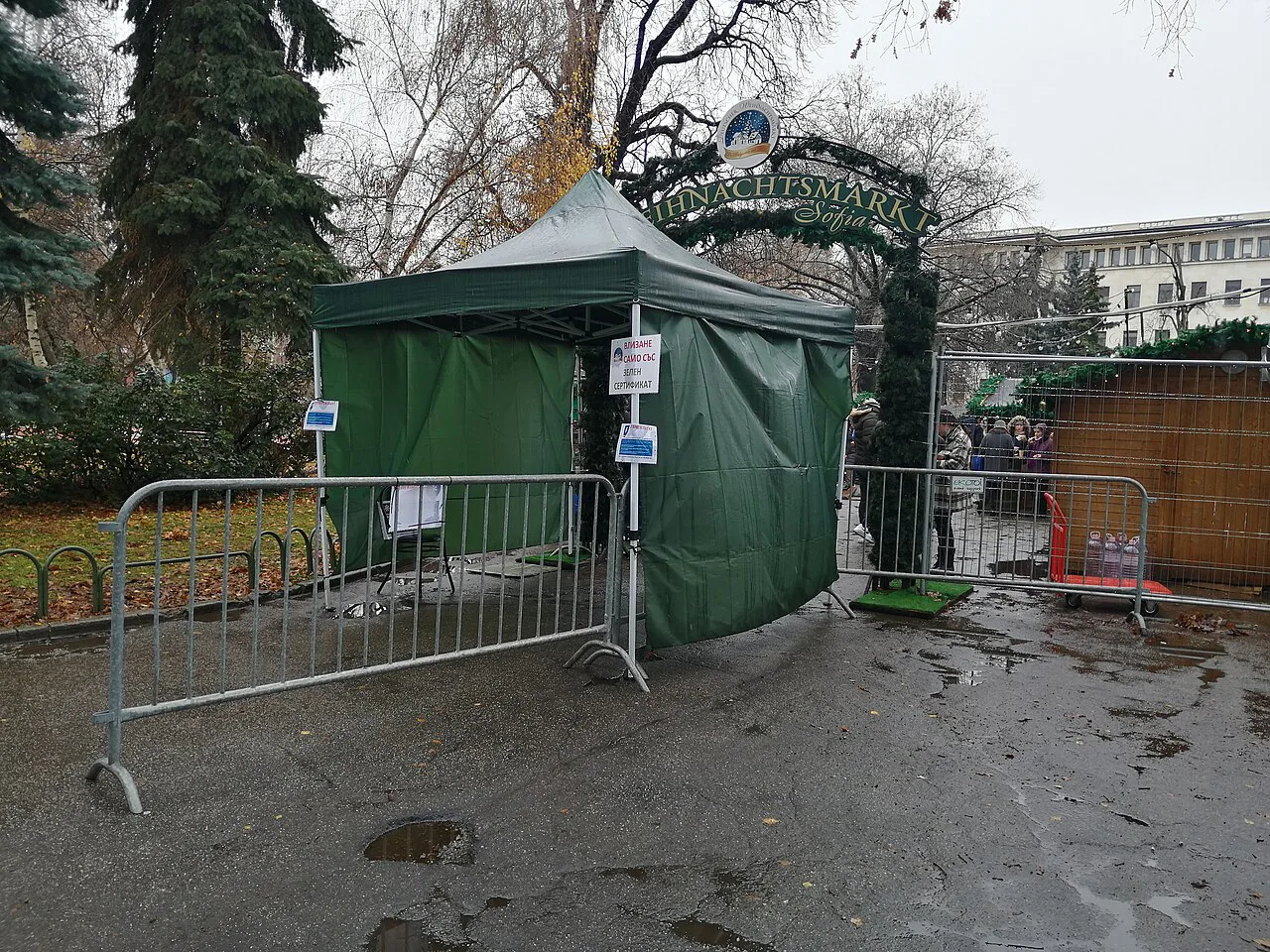
Spring and early autumn bring mild weather for walking between day one's sights. Summer is busiest and warmest, useful if evenings on Vitosha Boulevard matter most. Winter shifts the plan toward indoor museums and the Christmas market in December. Check this month's events calendar before booking, since festivals and holidays can shift opening hours. If you're visiting in the colder months, pair this route with the dedicated guide to winter activities in Sofia.
Day 1: The Historic Core and the Yellow Pavement District
Day one stays inside central Sofia, covering the Yellow Pavement district around Battenberg Square and the landmarks clustered nearby. The stops below move on foot and are timed loosely rather than fixed to the minute. If a stop closes early or the art gallery is skipped, swap in another pick from more museums in Sofia.
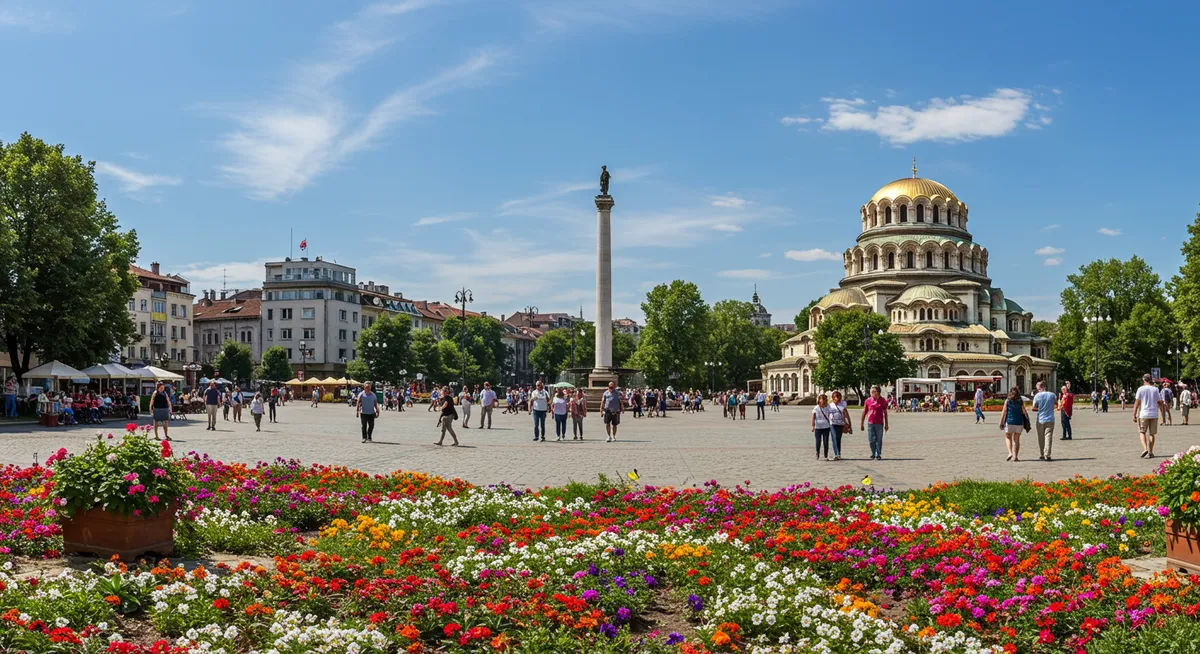
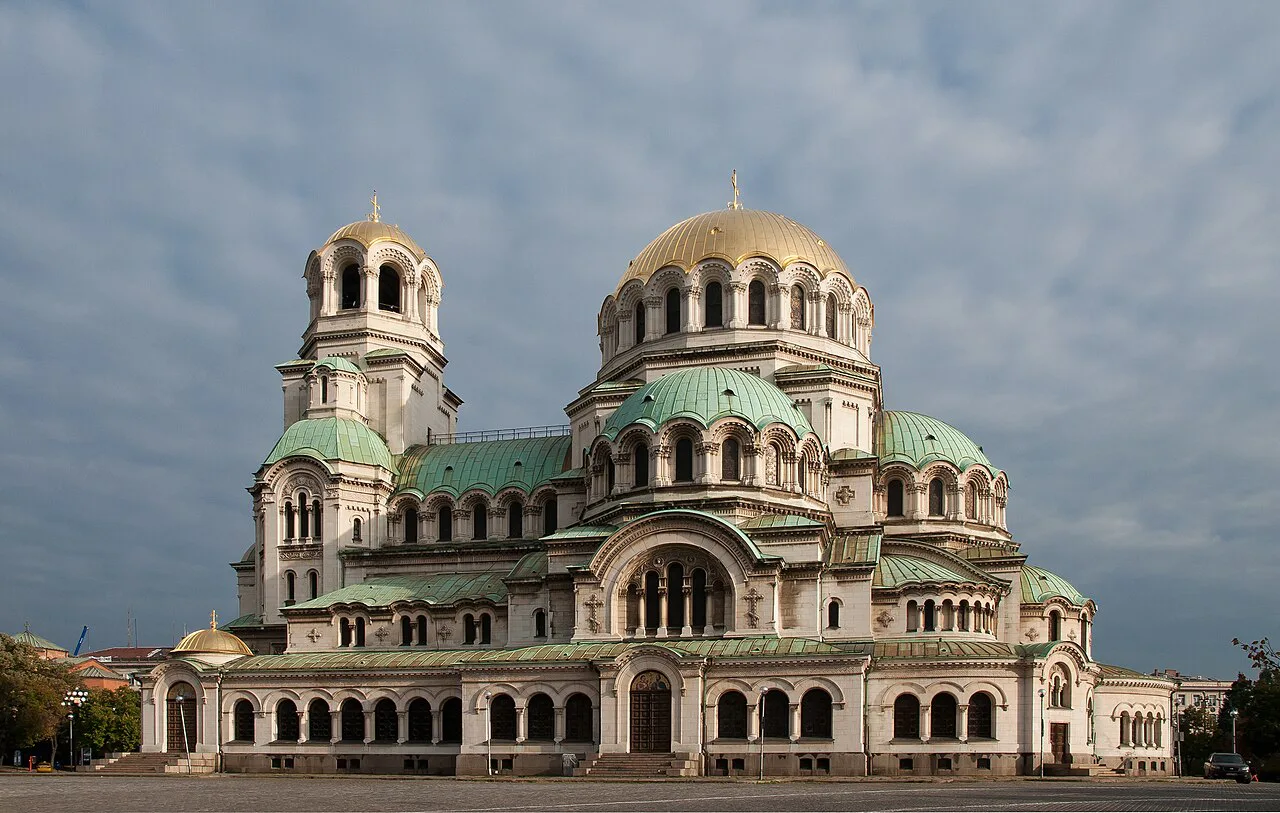
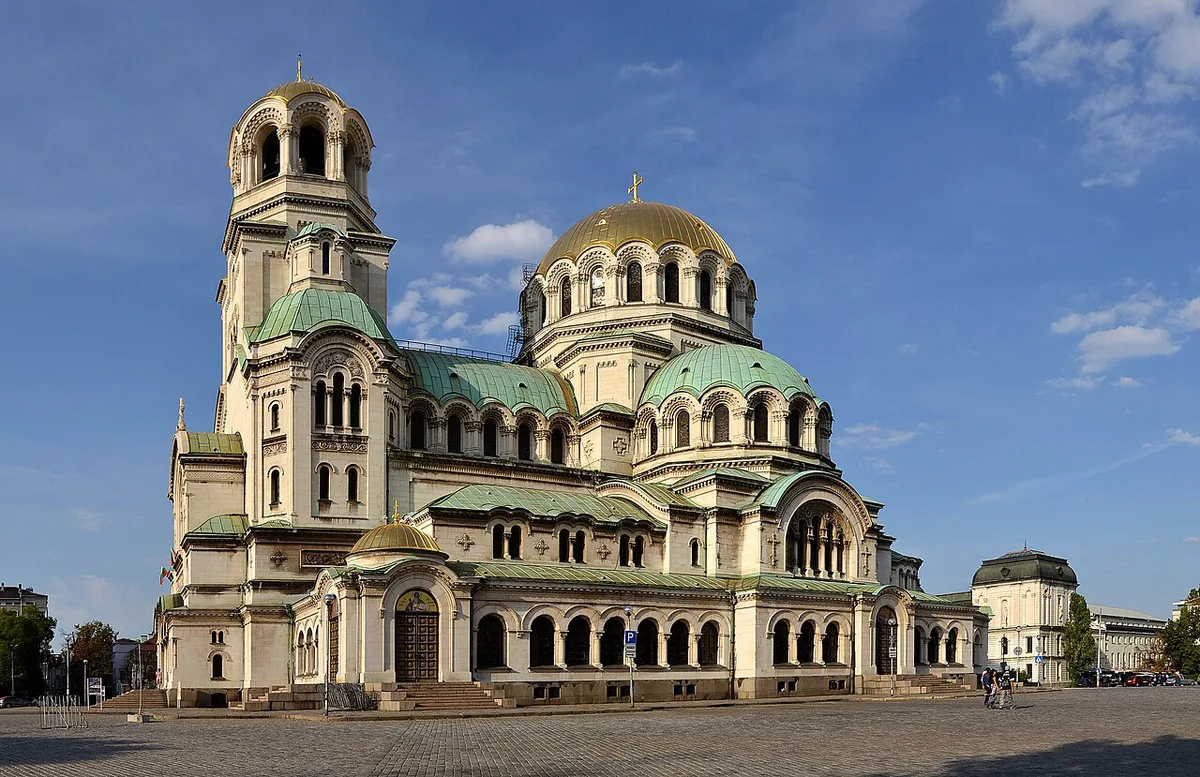
- 8:30 a.m. - Alexander Nevsky Cathedral: entry is free, but photography inside costs 10 BGN, as of 2026.
- 9:15 a.m. - St. Sophia Church, a five-minute walk away, with a Roman-era crypt beneath the nave.
- Late morning - Ivan Vazov National Theatre and the City Garden, also the starting point for a free walking tour if you'd rather join a guide.
- 12:30 p.m. - Lunch built around traditional Bulgarian dishes, including shopska salad and kebapche.
- 2:00 p.m. - The ancient Serdica ruins next to Serdika metro station, followed by the National Art Gallery, where admission runs about 6 BGN.
- 3:30 p.m. - Banya Bashi Mosque and the Central Halite Market for produce, pastries, and a break from walking.
- 5:00 p.m. - Vitosha Boulevard for shopping, then dinner at one of these solid restaurant picks nearby.
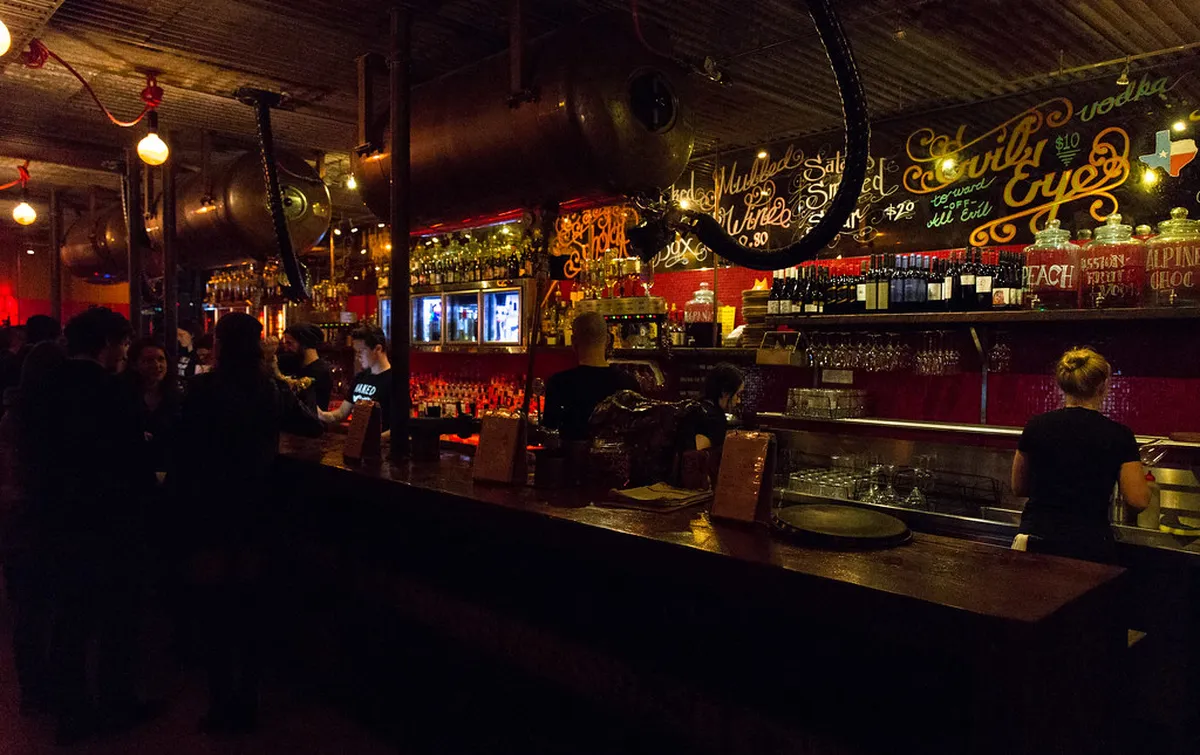
- Evening - Round out day one with ideas from Sofia's after-dark scene, from rooftop bars to live music.
Day 2: Choose Your Sofia Day Trip
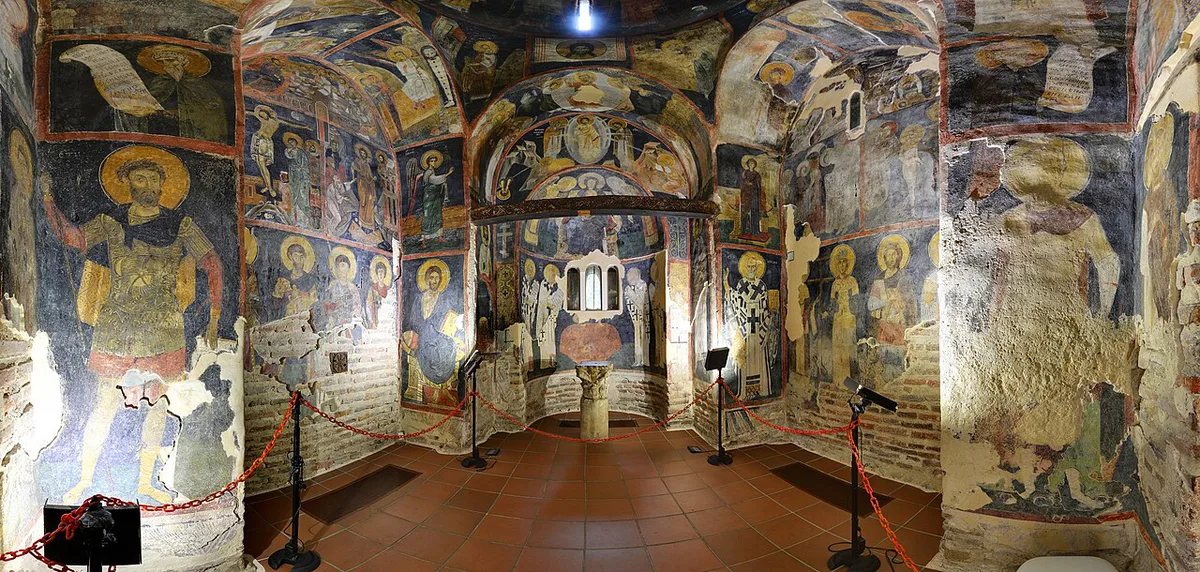
Day two branches into three directions, and the right one depends on what matters most: deep history, mountain air, or more city. Rila Monastery and Boyana Church remain the default pick for UNESCO-listed frescoes and Bulgaria's most important religious site, roughly 2 hours each way by car or organized tour. For hikers, Vitosha Mountain's trails are reachable without an overnight stay, via Zlatnite Mostove or Cherni Vrah. Travelers who'd rather stay in the capital can swap the excursion for a communist-era walking tour paired with a museum visit.
| Option | Best For | Travel Time | Good If |
|---|---|---|---|
| Rila Monastery & Boyana Church | History and UNESCO sites | About 2 hours each way | You want Bulgaria's most significant religious site |
| Vitosha Mountain | Nature and hiking | No overnight travel, a short transfer from the city | You'd rather stay close and get outdoors |
| Plovdiv | Ancient Roman history | A long full-day round trip | You want a second city instead of a day trip |
- 7:30 a.m. - Depart Sofia for whichever option you've chosen; Rila Monastery tours typically leave earliest given the drive.
- Midday - Spend two to three hours on-site, whether that's the monastery complex, the mountain trails, or Plovdiv's Roman theater.
- Afternoon - Add Boyana Church if you picked the Rila route, since it sits on the way back into the city.
- 6:00 p.m. - Return to central Sofia in time for a final dinner before departure the next morning.
What a Sofia 2 Day Itinerary Costs
Cost comes down to how many paid sights and taxis you add to a mostly free itinerary. The table below splits a budget approach from a mid-range one across the two days. Either way, Sofia costs less per day than most Western European capitals. It's often listed among Europe's more affordable cities to visit right now.
| Category | Budget Approach | Mid-Range Approach |
|---|---|---|
| Sightseeing | Stick to free landmarks like Alexander Nevsky Cathedral and a stroll through the Yellow Pavement district. | Add paid stops like the National Art Gallery (about 6 BGN) and cathedral photography (10 BGN). |
| Meals | Street-food style lunches and market snacks at Halite. | Sit-down meals at a mehana for both lunch and dinner. |
| Getting around | Walk everywhere in the compact center. | Add taxis or ride-hailing for the day two excursion transfer. |
Where to Stay for This Route
Where you sleep shapes how much walking day one requires.
- Tsar Osvoboditel and the center: closest to Alexander Nevsky Cathedral and the Yellow Pavement sights, and the easiest base for covering day one on foot.
- Oborishte: a quieter district north of the center, better suited to foodie evenings and a short taxi ride back after dinner.
- Lozenets and Shishman Street: a residential, cafe-heavy area popular with locals, with a shorter walk to Vitosha Boulevard than Oborishte.
Sofia Dining for Two Days
Start either morning with banitsa, a flaky cheese pastry sold at bakeries across the center, before sightseeing begins. Shopska salad and kebapche appear on nearly every menu, especially at a mehana, a traditional Bulgarian tavern. Travelers looking for plant-based options can check vegan dining options for specific restaurant picks. Both day one's lunch stop and evening meals work well built around the same handful of dishes, so there's no need to plan separate food itineraries for each day.
Local Know-How for Visiting Sofia
Bulgarians traditionally shake their heads for yes and nod for no, the reverse of most of Europe, so confirm verbally if a gesture seems backward. Bulgarian is written in Cyrillic, though English signage is common in the center and around major sights. Stick to licensed yellow taxis or a ride-hailing app rather than an unmarked car, since unmetered rides are the most common tourist scam. Sofia is consistently cited as one of the more affordable capitals in Europe, which stretches a 2 day budget further than in many Western capitals.
Adjusting the Length of Your Sofia Trip
Two days covers the center plus one excursion, but it isn't the only option. If you're short on time, trim the plan back to a 1 day itinerary and skip the day trip entirely. With an extra day, a 3 day itinerary adds room for both Rila Monastery and Vitosha Mountain instead of choosing one. Travelers building a longer Balkan trip can stretch this into a full week itinerary that reaches beyond the capital into Plovdiv or the mountains.
Day 2 Without a Day Trip: Communist-Era Sofia
Stay in Sofia if you prefer modern history to a long excursion. Begin at the Largo, where the former Communist Party headquarters faces the Presidency and Council of Ministers. The surrounding monumental buildings illustrate the state architecture imposed after World War II.
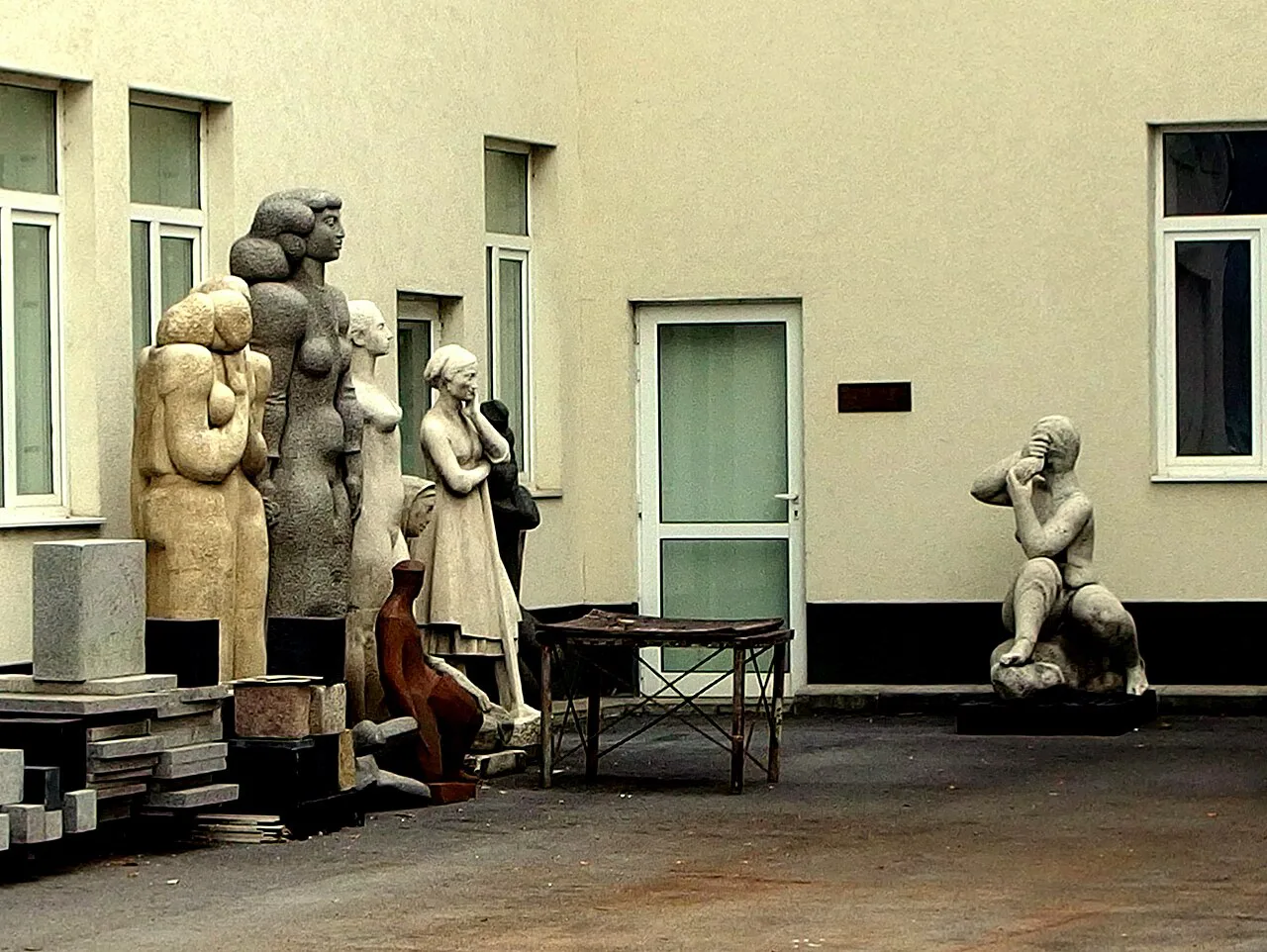
Continue to the Museum of Socialist Art in the Iztok district. Its outdoor sculpture park contains statues, propaganda monuments, and the red star formerly displayed above Party House. Take the metro to Joliot-Curie station, then walk about 15 minutes to the museum.
Return to the center for a guided communist history walk or visit The Red Flat. This recreated 1980s apartment uses household objects, music, and recorded stories to explain everyday life under state socialism.
Finish at the National Palace of Culture and its broad surrounding plaza. The vast cultural complex opened in 1981 during Bulgaria’s socialist period. Check museum and tour schedules before departure because opening days vary. This option involves less travel than Rila Monastery and leaves time for dinner around Shishman Street or Vitosha Boulevard.
Further reading: Sofia on Wikivoyage · Sofia on Wikipedia
Frequently Asked Questions
Are 2 days in Sofia enough?
Yes. Forty-eight hours covers Sofia's city center on day one and a single day trip on day two, whether that's Rila Monastery, Vitosha Mountain, or a communist-era deep dive.
Is Sofia a walkable city?
Yes, the city center is compact enough to cover entirely on foot, and trams, buses, and the metro handle anything farther out.
What is the best time to visit Sofia?
Late spring and early autumn bring the mildest weather for walking between sights, though winter works well if you build the trip around the Christmas market or indoor museums instead.
Is Sofia expensive?
Sofia is generally one of the more affordable capitals in Europe. The two concrete costs in this itinerary, the 10 BGN cathedral photography fee and the roughly 6 BGN National Art Gallery ticket, reflect that.
Can you day-trip to Rila Monastery from Sofia in 2 days?
Yes, but it uses your entire second day. The drive runs about 2 hours each way, leaving a few hours on-site plus a stop at Boyana Church on the way back.
Do you need a car for a Sofia 2 day itinerary?
No. Day one is walkable, and day two runs on an organized tour, a rental, or public transit toward Vitosha Mountain, so a private car is optional.