Mastering the Authentic Bulgarian Shopska Salad
Last updated June 2026. Shopska salad, or Шопска салата, is more than just a dish in Bulgaria — it is a national symbol. This vibrant cold salad of tomatoes, cucumbers, peppers, onion, and grated sirene cheese appears on every menu from Sofia's city restaurants to mountain mehanas in the Rhodopes. Its simplicity is part of its power: when made with ripe summer vegetables and quality cheese, nothing rivals it as a first course.
This guide covers the salad's origin, what makes the authentic Bulgarian version distinct from its Balkan cousins, how to make it at home step by step, and what to expect when you order it in Bulgaria in 2026. Whether you are cooking it yourself or sitting down at a tavern, understanding Shopska properly makes it taste better.
Watch this quick demonstration of why shopska has earned its place as Bulgaria's most iconic salad:
What is Shopska Salad?
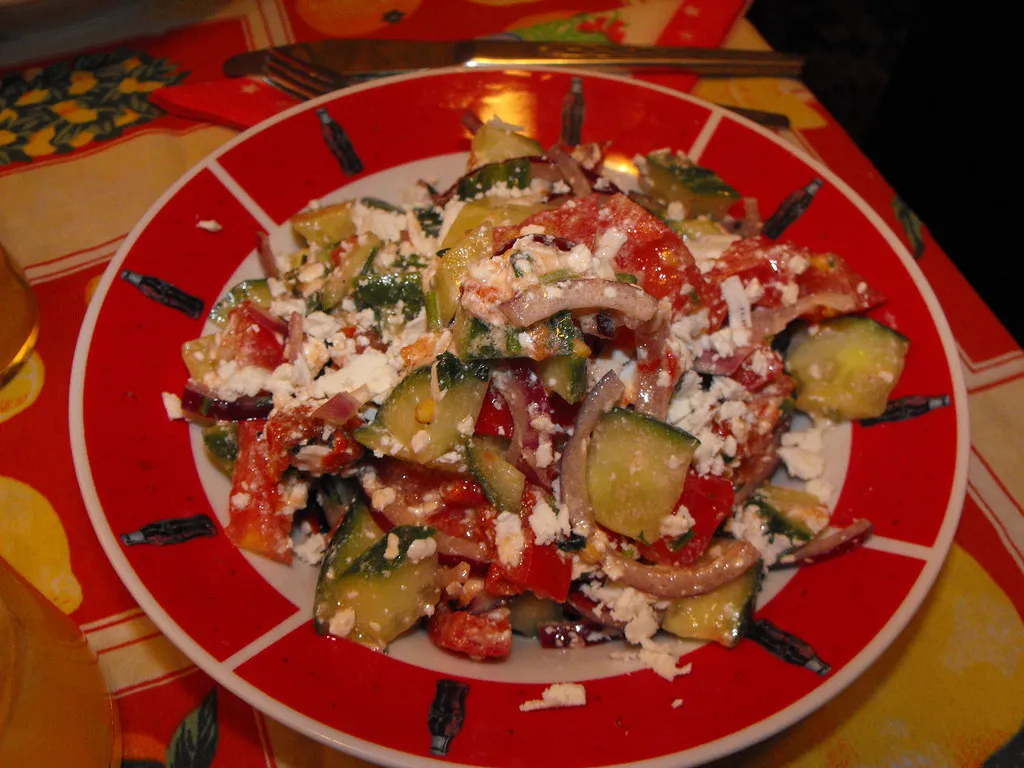
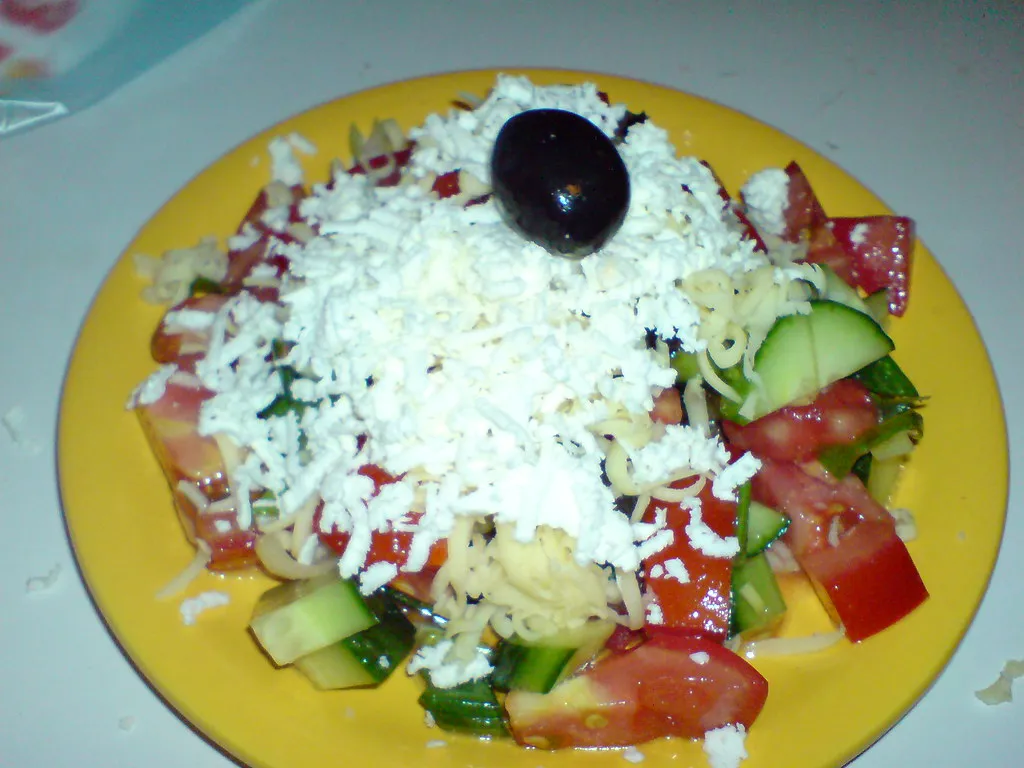
Shopska salad is a cold, uncooked salad built from diced tomatoes, cucumber, sweet pepper, and onion, dressed lightly with sunflower oil and vinegar, then blanketed in generously grated white sirene cheese. No lettuce, no greens — just raw vegetables and cheese. The texture is crunchy, the flavour is bright and salty, and the whole thing comes together in under 20 minutes.
The salad is widely considered Bulgaria's national dish. Its colours mirror the Bulgarian tricolour flag: the red of ripe tomatoes, the green of cucumber, and the white of sirene cheese. That visual symmetry is not a coincidence — the dish became a patriotic emblem precisely because of it. You will find it listed as the first item on almost every menu in the country, and locals treat a mehana's Shopska quality as a reliable test of the kitchen's overall standard.
It is a cornerstone of the country's culinary traditions and the starting point for any serious exploration of the country's cuisine.
Origin and Cultural Meaning of Shopska Salad
The salad takes its name from the Shopluk — a historical region centred roughly around Sofia and stretching across parts of modern Bulgaria, Serbia, and North Macedonia. The Shopi people of this region have their own distinct folk traditions, and the salad's association with their territory gave it its name.
The dish's rise to national prominence is disputed. One widely circulated account credits Bulgaria's communist-era tourism bureau with codifying the recipe in the 1950s and 1960s as part of a campaign to give visitors an iconic Bulgarian dish, an origin date echoed in photographic archives of the dish. A Bulgarian cookbook from the same period alleges the salad grew out of restaurants using up seasonal surplus — ripe tomatoes, fresh cucumbers, raw peppers — and happened to mirror the flag by accident. A third account simply says the combination of these vegetables and white brined cheese was already common across the Shopluk long before any tourism campaign.
Whichever origin is correct, the outcome is the same. By the 1970s, Shopska was everywhere in Bulgaria, and by the 1980s it had spread across the former Eastern Bloc as Bulgarian holidays became popular with Czech, Slovak, and Polish tourists. The Czech version — called šopský salát — remains common in Czech restaurants today as a direct legacy of those Black Sea summer trips.
The salad is now claimed by multiple Balkan nations as their own. Croatia, Serbia, North Macedonia, and Bosnia all serve versions of it. But Bulgaria retains the strongest claim: the name, the colour symbolism, and the specific use of Bulgarian sirene cheese are all distinctively Bulgarian markers.
Key Ingredients for an Authentic Shopska Salad
The core four vegetables are tomatoes, cucumber, sweet pepper, and onion. Ripe, in-season tomatoes matter most — they provide the juice and acidity that the whole salad depends on. Use the firmest, ripest tomatoes you can find. Watery supermarket tomatoes yield a soggy result. Bulgarian summer tomatoes, especially varieties grown in the Plovdiv valley, have a concentrated sweetness that is hard to replicate outside the country.
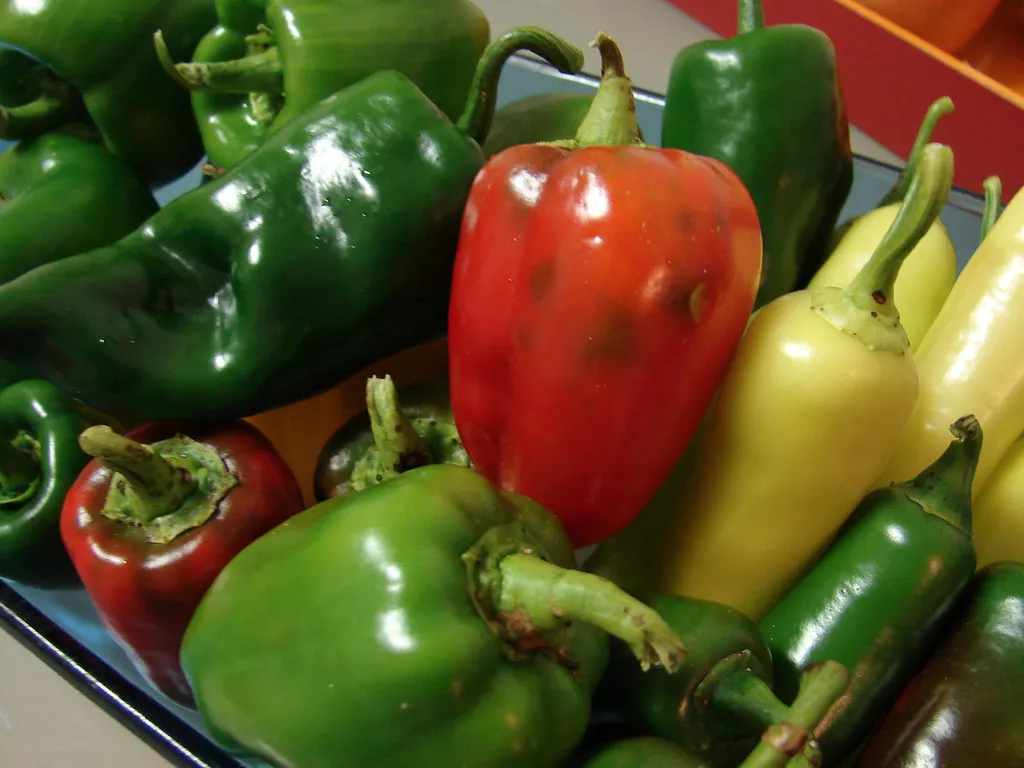
The pepper can be raw or roasted. Many Bulgarian cooks prefer a briefly charred bell pepper, which adds a mild smokiness. Red, green, or yellow all work; some regional versions use a thin-walled banana pepper rather than a blocky bell pepper. Onion is used sparingly — finely diced red onion is traditional, though some cooks rinse it briefly under cold water to remove sharpness.
The star ingredient is Bulgarian sirene cheese, a brined white cheese made from cow's, sheep's, or goat's milk. Sirene is crumblier and creamier than most Greek feta, and less aggressively salty, which allows the vegetables to stay prominent. It is sold in blocks submerged in brine. Always grate it fresh over the salad — pre-crumbled or pre-shredded cheese loses moisture and the texture suffers. If you cannot find sirene outside Bulgaria, a mild Greek feta works as a substitute, but soak it briefly in water to reduce the saltiness.
For dressing, sunflower oil is the traditional choice — neutral-flavoured and light. White wine vinegar or red wine vinegar is added in a small amount, roughly half the volume of oil. Some cooks skip the vinegar entirely, arguing that ripe tomato juice provides enough acidity. A small handful of fresh flat-leaf parsley is the standard garnish.
How to Make Shopska Salad: Step-by-Step
The recipe requires no cooking and takes about 15 minutes from start to table. All cutting should produce roughly equal dice — pieces about 1 to 1.5 cm — so that each forkful contains a bit of everything.
- Wash all vegetables thoroughly. Peel the cucumber if the skin is thick or waxed; leave it on for colour and crunch if it is thin-skinned.
- Dice the cucumber into 1 cm pieces. If using a seeded variety, halve it lengthwise and run a knife under the seed bed to remove them before dicing.
- Core and seed the pepper. Dice into pieces roughly the same size as the cucumber. If roasting, char over an open flame or under a grill, cool in a covered bowl, then peel and dice.
- Dice the tomatoes. Avoid squeezing out the juice — it becomes part of the dressing. Combine tomatoes, cucumber, pepper, and finely diced onion in a mixing bowl.
- Drizzle 2 tablespoons of sunflower oil over the vegetables. Add 1 tablespoon of white wine vinegar. Toss gently to coat. Season lightly with salt, remembering the sirene will add saltiness.
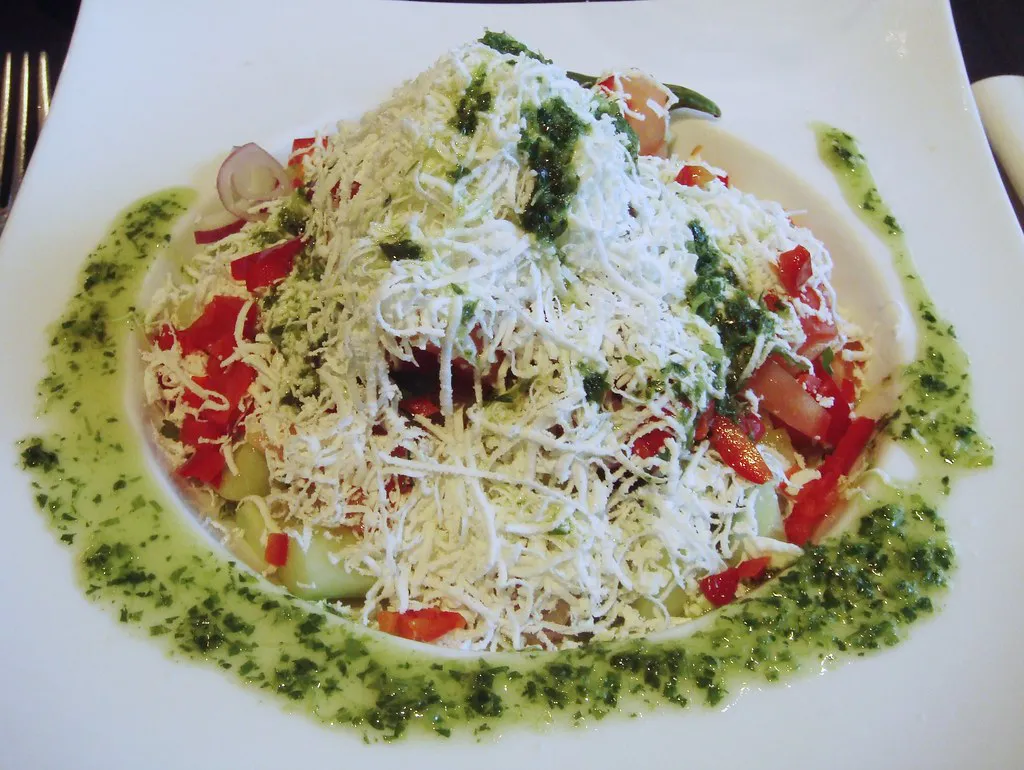
- Transfer to a serving bowl or individual shallow bowls. Grate 80–120 g of sirene generously over the top so it covers the entire surface. Do not mix the cheese in — it should sit on top as a distinct white layer.
- Garnish with a few sprigs of fresh parsley. Serve immediately or chill for up to 20 minutes before serving.
The one step most home cooks outside Bulgaria get wrong is the cheese-to-vegetable ratio. In authentic Bulgarian portions, the grated sirene layer is thick — sometimes 2 to 3 cm deep. If the cheese looks excessive before you serve it, you are probably close to correct.
Shopska Across the Balkans: How the Bulgarian Version Differs
Because the salad spread across former Yugoslavia and beyond, regional variations have diverged from the Bulgarian original in a few consistent ways. Understanding the differences helps you identify what is and is not authentic when you order it.
In Serbia and North Macedonia, the salad is structurally identical but the cheese is often crumbled rather than grated. The cheese texture changes the eating experience — crumbles sit in pockets rather than creating a uniform blanket. Serbian versions also more frequently include kalamata olives and occasionally hot chilli peppers alongside the sweet bell pepper.
The Czech šopský salát — imported during decades of Black Sea summer holidays — typically uses yellow banana peppers rather than green or red bell peppers, and the cheese is usually feta rather than sirene. Czech recipes also tend to use a slightly higher vinegar ratio, producing a sharper, more acidic dressing than the Bulgarian original.
The most important Bulgarian marker is the grated sirene on top. Grating is not just a presentation choice — it distributes the cheese evenly across the surface so every bite has some. The block-style brined cheese used in Bulgaria grates well when cold and straight from the brine. If yours is too soft to grate cleanly, chill it for 30 minutes first.
Ordering Shopska Salad in Bulgaria: What to Expect
Restaurant and mehana versions of Shopska in Bulgaria differ from the home recipe in a few ways that surprise first-time visitors. Most traditional restaurants still grate the sirene tableside or at least to order, which is a sign the kitchen is not using pre-processed cheese. The salad arrives in a shallow ceramic bowl, cheese already on top, no dressing on the side — unlike some international versions where oil and vinegar are offered separately.
Portions are generous. A standard starter serving runs around 350–400 g and costs 5–9 BGN (roughly €2.50–€4.50) in a typical mehana as of 2026. Sofia's centre-city tourist restaurants charge slightly more, up to 12 BGN, but the quality often does not justify the premium — a side-street tavern in Plovdiv or a village restaurant in the Rhodopes will frequently serve a better salad at the lower price.
One practical tip: if you are eating in early spring or late autumn, the tomato quality drops significantly. Bulgarian Shopska is a summer dish at its peak from late June through September, when local field tomatoes are in season. An out-of-season Shopska made with imported greenhouse tomatoes is a pale imitation. Locals know this and often switch to other starters outside those months.
The salad is almost always served before the main course, paired with rakia or cold lager, a ritual woven through Bulgaria's wider dining culture. Sharing a large Shopska between two people is common. Leftovers keep in the fridge for a day but the vegetables soften and the dressing pools — it is always better fresh.
Serving Shopska Salad: Tips and Pairings
Shopska works as a starter, a side dish, or a light lunch on its own. Its coolness and acidity make it the natural first course before heavier Bulgarian mains. In Bulgaria, the classic pairing is a small shot of rakia — the crispness of the salad cuts through the spirit and resets the palate. A cold Bulgarian lager works equally well for those who prefer beer.
For a full Bulgarian meal, pair Shopska with grilled meats like kebapche or kyufte. The salad's freshness balances the char of the grill. It also sits well alongside richer dishes like the slow-cooked clay-pot kavarma stew or stuffed vine-leaf sarmi rolls, where the acid and crunch of the vegetables provide contrast to slow-cooked meat and pastry.
For presentation, serve in a shallow wide bowl rather than a deep salad bowl — the surface area matters for the cheese layer. Keep the serving bowls chilled if possible, especially in summer. Bring the salad out of the refrigerator no more than 10 minutes before serving; the vegetables should be cold but the cheese should not be ice-hard.
A cold cucumber soup called chilled tarator is often served alongside or as an alternative starter. The two dishes complement each other well and together represent the simplest expression of Bulgarian summer food.
Frequently Asked Questions
What makes Shopska salad different from other Balkan salads?
Shopska salad is distinguished by its specific combination of diced tomatoes, cucumbers, peppers, and onions, generously topped with grated Bulgarian sirene cheese. While other Balkan salads share similar ingredients, the distinct sirene cheese and the precise dicing are key identifiers.
Can I use feta cheese instead of sirene cheese?
While feta cheese can be a substitute, it will alter the authentic taste of Shopska salad. Bulgarian sirene is typically creamier and less salty than Greek feta, offering a unique flavor profile. For the most authentic experience, try to find genuine sirene cheese.
How long does Shopska salad stay fresh?
Shopska salad is best consumed immediately after preparation for optimal freshness and texture. If stored, it can last up to 1-2 days in an airtight container in the refrigerator. However, the vegetables may become softer and release more liquid over time.
Is Shopska salad a healthy option?
Yes, Shopska salad is generally a very healthy option. It is packed with fresh vegetables, providing vitamins, minerals, and fiber. The dressing of oil and vinegar is simple, and the sirene cheese adds protein and calcium. It is a light and nutritious choice.
Shopska salad is the entry point to Bulgarian cuisine for good reason. It is simple enough to make in 15 minutes at home, yet specific enough — in its sirene cheese, its grating technique, and its reliance on peak-season tomatoes — that it rewards attention to detail. Whether you encounter it at a village mehana in the Rhodopes or make it yourself with farmers' market vegetables, the core logic stays the same: fresh produce, generous cheese, minimal dressing.
If you are visiting Bulgaria in summer 2026, order it at your first meal. It tells you more about Bulgarian food values — freshness, simplicity, seasonality — than any amount of research can. A good Shopska is the kitchen's calling card.
For connected planning, compare practical Bulgaria travel guide with Bulgaria seasonal planning guide before finalizing your route.