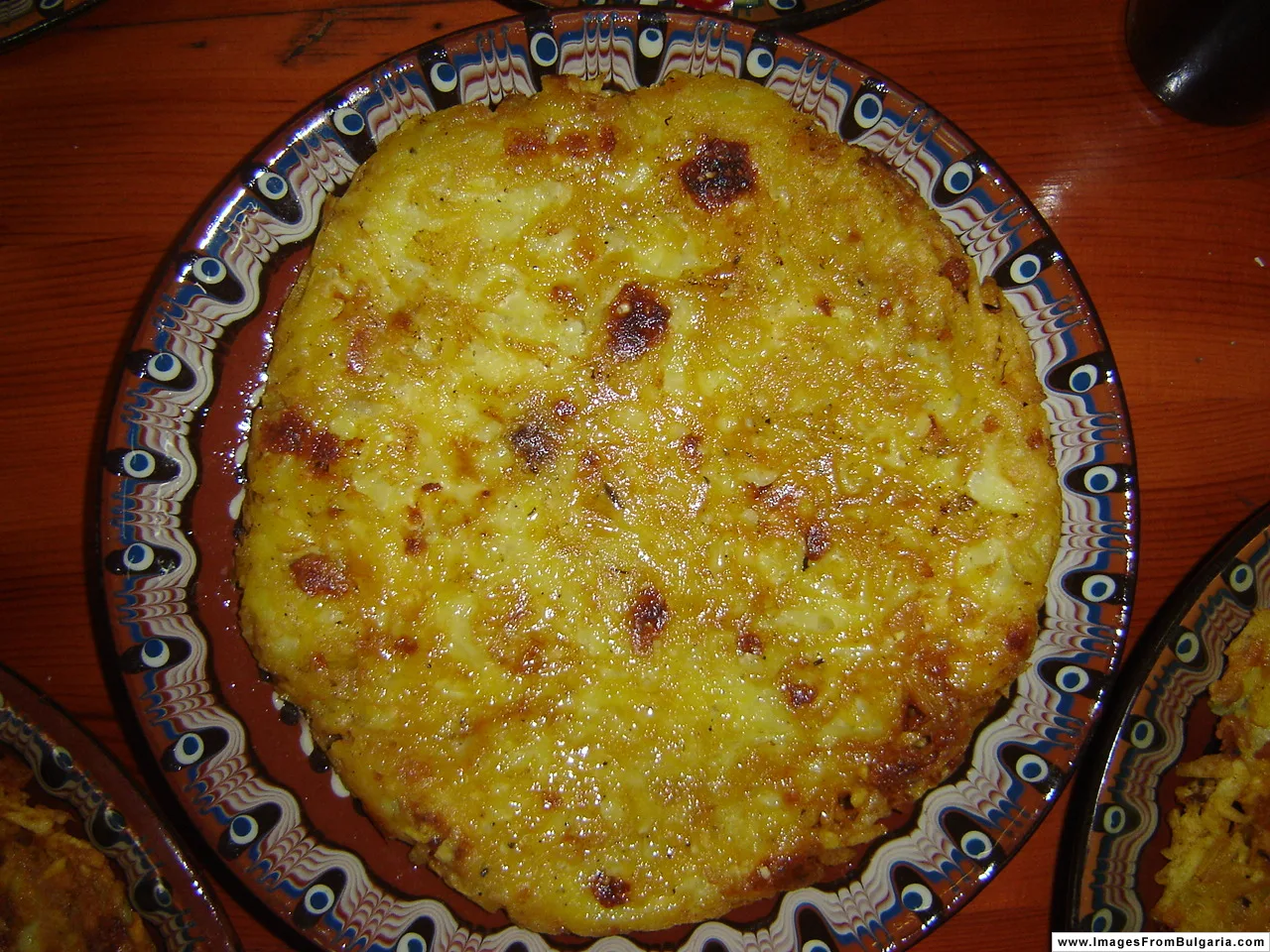
Patatnik: The Soul of Rhodope Mountain Cuisine
Last updated July 2026: patatnik is a slow-cooked potato dish from Bulgaria's Rhodope Mountains, built from grated potatoes, onion, salt, and a wild mint called gyosum. Village kitchens and mountain taverns across the range still make it by hand, and because it's typically cooked to order, it can take 30 to 50 minutes to reach the table. This guide covers what separates real patatnik from a hash brown, how it fits into Bulgaria's regional food traditions, and which Rhodope towns are worth a stop for it.
What Is Patatnik? The Rhodope Mountains' Potato Dish
Patatnik is a Bulgarian potato dish native to the Rhodope Mountains in the country's south. Cooks grate potatoes, squeeze out the liquid, and mix them with onion, salt, and gyosum, a mild wild mint. The mixture fries slowly until the outside turns crisp and the inside stays dense and moist. The dish is traditional across the whole Rhodope range, from Bansko in the Pirin foothills through Smolyan and Zlatograd to Chernichevo further east. The name comes from patato or pateto, a local word for potato used in the Rup dialects spoken in the Rhodopes. That sets it apart from the standard Bulgarian word kartof and the western Bulgarian kompir. In the town of Nedelino, cooks make the same dish under a different name: kashnitsa.
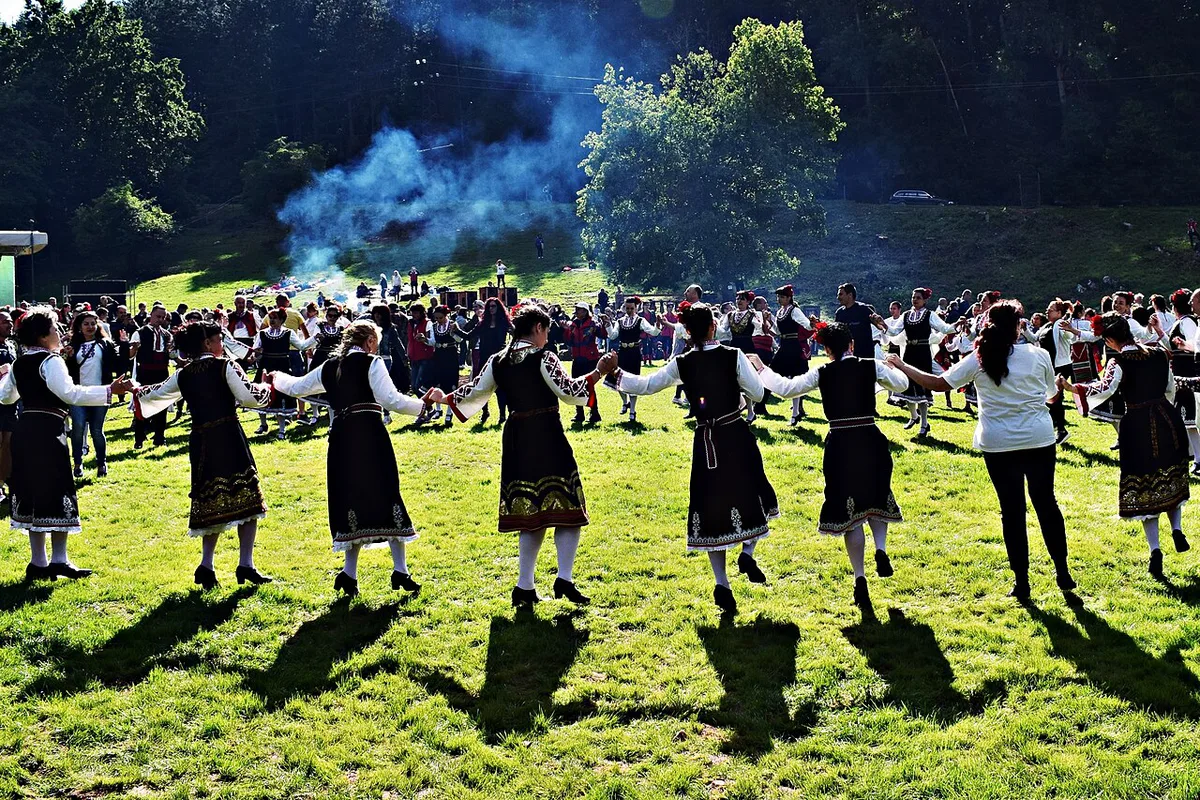
Gyosum: The Wild Mint That Defines Patatnik
Gyosum is the ingredient that separates patatnik from an ordinary hash brown or a tortilla-style potato cake. It is a mild, wild spearmint that grows across the Rhodope slopes and gets folded into the grated potato mixture before cooking. The mint doesn't dominate the dish. It settles into the background and shows up mostly as a smell rising off the pan while the potatoes fry, along with the steady sizzle of the potatoes hitting a hot surface. Traditional recipes keep the ingredient list short: potatoes, onion, salt, and gyosum. Some village cooks add savory or peppers for extra flavor, but a version made without gyosum is not considered a real patatnik in the Rhodopes.
How Patatnik Is Made: The Slow-Cooked Tradition
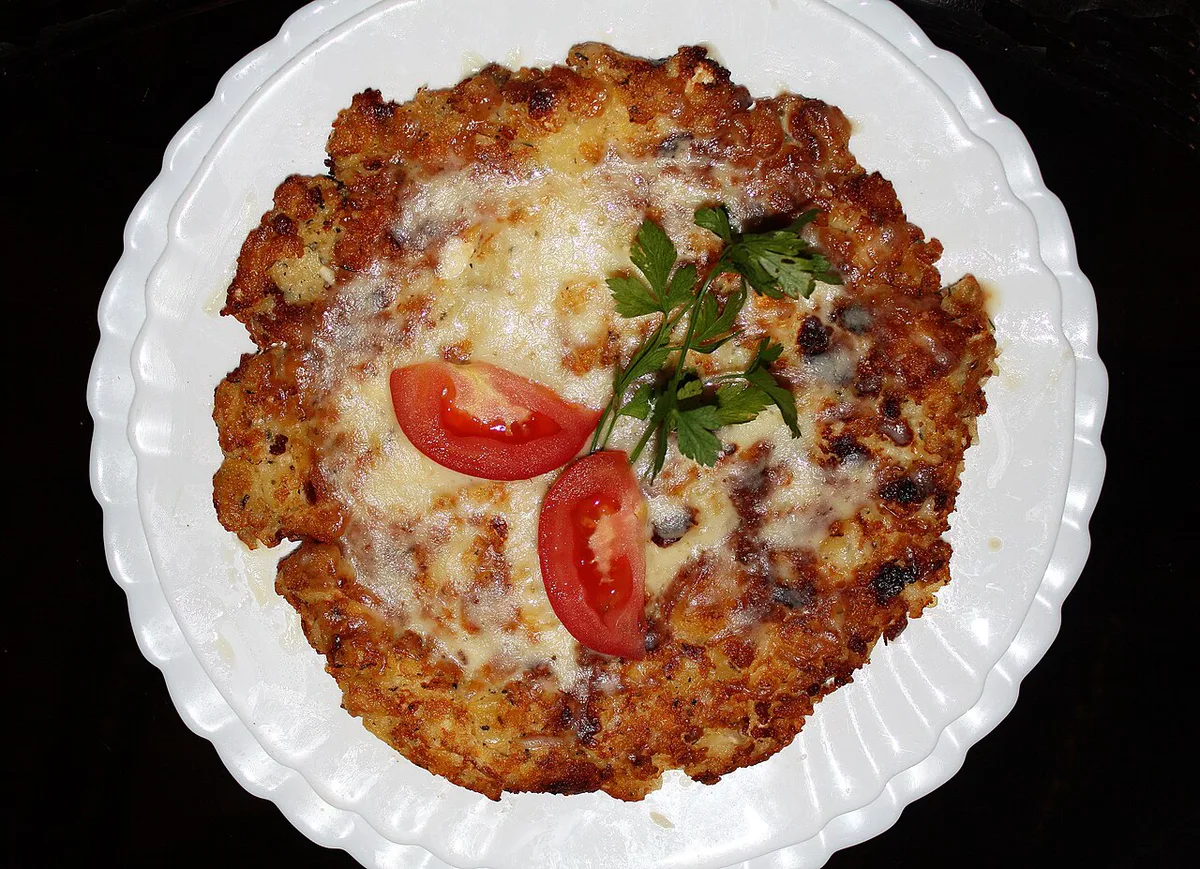
Patatnik takes time, and that's part of what makes it a Rhodope specialty rather than a fast side dish. After the potatoes are grated and squeezed dry, cooks mix them with onion and gyosum, then cook the mixture over a slow fire, traditionally on a wood stove or in a shallow copper pan known locally as a sach. The low heat is deliberate: rushing the fire scorches the outside before the middle sets. That slow method, more than any single ingredient, is what a mehana kitchen means when it lists patatnik as a house specialty rather than a quick order.
Regional Variations: Sheets vs No Sheets
Patatnik isn't cooked one single way across the Rhodopes. Village kitchens use two distinct methods, and the version that lands on the plate depends on which one the cook learned.
- Sheet method: the potato mixture is rolled into two sheets. The bottom sheet lines the dish and extends past its edge. The rest of the mixture, seasoned with savory, is spread on top and covered with the second sheet, with the edges pressed together, similar in shape to a potato banitsa.
- No-sheet method: the ingredients are mixed until homogeneous and cooked flat in a deep dish. After about 20 minutes, the mixture is turned over, covered, and cooked further until both sides are done.
- Nedelino variation: the same base ingredients, cooked under the local name kashnitsa rather than patatnik.
Where to Find Patatnik in the Rhodope Mountains
Patatnik shows up on menus across the Rhodope range, but a handful of towns are known specifically for it. These hubs sit inside or near the mountains where the dish originated, which makes them reliable stops for a mehana-cooked version rather than a reheated one.
- Smolyan — the regional capital of the Rhodopes and a common overnight base for mountain trips.
- Shiroka Laka — an architecture-reserve village with mehanas built around Rhodope mountain cooking.
- Gela — a small village near the Trigrad area, known for traditional Rhodope kitchens.
- Momchilovtsi — a mountain village associated with Rhodope home cooking and dairy.
- Bansko — on the Pirin side of the range, where patatnik also appears on mehana menus alongside the town's other specialties.
Traditional vs Modern-Style Patatnik: Which to Order
Not every patatnik on a menu is the same. Mehana kitchens generally serve two versions, and knowing the difference sets the right expectations before it arrives. Many taverns in these towns also put grilled Bulgarian sausage on the table as a starter while the patatnik finishes cooking.
Restaurant versions may add eggs, cheese, or switch to oven-finishing. But gyosum—the wild spearmint—defines patatnik authenticity. Mehanas offering versions without the mint are not making real patatnik, regardless of what additions they make or how they cook it.
| Feature | Traditional Patatnik | Modern/Restaurant Style |
|---|---|---|
| Core ingredients | Potatoes, onion, mint | Potatoes, onion, mint, eggs, cheese |
| Texture | Crispy exterior, dense middle | Softer, more pie-like |
| Preparation | Slow-cooked on a stove-top | Often finished in an oven |
| Best for | Purists seeking authentic Rhodope flavor | Travelers who prefer a richer, saltier dish |
Ordering Guide: Wait Times and Pairings
Patatnik is usually cooked to order, not held ready under a heat lamp. In many mehanas, it takes 30 to 50 minutes to come out of the kitchen, so order it as soon as you sit down rather than partway through the meal. While it cooks, tavern menus typically offer starters to fill the wait; Bulgarian tripe soup is a common one on Rhodope mehana menus. Patatnik is generally priced as a standard main course, in line with other slow-cooked mehana dishes rather than a quick side order. For pairing, Bulgarian yogurt is the standard match, cutting through the dish's richness. Smilyan beans, a Rhodope regional specialty, are another common side on the same table.
The 30- to 50-minute wait is not a service delay—it's the cooking method itself. Slow fire is deliberate; rushing the heat scorches the outside before the middle sets. This is why mehanas cannot speed it up, and why ordering patatnik first, not last, is essential.
Patatnik vs Other Bulgarian Potato Dishes
Patatnik is often the only potato dish on a Rhodope menu, but Bulgarian cuisine has other potato-based comparisons worth knowing before you order. Bulgarian potato moussaka layers potato with minced meat and a yogurt-egg topping, baked rather than pan-fried, which gives it a different texture and a different regional home. On a wider mehana menu, patatnik usually sits next to slow-cooked clay-pot dishes like gyuvech stew, rather than beside other potato sides. Patatnik stands apart from both because of gyosum and the slow stove-top method. Neither moussaka nor gyuvech uses wild mint as a defining ingredient.
Common Mistakes to Avoid When Ordering Patatnik
A few ordering habits can lead to a long wait or a plate that doesn't match expectations.
- Ordering it last: because patatnik is cooked to order, saving it for a final course can add 30 to 50 minutes to the end of the meal.
- Expecting a quick hash brown: patatnik is a slow-cooked dish, not a fast-fried side, and it will not arrive in a few minutes.
- Assuming every version is traditional: restaurant kitchens often add sirene cheese or eggs, which changes the texture from the purist recipe.
- Skipping the mint check: a patatnik made without gyosum is missing the ingredient that defines the dish in the Rhodopes.
Further reading: Bulgaria on Wikivoyage · Bulgaria on Wikipedia
Continue planning: Use 15 Must-Try Bulgarian Foods: A Culinary Travel Guide and The Best Banitsa Recipe: Authentic Bulgarian Cheese Pie Guide to connect this guide with the rest of your Bulgaria itinerary.
Frequently Asked Questions
What is the difference between patatnik and a regular potato pancake?
The main differences are the mint and the cooking time. Patatnik uses gyosum, a mild wild spearmint, and cooks slowly over low heat rather than frying quickly, which gives it a crisp outside and a dense, moist middle instead of a thin, quick-fried texture.
Is patatnik vegetarian?
The traditional recipe is vegetarian: potatoes, onion, salt, and gyosum, with no meat. Some restaurant versions add eggs or sirene cheese, so vegans should ask what's in the kitchen's version before ordering.
How much does patatnik cost at a Rhodope mehana?
Patatnik is priced as a standard mehana main course, in the same range as other slow-cooked dishes like gyuvech rather than as a cheap side. Exact prices vary by village and by season, so check the menu on arrival.
What should be paired with patatnik?
Bulgarian yogurt is the classic pairing, and it balances the dish's richness. Smilyan beans, a Rhodope regional specialty, are another common side served alongside it.
Why does patatnik take so long to cook?
Most mehanas cook patatnik to order rather than keeping it pre-made, and the slow-fire method itself takes time to crisp the outside without burning it. Expect 30 to 50 minutes, so order it as soon as you sit down.
For connected planning, compare practical Bulgaria travel guide with Bulgaria seasonal planning guide before finalizing your route.