7 Must-Try Bulgarian Cheeses: A Guide to Taste & Tradition
Bulgaria's dairy traditions are narrower than those of France or Italy, but what the country makes, it makes exceptionally well. Two cheeses dominate everyday life — sirene, the white brined staple, and kashkaval, the semi-hard yellow workhorse — while a handful of artisanal and regional varieties round out a tradition shaped by mountain pastures, Balkan history, and recent cheesemaking revivals. This guide covers all the main types you'll encounter in 2026, how they taste, where they show up in Bulgarian cooking, and how to find the best versions.
To see Bulgaria's two main cheeses compared side by side, this video breaks down exactly what makes sirene and kashkaval distinct:
Bulgarian Cheese Culture and History
Bulgaria's cheesemaking heritage is older than its modern borders. Dairy has been central to Bulgarian rural life for centuries, with shepherds in mountain huts producing durable brined and aged cheeses wherever flocks ranged. The country's geography — from the Rhodope and Balkan mountain ranges down to the Thracian Plain — created distinct microclimates and milk profiles that shaped regional styles.
Under socialism, centralized cooperatives standardized production around two main types: sirene and kashkaval. Pasteurization laws and controlled starter cultures replaced the wild microflora of artisanal batches, and regional variation largely disappeared. Since the 1990s, small-scale producers have been steadily reviving older methods. The Slow Food movement has played a direct role in rescuing at least one nearly extinct variety, Cherni Vit cheese, from disappearing entirely.
One organism ties Bulgarian dairy together: Lactobacillus delbrueckii subsp. bulgaricus, a bacterium naturally present in Bulgarian milk environments. It gives Bulgarian white cheeses a distinct lactic freshness and pronounced aroma that differs from those produced in neighboring countries. The same bacterium is responsible for the character of Bulgarian yogurt and other traditional dairy products.
Sirene: Bulgaria's Iconic White Brined Cheese
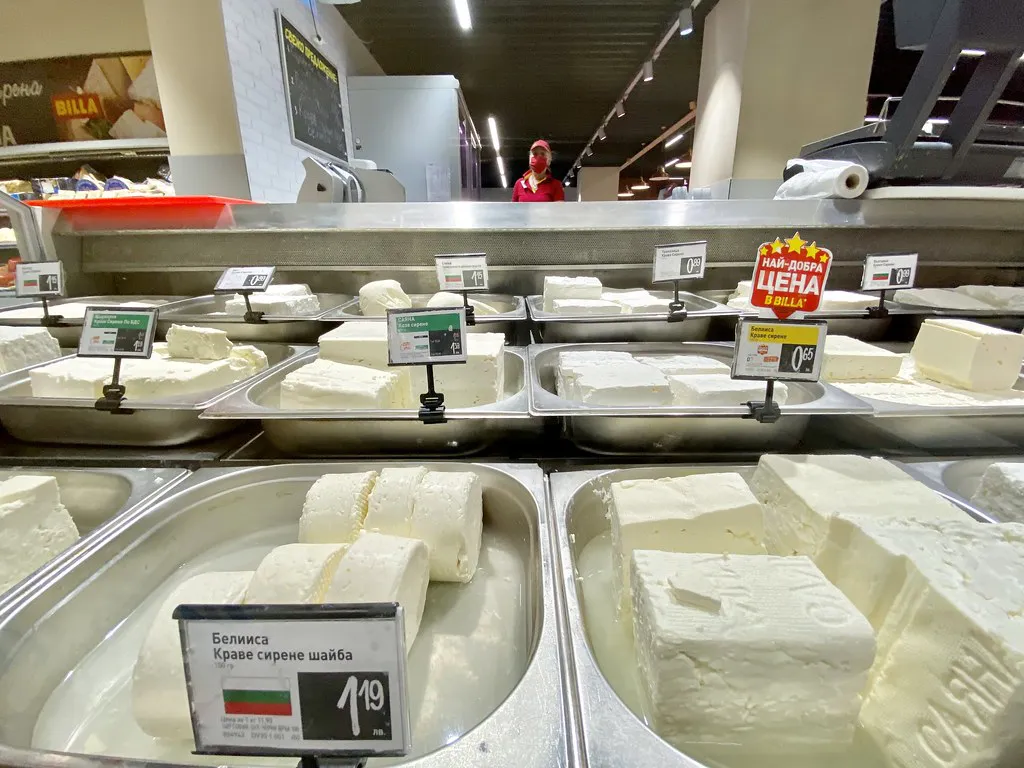
Sirene (Сирене) is the most represented cheese in Bulgaria. It is a white brined cheese traditionally made from sheep's milk, though cow, goat, and buffalo milk versions are common — each producing a noticeably different flavor and texture. The production process involves adding lactic acid bacteria to heated, then cooled milk, followed by rennet coagulation. Once the curd is cut, drained, and pressed, the blocks are salted and stored in brine, giving sirene its signature tangy, salty character.
Taste and texture vary significantly depending on the milk source and aging conditions. Sheep's milk sirene is richer and more aromatic. Cow's milk versions are milder and softer. The brine itself can be water-based, whey-based, or industrial, and even the local microflora of the cave or cellar where the cheese matures affects the final profile. Artisanal makers in the Rhodope Mountains are known for producing some of the most complex sirene in the country.
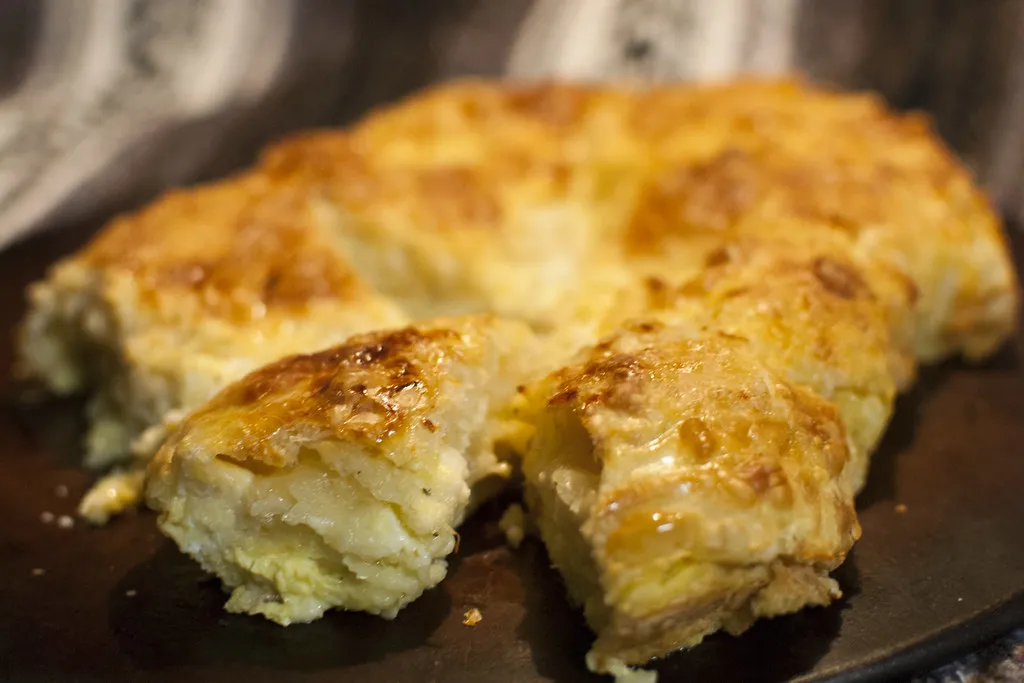
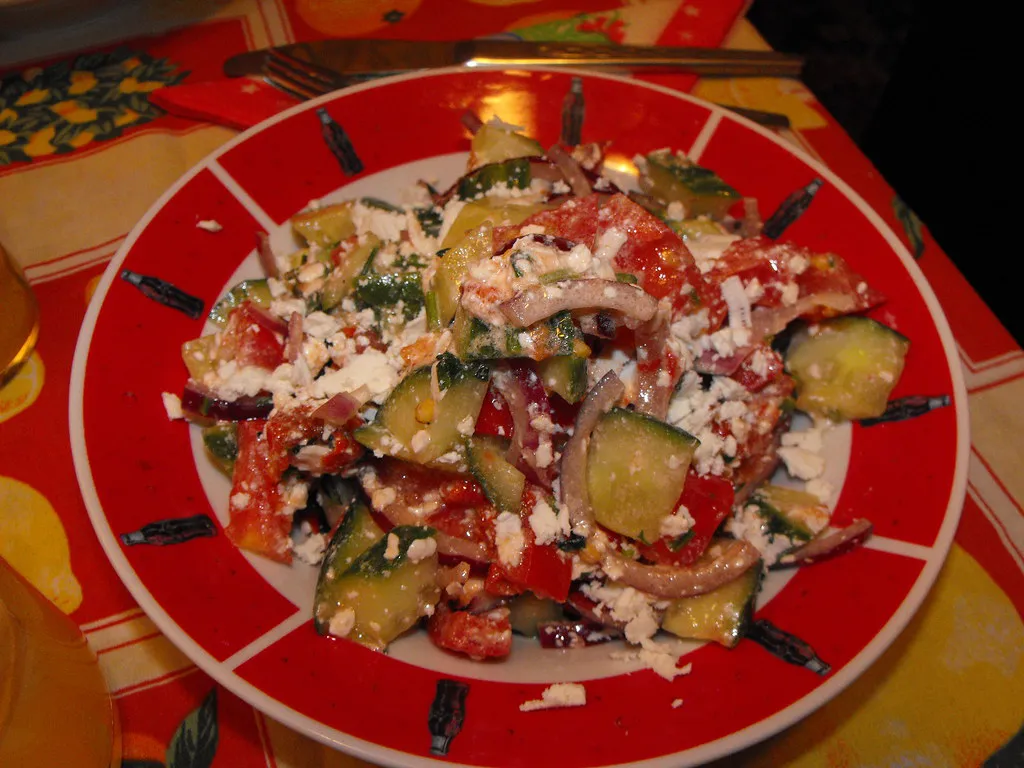
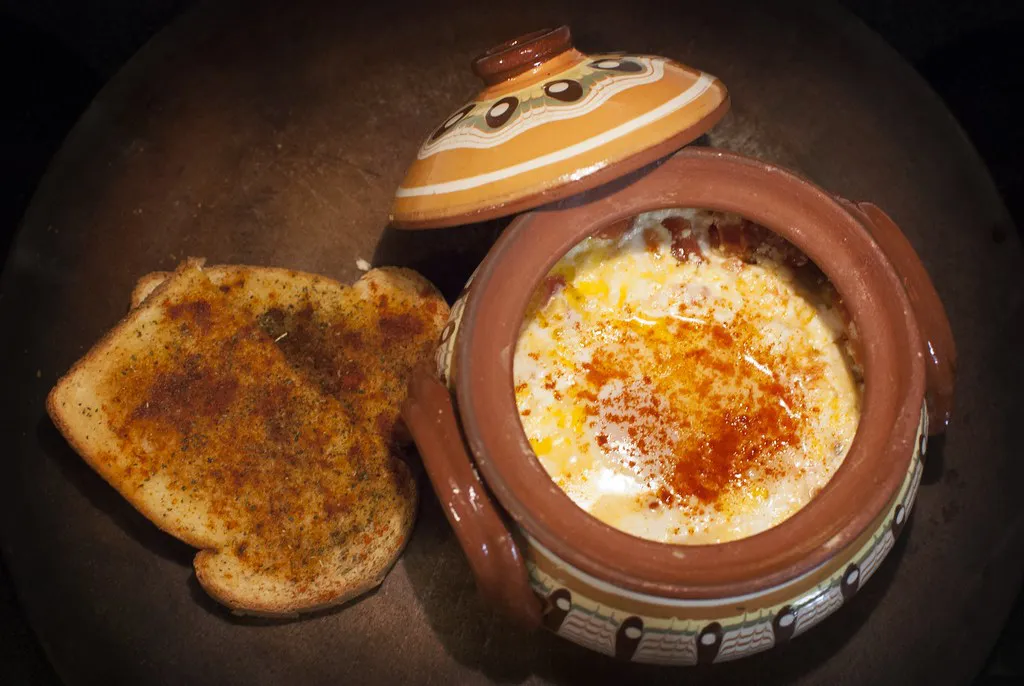
Sirene is on the table at almost every Bulgarian meal. It is crumbled over the cheese-topped shopska salad, folded into a flaky cheese banitsa pastry, served alongside bread and tomatoes at breakfast, and baked whole in clay pots with eggs and peppers. If a block tastes too salty, soak it in cold water for 15–30 minutes before serving. Prices at local markets run 18–28 BGN per kilogram (roughly 9–14 EUR). Look for it at any supermarket, dairy shop (млекарница), or farmers' market across Bulgaria.
Sirene's PDO Status and the Feta Question
Bulgarian sirene and Greek feta are often confused — both are white, brined, and crumbly — but they are legally and culinarily distinct. Greek feta holds Protected Designation of Origin (PDO) status under EU law, meaning it must be produced in specific Greek regions from at least 70% sheep's milk and up to 30% goat's milk. It is typically firmer and tangier. Bulgarian sirene has no such constraint on milk type, which is why its flavor range is wider.
In 2023, Bulgaria registered its own PDO for the classic version of the cheese: "Bulgarsko byalo salamureno sirene" (Bulgarian white brined cheese). This designation formally acknowledges sirene as a distinct product tied to Bulgarian territory and tradition — not a generic imitation of feta. It covers cheese produced across the country using traditional methods and Lactobacillus d. bulgaricus as the defining bacterial culture.
In practice, Bulgarian sirene is often creamier and more elastic than Greek feta, with a milkier baseline flavor. It does not crumble as aggressively and can be sliced cleanly. When ripened for several weeks, artisanal versions become almost spreadable. The PDO distinction matters most when buying abroad — labels reading "Bulgarian-style" or "Bulgarian feta" are not the same product as PDO-registered Bulgarian white brined cheese made in Bulgaria.
Kashkaval: The Balkan Yellow Cheese
Kashkaval (Кашкавал) is Bulgaria's second cornerstone cheese. It is a semi-hard yellow cheese made from sheep's milk, cow's milk, or a blend of both. Production uses a pasta filata method similar to mozzarella: the curds are heated, stretched, and pressed into large wheels. This gives kashkaval its elastic, firm body and a mild, buttery flavor that deepens into nuttiness as it ages.
Kashkaval originated as a shepherd's cheese, made in mountain huts during summer when milk was plentiful. Notable regional traditions survive today — Trakia kashkaval from the Thracian Plain and the kashkavals produced around the town of Elena in the Balkan Mountains are considered among the finest. The cheese is also used as shorthand in Bulgarian for any similar yellow semi-hard cheese, much as "cheddar" gets applied broadly in English-speaking countries.
Its melt makes it indispensable in the kitchen. Kashkaval pane — breaded and pan-fried slices, typically served with a wedge of lemon — is one of the most popular appetizers in Bulgarian restaurants. The cheese also tops pizzas and gratins, fills pastries, and gets sliced thin onto meze platters alongside olives and cured meats. A dry white Bulgarian wine or a light lager pairs well. Expect to pay 20–35 BGN per kilogram (10–18 EUR) depending on age and milk source.
Cherni Vit Cheese: Bulgaria's Rare Mold-Ripened Variety
Cherni Vit (Черни Вит сирене) is produced exclusively in the village of the same name at the foot of the Balkan Mountains. Its defining feature is a naturally occurring green mold crust that forms from a combination of mountain humidity, specific cave conditions, and the traditional wooden casks used during maturation. It is the only traditional mold-ripened cheese in the Balkans.
The cheese nearly disappeared by the early 2000s when plastic containers replaced wooden casks across Bulgarian dairies. Its survival came through the Slow Food movement, whose representatives discovered a single surviving piece in the cellar of an elderly couple in the village after the local mayor, Tsvetan Dimitrov, pointed them toward endangered regional foods. Slow Food promoted the cheese internationally at their next festival, and that recognition put it back on the map — though regulatory and commercial barriers still limit production and distribution.
Flavor-wise, Cherni Vit combines the saltiness of brined sirene with the earthy, pungent complexity of a blue cheese. It is eaten in small amounts, most often with bread, wine, or fruit. Your best chance of finding it is in the village of Cherni Vit itself or at specialty cheese counters in Sofia and Plovdiv. Prices reach 40–60 BGN per kilogram (20–30 EUR) when available. Pair it with a full-bodied red wine or a glass of the local fruit brandy, rakia.
Urda: The Mild Whey Cheese
Urda (Урда) is a fresh whey cheese made from the liquid left over after producing sirene or kashkaval. The whey is gently reheated until the remaining proteins coagulate, then the soft curds are collected, drained, and lightly pressed. The result is similar to ricotta — mild, slightly sweet, moist, and creamy. Urda is found across the Balkans and beyond, with comparable versions in Romania, Albania, and Serbia, but it remains a popular everyday dairy product in Bulgaria.
Its mild flavor makes it one of the most versatile cheeses in the Bulgarian dairy range. For something sweet, mix it with honey and chopped walnuts. For savory use, add herbs and garlic and serve it as a spread alongside bread. It also works as a filling in banitsa alongside sirene, lightening the pastry's texture, and as a substitute for ricotta in stuffed pasta or lasagne. Urda is commonly available in supermarket dairy sections and at morning markets when it is at its freshest. Prices are typically 10–18 BGN per kilogram (5–9 EUR).
Tulum: Aged in Animal Skin
Tulum (Тулум сирене) is one of Bulgaria's most endangered foods. The technique is ancient — fresh curds are salted, pressed, and packed into a specially prepared goatskin with the hair turned inward. This allows excess whey to escape while protecting the cheese and imparting a distinctive sharp, earthy flavor with faintly smoky undertones from the skin. Similar methods appear across the broader Balkans and are well known in Turkey as tulum peynir.
In Bulgaria today, tulum survives thanks to a single cheesemaker: Salih Pashov, working in the Rhodope Mountains according to a recipe estimated to be around 500 years old. Because production is so limited, tulum is discussed more as a heritage food than a commercial product. Finding it requires either visiting the Rhodope region directly or knowing which specialty shops in Sofia carry it. Prices vary widely, often 25–45 BGN per kilogram (13–23 EUR), when available.
Its intensity rewards simple treatment. Shave thin slices over fresh tomatoes and cucumbers, or serve it on a meze platter with olives and bread and let the flavor speak for itself. A full-bodied red wine stands up to it well.
Bulgarian Cheese in the Kitchen
Sirene is the workhorse of Bulgarian cooking. It is crumbled over the classic chopped tomato-and-cucumber salad — where its saltiness balances fresh tomatoes, cucumbers, and peppers — and stuffed into the layered filo pastry banitsa, the country's most beloved savory bake. It also fills the Rhodopean potato dish patatnik, goes into clay-pot egg bakes, and gets sliced simply alongside bread and olives at breakfast. The rule of thumb: if a Bulgarian dish calls for cheese, it almost certainly means sirene.
Kashkaval handles the heat. It is the cheese in kashkaval pane (breaded fried cheese), a standard starter at Bulgarian restaurants. It also melts well over gratins, tops pizza, and is pressed into fried pastry pockets called tutmanik. Sliced thin at room temperature, it is excellent on meze boards alongside cured meats. For a quick pairing, a dry Bulgarian white wine — look for Muscat or Dimyat — complements its mild nuttiness without overpowering it.
Urda opens up dessert territory that sirene cannot occupy. Mix it with honey and walnuts for a light dessert, or fold it with fresh herbs and garlic into a breakfast spread. Cherni Vit and tulum, being intense and complex, need nothing more than good bread, a glass of wine or rakia, and room on the table. Their role is to be tasted, not cooked with.
| Feature | Sirene (white brined) | Kashkaval (yellow semi-hard) |
|---|---|---|
| Color & type | White, soft, brined | Yellow, firm, pasta filata |
| Typical milk | Sheep, cow, goat, or buffalo | Sheep, cow, or a blend |
| Flavor | Tangy, salty, lactic | Mild, buttery, nutty with age |
| Storage | Kept in brine | Aged as dry wheels |
| Best uses | Salads, banitsa, clay-pot bakes | Kashkaval pane, gratins, pizza, meze |
| Market price (Bulgaria) | 18–28 BGN/kg | 20–35 BGN/kg |
Where to Find and Buy Bulgarian Cheese
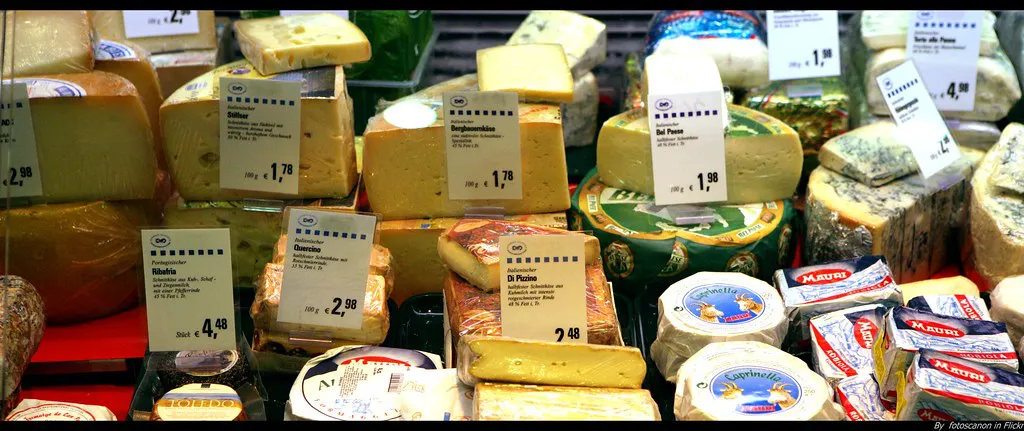
In Bulgaria, local markets (пазари) are the best source for fresh and artisanal varieties. The Central Sofia Market Hall (Централни хали, Tsentralni Hali) at ul. Maria Luisa 25 in Sofia stocks a wide range from various regions and is open daily. Smaller dairy shops (млекарници) throughout the country often carry regional sirene and kashkaval with knowledgeable staff who can explain the source. For Cherni Vit cheese, the village itself is the most reliable destination; specialty delis in Sofia and Plovdiv occasionally carry it but stock is unpredictable.
For tulum, contacting producers in the Rhodope Mountains ahead of a visit is the practical approach. Local food festivals — particularly those organized around heritage food and the Slow Food network — are the best-bet events for trying rare varieties in one place. Artisanal producers like Ferma Georgiev, which specializes in truffle-infused Bulgarian dairy, ship within the country and sometimes accept orders from abroad.
Outside Bulgaria, Balkan specialty grocery stores in Western Europe carry sirene and kashkaval regularly. Quality varies from the domestic product — pasteurization requirements and transportation affect flavor. When buying imported Bulgarian cheese, check the label for the country of origin and, for sirene, look for products that specify PDO status or use sheep's or mixed milk to get closer to the traditional profile. Prices abroad run significantly higher than the 18–35 BGN per kilogram range you'll find in Bulgaria. You can read more about Bulgarian food traditions in our Bulgarian food guide.
Continue planning: Use 15 Must-Try Bulgarian Foods: A Culinary Travel Guide and The Best Banitsa Recipe: Authentic Bulgarian Cheese Pie Guide to connect this guide with the rest of your Bulgaria itinerary.
Frequently Asked Questions
What are the most popular Bulgarian cheeses?
The most popular Bulgarian cheeses are Sirene, a white brined cheese, and Kashkaval, a semi-hard yellow cheese. Sirene is a staple in many dishes, while Kashkaval is versatile for cooking and snacking.
How is Bulgarian Sirene different from Greek Feta?
Bulgarian Sirene can be made from cow's, sheep's, or goat's milk, resulting in a creamier, often milder flavor. Greek Feta is a PDO product, strictly made from sheep's and goat's milk, typically firmer and tangier.
Can you make Bulgarian cheese at home?
Yes, you can make certain types of Bulgarian cheese, like Sirene, at home with the right ingredients and equipment. Many recipes are available online, though traditional methods can be complex.
Where can I buy authentic Bulgarian cheese?
In Bulgaria, authentic cheeses are best found at local markets and specialty dairy shops. Internationally, look for them in Balkan grocery stores or reputable online food retailers.
What dishes use Bulgarian cheese?
Bulgarian cheese is used in many dishes, including Shopska Salad, Banitsa (savory pastry), and as a topping for grilled meats. Sirene is particularly versatile in both cooked and fresh preparations.
Bulgarian cheese rewards anyone willing to look past the familiar. Sirene and kashkaval cover everyday cooking, while Cherni Vit, tulum, and urda tell older stories about mountain pastures, heritage methods, and the people keeping them alive. The 2023 PDO designation for Bulgarian white brined cheese gives sirene its own formal identity on the European stage. Whether you are planning a trip to Bulgaria in 2026 or sourcing these cheeses abroad, knowing the difference between types — and the producers behind them — makes the experience significantly richer.
For connected planning, compare practical Bulgaria travel guide with Bulgaria seasonal planning guide before finalizing your route.