Kavarma: Authentic Bulgarian Pork Stew Recipe
Bulgarian Kavarma is a hearty, slow-cooked stew that sits at the heart of Bulgarian home cooking. Tender chunks of pork or chicken are cooked down with peppers, tomatoes, wine, and warm spices until the liquid nearly disappears — leaving the meat rich, glistening, and deeply flavored. That dry finish is what separates a true kavarma from an ordinary stew, and it is the detail most recipes outside Bulgaria quietly skip.
Making kavarma at home takes about 2.5 to 3 hours, most of it hands-off. This guide walks through the ingredients, step-by-step method, regional differences, and the cultural roots that make it one of Bulgaria's most beloved dishes. Updated for 2026.
To see kavarma prepared in real time, this video walks through the traditional Bulgarian approach to making chicken kavarma:
What is Bulgarian Kavarma?
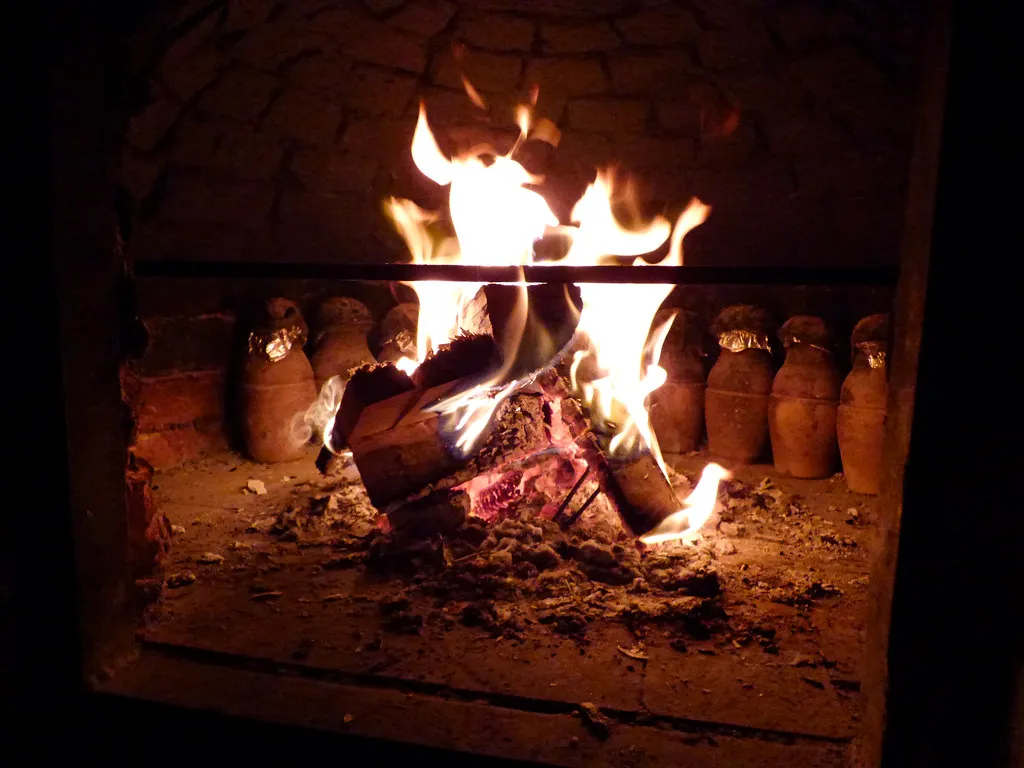
Kavarma is a traditional Bulgarian stew built around slow-cooked meat — most commonly pork shoulder or chicken thighs — combined with onions, peppers, tomatoes, mushrooms, and a splash of wine. The dish is almost always prepared in a clay pot called a gyuveche, which distributes heat gently and evenly, helping the meat become fall-apart tender.
What distinguishes kavarma from a typical Western stew is the finish. The dish cooks until most of the liquid evaporates, leaving the meat coated in a thick, concentrated sauce rather than swimming in broth. This reduced, almost dry texture is the traditional target; if your kavarma still has visible liquid when you serve it, it needs more time.
Kavarma is considered everyday comfort food, but it also appears at family celebrations, nameday gatherings, and winter holidays. Many Bulgarian households have a closely guarded family recipe passed down through generations, with small variations in spicing or meat cut that mark each household's version as distinctly their own.
Ingredients for Traditional Bulgarian Kavarma
For a classic pork kavarma serving four people, you need 1 kg (2.2 lbs) of pork shoulder, trimmed and cut into 3–4 cm cubes. If making chicken kavarma, use 1 kg of boneless, skinless thighs — they stay moist through long cooking where breast meat would dry out. Ingredient costs in Bulgaria typically run around 15–20 BGN (€8–€10) for the whole dish; outside Bulgaria, expect €14–€23 depending on meat prices.
- 1 kg pork shoulder or chicken thighs, cubed
- 2 large onions, diced
- 3 bell peppers (mixed red, green, yellow), roughly chopped
- 400 g (14 oz) canned diced tomatoes, or 3 fresh large tomatoes, grated
- 200 g (7 oz) mushrooms, sliced
- 4–5 garlic cloves, minced
- 1 cup (240 ml) dry white wine — white is more traditional; red works but gives a darker, heavier sauce
- 1 cup (240 ml) chicken or vegetable broth
- 2 tbsp sunflower oil (the Bulgarian standard; olive oil is a modern substitute)
- 2 tsp sweet paprika, ½ tsp cumin, ½ tsp oregano, 1 bay leaf, salt and black pepper
- Optional: 1–2 tsp sharena sol (Bulgarian "colourful salt" spice blend) — a single-ingredient shortcut that adds oregano, fenugreek, and savory in one pinch; sold in Bulgarian grocery shops and worth sourcing if you can find it
A note on tomatoes: grating whole fresh tomatoes on a box grater — the method used in Bulgaria — gives a pulpier, sweeter base than canned. Either works, but fresh grated tomatoes are the authentic approach in summer and early autumn when tomatoes are ripe.
Step-by-Step: How to Prepare Kavarma
Active preparation takes about 30–40 minutes. The oven does the rest. A clay pot (gyuveche) is ideal; a heavy-bottomed Dutch oven or cast-iron casserole is a reliable substitute. Preheat your oven to 160°C (325°F) before you start.
- Brown the meat. Pat the pork or chicken dry. Heat the sunflower oil in a large pan over medium-high heat. Sear the meat in batches — never crowd the pan — for 5–7 minutes per batch until deeply golden on all sides. Transfer to your clay pot or casserole. Skipping this step is the most common mistake; the browned crust is where half the flavour lives.
- Sauté the aromatics. In the same pan, cook the diced onions for 5 minutes until soft. Add garlic and cook for 1 minute. Add the bell peppers and mushrooms; cook another 5–7 minutes until they begin to soften and release their liquid.
- Deglaze and combine. Pour in the wine and scrape up all the browned bits from the pan base — these add colour and depth. Add the tomatoes, broth, bay leaf, paprika, cumin, oregano, and sharena sol if using. Season generously with salt and pepper. Stir everything together and transfer to the clay pot with the meat.
- Slow cook uncovered for the final stage. Cover the pot and bake at 160°C for 90 minutes. Then remove the lid and continue baking for a further 30–45 minutes. This uncovered phase is essential — it drives off the remaining liquid and produces the characteristic thick, almost-dry finish. The sauce should cling to the meat, not pool around it.
- Rest before serving. Remove from the oven and let the kavarma rest, covered, for 10–15 minutes. This allows the juices to redistribute. Garnish with fresh parsley and serve straight from the clay pot at the table.
Total oven time: approximately 2 to 2.5 hours. The dish is ready when the meat is completely tender and the sauce has reduced to a thick, glossy coat.
Regional Variations of Kavarma
Kavarma originated in Thrace — the broad lowland region covering southern and southeastern Bulgaria — where it was traditionally prepared in large batches during autumn slaughter season and stored through winter. Thracian kavarma tends to be simpler and spicier, leaning on dried hot peppers and minimal vegetables. It was a practical preservation dish as much as a recipe.
In northern Bulgaria, the dish often includes root vegetables like carrots and potatoes, which stretch the meat further and make it a more substantial one-pot meal. The version from competitor blog Pandemonium Noshery uses country-style pork ribs, potatoes, carrots, and sharena sol — a northern-leaning approach that is more stew-like and wetter in finish.
Chicken kavarma has become the dominant version in restaurants and city homes. It is lighter, cooks faster (around 90 minutes total versus 2.5 hours for pork), and pairs better with white wine. Some Sofia restaurants serve individual kavarma portions in small single-serving clay pots brought straight from the oven to the table — the lid trapping the steam and aroma until the moment it is lifted in front of the diner.
The choice of wine also splits regionally. White wine is the older, more traditional base; red wine entered the recipe later and gives a richer, darker sauce. Both are correct depending on where in Bulgaria you are eating. These variations showcase the depth of Bulgarian cuisine — the same dish name covers a spectrum of regional identities.
Serving Suggestions for Kavarma
Because kavarma is a dry-finish dish, it does not need a side that absorbs sauce the way a brothy stew does. Plain white rice or couscous work well, but they are not the traditional choice. In Bulgarian homes, kavarma is most often served with fresh crusty village bread — the bread is used to wipe the pot clean.
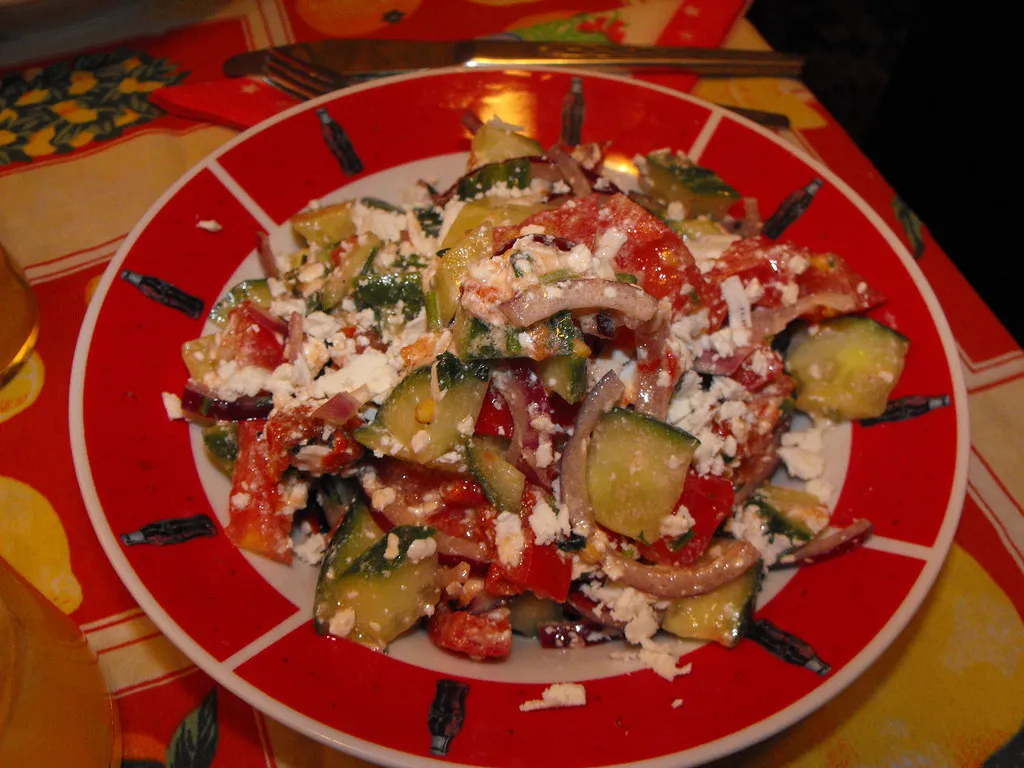
A Shopska salad dish alongside is the classic Bulgarian pairing: its sharp feta and fresh tomatoes cut through the richness of the stew and refresh the palate between bites. A bowl of cold tarator soup (chilled cucumber-yogurt soup) as a starter before a heavy pork kavarma is another traditional sequence at summer meals.
For drinks, a chilled glass of dry Bulgarian white wine such as Chardonnay or Traminer from the Thracian Valley mirrors the wine used in cooking. If you are serving pork kavarma in winter, a shot of Rakia before the meal is deeply traditional — most Bulgarian hosts would consider it mandatory. Sour cream spooned on top at serving is common in northern Bulgaria and adds a cooling creaminess that balances the paprika.
Expert Tips for the Perfect Kavarma
The single most important tip: do not rush the browning. Searing in dry batches — without crowding — builds the flavour foundation of the entire dish. Five extra minutes here pays back in the final depth of the stew.
Use a real clay pot if you can find one. Gyuveche pots are inexpensive at Bulgarian markets and many online retailers. Clay conducts heat gently and evenly; it also retains heat long after the oven is off, continuing to cook the stew as it rests. A cast-iron casserole is the best substitute — avoid thin stainless pots, which produce hot spots.
For the liquid-reduction finish, watch the pot during the uncovered phase. If after 30 minutes the liquid still looks watery, raise the oven temperature to 180°C for the final 15 minutes. If the meat looks dry before the sauce has reduced, add a small splash of broth (no more than 50 ml) and continue. Every oven runs differently.
- Tough meat after 2 hours: cover and cook another 30–60 minutes. Pork shoulder needs time; do not shortcut it.
- Sauce too thin: remove the lid earlier and increase oven temperature slightly to 180°C.
- Bland flavour: add a pinch more salt and paprika at the 90-minute mark, before removing the lid. Do not wait until serving.
- Too acidic from tomatoes: a pinch of sugar stirred in during assembly balances the acidity.
- Mushy vegetables: cut peppers and mushrooms into larger 2–3 cm pieces, not fine dice.
The Cultural Significance of Kavarma
Kavarma holds a central place in Bulgarian cuisine for reasons that go beyond its flavour. It originated in Thrace as a practical winter storage dish and spread across the country as a symbol of hospitality and unhurried cooking. Bringing a clay pot of kavarma to someone's table is one of the warmest gestures in Bulgarian domestic culture.
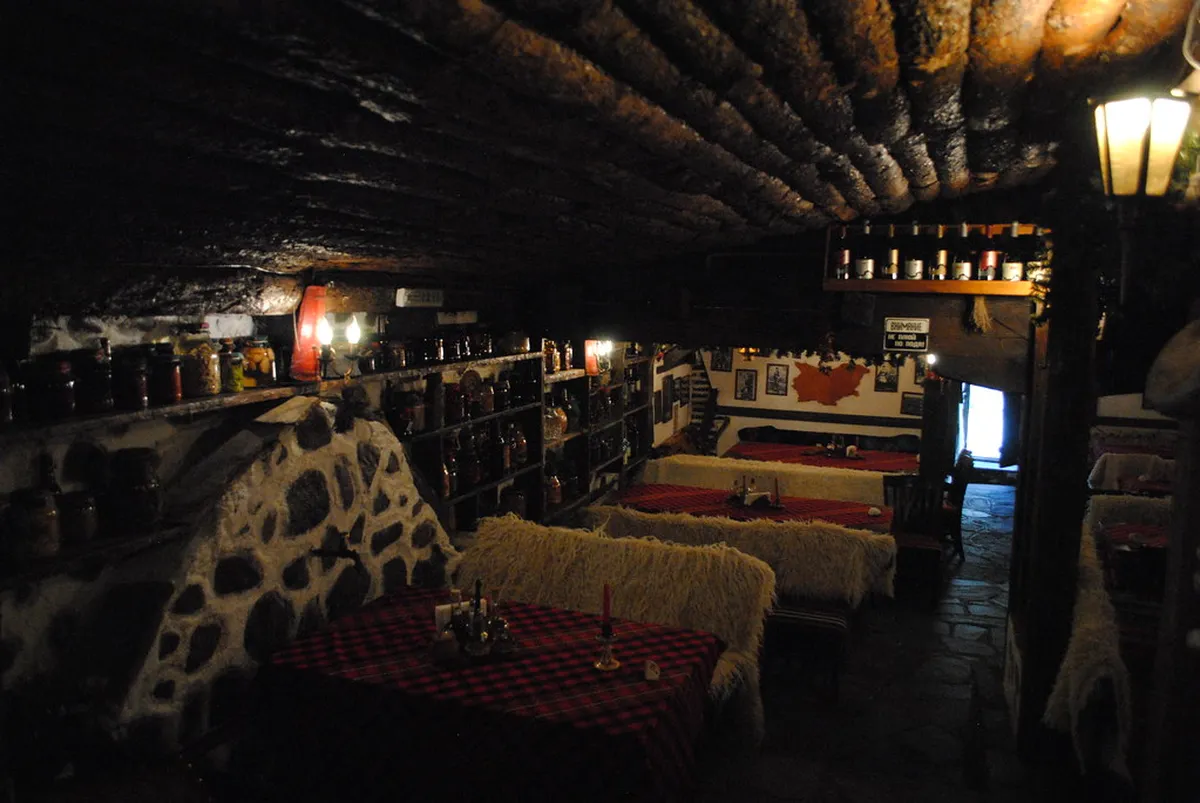
The gyuveche — the clay pot itself — carries meaning beyond its function. Bulgarians associate it with village life, grandmother's kitchen, and a pace of cooking that the modern world has largely abandoned. Even people who never cook from scratch at home will order kavarma from a mehana (traditional tavern) specifically for the experience of lifting that clay lid at the table.
The dish also marks the calendar. Pork kavarma appears at the Christmas and New Year tables, at nameday celebrations in winter, and at village festivals in autumn following the grape harvest. Chicken kavarma is the lighter, year-round version eaten at family Sunday lunches and at casual gatherings. It is a dish you eat with people you are comfortable with — rarely alone, rarely in a hurry.
From its Thracian origins to its place at modern restaurant menus across Sofia and Plovdiv, kavarma has remained one of the most consistent expressions of Bulgarian culinary identity across centuries of change.
Continue planning: Use 15 Must-Try Bulgarian Foods: A Culinary Travel Guide and The Best Banitsa Recipe: Authentic Bulgarian Cheese Pie Guide to connect this guide with the rest of your Bulgaria itinerary.
Frequently Asked Questions
What kind of meat is best for Kavarma?
Pork shoulder is traditionally the most common meat for Kavarma, offering rich flavor and tenderness. Chicken thighs are also an excellent and popular alternative for a slightly lighter version.
How long does Kavarma take to cook?
Kavarma typically takes about 2.5 to 3 hours to cook in the oven after about 30-40 minutes of initial preparation. This slow cooking ensures the meat is tender and the flavors fully develop.
What ingredients are in Kavarma?
Key ingredients include cubed meat (pork or chicken), onions, bell peppers, tomatoes, mushrooms, garlic, red wine, broth, and a blend of spices like paprika, cumin, and black pepper.
Can Kavarma be made with chicken?
Yes, Kavarma can absolutely be made with chicken. Boneless, skinless chicken thighs are a popular choice, resulting in a slightly lighter but equally flavorful stew. The cooking process remains largely the same.
What is the origin of Kavarma?
Kavarma is a traditional Bulgarian dish with roots in the country's rich culinary history. It is a classic example of slow-cooked stews that are central to Bulgarian home cooking and celebrations.
Kavarma rewards patience. The slow oven, the uncovered reduction, the resting time — each step builds towards a dish that tastes nothing like a rushed weeknight stew. Whether you make the pork version for a winter gathering or a lighter chicken kavarma for Sunday lunch, the method is the same: cook it slowly, let the liquid reduce, and serve it straight from the clay pot.
For more on what to eat and drink alongside it, browse the full guide to Bulgarian food and cuisine.
For connected planning, compare practical Bulgaria travel guide with Bulgaria seasonal planning guide before finalizing your route.