10 Traditional Bulgarian Breakfasts You Must Try (2026)
Bulgarian breakfast is one of the most honest meals in Eastern Europe. It centres on a short list of beloved staples — flaky pastries, fried dough, brined cheese, thick yogurt — and has changed remarkably little over generations. Whether you're eating in Sofia or a small village, the same dishes appear, prepared with the same handful of ingredients. This guide covers every major item you'll encounter, what each one tastes like, and where to find it in 2026.
Part of what makes Bulgarian cuisine culture distinctive is the split between weekday and weekend breakfast. On working days most Bulgarians stop at a pekarna (bakery) for a quick banitsa and a drink. On weekends the table slows down — mekitsi come out of the frying pan, pancakes stack up, and popara reappears from grandmothers' kitchens. Knowing this rhythm helps you eat like a local rather than a tourist.
For a visual introduction to Bulgaria's breakfast culture and signature dishes, watch this guide:
The Heart of Bulgarian Breakfast: Culture and Tradition
Bulgarian morning meals reflect the country's agricultural roots and its position at the crossroads of Ottoman, Slavic, and Balkan influences. Historically, breakfast had to sustain farmers and craftsmen through long physical days, so the food is deliberately filling. Dairy — yogurt and white cheese — anchors almost every option, sweet or savory. Bread and pastry dough do the rest.
Two dairy products define the Bulgarian table more than any other: kiselo mlyako (fermented yogurt made with a bacterial culture specific to Bulgaria) and sirene, a salty brined white cheese. Both appear at breakfast in multiple forms — as a filling, a topping, a dip, or a standalone side. Understanding these two ingredients unlocks most of what follows.
Breakfast spots open early. Bakeries are typically operating by 07:00. Small cafes follow by 08:00. Prices remain low by any European standard: a full bakery breakfast with a drink rarely exceeds 6–8 BGN (roughly €3–4) in 2026.
Banitsa: Bulgaria's Iconic Savory Pastry
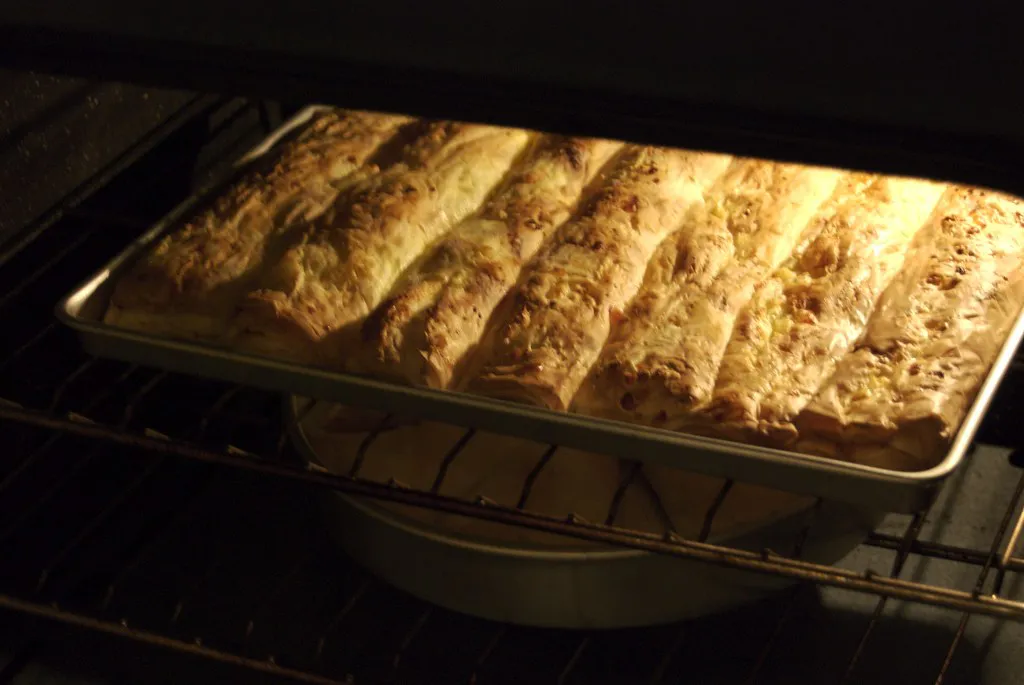
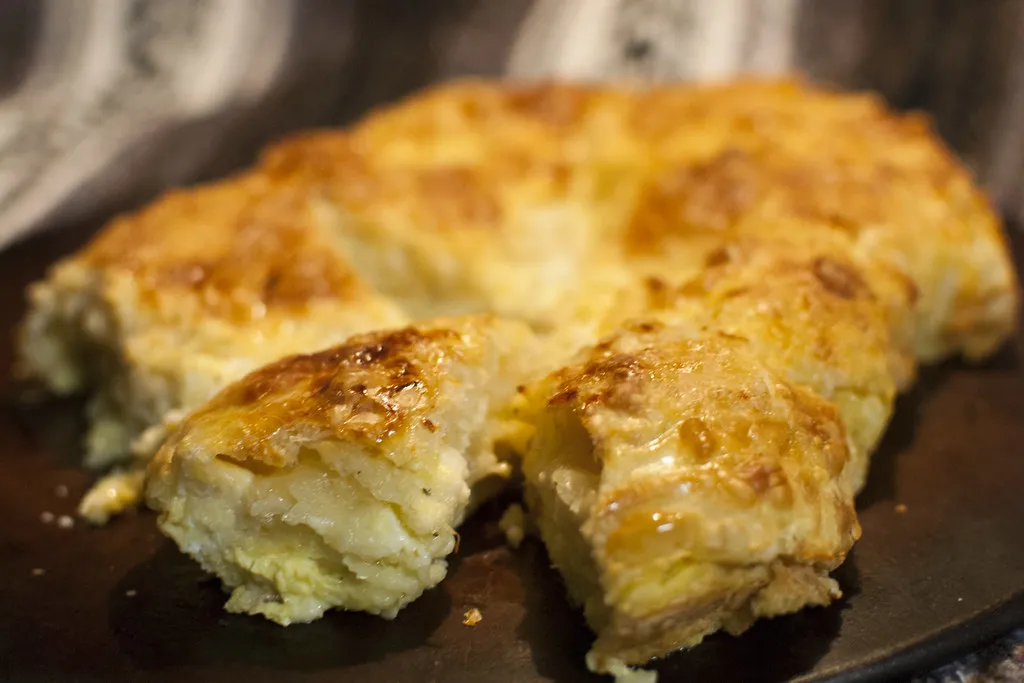
banitsa pastry is the default Bulgarian breakfast. Made from layers of thin filo dough wrapped around a filling of crumbled sirene cheese and whisked eggs, it bakes until the exterior is flaky and golden and the interior stays custardy. You'll find it at every food kiosk, petrol station, and bakery in the country. A slice costs 2–4 BGN (€1–2) and is served warm from early morning.
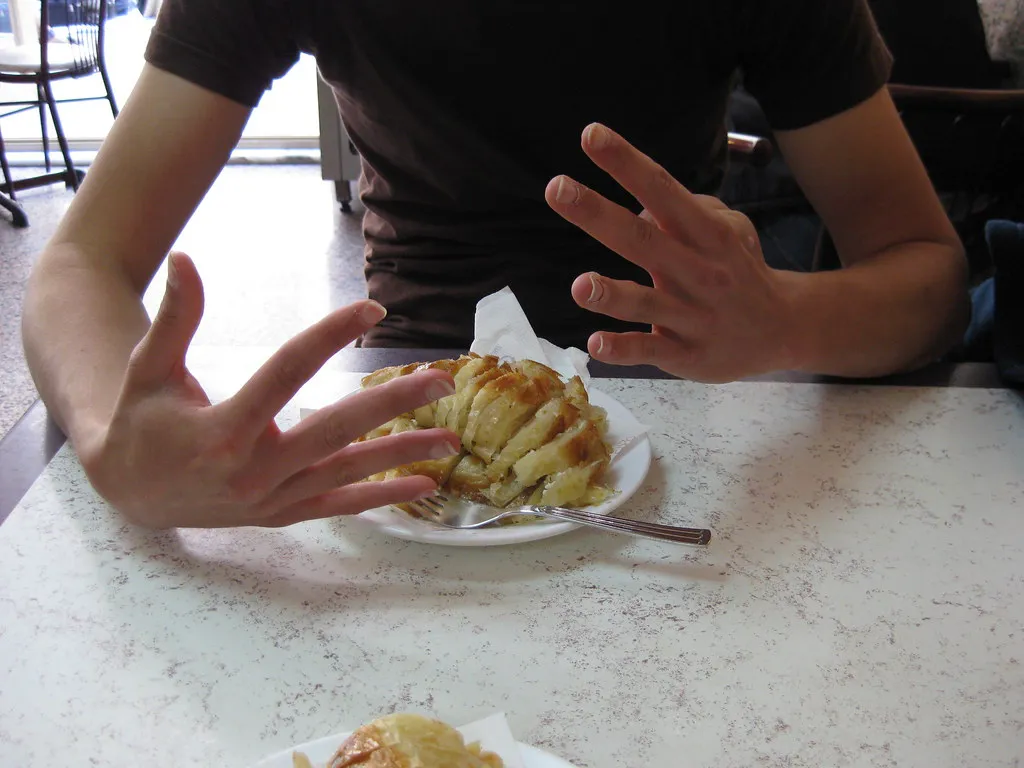
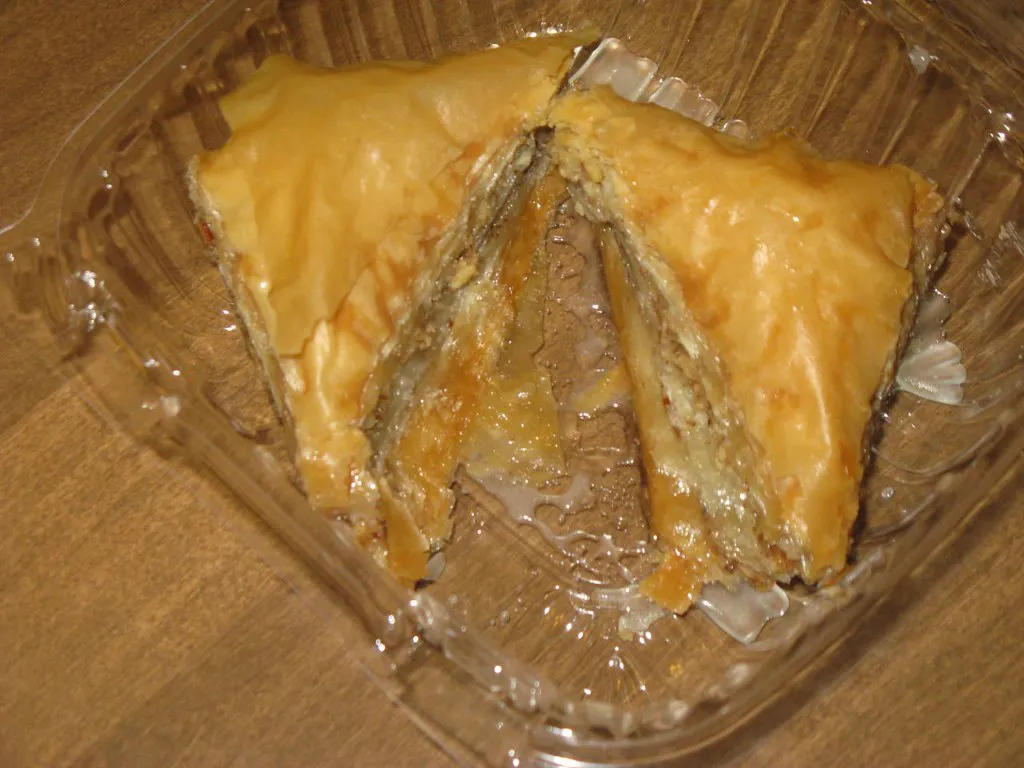
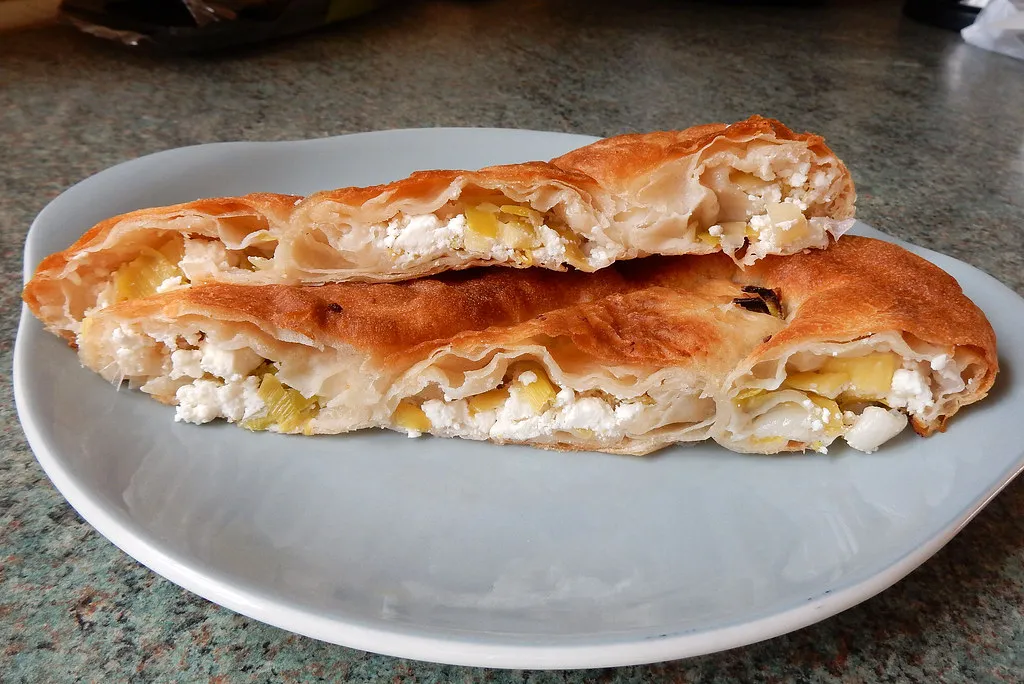
The classic filling is cheese and egg, but variations are common. Spinach banitsa (zelnik) is standard in many regions. Pumpkin-filled banitsa appears in autumn. Some bakeries offer a sweet version with honey or walnuts. Regional differences are real: banitsa in the Rhodope mountains tends to be thicker and doughier; Sofia bakeries lean toward the paper-thin filo style.
The traditional pairing is a glass of Bulgarian yogurt (kiselo mlyako) or boza drink. The cool, tangy yogurt cuts through the richness of the pastry in a way that coffee does not. At New Year, families bake coins or paper fortunes inside the banitsa — the charm you find predicts your luck for the year ahead. This ritual has been practiced continuously for centuries.
Mekitsi: Fluffy Fried Dough Delights
Mekitsi are deep-fried rounds of leavened dough — lighter than a doughnut, without a hole, with a blistered crust and a soft, pillowy interior. The recipe varies by household: some use Bulgarian yogurt and baking soda as the leavening agent, others use yeast and milk. Both produce a slightly tangy dough that puffs dramatically in hot oil.
They are the quintessential weekend breakfast. No one makes mekitsi before work on a Tuesday; the frying takes patience. On a Saturday or Sunday morning in a Bulgarian home, the smell of mekitsi in sunflower oil is as recognisable as any other domestic signal. They come to the table dusted with powdered sugar, served with fruit jam, or paired with a slab of sirene on the side. Savory versions with cheese are increasingly common in cafes.
Street vendors at Sofia's Zhenski Pazar (Women's Market) fry mekitsi to order from early morning and are worth seeking out. A portion of three or four costs 2–3 BGN (€1–1.50). Eat them immediately — they deflate and toughen within minutes of cooling.
Buhtichki: Sweet Fried Dough Balls
Buhtichki are smaller, rounder, and slightly sweeter than mekitsi. The dough typically includes eggs, sifted white flour, and Bulgarian yogurt, which gives them a soft, tight crumb. They are also deep-fried but have a characteristic that no other dough dish shares: they flip themselves in the oil when one side is done, making them foolproof for home cooks.
Serve buhtichki with powdered sugar, warm chocolate sauce, or fruit jam. They are a staple at homemade breakfast tables and appear in cafes as a mid-morning sweet. A plate in a café costs 4–7 BGN (€2–3.50). They pair well with strong Bulgarian espresso or a glass of warm milk for children.
Katmi: The Bulgarian Pancake
Katmi occupy the space between a French crêpe and an American pancake. Thinner and larger than the American version, thicker and less delicate than a crêpe, they are made from a batter that Bulgarians debate endlessly: yogurt, milk, plain water, or a combination. All produce a slightly different result. The yogurt version is the tangiest and arguably the most distinctly Bulgarian.
Sweet toppings dominate at breakfast: rose jam, honey, Nutella, or fresh fruit with yogurt. Savory katmi filled with sirene or lyutenitsa work equally well for brunch. Fast-food kiosks across Bulgaria sell katmi all day in both forms. A portion costs 5–10 BGN (€2.50–5) depending on toppings and size.
Katmi differ from crepes primarily in texture and the use of fermented dairy in the batter, which adds depth. If you order them at a traditional mehana (tavern), expect a thicker, more rustic version than the café style. Either way, they are a versatile and underrated breakfast option that most visitors overlook in favour of banitsa.
Popara: A Comforting Bread Dish
Popara is one of the oldest Bulgarian breakfasts still eaten today. The concept is disarmingly simple: stale bread broken into pieces, soaked in hot milk or chamomile tea, then topped with butter, crumbled sirene, and sometimes a spoonful of honey. It takes five minutes to assemble and costs almost nothing. Rural households across Bulgaria still eat it regularly in winter.
You will rarely find popara on a restaurant menu. It is firmly a home dish — the kind that grandmothers make when there is leftover bread and children are cold. Its texture is somewhere between porridge and bread pudding: the bread softens fully but does not dissolve. The sirene and butter provide richness; the tea or milk keeps it light. If you want to eat it outside the home context, some traditional folk restaurants in the Rhodope and Balkan mountain regions occasionally feature it as part of a heritage breakfast menu.
French Toast and Macaroni with Sirene: Everyday Home Breakfasts
Two dishes that appear constantly in Bulgarian households but are almost never featured in tourist food guides deserve a proper mention. The first is pârzeni filii (пържени филийки) — Bulgarian-style French toast. Slices of bread are dipped in a mixture of egg and sometimes yogurt or milk, then fried in sunflower oil until golden. The standard serving is sweet: powdered sugar, jam, or chocolate spread. The less-known version pairs the fried slices with crumbled sirene instead of sugar, producing a savory-rich result that is genuinely different from anything you would call French toast in Western Europe.
The second is macaroni with sirene. Boiled pasta, drained, tossed with a generous amount of butter, and topped with a heap of crumbled white cheese. Some families add a pinch of granulated sugar for a sweet-savory contrast that surprises most visitors. It sounds unusual for breakfast but makes complete sense within the Bulgarian dairy-first logic. Couscous with sirene is an increasingly common variation. Neither dish will appear on a café menu, but they are what millions of Bulgarians eat on an average Wednesday morning at home.
Traditional Bulgarian Sandwiches and Spreads
On weekday mornings when time is short, Bulgarians reach for sandwiches. These are typically open-faced or toasted, built on slices of white bread or a soft roll. The base is usually butter, cream cheese, or lyutenitsa relish — a roasted red pepper and tomato relish that functions like a savory jam. Toppings include sirene, kashkaval (a yellow semi-hard cheese), salami, lukanka (a dry-cured spiced sausage), sliced tomato, or cucumber.
Grilled sandwiches are particularly popular. Salami and kashkaval grilled together on bread is a staple at small kiosks that open before 08:00 in city centres. Printsesa (принцеса) — an open-faced toasted sandwich topped with minced meat, onion, spices, and melted kashkaval — occupies a step above the basic grilled sandwich. You'll find it at fast-food bakeries and kiosks for 3–5 BGN (€1.50–2.50). It is heavier than it looks and serves as a full breakfast on its own.
The Role of Bulgarian Yogurt and Sirene Cheese
No breakfast in Bulgaria makes full sense without understanding its two foundational dairy products. Kiselo mlyako is fermented with Lactobacillus bulgaricus and Streptococcus thermophilus, bacterial strains that exist in their most potent form in Bulgarian conditions and have been used continuously since at least the medieval period. The yogurt is thicker and tangier than most commercial yogurts sold elsewhere in Europe. It is eaten plain, with honey, alongside pastries, or thinned with water and salt to make ayran.
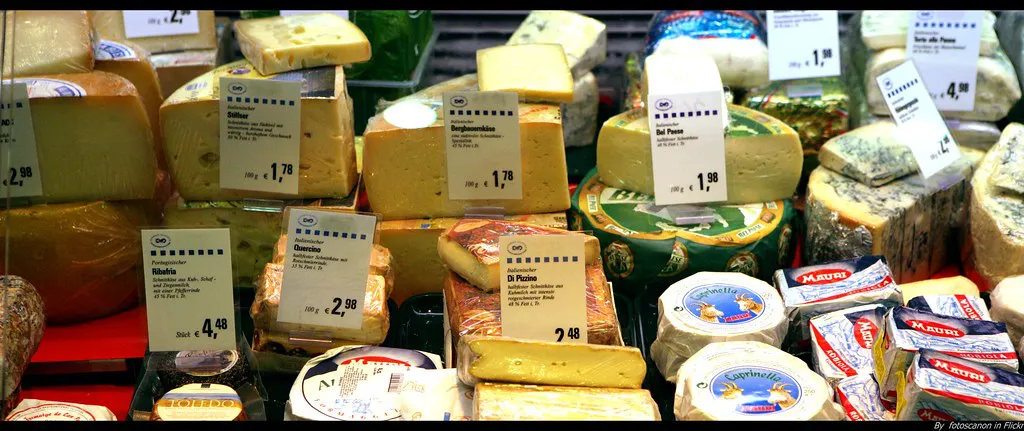
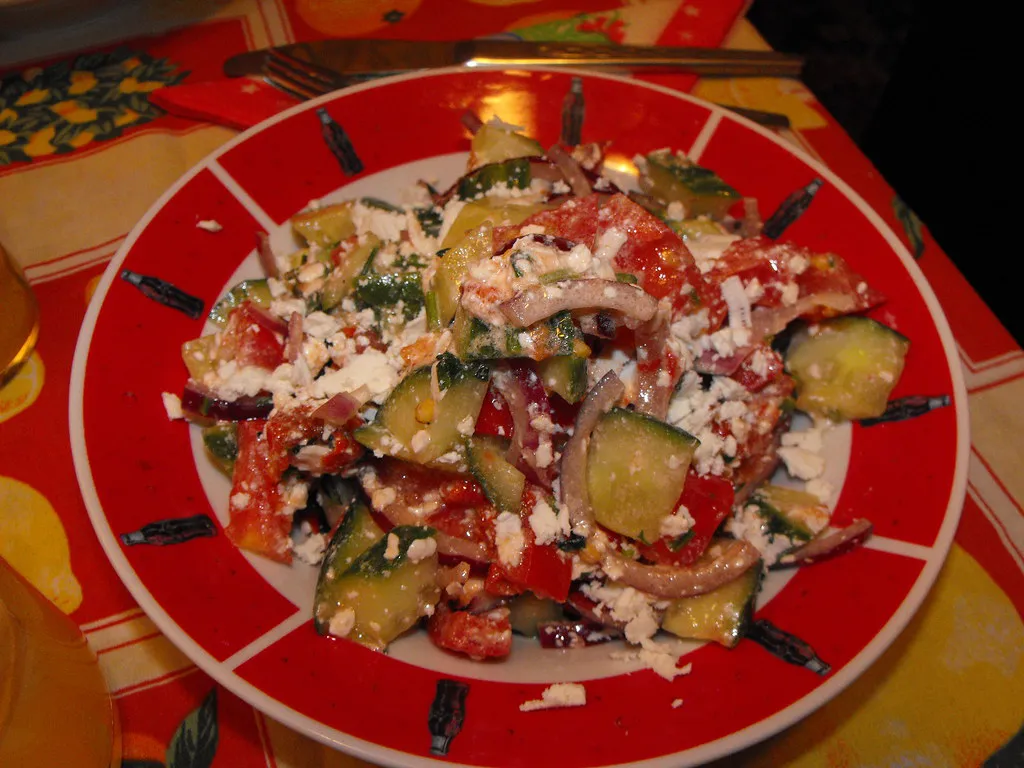
Sirene is a brined white cheese, visually similar to Greek feta but denser and saltier, with a crumblier texture. It is made from sheep's milk, cow's milk, or a blend, depending on the region and producer. Sheep's milk sirene from the Rhodope region is considered the best by most Bulgarians and has a sharper, more complex flavour. Sirene appears at breakfast as a banitsa filling, as a topping for mekitsi or bread, and alongside eggs in scrambled egg dishes influenced by Ottoman cuisine.
Pairing Your Breakfast: Traditional Drinks
Coffee is standard — typically a small, strong espresso or a nescafé-style instant in many cafes. But two drinks are specifically Bulgarian and worth trying with breakfast. Boza drink is a fermented grain drink made from wheat or millet, thick in consistency, lightly sweet and tangy, with a faint yeasty quality. It is the traditional companion to banitsa: the combination of warm flaky pastry and chilled boza is one of the defining sensory experiences of a Bulgarian morning. A glass costs 1–2 BGN (under €1) at bakeries and small shops.
Ayran is the savory alternative. Thinned yogurt mixed with cold water and a pinch of salt, it is tart, cool, and surprisingly thirst-quenching alongside rich fried food. It counterbalances the oiliness of mekitsi or the richness of a cheese-heavy banitsa better than any hot drink. Bottles of ayran are available in every supermarket and corner shop for 1–2 BGN. Both drinks are acquired tastes, but both are genuinely Bulgarian and worth at least one try.
Where to Enjoy Bulgarian Breakfast: Cafes vs. Home
The best Bulgarian breakfasts are not in hotels. Hotel buffets default to continental fare and rarely stock fresh banitsa or mekitsi. The right move is a local pekarna — a standalone bakery that bakes its own pastries daily. Sofia has hundreds; almost every neighbourhood block has one. Walk in, point at what is behind the glass, and pay at the counter. The banitsa will be warm. This is the standard Bulgarian weekday morning.
For a more relaxed experience, small neighborhood cafes and mehanas serve hot dishes including katmi, mekitsi, and egg plates from around 08:00. In Sofia, areas like Lozenets, Oborishte, and the streets around Vitosha Boulevard Visitor Guide have a high concentration of traditional breakfast spots. Outside the capital, any town's central square will have a café or two serving the same staples. Prices at cafes run slightly higher than bakeries but remain inexpensive by regional standards: a full breakfast with a drink at a sit-down café is typically 8–14 BGN (€4–7).
Making Bulgarian Breakfast at Home: Key Ingredients and Tips
Banitsa and mekitsi are both achievable at home with minimal equipment. For banitsa, the key variable is the filo dough: buy the thinnest sheets available, keep them covered with a damp cloth while you work, and brush generously with butter or sunflower oil between layers. The filling is simply crumbled sirene mixed with beaten egg — no salt needed, as the cheese provides enough. Bake at 180°C until the top is deep golden.
Sirene is the ingredient hardest to source outside the Balkans. Greek or Cypriot feta is the closest substitute; Bulgarian-made sirene is sometimes available in Eastern European delis and online specialty retailers. For kiselo mlyako, commercial Bulgarian yogurt starter cultures are sold online and produce a reasonably authentic result at home. The texture will not be identical to fresh Bulgarian yogurt, but the flavour profile is close enough for cooking purposes.
Mekitsi require only flour, yogurt or milk, yeast or baking soda, and a neutral frying oil at medium heat. The dough should be soft and slightly sticky — resist adding more flour. Shape loosely into rounds and lower gently into the oil. They cook in about three minutes per side and should be eaten while still hot. Serve with powdered sugar, jam, and a cold glass of ayran on the side.
Continue planning: Use 15 Must-Try Bulgarian Foods: A Culinary Travel Guide and The Best Banitsa Recipe: Authentic Bulgarian Cheese Pie Guide to connect this guide with the rest of your Bulgaria itinerary.
Frequently Asked Questions
What is a typical Bulgarian breakfast?
A typical Bulgarian breakfast often features hearty, savory pastries like Banitsa, made with filo dough and sirene cheese. It also includes fried dough dishes like Mekitsi, or comforting bread-based meals. These are frequently paired with traditional Bulgarian yogurt or unique drinks like Boza.
What is Banitsa made of?
Banitsa is primarily made from layers of thin, flaky filo pastry, generously filled with a mixture of crumbled sirene cheese and whisked eggs. Sometimes, other ingredients like spinach, pumpkin, or leeks are added for variation. The pastry is then rolled or folded and baked until golden brown and crispy.
How do Bulgarians eat Mekitsi?
Bulgarians typically eat Mekitsi fresh and warm, often served with a variety of toppings. Common choices include fruit jams, honey, powdered sugar, or even savory options like sirene cheese. They are a popular street food and a comforting homemade treat, usually enjoyed with a hot beverage.
Is Bulgarian yogurt good for breakfast?
Yes, Bulgarian yogurt, known as kiselo mlyako, is excellent for breakfast due to its unique tangy flavor and rich probiotic content. It's often consumed plain, with a drizzle of honey, or as a side to savory pastries like Banitsa. Its health benefits and refreshing taste make it a staple.
Where can I try authentic Bulgarian breakfast?
To try authentic Bulgarian breakfast, seek out local bakeries (pekarni), small cafes, and market stalls, especially in cities like Sofia. These establishments often prepare dishes like Banitsa and Mekitsi fresh daily. Avoid generic hotel buffets for the most genuine experience.
Bulgarian breakfast covers a wide range of textures and flavours — from the crisp flakiness of a fresh banitsa to the soft warmth of popara, from the oil-crisped crust of mekitsi to the cool tang of a glass of boza. The common thread is dairy: sirene and kiselo mlyako appear in almost every dish, sweet or savory. Understanding that thread makes the whole cuisine click into place.
Whether you eat at a pekarna on a Sofia street corner or sit down to a slow weekend breakfast at a traditional café, the experience is genuinely worth making time for. These dishes are not performance food for tourists. They are what Bulgarians eat every day, and they taste all the better for it.
For connected planning, compare practical Bulgaria travel guide with Bulgaria seasonal planning guide before finalizing your route.