Shkembe Chorba: Bulgaria's Tripe Soup and Hangover-Cure Ritual
Last updated July 2026, this guide covers shkembe chorba, the tripe soup that anchors Bulgaria's mehana menus and its hangover-cure reputation. You will learn how locals season the broth table-side with garlic, vinegar, and dried chili, and where to find a proper shkembedzhiynitsa. The guide also compares shkembe chorba with other Bulgarian soups and flags the mistakes travelers make when ordering it.
What Is Shkembe Chorba? Bulgaria's Iconic Tripe Soup
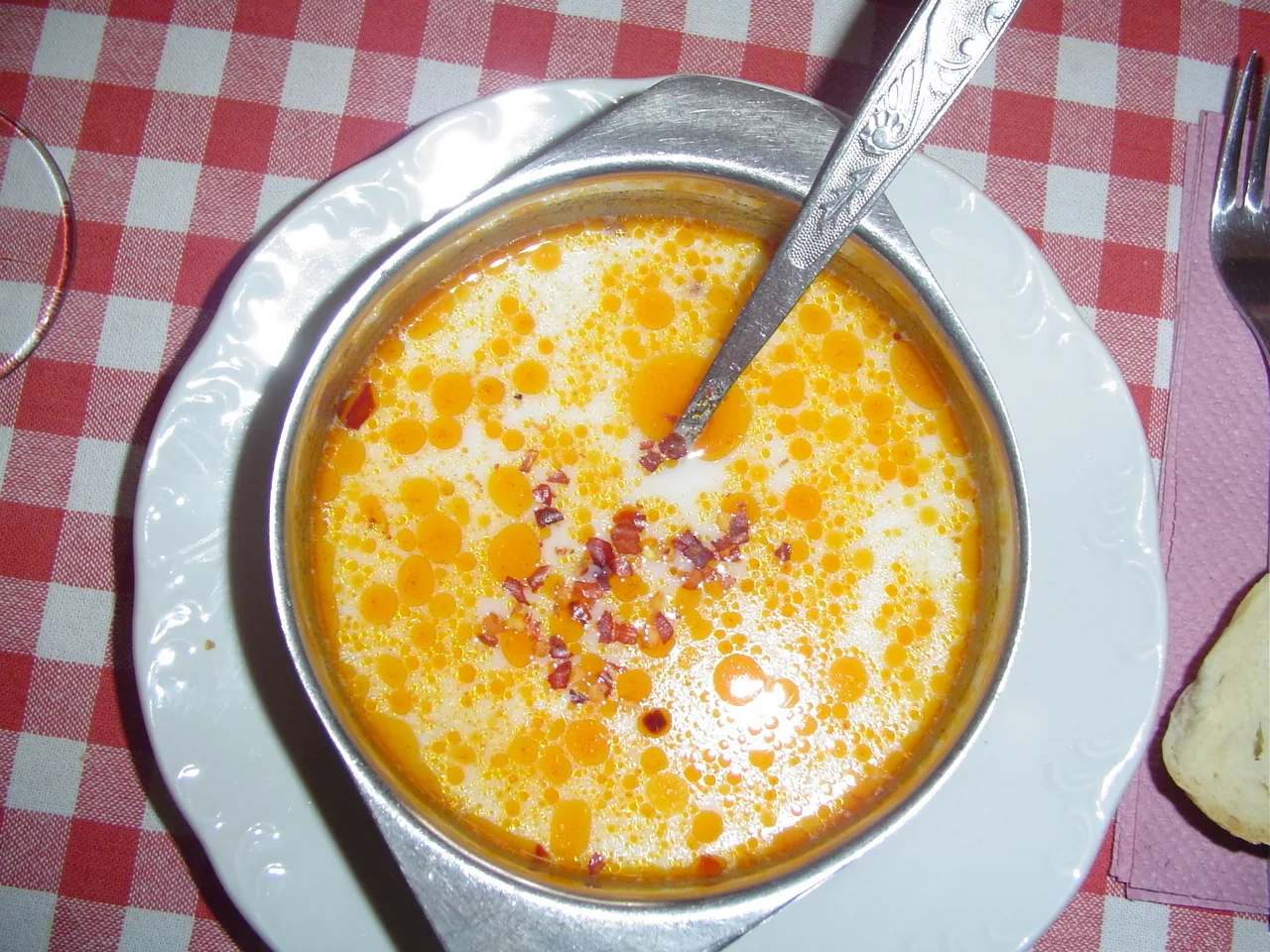
Shkembe chorba is Bulgaria's tripe soup, built from cow, pig, or lamb stomach simmered until tender and served in a paprika-and-milk broth. The name traces to the Turkish işkembe çorbası, itself rooted in the Persian shekambe (rumen) and shurba (soup). The same borrowing gave Bulgarian its shkembe chorba and North Macedonian its chkembe chorba. The finishing step is a zaprazhka: paprika briefly fried in butter until fragrant, then stirred into the broth to color and flavor it. Texture, not spice, is the main hurdle for first-time diners. The tripe itself is soft and mild, closer to a firm noodle than anything gamey.
- Cow tripe – the most common base for shkembe chorba
- Pig tripe – a frequent substitute in home kitchens
- Lamb tripe – used in some regional versions
- Intestines – a less common variant served in place of tripe

The Hangover-Cure Reputation: Why Bulgarians Eat It After Rakia
Shkembe chorba carries a reputation across the Balkans as a hangover remedy, and Bulgaria is no exception. A hot, salted broth rehydrates after a night of drinking. Chili flakes stirred in at the table are believed to help wake up the metabolism, and the meal itself forces a slow, seated recovery instead of rushing back out. The custom of eating it early, often before 8:00 AM, grew out of Bulgaria's shkembedzhiynitsa culture. Shops opened at dawn for shift workers and for anyone still awake from the night before. Turkey shows a similar pattern. İşkembe çorbası has been part of New Year's Eve menus since the 1800s, eaten right after midnight following a heavy round of rakı.
The Ritual: How to Season Shkembe Chorba Like a Local
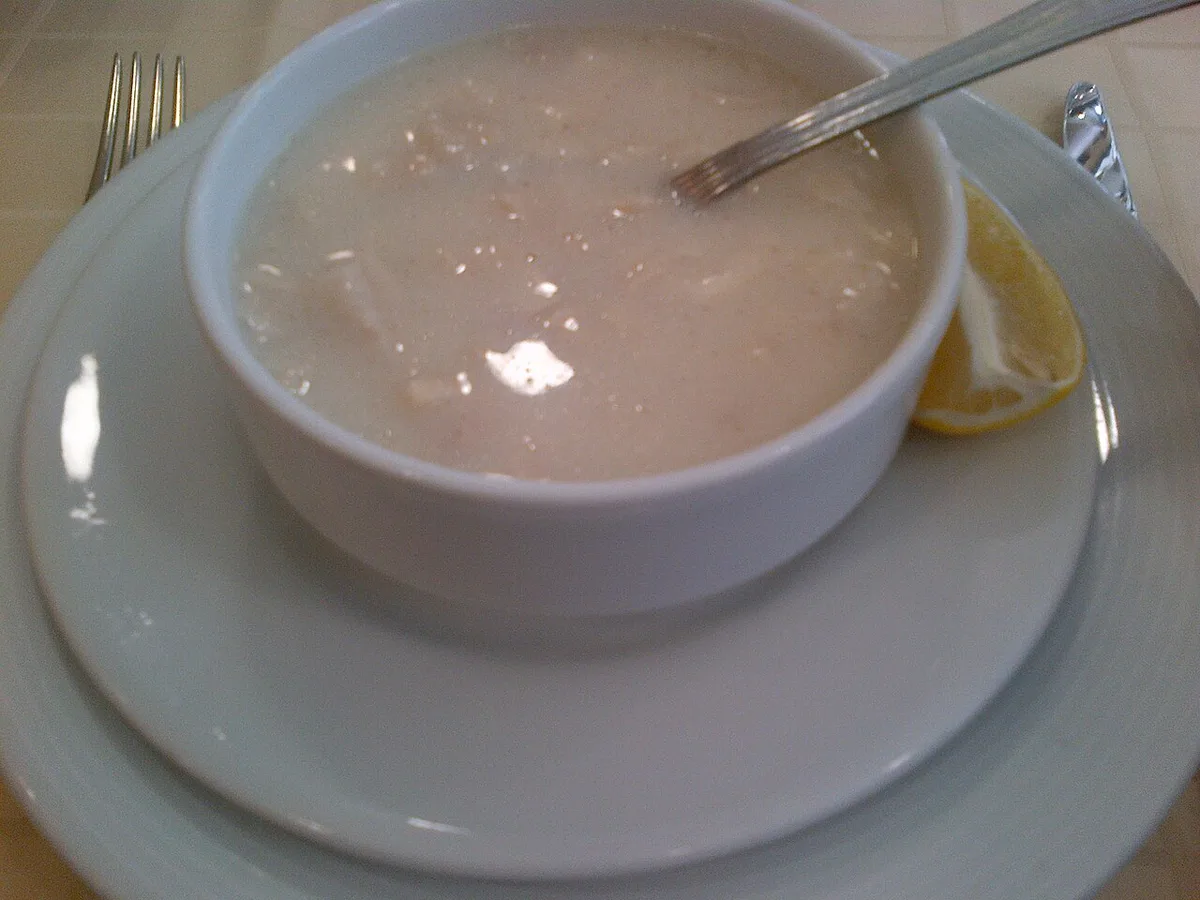
Shkembe chorba is deliberately bland when it reaches the table. Bulgarian mehanas expect diners to finish the seasoning themselves. Skipping that step is the most common reason travelers find the soup underwhelming. Restaurants place the garlic-vinegar mixture and chili on the table rather than pre-seasoning the bowl, so an unseasoned serving is normal, not a kitchen mistake.
The ritual of self-seasoning with garlic-vinegar and chili transforms the deliberately bland soup into a hangover remedy; chili is believed to help wake the metabolism after a night of drinking.
- Garlic-vinegar mix – crushed or pressed garlic stirred into vinegar, spooned in to taste
- Crushed dried chili – added dry rather than fresh, for a sharper, drier heat
- Crusty bread (hlyab) – torn and dunked to soak up the paprika broth
Finding an Authentic Shkembedzhiynitsa in Bulgaria
A shkembedzhiynitsa is a restaurant built around a single dish: shkembe chorba. These shops were a working-class staple until the late 1980s, when many closed or converted to fast food. The ones that remain still open early and keep menus short. Because the soup is inexpensive to make in bulk, it stays one of the cheaper items on a Bulgarian mehana menu even where other dishes cost more.
Shkembe chorba remains affordable across Bulgarian mehanas because restaurants simmer bulk tripe 2–3 hours before service—a practice rooted in the working-class shkembedzhiynitsa heritage and why the soup stays one of the cheapest menu items.
- Short, simple menu built around soups and grilled meats
- Doors open early, often serving customers before 8:00 AM
- High table turnover rather than a slow, sit-down pace
- Locals outnumbering tourists at breakfast hours
Regional Variations: Milk, Intestines, and the Meat-Free Version
Shkembe chorba changes shape across Bulgaria and the wider Balkans. Some versions lean creamy with more milk in the broth. Others stay closer to a clear, paprika-red stock. A variant made with intestines instead of tripe also appears on some menus. Diners avoiding offal can look for a mushroom-based version, usually built on oyster mushrooms, which mimics the tripe's texture without organ meat. Regional cousins share a name more than a technique.
| Country | Local name | Distinguishing trait |
|---|---|---|
| Bulgaria | shkembe chorba | Milk-and-paprika broth finished with a butter zaprazhka; garlic-vinegar side |
| Romania | ciorbă de burtă | Thickened with flour, sour cream, and egg yolk; served with a garlic dip called mujdei |
| Turkey | işkembe çorbası | Vinegar-garlic sauce added at the table, or an egg-yolk-and-lemon terbiye stirred in during cooking |
Shkembe Chorba vs Tarator and Bob Chorba: Which Soup When
Shkembe chorba is not always the right order on a Bulgarian menu. Weighed against tarator, a cold yogurt-and-cucumber soup, and bob chorba, a bean soup, the trade-offs come down to timing and texture rather than availability. The comparison below reflects this guide's editorial assessment, not a published ranking.
| Soup | Hangover recovery | Texture for picky eaters | Best time of day |
|---|---|---|---|
| Shkembe chorba | High – warm, salty, and rehydrating | Harder – offal texture takes adjusting to | Morning, after a night out |
| Tarator | Low – cold and light | Easy – smooth, familiar yogurt base | Midday, warm weather |
| Bob chorba | Medium – warming but less targeted | Easy – simple bean texture | Any meal, cooler months |
Homemade vs Restaurant: Cook Times and Storage
Cooking shkembe chorba from scratch takes planning. Raw tripe needs roughly 2 to 3 hours of stovetop simmering to turn tender. A pressure cooker cuts that to about 1 to 1.5 hours. Restaurants absorb that prep time before service, which is part of why the soup is a menu staple rather than something cooked to order. Leftover soup keeps in a refrigerator for 4 to 5 days. Its high collagen content means it sets into a loose jelly once cold, a normal reaction rather than a sign it has spoiled. Reheating on the stove or in a microwave returns it to liquid.
Mistakes to Avoid With Shkembe Chorba
A handful of habits separate a good first shkembe chorba experience from a disappointing one.
- Eating it unseasoned – the soup is built bland on purpose, so skipping the garlic-vinegar mix and chili misses the point
- Ordering at high-end, tourist-oriented restaurants – simpler mehanas and dedicated shkembedzhiynitsas tend to keep the recipe closer to tradition
- Expecting a thick stew – chorba means a thin, brothy soup, not a stew with a spoon-standing consistency
Pairing Shkembe Chorba With Bulgaria's Other Comfort Foods
Shkembe chorba fits into a wider pattern of Bulgarian comfort cooking covered in this Bulgarian food guide. Diners who find the tripe soup too heavy can order the vegetable-forward clay-pot stew instead, which uses similar paprika seasoning without the offal. For a meat-heavy spread, shkembe chorba pairs naturally with cured sausage and lukanka as a starter-to-main progression. Travelers building a full Bulgarian meal can round out the table with a Rhodope potato dish or a slice of Bulgarian Moussaka: A Complete Guide to Bulgaria's Potato-Based Comfort Food for something more familiar to Western palates.
Further reading: Bulgaria on Wikivoyage · Bulgaria on Wikipedia
Continue planning: Use 15 Must-Try Bulgarian Foods: A Culinary Travel Guide and The Best Banitsa Recipe: Authentic Bulgarian Cheese Pie Guide to connect this guide with the rest of your Bulgaria itinerary.
Frequently Asked Questions
What is shkembe chorba made of?
Shkembe chorba is made from cow, pig, or lamb tripe simmered in a broth finished with paprika fried in butter and a small amount of milk.
Why is shkembe chorba considered a hangover cure?
It is traditionally eaten hot and salted early in the morning after a night out, and the custom is tied to rehydration, salt, and the chili topping believed to help wake up the metabolism.
How do you season shkembe chorba correctly?
Stir in the garlic-vinegar mixture served on the side, add crushed dried chili to taste, and use crusty bread to soak up the broth. The soup arrives plain on purpose.
What is a shkembedzhiynitsa?
A shkembedzhiynitsa is a restaurant that specializes in shkembe chorba. These shops were a working-class staple until the late 1980s and many still open early for breakfast.
Is there a version of shkembe chorba without tripe?
Yes. A mushroom-based version, usually made with oyster mushrooms, mimics the texture of tripe for diners who prefer to avoid offal.
How long does shkembe chorba take to cook?
Traditional stovetop simmering takes about 2 to 3 hours. A pressure cooker shortens that to roughly 1 to 1.5 hours.
For connected planning, compare practical Bulgaria travel guide with Bulgaria seasonal planning guide before finalizing your route.