How to Make Boza: Your Guide to the Ancient Fermented Millet Drink
Boza is Bulgaria's most distinctive traditional drink — a thick, lightly fermented grain beverage with a sweet-tangy taste that surprises most first-timers. You will find it at breakfast tables alongside a warm slice of flaky cheese banitsa, sold from glass-fronted shops in Sofia's central market, and drunk from tall glasses dusted with cinnamon across the Balkans. This guide covers what boza is, where to find it in Bulgaria, how it tastes, and how to make an authentic batch at home.
Here's a visual walkthrough of the traditional boza preparation process:
What is Boza? An Introduction to the Ancient Fermented Drink
Boza is a fermented beverage made from millet, wheat, or corn that has been cooked into a thick porridge, then allowed to ferment with wild yeasts over two to four days. The result is a drink with the consistency of a thin custard — pourable but substantial, almost spoonable. Its flavour sits somewhere between a mild sourdough and a lightly sweetened grain porridge, with a gentle fizz on the tongue.
The alcohol content is very low, typically under 1% ABV in homemade and traditionally produced versions. Turkish legislation caps commercial boza at 2%. For most practical purposes, boza is considered a non-alcoholic drink and is routinely given to children and enjoyed as a morning beverage across Bulgaria and the wider Balkans. It is gluten-free and dairy-free when made from millet, and its lactic acid fermentation gives it mild probiotic properties.
In Bulgaria, boza is closely tied to breakfast culture. It pairs naturally with classic Bulgarian dishes — particularly baked pastries and cheese. The drink's sweetness balances the saltiness of feta-filled banitsa far better than coffee or juice. It is also consumed as an afternoon snack in warm weather, when its coolness and thickness make it genuinely satisfying rather than just refreshing.
The Rich History of Boza
Fermented millet drinks similar to boza have been documented since the 9th century BCE, making this one of the oldest continuously consumed beverages in the world. The word itself derives from the Persian "buze," meaning millet. Early records from Mesopotamia describe a thick grain drink consumed daily as a food source — closer to a meal than a beverage by modern standards.
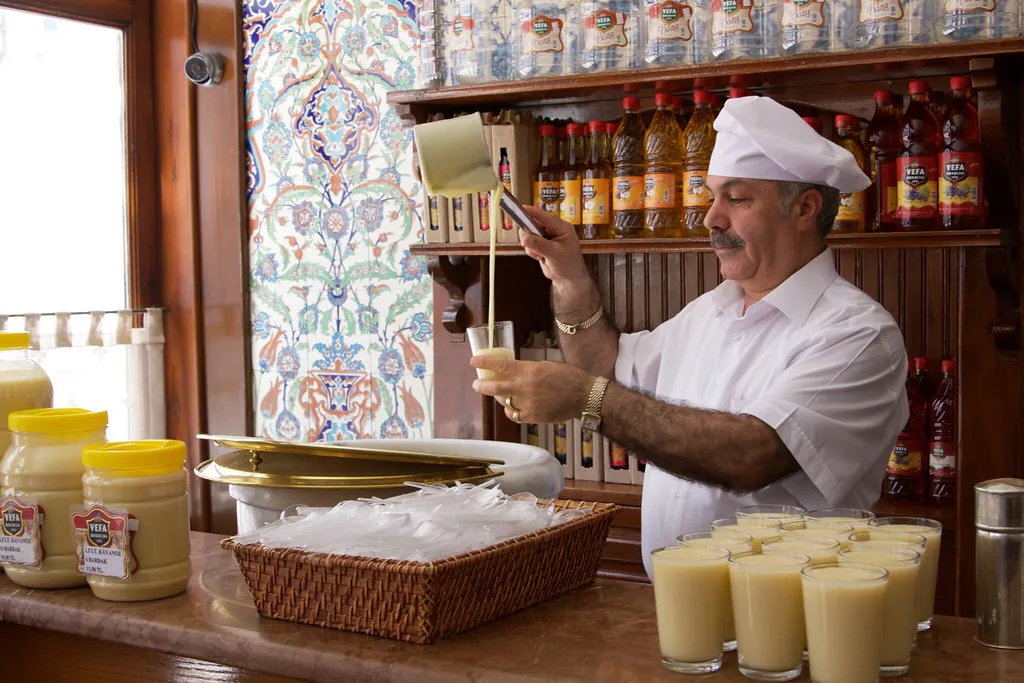
Boza reached its cultural peak during the Ottoman Empire. A 17th-century traveller reported more than 300 boza shops in Istanbul alone, employing over a thousand people. The drink was sold by street vendors who carried it in metal containers on shoulder poles, calling out in a distinctive voice that became part of urban soundscape. The novelist Orhan Pamuk made a boza street vendor the central character of his 2014 novel A Strangeness in My Mind, capturing how embedded this trade was in everyday life.
The most famous surviving boza producer is Vefa Bozacısı in Istanbul, founded in 1876 and still run by the same family's fourth generation. A glass display case in the shop preserves a cup from which Atatürk drank in 1937. As the Ottoman Empire spread across the Balkans, this thick fermented malt drink became embedded in Bulgarian, Albanian, and North Macedonian food culture — each country developing its own preferred sweetness level and grain base. Bulgarian boza is generally sweeter and less sour than the Turkish version, reflecting a lighter fermentation.
Where to Find Boza in Bulgaria
No competitor guide covers this, so it is worth being specific. In Sofia, the most reliable place to buy fresh boza is from dedicated boza shops and stalls in and around the Women's Market (Zhenski Pazar) on Georgi Sava Rakovski Street in the Serdika area. These small establishments sell boza by the glass or in plastic bottles to take away, and most open from around 07:00. The morning rush coincides with the nearby bakeries selling banitsa, and it is entirely normal to eat breakfast standing at the counter.
Supermarkets across Bulgaria stock bottled boza year-round — brands such as Boza Zhivkov and various regional dairy cooperatives produce pasteurised versions in 500ml and 1-litre bottles. These are shelf-stable before opening but lack the light fizz of fresh boza. The trade-off is convenience: a bottle costs around 1.50–2.50 BGN (0.75–1.25 EUR) and keeps for several days once refrigerated.
Traditionally, boza was sold exclusively in winter, when cooler temperatures made fermentation manageable without refrigeration. Today it is available throughout the year in Bulgaria, but consumption peaks in the colder months — October through March — when its warming, nourishing quality is most appreciated. If you visit Bulgaria in summer and want fresh boza, the central market stalls in Sofia and Plovdiv are your most dependable option rather than smaller neighbourhood shops.
Boza Ingredients: What You'll Need
Making boza at home requires four things: grain, water, sugar, and time. Hulled millet is the most traditional and beginner-friendly grain — it produces a smooth, creamy drink with a mild nutty flavour and is widely available in health food shops. You will need around 200g of hulled millet to produce approximately 1.5 litres of finished boza. Add 1.5 litres of water for cooking, plus another 400ml for adjusting consistency after blending. Sugar is added after fermentation: start with 80–100g and adjust to your taste.

A starter culture initiates fermentation. The cleanest approach is to use 100–200g from a previous batch of boza once you have made your first successful run. For a first attempt, the grain will ferment slowly on its own via wild yeasts in the air and on your utensils — this produces the most authentic flavour but takes longer and can fail in very cold or very sterile kitchen environments. A small pinch of active dry yeast (not bread yeast in quantity — just a quarter teaspoon) dissolved in warm water provides a more reliable first fermentation, though the flavour is slightly less nuanced. Sourdough starter works as an alternative but tends to produce a noticeably sourer result.
Equipment is simple: a large saucepan, an immersion blender, a fine-mesh sieve or cheesecloth, a 2-litre glass jar with an airtight lid, and clean bottles for storage. Sterilise everything with hot soapy water and rinse well. Any residue from previous ferments — especially pickle brine or kombucha — can introduce unwanted flavour compounds.
Step-by-Step: How to Make Boza at Home
The process takes about 3–5 days from start to finish, with most of that time being passive fermentation. The hands-on work amounts to roughly 30 minutes of active cooking and 5 minutes of daily stirring. This recipe yields approximately 1.5 litres.
- Wash the millet. Rinse 200g of hulled millet in cold water until the water runs clear. This removes surface starch that can make the finished drink gummy.
- Cook. Add the drained millet to a large saucepan with 1.5 litres of water. Bring to a boil, reduce heat to low, and simmer with the lid slightly ajar for 45–60 minutes, stirring every 10 minutes. The millet should be completely soft and porridge-like. Some sticking on the base of the pan is normal and will loosen as the mixture cools.
- Cool and blend. Turn off the heat and allow the millet porridge to cool to room temperature — about 2 hours. Add 400ml of fresh cold water and blend smooth with an immersion blender.
- Strain. Pass the blended mixture through a fine sieve into a large bowl, pressing firmly with the back of a spoon to extract as much liquid as possible. The leftover grain pulp can be stirred into oatmeal or discarded. The strained liquid should look like thin runny custard — thick but pourable.
- Ferment. Pour the liquid into a clean 2-litre glass jar, seal airtight, and leave in a dark spot at room temperature for 2–4 days. Stir once per day and taste after each stir. The drink is ready when the flat, bland flavour has developed into something fruity, faintly tangy, and slightly fizzy. Fermentation is faster in warm kitchens (20–22°C) and slower in cool ones. If the drink begins fermenting very actively after day one, move it to the refrigerator and let it continue slowly for another 2–3 days — this produces a better flavour than rushing.
- Sweeten and adjust. Transfer the fermented boza to a large bowl and whisk in 80–100g of sugar until fully dissolved. Add cold water (50–150ml) until the consistency is thick but pourable. Divide into bottles and refrigerate for 24 hours — the cold rest allows the flavour to round out.
- Serve. Pour into tall glasses, dust with ground cinnamon, and add a handful of roasted chickpeas (leblebi) for the traditional serving style.
Establishing Your Boza Starter: Traditional vs. Modern Methods
The starter question is the most common point of confusion for first-time boza makers. Traditional Bulgarian and Turkish production relies on a backslopped culture — a portion of finished boza stirred into the new batch to inoculate it with the right lactic acid bacteria and yeasts. Once you have a successful batch, save 150–200ml in the refrigerator specifically for this purpose. Stir it into your next batch immediately after straining. This not only accelerates fermentation but makes it far more reliable, as the microbial community is already calibrated to your grain and water.
For a first batch without an existing starter, wild fermentation is the most authentic route. Leave the strained millet liquid uncovered for 4–6 hours before sealing the jar — this allows airborne and surface yeasts to colonise it. The drawback is variability: a very clean kitchen in winter may not have enough wild yeast activity, and the batch can stall or smell unpleasant (a persistent sulfurous odour is a sign of unwanted bacteria, not just strong fermentation — discard if it appears).
A small dose of active dry yeast — a quarter teaspoon dissolved in a tablespoon of warm water with a pinch of sugar, added once frothy — is the reliable fallback. It produces a slightly more yeasty, less complex boza than wild fermentation or a live backslopped culture, but it almost never fails. Bread yeast in full recipe quantities (multiple teaspoons) should be avoided: it ferments too aggressively, driving alcohol content up and pushing the flavour toward beer rather than boza. The same problem arises with sourdough starter, which typically oversours the result within 24 hours.
Choosing Your Grain: Millet, Bulgur, Corn, and More
Millet remains the most common grain for Bulgarian boza. It produces a smooth, slightly nutty drink with a light yellow colour and moderate thickness. Hulled millet (also called pearl millet or yellow millet) is what to look for — it strains cleanly and blends into a liquid with no grainy texture. Pre-cooked bulgur wheat is common in Turkish boza production and ferments faster due to its pre-processing, yielding a slightly earthier, denser drink.
Cornmeal boza is a regional tradition in parts of Bulgaria, North Macedonia, and Albania. Finely milled white cornmeal produces a lighter, sweeter drink with a pale colour. Wheat flour boza is the most intensely thick version and is traditional in some Balkan mountain communities, though its very high viscosity makes straining difficult and the flavour is sharper. For beginners, hulled millet is the clear recommendation — forgiving to cook, easy to strain, and closest to what you will taste in a Sofia boza shop.
- Hulled millet: smooth, nutty, light yellow — classic Bulgarian/Turkish style; best for beginners.
- Bulgur wheat: earthier and denser, slightly faster fermentation; traditional Turkish variant.
- Fine cornmeal: lighter colour, sweeter result, very smooth when finely milled; Macedonian/Albanian tradition.
- Wheat flour: very thick, sharp flavour, hardest to strain; specialist mountain preparation.
Serving Boza: Traditional Toppings and Pairings
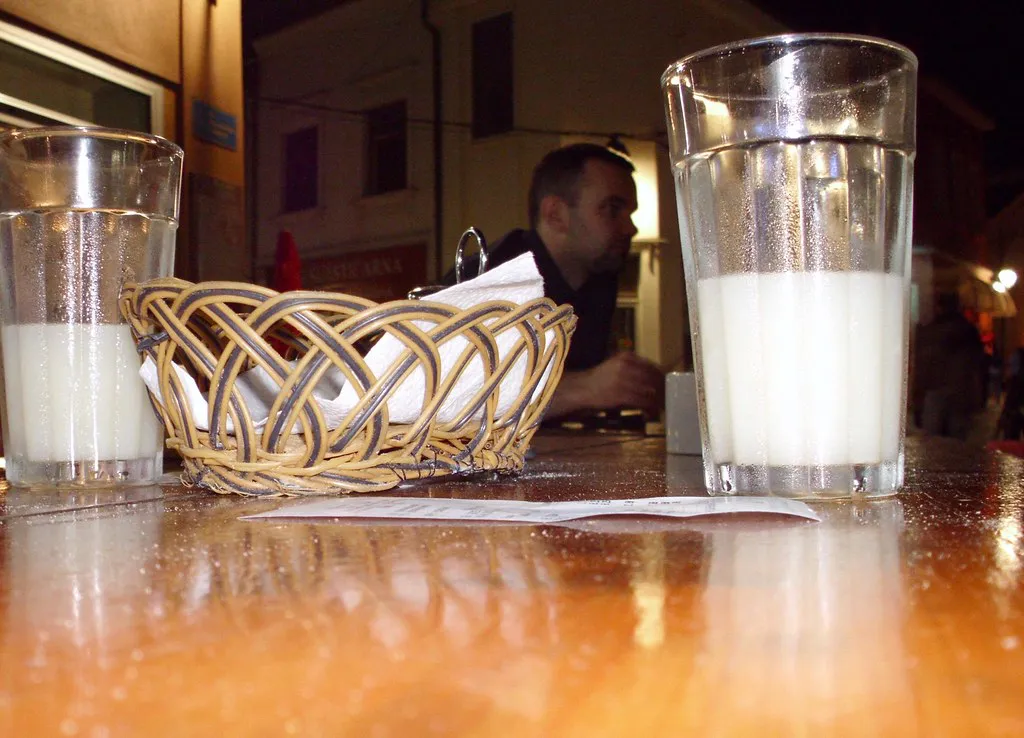
Boza is always served cold or at cool room temperature. The classic Bulgarian and Turkish way is a tall glass sprinkled with a pinch of ground cinnamon. In Istanbul, a handful of leblebi (roasted chickpeas) is added on top — their nuttiness and crunch contrasting with the creamy liquid. This combination is less common in Bulgarian shops, where plain boza with cinnamon is the standard, but it is worth trying at home.
The natural pairing in Bulgaria is a warm slice of feta banitsa — the flaky pastry that anchors a traditional morning spread. The drink's sweetness cuts the saltiness of the cheese, and its thickness makes the combination feel like a full meal rather than just a snack. It also works well alongside other savory pastries and grilled meats. Beyond traditional pairings, boza makes an excellent base for probiotic smoothies — blend it with banana, a spoonful of cocoa powder, or a handful of berries. It also freezes well in popsicle moulds for a summer treat that keeps the probiotic culture intact before freezing.
Storing Homemade Boza: Tips for Freshness
Boza continues to ferment slowly in the refrigerator. Stored in sealed glass bottles or jars, homemade boza is best consumed within 3–4 days. After this point the acidity increases noticeably, the fizz intensifies, and the alcohol content edges up. It does not become dangerous — it simply becomes more sour and less balanced. If you prefer a milder boza, drink it on days one and two. If you like a tangier result, day three or four suits you better.
Signs that boza has genuinely spoiled rather than just over-fermented: visible surface mould (any colour), a persistent sulfurous or acetone smell, or an extremely sharp vinegary odour. These indicate contamination from unclean equipment rather than normal lactic fermentation. A properly made batch in a clean jar will not grow mould — it will simply get progressively more sour. Discard only if the smell is unpleasant in a chemical or rotten way, not merely sharp and fermented.
Tip for ongoing batches: reserve 150–200ml of each batch before it gets too sour (ideally on day two), label the container, and keep it at the back of the refrigerator as your starter for the next round. After two or three cycles, the culture matures and your boza develops a more consistent and complex flavour than any first batch can produce.
Other Fermented Drinks and Foods to Explore
Boza sits alongside a wider world of Bulgarian fermented foods worth exploring. Tarator — the cold yogurt and cucumber soup — shares the same sour dairy culture that defines Bulgarian fermentation traditions. Ayran, a salted yogurt drink, is the closest thing to boza's everyday rival at the Bulgarian breakfast table: both are thick, cooling, and traditional. If you want to understand how fermented grains fit into the broader world of traditional Bulgarian beverages, boza is the starting point.
Beyond drinks, the Bulgarian tradition of fermenting vegetables in brine produces the pickled vegetables (turshiya) that appear on every winter table. For anyone who enjoys making boza at home, the same patience and attention to temperature that produces good boza translates directly to any lacto-fermentation project. The grain skills transfer; the mindset transfers even more.
Continue planning: Use 15 Must-Try Bulgarian Foods: A Culinary Travel Guide and The Best Banitsa Recipe: Authentic Bulgarian Cheese Pie Guide to connect this guide with the rest of your Bulgaria itinerary.
Frequently Asked Questions
What does boza drink taste like?
Boza has a distinctive sweet and tangy flavor with a slight malty undertone. Its consistency is thick and creamy, similar to a thin pudding. The taste can vary slightly depending on the grain used and the fermentation time.
What is the history of boza?
Boza dates back to ancient Mesopotamia and gained widespread popularity during the Ottoman Empire. It spread across the Balkans and Turkey, evolving with local ingredients. It has been a staple drink for centuries.
What is boza made of?
Boza is typically made from fermented grains such as millet, wheat, or corn. Essential ingredients include the grain, water, sugar, and a starter culture (either from a previous batch or yeast). These simple components create its unique flavor.
What is the alcohol content of boza?
Traditional boza has a very low alcohol content, typically less than 1% ABV. It is generally considered a non-alcoholic beverage in most cultures where it is consumed. The fermentation produces lactic acid, not significant alcohol.
Why should I make boza at home?
Making boza at home allows you to control the ingredients, sweetness, and fermentation level. It's a rewarding culinary project that offers fresh, preservative-free boza. Homemade versions often taste better and can be tailored to your preference.
Boza is more than just a drink; it's a cultural icon, a historical artifact, and a delicious, refreshing beverage. Whether you encounter it at a Sofia market stall paired with a fresh banitsa, or brew your own batch at home from hulled millet, the experience connects you to centuries of Balkan tradition. Start with millet, use a small amount of starter from a successful batch, ferment slowly, and adjust the sweetness to your preference. Once you taste properly made boza — thick, faintly fizzy, and balanced between sweet and sour — it is difficult to go back to anything else for breakfast.
For connected planning, compare practical Bulgaria travel guide with Bulgaria seasonal planning guide before finalizing your route.