Mastering Banitsa: Your Guide to Authentic Bulgarian Cheese Pie
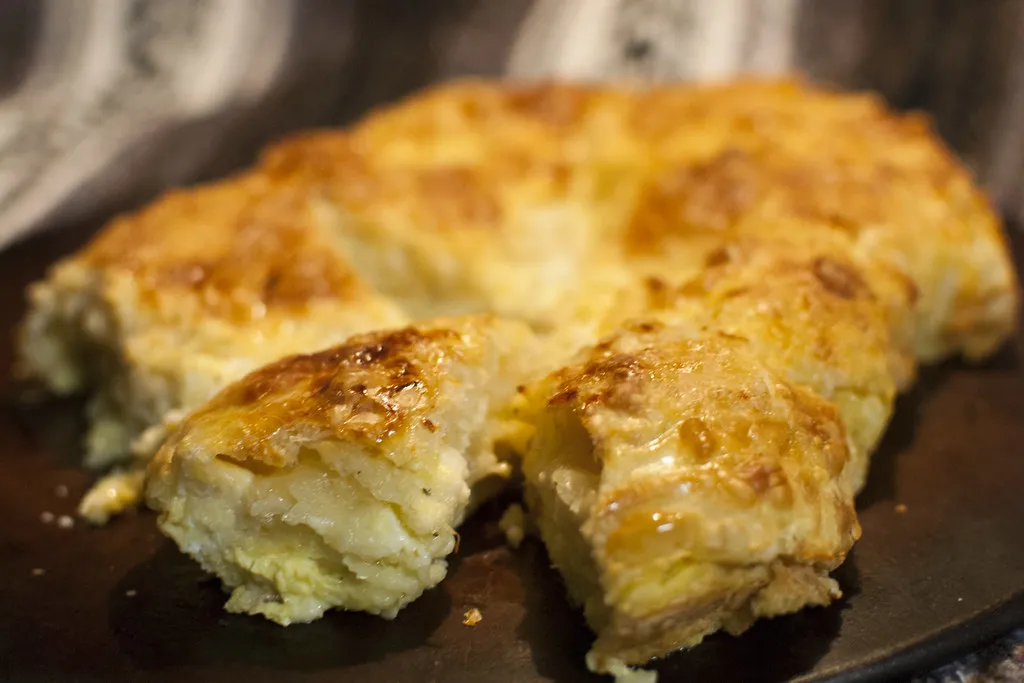
Banitsa is Bulgaria's most iconic pastry — a golden, flaky filo pie filled with brined white cheese, eggs, and yogurt. It is sold warm from bakeries across the country every morning, and no Bulgarian breakfast table is complete without it. Whether you want to make it at home or simply understand what you ate in Sofia, this guide covers everything.
For an easy visual walkthrough of the banitsa method, watch this video:
In 2026, banitsa remains the single dish most visitors associate with Bulgaria. It is cheap, filling, and available on virtually every high street. Understanding what makes an authentic one — the cheese, the dough, the method — helps you both cook it and appreciate it when you find a genuinely good version on the road.
What is Banitsa? A Bulgarian Breakfast Staple
Banitsa (баница) is a traditional Bulgarian baked good made from thin filo sheets layered with a savory cheese and egg filling. It is eaten warm for breakfast across Bulgaria, often alongside a bowl of thick local yogurt or a cold glass of fermented boza drink. The pastry's name derives from an Old Bulgarian root meaning "to fold" — a reference to how the dough is worked, as documented on Wikipedia.
The cheese filling is the heart of the dish. Authentic banitsa uses sirene, a semi-hard brined white cheese with a crumbly texture and a clean, salty tang. Eggs and thick yogurt bind the filling and keep it creamy after baking. The combination produces a soft, custardy interior surrounded by shatteringly crisp filo layers.
Banitsa carries real cultural weight in Bulgaria. On New Year's Eve, fortunes written on small pieces of paper — or small dogwood twigs and coins — are tucked between the layers before baking. Whoever finds a charm in their slice is said to enjoy good luck for the coming year. This tradition turns a simple pastry into a shared ritual that most Bulgarian families observe without exception.
The dish sits squarely in the Bulgaria's wider food scene alongside shopska salad and tarator. It predates modern bakeries by centuries, and home versions have been passed down through generations with only minor regional variations. Knowing banitsa is knowing Bulgarian food culture.
Essential Ingredients for Authentic Banitsa
Classic banitsa requires only four core ingredients: filo dough, sirene cheese, eggs, and butter. Some recipes add plain yogurt and a pinch of baking soda to the filling, which reacts with the yogurt's acidity to lighten the texture slightly. Beyond that, there is very little to source.
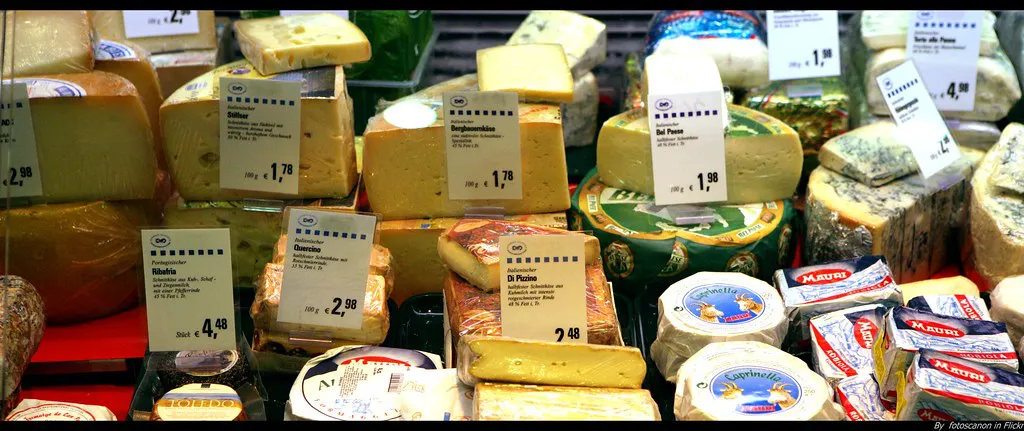
Sirene (сирене) is the non-negotiable ingredient. This Bulgarian white cheese is stored in brine, giving it a firm but crumbly texture and a saltiness that is milder than most feta. It is made from sheep's, cow's, or goat's milk — sheep-milk sirene has the strongest flavor and is closest to what you would find in a traditional Bulgarian kitchen, and you can read more about this brined cheese and its variants. Outside Bulgaria, good-quality Greek feta is the most practical substitute. If using feta, taste it first: it is often saltier than sirene, so you may need to reduce any added salt in the filling.
Bulgarian yogurt (кисело мляко) is thick, tangy, and made with specific live cultures — Lactobacillus bulgaricus and Streptococcus thermophilus. It behaves differently from Greek yogurt in the filling: it spreads more easily and produces a slightly lighter result. Greek yogurt works as a substitute but is denser. If the yogurt is too thick to spread over filo sheets, thin it with a small splash of water before mixing.
For the filo, the same paper-thin pastry dough used across the Mediterranean, fresh refrigerated sheets give the crispiest result. Frozen filo works well provided you thaw it overnight in the refrigerator — never thaw at room temperature, which causes the sheets to stick together. Whichever you use, keep unused sheets covered with a lightly damp kitchen towel the entire time you are working. Filo dries out in minutes once exposed to air.
Step-by-Step: How to Make Bulgarian Banitsa
Preparation takes around 25 minutes; baking takes 35–45 minutes. This recipe uses the layered method, which is the more forgiving approach for home cooks. The coiled method is explained in the next section.
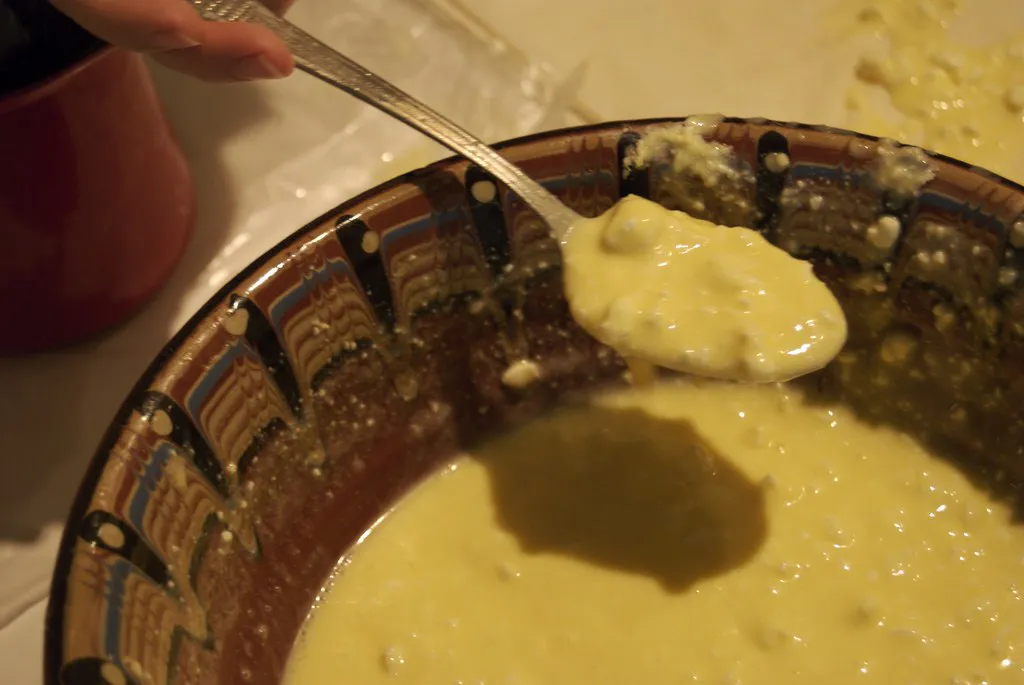
- Make the filling. Crumble 340–400g of sirene (or feta) into a large bowl. Whisk 4 large eggs with 200ml of plain yogurt and half a teaspoon of baking soda until smooth. Combine with the cheese and mix well. The filling should be loose enough to spread.
- Prepare your pan. Preheat the oven to 190°C (375°F). Brush a 30cm round or 23×33cm rectangular baking dish generously with melted butter.
- Layer the banitsa. Place one sheet of filo in the pan, letting the edges overhang. Brush with melted butter. Spread a thin, even layer of filling over it. Lay another sheet on top, brush with butter, add filling. Repeat until all the filling is used — usually six to eight layers total.
- Seal and finish. Fold any overhanging filo edges back over the top. Brush the surface generously with butter. For a glossy finish, whisk one extra egg with a tablespoon of yogurt and pour evenly over the top.
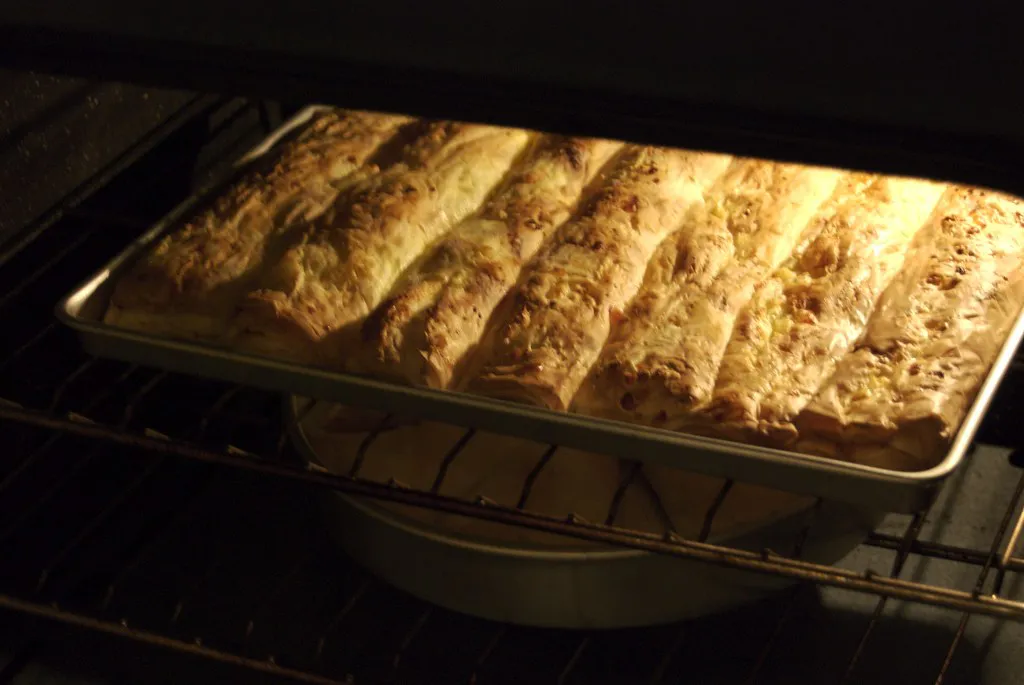
- Bake. Bake for 35–45 minutes until deep golden brown. The top should feel firm when pressed gently. Rest the pan under a clean kitchen towel for 10–20 minutes before slicing — this allows the layers to set and makes cleaner cuts.
Serve warm with a bowl of cold Bulgarian yogurt. The contrast between the hot, salty pastry and the chilled yogurt is the canonical way to eat it.
Assembling Your Banitsa: Coiled vs. Layered Methods
The two main assembly methods produce different textures and appearances. The coiled method is the one most commonly seen in Bulgarian bakeries. The layered method is more forgiving and faster at home.
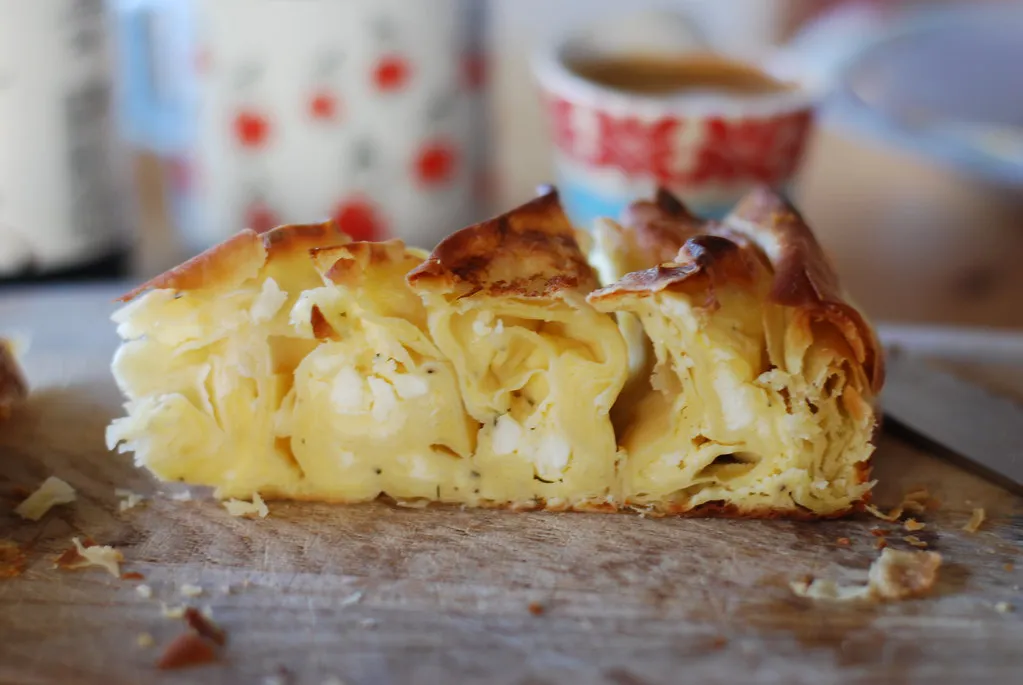
For the coiled method, spread a thin line of filling along one long edge of a single filo sheet, then roll the sheet tightly into a long tube. Curl that tube along the outer edge of a greased round pan. Continue rolling and coiling tubes inward until the pan is full. The result is a dense, uniform spiral that holds together cleanly when sliced — ideal if you are making banitsa for a celebration or a crowd. Bake at 190°C for 45–60 minutes.
The layered method (described step-by-step above) stacks sheets flat in a rectangular pan. It produces more defined crispy layers and a lighter overall texture. The filo can be laid flat or crinkled slightly as you place it — crinking adds extra flakiness. Broken sheets are not a problem; puzzle pieces together and cover with butter as normal.
One practical note: if you use a springform pan for the coiled version, place the pan on a rimmed baking sheet in the oven. Melted butter seeps through the bottom seam and will smoke if it hits the oven floor directly.
Where to Eat Banitsa in Bulgaria
If you are visiting Bulgaria, skip the supermarket and find a баничарница (banitsa shop) or a фурна (bakery). These are everywhere — in every town centre, near every metro station in Sofia, and next to most university campuses. They open early, often by 06:00, and the first batch comes out of the oven between 07:00 and 08:00. That window is when banitsa is at its best: the filo is still crackling and the cheese filling is just set.
A single piece costs 1.50–2.50 BGN (roughly 0.75–1.25 EUR) at a street bakery in 2026. In tourist-facing café chains, expect to pay 3–4 BGN. The price difference is not matched by quality — the street bakery version is almost always better. Bulgarians eat banitsa standing up at a counter or walking to work, wrapped in a small paper bag.
The quality gap between a supermarket banitsa and a fresh one is significant. Packaged versions sold in plastic wrap at supermarkets use vegetable oil instead of butter and a thicker, commercial filo that does not shatter the same way. They are fine in a pinch but bear little resemblance to a freshly baked one. If you want the real experience, get there before 09:00.
In Sofia, the underground pedestrian passages near Sofia University metro station have multiple banitsa stands that locals queue at every weekday morning. In Plovdiv, the bakeries around the central market (Централен пазар) are a reliable stop. Smaller towns often have a single bakery that the whole community uses — asking your guesthouse host where the local фурна is will almost always get you a genuine recommendation.
Expert Tips for the Perfect Banitsa
Keep everything cold and buttered. Filo dries out within minutes of exposure to air; a slightly damp towel over unused sheets is non-negotiable. Brush every layer with enough butter that it glistens, but do not soak the sheets — too much butter makes the bottom soggy.
The baking soda tip from traditional recipes is worth following. Half a teaspoon of baking soda in the egg-yogurt mixture reacts with the yogurt's acidity during baking. The result is a slightly puffed, lighter filling rather than a dense, rubbery one. Do not skip it if you are using full-fat Bulgarian or Greek yogurt.
After you pull the banitsa from the oven, cover it with a clean kitchen towel and leave it for at least 10 minutes. The steam softens any overly crispy top edges and allows the filling to firm up. Slicing too early causes the layers to pull apart and the filling to run.
- Soggy bottom: bake on the lower rack with a preheated oven; make sure butter is brushed, not poured.
- Dry filo cracking: keep unused sheets covered and work quickly; a small tear does not matter — butter over it.
- Uneven browning: rotate the pan 180° halfway through baking.
- Too salty: substitute a quarter of the sirene with unsalted ricotta, or add an extra tablespoon of yogurt to the filling.
- Filling too thick to spread: thin with a tablespoon of water at a time until it reaches a spreadable consistency.
Popular Banitsa Variations to Try
The cheese version is the baseline, but Bulgarian cooks have adapted banitsa to almost every filling imaginable. The savory variations are the most common, and most Bulgarian bakeries rotate at least two or three types daily.
Spanachena banitsa (спанашена баница) adds wilted spinach to the cheese filling. The spinach is squeezed dry before mixing — any residual water makes the filling watery and prevents the filo from crisping. Leek banitsa follows the same logic: finely sliced leeks are softened in butter first, then combined with cheese and egg. Both versions are more filling than the plain cheese version and work well as a lunch rather than a breakfast.
For something sweet, tikvenik (тиквеник) replaces the cheese filling with grated pumpkin, walnuts, sugar, and cinnamon. It is the autumn and winter seasonal variation, most often seen around Christmas and New Year's. The pumpkin is salted and drained before mixing to remove excess moisture — the same principle as the spinach version. Tikvenik is considered a Bulgarian dessert in its own right and is common at holiday tables.
Other variations include mesna banitsa (with minced meat), cabbage banitsa, and less common apple versions. Regional differences exist too: in some parts of Bulgaria, oil replaces butter entirely, producing a slightly denser but longer-lasting pastry. These oil-based versions travel better and are what you typically find in packaged form.
How to Store and Reheat Banitsa
Cool banitsa completely before storing — trapping steam turns the filo soft. Wrap tightly in foil or place in an airtight container and refrigerate for up to 3–4 days. For longer storage, freeze individual slices wrapped in foil for up to 2–3 months.
To reheat and restore crispiness, use the oven rather than the microwave. Place slices on a baking tray and heat at 150°C (300°F) for 10–15 minutes. The microwave reheats faster but turns the filo chewy — acceptable if you are in a hurry, but not ideal. From frozen, thaw overnight in the refrigerator and then reheat in the oven as above.
One trick from Bulgarian home cooks: place a small ovenproof dish of water on the bottom rack while reheating. The steam prevents the edges from over-drying while the bottom crisps back up. It takes an extra minute of setup but makes a noticeable difference with day-old banitsa.
Continue planning: Use 15 Must-Try Bulgarian Foods: A Culinary Travel Guide and Bob Chorba: The Essential Guide to Bulgaria's Traditional Bean Soup to connect this guide with the rest of your Bulgaria itinerary.
Frequently Asked Questions
What is banitsa?
Banitsa is a traditional Bulgarian pastry made from layered phyllo dough with a savory filling, most commonly cheese. It is a popular breakfast item and a staple for holidays and celebrations. Many variations exist, including sweet and savory options.
How do you make banitsa?
Making banitsa involves preparing a cheese and yogurt filling, layering it between buttered phyllo dough sheets, and then baking until golden. The dough can be layered flat or coiled into a spiral shape. A final egg-yogurt wash creates a beautiful crust.
What ingredients are in banitsa?
Key ingredients for banitsa include phyllo dough, Bulgarian white cheese (sirene), eggs, plain yogurt, and melted butter. Variations might add spinach, pumpkin, leeks, or other vegetables to the filling. Fresh ingredients are crucial for the best flavor and texture.
Can you make banitsa with puff pastry?
While you can make a similar savory pie with puff pastry, it would not be considered authentic banitsa. Banitsa's signature flaky texture comes specifically from thin phyllo dough. Puff pastry creates a different, heavier texture that changes the dish's character.
How do you store banitsa?
Store cooled banitsa tightly wrapped in foil or an airtight container in the refrigerator for up to 3-4 days. For longer storage, you can freeze it for up to 2-3 months. Reheat in an oven at 150°C (300°F) for 10-15 minutes to restore crispiness.
What cheese is best for banitsa?
The best cheese for authentic banitsa is Bulgarian sirene, a brined white cheese similar to feta but often milder and creamier. If sirene is unavailable, a combination of good quality feta and ricotta cheese can be used as a substitute. Ensure the cheese is crumbly.
What are common banitsa variations?
Common banitsa variations include spinach (spanachena banitsa), leek, pumpkin (tikvenik), and sometimes cabbage or meat fillings. Sweet versions often feature pumpkin, apples, or walnuts. These variations offer diverse flavors while maintaining the classic phyllo dough structure.
Is banitsa difficult to make?
Banitsa is not inherently difficult to make, but it requires careful handling of the phyllo dough to prevent it from drying out. The layering process is straightforward, and with a little practice, home cooks can achieve excellent results. Our step-by-step guide simplifies the process.
Banitsa rewards both the home cook and the curious traveler. Make it once at home and you understand why every Bulgarian bakery sells out of it by mid-morning. Find a good фурна on your next trip and eat it warm with yogurt — that is the full experience.
The recipe itself is straightforward: quality sirene, cold filo kept damp, and enough butter between the layers. Everything else is technique you build with repetition. Start with the layered method, try the coil once you are comfortable, and explore the variations from there.
For connected planning, compare practical Bulgaria travel guide with Bulgaria seasonal planning guide before finalizing your route.